The Biggest Food Invention Of Every Decade In The 20th Century
The 1900s reshaped daily life in countless ways, and the kitchen felt that shift more than almost anywhere else.
Each decade introduced a food breakthrough that changed routines, saved time, or added a little extra fun to the table.
Convenience crept in, creativity exploded, and eating habits evolved right alongside modern life.
Breakfast shortcuts, freezer-friendly favorites, and clever new ideas quietly rewrote how meals fit into busy schedules.
Keep scrolling to see which food inventions defined each decade and why their influence still shows up on plates today.
Disclaimer: This article is provided for general informational and historical interest.
Dates, product introductions, and cultural impacts are presented based on widely accepted records and public sources.
Interpretations of influence and significance reflect general consensus and cultural context rather than technical or scientific evaluation.
1. 1900s: Tea Bags Transform Morning Routines
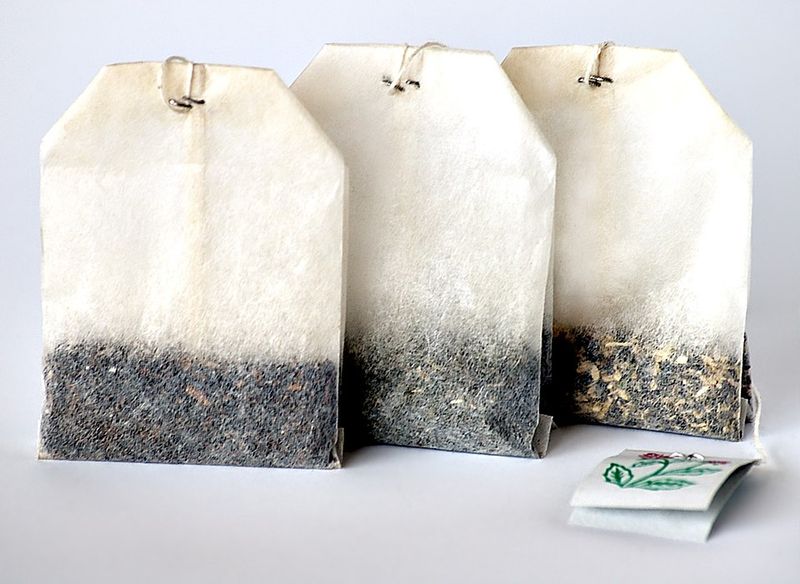
Picture a world where making tea meant measuring loose leaves, waiting forever, and cleaning up a mess afterward.
Around 1908, tea bags changed everything by letting people enjoy a perfect cup without the fuss.
Suddenly, busy mornings became simpler, and tea lovers everywhere could brew their favorite drink in seconds.
If you’ve ever grabbed a tea bag on a rushed morning, you know exactly why this invention became such a lifesaver.
Honestly, it’s hard to imagine life before this little pouch of convenience existed.
2. 1910s: Processed Cheese Revolutionizes Sandwiches
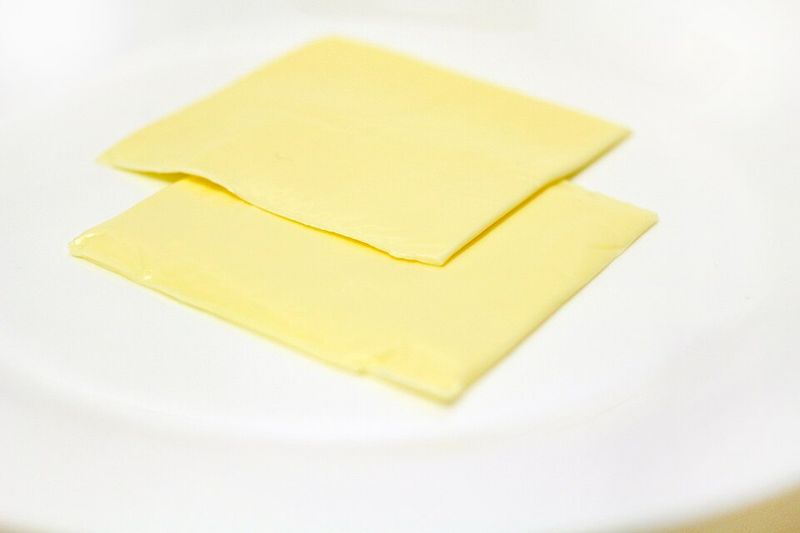
Kraft’s 1916 patent for processed cheese turned dairy into something that could survive road trips, lunchboxes, and even wartime rations without spoiling.
Before this innovation, cheese went bad quickly and crumbled into a mess.
Processed cheese stayed smooth, melted beautifully, and made grilled cheese sandwiches a household favorite.
Maybe it doesn’t win gourmet awards, but it definitely wins hearts when you’re craving comfort food on a rainy afternoon.
Essentially, this invention made cheese accessible to everyone, everywhere.
3. 1920s: Sliced Bread Becomes The Gold Standard
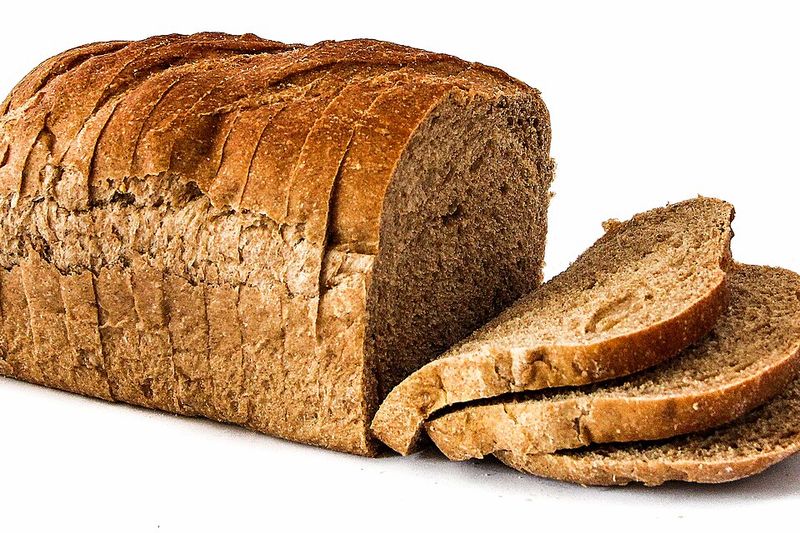
When Otto Frederick Rohwedder invented the bread-slicing machine in 1928, people literally said new inventions were the best thing since sliced bread.
No more uneven chunks or crumbly edges – just perfect slices ready for toast, sandwiches, or a quick snack.
Bakeries and families alike celebrated because breakfast suddenly took half the time.
While it sounds simple now, this invention set the bar so high that we still use it as the ultimate compliment.
Naturally, convenience never tasted so good.
4. 1930s: Quick-Frozen Foods Preserve Freshness
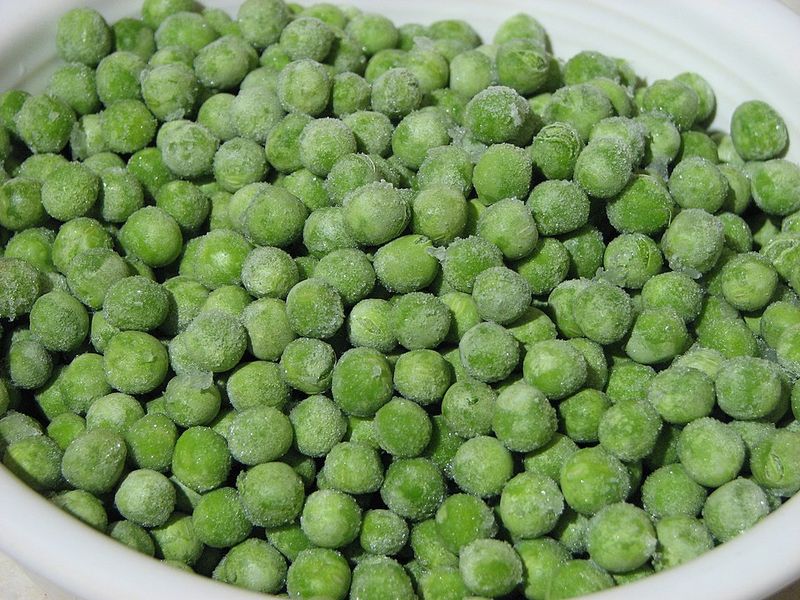
Clarence Birdseye’s experiments in the early 1930s brought frozen foods to grocery stores, letting families enjoy vegetables and fish year-round without worrying about spoilage.
Before freezing became mainstream, people relied on canning or eating only what was in season.
Suddenly, a taste of summer could happen in the middle of winter.
However, the real magic was how freezing locked in nutrients and flavor, making healthy eating easier for everyone.
Thankfully, this invention turned freezers into treasure chests of possibilities.
5. 1940s: M&M’s Bring Color To Candy
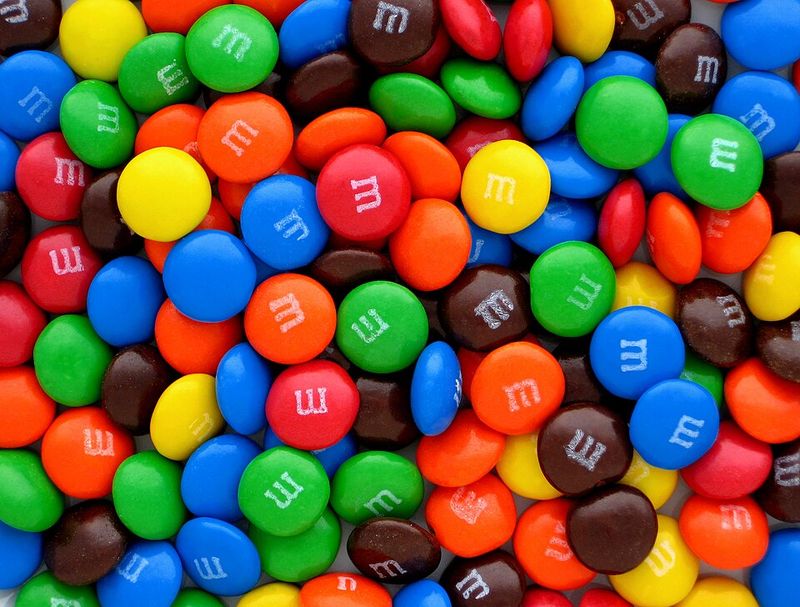
Introduced in 1941, M&M’s were originally created for soldiers who needed chocolate that wouldn’t melt in their pockets during World War II.
The candy-coated shell was pure genius, keeping the chocolate safe from heat and mess.
After the war, kids and adults fell in love with the colorful candies that melted in your mouth, not in your hand.
Perhaps no other candy has sparked as many debates over favorite colors or inspired as many movie-theater snack runs.
Absolutely, this invention made chocolate fun and portable.
6. 1950s: TV Dinners Match Modern Lifestyles
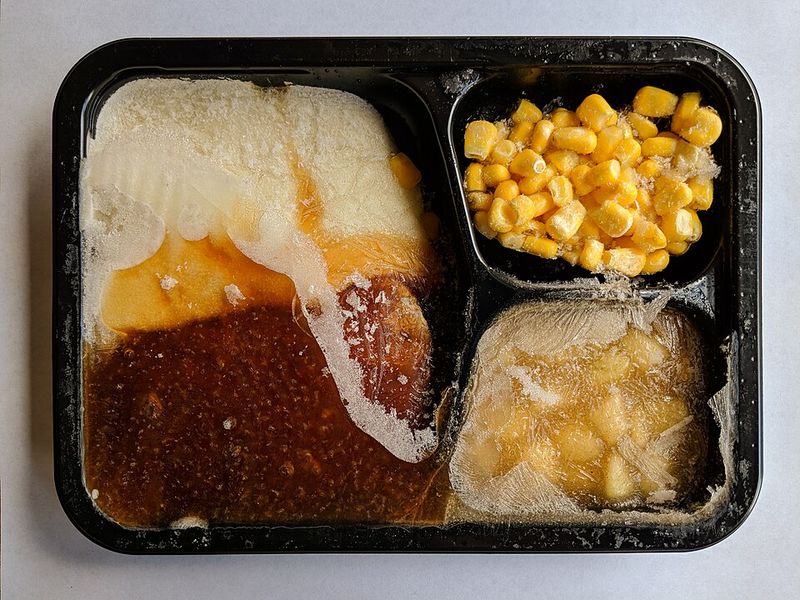
Swanson’s 1953 TV dinner arrived just as families were gathering around their television sets for evening entertainment.
These frozen meals in aluminum trays meant dinner could be ready in minutes, letting parents skip hours of cooking after long workdays.
Each compartment held meat, veggies, and even dessert – a complete meal with zero cleanup.
While critics called them bland, millions of families called them a miracle on busy weeknights.
Surprisingly, TV dinners became a cultural icon that defined an entire era of convenience.
7. 1960s: Pop-Tarts Redefine Breakfast Speed
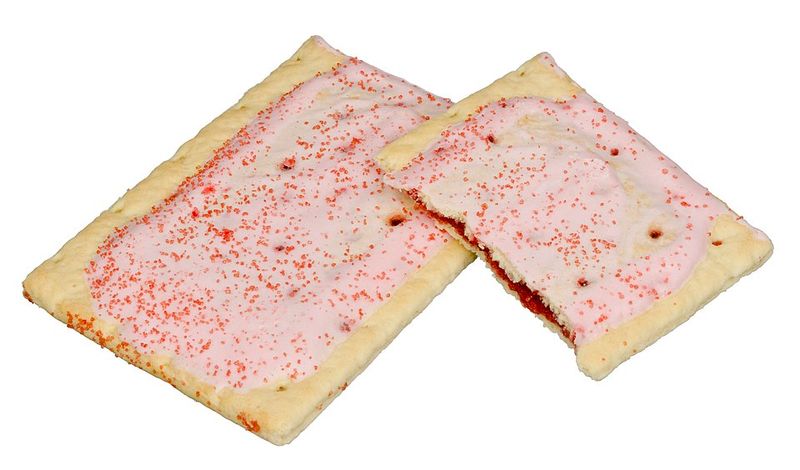
When Pop-Tarts hit shelves in 1964, breakfast transformed from a sit-down meal into a grab-and-go adventure.
Kids loved the sweet, frosted pastries that popped out of the toaster in seconds, while parents loved the convenience on hectic school mornings.
Whether eaten warm or straight from the package,
Pop-Tarts became a lunchbox staple and after-school treat.
Specifically, this invention proved that breakfast could be fun, fast, and still feel like a special treat.
Really, who needs a full kitchen when you have a toaster?
8. 1970s: Cup Noodles Deliver Instant Comfort
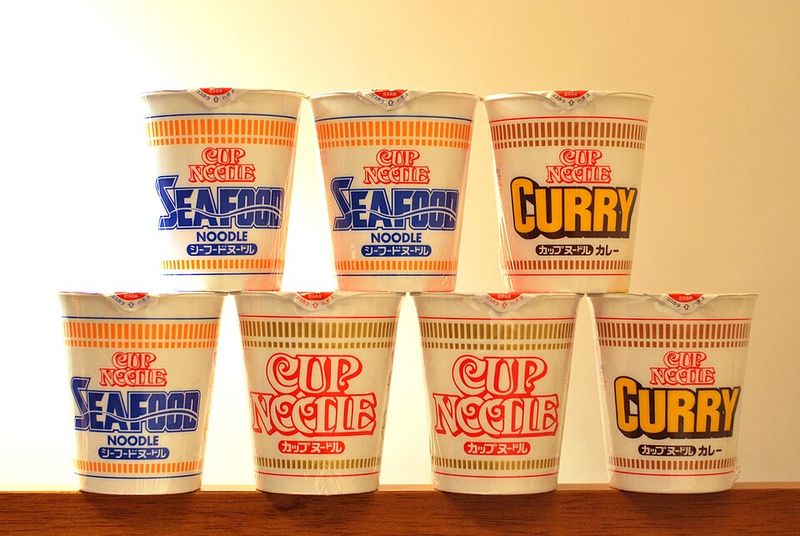
Introduced in 1971, Cup Noodles took instant ramen to a whole new level by adding boiling water directly to the cup.
College students, office workers, and anyone short on time discovered a hot meal could happen in just three minutes.
The portable cup meant no dishes, no mess, and no excuses for skipping a meal.
Often, a steaming cup of noodles became the ultimate comfort food during late-night study sessions or chilly evenings.
Fortunately, this invention made delicious food accessible to anyone, anywhere.
9. 1980s: Lunchables Make Lunch Playful

Released nationally in 1988, Lunchables turned lunchtime into a fun, interactive experience where kids could build their own mini meals.
Each package came with crackers, cheese, and meat, letting children feel like little chefs assembling their perfect snack.
Parents appreciated the convenience, while kids loved the control and variety.
Instead of boring sandwiches, lunch became an adventure with endless combinations and zero prep time.
Personally, this invention made packing school lunches feel less like a chore and more like a creative project.
10. 1990s: Flavr Savr Tomato Pioneers Biotech
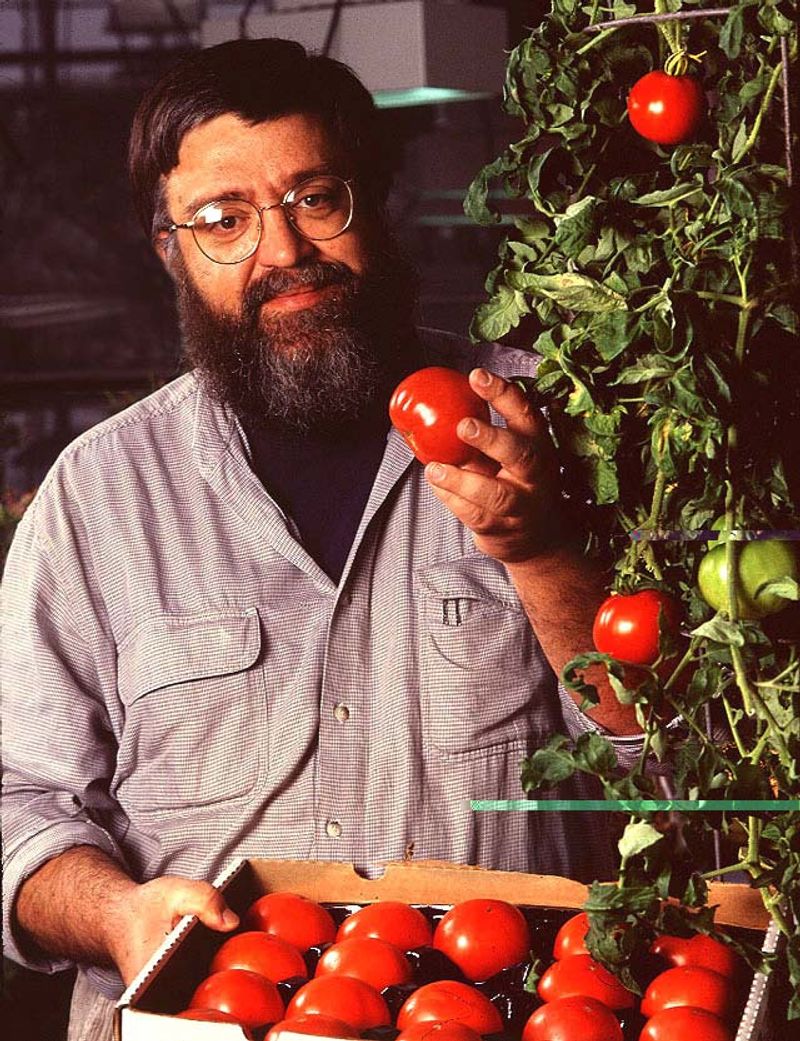
The Flavr Savr tomato, launched in 1994, became the first genetically modified food sold to American consumers.
Scientists engineered it to stay fresh longer, reducing waste and giving families more time to enjoy ripe tomatoes without them turning mushy.
Though controversial, this invention opened debates about food technology, sustainability, and the future of farming.
Whether you loved or questioned it, the Flavr Savr tomato marked a turning point in how we think about food production.
Curiously, it sparked conversations that continue shaping agriculture today.