The First 10 Disney Animated Films That Started It All
Long before streaming services and CGI blockbusters dominated entertainment, Walt Disney attempted something nobody had ever tried: a full-length animated feature film. Critics doubted it, insiders called it “Disney’s Folly,” but the result was groundbreaking.
Over the next decade, Disney produced a stunning lineup of animated films that transformed movies, music, and storytelling. Each release brought bold ideas, imaginative visuals, and unforgettable characters to the screen, elevating animation beyond simple cartoons.
Some films made audiences laugh, others brought tears, and a few left viewers in complete awe. These early features laid the foundation for a new era of filmmaking, inspiring generations of animators, musicians, and storytellers.
Exploring the first ten Walt Disney Productions animated features reveals a mix of creativity, innovation, and timeless charm. Dive into the origins of Disney magic, celebrate the milestones that defined animation history, and discover why these films remain essential classics for fans of all ages.
1. Snow White and the Seven Dwarfs (1937)
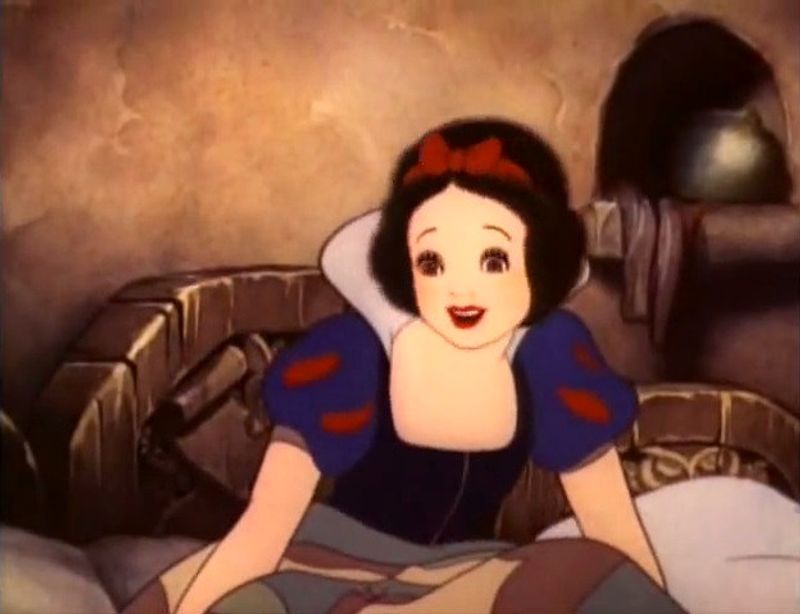
Hollywood said it couldn’t be done. A full-length animated feature film?
Absolutely ridiculous, said the critics. Walt Disney proved every single doubter spectacularly wrong on December 21, 1937, when Snow White and the Seven Dwarfs hit theaters and audiences lost their minds in the best possible way.
Costing around $1.5 million, it became the highest-grossing film of 1938. Seven tiny miners, one poisoned apple, and a magic mirror created cinema history.
Every frame was hand-drawn by hundreds of dedicated artists.
Fun fact: Snow White earned Walt Disney an honorary Oscar, plus seven miniature statuettes, one for each dwarf. Adorable and iconic!
2. Pinocchio (1940)
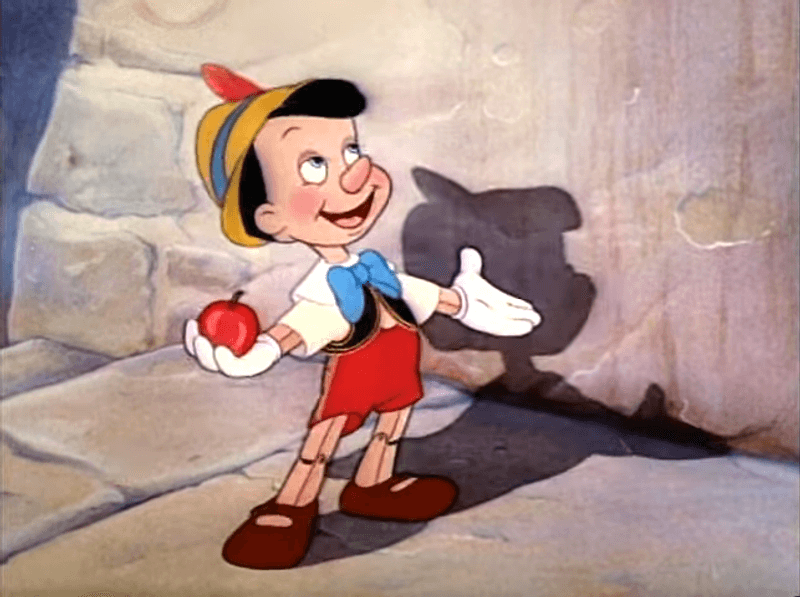
A wooden puppet who just wants to be real. Sounds simple enough, right?
Pinocchio, released February 7, 1940, turned Carlo Collodi’s 1883 Italian novel into a breathtaking animated masterpiece packed full of moral lessons, catchy songs, and genuinely terrifying whale chases.
Animators introduced multiplane camera techniques that made backgrounds look stunningly three-dimensional, almost like early 3D before 3D was even a concept. Jiminy Cricket became one of Disney’s most beloved characters almost instantly.
“When You Wish Upon a Star” won the Academy Award for Best Original Song and later became the official Disney theme song. A puppet truly became a legend.
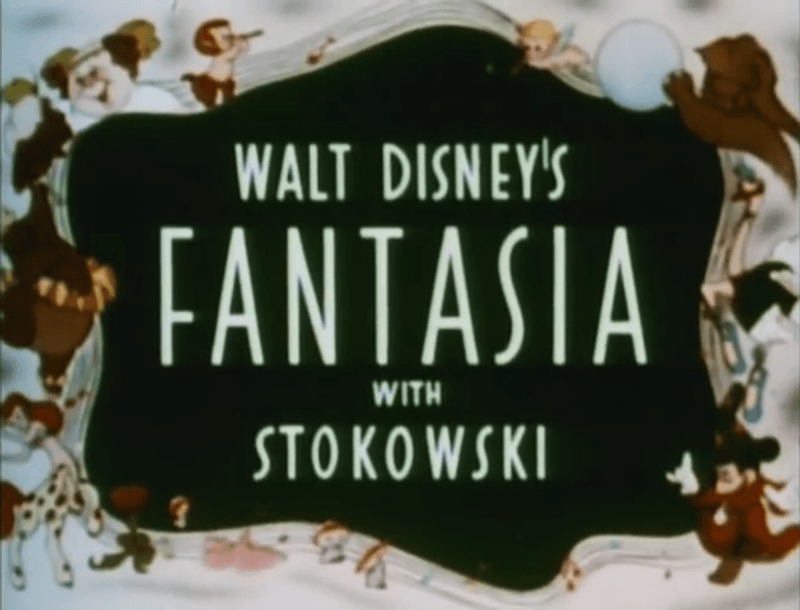
3. Fantasia (1940)
No dialogue. No traditional plot.
Just classical music and pure visual magic exploding across the screen. Fantasia, released November 13, 1940, was Walt Disney’s boldest creative gamble, pairing legendary conductor Leopold Stokowski and the Philadelphia Orchestra alongside stunning animated sequences.
Segments ranged from dancing hippos in tutus to the terrifying demon Chernabog rising over Bald Mountain on Halloween night. Mickey Mouse starred as the Sorcerer’s Apprentice in perhaps animation’s most iconic short ever created.
Critics were confused at first. Audiences were divided.
Over decades, however, Fantasia grew into a celebrated masterpiece, proving art and animation could absolutely share the same magnificent stage.
4. Dumbo (1941)
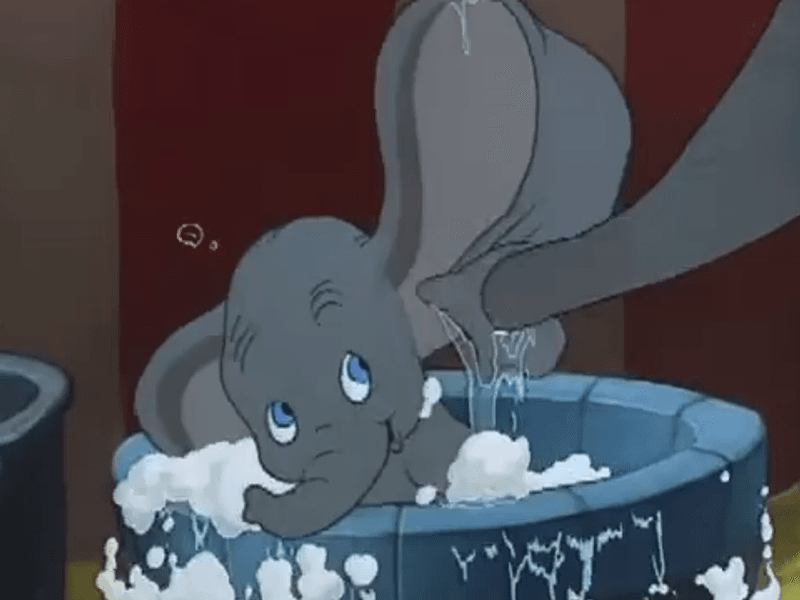
If you’ve never teared up watching a baby elephant visit his imprisoned mother through iron cage bars, congratulations on having nerves of steel. Dumbo, released October 23, 1941, runs just 64 minutes, making it Disney’s shortest animated feature, yet it packs more emotional punch per minute than most three-hour epics.
Produced quickly and cheaply after Pinocchio and Fantasia underperformed financially, Dumbo actually saved the studio. It cost only $950,000 and earned back nearly double immediately.
Timothy Q. Mouse, Dumbo’s tiny cheerleader of a best friend, proved small characters could carry enormous heart.
Flying ears, big dreams, and zero limits. Absolutely unstoppable.
5. Bambi (1942)
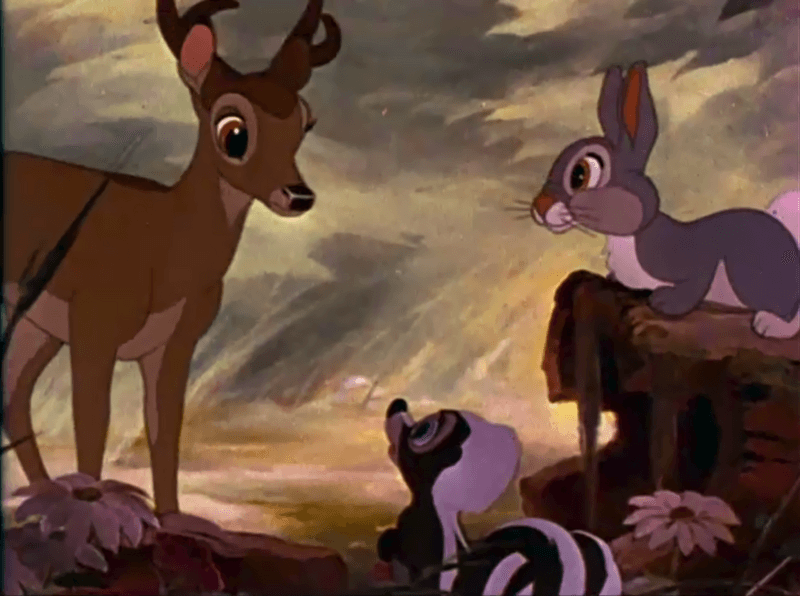
Few films hit emotional notes as powerfully as Bambi did when it premiered August 21, 1942. Based on Felix Salten’s 1923 Austrian novel, Bambi follows a young white-tailed deer navigating forest life, friendship, love, and devastating loss.
Yes, that scene. You know exactly which one.
Disney animators spent years studying real deer at the studio, sketching live animals to capture authentic movement. Background painters created forest environments so lush and detailed, frames looked like actual paintings hanging in museums.
Bambi redefined what animated storytelling could emotionally accomplish, influencing countless filmmakers for generations. Roger Ebert once called it one of cinema’s great nature films.
High praise, earned completely.
6. Saludos Amigos (1943)
Part travelogue, part animated anthology, Saludos Amigos arrived in American theaters February 6, 1943, and brought a burst of South American sunshine nobody expected. Walt Disney actually traveled to Brazil, Argentina, Chile, and Peru in 1941 as part of a U.S. government goodwill program, and this film was born directly from those adventures.
Four animated segments showcased Donald Duck exploring Lake Titicaca, Goofy becoming a gaucho cowboy, and a small Brazilian parrot named Jose Carioca teaching Donald how to samba properly.
Running only 42 minutes, it remains Disney’s shortest official feature. However, its cultural warmth and genuine celebration of Latin American traditions made it a diplomatic and artistic win simultaneously.
7. The Three Caballeros (1945)
Donald Duck’s birthday arrives, and along come two of the most energetic friends in animation history. Released February 3, 1945, The Three Caballeros reunited Donald Duck and Jose Carioca while adding a boisterous Mexican rooster named Panchito Pistoles to create cinema’s most colorful trio.
Groundbreaking live-action and animation combinations let Donald interact directly alongside real human performers, a jaw-dropping technical achievement for 1945 audiences. Carmen Molina and Aurora Miranda danced alongside cartoon characters in sequences that felt genuinely revolutionary.
Celebrating Mexican and Brazilian cultures through music, folklore, and humor, The Three Caballeros remains one of Disney’s most vibrant and culturally rich adventures. Arriba!
Arriba! Still slaps decades later.
8. Make Mine Music (1946)
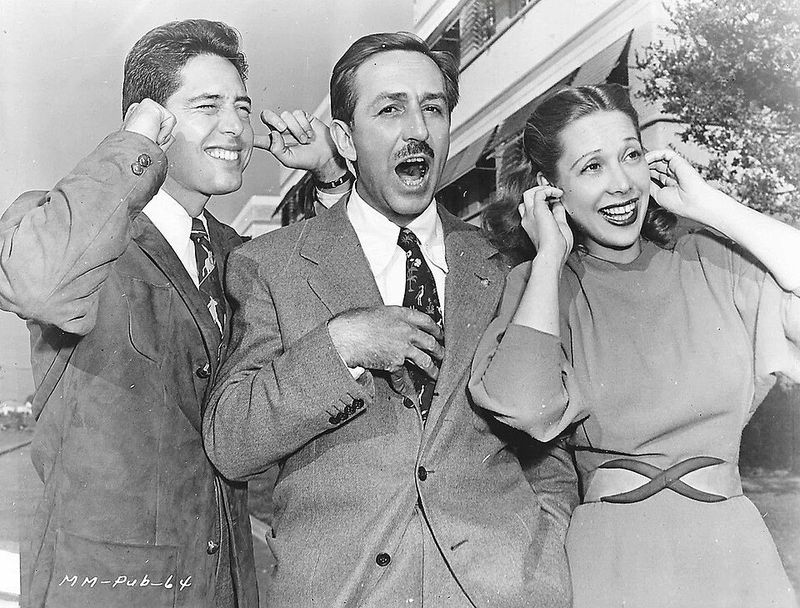
Not every Disney film follows a single hero on one grand quest. Make Mine Music, released April 20, 1946, was a musical anthology featuring ten completely different animated segments, each one inspired by a different popular music style of the era.
Highlights included “Peter and the Wolf” narrated by Sterling Holloway, “All the Cats Join In” celebrating teenage jive culture, and “The Whale Who Wanted to Sing at the Met,” a surprisingly emotional tale of a singing sperm whale voiced by Nelson Eddy performing multiple operatic roles simultaneously.
If Fantasia was Disney’s classical music love letter, Make Mine Music was its fun, jazz-age, swing-dancing younger sibling. Equally charming, far less intimidating.
9. Fun and Fancy Free (1947)
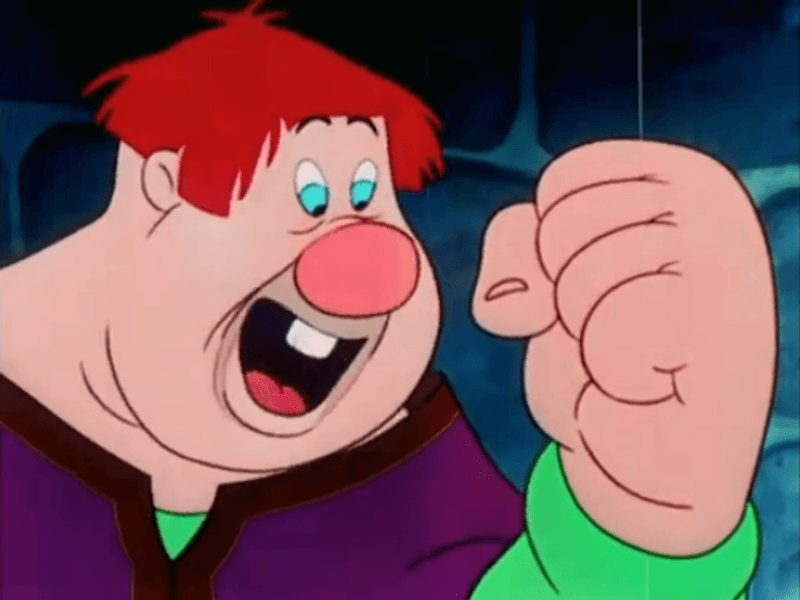
Two stories, one film, and Mickey Mouse reclaiming his animated spotlight after years of shorter appearances. Fun and Fancy Free, released September 27, 1947, bundled two beloved segments: “Bongo,” a circus bear discovering wild forest freedom, and “Mickey and the Beanstalk,” a fresh retelling of Jack and the Beanstalk starring Mickey, Donald, and Goofy.
Jiminy Cricket hosted the whole production, connecting both segments charmingly. Edgar Bergen and his ventriloquist puppets Charlie McCarthy and Mortimer Snerd appeared in live-action sequences introducing the Beanstalk story.
“Mickey and the Beanstalk” holds a bittersweet distinction: it was the last time Walt Disney himself voiced Mickey Mouse. A small, significant, wonderful piece of animation history.
10. Melody Time (1948)
Wrapping up Disney’s golden run of 1940s anthology features, Melody Time premiered May 27, 1948, delivering seven animated segments tied together by popular American music of the period. Roy Rogers and the Sons of the Pioneers narrated a rollicking Pecos Bill sequence.
Little Toot followed an adorable tugboat struggling to prove his worth.
“The Legend of Johnny Appleseed” gave audiences a warm, folk-song-driven portrait of American frontier spirit. Bumble Boogie transformed Rimsky-Korsakov’s “Flight of the Bumblebee” into a surreal, jazz-fueled nightmare sequence that somehow still looks modern.
Melody Time closed out a remarkable decade of Disney innovation. Seven segments, seven distinct moods, and one studio absolutely refusing to stop reinventing itself.