What Makes The Great Smoky Mountains One Of America’s Riskiest Parks
The Great Smoky Mountains National Park draws millions of visitors each year with its stunning views and rich wildlife.
But beneath its beauty lies a surprising truth: this beloved park ranks among the most dangerous in America.
From unpredictable weather to wild animal encounters, the Smokies present challenges that catch even experienced hikers off guard.
Understanding these risks can help you stay safe while exploring this magnificent wilderness.
Sudden Weather Changes Can Turn Deadly
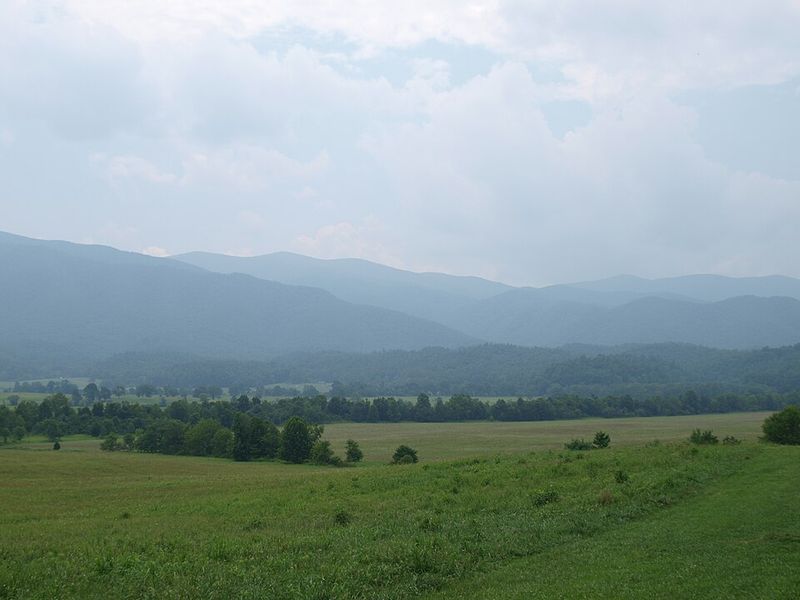
Mountain weather shifts faster than you can pack your gear.
One moment you’re hiking under sunshine, the next you’re caught in a thunderstorm with lightning striking nearby peaks.
Temperature drops of 20 degrees aren’t uncommon as elevation increases.
Fog rolls in without warning, making trails disappear before your eyes.
Black Bear Encounters Happen More Often Than You Think
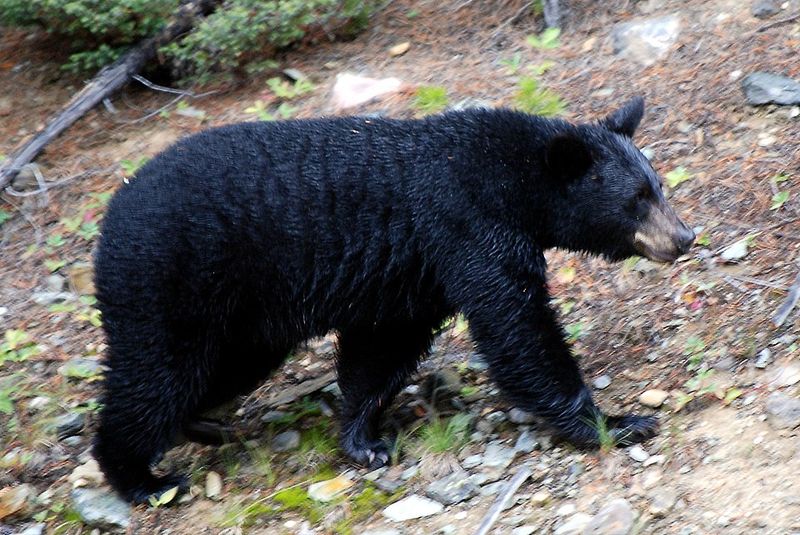
Around 1,500 black bears call the Smokies home, making encounters incredibly common.
These powerful animals weigh up to 600 pounds and can run 30 miles per hour.
Food-seeking bears have injured visitors who got too close for photos or left snacks unattended.
Never approach cubs, as protective mothers nearby pose serious danger.
Store food properly and maintain safe distances always.
Crowded Trails Create Unexpected Hazards
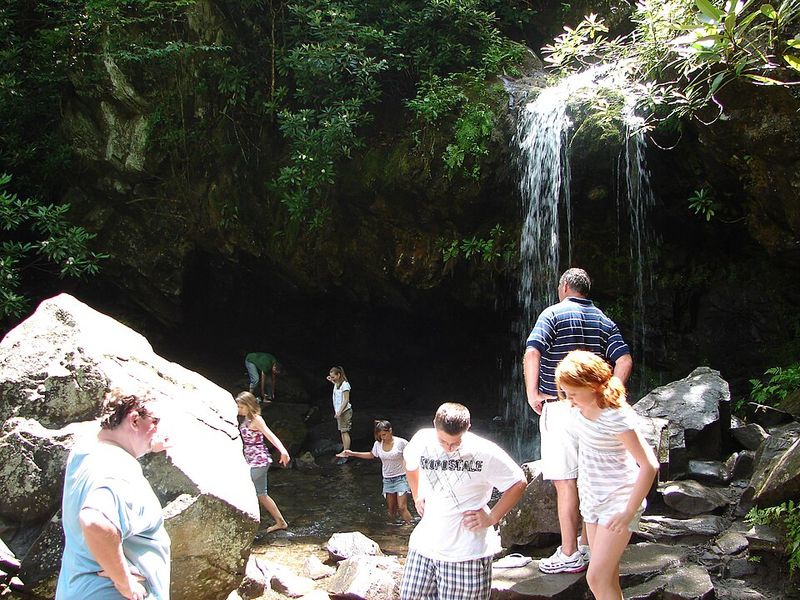
With over 12 million annual visitors, the Smokies hold the record as America’s most visited national park.
Packed trails mean increased accidents, from collisions to trampled vegetation creating unstable footing.
Parking lots overflow, forcing people to walk along dangerous roadways.
Popular spots become bottlenecks where one person’s mistake affects dozens.
Visit during weekdays or shoulder seasons for safer experiences.
Steep Terrain and Slippery Rocks Cause Frequent Falls
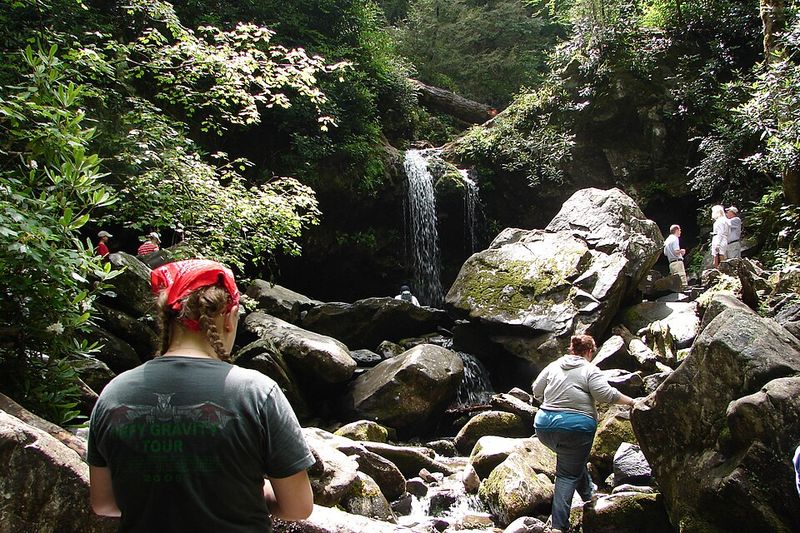
Moss-covered rocks become ice rinks after morning dew or rain.
Trails climb thousands of feet with drop-offs that offer no second chances.
Roots snake across paths, creating trip hazards hidden under fallen leaves.
Invest in quality hiking boots with excellent traction before exploring.
Fast-Moving Water Claims Lives Every Year
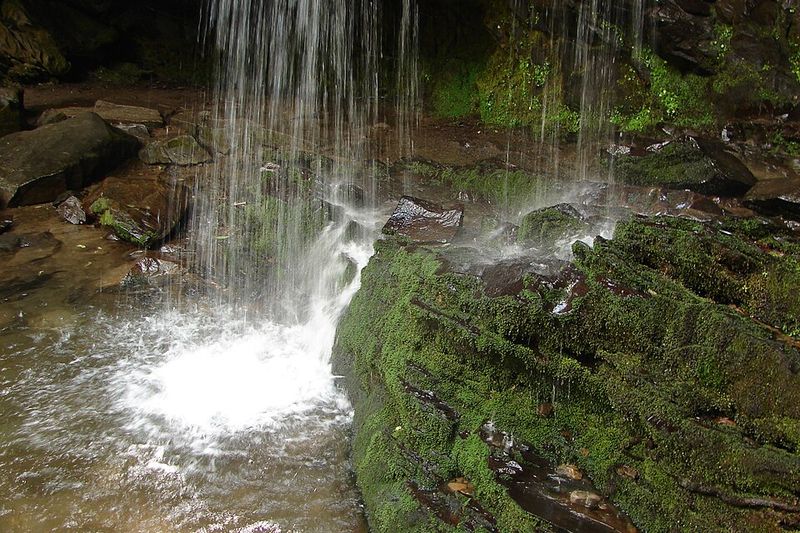
Rushing streams look peaceful but hide powerful currents that sweep people downstream.
Smooth rocks beneath waterfalls become deadly slides into deep, frigid pools.
Flash floods transform gentle creeks into raging torrents within minutes after upstream rainfall.
Cold mountain water causes hypothermia quickly, even during summer months.
Never attempt to cross swollen streams or play near waterfall edges.
Venomous Snakes Hide Along Popular Paths

Timber rattlesnakes and copperheads blend perfectly with leaf-covered ground.
Warm rocks attract these cold-blooded reptiles, especially near sunny trail edges.
Most bites happen when hikers step over logs without looking or reach into crevices.
While rarely fatal with treatment, snake bites require immediate medical attention miles from help.
Watch where you step and keep hands visible always.
Inexperienced Visitors Underestimate Mountain Challenges
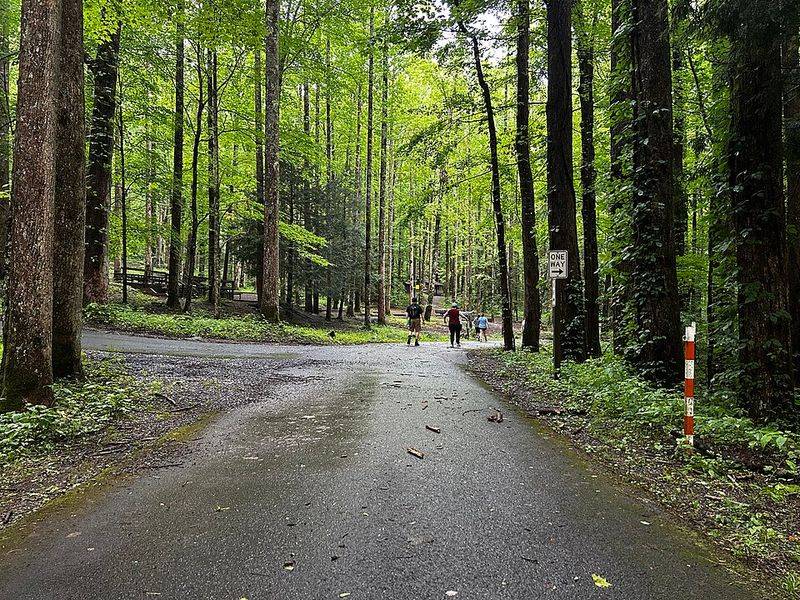
Many arrive expecting easy nature walks, not realizing the Smokies demand serious preparation.
Flip-flops and cotton t-shirts replace proper gear on challenging mountain trails.
Families bring toddlers on advanced hikes without adequate food or water supplies.
Overconfidence leads to poor decisions that endanger entire groups.
Research trails thoroughly and prepare appropriately for wilderness conditions.