The 15 Most Iconic Voices In Country Music History
Country music wouldn’t exist without the legendary voices that shaped its sound and soul.
From honky-tonk heartbreakers to stadium-shaking superstars, these singers brought raw emotion and unforgettable stories to life through their unique vocal styles.
Get ready to meet the voices that made country music the powerhouse genre it is today!
Disclaimer:
All information has been reviewed for accuracy and checked to avoid inappropriate or sensitive language.
Interpretations of musical impact may vary across sources, but the content reflects well-established industry understanding and historical records.
1. Hank Williams
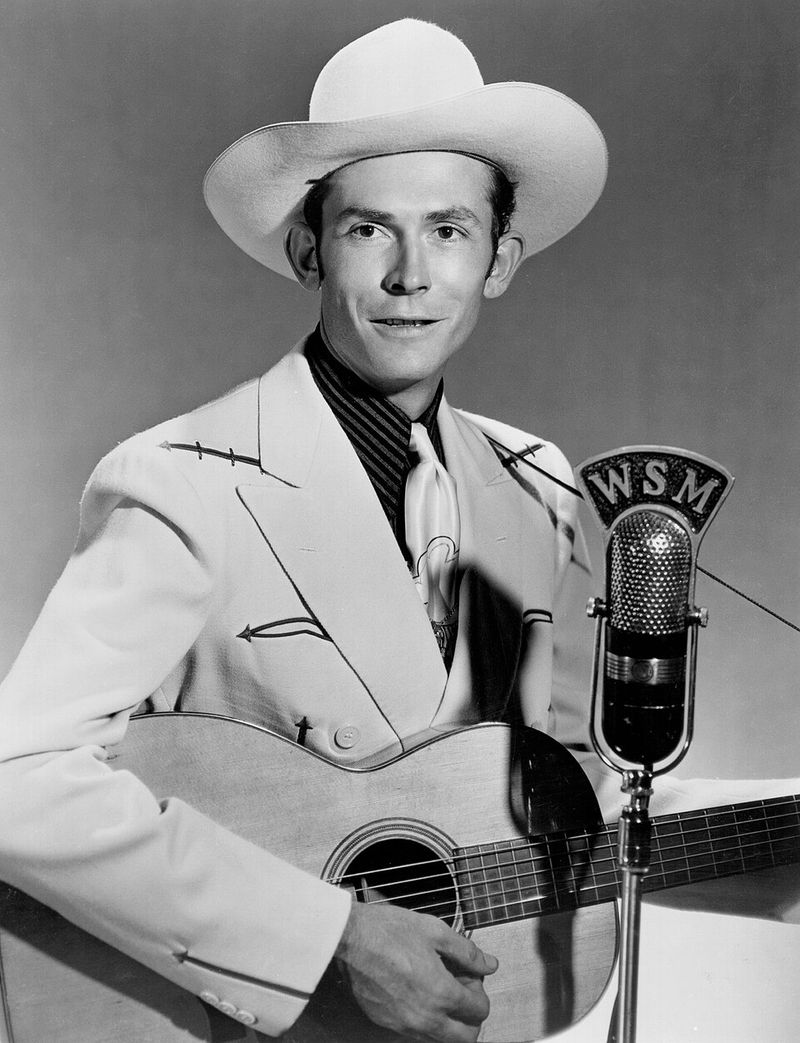
Before country music became the genre we know today, one man set the standard with his heart-wrenching songs and unforgettable voice.
Hank Williams created timeless classics like “Your Cheatin’ Heart” and “I’m So Lonesome I Could Cry” that still make listeners feel every ounce of emotion decades later.
His raw, honest delivery connected with fans in ways that felt deeply personal, like he was singing directly to their struggles and heartaches.
Though his life was tragically short, his influence stretches across generations of country artists who still study his songwriting and vocal style today.
2. Patsy Cline
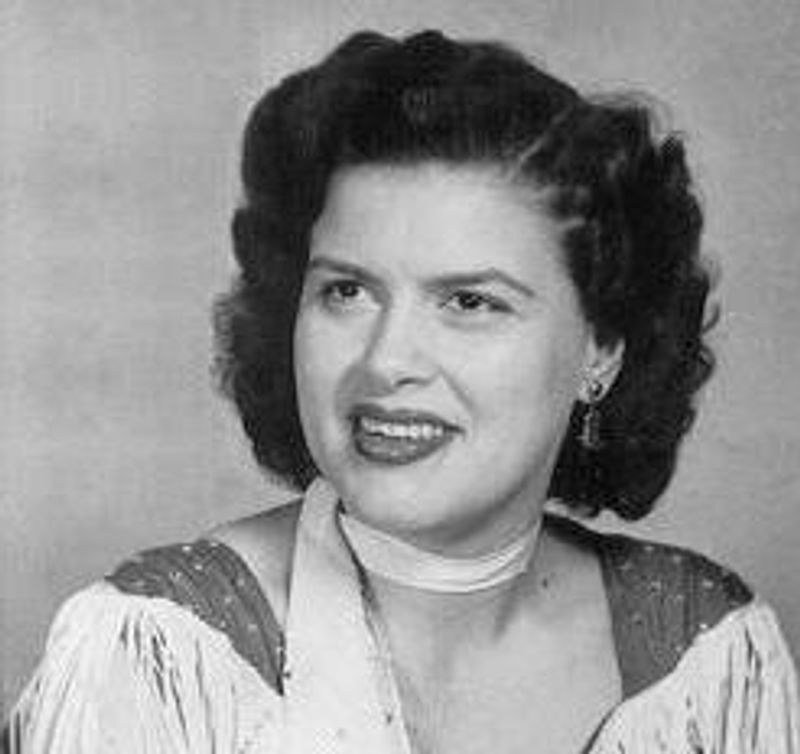
With a voice that could shatter hearts and mend them in the same breath, this trailblazer redefined what female country singers could achieve.
Patsy Cline’s powerful vocals on songs like “Crazy” and “I Fall to Pieces” showcased a level of emotional depth that was revolutionary for her time.
Her ability to blend country with pop sensibilities opened doors for countless female artists who followed in her footsteps.
Even today, aspiring singers study her phrasing and vocal control, hoping to capture just a fraction of her magic and timeless appeal.
3. Johnny Cash
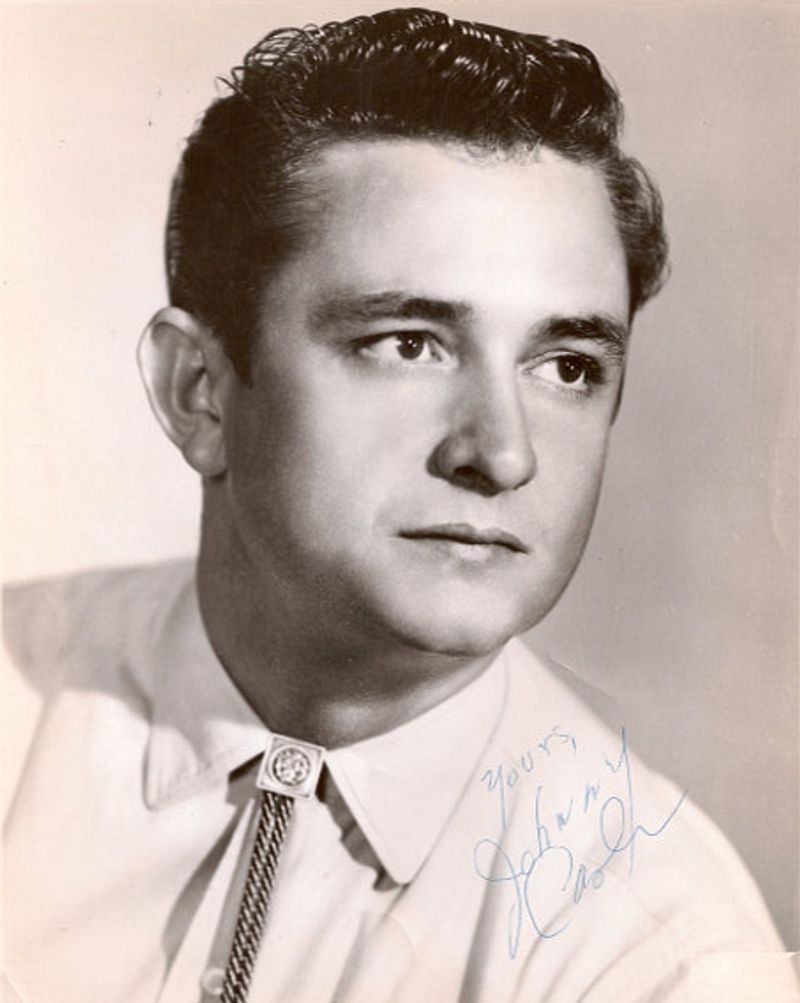
Imagine a voice so deep and commanding it could make prison walls tremble and outlaws weep with recognition.
Johnny Cash, famously known as the Man in Black, brought a rebel spirit to country music with hits like “I Walk the Line” and “Folsom Prison Blues.”
His storytelling ability transformed simple songs into vivid narratives about redemption, struggle, and the human condition that resonated with everyone from farmers to presidents.
Cash’s distinctive bass-baritone voice remains one of the most recognizable sounds in all of music history, instantly identifiable after just one note.
4. Dolly Parton
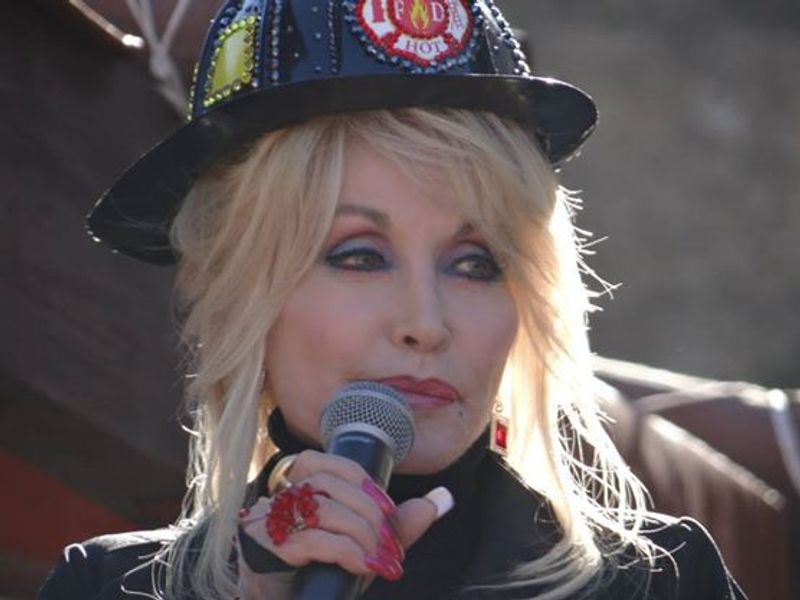
Not many singers can claim they wrote a song that became a worldwide phenomenon across multiple genres and generations.
Dolly Parton’s crystalline voice and incredible songwriting talents produced masterpieces like “Jolene” and “I Will Always Love You” that transcended country music boundaries.
Her warm, inviting vocal tone makes listeners feel like they’re sitting on her front porch sharing stories and sweet tea on a summer afternoon.
Beyond her musical genius, her personality shines through every note she sings, making her one of the most beloved entertainers on the planet.
5. Merle Haggard
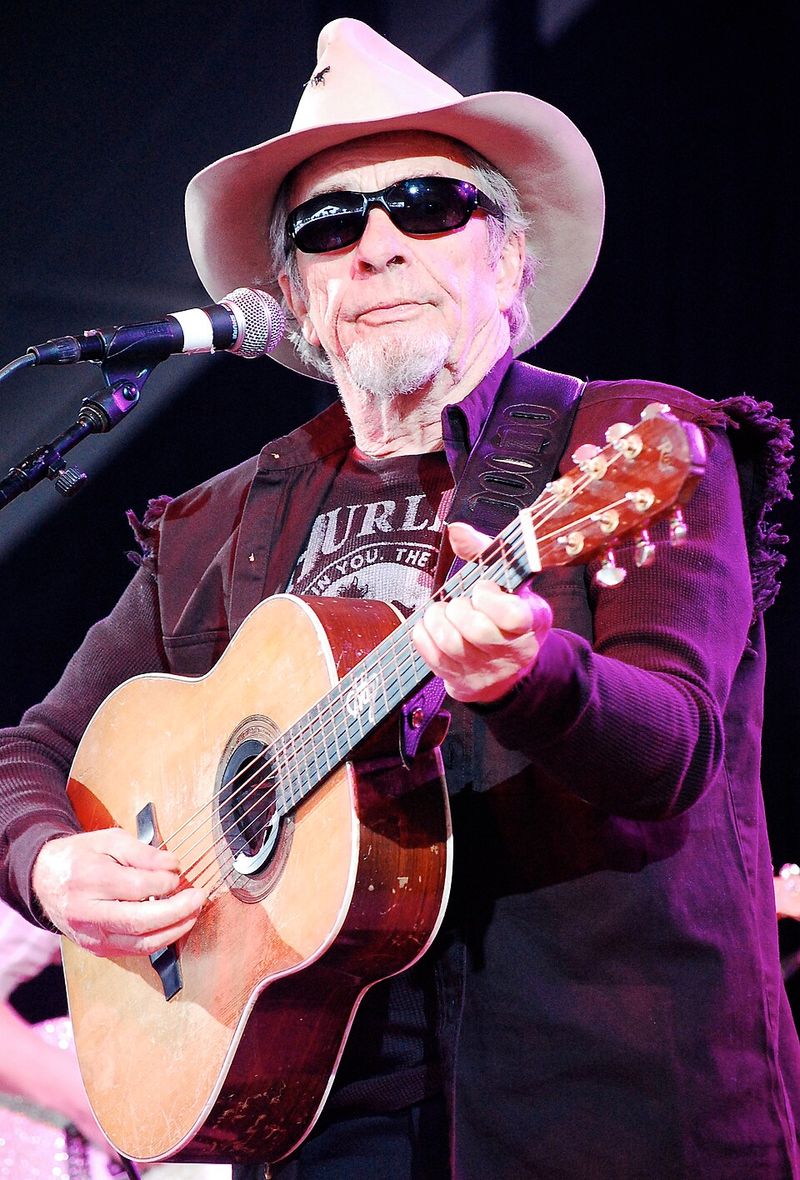
Growing up in poverty and spending time behind bars might seem like obstacles, but for this legend, they became the foundation of authentic storytelling.
Merle Haggard’s gritty, honest voice spoke directly to working-class Americans who saw their own lives reflected in songs about struggle, pride, and perseverance.
As a true outlaw country pioneer, he never sugarcoated reality, instead delivering hard truths with a voice that carried the weight of lived experience.
His influence on country music’s rebellious spirit cannot be overstated, inspiring generations of artists to stay true to their roots and stories.
6. Loretta Lynn
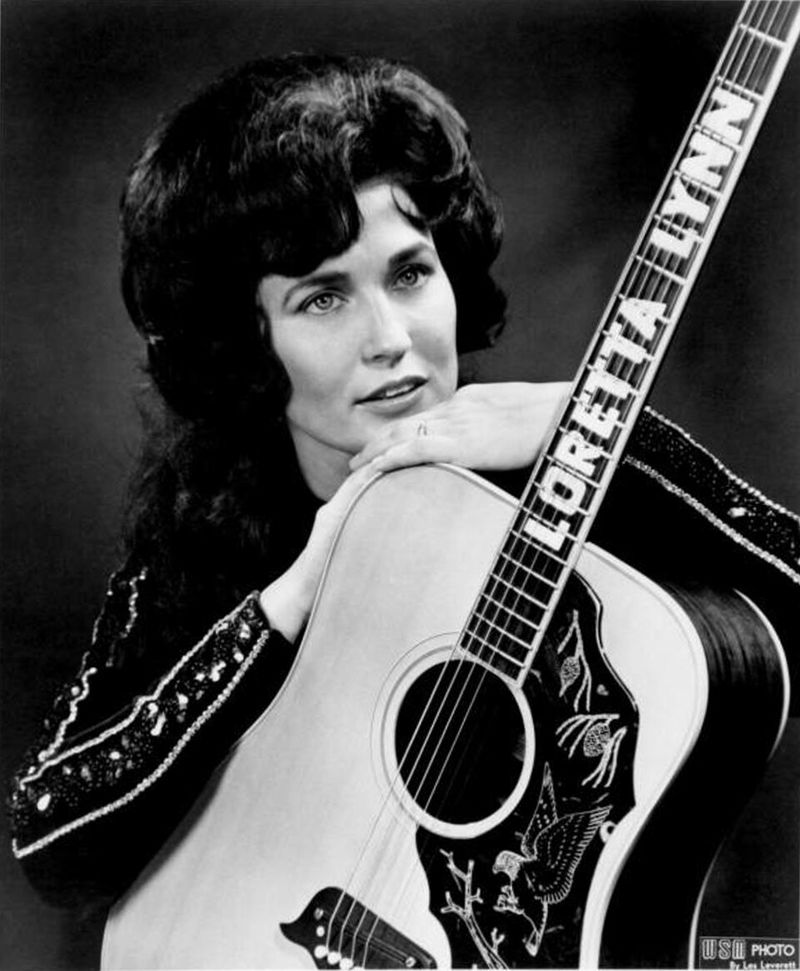
Few artists dared to sing about the real struggles women faced in their marriages, homes, and daily lives with such unflinching honesty.
Loretta Lynn, the Coal Miner’s Daughter herself, broke barriers by addressing topics that were considered too controversial for polite country music at the time.
Her strong, clear voice carried messages of female empowerment and working-class pride that resonated with millions of fans who felt finally seen and heard.
Lynn’s fearless approach to songwriting and performance paved the way for future generations of female country artists to speak their truth boldly.
7. George Jones
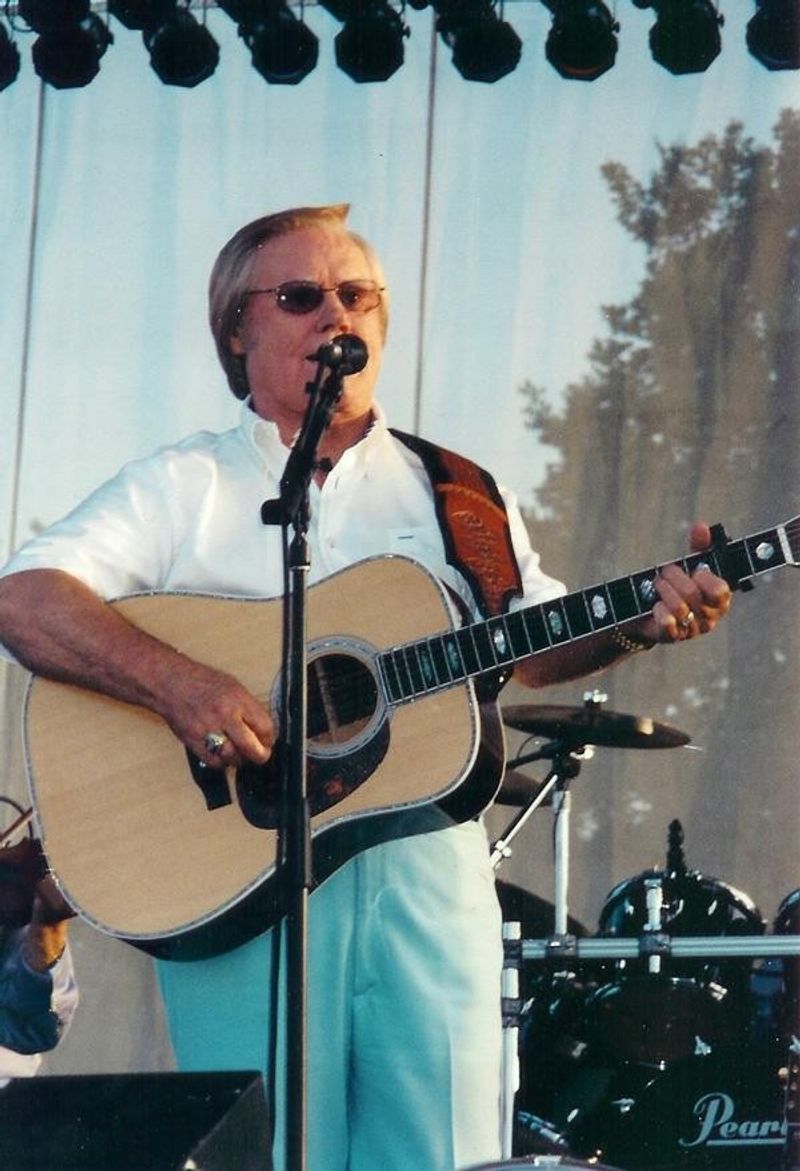
When fellow country legends call someone the greatest singer who ever lived, you know his voice must possess something truly extraordinary and magical.
George Jones mastered the art of emotional delivery, making every word sound like it was being torn straight from his soul with perfect pitch and phrasing.
His ability to convey heartbreak, longing, and regret through vocal techniques like his famous “catch” in his voice set him apart from every other singer.
Despite personal struggles that became legendary themselves, his vocal performances remained consistently brilliant, earning him the title of greatest country singer by many peers.
8. Willie Nelson
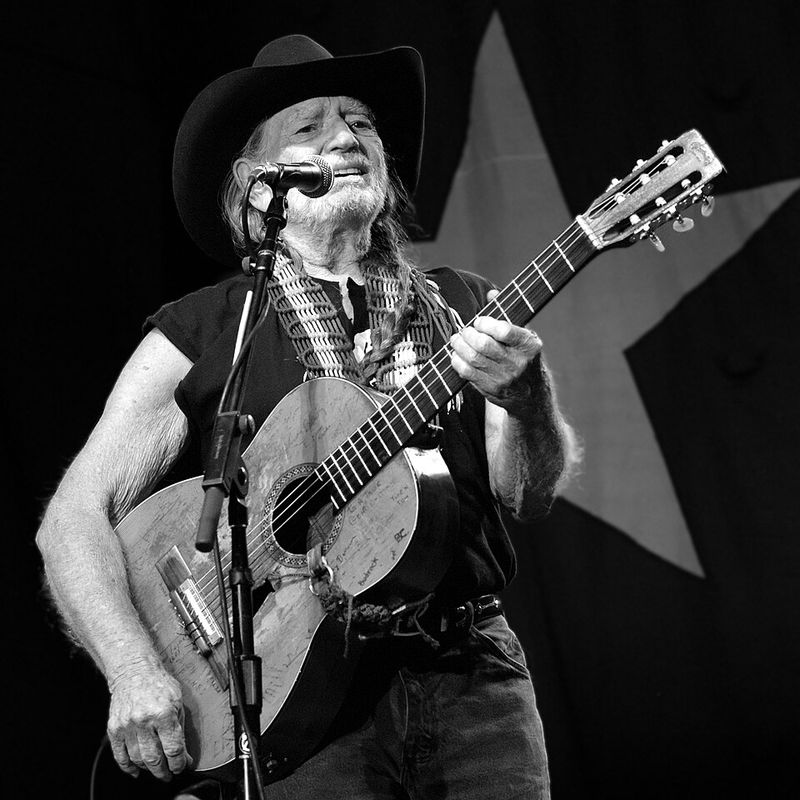
Picture a voice that sounds like Sunday morning sunshine mixed with late-night wisdom, delivered with a laid-back style that makes everything feel effortless.
Willie Nelson revolutionized country music by refusing to follow Nashville’s polished production rules, instead embracing his unique nasal tone and jazz-influenced phrasing.
His outlaw country movement gave artists permission to sound like themselves rather than cookie-cutter radio stars, fundamentally changing the industry’s creative landscape forever.
Songs like “On the Road Again” showcase his conversational singing style that feels more like a friend sharing stories than a performance.
9. Tammy Wynette
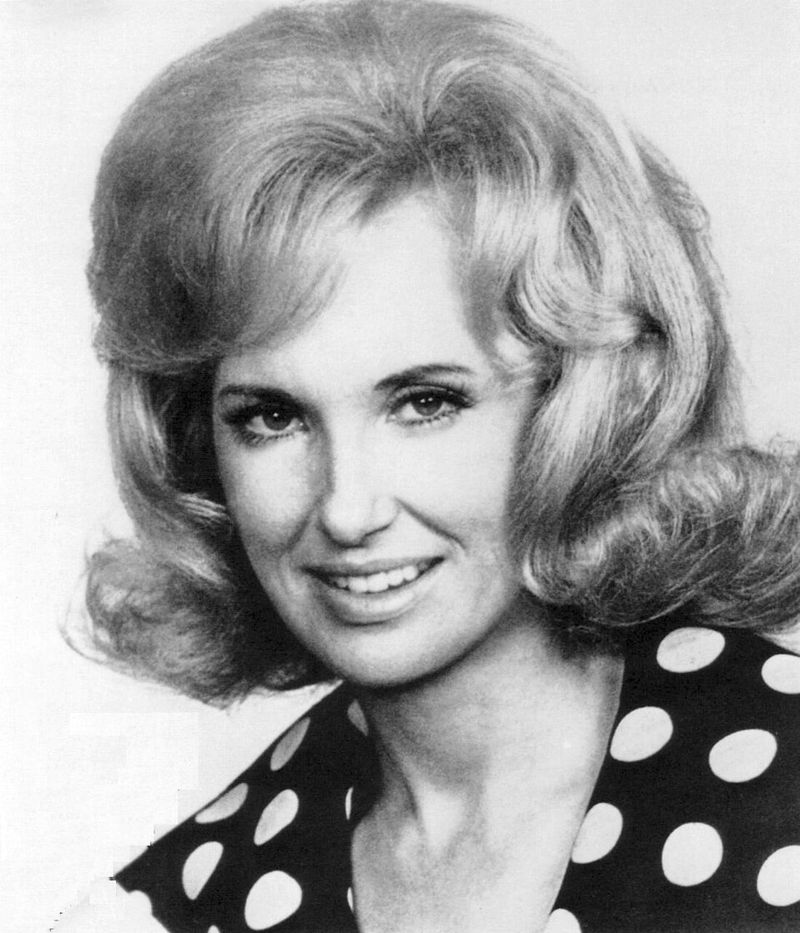
Earning the title First Lady of Country Music requires more than just talent; it demands a voice that can capture the complexity of love and heartache.
Tammy Wynette’s signature “teardrop” vocal style made listeners feel every emotion she conveyed, whether singing about standing by your man or walking away with dignity.
Her rich, emotive voice could shift from vulnerable whispers to powerful declarations within a single song, showcasing incredible vocal range and control throughout her career.
Wynette’s influence on female country vocalists remains strong today, with many citing her emotional authenticity as inspiration for their own performances.
10. Reba McEntire
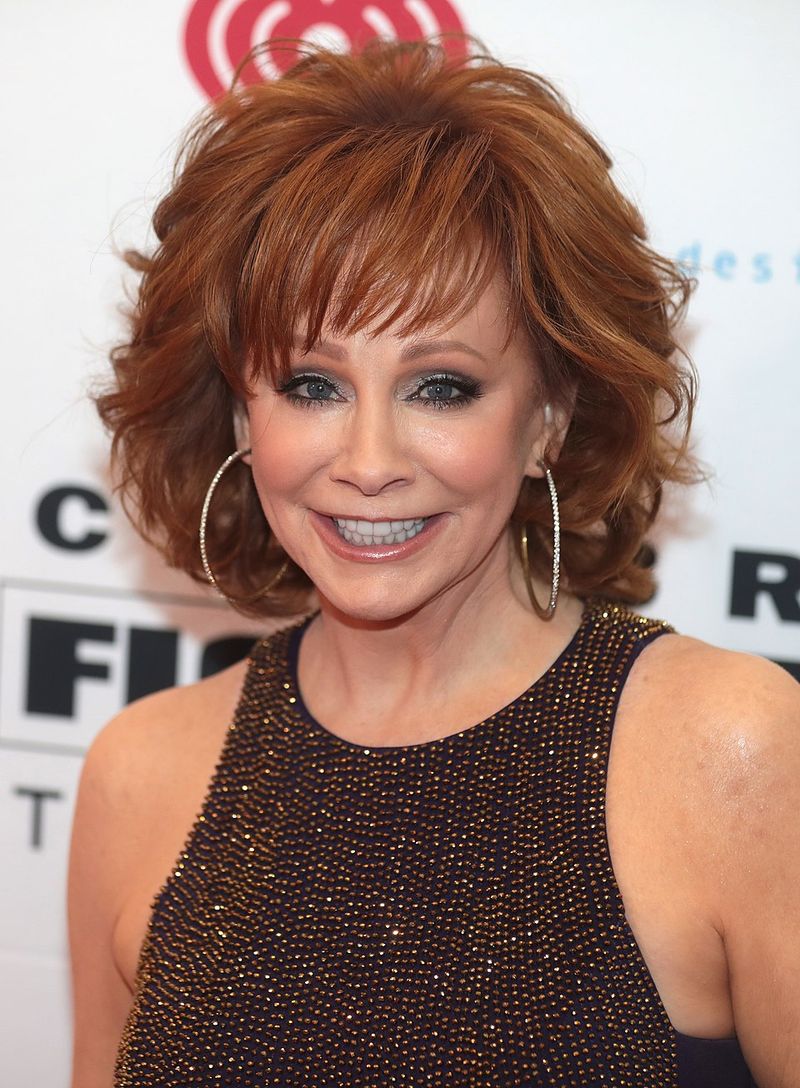
How do you become the Queen of Country Music?
Start with a powerhouse voice that can belt out emotional ballads and upbeat anthems with equal skill and precision.
Reba McEntire’s dynamic range and theatrical delivery brought a new level of entertainment to country music, combining Vegas showmanship with authentic country roots and storytelling.
Her ability to connect with audiences through both her voice and stage presence made her concerts must-see events that sold out arenas worldwide.
Decades into her career, she continues influencing new generations of country singers who study her vocal techniques and performance style religiously.
11. George Strait
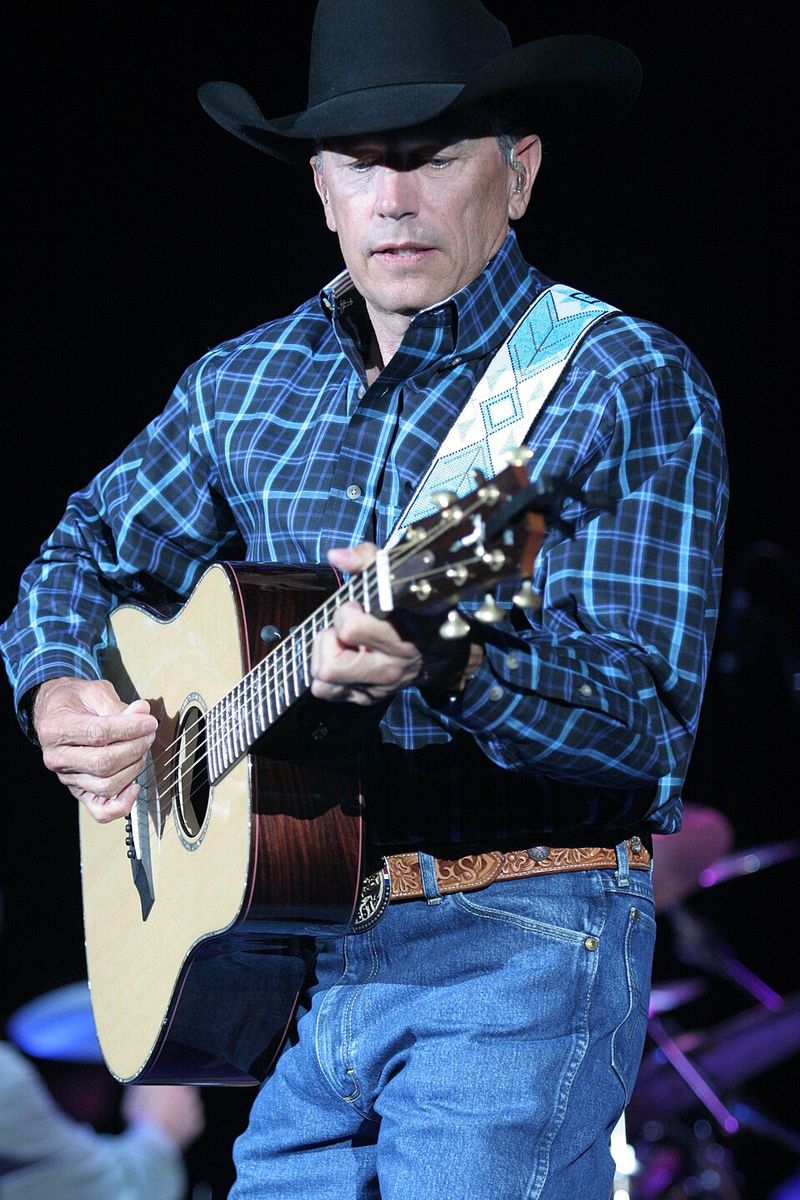
Some artists chase trends, but true legends create a sound so perfect that trends eventually circle back to them like boomerangs.
George Strait, the King of Country, built his empire on a smooth, traditional sound that never wavered despite changing musical fashions swirling around him.
His rich baritone voice delivers songs with an effortless quality that makes even the most complex emotions sound simple and relatable to everyday listeners everywhere.
With more number-one hits than any other artist in any genre, his consistent excellence proves that staying true to yourself never goes out of style.
12. Garth Brooks
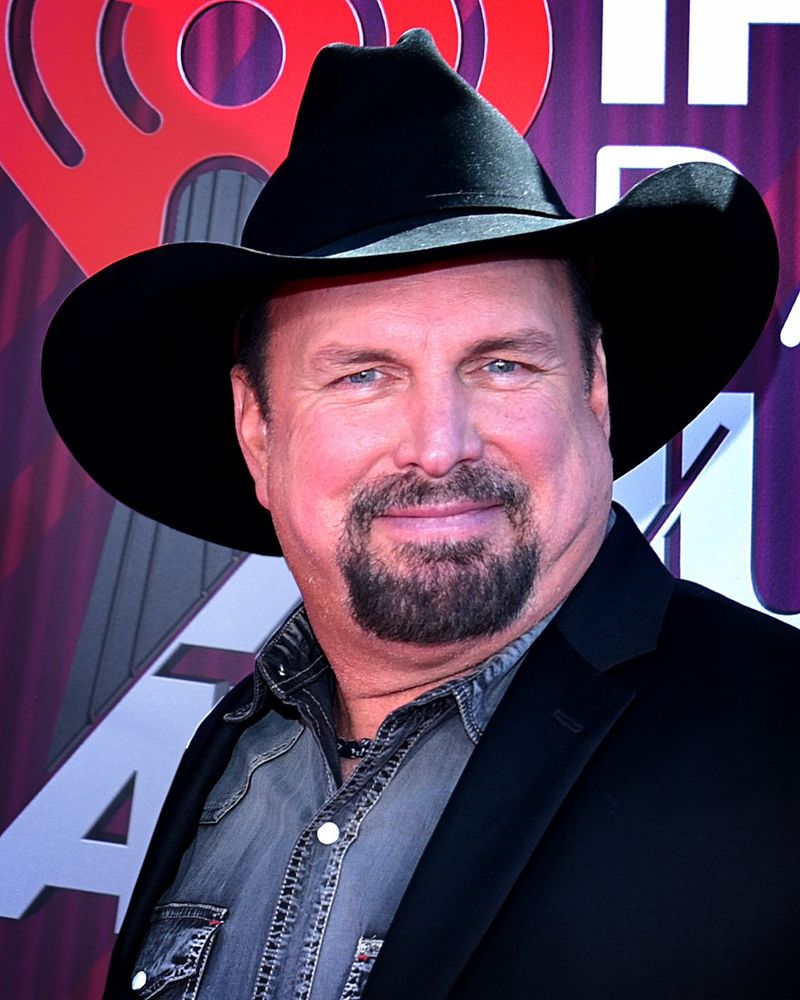
What happens when you combine country music’s storytelling heart with rock and roll’s explosive energy and stadium-filling spectacle?
You get Garth Brooks, whose powerful voice and theatrical performances transformed country music into a global phenomenon that filled arenas like rock concerts.
His ability to connect emotionally with massive audiences while maintaining vocal clarity and power revolutionized what country concerts could be and achieve commercially.
Songs like “Friends in Low Places” became anthems that united diverse audiences, proving country music could compete with any genre for cultural dominance and mainstream success.
13. Alan Jackson
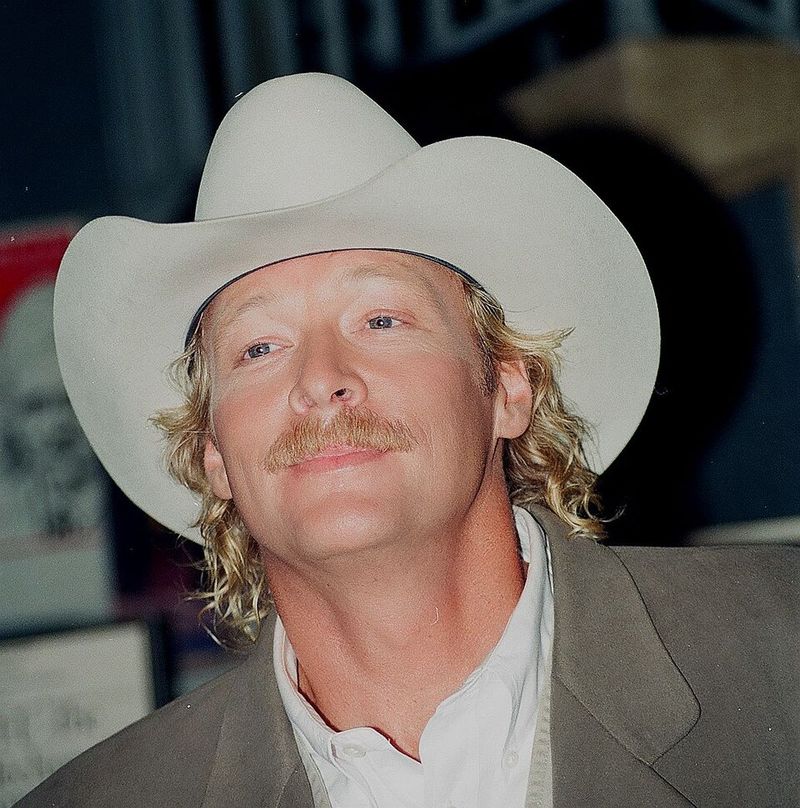
While some nineties artists chased pop crossover success, one singer stayed committed to traditional country sounds and values without compromise or apology.
Alan Jackson’s smooth, honey-toned voice kept classic country alive during an era when the genre was rapidly changing and experimenting with new sounds.
His genuine approach to songwriting and singing about small-town life, faith, and family resonated with fans who craved authenticity in their music choices.
Jackson proved that traditional country music still had a massive audience hungry for songs that honored the genre’s roots while feeling fresh and contemporary.
14. Randy Travis
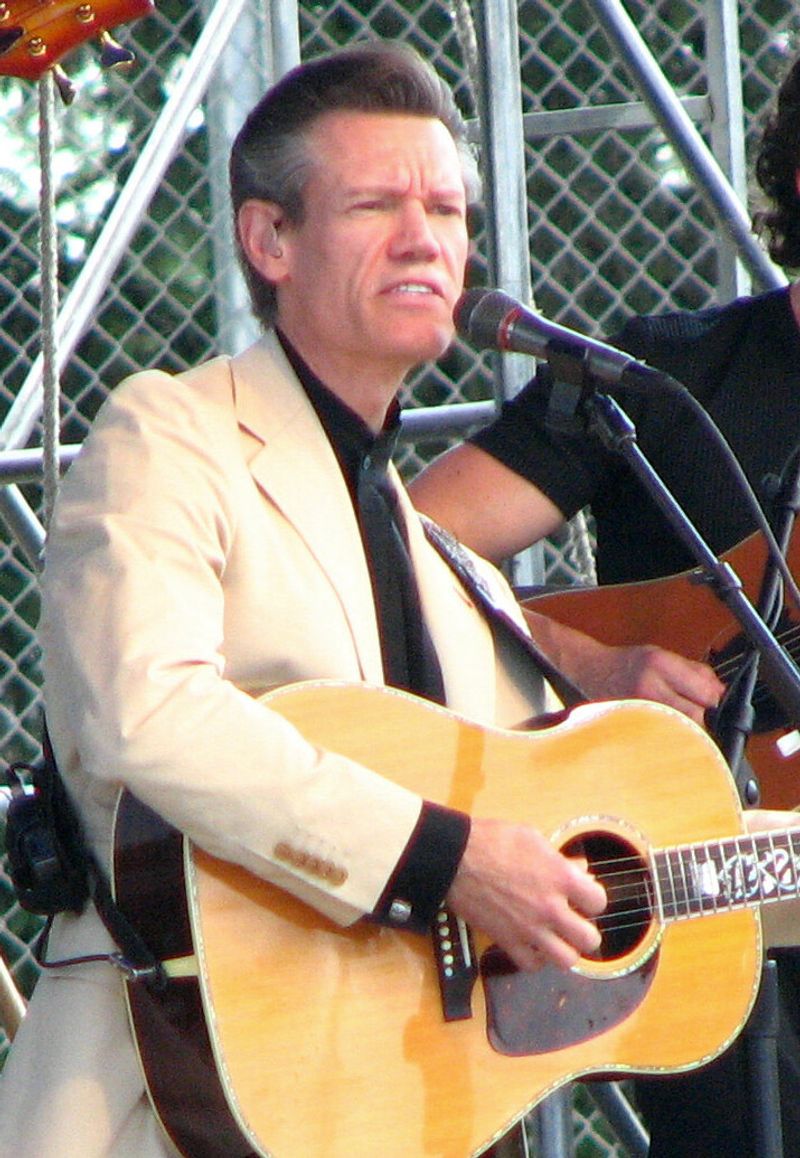
In the mid-eighties, country music needed saving from pop overproduction, and a deep-voiced hero emerged to bring it back to its roots.
Randy Travis’s rich baritone and traditional sound sparked the New Traditionalist movement that reminded everyone why they fell in love with country music originally.
His vocal control and ability to convey deep emotion without oversinging set a new standard for what great country singing should sound like moving forward.
Travis’s influence on nineties country cannot be overstated, as he essentially created the template that countless successful artists would follow throughout that decade.
15. Shania Twain
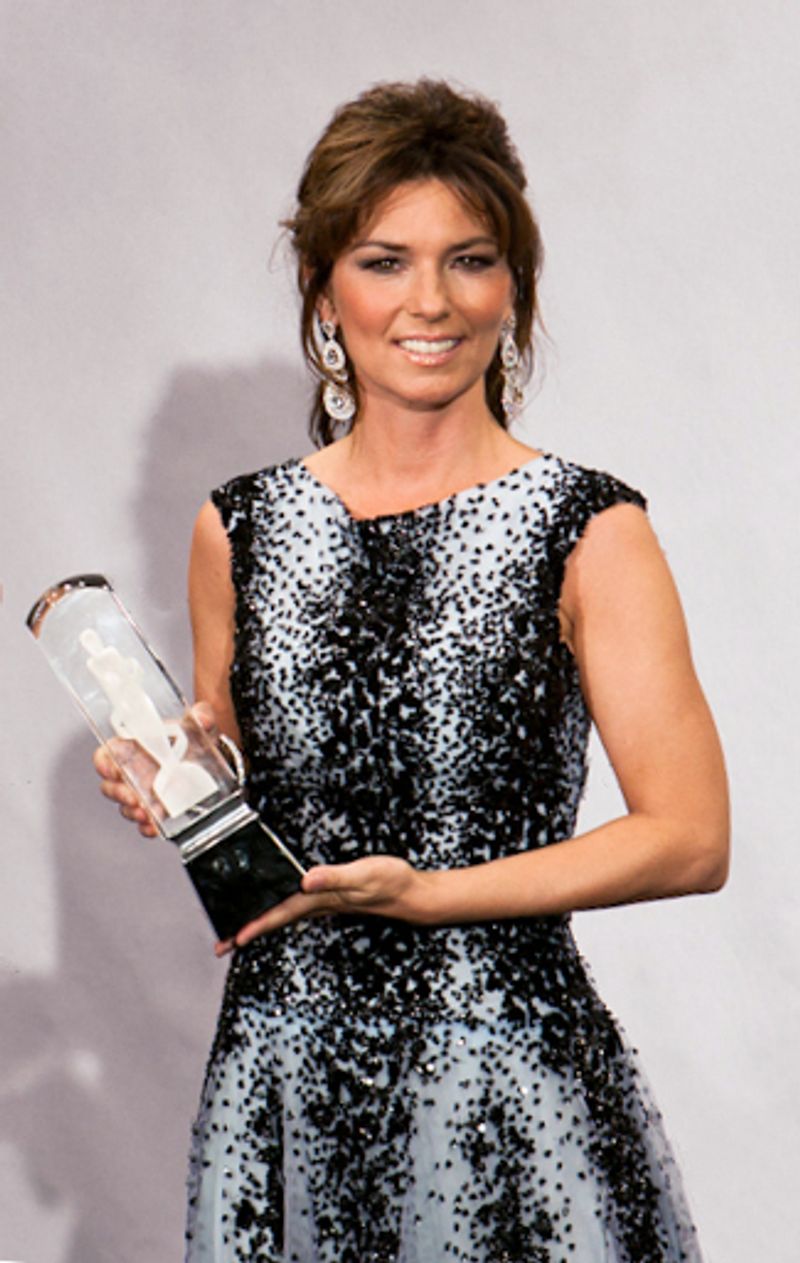
Breaking records wasn’t enough for this Canadian superstar who completely redefined what commercial success meant for country music on a global scale.
Shania Twain’s powerful voice and crossover appeal brought country music to audiences who had never listened to the genre before, expanding its reach exponentially worldwide.
Her blend of country authenticity with pop production created a sound that dominated both country and pop charts simultaneously throughout the late nineties era.
Twain’s success opened doors for future female artists to embrace their pop sensibilities while maintaining their country roots, forever changing the industry’s landscape.