The 15 Most Influential Prog Rock Albums In Music History
Progressive rock changed music forever by mixing classical sounds with electric guitars and wild creativity.
Bands stretched songs to twenty minutes, told epic stories, and made albums that felt like journeys through time and space.
These fifteen records didn’t just push boundaries, they shattered them and rebuilt the whole musical landscape.
Disclaimer: This article offers general music history and cultural commentary. Interpretations of artistic influence, genre impact, and musical significance may vary from listener to listener.
Album details are presented for informational purposes, and readers are encouraged to explore each record firsthand to form their own understanding and appreciation of the music.
15. King Crimson – In The Court Of The Crimson King (1969)
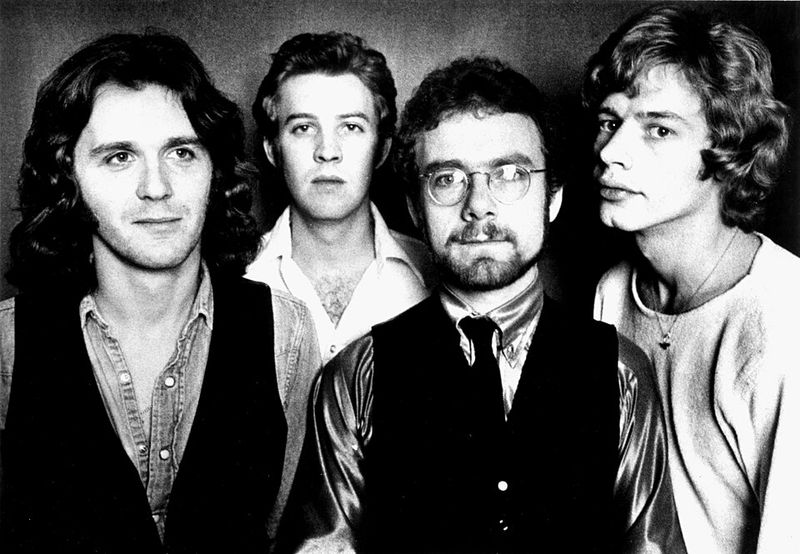
Robert Fripp and his band basically invented progressive rock with this jaw-dropping debut.
Mellotrons wailed like ghosts while guitars roared like dragons, creating sounds nobody had heard before.
The opening track “21st Century Schizoid Man” hit listeners like a sonic meteor, blending jazz chaos with rock fury.
Even five decades later, musicians still scratch their heads wondering how they pulled it off.
14. Pink Floyd – The Dark Side Of The Moon (1973)
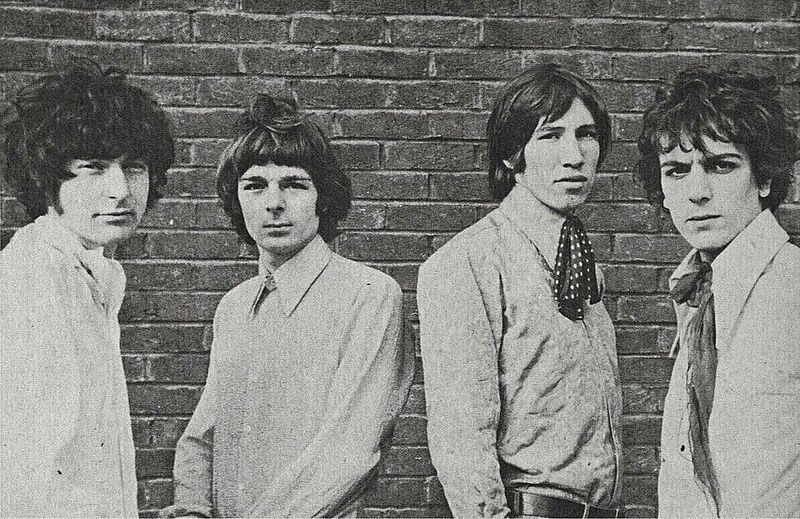
Masterpiece status shows up clearly when an album spends over nine hundred weeks on the Billboard charts, a feat that feels almost superhero-level in endurance.
Roger Waters and David Gilmour shaped songs about time, money, and madness with lyrics that hit deeply personal nerves while still feeling universally relatable.
Album flow drifts like one continuous dream, with heartbeat thumps and cash-register cha-chings melting into soaring guitar solos that shimmer like neon in the dark.
If prog rock had a Mount Rushmore, this would claim the biggest face with ease.
13. Yes – Close To The Edge (1972)
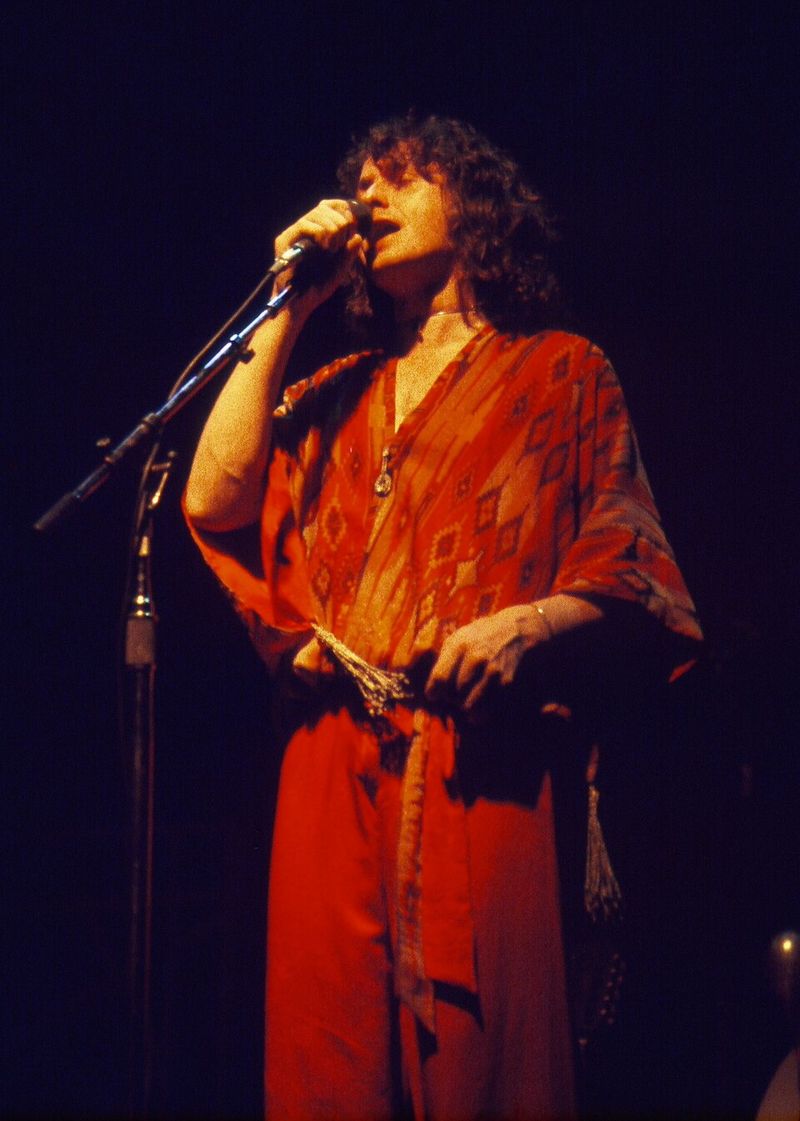
Jon Anderson’s vocals soared higher than eagles while Steve Howe’s guitar work twisted through impossible patterns.
The title track stretches nearly nineteen minutes, taking listeners on a spiritual journey through sound and philosophy.
Rick Wakeman’s keyboards painted entire galaxies, making every listen feel like discovering a new universe.
Critics initially scratched their heads, but fans knew they’d witnessed pure musical magic.
12. Genesis – Selling England By The Pound (1973)
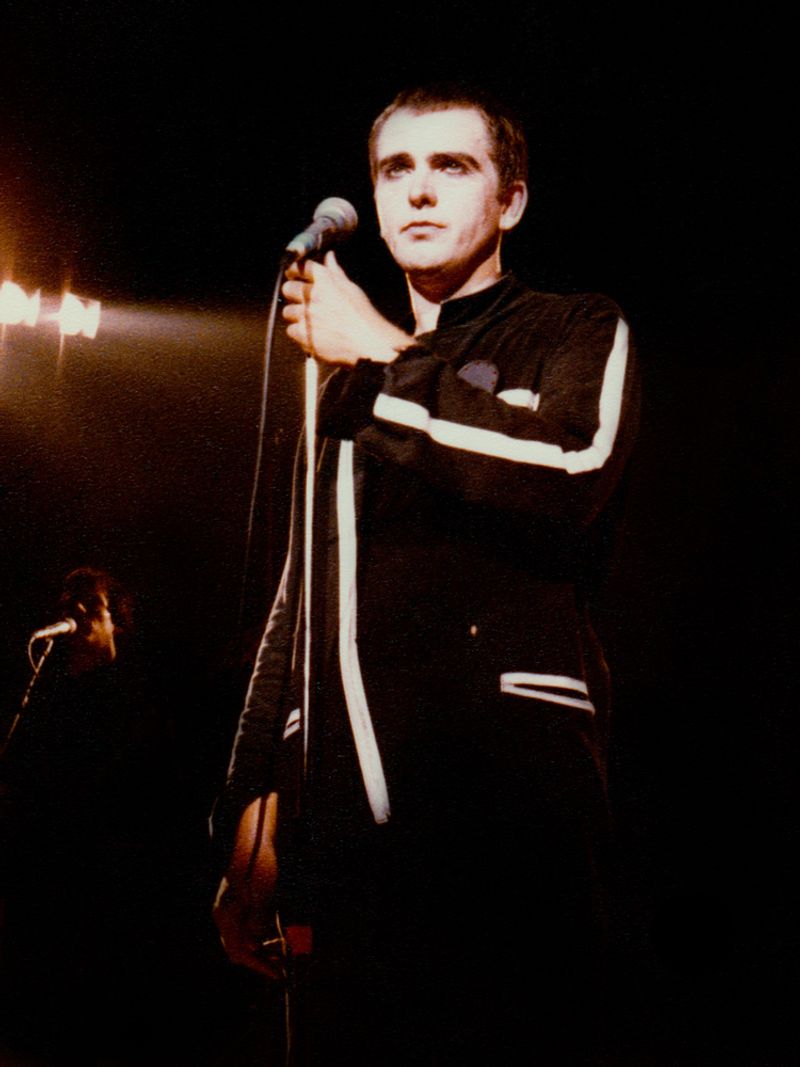
Peter Gabriel stepped onstage in bizarre costumes while Phil Collins drummed with an intensity that felt almost life-or-death.
Songs like “Firth of Fifth” carried piano passages so breathtaking they could draw tears from fully grown adults.
Album energy mixed British humor with gentle melancholy, wrapping sharp social commentary inside layers of fantastical storytelling.
11. Jethro Tull – Th*ck As A Brick (1972)
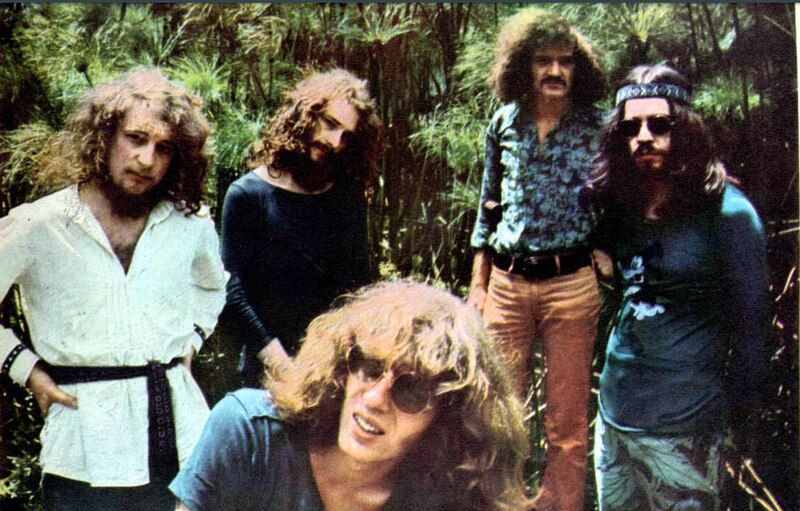
Ian Anderson created one continuous forty-three-minute song split across two vinyl sides, which was absolutely bonkers.
The album came packaged as a fake newspaper filled with hilarious articles and absurd advertisements.
Flute solos danced between heavy riffs, proving that woodwinds could rock harder than anyone imagined.
Anderson later admitted the whole concept was partly mocking pretentious prog bands, which makes it even more brilliant.
10. Emerson, Lake & Palmer – Brain Salad Surgery (1973)
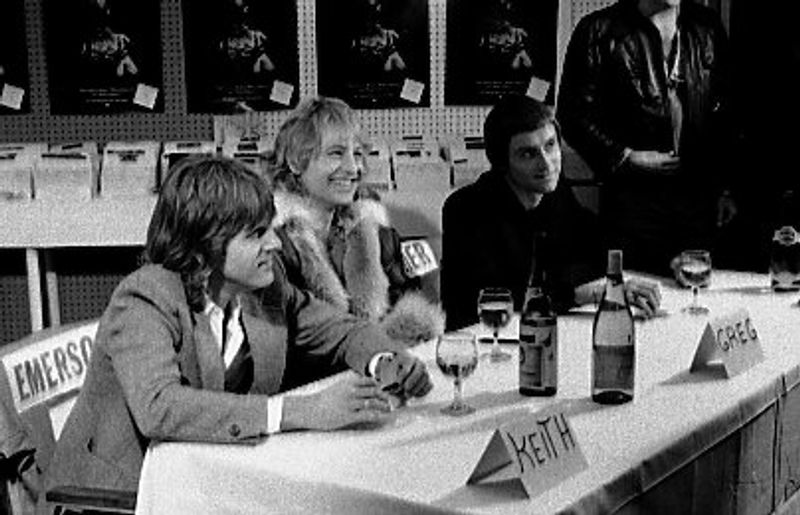
Keith Emerson tortured his Hammond organ in ways that would make most keyboardists faint from exhaustion.
The album featured artwork by HR Giger, who later designed the creatures for the Alien movies.
The album featured massive compositions like ‘Karn Evil 9,’ showing how classical influences could merge with explosive rock energy.
Greg Lake’s vocals provided warmth against Carl Palmer’s thunderous drumming, creating perfect musical balance.
9. Mike Oldfield – Tubular Bells (1973)
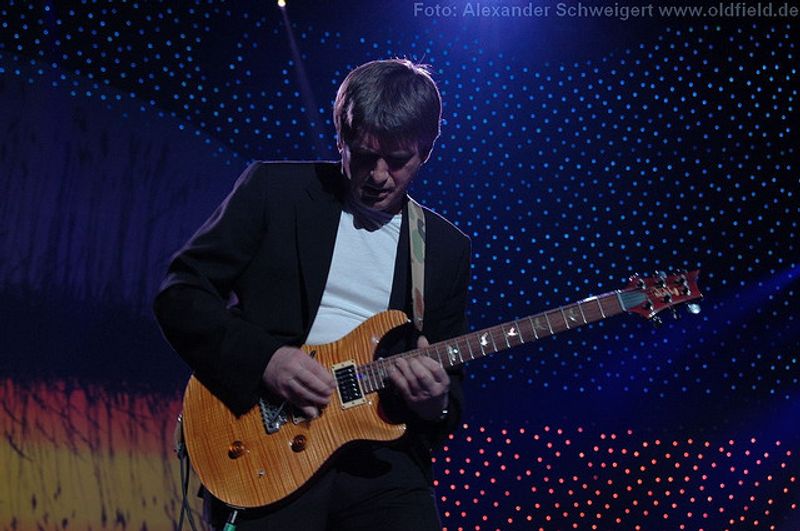
Oldfield recorded this entire album mostly by himself at age nineteen, playing over twenty different instruments.
The haunting opening theme became famous as the soundtrack to The Exorcist, giving everyone delicious chills.
Richard Branson launched Virgin Records specifically to release this record, which turned out pretty smart business-wise.
The bells themselves chime throughout like mysterious voices calling from distant dimensions beyond our understanding.
8. Rush – 2112 (1976)
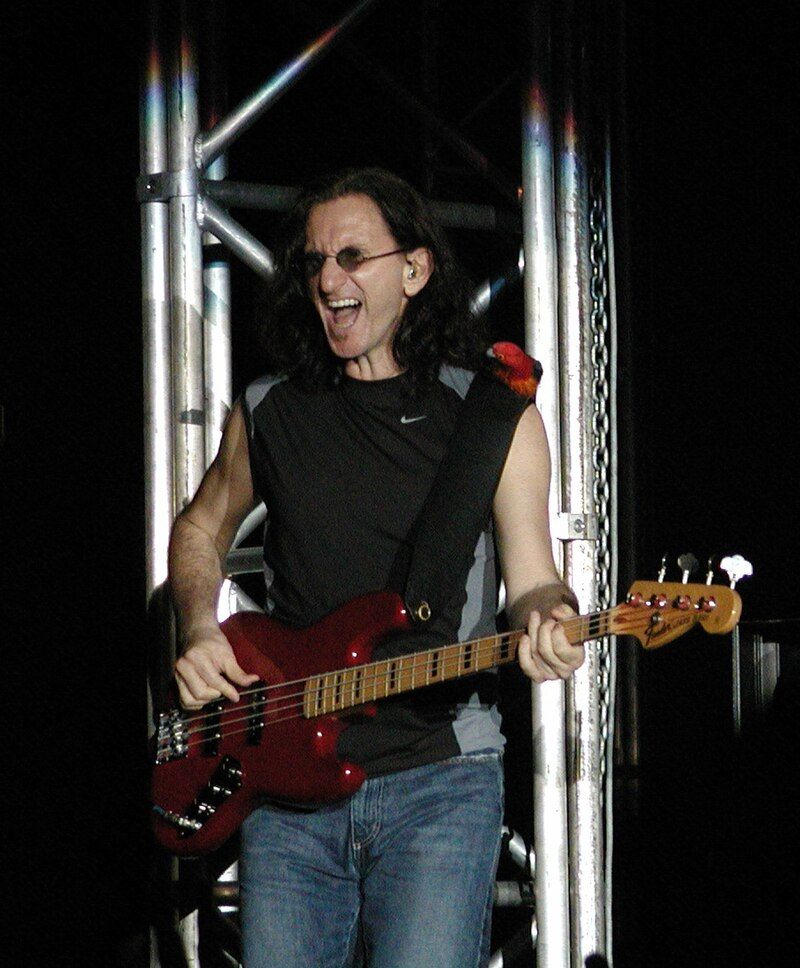
Geddy Lee’s high-pitched vocals divided listeners into passionate fans and puzzled skeptics with absolutely no middle ground in sight.
Title suite told a dystopian story about oppressive priests destroying music, giving rock a surprisingly heavy narrative weight.
Neil Peart’s drumming hit near-superhuman levels, inspiring countless drummers and making a few question their life choices in the practice room.
7. Yes – Fragile (1971)
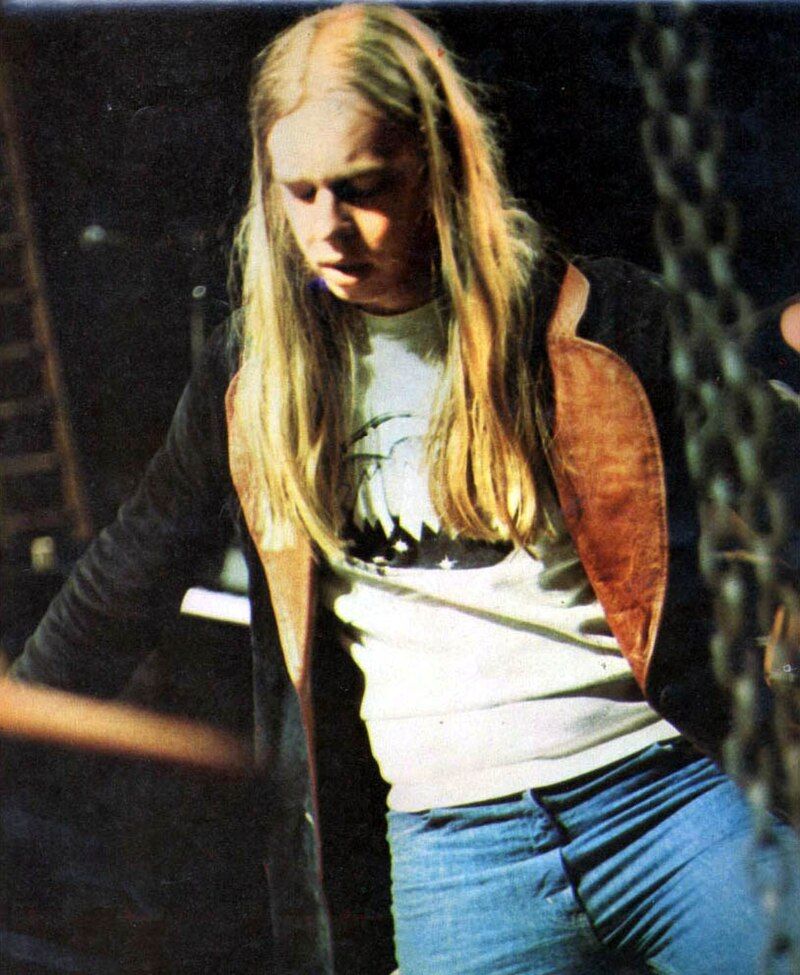
Rick Wakeman joined the band and immediately transformed their sound with his army of synthesizers and organs.
Each member contributed solo pieces, showcasing individual brilliance while maintaining group cohesion.
“Roundabout” became their biggest hit, with its circular guitar riff getting stuck in listeners’ heads for eternity.
Roger Dean’s cover art established the visual language of prog rock, inspiring countless imitators and fantasy artists worldwide.
6. Kansas – Leftoverture (1976)
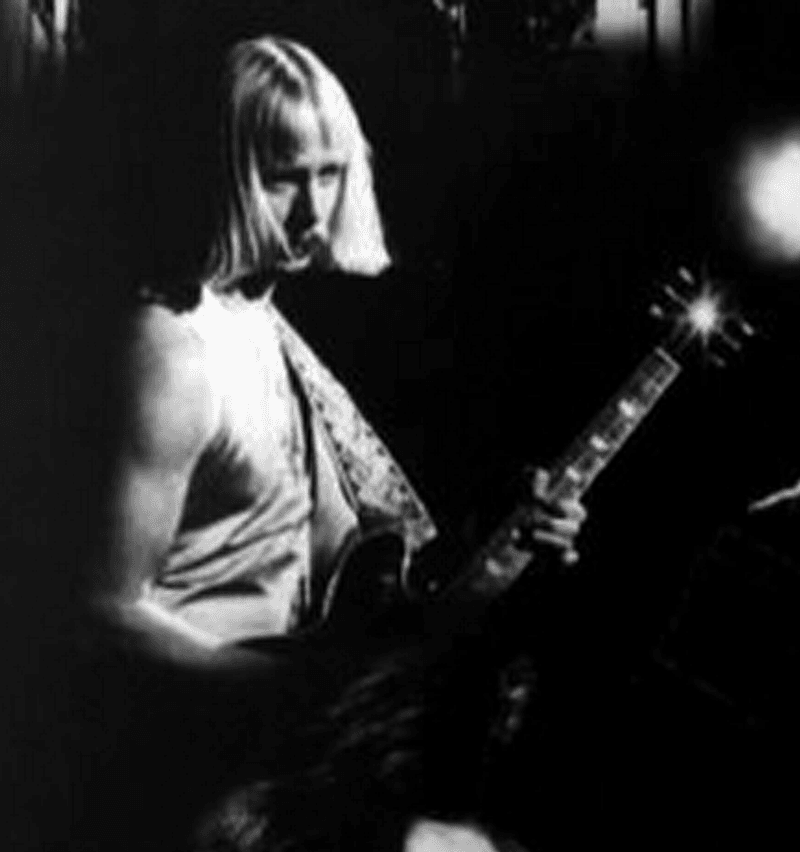
“Carry On Wayward Son” blasted through FM radio like a revelation, bringing prog to mainstream American audiences.
Kerry Livgren’s songwriting mixed philosophical depth with arena-ready hooks, creating radio-friendly complexity.
Robby Steinhardt’s violin added unique texture, proving that classical instruments belonged in rock bands.
The album balanced technical prowess with emotional accessibility, building bridges between prog purists and casual rock fans everywhere.
5. Van Der Graaf Generator – Pawn Hearts (1971)
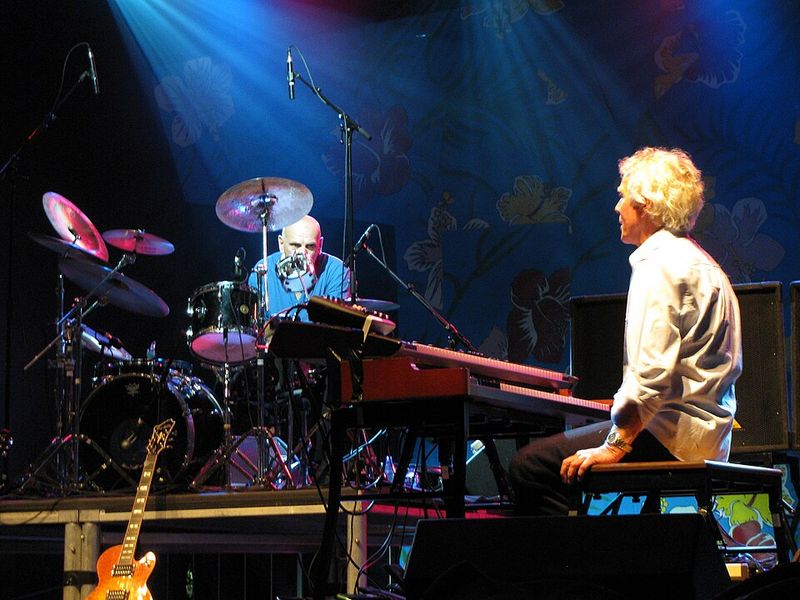
Peter Hammill’s voice moved from faint whispers to near-primal screams, carrying raw emotion that felt startling in its honesty.
Twenty-three-minute epic “A Plague of Lighthouse Keepers” pushed listeners into isolation and madness through shifting musical landscapes that swirled like storm clouds.
Saxophones wailed where many bands leaned on guitars, shaping darker atmospheres than most prog contemporaries ever attempted.
4. Marillion – Misplaced Childhood (1985)
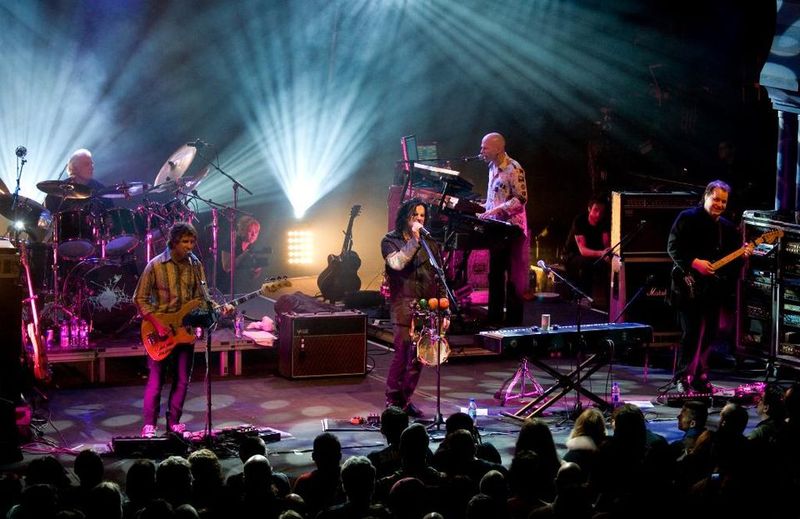
Fish’s theatrical vocals brought prog into the MTV era, proving the genre hadn’t died despite punk’s best efforts.
The entire album flowed as one continuous story about lost love and personal transformation, deeply autobiographical yet universally resonant.
“Kayleigh” became an unexpected hit single, introducing prog textures to audiences who’d never heard of King Crimson.
Mark Kelly’s keyboards sparkled with eighties production while maintaining progressive complexity and sophisticated arrangements.
3. Dream Theater – Images And Words (1992)
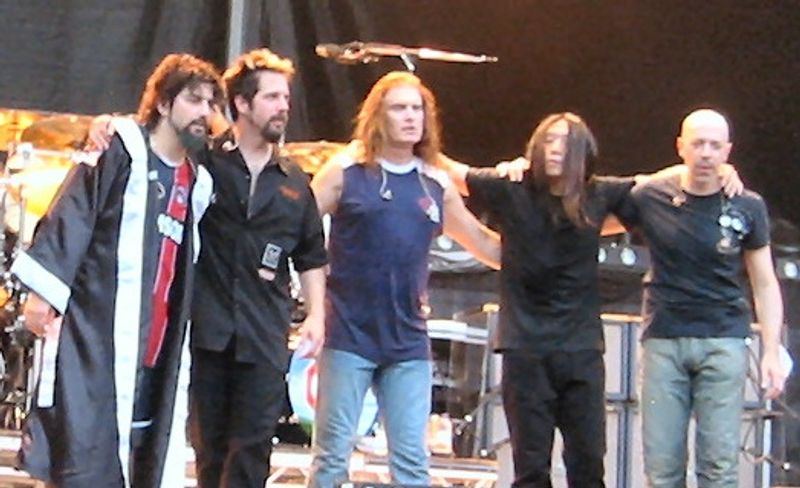
John Petrucci’s guitar shredding reached virtuoso levels that made other guitarists weep into their practice amps.
“Pull Me Under” brought progressive metal to MTV, complete with a video featuring the band looking seriously intense.
Mike Portnoy’s drums thundered with mathematical precision while James LaBrie’s vocals soared over intricate instrumental passages.
This album proved prog could thrive in the nineties, inspiring countless musicians to embrace technical complexity again.
2. Dream Theater – Metropolis Pt. 2: Scenes From A Memory (1999)

Concept album storytelling unfolded as a full murder mystery stretching across past lives and reincarnation, giving fans an ambitious narrative to follow.
Jordan Rudess stepped in on keyboards, layering shimmering runs and bold textures onto an already powerful lineup.
Album flow played like Broadway theatrics colliding with heavy metal energy, complete with characters, plot twists, and emotional crescendos that felt almost cinematic.
Fans still debate the meaning of the final moments, proving great art sparks conversations long after release week fades away.
1. Porcupine Tree – In Absentia (2002)
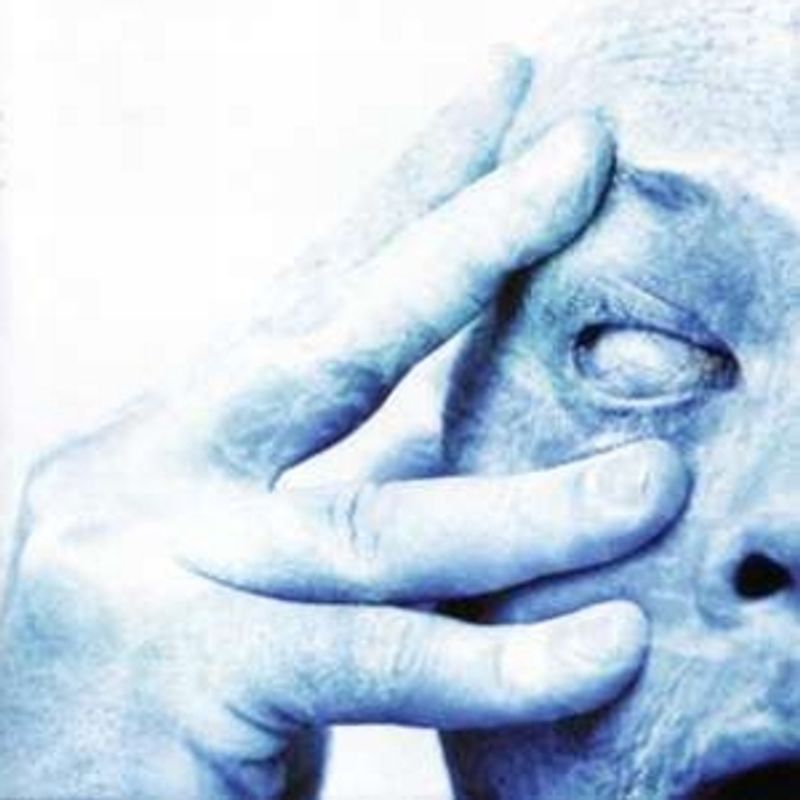
Steven Wilson crafted songs exploring darkness and psychological depth, updating prog for the twenty-first century.
Heavy riffs collided with atmospheric soundscapes, proving progressive rock could sound both modern and timeless simultaneously.
“Trains” and “The Sound of Muzak” became fan favorites, balancing melody with complexity in perfect proportions.
This album introduced countless younger listeners to progressive music, building bridges between generations and keeping the genre vibrantly alive.