The 17 Most Influential Trumpeters In Jazz History
Would the genre feel the same without the bold, brassy brilliance of trumpet players who pushed its sound forward decade after decade?
Smoky clubs in New Orleans and grand concert halls in New York witnessed horns transformed into voices capable of laughter, sorrow, and everything in between.
Innovation followed innovation, birthing new styles, inspiring generations of musicians, and proving one instrument could leave a permanent mark on music history.
Disclaimer: This article presents an overview of influential jazz trumpeters based on widely accepted music history, documented recordings, and critical consensus within jazz scholarship.
Interpretations of influence and legacy reflect a combination of historical impact and cultural significance and may include informed editorial perspective.
This content is intended for general informational and educational purposes and has been reviewed to remain appropriate for broad, general-interest audiences.
1. Clifford Brown
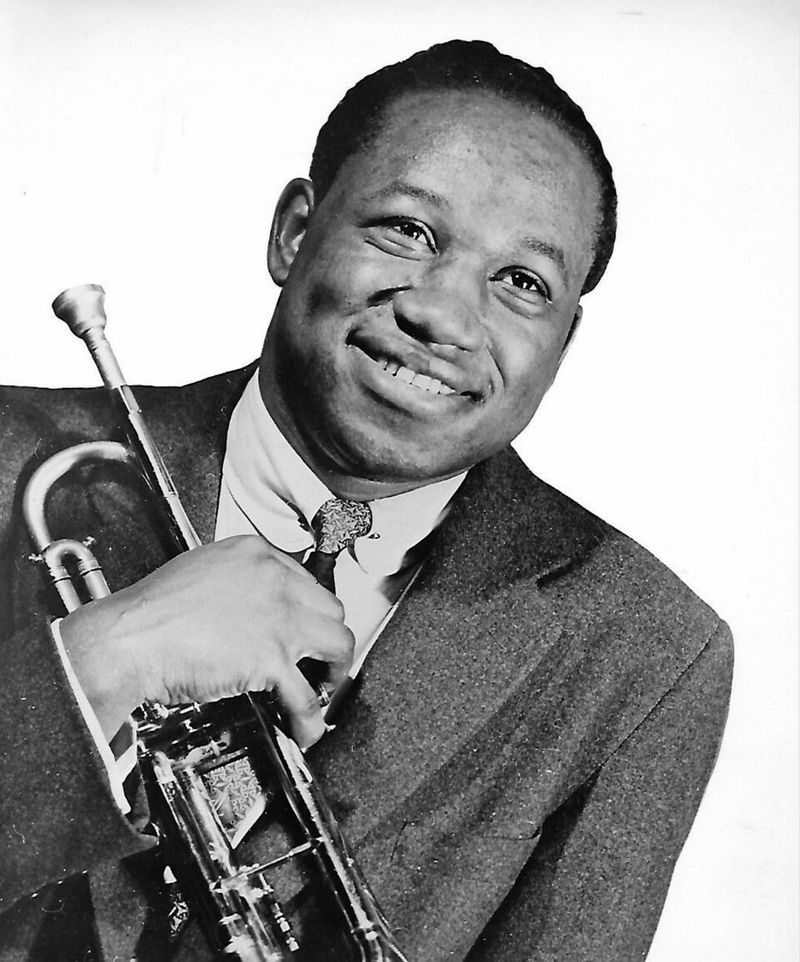
By the age of twenty-five, Brownie’s rich tone and flawless command of his instrument had already made him feel like a fully formed master.
In a scene often defined by excess, his disciplined lifestyle quietly proved that substance-free dedication could still reach extraordinary musical heights.
Each phrase he delivered sounded carefully shaped, blending deep emotion with technical brilliance in ways that left fellow musicians stunned.
When a car accident ended his life at just twenty-five, jazz lost a towering talent who seemed poised to rise even higher.
2. Fats Navarro
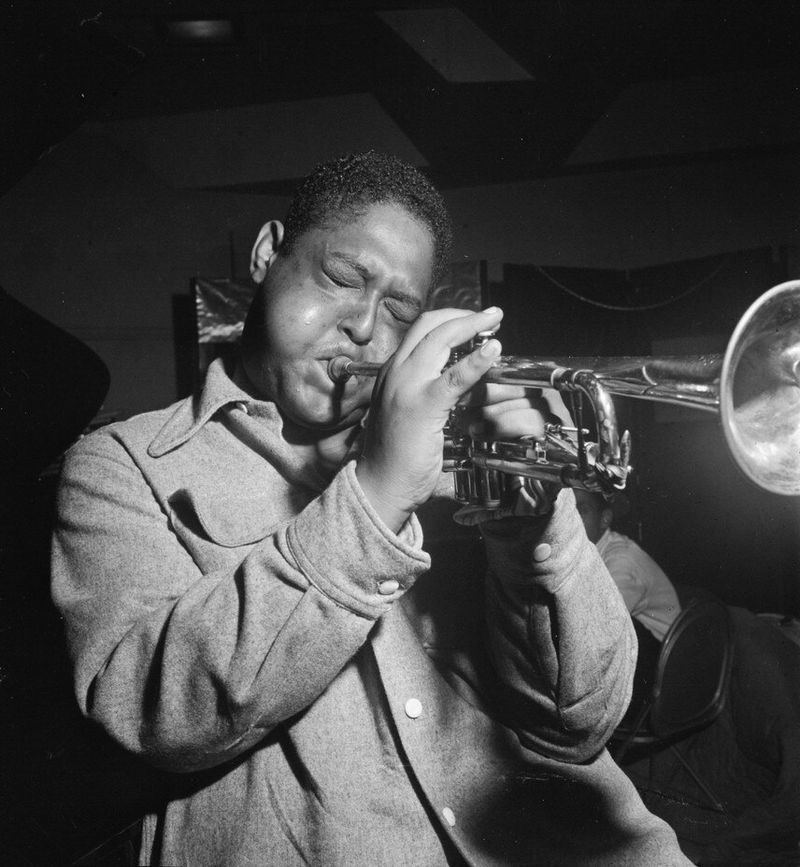
Fat sound, not fat body; that’s how Navarro earned his nickname in bebop circles.
His rich, full tone combined with bebop’s lightning speed created a unique voice that influenced everyone who heard him.
Though he only recorded professionally for about five years, those recordings showcase breathtaking virtuosity and harmonic sophistication.
Tragically, substance issues cut short a career that was skyrocketing toward legendary status.
Musicians still study his solos today, finding new inspiration in every perfectly placed note and phrase.
3. Chet Baker
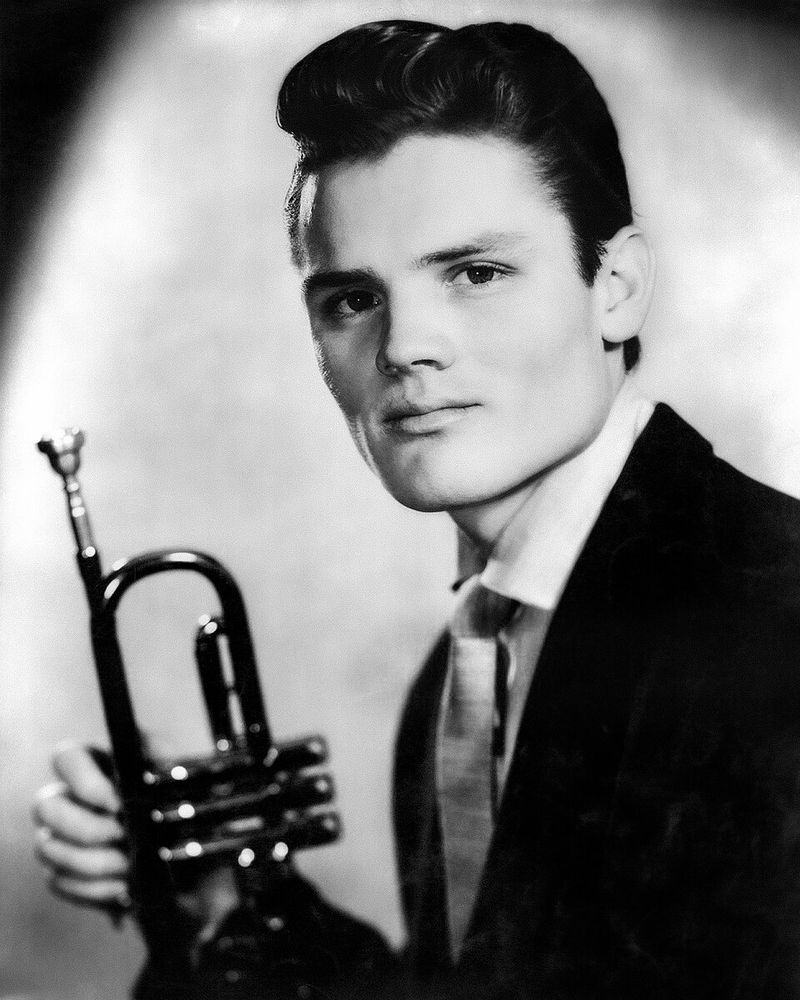
Known for movie-star looks and an even sweeter tone, Baker coaxed his trumpet into sounding like a secret spoken just under the breath.
Away from the horn, his vocal albums revealed the same emotional pull, proving he could ache and charm listeners using nothing but his voice.
Later years brought heavy struggles, yet those early recordings preserve a raw vulnerability that continues to feel intimate and alive.
Decades after his death, modern jazz singers and instrumentalists still trace parts of their sound back to his unmistakable influence.
4. Kenny Dorham
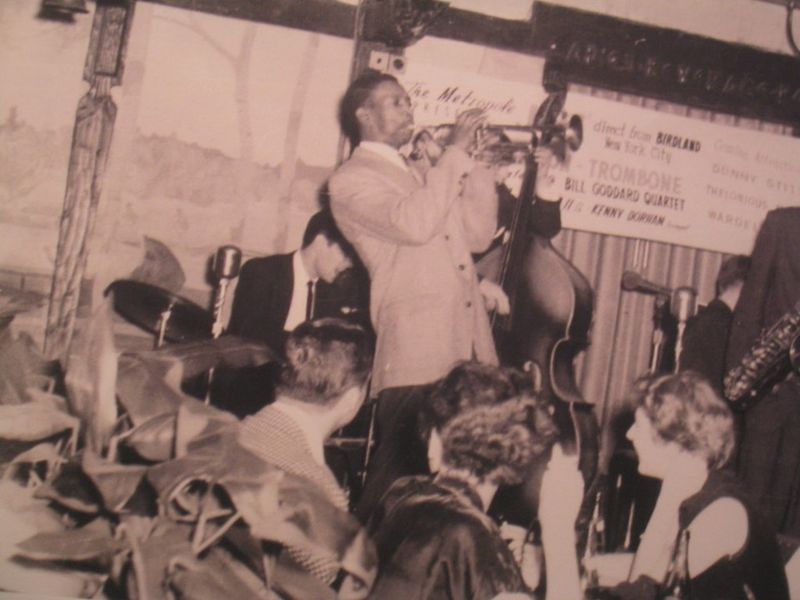
Calling Dorham underrated barely scratches the surface of how overlooked his place in jazz history truly is.
As flashier names dominated headlines, he worked steadily in the background, shaping some of hard bop’s most refined solos and compositions.
Through his time with Art Blakey’s Jazz Messengers and numerous Blue Note sessions, his sense of melody and restraint consistently stood out.
What set him apart was a tone that leaned darker and more inward-looking, offering a contrast to many of his brighter, more aggressive peers.
5. Miles Davis
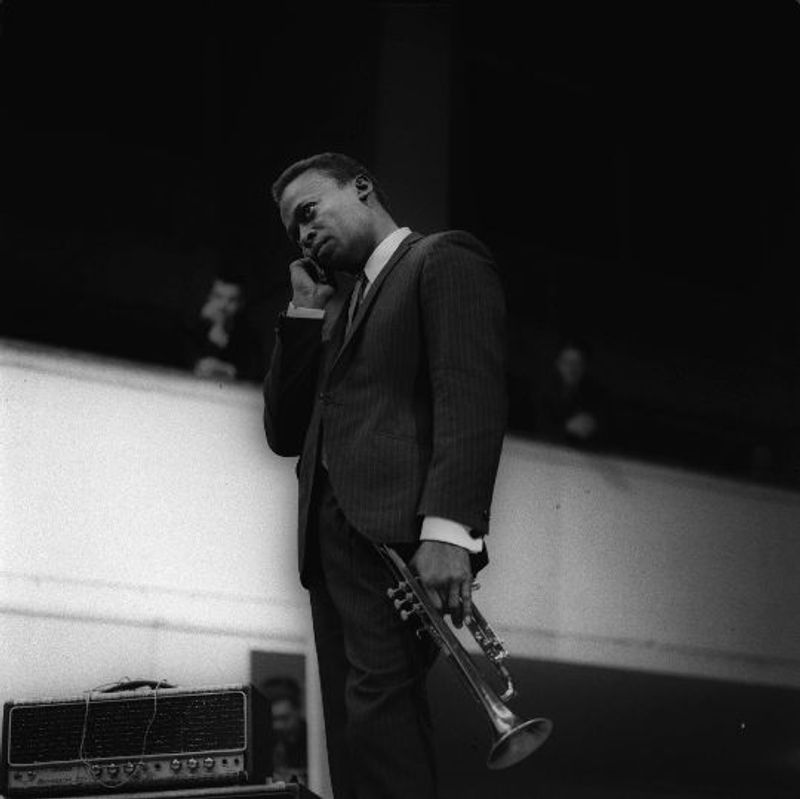
With an icy calm, Miles Davis treated every note as intentional, never playing anything he did not fully commit to.
While others chased speed and flash, he leaned into restraint, showing that carefully placed silence could speak as loudly as sound itself.
Released in 1959, Kind of Blue went on to become the best-selling jazz album of all time, opening the door to modal jazz for a global audience.
Across decades, he refused to stand still, reshaping his sound again and again as he moved through bebop, cool jazz, fusion, and beyond.
6. Art Farmer
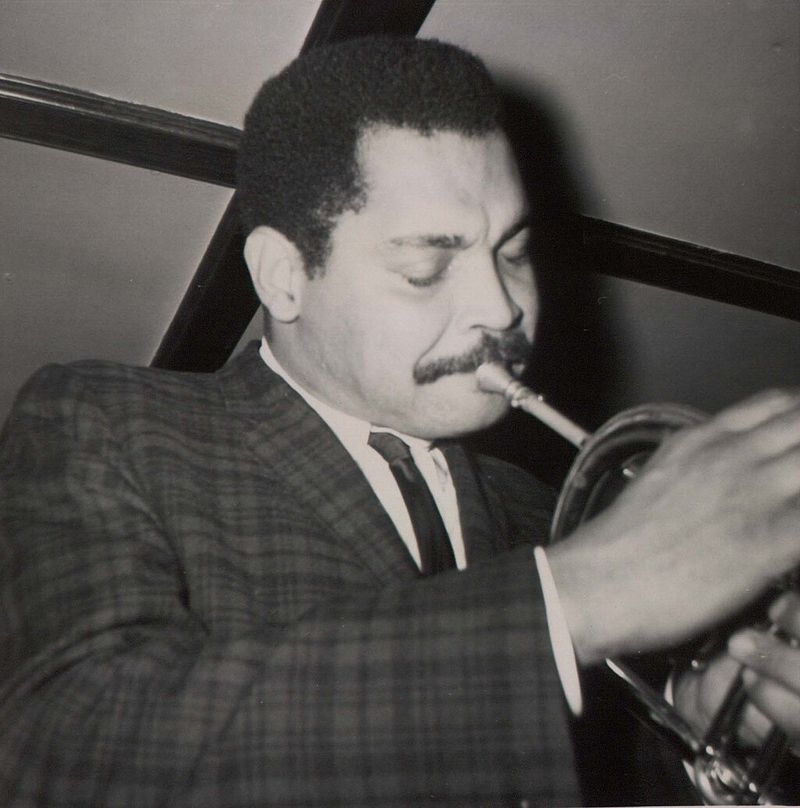
Farmer’s switch to flugelhorn gave jazz a warmer, rounder voice that felt like sonic velvet.
His thoughtful, lyrical style favored beauty over bombast, creating solos that unfolded like perfectly told stories.
Whether leading his own groups or collaborating with Benny Golson, Farmer elevated every musical situation he entered.
His European years later in life introduced American jazz sensibilities to new audiences across the Atlantic.
Critics and fellow musicians consistently praised his good taste, technical command, and genuine musical humility throughout his career.
7. Donald Byrd
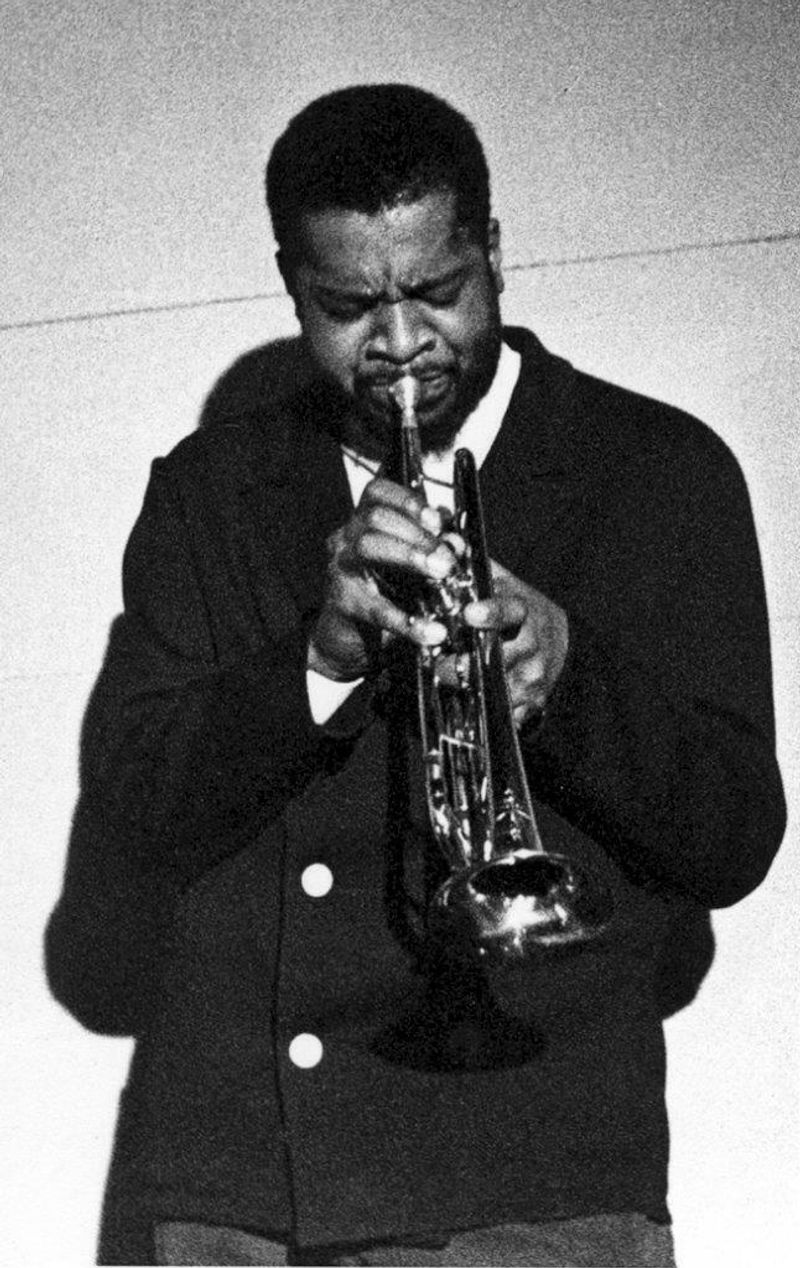
Byrd appeared on more Blue Note sessions than many musicians manage to record albums across an entire lifetime.
Thanks to remarkable adaptability, he could drive straight-ahead bebop one moment, ease naturally into soul jazz the next, and later explore fusion without sounding forced.
With multiple academic degrees to his name, his intellect shaped the music subtly, never weighing it down with stiffness or theory-first playing.
Very few trumpeters maintained relevance across so many eras and styles while delivering such steady quality and forward-thinking creativity.
8. Lee Morgan
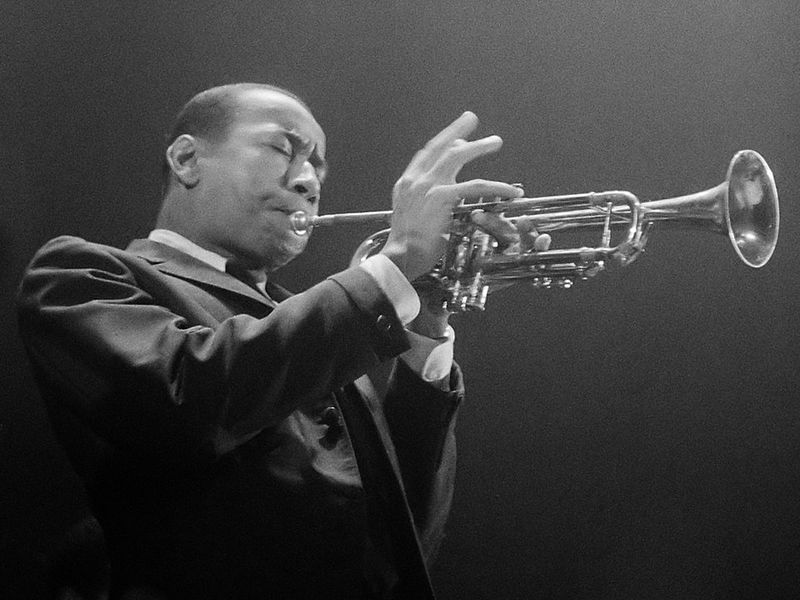
Teenage prodigy turned soul jazz superstar, Morgan’s “The Sidewinder” became an unlikely crossover hit.
His fiery, blues-drenched playing brought an earthiness to hard bop that made audiences move their feet, not just nod their heads.
Despite battling personal issues, his creativity never dimmed, producing classic after classic for Blue Note Records.
At just thirty-three, a tragic shooting at a New York club ended one of jazz’s brightest careers.
His influence on contemporary jazz trumpeters remains massive, with his recordings still serving as essential study material today.
9. Freddie Hubbard
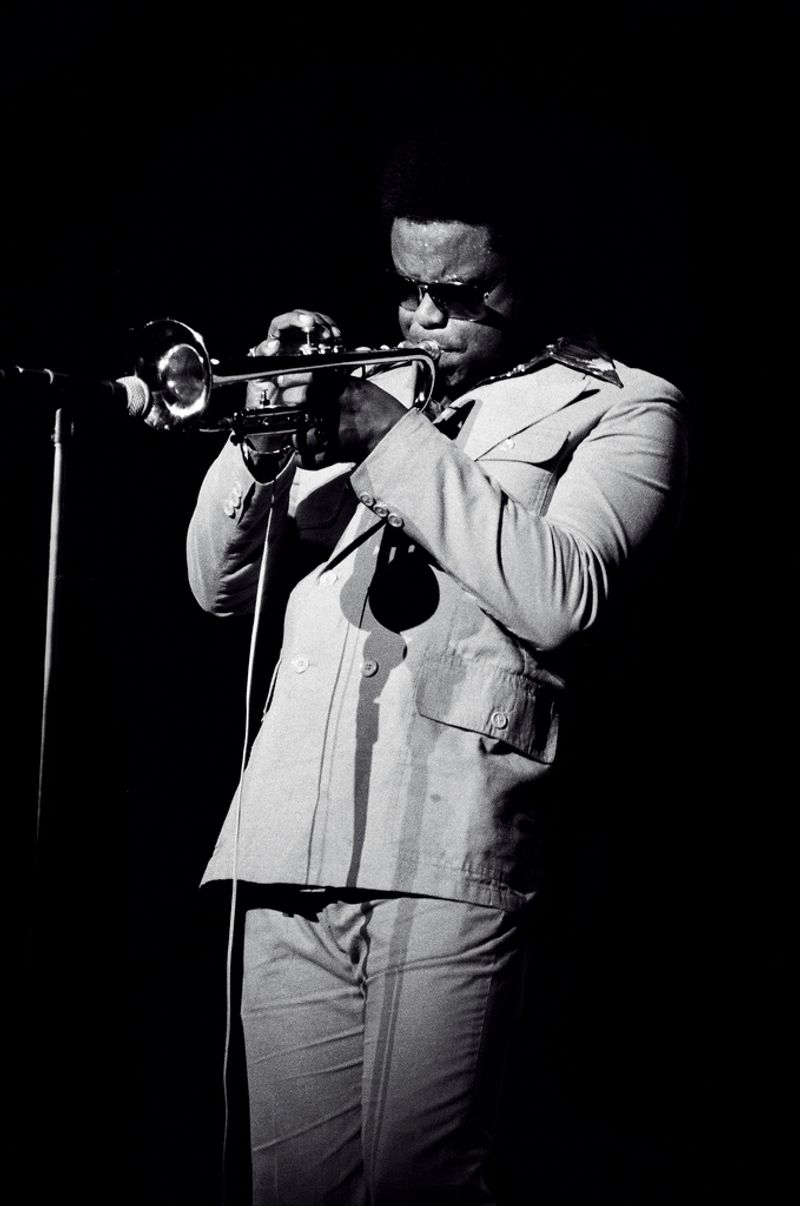
Onstage, Hubbard’s trumpet felt less like an instrument and more like a source of pure electricity, firing sound with explosive force.
That fierce, high-octane style fused astonishing technical skill with unfiltered emotion, often leaving listeners stunned by its intensity.
Equally at home in straight-ahead hard bop or daring fusion landscapes, he approached every musical challenge with fearless confidence.
Carrying a tone that was both bright and piercing, his sound sliced through ensembles while still retaining a lyrical, singing edge.
10. Joe King Oliver
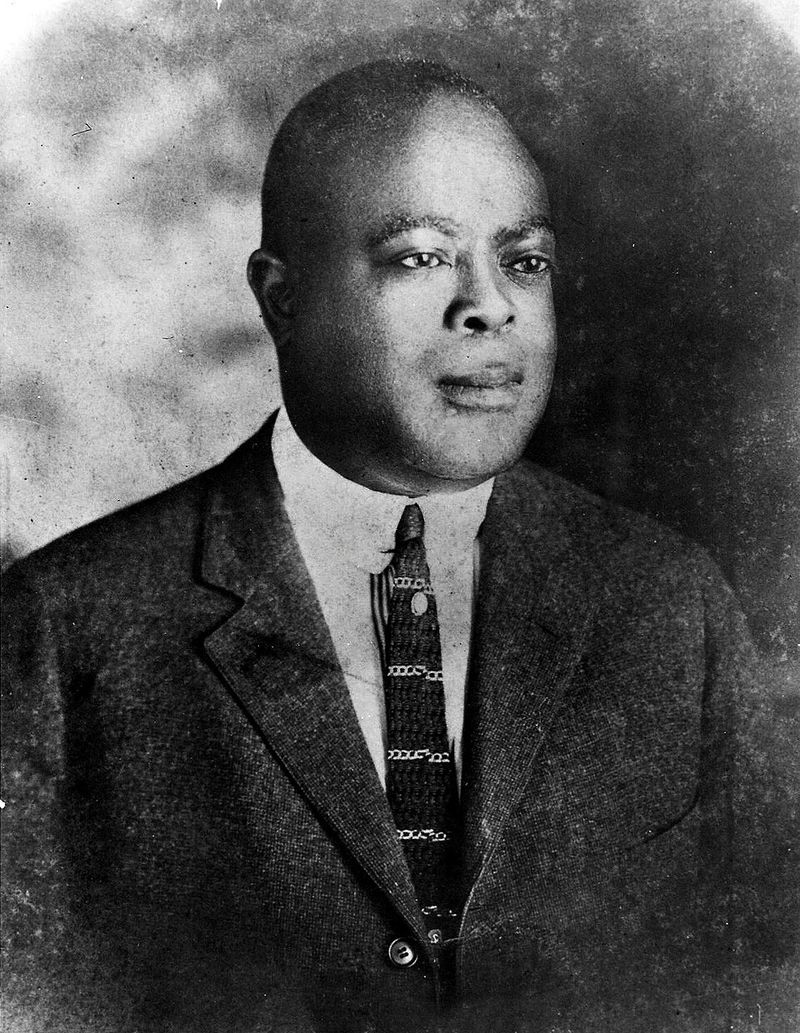
Long before Armstrong earned a crown, the title belonged to the trailblazing King Oliver.
During the 1920s, his Creole Jazz Band recordings bottled the untamed spark of early New Orleans jazz as the sound was still defining itself.
By mentoring a young Louis Armstrong, Oliver helped ignite a musical lineage that reshaped the future of American music.
Even though his life ended in poverty, history has never questioned his standing as true musical royalty.
11. Clark Terry
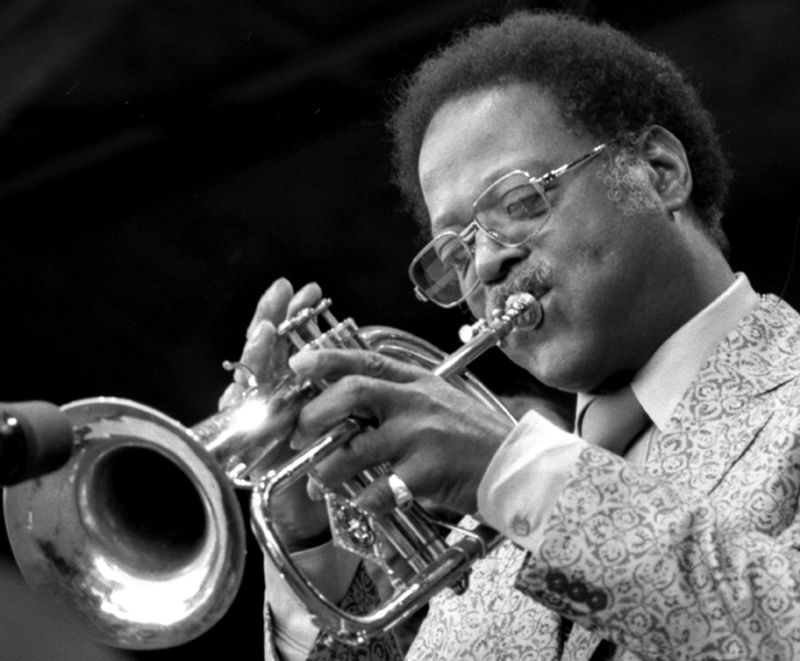
The famous mumbling may have been his calling card, yet Terry’s trumpet voice always rang out with unmistakable clarity.
Time spent with Duke Ellington and Count Basie grounded him in swing traditions that stayed woven into his sound for life.
As a teacher, his open-hearted mentorship shaped countless musicians, including a young Wynton Marsalis who actively sought his guidance.
Well into his nineties, Terry kept performing and teaching, sharing joy, wisdom, and music right up until the very end.
12. Dizzy Gillespie
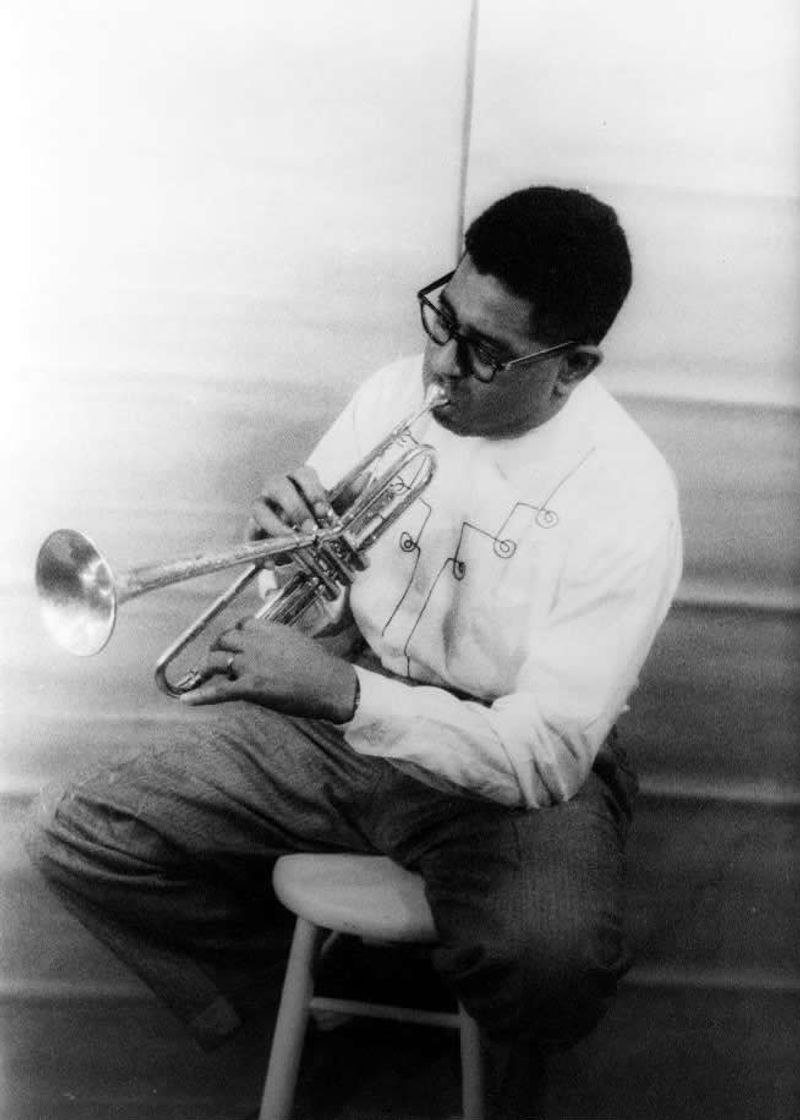
That bent trumpet wasn’t just for show; it became the visual symbol of bebop revolution.
Gillespie’s lightning-fast runs and complex harmonic innovations helped create an entirely new jazz language in the 1940s.
His puffed cheeks defied every trumpet teacher’s advice, yet somehow produced magical results that no one could argue with.
Beyond technique, he served as a cultural ambassador, spreading Afro-Cuban jazz rhythms worldwide.
His playful personality made bebop accessible even when the music itself challenged listeners.
13. Roy Eldridge
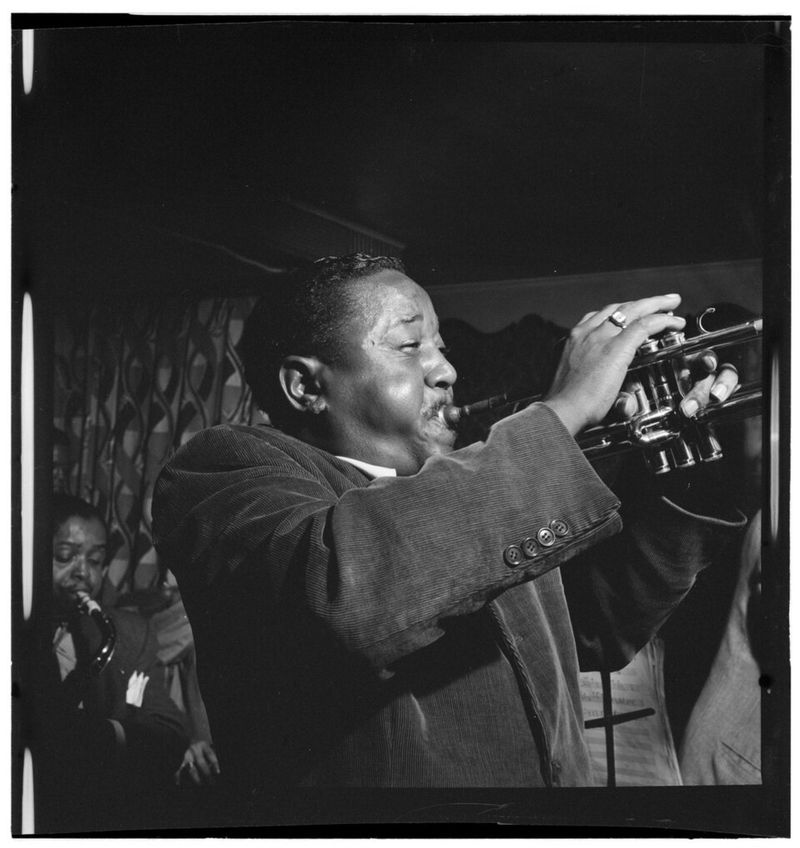
Small in stature yet explosive in sound, Little Jazz delivered more intensity per inch than players twice his size.
By driving an aggressive, high-octane approach, Eldridge connected the swing era to bebop while stretching trumpet technique into new territory.
Fuelled by fierce competitiveness, he became famous for cutting contests where horn players dueled live for bragging rights.
So deep was his impact that Dizzy Gillespie openly credited Eldridge as a defining force behind his own trumpet style.
14. Wynton Marsalis
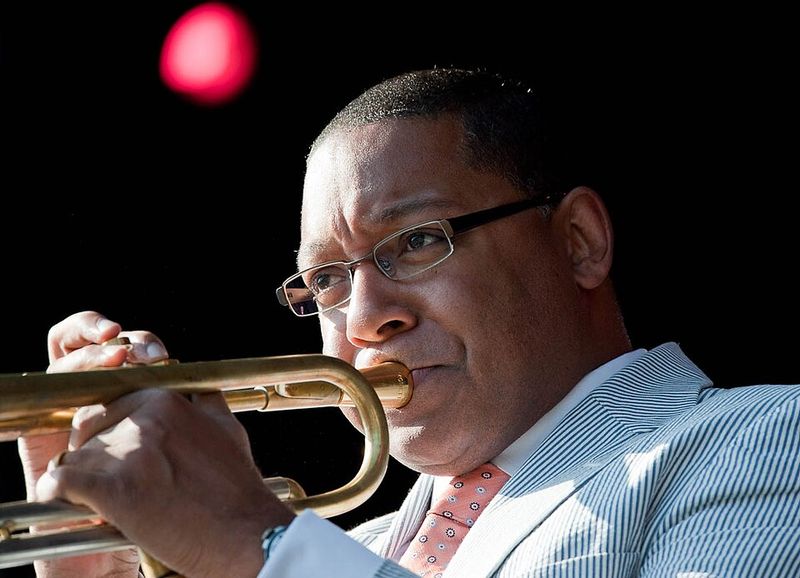
Blending classical precision with deep jazz feeling, Marsalis made history as the first artist to earn Grammy Awards in both worlds.
Drawing on the discipline of past masters, his technique stays razor sharp while his original works stretch jazz forward without cutting ties to its roots.
In his role as artistic director at Jazz at Lincoln Center, he helped place jazz on equal institutional footing with classical music.
Although critics occasionally challenge his traditionalist views, his command of the trumpet and devotion to the craft remain beyond dispute.
15. Bix Beiderbecke
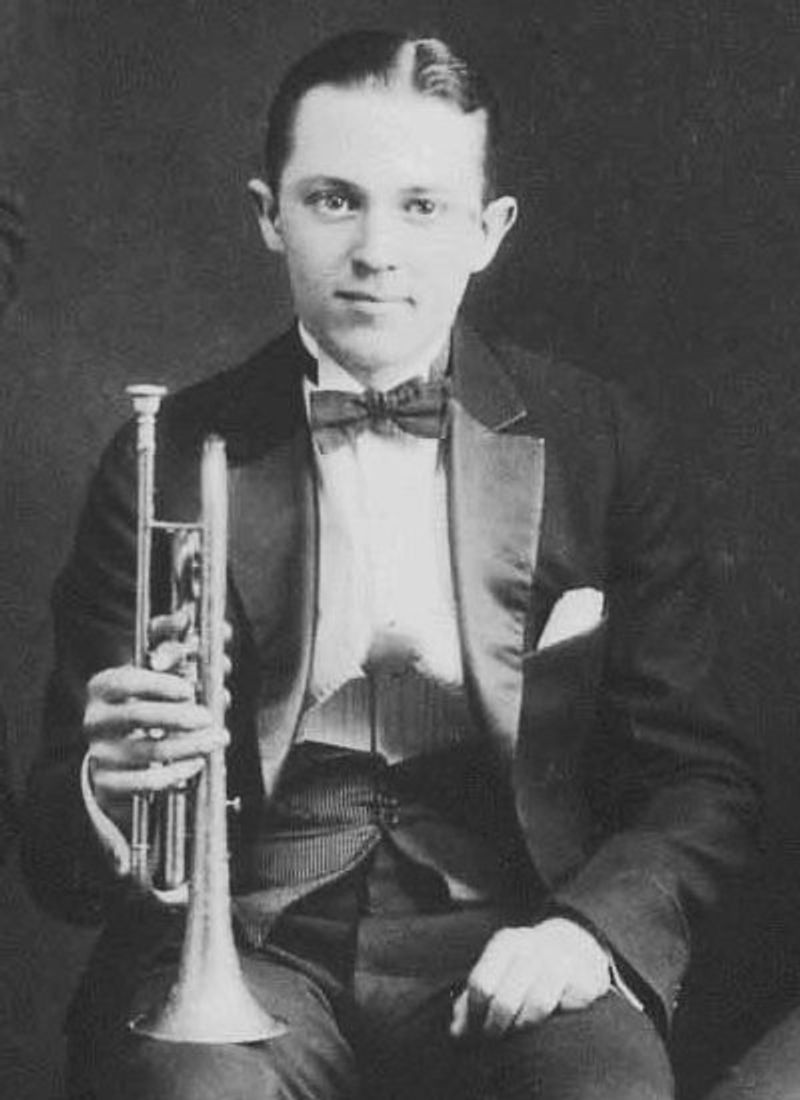
Imagine a self-taught cornet player who couldn’t read music but could make angels weep with his tone.
Beiderbecke brought a cool, introspective sound to jazz during the roaring twenties when most players favored hot, explosive styles.
His bell-like clarity and impressionistic approach influenced countless musicians despite his tragically short life.
Recordings like “In a Mist” showed his classical influences blending seamlessly with jazz improvisation.
At just twenty-eight, he left behind a legacy that still sparkles.
16. Louis Armstrong
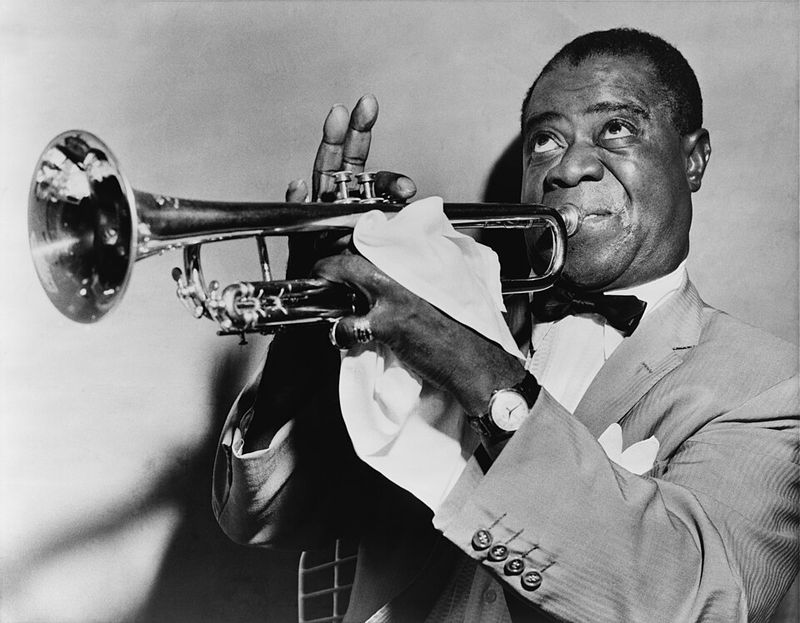
Satchmo didn’t just play notes; he invented a whole new language for jazz.
Born in New Orleans, Armstrong transformed the trumpet from a simple band instrument into a solo powerhouse that could make audiences laugh, cry, and dance all at once.
His gravelly voice became just as famous as his horn.
Recordings like “West End Blues” still sound fresh nearly a century later, proving genius never gets old.
Without Armstrong, modern jazz simply wouldn’t exist as we know it today.
17. Maynard Ferguson
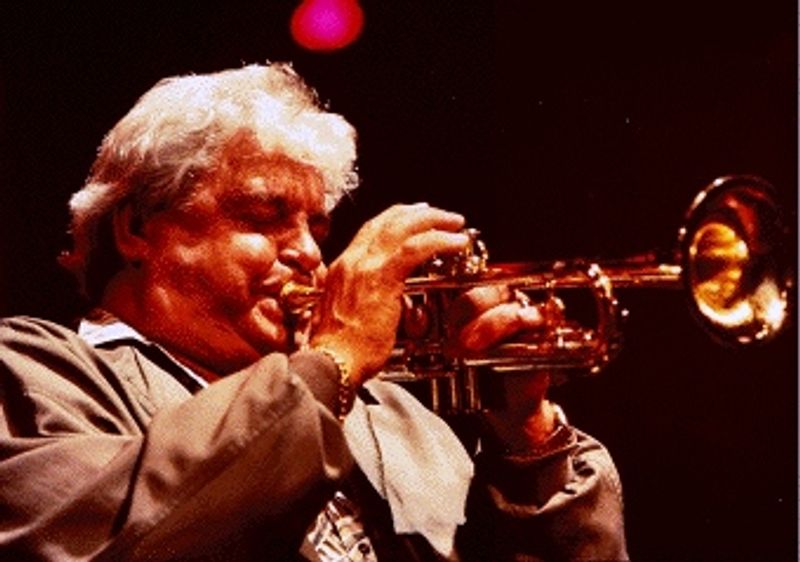
How high can a trumpet go? Ferguson answered that question by basically removing the ceiling entirely.
His stratospheric range and powerful tone made him a big band legend who could thrill audiences with sheer athletic prowess.
Beyond the screaming high notes, Ferguson possessed genuine musical sensitivity and a gift for spotting talented young players.
His versions of pop hits introduced jazz to rock-era audiences who might never have discovered the genre otherwise.
That distinctive sound, bright and brassy and impossibly high, remains instantly recognizable to jazz fans everywhere today.