Actors Who Could Not Escape The Oscar Curse
Winning an Oscar is supposed to be the ultimate career milestone, the golden ticket to Hollywood royalty.
But for some actors, that shiny statuette came with a hidden price tag nobody warned them about.
Call it bad luck, bad scripts, or just bad timing, but a surprising number of Oscar winners found their careers hitting a wall right after their big night.
Get ready, because this list is equal parts jaw-dropping and genuinely surprising.
1. Halle Berry
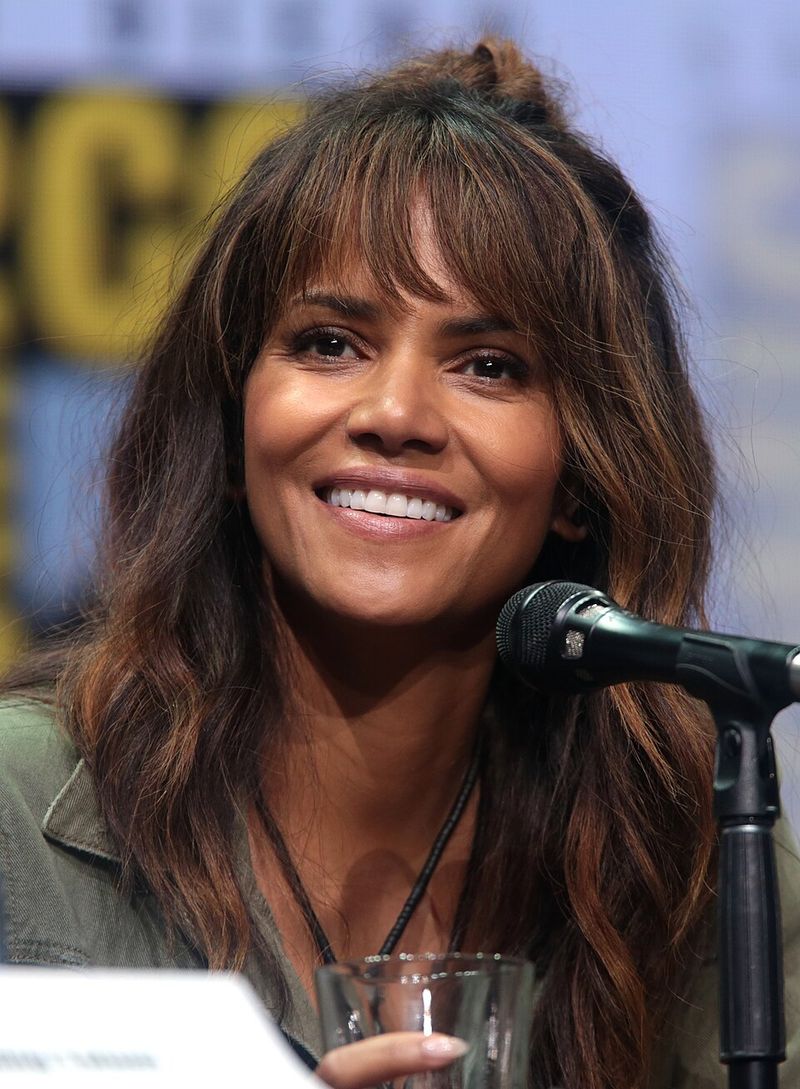
Picture this: you make history as the first Black woman to win Best Actress at the Oscars, and then Hollywood hands you… Catwoman. Ouch.
After her groundbreaking win for Monster’s Ball in 2001, Halle Berry’s film choices left critics scratching their heads.
Catwoman (2004) became one of the most mocked superhero films ever made, and Gothika (2003) did not exactly set the box office on fire either.
How does someone go from Oscar gold to Razzie territory so fast? Berry herself accepted her Razzie in person, which honestly deserves its own award for sheer bravery.
2. Cuba Gooding Jr.
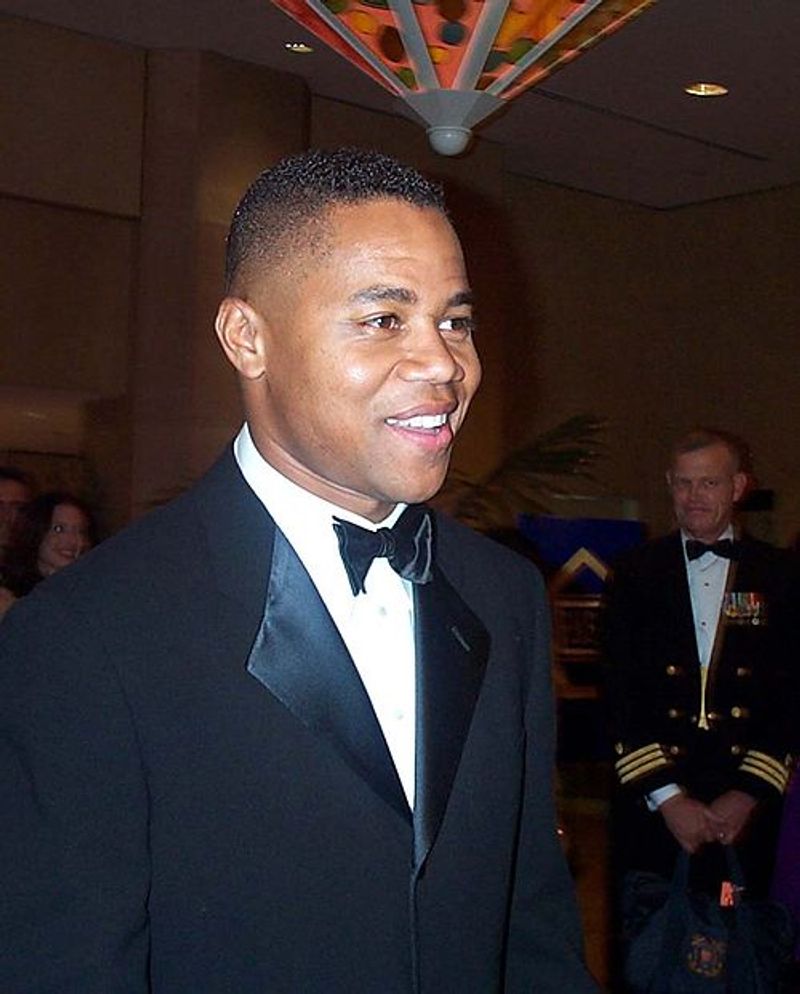
Show him the money! Cuba Gooding Jr. famously screamed those words at the 1997 Oscars after winning Best Supporting Actor for Jerry Maguire, and the crowd went absolutely wild.
Nobody could have predicted what came next.
Films like Boat Trip (2002) and Rat Race (2001) were far from Oscar-worthy follow-ups. Critics were baffled, audiences were confused, and Cuba kept working regardless, which you have to respect on some level.
If energy alone could win awards, his acceptance speech replay would have earned him a second Oscar. Unfortunately, Hollywood does not grade on enthusiasm alone.
3. Adrien Brody
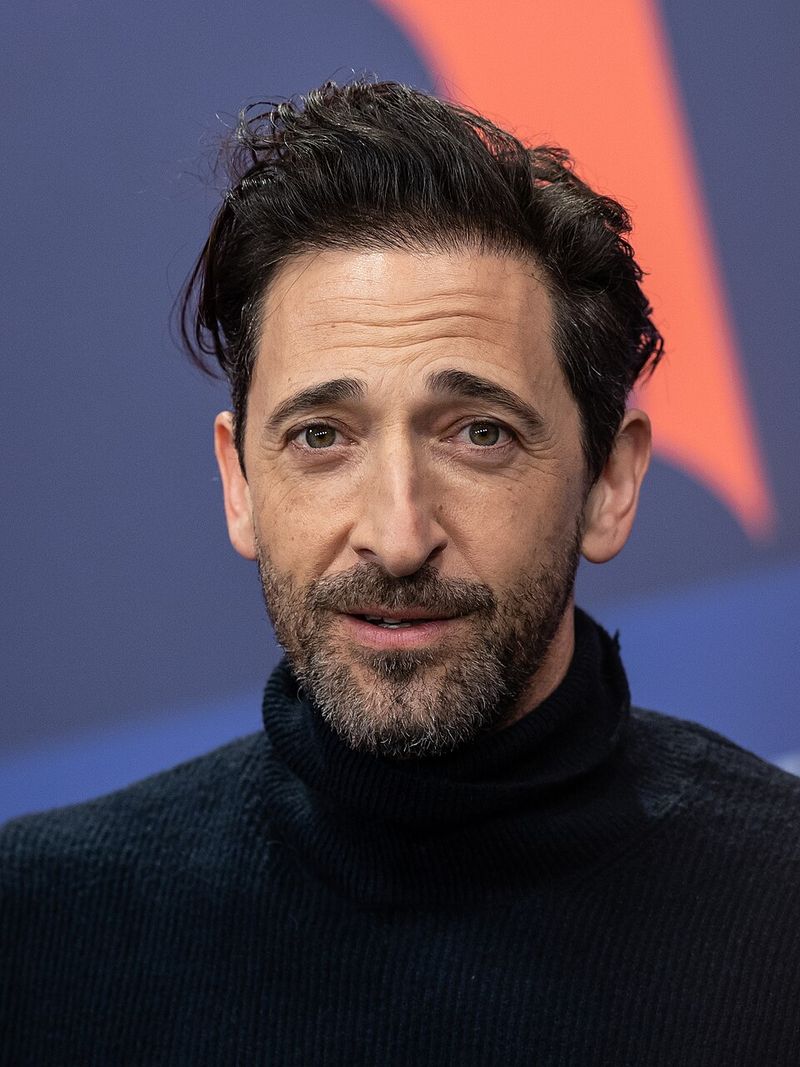
Winning Best Actor at just 29 years old for The Pianist (2002) made Adrien Brody the youngest man to claim that prize.
That was a record worth celebrating! However, the roles that followed never quite matched that towering achievement.
Films like Predators (2010) and various direct-to-video projects left fans wondering where the magic went.
Though he remained active and clearly talented, the blockbuster momentum simply never arrived the way everyone expected.
Brody has spoken openly about how difficult it was to find roles after the win.
4. Mira Sorvino
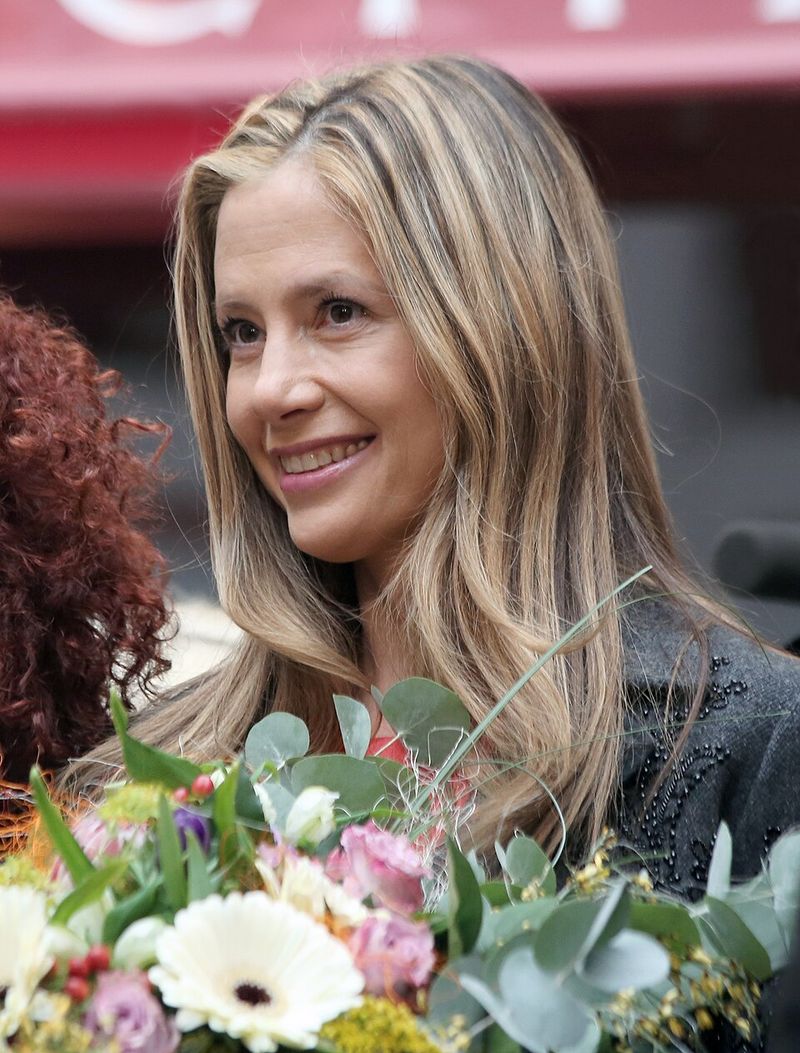
Fresh off her Best Supporting Actress win for Mighty Aphrodite (1995), Mira Sorvino seemed destined for superstardom.
The daughter of legendary actor Paul Sorvino, she had talent running through her veins and an Oscar on her shelf. So what happened?
Romy and Michele’s High School Reunion (1997) became more of a cult classic than a career launcher, and Mimic (1997) was quickly forgotten.
If that were not enough, Sorvino later revealed that producer Harvey Weinstein actively blocked her career opportunities.
5. Jean Dujardin
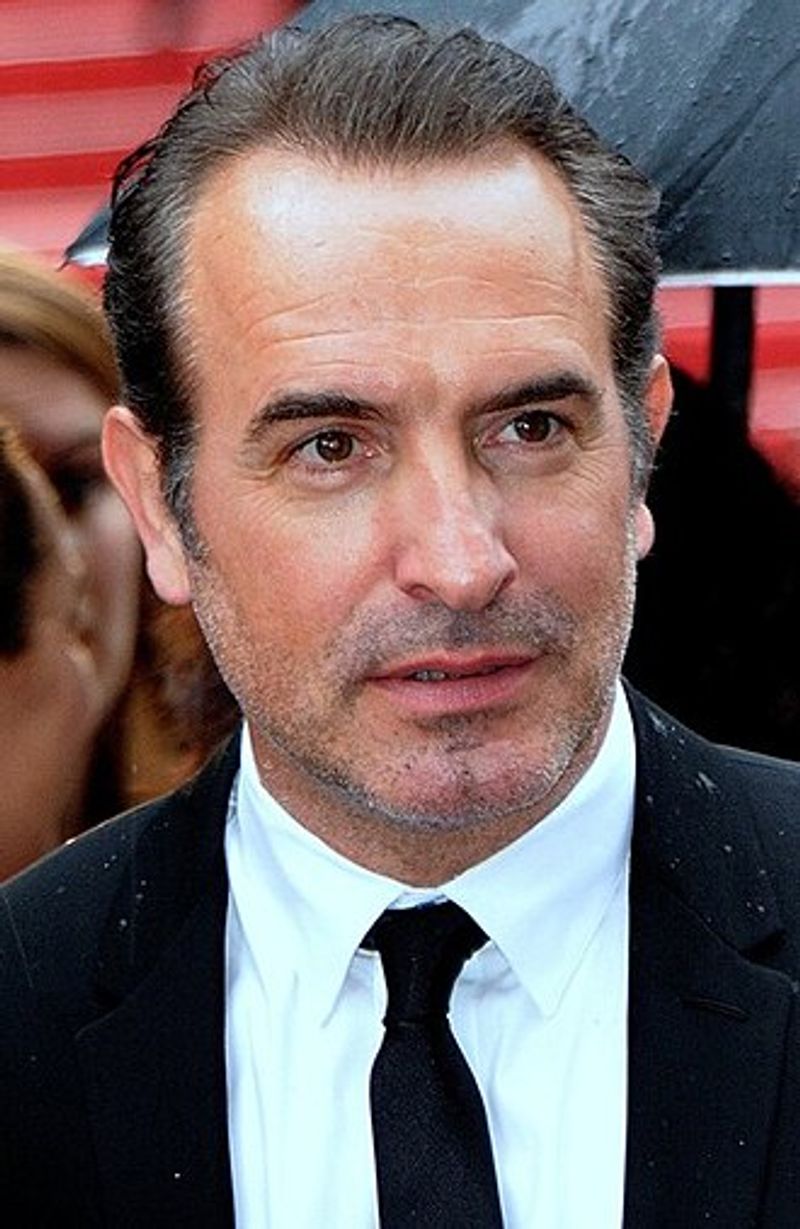
When Jean Dujardin won Best Actor for The Artist (2012), he became the first French actor ever to take home that Oscar.
Charming, charismatic, and genuinely hilarious, he seemed poised to conquer Hollywood next. Spoiler alert: it did not quite go that way.
American audiences never fully warmed up to him outside of The Artist, and his subsequent English-language projects failed to gain traction.
Though he remained a beloved star in France, the global crossover moment never materialized the way Hollywood hoped.
6. Roberto Benigni
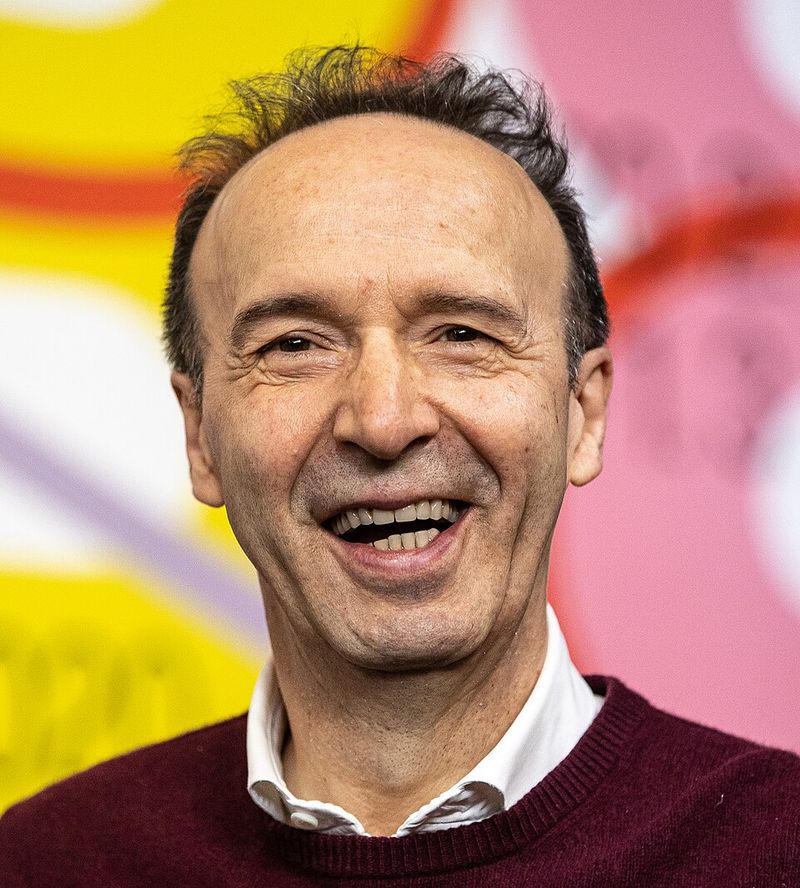
Nobody who watched the 1999 Oscars will ever forget Roberto Benigni literally climbing over seats to accept his Best Actor award for Life Is Beautiful.
It was one of the most memorable moments in Oscar history.
Then came Pinocchio (2002), a film so widely panned that it won multiple Razzie Awards. Critics across the globe were merciless, and American audiences barely noticed it existed.
However, Benigni remains a cultural icon in Italy and continues working in theater and film.
7. Marisa Tomei
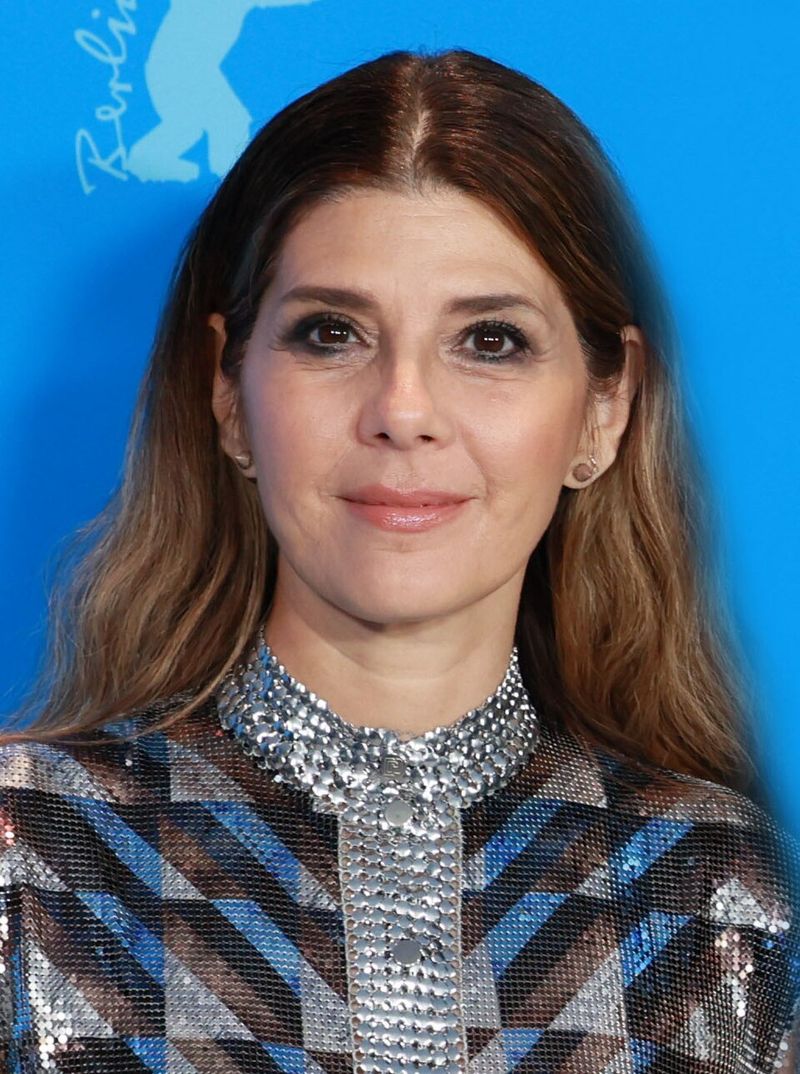
Few Oscar wins have sparked as much gossip as Marisa Tomei’s Best Supporting Actress victory for My Cousin Vinny (1992).
Rumors swirled for years that the presenter announced the wrong name by accident. For the record, those rumors were completely false, and the Academy confirmed it.
Despite that, Tomei’s career post-Oscar was surprisingly quiet for several years. Roles were inconsistent, and the A-list momentum she deserved never fully arrived in the 1990s.
Thankfully, she made a brilliant comeback with The Wrestler (2008) and her role as Aunt May in the Spider-Man franchise.
8. Kim Basinger
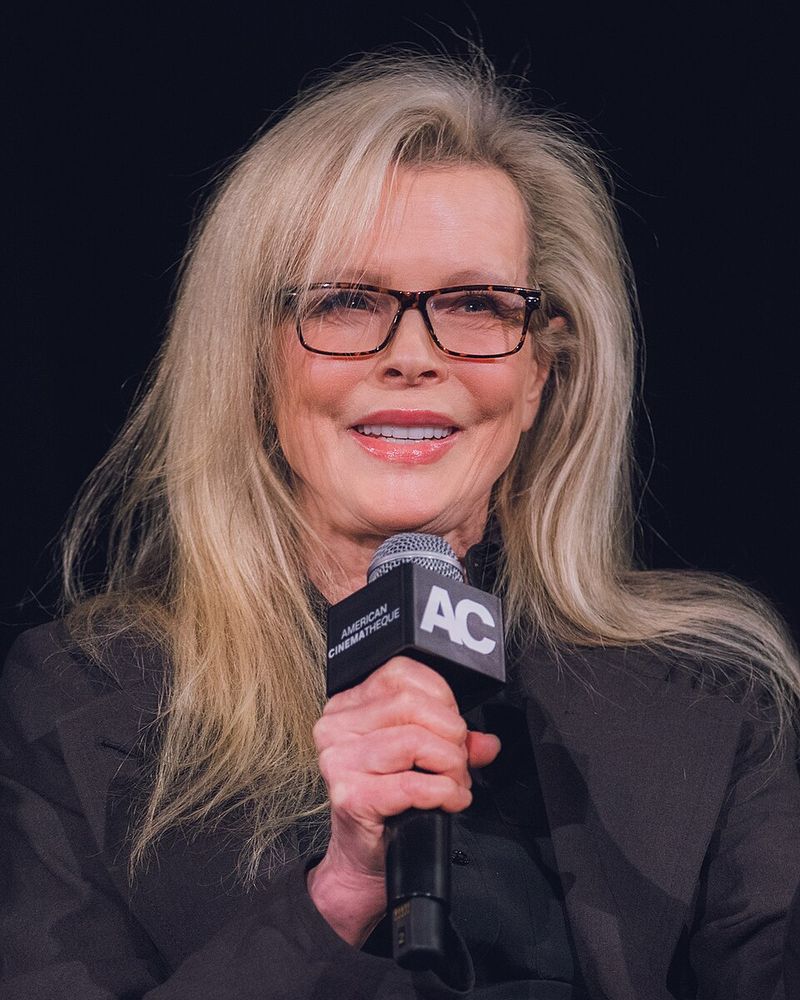
Winning Best Supporting Actress for L.A. Confidential in 1998 was a crowning moment for Kim Basinger, one of Hollywood’s most glamorous stars.
The film itself was a masterpiece, and her performance was universally praised. Everything looked golden from the outside.
However, the years that followed brought underwhelming projects and a noticeable drop in high-profile opportunities.
Films like Cellular (2004) were decent enough but nowhere near Oscar-caliber territory.
9. Mo’Nique
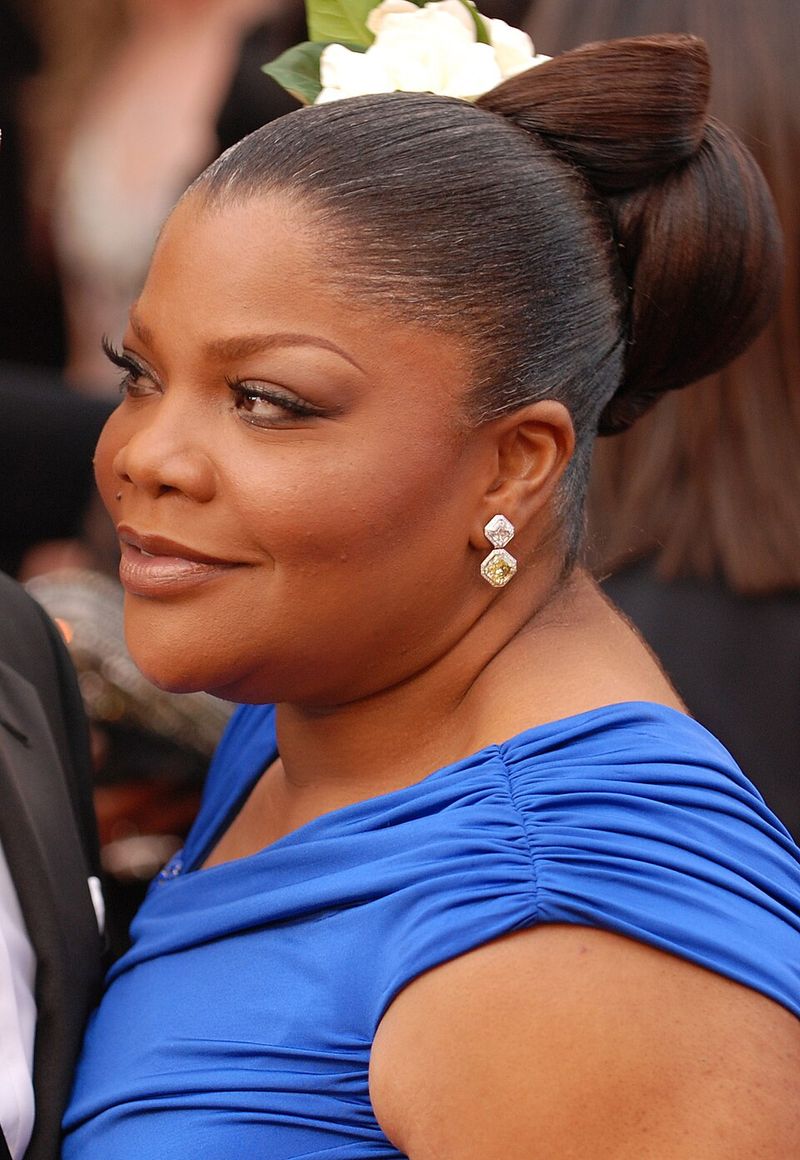
Absolutely unforgettable in Precious (2009), Mo’Nique delivered one of the most terrifying and heartbreaking performances in modern cinema.
Her Best Supporting Actress win felt completely earned and long overdue for a comedian who always had serious acting chops.
What followed, though, was a public falling-out with studio executives and producers over promotional duties.
Mo’Nique openly discussed being blacklisted, and major film roles became increasingly scarce after the controversy.
10. Melissa Leo
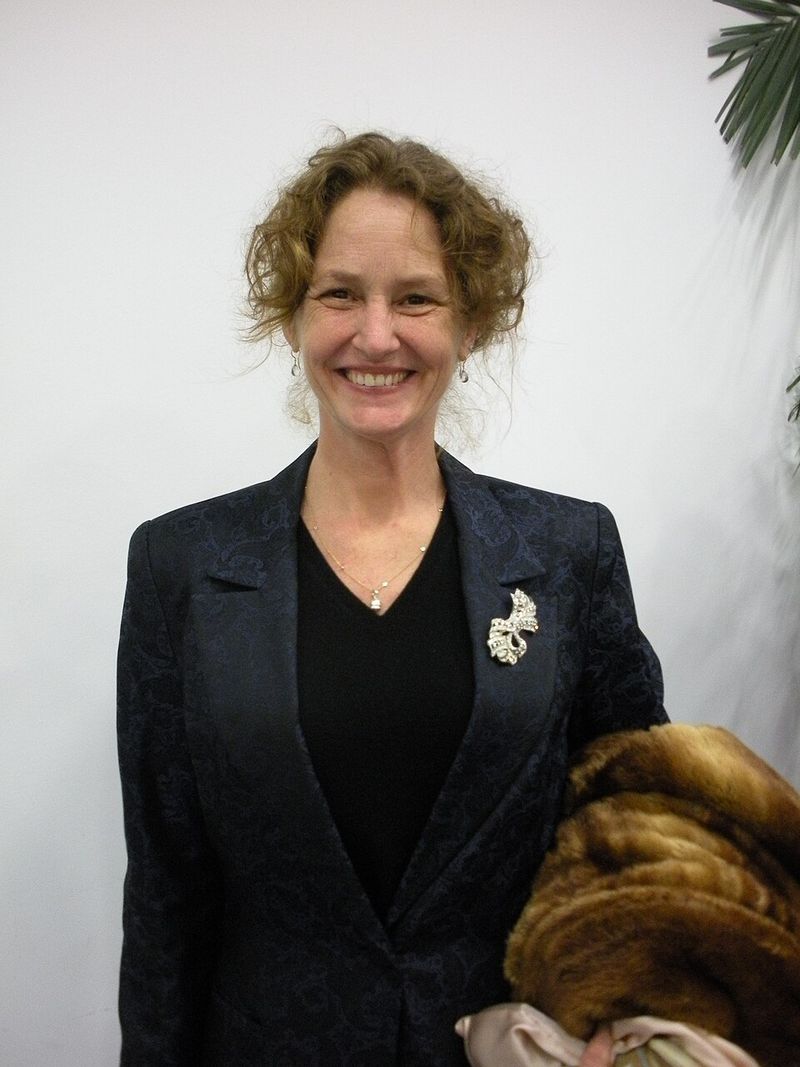
Winning Best Supporting Actress for The Fighter (2010) was a wild, memorable moment, partly because Melissa Leo dropped an unexpected word live on stage during her acceptance speech.
Though she remained active in television and independent films, the blockbuster Hollywood spotlight never really zeroed in on her post-Oscar.
Roles in smaller projects kept coming, but nothing matched the cultural impact of The Fighter.
Her television work on shows like Treme proved her range was never the issue. Sometimes the industry just does not know what to do with women of a certain age, and that says more about Hollywood than it does about Leo.
11. Lou Gossett Jr.
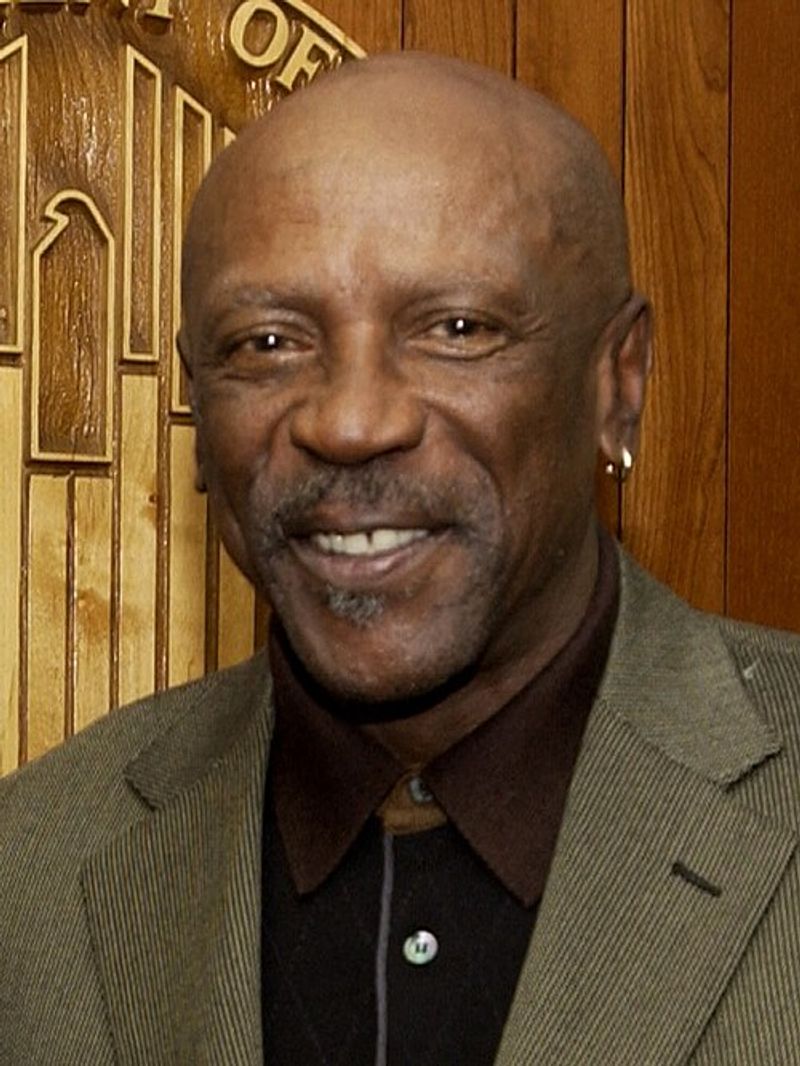
When Lou Gossett Jr. won Best Supporting Actor for An Officer and a Gentleman (1982), he made history as the first Black man to win in that category.
A massive moment not just for Hollywood but for American culture as a whole.
Yet the iconic roles that should have followed never quite materialized at the level his talent demanded. The Iron Eagle franchise kept him busy, but critically acclaimed work became harder to find in the years ahead.
Though he worked consistently until his passing in 2024, Hollywood never fully capitalized on the powerhouse performer it had right in front of them.
12. Timothy Hutton
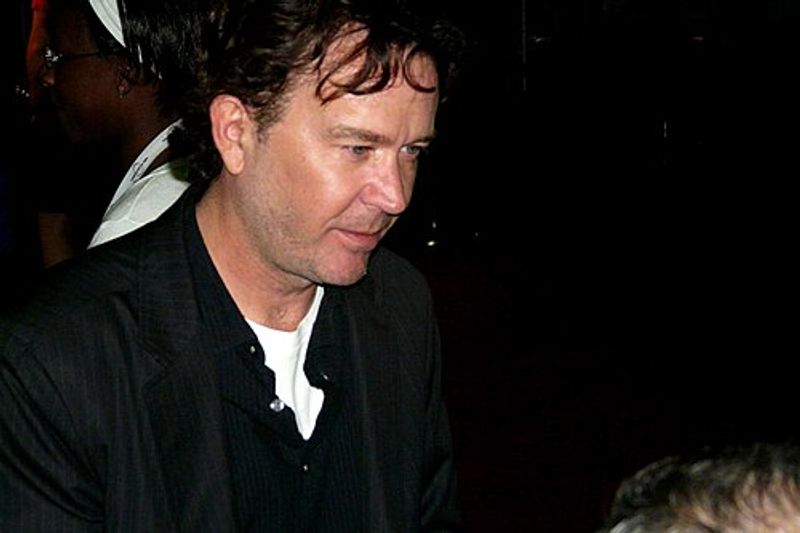
At just 20 years old, Timothy Hutton became the youngest Best Supporting Actor winner in Oscar history for Ordinary People (1980).
That is a staggering achievement for someone barely out of his teens, and the performance genuinely earned every vote.
However, despite solid work throughout the 1980s and 1990s, Hutton never quite ascended to the A-list stardom many predicted.
Films like Taps (1981) showed real promise, but a defining leading-man franchise never emerged.
13. Helen Hunt
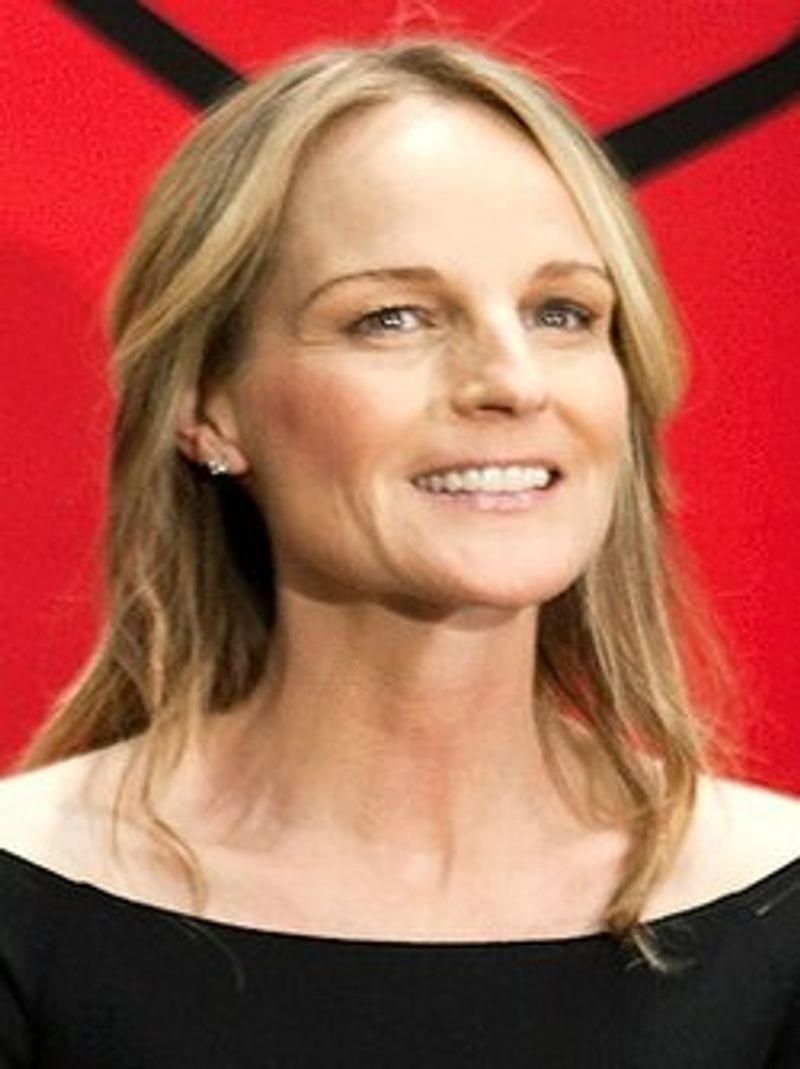
Mad About You made Helen Hunt a beloved TV star, but winning Best Actress for As Good as It Gets (1997) was supposed to launch her into film superstardom.
Jack Nicholson was her co-star! The timing felt absolutely perfect.
However, What Women Want (2000) and The Curse of the Jade Scorpion (2001) did not exactly have critics cheering.
The film roles that came her way post-Oscar rarely matched the sharp, layered writing she clearly thrived on.
Hunt continued working steadily and earned an Oscar nomination again for The Sessions (2012), proving the talent never left.
14. F. Murray Abraham
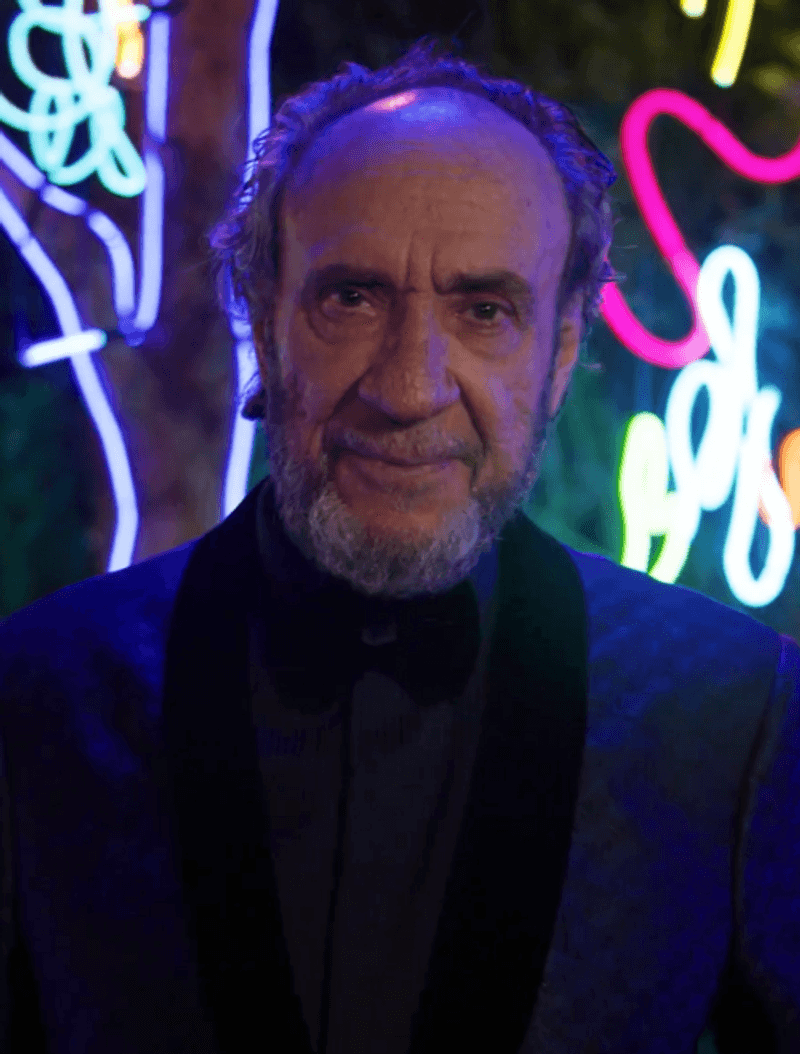
Playing the jealous, scheming Salieri opposite Tom Hulce’s Mozart in Amadeus (1984) was a master class in controlled fury and wounded pride.
F. Murray Abraham’s Best Actor win was completely deserved, and film lovers still quote that performance decades later.
Sadly, the roles that followed never gave him another canvas quite that large. Character work and supporting roles kept him employed, but a second leading-man showcase never arrived.
If Hollywood had been smarter, they would have handed him complex villain or patriarch roles for the next 20 years straight.