The Simple Tricks For Making Sweet Potatoes Taste Even Sweeter
Sweet potatoes already bring natural sugary goodness to your plate, but what if you could dial that flavor up even higher?
Whether you’re baking, roasting, or mashing these orange beauties, a few clever tricks can transform them from simply sweet to downright irresistible.
Get ready to unlock the full potential of your favorite root vegetable with techniques that are surprisingly easy and seriously delicious.
Disclaimer:
This article is based on widely recognized culinary science and established cooking techniques. All information has been reviewed for accuracy and checked to ensure it avoids sensitive or inappropriate content.
1. Slow-Roast At A Lower Temperature
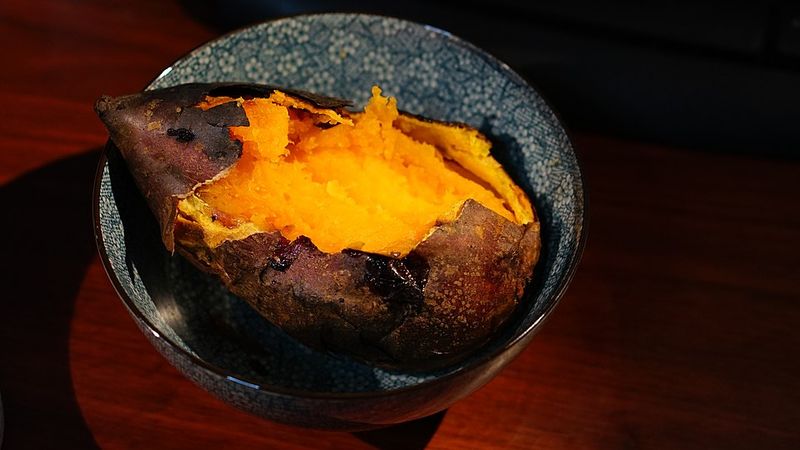
If patience were a cooking method, this would be it.
Roasting around 300–325°F gives natural enzymes the time they desperately need to work their magic, converting boring starches into sugary bliss.
Think of it as a spa day for your spuds – slow, gentle, and transformative.
The result? Potatoes that taste like candy without any added sweeteners.
Your taste buds will thank you for not rushing the process, and honestly, good things really do come to those who wait.
2. Let Them Cure After Cooking
Ever wondered why restaurants seem to nail that perfect sweet potato texture every single time?
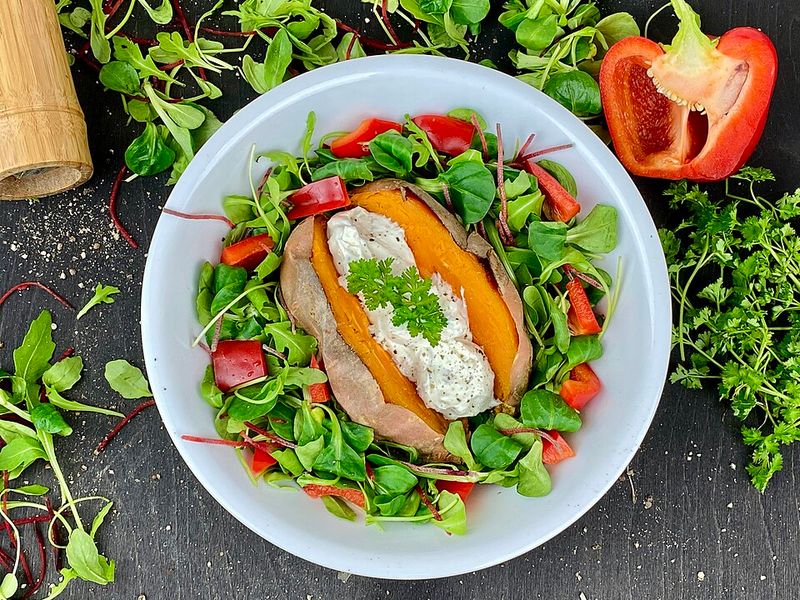
Here’s their secret: they let cooked sweet potatoes rest for about 10 minutes before slicing.
During this rest period, natural sugars settle and flavors deepen as the texture becomes smoother and more concentrated.
Skipping this step is like leaving a movie before the plot twist, you’ll miss the best part!
Just cover them loosely and practice a little culinary patience.
3. Add A Pinch Of Salt To Boost Sweetness
What if I told you that salt is actually sweetness’s best friend?
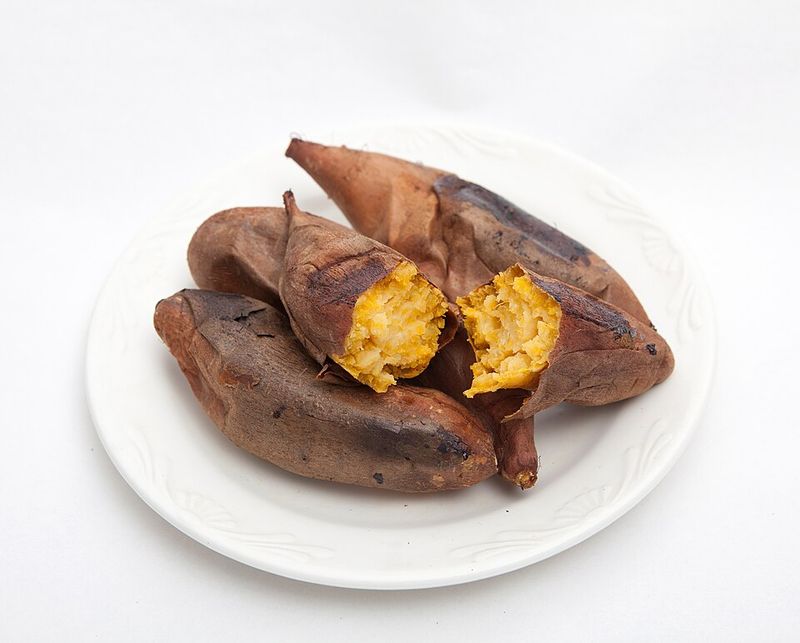
It sounds like kitchen wizardry, but a tiny pinch doesn’t make your potatoes salty – it enhances perceived sweetness and balances out those earthy undertones.
Science backs this up: salt suppresses bitterness while amplifying other flavors.
It’s basically the hype man your sweet potatoes didn’t know they needed.
Just don’t go overboard, or you’ll turn dessert into a salt lick situation nobody asked for.
4. Brush With Melted Butter
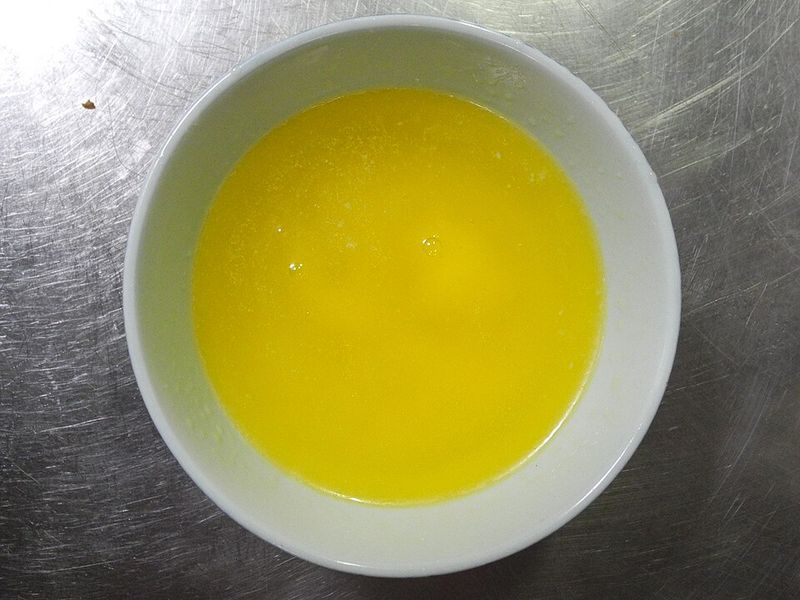
Butter makes everything better, and sweet potatoes are no exception to this delicious rule.
Melted butter carries natural sweetness while helping those edges caramelize into crispy, golden perfection during cooking.
It’s like giving your potatoes a buttery hug that turns into a flavor explosion.
Plus, butter adds richness that balances the vegetable’s natural earthiness beautifully.
Honestly, if butter and sweet potatoes were a couple, they’d be relationship goals for sure.
5. Use Spices That Highlight Sweetness
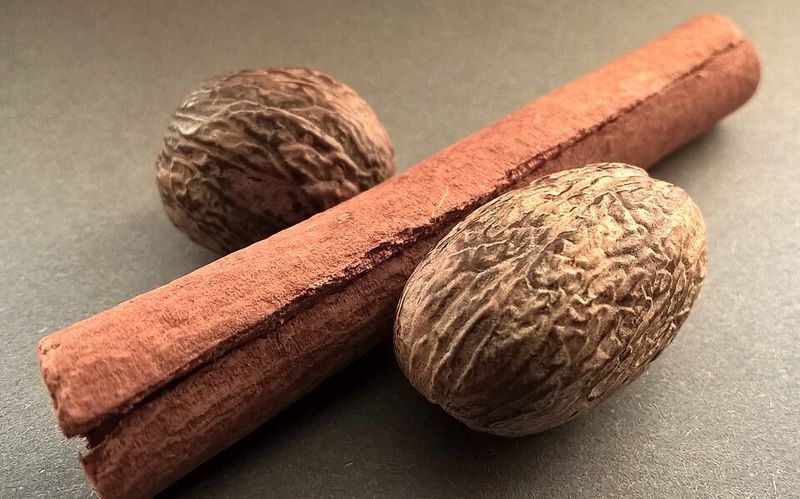
Cinnamon, nutmeg, and cardamom aren’t just fall vibes in spice form, they’re sweetness amplifiers extraordinaire.
These aromatic wonders enhance natural sugars and make sweet potatoes taste richer without adding actual sugar.
Think of them as the backing vocals that make the lead singer sound even more amazing.
A light dusting before roasting or a generous sprinkle after mashing works wonders.
Your kitchen will smell like a cozy bakery, which is honestly half the fun anyway.
6. Roast Them Whole, Not Cut
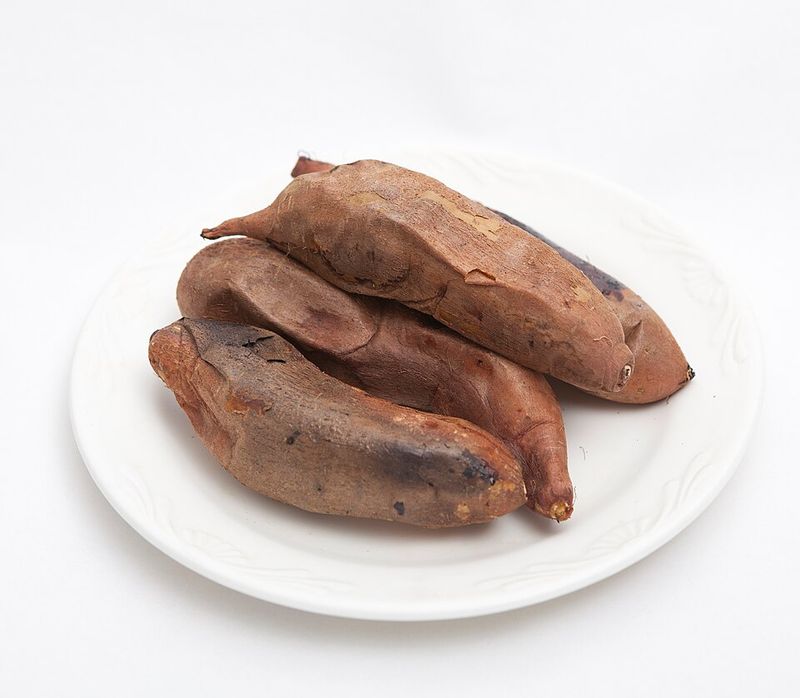
Though chopping seems efficient, keeping potatoes whole is the real pro move here.
Leaving them intact traps steam inside, which prevents precious sugars from leaking out during cooking.
It’s basically a self-contained flavor fortress that guards every bit of sweetness.
The skin acts as nature’s wrapper, locking in moisture and concentrating those sugary compounds.
Sure, it takes slightly longer, but the payoff is worth every extra minute in the oven, trust me.
7. Add A Touch Of Acid
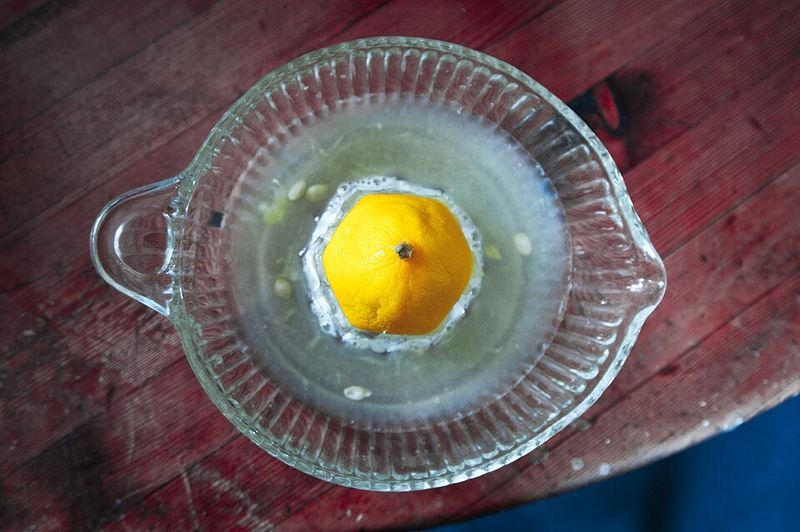
However counterintuitive it sounds, a splash of lemon juice or apple cider vinegar actually heightens sweetness through contrast.
Acid brightens flavors and makes natural sugars pop like fireworks on the Fourth of July.
It’s the culinary equivalent of how a pinch of sadness makes happy moments feel even sweeter in movies.
Just a teaspoon or two does the trick – you want balance, not a sour potato situation.
Your palate will experience a flavor rollercoaster it never knew existed.
8. Let Them Sit Before Cooking
Hence the saying good things come to those who wait applies here too.
Resting raw sweet potatoes for a few days at room temperature boosts maltose development naturally before you even turn on the oven.
It’s like letting fruit ripen on the counter, time works its chemical magic.
The starches continue converting to sugars during this aging period.
Just store them in a cool, dry spot away from direct sunlight, and watch them transform into sweeter versions of themselves.
9. Choose Orange Or Garnet Varieties
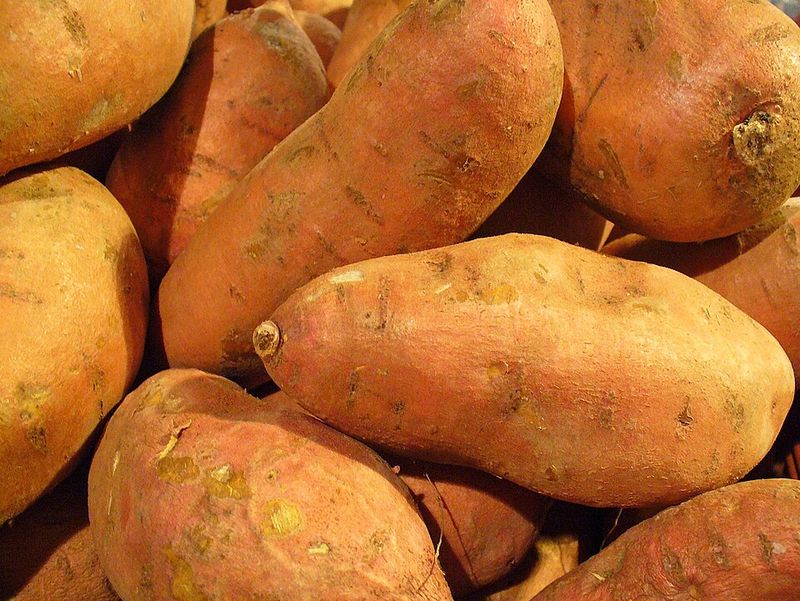
Not all sweet potatoes are created equal when it comes to sugar content, friends.
Orange and garnet varieties naturally contain higher maltose levels, which means they become dramatically sweeter when cooked.
It’s like choosing the right character in a video game – starting with better stats gives you an advantage.
These varieties also have creamier textures that melt in your mouth.
Next grocery trip, skip the pale ones and grab these orange gems for maximum sweetness potential right from the start.
10. Caramelize Edges Under A Broiler
Where there’s fire, there’s caramelization – and that’s exactly what you want for maximum sweetness.
A short broil at the end creates those gorgeous caramelized sugar spots that intensify overall sweetness dramatically.
It’s like giving your potatoes a quick tan that turns into pure flavor gold.
Just watch them carefully because the line between caramelized and carbonized is thinner than your patience on a Monday morning.
Two to three minutes usually does the trick perfectly without burning anything.