The Years Fans Call The Best In Music History For Good Reason
Music fans love arguing about the “best year” because a truly great stretch doesn’t just produce a few big hits. It feels like the whole culture clicks into place at once.
Albums arrive that people play front to back, singles spill out of car windows all summer, and even the casual listeners somehow know every chorus by the second week.
Years like that become time capsules. One song can pull someone right back into a specific season, a specific room, a specific version of themselves.
Critics can debate the stats all day, yet fans tend to remember the feeling: momentum, discovery, and the sense that something was happening everywhere at once.
Disclaimer: “Best year” claims are subjective and vary by genre preference, region, age group, and personal experience. The content is provided for general informational and entertainment purposes.
1. 1967 – The Psychedelic Breakthrough
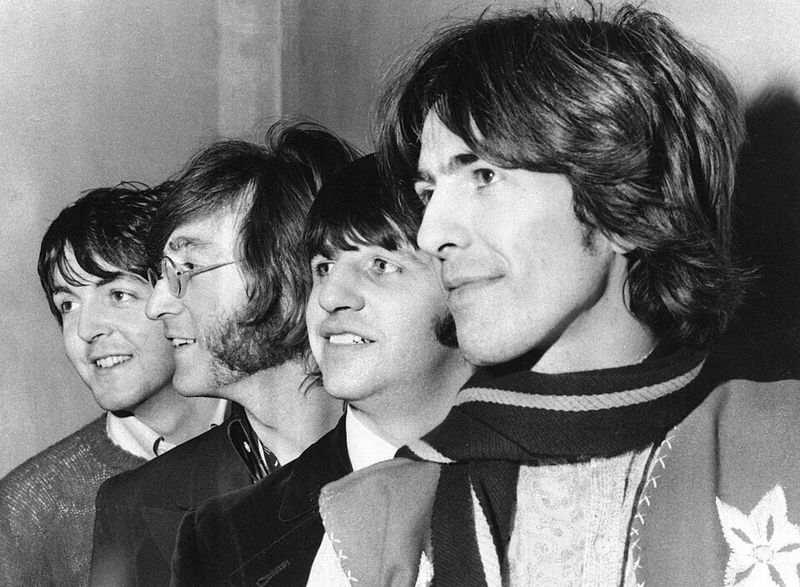
Studios transformed into sonic laboratories where artists suddenly realized they could paint with sound.
The Beatles dropped “Sgt. Pepper’s Lonely Hearts Club Band,” essentially rewriting the rulebook for what albums could achieve.
Jimi Hendrix set his guitar on fire (literally and musically), while The Doors proved keyboards could be just as rebellious as screaming guitars.
Pink Floyd started their journey into space rock, and suddenly radio wasn’t just background noise anymore.
This creative explosion made music three-dimensional, layering sounds like a musical lasagna that still tastes fresh today.
2. 1969 – Woodstock’s Legacy Year
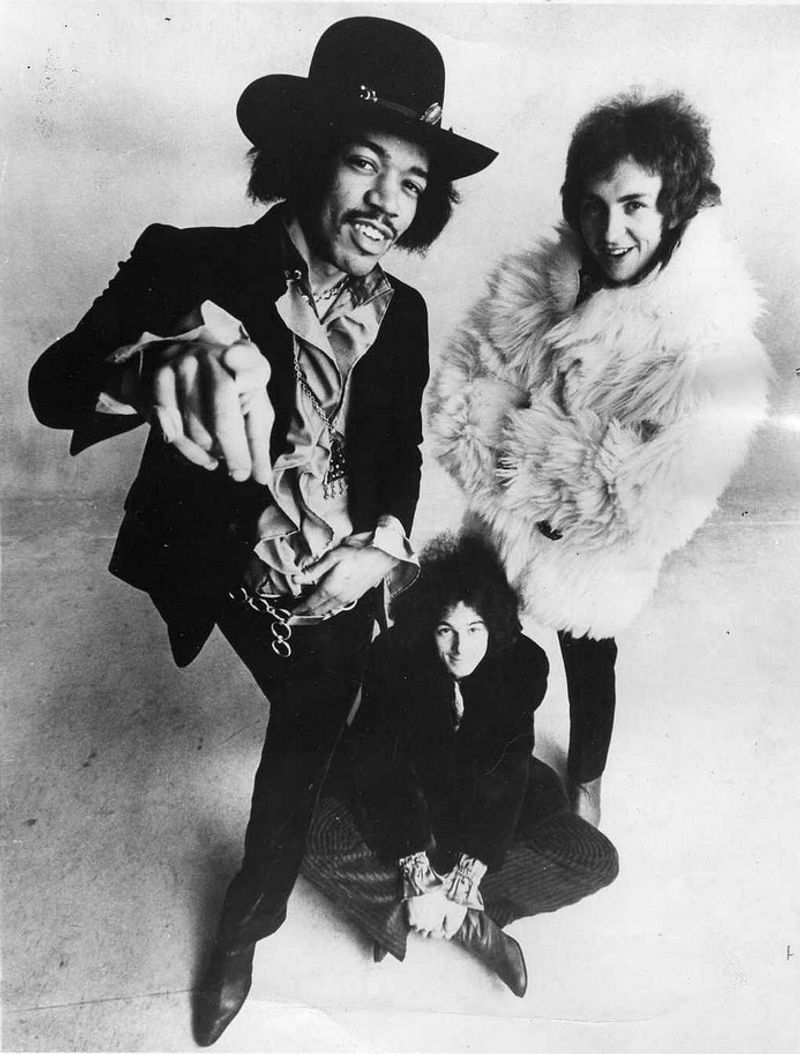
Half a million people gathered in a muddy field and accidentally created the most famous concert in history.
Jimi Hendrix’s “Star-Spangled Banner” became protest art, while Janis Joplin proved women could rock just as hard as any dude with a guitar.
The Beatles released “Abbey Road” (that crosswalk photo!), Led Zeppelin dropped their second album, and The Rolling Stones gave us “Let It Bleed.”
Peace, love, and incredible music defined this summer before reality crashed the party.
3. 1971 – When Rock Grew Up
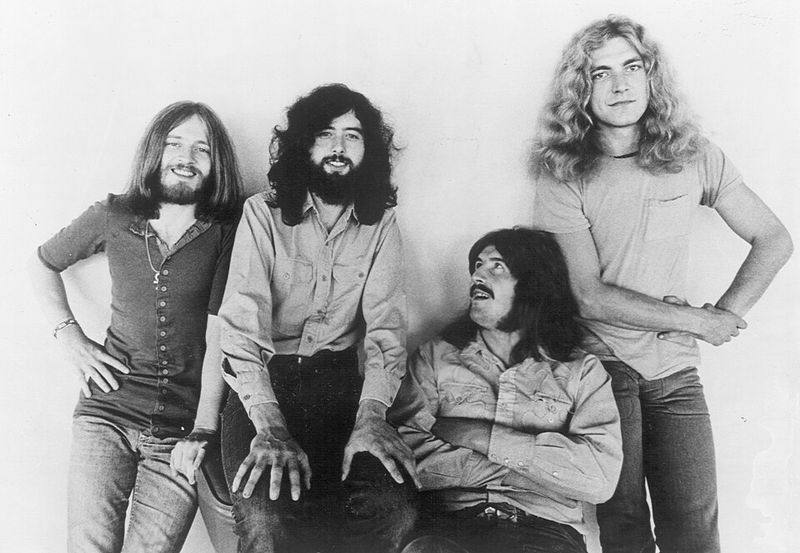
Four albums dropped this year that basically invented classic rock radio: Led Zeppelin’s untitled fourth record (the one with “Stairway to Heaven”), Marvin Gaye’s “What’s Going On,” The Who’s “Who’s Next,” and Carole King’s “Tapestry.”
Artists stopped making collections of singles and started crafting full album experiences.
The music got deeper, lyrics tackled serious topics, and suddenly your older sibling’s record collection became sacred territory.
Rock transformed from teenage rebellion soundtrack into legitimate art form, proving guitars and poetry could coexist beautifully.
4. 1973 – Album Rock’s Sweet Spot
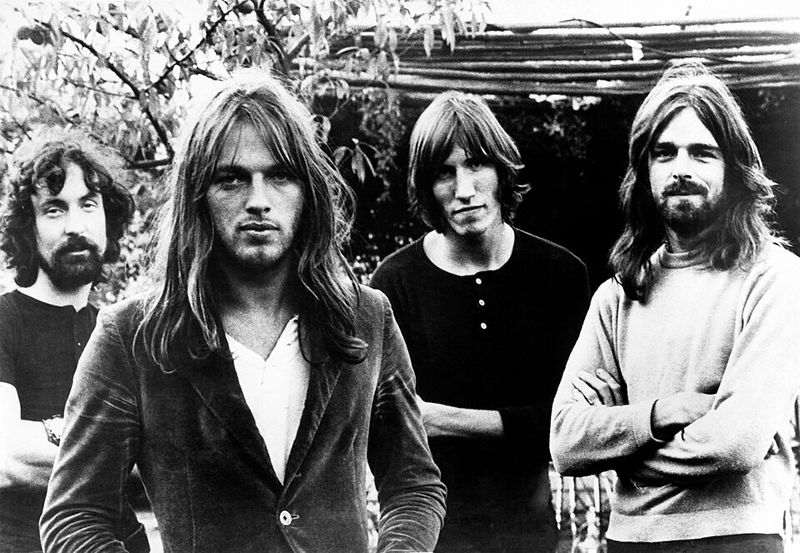
Pink Floyd built “The Dark Side of the Moon,” an album that stayed on charts longer than some bands’ entire careers.
Elton John was unstoppable, releasing not one but two incredible records while wearing the most fabulous outfits imaginable.
Stevie Wonder entered his genius phase with “Innervisions,” proving synthesizers and soul were meant for each other.
Albums became artistic statements worth studying, not just background music for parties.
5. 1977 – Punk Meets Disco Chaos
Talk about musical whiplash! The Ramones were spitting three-chord fury while Donna Summer made everyone want to dance until sunrise.
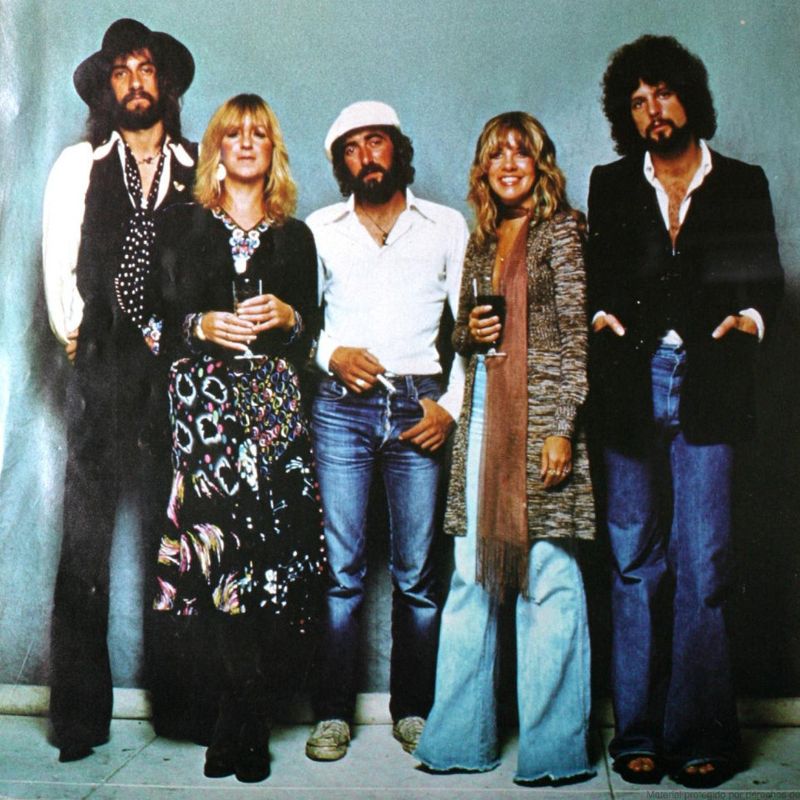
Fleetwood Mac’s “Rumours” proved heartbreak could sell millions, and David Bowie kept reinventing himself faster than a superhero changing costumes.
This year didn’t pick a lane; it dominated the entire highway.
Whether you wanted rebellion or celebration, 1977 delivered both with extra attitude.
6. 1984 – MTV’s Golden Year
Prince wore purple rain like a superhero cape, Bruce Springsteen was born in the U.S.A., and Madonna proved she was way more than a material girl.
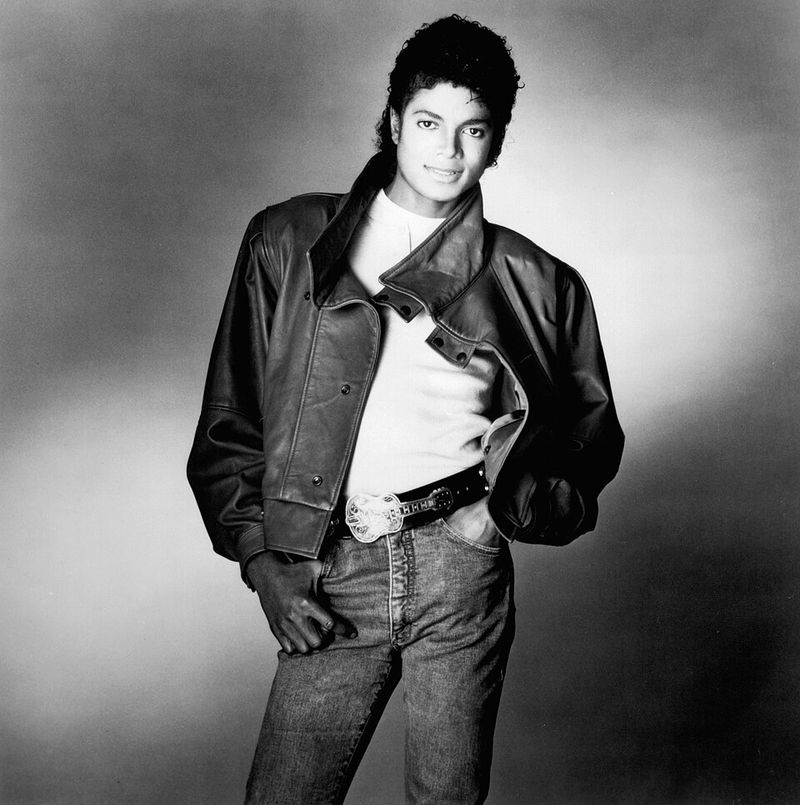
Michael Jackson’s “Thriller” still dominated every party, while Van Halen literally jumped their way up the charts.
Music videos became mini-movies which turned artists into visual icons. The first MTV Video Music Awards happened, making August 1984 basically Christmas for pop culture fans.
If you wanted to understand music, you had to watch it now, not just hear it.
7. 1987 – Blockbuster Pop Dominance
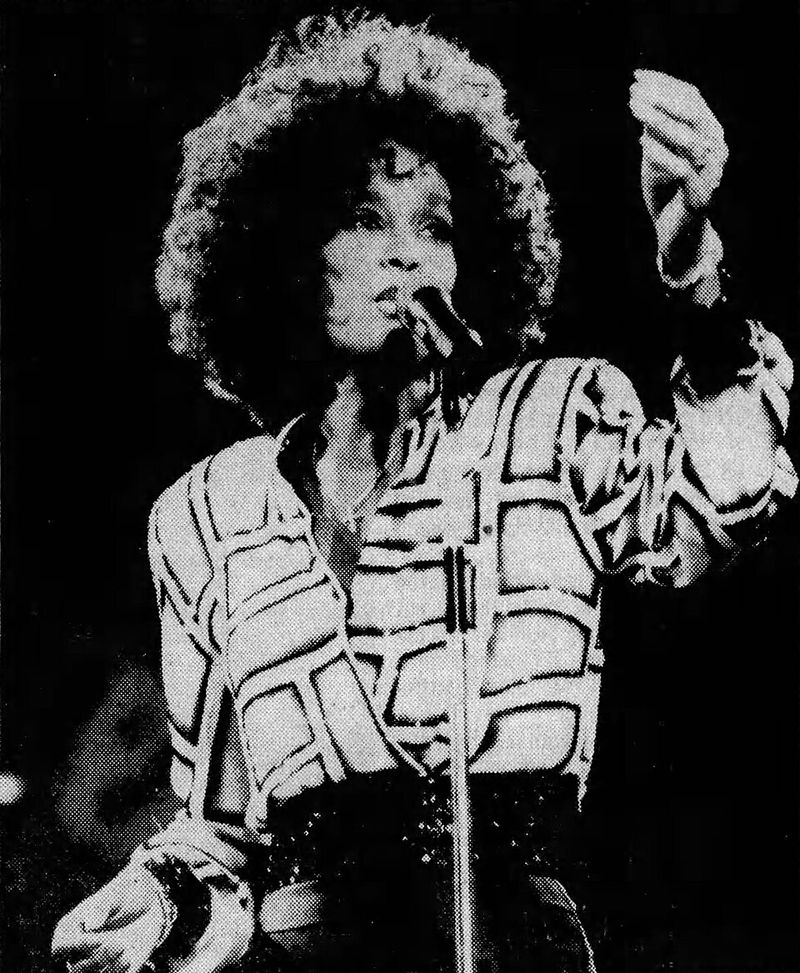
Michael Jackson proved “Bad” was actually phenomenally good, U2 found what they were looking for with “The Joshua Tree,” and Whitney Houston wanted to dance with somebody (and millions obliged).
Guns N’ Roses brought danger back to rock with “Appetite for Destruction,” while Def Leppard’s “Hysteria” made arena rock sound impossibly huge.
Big hair, bigger sounds, and the biggest sales figures made 1987 absolutely unforgettable for late-’80s nostalgia.
8. 1991 – Grunge Changes Everything
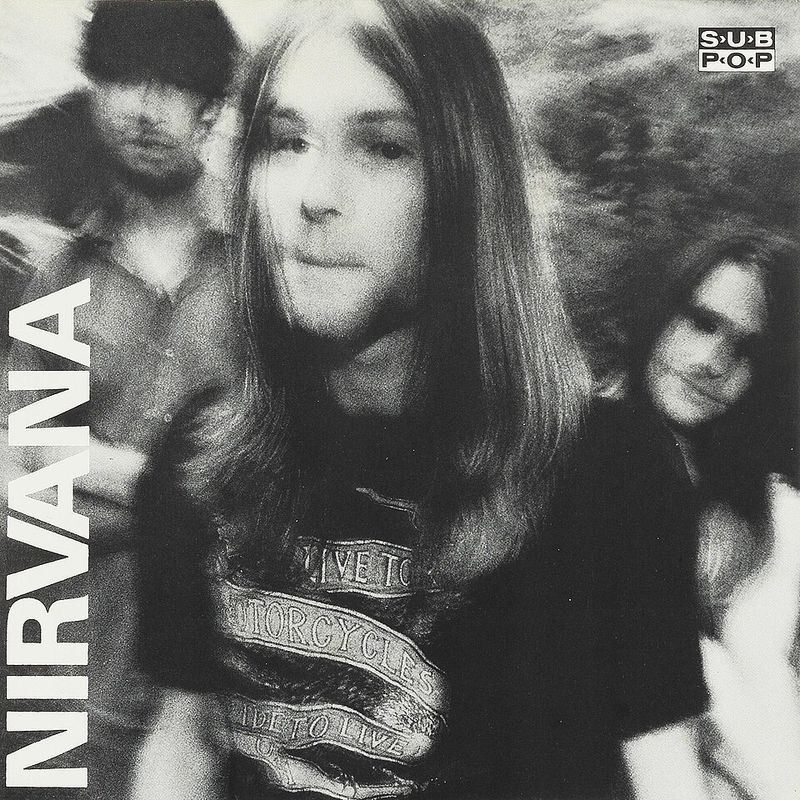
September brought Nirvana’s “Nevermind,” and suddenly every hair metal band looked incredibly outdated.
Pearl Jam, Soundgarden, and Metallica (going mainstream with their Black Album) proved heavy music could top charts without compromise.
Meanwhile, A Tribe Called Quest and De La Soul were revolutionizing hip-hop with jazz-infused brilliance.
R.E.M. lost their religion but found massive success, and alternative stopped being alternative when it became the mainstream.
Flannel shirts became fashion statements, and angst transformed from teenage phase to legitimate artistic expression that sold millions.
9. 1994 – The Peak Alternative Moment
Nas dropped “Illmatic” and basically created the blueprint for lyrical hip-hop perfection.
Green Day made punk accessible with “Dookie,” proving three chords could still change the world if played with enough energy.
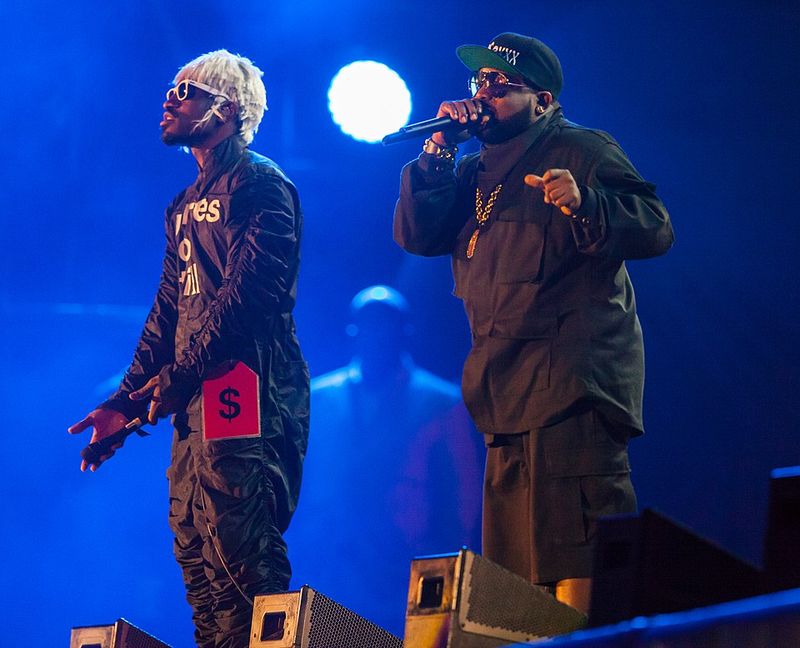
OutKast brought Southern hip-hop into the spotlight, and Jeff Buckley’s “Grace” showed vulnerability could be powerful.
Weezer made nerd-rock cool, Oasis declared a British invasion sequel, and Soundgarden’s “Superunknown” proved grunge still had creative gas in the tank.
This year basically invented your cool uncle’s favorite playlist.
10. 1997 – CD Era Peak Performance
Radiohead dropped “OK Computer” and made everyone question what rock music could become in the digital age.
The Prodigy brought electronic music to rock festivals with “The Fat of the Land,” while Daft Punk made robots funky with “Homework.”
Notorious B.I.G.’s posthumous album proved his legend would live forever, Missy Elliott flipped music videos upside down, and Buena Vista Social Club reminded everyone that Cuban music was timeless treasure.
CDs were everywhere, Discmans were essential, and music felt limitless in possibility.
11. 2003 – When Pop Met Hip-Hop Fusion
OutKast’s “Hey Ya!” became inescapable while simultaneously confusing everyone about what genre it actually belonged to.
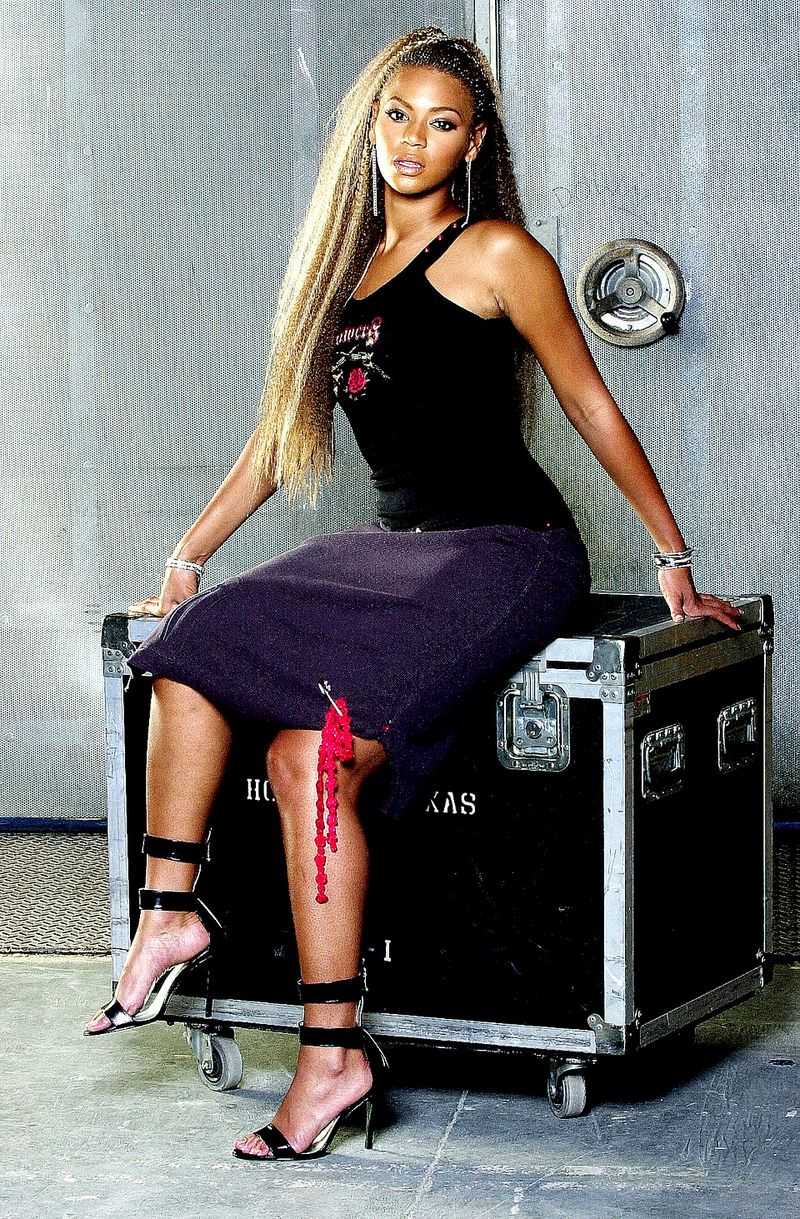
Meanwhile, Beyoncé launched her solo career with “Dangerously in Love,” establishing herself as more than just Destiny’s Child’s frontwoman.
The Black Eyed Peas dropped “Elephunk,” blending hip-hop with electronic pop in ways that predicted the next decade’s sound.
Even rock got interesting with The White Stripes’ “Elephant” proving garage rock could sell millions.
This year captured that magical moment when different genres started borrowing from each other without shame, creating a sonic melting pot that defined early-2000s experimentation.
12. 2007 – Festival Culture’s Breakthrough
Kanye West and 50 Cent turned their album release battle into a cultural referendum on hip-hop’s direction.
Amy Winehouse’s “Back to Black” proved retro-soul could dominate modern charts while breaking hearts worldwide.
Arcade Fire’s “Neon Bible” and LCD Soundsystem’s “Sound of Silver” gave indie rock its biggest mainstream moment yet.
Rihanna dropped “Good Girl Gone Bad,” transforming from Caribbean pop star into a global icon with “Umbrella” playing everywhere from weddings to strip clubs.
This year felt like multiple music worlds colliding at festivals, creating a cultural moment where indie kids and pop fans finally found common ground.
13. 2016 – Modern Classic Territory
Beyoncé dropped “Lemonade” as a visual album that broke the internet before breaking became overused.
Frank Ocean finally released “Blonde” after making fans wait four years, and it was worth every anxious second.
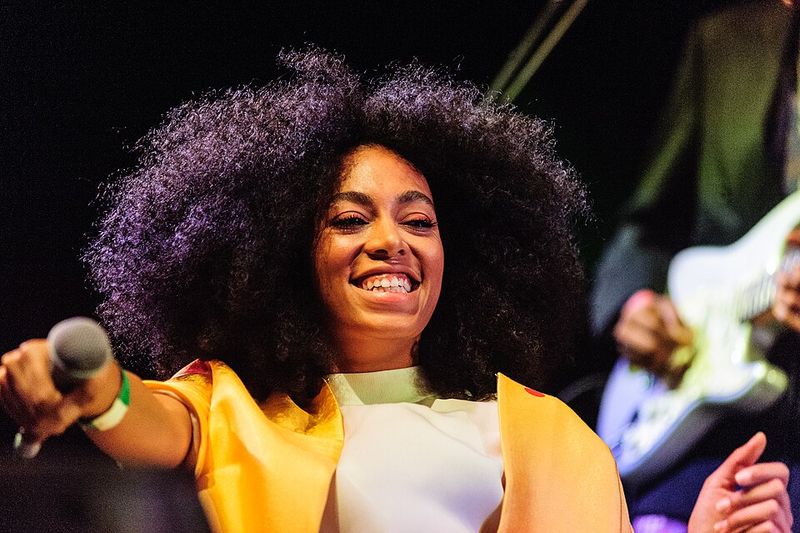
David Bowie gave us “Blackstar” as a haunting farewell, Kanye West made “The Life of Pablo” a living document, and Solange proved she was way more than Beyoncé’s sister with “A Seat at the Table.”
Radiohead reminded everyone they’re still experimental geniuses, while Chance the Rapper gave away “Coloring Book” for free and still won Grammys.
Streaming changed how we consumed music, but quality still won.