9 Things Even True Fans Didn’t Know About Bonanza
Bonanza aired on NBC for 14 seasons, becoming one of the longest-running Westerns in television history. Millions of viewers eagerly watched the Cartwright family ride across the Ponderosa, yet the real stories behind the scenes are even more fascinating.
Secret rivalries between cast members, hidden talents, and surprising personal experiences influenced each episode in ways fans rarely noticed. The actors carried lives as dramatic and compelling as any script, with record-breaking birth weights, wartime radio broadcasts, and other extraordinary events shaping their careers and performances.
Directors and writers often adapted scripts to suit unexpected challenges, creating moments of tension and brilliance that became iconic. Costumes, props, and location choices also held hidden stories that added depth to the series.
These behind-the-scenes details reveal that Bonanza was never simply a cowboy show. It became a cultural phenomenon, blending drama, humor, and adventure while leaving a lasting impact on television fans who continue to discover its secrets decades later.
1. Equal Billing for All Lead Characters
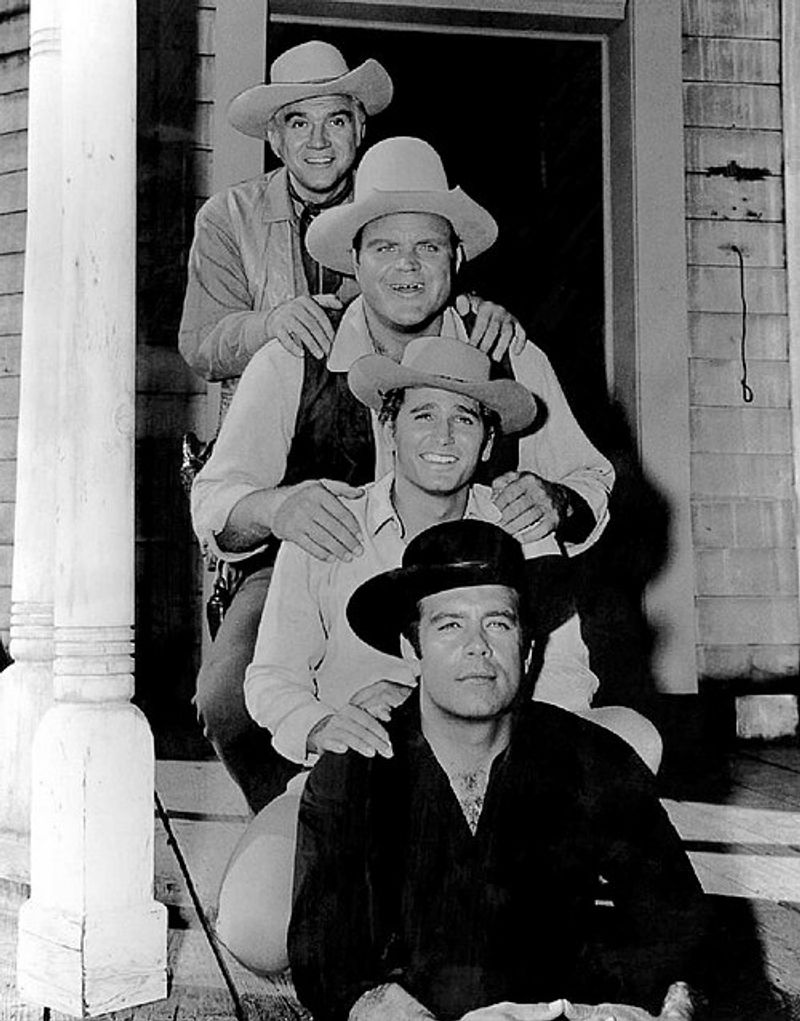
Fair play was serious business on the Ponderosa. The producers of Bonanza made an unusually bold decision for 1959 television: every lead actor received equal billing in the opening credits.
No single star got top placement permanently.
How did producers handle the order? Simple rotation.
The billing sequence changed regularly so no one felt overlooked or undervalued. Hollywood was not exactly famous for treating everyone equally back in those days, so the move was genuinely groundbreaking.
Fans watching the credits probably never noticed the subtle shuffling happening episode to episode. Just saying, that kind of fairness was basically a superhero move in old Hollywood.
2. Lorne Greene Hit the Music Charts
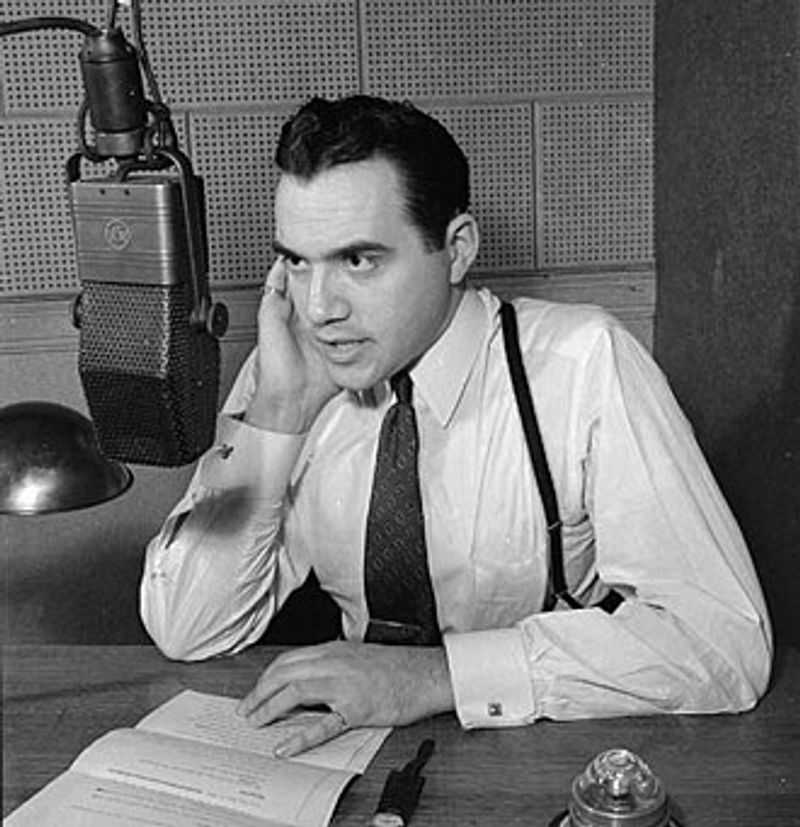
Most people know Lorne Greene as the commanding Ben Cartwright, but fewer know he had a genuine hit song. His spoken-word ballad called “Ringo” climbed all the way to number one on the Billboard Hot 100 in 1964.
A Western actor topping the pop charts? Absolutely wild.
Greene’s deep, authoritative voice made the song feel like a movie in under three minutes. Audiences loved every dramatic second of it.
“Ringo” even outsold some of the biggest musical acts of its era that week. So yes, Pa Cartwright could wrangle both cattle and a record contract without breaking a sweat.
3. Pernell Roberts Walked Away Early
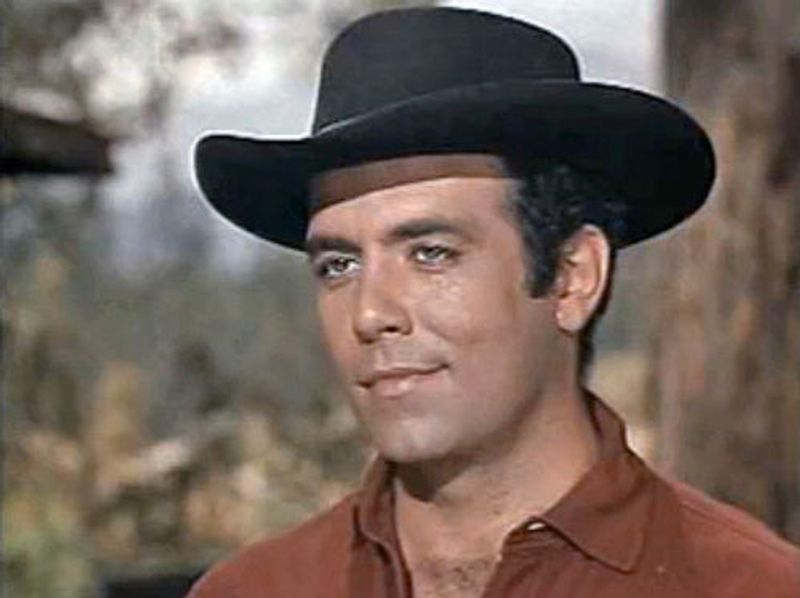
Six seasons into the show, Pernell Roberts packed up his spurs and left Bonanza for good. His reason was not burnout or a better offer.
Roberts genuinely believed the scripts were disrespectful toward women and too focused on glorifying extreme wealth.
He was also deeply uncomfortable promoting a lavish lifestyle during a time when real poverty affected millions of Americans. For Roberts, artistic integrity mattered more than a steady paycheck on one of TV’s biggest hits.
Leaving a top-rated show mid-run was almost unheard of. Roberts later returned to television success starring in Trapper John, M.D., proving his instincts about choosing meaningful work were right all along.
4. Michael Landon’s Secret Height Boost
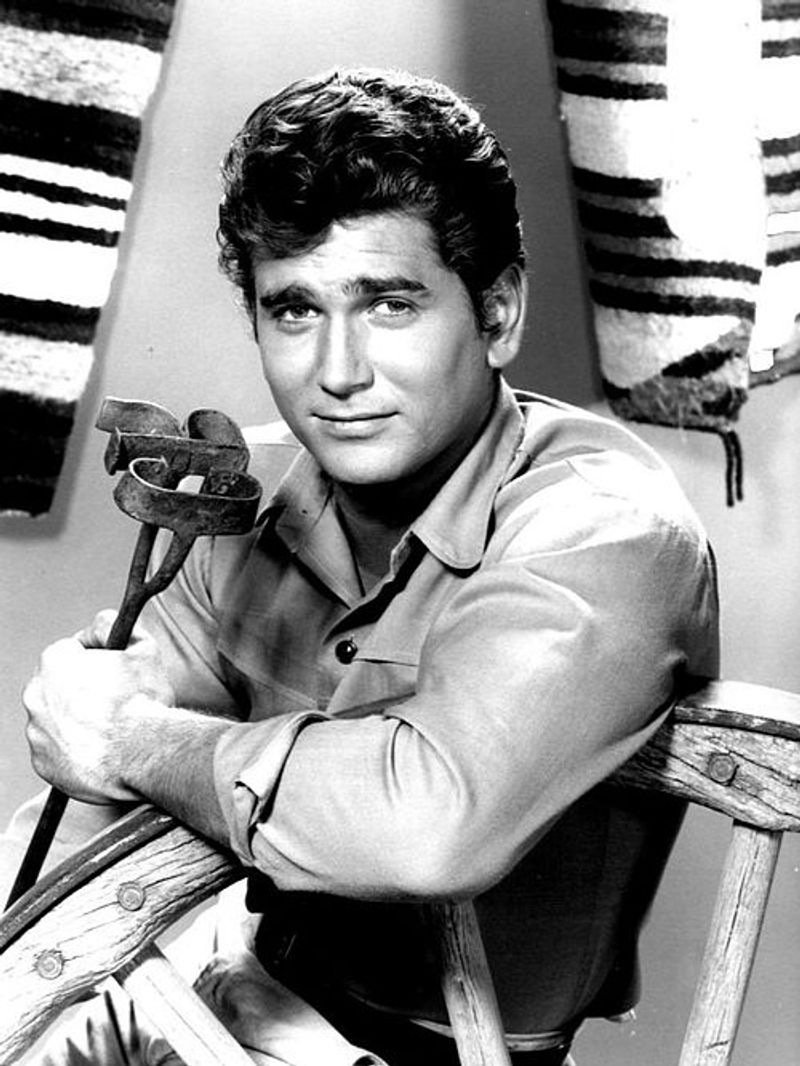
Little Joe Cartwright always looked ready to ride hard and stand tall, but here is a fun secret: Michael Landon wore four-inch shoe lifts during filming. At 5 feet 9 inches, he was noticeably shorter than co-stars Dan Blocker and Lorne Greene.
Rather than letting camera angles do all the work, Landon simply elevated himself, literally. The lifts helped create a more visually balanced group shot whenever the Cartwright boys appeared on screen together.
Off camera, Landon was known for his sharp humor and playful personality. If he knew fans would eventually discover his height secret, he probably would have laughed loudest of all and called it a great plot twist.
5. The Cartwright Curse Was Very Real
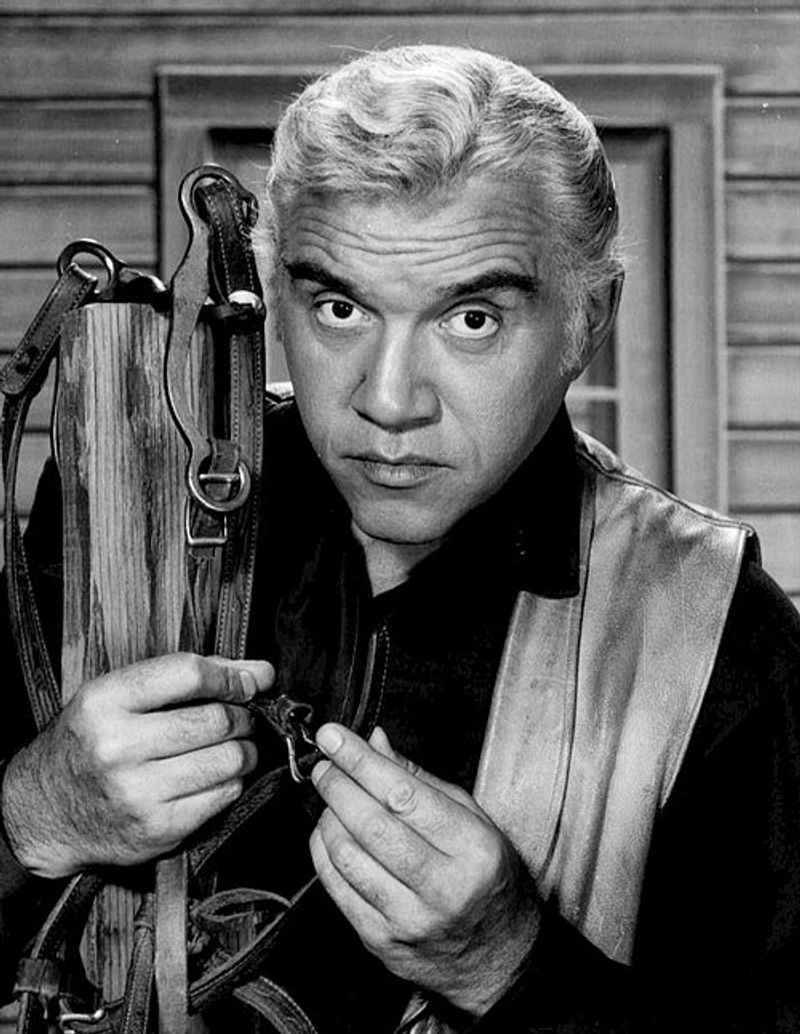
If you were romantically interested in any Cartwright, the odds were not in your favor. Fans noticed a recurring pattern throughout the series: nearly every love interest introduced for Ben, Adam, Hoss, or Little Joe met a tragic ending before the credits rolled.
Writers kept using romantic tragedy as a storytelling device so often it became almost predictable. Audiences started joking about the “Cartwright Curse” as a running gag, half-laughing and half-groaning each time a new character showed up clearly doomed.
Honestly, it sounds like a superhero origin story where love is always the villain. How no Cartwright ever gave up on romance entirely remains one of the show’s most endearing and baffling mysteries.
6. Hop Sing’s Actor Was a Real Chef
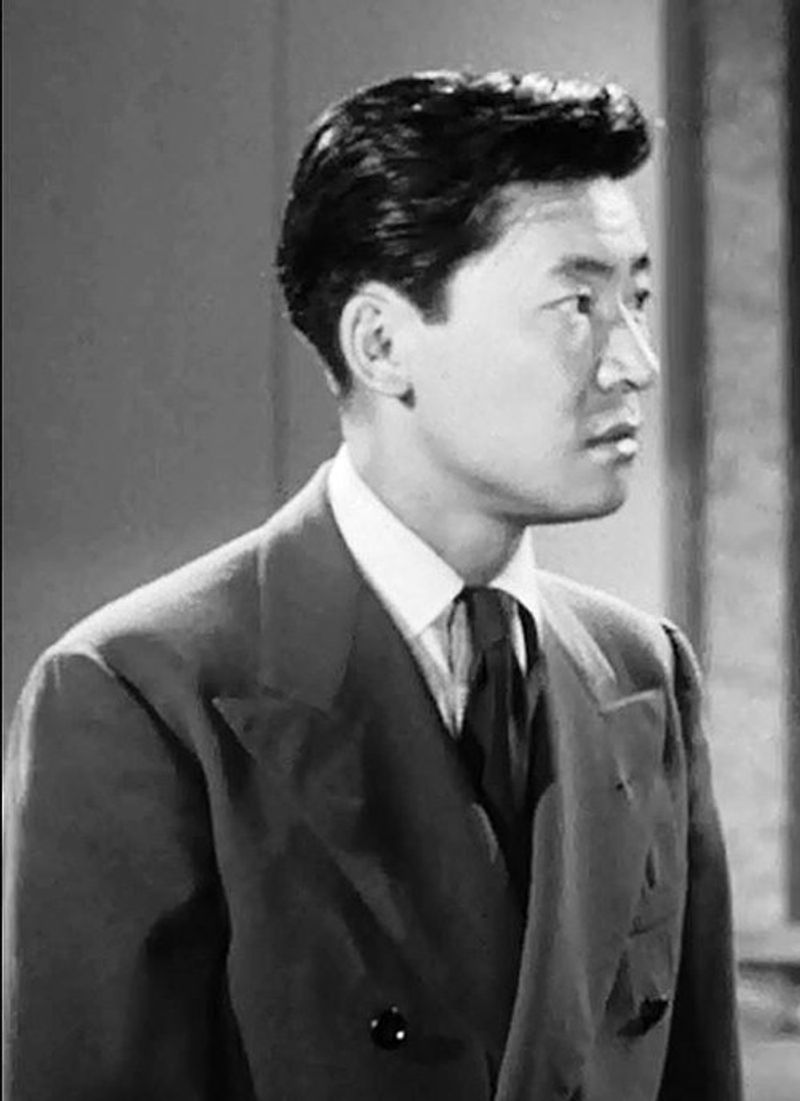
Victor Sen Yung played Hop Sing, the Cartwright family’s loyal and frequently exasperated cook, for the entire run of the series. However, his culinary skills were not just acting.
Sen Yung was a genuinely accomplished Cantonese-style chef in real life.
After Bonanza ended, he channeled his passion for food into cookbooks and guest appearances on cooking programs. Fans who had watched him pretend to cook on the Ponderosa were delighted to discover he actually knew what he was doing in a real kitchen.
Sen Yung proved that sometimes life imitates art in the most delicious ways possible. His dual career as actor and chef gave him a legacy far richer than any single television role ever could.
7. Dan Blocker Was a Record-Breaking Baby
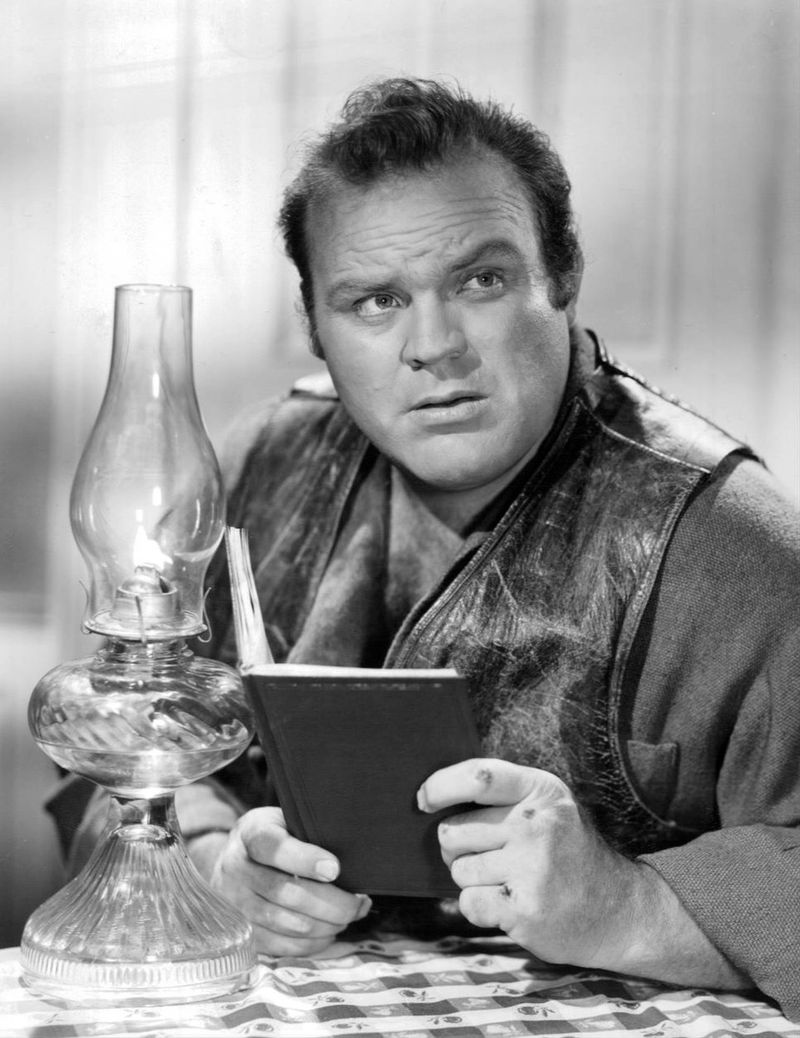
Before Dan Blocker became the lovable gentle giant Hoss Cartwright, he made history the moment he was born. Arriving into the world on December 10, 1928, in Bowie County, Texas, Blocker weighed an astonishing 14 pounds at birth.
Hospital records confirmed he was the largest baby ever born in Bowie County at that time. His enormous size at birth seemed almost like a preview of the larger-than-life character he would one day bring to American television screens.
Blocker grew up to be a college-educated man who earned a master’s degree before becoming an actor. Hoss may have seemed like a simple cowboy, but the real man behind the character was thoughtful, educated, and endlessly fascinating.
8. The Title Has a Hidden Meaning
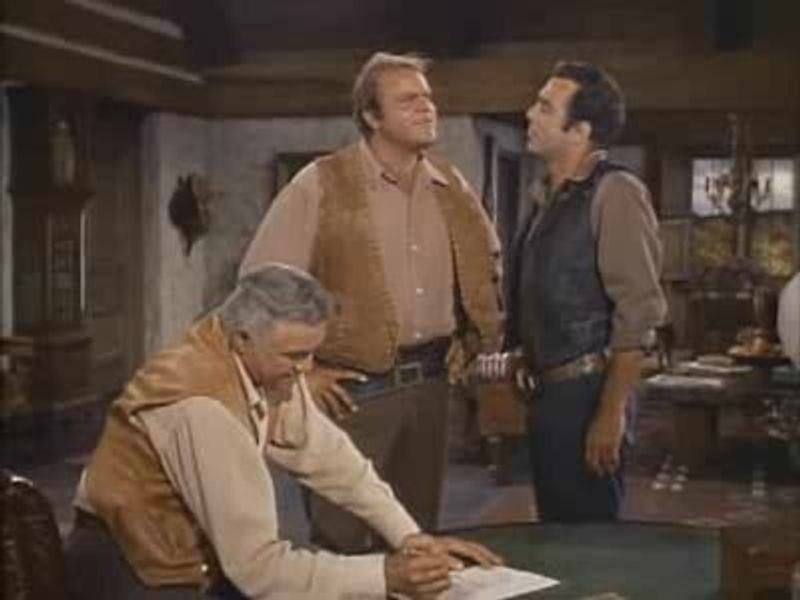
Ever wonder why the show was called Bonanza and not something like The Cartwrights or Ponderosa Ranch? The word bonanza actually comes from mining terminology.
Miners used it to describe a massive, unexpected deposit of precious ore, basically a jackpot buried underground.
Choosing that title was deliberate and clever. The Cartwright family’s enormous wealth came directly from discovering a rich silver lode beneath their Nevada land, making the title both literally and symbolically perfect for the story being told.
So every time the theme song played, the show was quietly reminding viewers that fortune and luck drove the entire Cartwright saga. Few casual fans ever connected the dots between the title and the family’s silver-mining origins.
9. Lorne Greene Was a Wartime Radio Voice
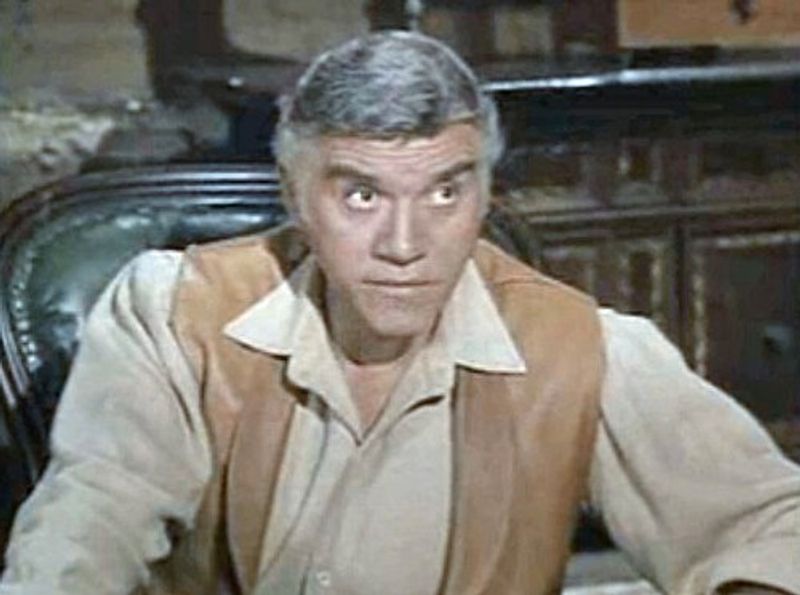
Long before Ben Cartwright ever saddled a horse, Lorne Greene was one of Canada’s most powerful voices on the airwaves. During World War II, Greene served as the chief news broadcaster for the Canadian Broadcasting Corporation, delivering wartime updates to anxious listeners across the country.
His voice was so serious and authoritative that Canadians nicknamed him “The Voice of Doom.” Not exactly a cheerful nickname, but it reflected how much weight his broadcasts carried during uncertain times.
Greene’s broadcasting background gave him the commanding presence that made Ben Cartwright feel so believable as a patriarch. Sometimes the best preparation for playing a TV legend is living through actual history first.