9 Things On Restaurant Menus Gordon Ramsay Would Skip
Gordon Ramsay knows his way around a kitchen better than most superheroes know their capes.
After decades of running world-class restaurants and fixing broken ones on TV, he has seen every trick in the book.
When he warns diners about certain menu items, it is like getting a secret code to unlock better meals.
Here are ten red flags the famous chef says you should watch out for next time you are flipping through a restaurant menu.
Disclaimer: This article summarizes general advice attributed to Gordon Ramsay from interviews and TV appearances. Context matters, and exceptions exist.
1. Too Many Specials On The Board
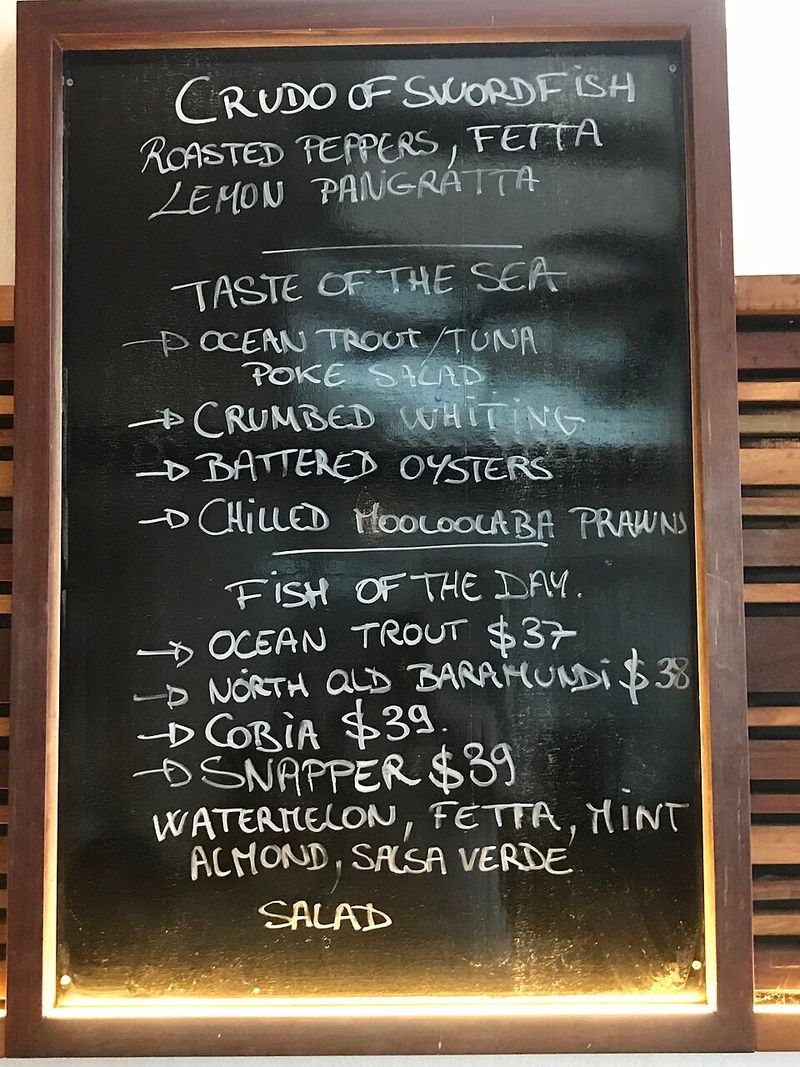
When a restaurant lists ten or more specials, alarm bells should ring louder than a fire drill.
Ramsay has pointed out that specials can help move older ingredients.
So it’s worth asking why that dish is special today.
A kitchen with focus usually highlights one or two standout dishes, not an entire second menu.
Think of it like a magician pulling too many rabbits from one hat.
Eventually, you start wondering where all those rabbits came from and whether they are actually healthy.
The same logic applies to food that suddenly becomes special.
True specials should disappear as the night goes on because they are limited and genuinely unique.
If the board looks like a grocery list, the chef might be scrambling to use up ingredients before they spoil.
Freshness takes a backseat when desperation drives the menu.
Next time you see a specials board that resembles a novel, consider sticking to the regular menu instead.
Quality beats quantity every single time.
A focused kitchen usually delivers tastier results than one trying to do everything at once.
Just saying, simplicity often wins the flavor battle.
2. Soup Of The Day Mystery
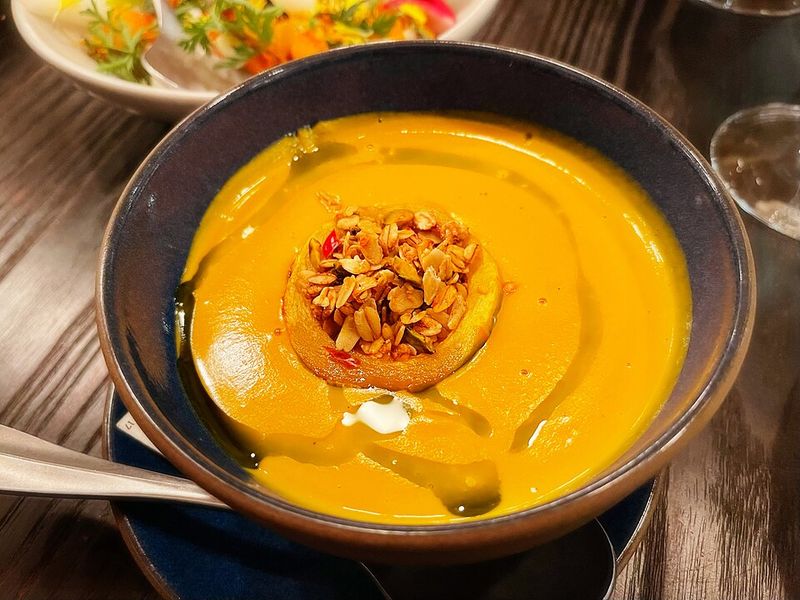
Soup of the day sounds cozy and homemade, like something your grandma would simmer on the stove.
Unfortunately, Ramsay warns that this classic option might be anything but fresh.
Many kitchens prepare large batches of soup early in the week and reheat portions for days.
By the time you order it on Thursday, that soup could have seen more days than a comic book series.
Reheating dulls flavors and changes textures, leaving you with a bowl that tastes more tired than tasty.
Fresh soup bursts with vibrant flavors, while reheated versions often feel flat.
Some restaurants genuinely make soup daily, but others use the special as a convenient way to stretch ingredients.
If the server cannot tell you what makes today’s soup unique or what inspired it, that is a clue.
Authentic daily soups usually come with a story or seasonal twist.
Ask questions before you commit to that bowl.
Find out if it was made this morning or if it has been hanging around since Monday.
A good restaurant will happily share details, while a sketchy one might dodge the question.
Your taste buds deserve better than leftover mystery liquid.
3. Dishes Made With Canned Ingredients

Canned food is fine for camping, not for center stage on your plate.
Ramsay says to look for clues the kitchen leans on cans over fresh produce.
Vegetables lose their natural brightness when trapped in metal containers for months.
Fresh ingredients cost more and require more effort, which is exactly why quality restaurants use them.
When a place cuts corners with canned goods, it signals that profit matters more than flavor.
You can often taste the difference, even if you are not a trained chef.
Certain dishes practically announce their canned origins.
Pasta sauces that taste metallic, soups with mushy vegetables, and salads with limp beans are all telltale signs.
Fresh food has texture, color, and a lively taste that canned versions simply cannot match.
Cans aren’t always bad, but if a kitchen depends on them, it’s choosing convenience over craft.
Look for menu descriptions that mention fresh, seasonal, or locally sourced ingredients.
Those words hint at a chef who cares about what ends up on your plate.
Your meal should taste like it came from a garden, not a warehouse.
4. Unusual Ingredient Combinations
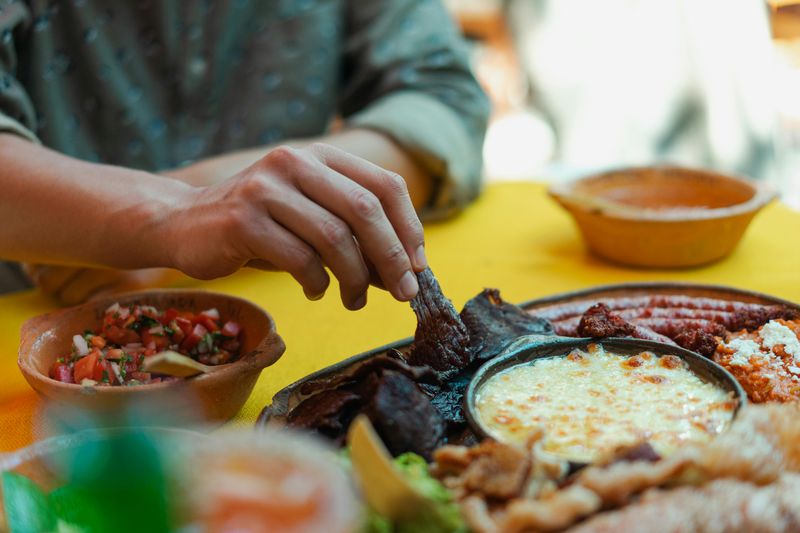
Creativity in the kitchen can lead to genius dishes that blow your mind.
When a menu pairs ingredients that make zero sense together, Ramsay sees a red flag waving wildly.
Bizarre combinations sometimes hide poor quality ingredients or a chef who lacks real training.
Fusion cuisine works beautifully when a skilled chef understands flavor profiles and balance.
Throwing random ingredients together without logic is like mixing every paint color and hoping for a masterpiece.
You usually end up with brown mush instead of art.
If you see pickles paired with ice cream or pineapple on a steak, your instincts might scream for help.
Trust those instincts. Some chefs experiment boldly and nail it.
Others just throw darts at the menu, have you ever ordered one of those “what even is this?” dishes?
Ask yourself whether the combination sounds intentional or desperate.
Does it showcase complementary flavors, or does it seem like a gimmick?
A thoughtful chef can explain why unusual pairings work, while a careless one just shrugs.
When in doubt, stick with classic combinations that have stood the test of time.
Your stomach will thank you later.
5. Overstuffed Burgers That Fall Apart
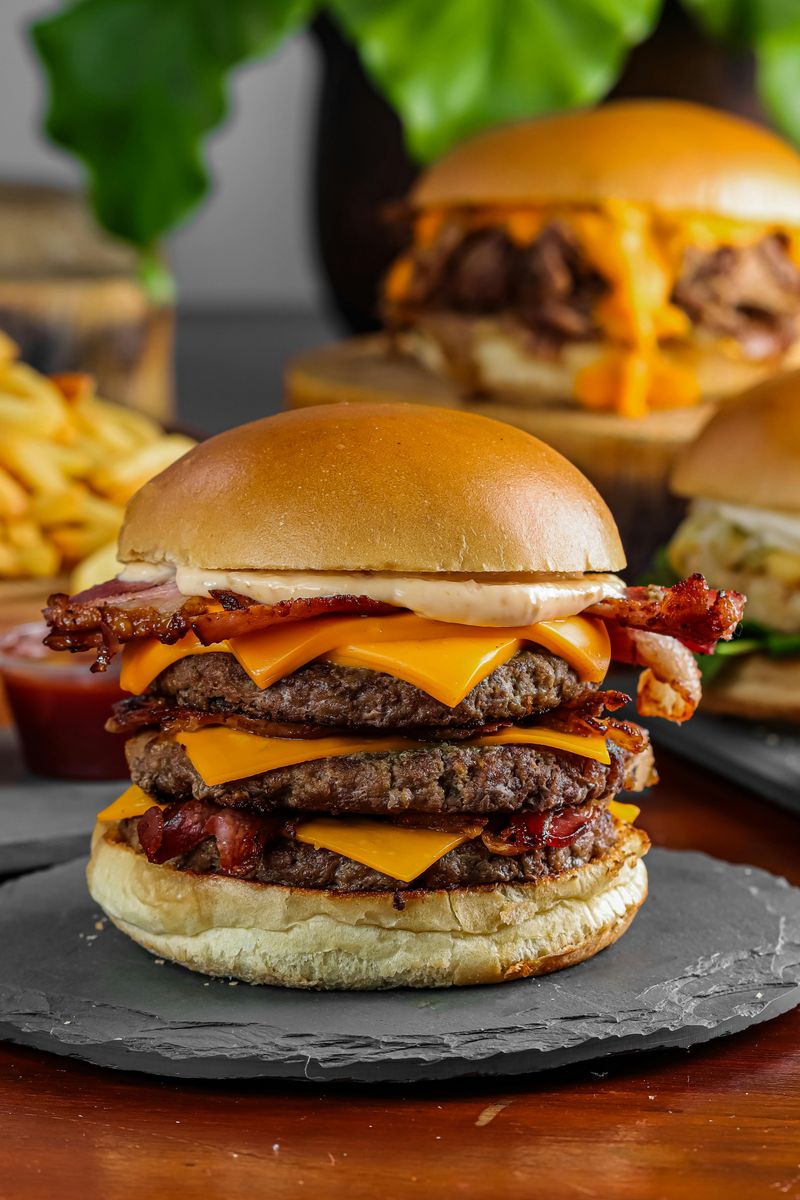
Burgers have turned into skyscraper contests.
Ramsay says skip the towering ones, would you actually try to bite one?
A burger should deliver balanced bites, not require engineering skills to consume.
When a burger is stuffed with too many ingredients, the textures clash and flavors get lost in the chaos.
You end up tasting everything and nothing at the same time.
Plus, taking a bite becomes a messy disaster that leaves you wearing more food than you actually eat.
Great burgers focus on quality beef, a perfectly toasted bun, and a few complementary toppings.
Simplicity allows each element to shine without overwhelming your palate.
Overstuffed versions often hide mediocre meat under piles of bacon, cheese, and sauces.
If you need a fork and knife to tackle a burger, something went wrong in the kitchen.
Burgers should be handheld joys, not obstacle courses.
Look for menu descriptions that emphasize the beef quality rather than listing twenty random toppings.
A confident chef knows that less is often more when it comes to building the perfect burger.
6. Well Done Steaks That Taste Like Leather
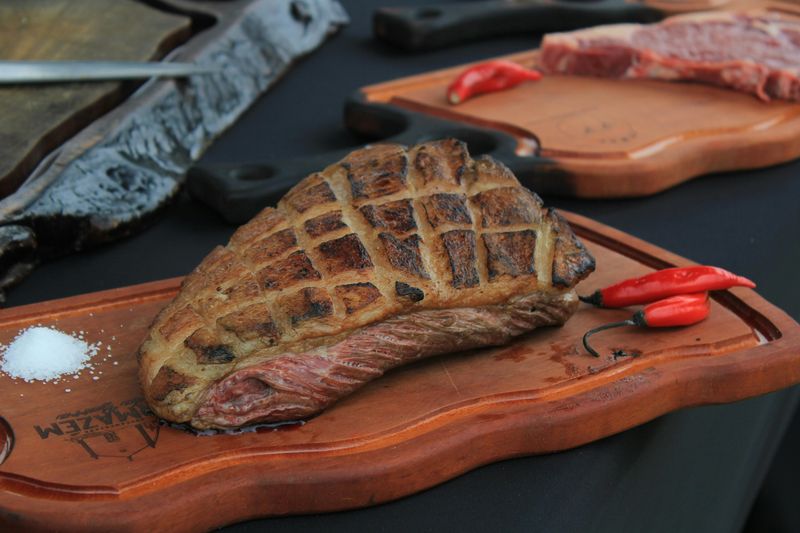
Ordering a steak well-done is like commissioning a masterpiece, then covering it with a blanket.
If you like it that way, what do you want most, zero pink, or just no “juices”?
Ramsay has made his feelings about well-done steaks crystal clear over the years.
Cooking a steak to that level removes all moisture, tenderness, and most of the flavor.
Quality beef costs serious money.
And restaurants invest in good cuts because they taste incredible when cooked properly.
Requesting well-done transforms that expensive steak into something resembling shoe leather.
Well-done can turn steak tough and dry.
Do you really want it that far, or would you try medium-well for a little more tenderness?
Medium-rare or medium allows the beef to showcase its marbling, tenderness, and rich flavor.
Anything beyond that point sacrifices taste for the sake of being thoroughly cooked.
If it’s food safety you’re worried about, reputable places can serve medium-rare safely.
Trust the chef to prepare your steak properly.
Give yourself permission to experience beef the way it was meant to be enjoyed.
Your jaw muscles will appreciate not having to work overtime.
7. Menu Items That Do Not Match The Cuisine
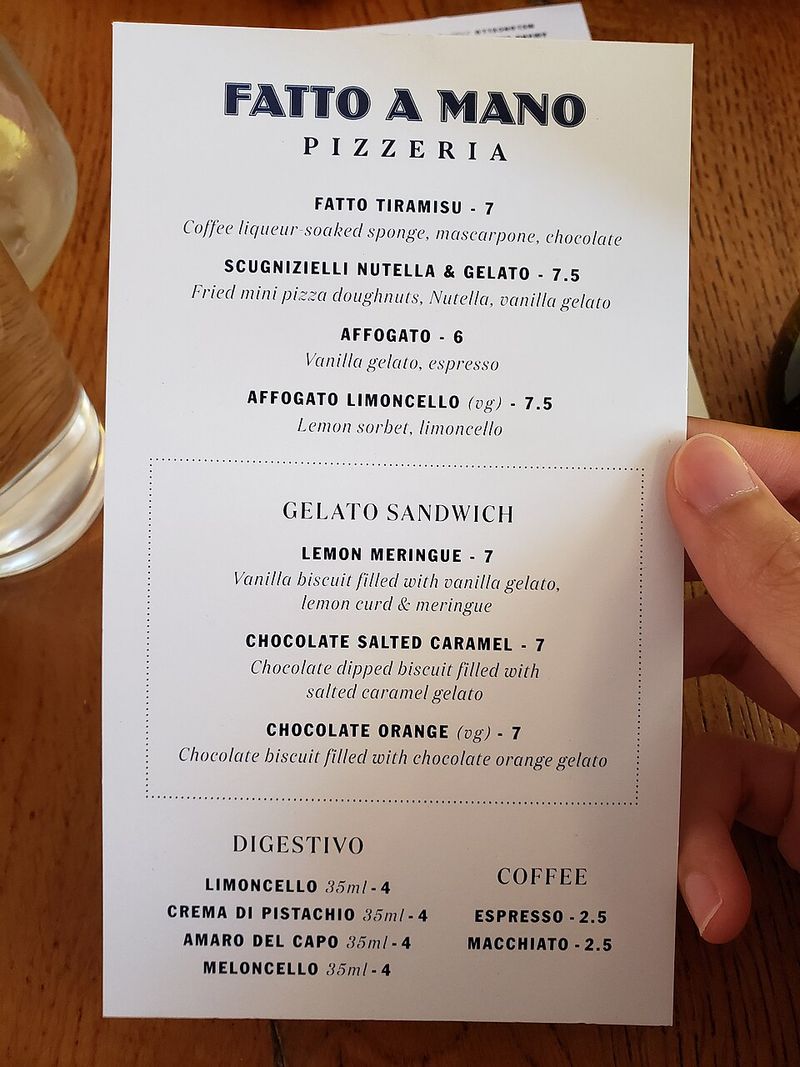
Walking into an Italian restaurant and finding sushi on the menu should make you pause.
Ramsay warns that dishes which do not align with a restaurant’s main cuisine often signal trouble.
When a kitchen tries to be everything to everyone, it usually excels at nothing.
Authentic restaurants focus on what they do best and perfect those dishes.
A Thai place should nail pad thai and green curry, not attempt to serve tacos and pizza.
When a menu’s too big, ingredients sit longer and the kitchen can’t master everything.
Do you trust a place that serves sushi, tacos, and pasta all at once?
Some spots add random “kid/picky” items to cover everyone.
But have you noticed those are usually the worst dishes?
Those orphan dishes often come from the freezer or get minimal attention from the kitchen staff.
You end up with mediocre food that satisfies nobody.
Look for places that commit to their identity and do it with pride.
A focused menu usually means the kitchen knows its strengths and buys better ingredients.
If you want Chinese food, go to a Chinese restaurant, not a steakhouse with one sad stir-fry option.
Specialization usually leads to better meals and happier diners all around.
8. Overly Long Menus With Too Many Choices
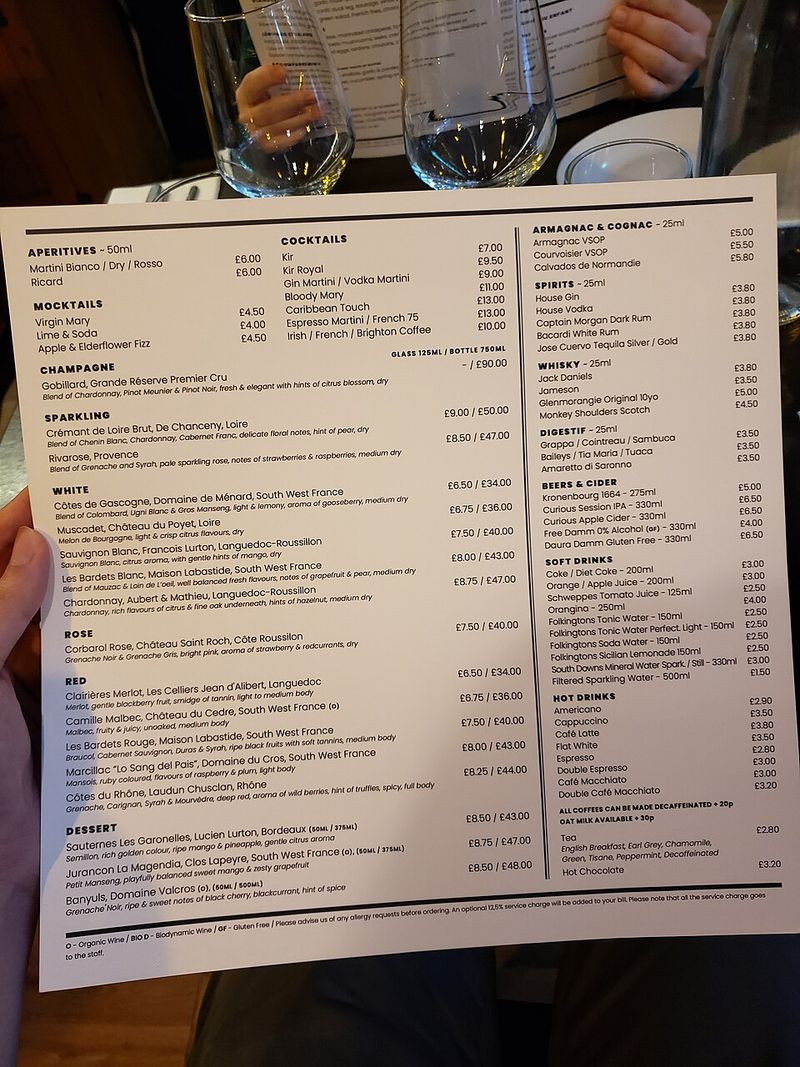
Menus that resemble novels might seem impressive at first glance.
However, Ramsay sees them as giant red flags waving frantically in the wind.
A huge menu makes it hard to keep everything fresh or made from scratch.
Think about it logically.
A kitchen cannot possibly stock fresh ingredients for two hundred different meals without serious waste.
Some places lean on frozen foods, pre-made sauces, trading quality for convenience.
Great restaurants keep menus tight and seasonal, letting fresh ingredients and real chef skill shine.
A shorter menu means the kitchen can focus on executing each dish perfectly.
Quality control becomes manageable, and nothing sits in the walk-in cooler for weeks.
Long menus also confuse diners and make choosing a meal feel like a homework assignment.
By the time you finish reading, your appetite might have moved on to another restaurant.
A tight, well-organized menu guides you toward the best options without overwhelming your brain.
Next time you encounter a menu that could double as a phone book, consider it a warning.
Find a place that does ten things brilliantly instead of a hundred things poorly.
9. Claims Of Being Famous Or The Best

Ramsay gets suspicious when a menu screams about being famous or the best in the country.
Bold claims without evidence often mask mediocre food hiding behind flashy words.
Restaurants confident in their cooking let the flavors do the talking.
They do not need to plaster their menus with unverified superlatives.
When a dish has to announce its greatness, it usually lacks the substance to back it up.
Imagine if every student called themselves the smartest kid in school without any report card to prove it.
You would probably raise an eyebrow, right?
Be wary of restaurants that call themselves “the best” before they’ve proved it.
Real excellence shows up in reviews, word of mouth, and guests who can’t wait to come back.
It does not need to shout from a menu page.
If a place really has the best burger or pasta, trust that people will already know about it.
Skip the hype and look for honest descriptions instead.