14 Things To Know About Generation 4 Pokémon
Sinnoh showed up and decided things were about to get a lot more serious. New Pokémon rolled in, legends got bigger, and suddenly the story felt like it came with actual lore homework attached.
Battles, myths, and debates all stuck around, which is exactly why this generation still gets talked about like it just dropped yesterday.
1. Turtwig
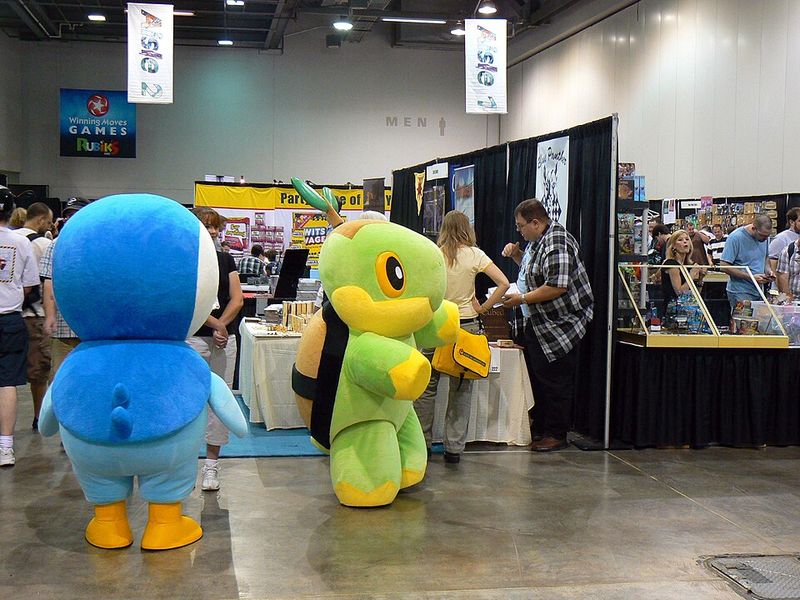
Small green turtle with a twig sprouting from its head looks like it is tuned into nature itself.
Turtwig serves as the Grass-type starter of the Sinnoh region, first appearing in Pokémon Diamond, Pearl, and Platinum. Choosing it means growing alongside a steady companion that eventually evolves into Torterra.
Sturdy shell and calm personality give it the reputation of being the dependable choice among the starters.
Quiet Saturday morning energy fits perfectly here, like oatmeal with honey that always delivers.
2. Chimchar
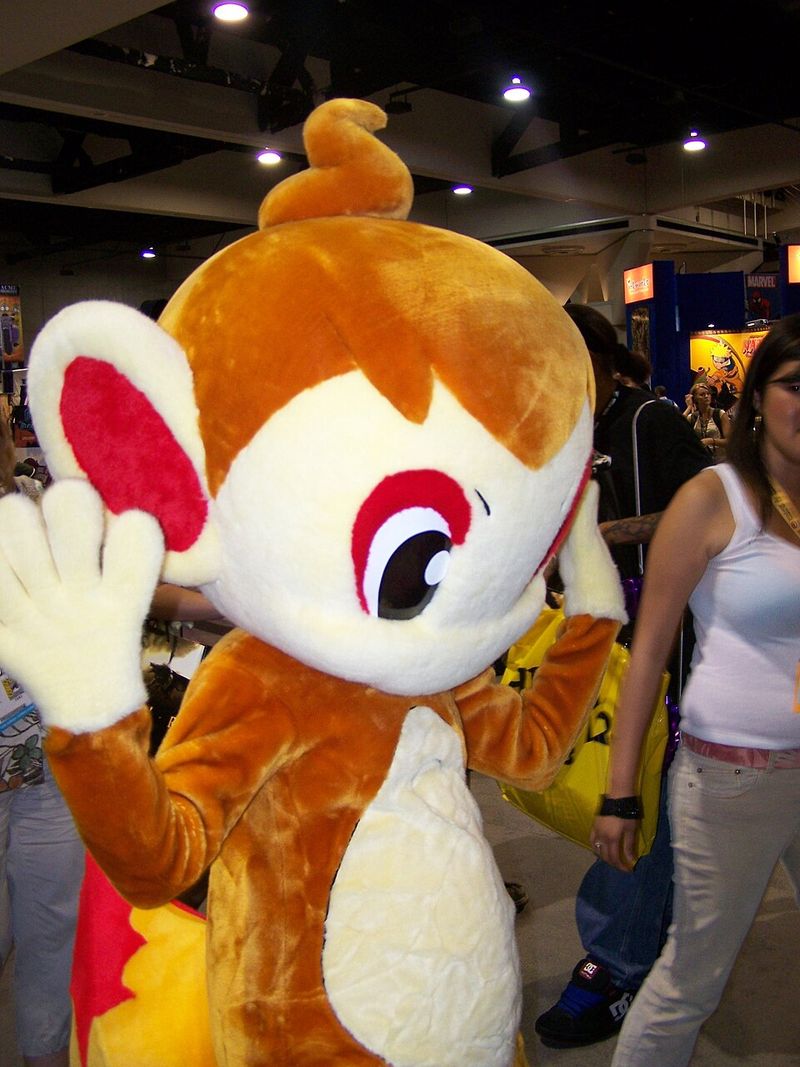
Fiery little monkey energy made Chimchar the kind of starter many players chose without a second thought.
Serving as the Fire-type option in Diamond, Pearl, and Platinum, it brought speed and personality into early Sinnoh battles.
Its final evolution, Infernape, grew into a competitive powerhouse that trainers still celebrate. Choosing Chimchar felt like picking the class clown who somehow aces every exam.
Focused chaos can absolutely carry a team, and Chimchar shows exactly how.
3. Piplup
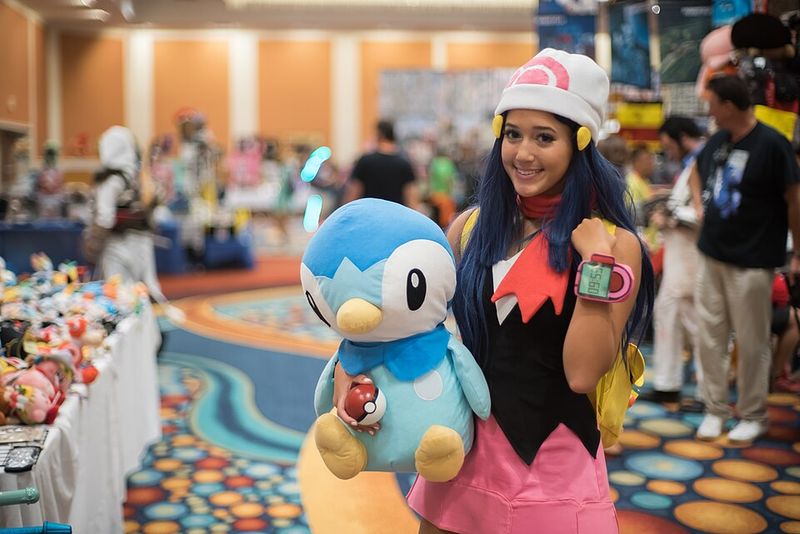
Tiny, proud, and waddling with the confidence of someone who just aced a presentation, Piplup is the Water-type starter of Sinnoh.
Introduced with Sinnoh’s original starter trio, Piplup rounds out the group with a proud, instantly recognizable design. Many fans still single out its final form, Empoleon, as one of Generation 4’s most stylish starter evolutions.
Piplup is the starter for anyone who wanted elegance with their adventure. Basically the penguin in a tuxedo of the Pokémon world.
4. Dialga
Time control is not a minor résumé line, and Dialga carries that power like a crown. Serving as the mascot of Pokémon Diamond, it combines Steel and Dragon typing with lore tied directly to the flow of time itself.
Signature move Roar of Time lands with a force that makes battles feel almost cinematic.
Within Sinnoh mythology, its role connects closely with Palkia as part of the region’s creation story. Midweek moments suddenly freezing would point straight back to the one Pokémon known for bending time.
5. Palkia
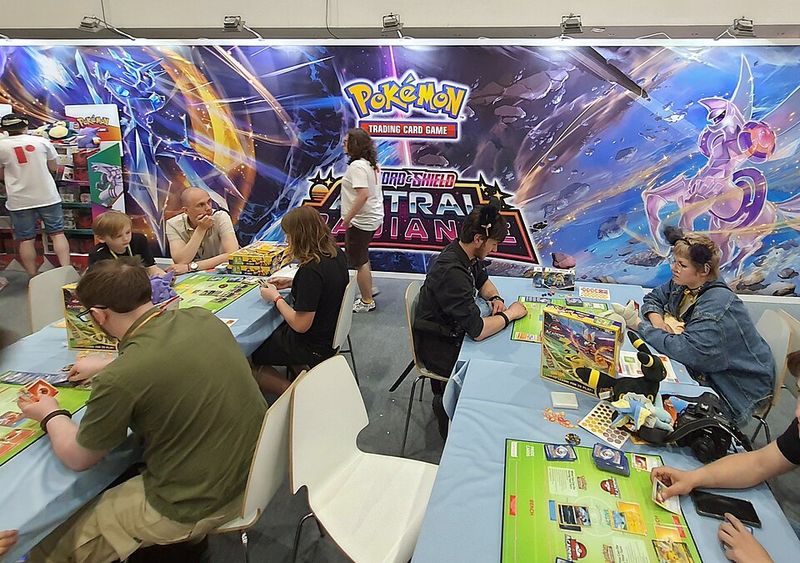
Space-warping abilities may sound like science fiction, yet Palkia treats them like everyday business in Sinnoh.
The mascot of Pokémon Pearl stands as a Water and Dragon-type legendary described in Pokédex entries as capable of distorting space itself.
Spacial Rend, its signature move, cuts through opponents with a dimensional force that few attacks can match.
Sinnoh’s creation myth places it alongside Dialga, with control over the very fabric of where things exist resting in its hands. Pressure barely begins to cover it.
6. Giratina
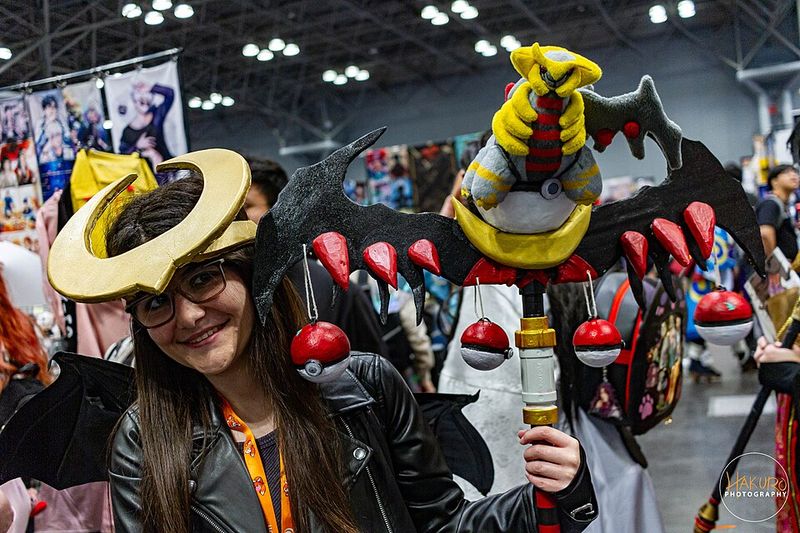
Pokémon Platinum did something bold: it handed the spotlight to the creepiest legendary in the Sinnoh trio.
Giratina rules the Distortion World, a mirror dimension introduced in Platinum that bends gravity and logic equally. Its Origin Forme, introduced in that same era, gave it a more serpentine shape that quickly stood out among legendary designs.
Giratina is the “third wheel” of the creation trio who turned out to be the most interesting guest. The Distortion World alone was worth the price of Platinum.
7. Lucario
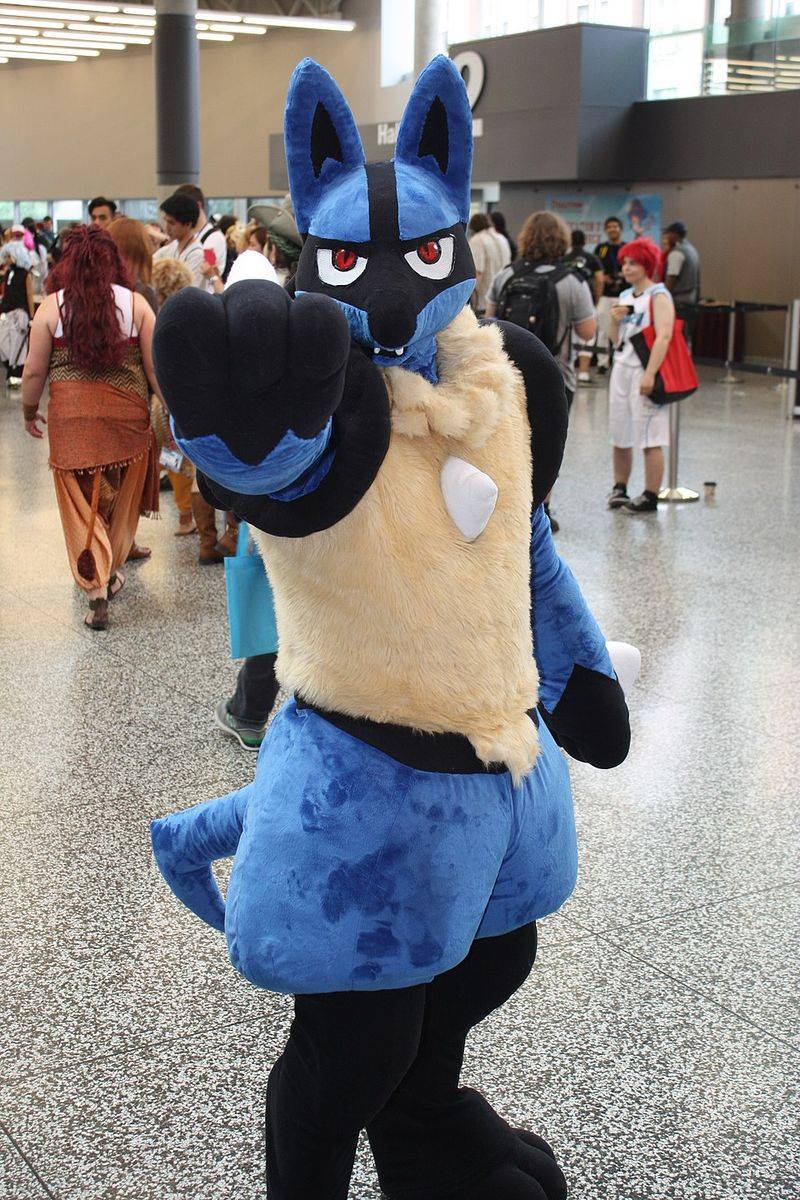
Rarely did a Generation 4 Pokémon break into mainstream pop culture as smoothly as Lucario. Fighting and Steel typing pairs with the ability to sense and manipulate Aura, described as an energy flowing through all living things.
Starring role in Lucario and the Mystery of Mew in 2006 gave it celebrity status before many players even reached the postgame.
Recognition grew further with a roster spot in Super Smash Bros., cementing its place in gaming culture. Cool presence, mysterious edge, and battle-ready design all combined to earn that level of fame.
8. Riolu

Long before Lucario carried legendary status, Riolu showed up as a scrappy little pup with big potential.
Introduced in Generation 4 as Lucario’s pre-evolution, it came from a special egg found on Iron Island.
Evolving Riolu required high friendship during the daytime, which meant spending real in-game time building a bond. That mechanic made the eventual Lucario evolution feel genuinely earned.
Hard work pays off, and Riolu stands as proof that the best evolutions are the ones you invest in.
9. Garchomp
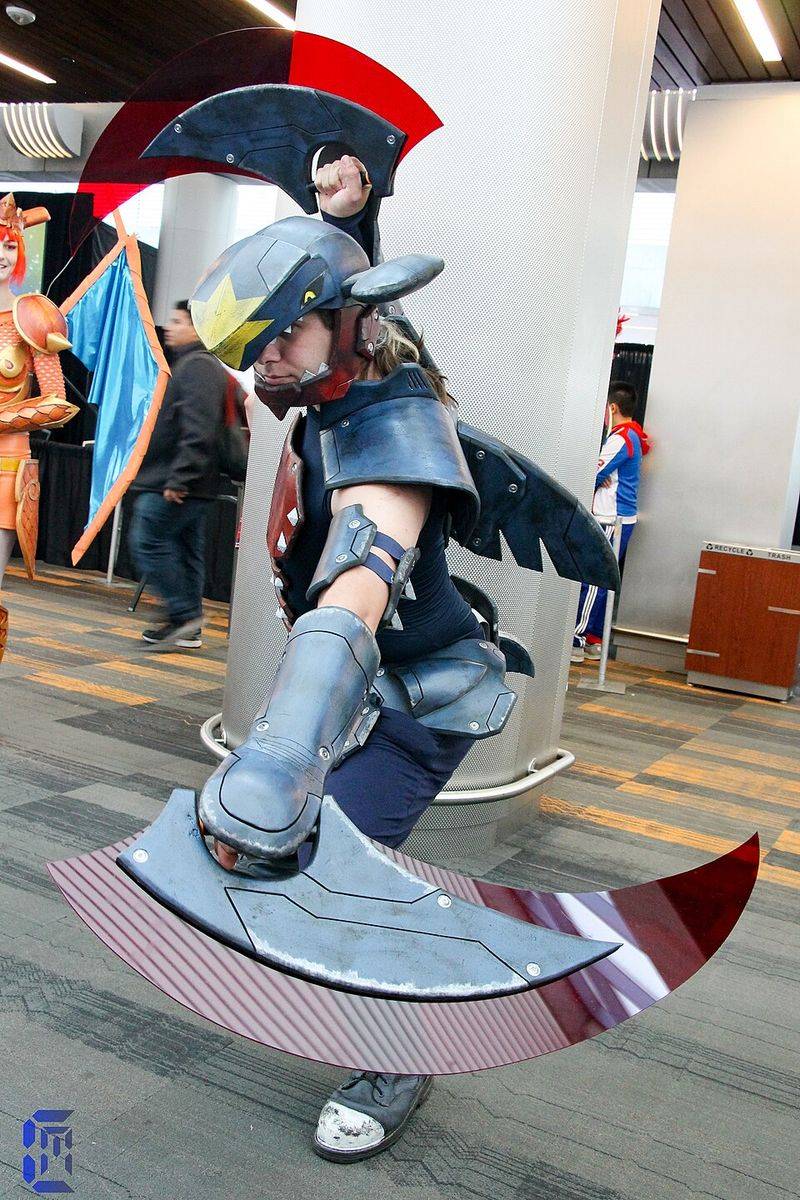
Battle tone shifts the moment Garchomp enters the field. Pseudo-legendary status comes from its Dragon and Ground typing, backed by Attack and Speed stats that dominated competitive play for years in Pokémon Diamond and Pearl.
Champion Cynthia turned her Garchomp into one of the most talked-about boss fights in the entire franchise. Getting a single hit in before your team folded felt like solving a last-second puzzle under pressure.
Reputation like that was not handed out, it was earned through sheer intimidation.
10. Leafeon
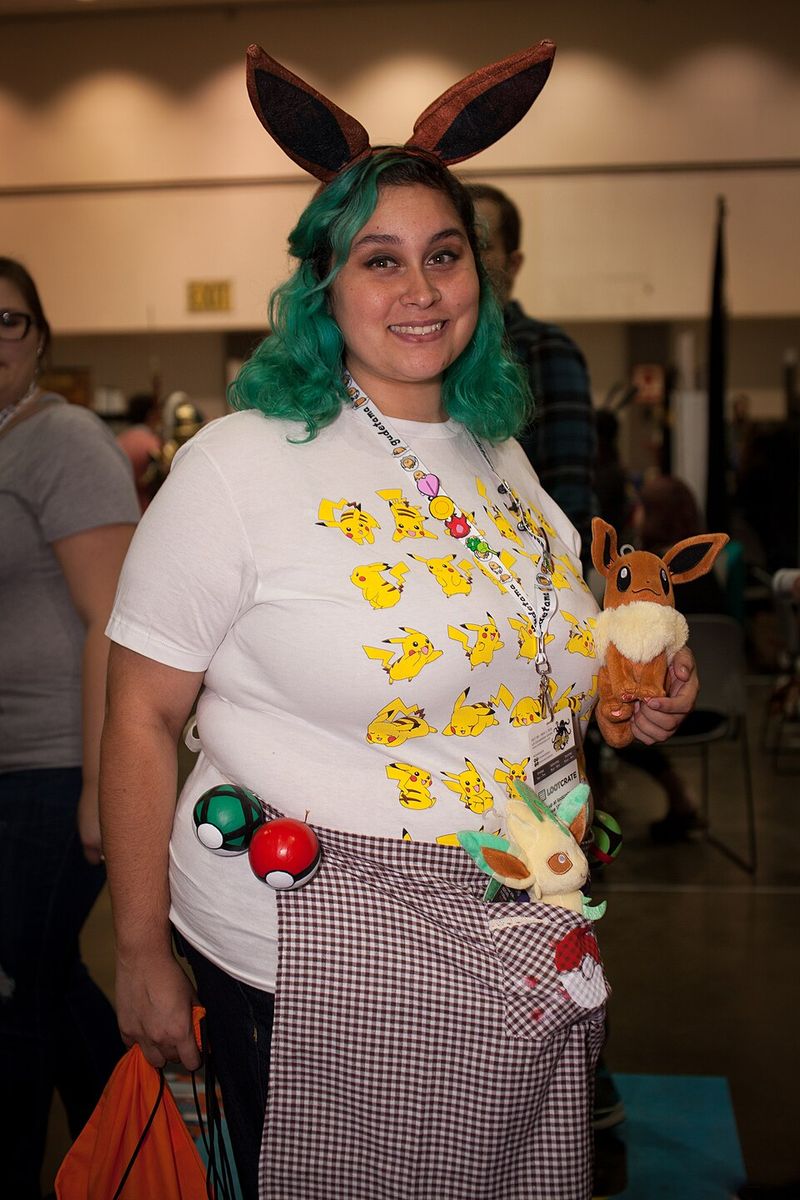
A fresh breath of forest air joined Eevee’s evolution lineup when Leafeon arrived in Generation 4.
Original Diamond and Pearl required players to level up near the mossy rock inside Eterna Forest to trigger the evolution, a location-based mechanic that felt genuinely magical.
Calm, plant-like design quickly made Leafeon a favorite among players drawn to nature-themed Pokémon.
Quiet energy drifts through it like a lazy afternoon under a big oak tree. Peaceful, photosynthetic, and quietly wonderful.
11. Glaceon
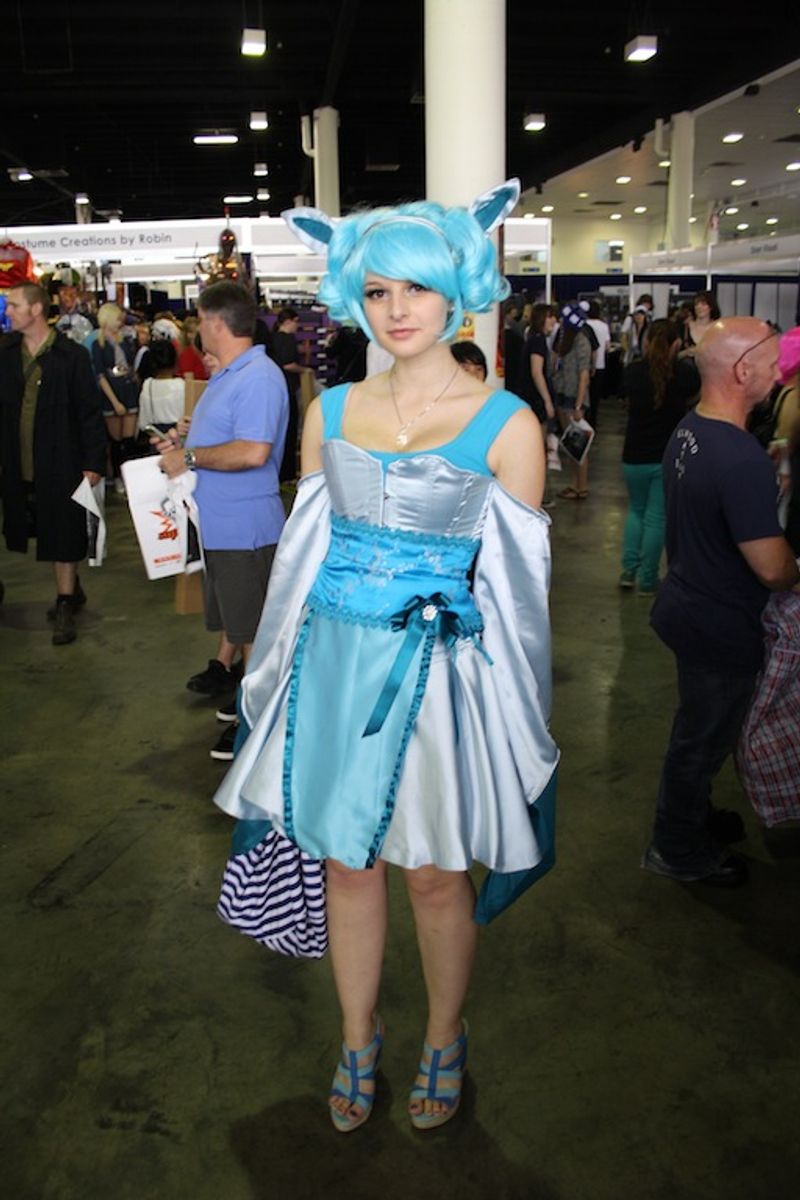
Glaceon joined the Eeveelution family in Generation 4 with the cool composure of someone who never checks the weather app because they already know it will be cold.
Evolving Eevee into Glaceon originally required leveling up near the icy rock in Route 217, tying the evolution to a specific snowy location in Sinnoh. Its crisp Ice-type design and graceful silhouette made it a natural counterpart to Leafeon.
Together, Leafeon and Glaceon felt like the seasons finally got their own Pokémon. Winter and spring, perfectly packaged.
12. Togekiss
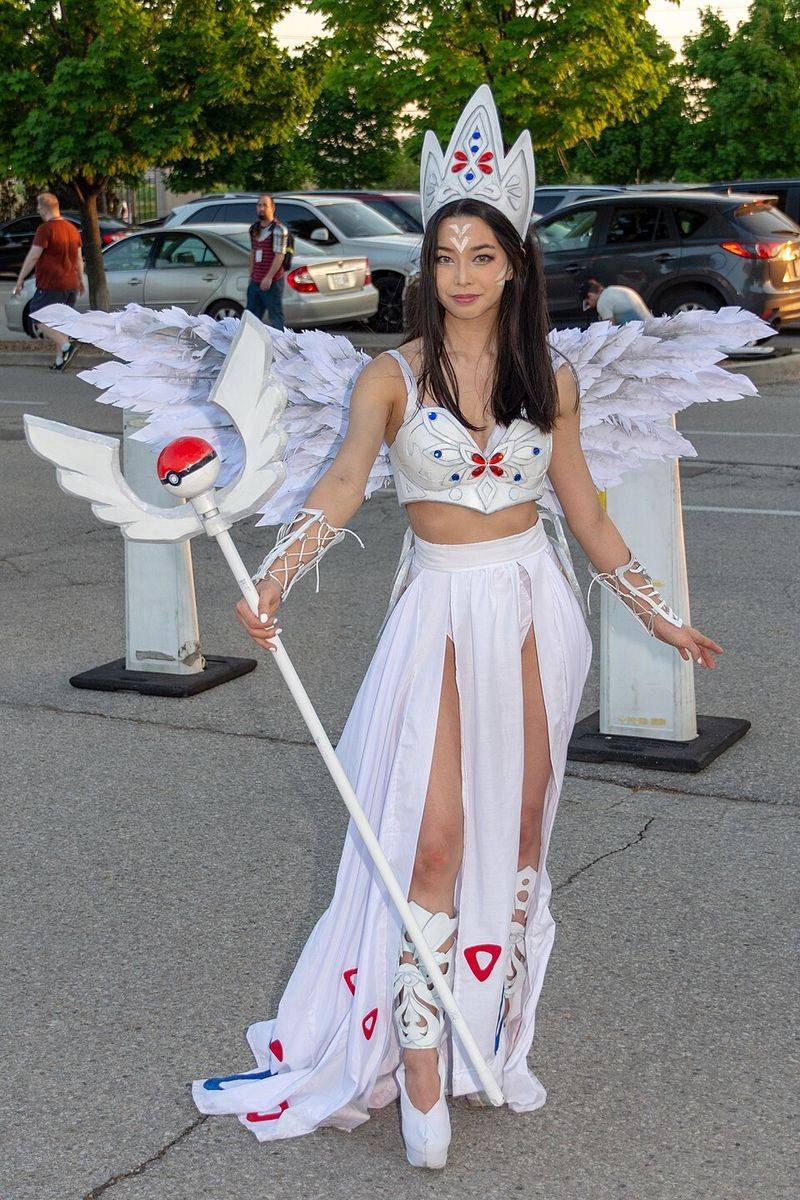
Two full generations passed before Togepi fans finally saw a true final evolution, and the payoff landed perfectly. Generation 4 introduced Togekiss as the last stage of the line, evolving from Togetic with a Shiny Stone.
Later games gave it Fairy and Flying typing, pairing strong competitive use with a design that radiates calm, angelic energy.
Watching it glide overhead feels like a quiet reminder that good things take time. Patience from trainers ended up paying off in a big way.
13. Munchlax
One priority defined Munchlax in Generation 4, and that priority was snacks. Introduced as Snorlax’s baby pre-evolution, it appeared before Diamond and Pearl even launched, showing up in the anime and the Pokémon Mystery Dungeon series.
High friendship was required to evolve it into Snorlax, which feels perfectly fitting for a Pokémon built around eating and relaxing.
Late-night fridge checks suddenly feel very familiar when Munchlax enters the picture.
Fully committed, zero regrets, and relatable on a deeply personal level.
14. Arceus
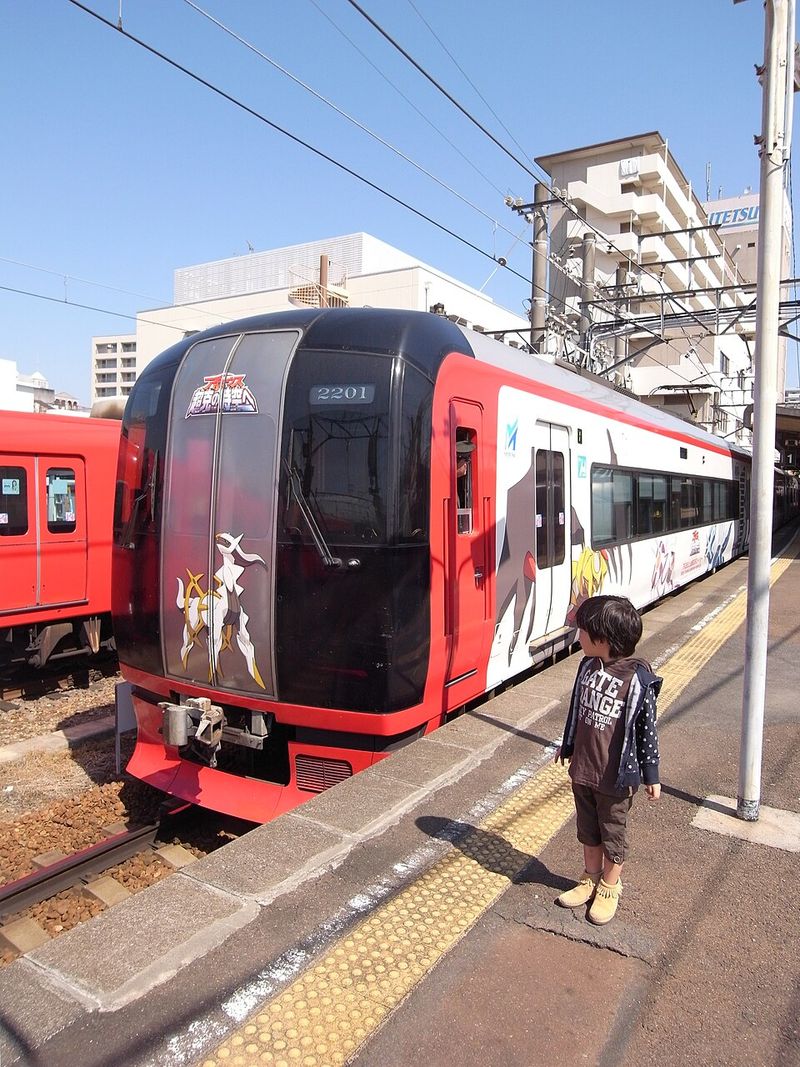
Sinnoh mythology saved its biggest claim for last: a Pokémon that supposedly shaped the entire universe.
Arceus is a Mythical Normal-type known as the Alpha Pokémon, and official Pokédex lore places it at the origin of all existence in the Sinnoh creation story. Originally event-exclusive in Diamond and Pearl, Arceus later became more accessible through Pokémon Legends: Arceus, a game built entirely around meeting this mythical creator.
Catching Arceus felt less like a game mechanic and more like a mythology class field trip. The universe, apparently, fits in a Poké Ball.
Important: This article is intended for general informational and entertainment purposes and reflects an editorial look at notable Pokémon, mechanics, and lore associated with Generation 4.