
20 Things To Know Before Watching Wuthering Heights
Class is in session, and yes, there will be emotional homework. With a new Wuthering Heights film released on February 13, 2026, consider this your survival guide before stepping onto the moors.
Pay attention now, because names repeat, feelings escalate fast, and everyone makes questionable life choices.
Study these key details closely, or you may walk into the film wondering who’s angry, who’s haunting whom, and why the weather seems personally offended.
1. Famous Stormy Literary Setting
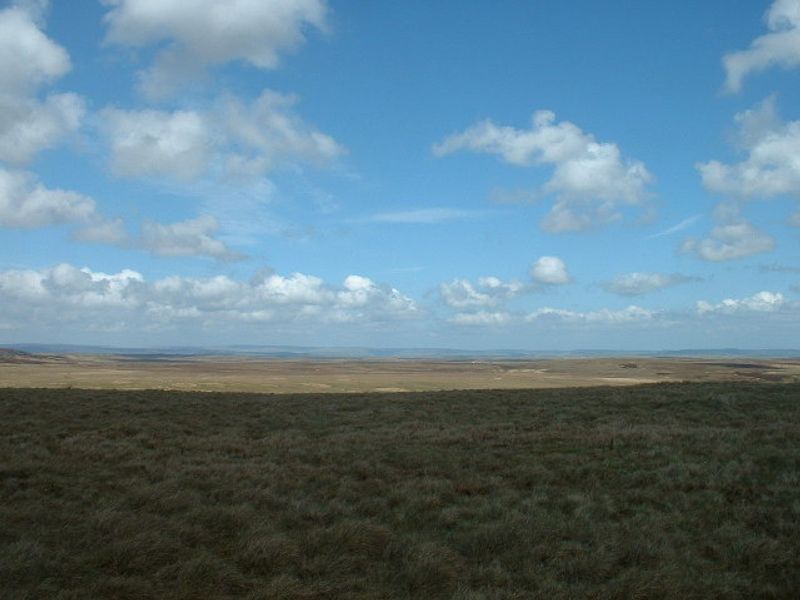
Relentless wind sweeps across the landscape, setting the tone before a single word is spoken.
Yorkshire moors become more than scenery, reflecting every emotional shift from Catherine’s restless spirit to Heathcliff’s simmering anger.
Rain lashes against windows as fog drifts over the hills, turning ordinary walks into dramatic journeys. Weather works like a mood ring throughout the story, with every storm outside echoing turmoil within.
2. Book First Appeared In 1847 Under Pen Name
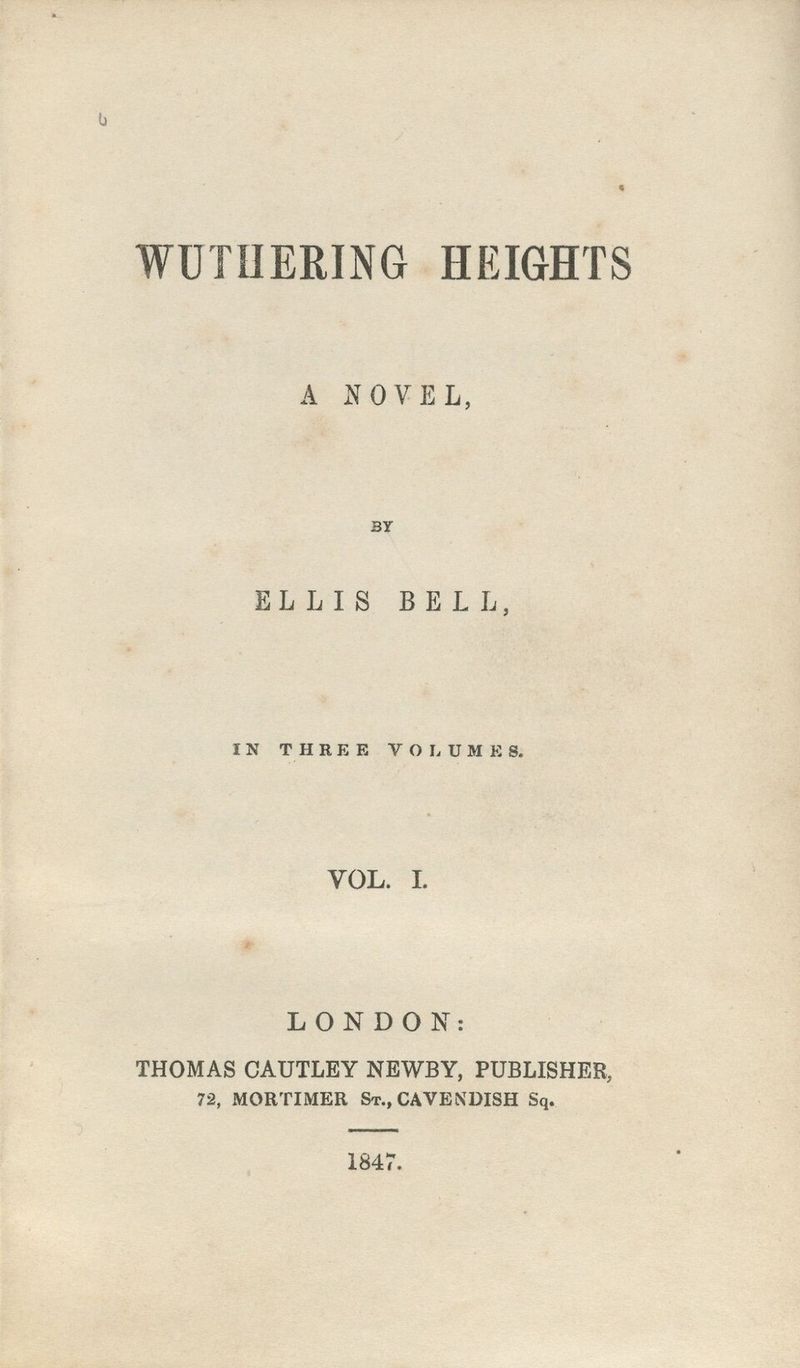
Emily Brontë wasn’t about to use her real name. Victorian publishers didn’t exactly roll out the red carpet for female novelists.
So she became Ellis Bell.
Her sisters did the same thing, picking pseudonyms that sounded vaguely masculine. The ruse worked well enough to get the book printed, though critics still found plenty to complain about once it hit the shelves.
3. Plan On Layered Storytelling
Lockwood rents a house and hears a ghost story. Nelly Dean, the housekeeper, tells him what really happened.
Most of the novel unfolds through her memory.
That means you’re getting secondhand gossip filtered through someone who was there but also has her own opinions. It’s like hearing about a party from your friend’s cousin, complete with editorial asides and convenient memory gaps.
4. Brace For Multi-Generation Saga
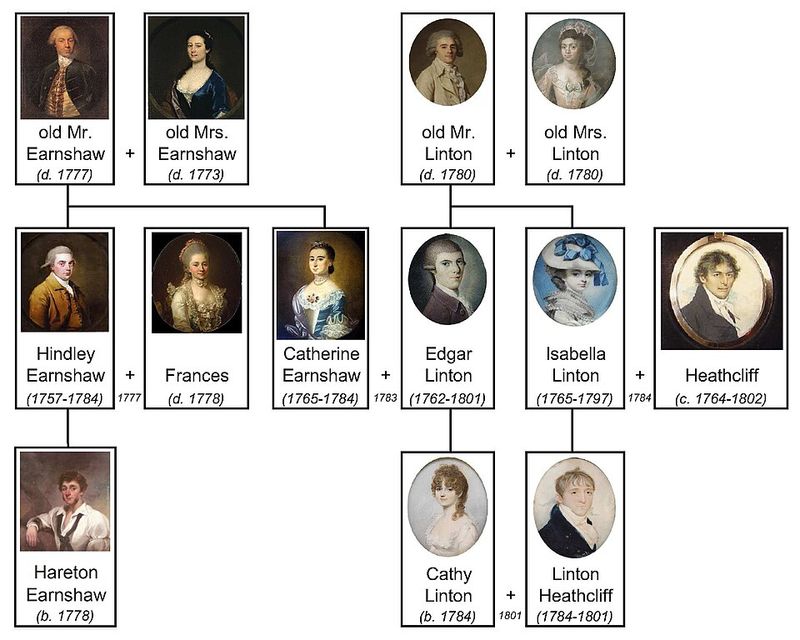
Catherine and Heathcliff dominate the spotlight, but their kids carry the drama forward.
Two households collide, marry, feud, and repeat the cycle with fresh faces and old grudges. Keeping track of who’s related to whom can feel like untangling Christmas lights, especially when names get recycled across generations.
Bookmark that family tree page in your edition.
5. Expect Gothic Intensity And Romantic Influences
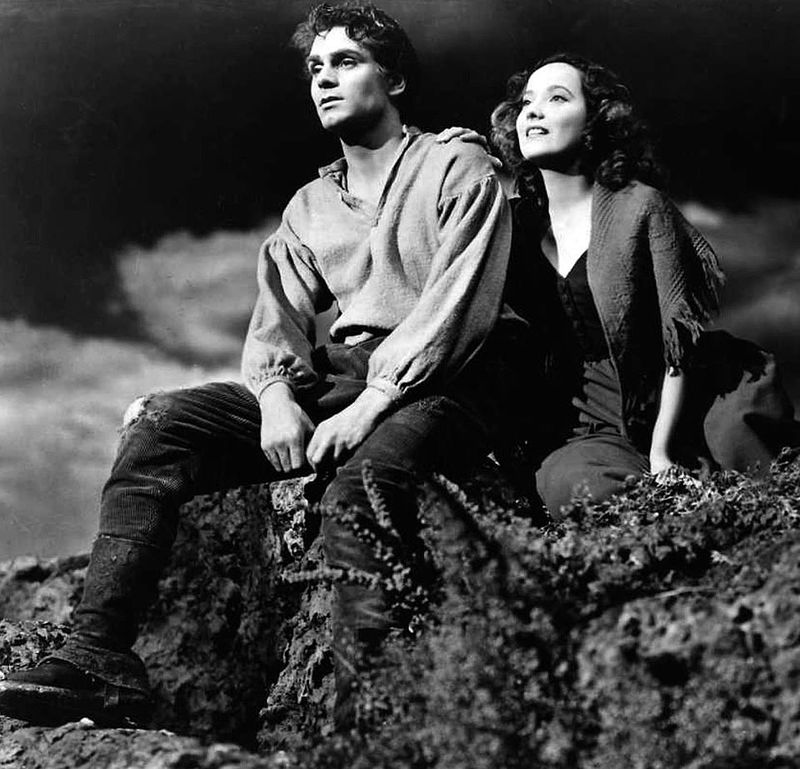
Ghostly presences linger at the edges while emotions surge with storm-like intensity.
Gothic atmosphere merges with Romantic feeling as Brontë crafts a story both haunting and deeply emotional.
Crumbling estates, mysterious strangers, and love pushed toward obsession fill every corner of the narrative. Reading it feels like watching a candle flicker in a drafty hallway while distant piano notes drift through the dark.
6. Author’s Only Novel
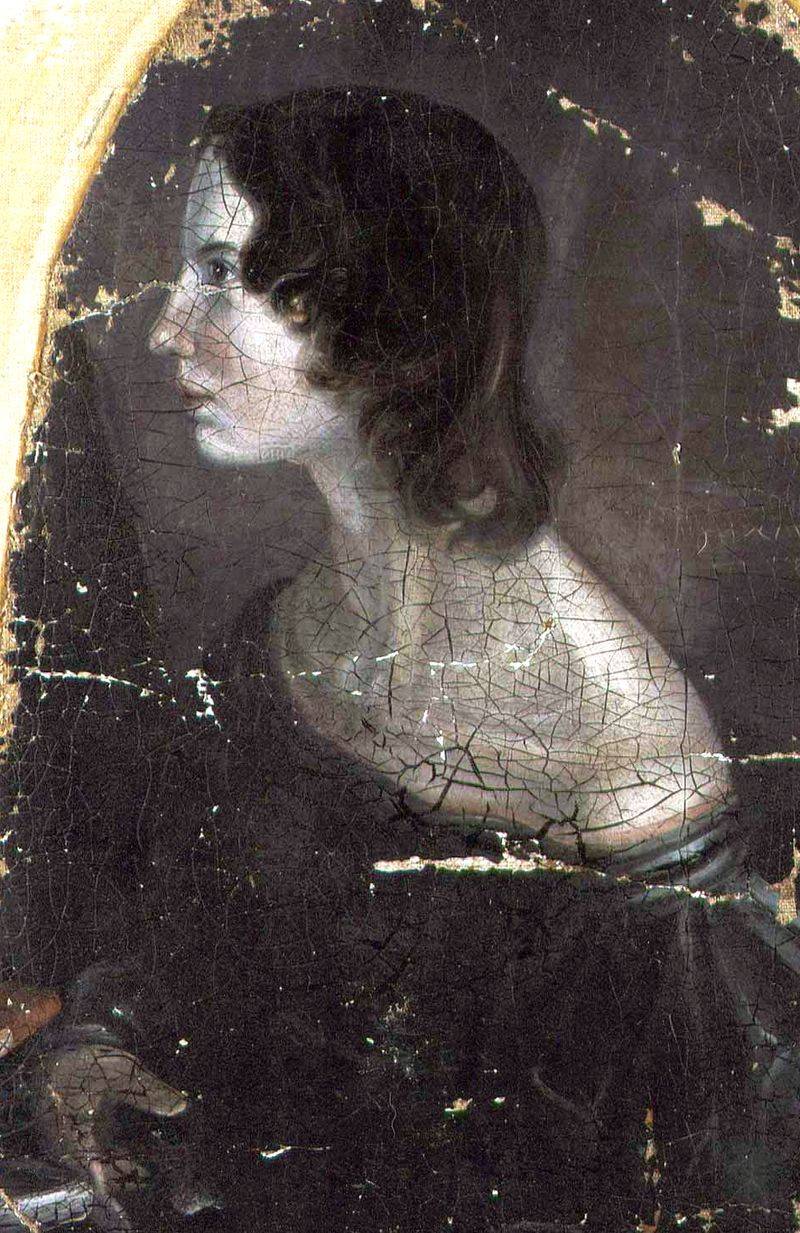
One novel defined Emily Brontë’s entire literary legacy.
No sequels followed and no second success arrived, leaving Wuthering Heights to stand alone like a lighthouse in a storm. Publication came shortly before she passed away, prompting lasting curiosity about what else she might have written.
Such singular focus gives the book a concentrated intensity, as if every idea and emotion were poured into one unforgettable story.
7. Writing Window Often Cited
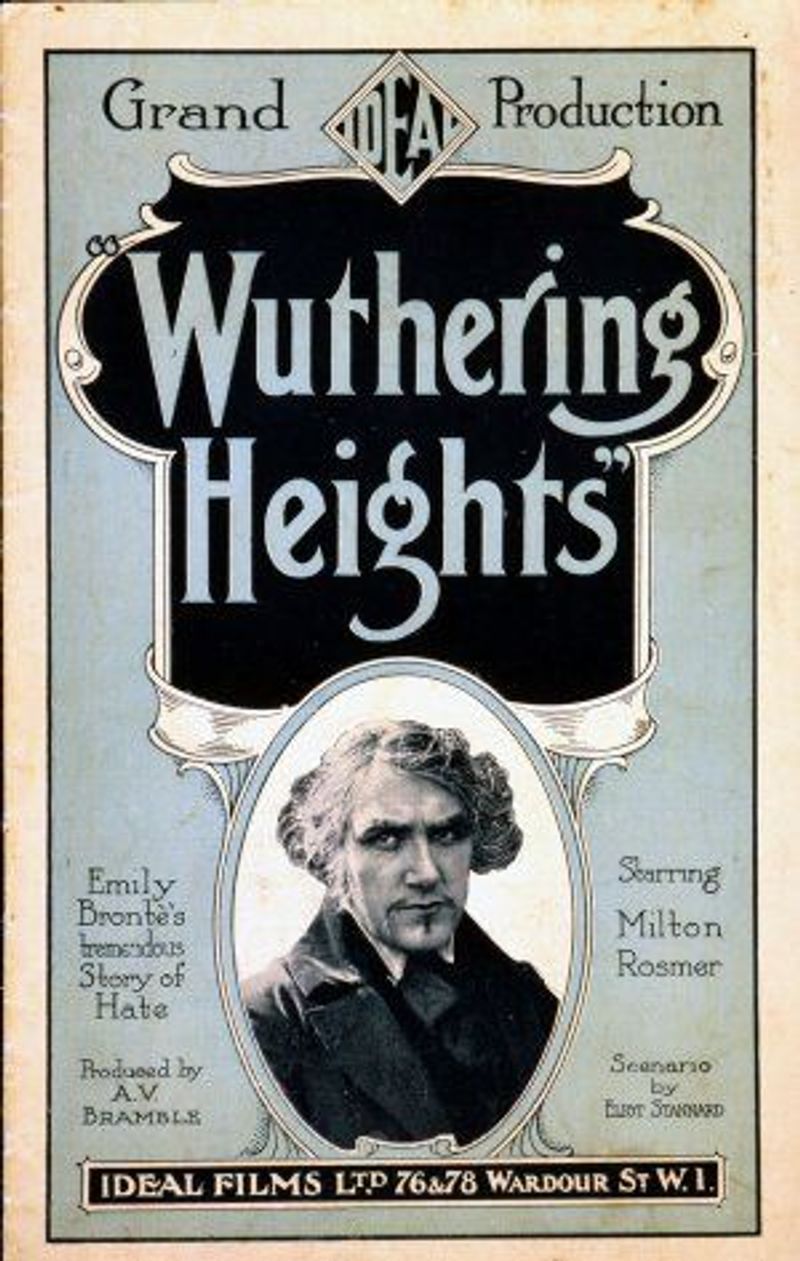
The drafting period is commonly placed in the mid-1840s, often cited around 1845–1846.
That’s roughly eight months to create one of English literature’s most intense novels.
Emily worked in the parsonage, scribbling between household chores and walks on the moors. It’s a reminder that great art doesn’t always require years of labor, just the right burst of inspiration and a fierce commitment to the vision.
8. Original Release Came In Volumes
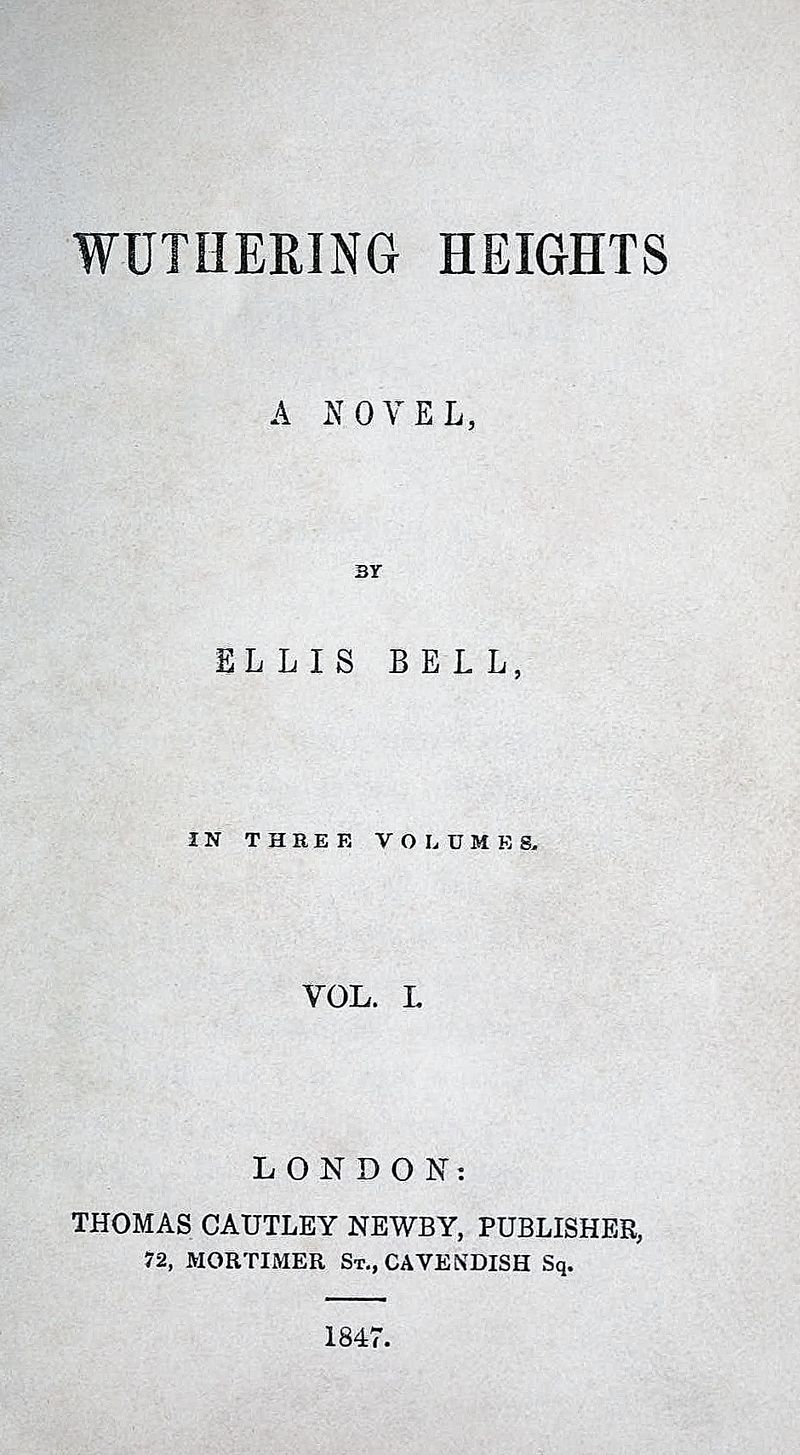
Victorian readers often encountered novels released in multi-volume installments.
Wuthering Heights occupied the first two volumes of a three-part set, while Anne Brontë’s Agnes Grey completed the third. Early audiences received a double helping of Brontë storytelling without immediately realizing two sisters had authored the collection.
Today, the format feels almost quaint, resembling a carefully assembled literary mixtape.
9. Voices Can Feel Biased Or Incomplete
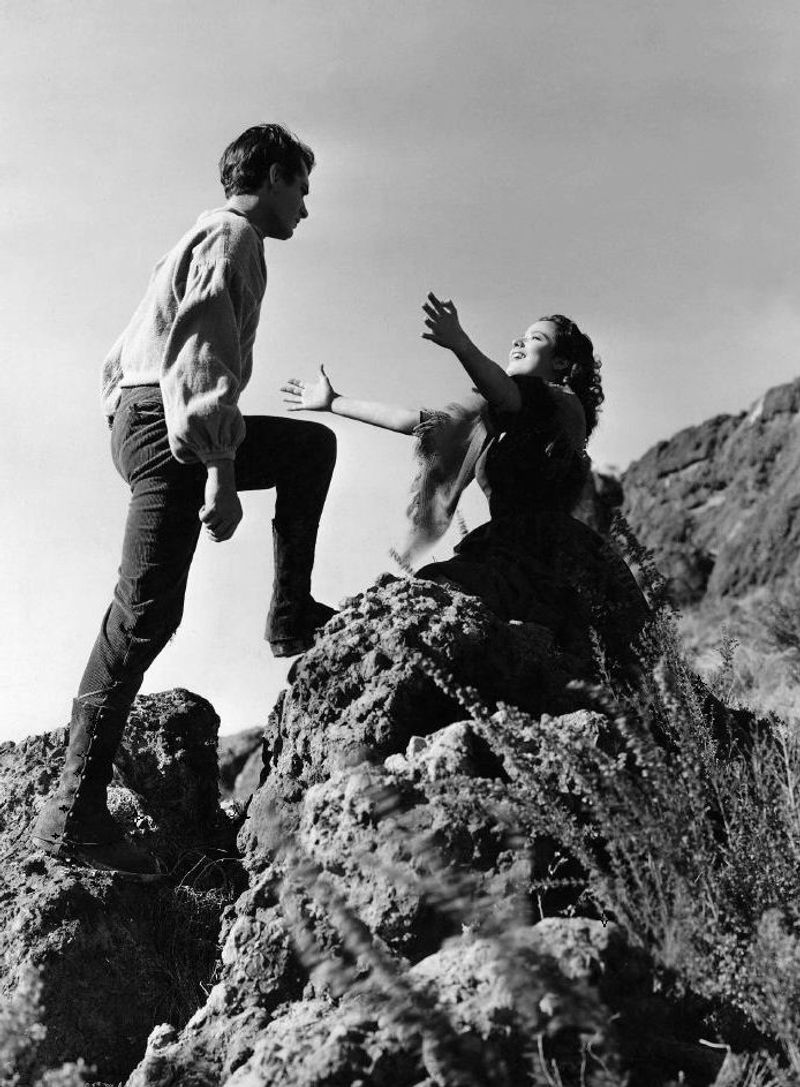
Nelly Dean tells most of the story, but she’s hardly neutral. She has opinions, blind spots, and moments where she clearly edits the truth.
Lockwood, the frame narrator, misreads people constantly.
That means you’re piecing together what really happened through unreliable witnesses. It’s less courtroom transcript, more whispered rumor mill, and that ambiguity is half the fun.
10. Expect Dialect And Class Cues
Thick Yorkshire dialect turns Joseph’s speech into something that can feel almost like a foreign language.
Every syllable spoken by other characters quietly signals education, status, and social standing. Dialogue functions as more than local color, acting as a guide to who belongs where within a rigid hierarchy.
Listening closely to how people speak reveals power dynamics simmering beneath even the most polite conversations.
11. Remember Real-World Brontë Home Base
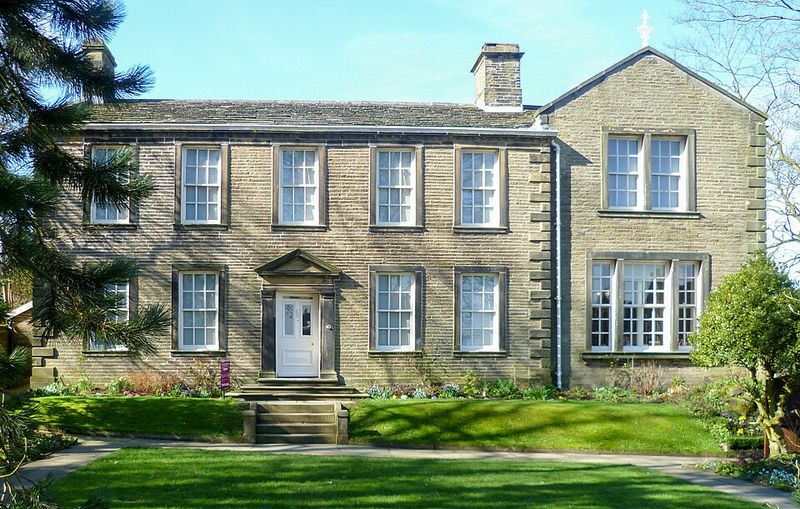
West Yorkshire’s village of Haworth served as the home and workplace of the Brontë family. The parsonage became a creative center, surrounded by the same wild moors that later defined Wuthering Heights.
Seeing the real location helps readers understand how deeply the landscape influenced the novel’s atmosphere.
Geography functioned as more than background scenery, becoming a direct source of inspiration.
12. Haworth Parsonage Later Became Museum
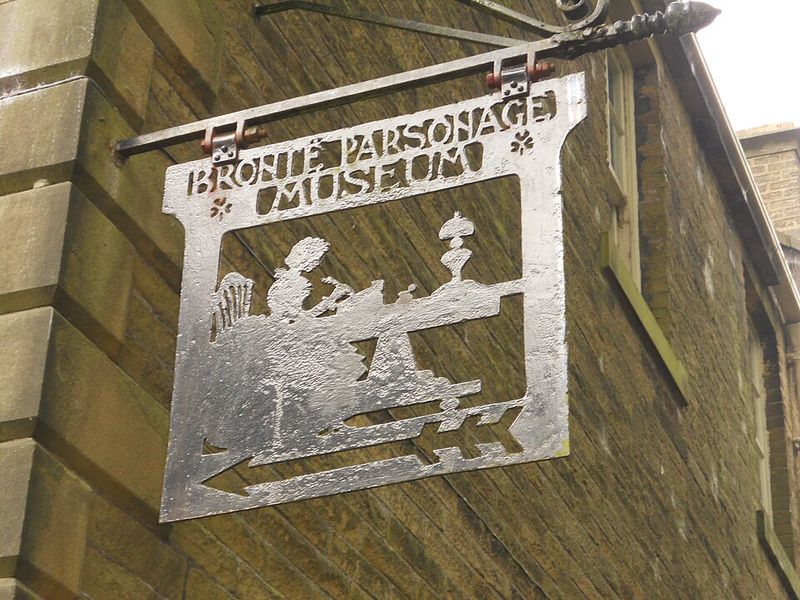
The Brontë family home didn’t vanish into history.
It’s now a museum where visitors can walk through rooms where Emily wrote, see family artifacts, and get a sense of their daily life. The space feels intimate, almost like stepping into a time capsule.
For fans of the novel, it’s the closest thing to meeting the author in person, minus the actual conversation.
13. Top Withens Often Cited As Inspiration
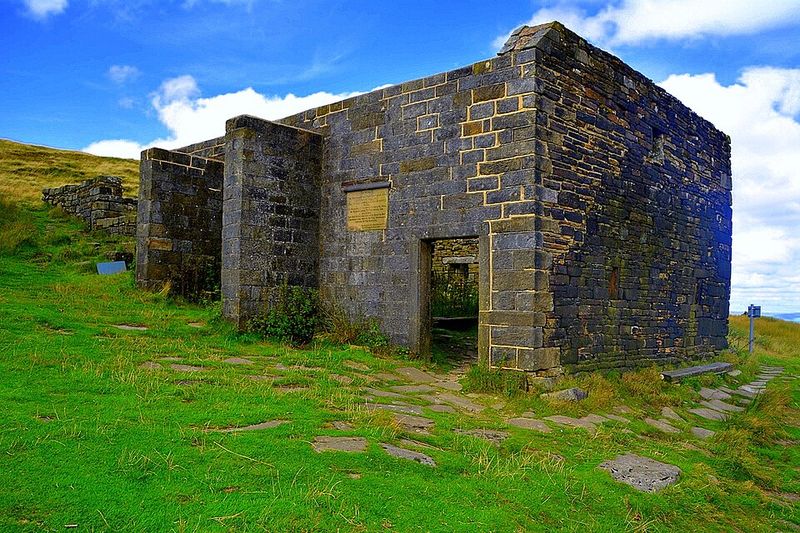
A crumbling farmhouse called Top Withens stands alone on the moors, often linked to Wuthering Heights by eager visitors.
During long walks across the landscape, Emily likely passed the ruin more than once.
Direct inspiration remains uncertain, yet the isolated and windswept atmosphere closely mirrors the novel’s mood. Tour guides and literary pilgrims still treat the site like a shrine, even when the connection feels more symbolic than literal.
14. Wuthering Heights Has Real-World Echoes
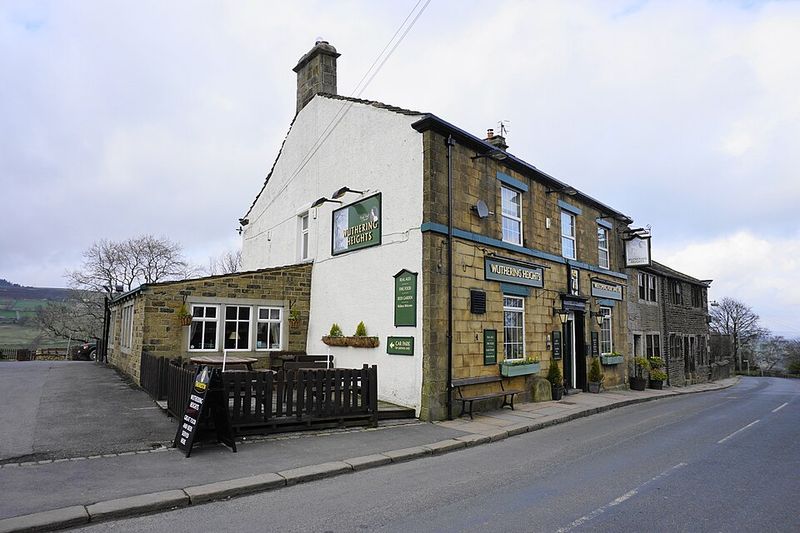
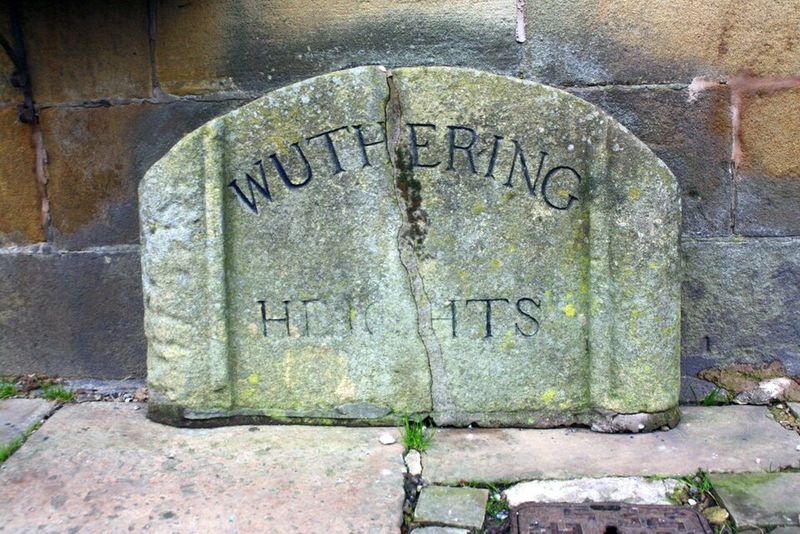
The title has spilled out of the novel and onto pub signs, street markers, and tourist brochures across Yorkshire. Businesses trade on the name’s Gothic glamour, hoping a little Brontë magic rubs off on their brand.
It’s a testament to the story’s staying power.
Fictional places don’t usually get this much real-world real estate.
15. Characters Inspire Strong Opinions
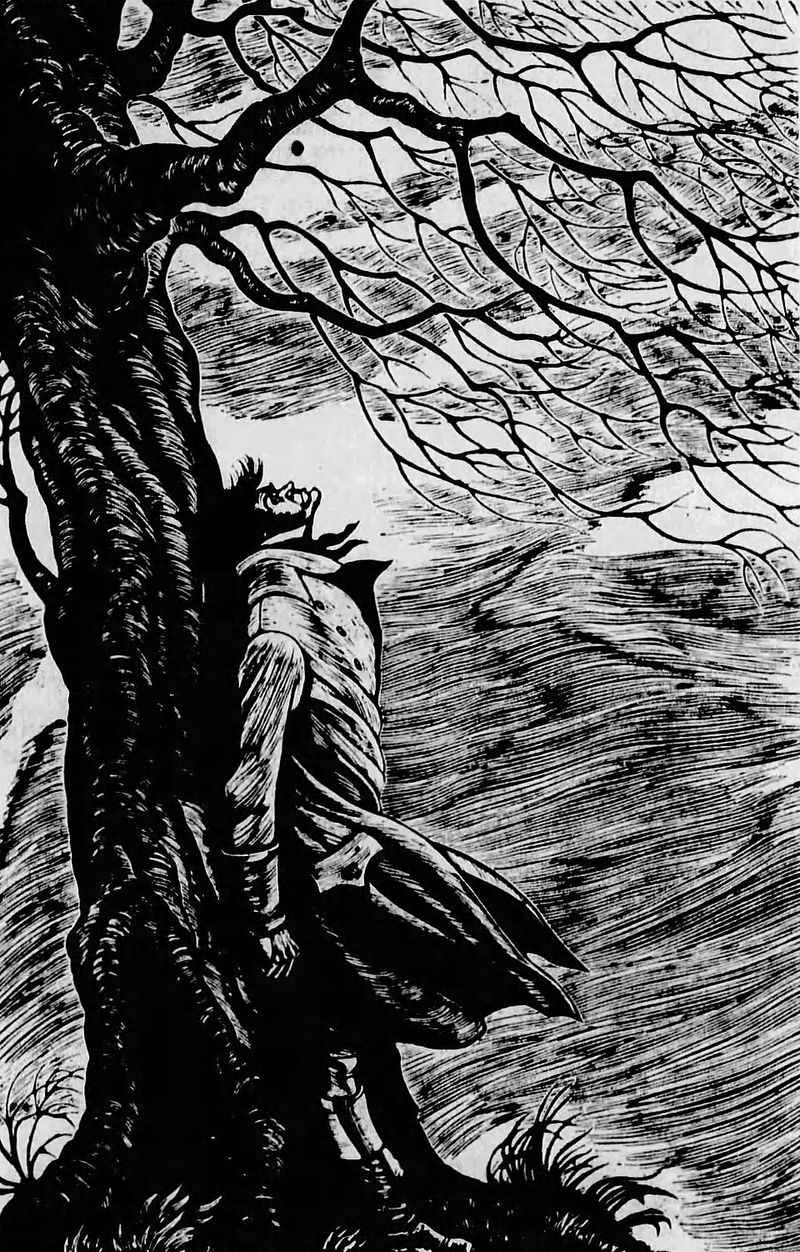
Few literary figures divide readers as sharply as Heathcliff.
Some interpret him as a tortured Romantic hero, while others view him as an abusive force who damages everyone around him. Each generation reshapes the character to reflect changing ideas about passion, power, and morality.
Catherine inspires equally mixed reactions, shifting between passionate icon and selfish antagonist depending on the reader’s perspective.
16. Adaptations Helped Cement Story’s Legend
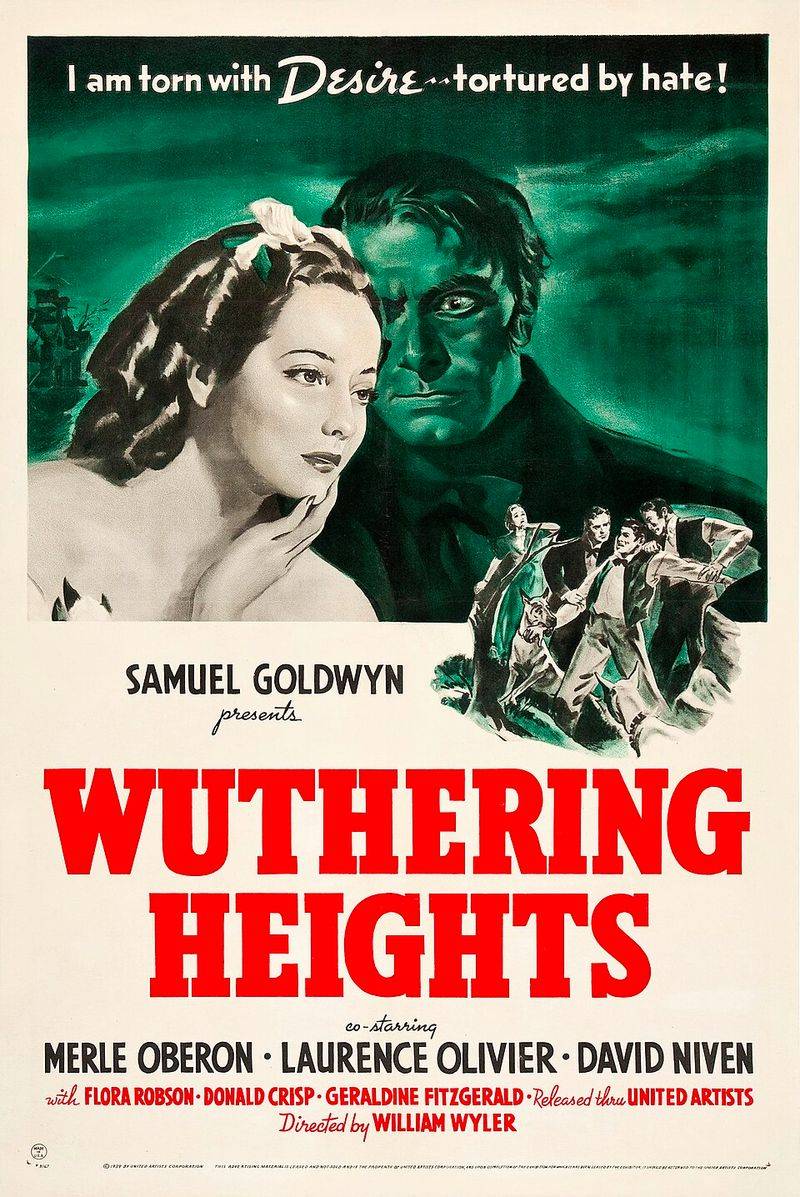
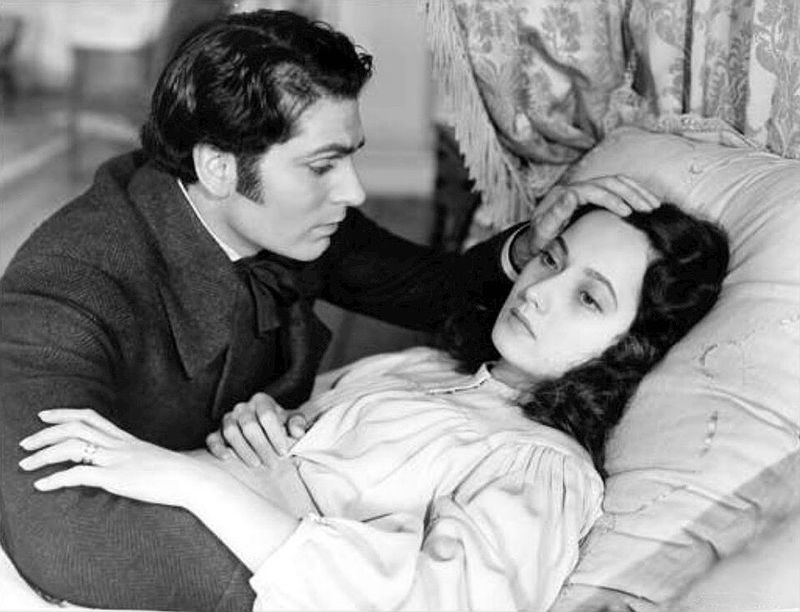
The 1939 film starring Laurence Olivier brought Wuthering Heights to Hollywood, complete with windswept romance and a much tidier ending than the book.
Stage productions, TV miniseries, and modern film versions followed, each reshaping the story for new audiences.
Adaptations kept the title in circulation long after Victorian novels fell out of fashion, turning a difficult book into a cultural touchstone.
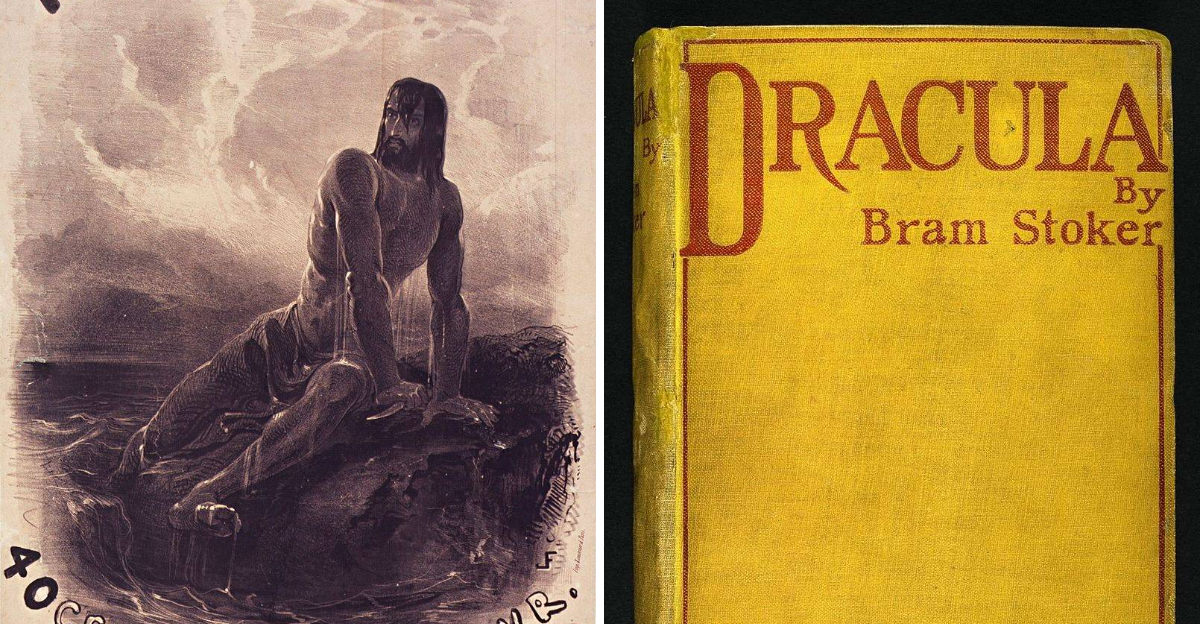
17. Book Often Reissued With New Cover Art
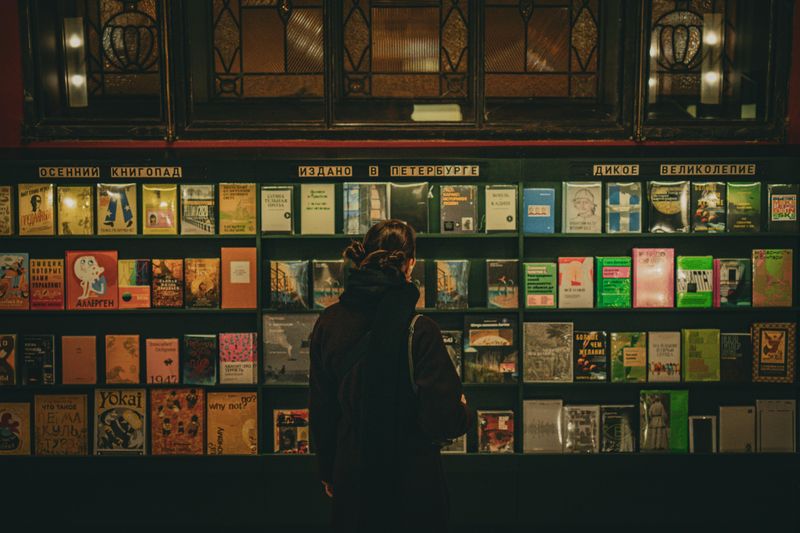
New editions of Wuthering Heights appear regularly, each arriving with redesigned cover art meant to attract a new audience.
Some publishers lean into Gothic drama, others choose minimalist style, while a few embrace vintage romance aesthetics. Public domain status allows nearly anyone to repackage the novel.
Constant visual reinvention reveals how each generation reshapes its idea of what the story should look like.
18. Translations Broadened Global Reach
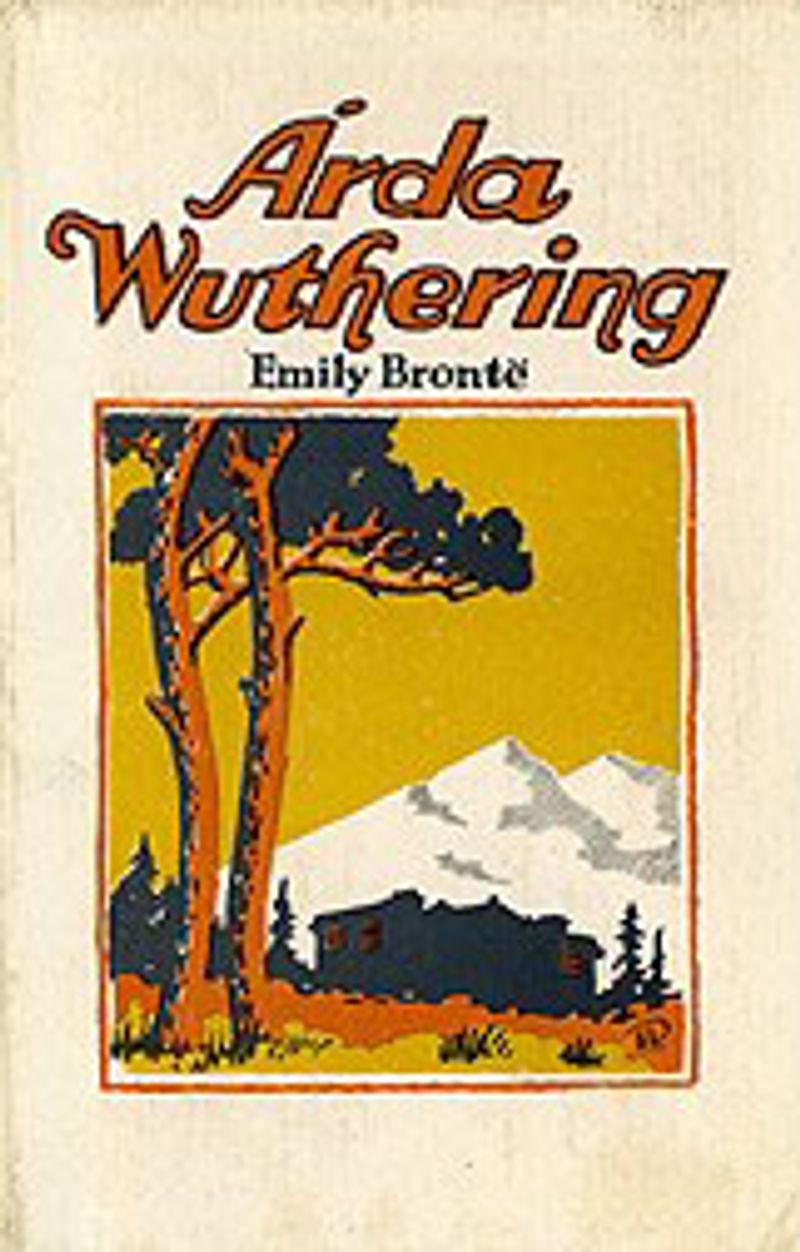
Wuthering Heights has been translated into many languages, from French and Spanish to Japanese and Arabic. Translators wrestle with Yorkshire dialect, layered narration, and cultural context that doesn’t always travel smoothly.
Each version becomes a new interpretation.
The novel’s themes of passion and revenge resonate across borders, proving some stories transcend their original moorland setting and Victorian sensibilities.
19. Emily Brontë’s Short Career Context
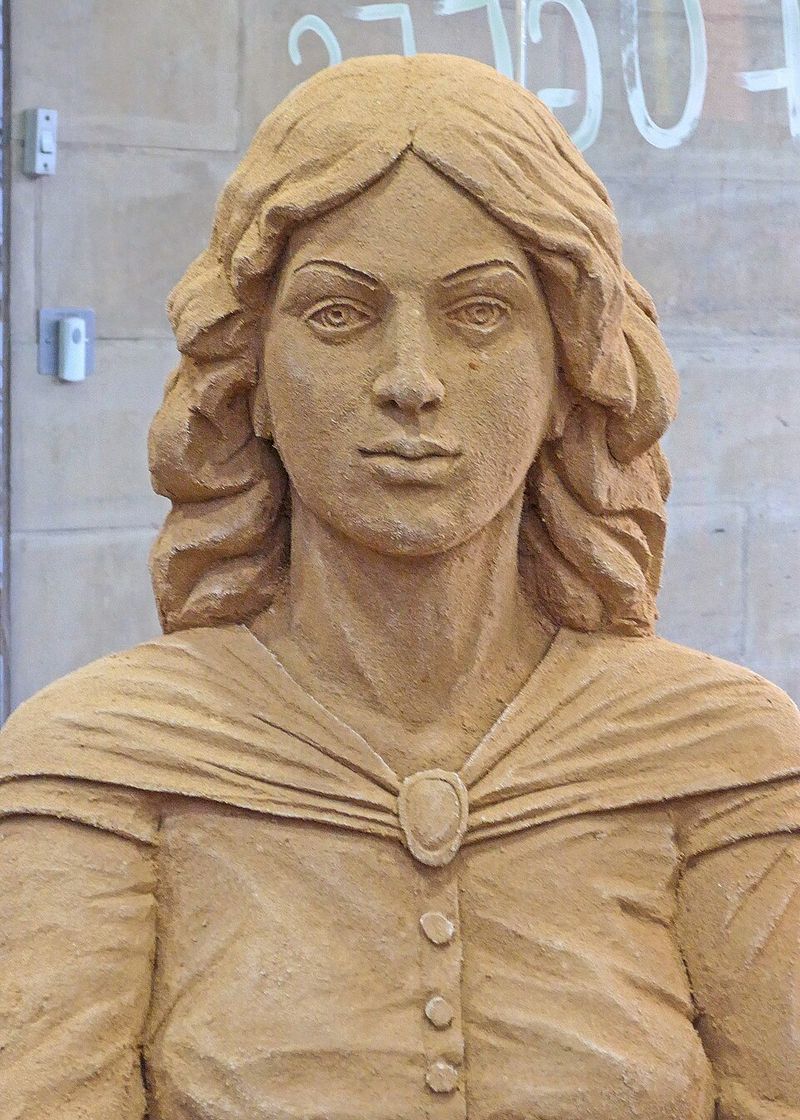
A pseudonym concealed Emily Brontë’s identity when her only novel first appeared in print.
Literary output remained small compared with sister Charlotte’s longer career, yet that single work carries lasting influence beyond many multi-book legacies. Short creative life makes Wuthering Heights feel even more extraordinary, like a comet that burned brightly before disappearing from view.
20. Haworth Church Closely Tied To Brontë Story
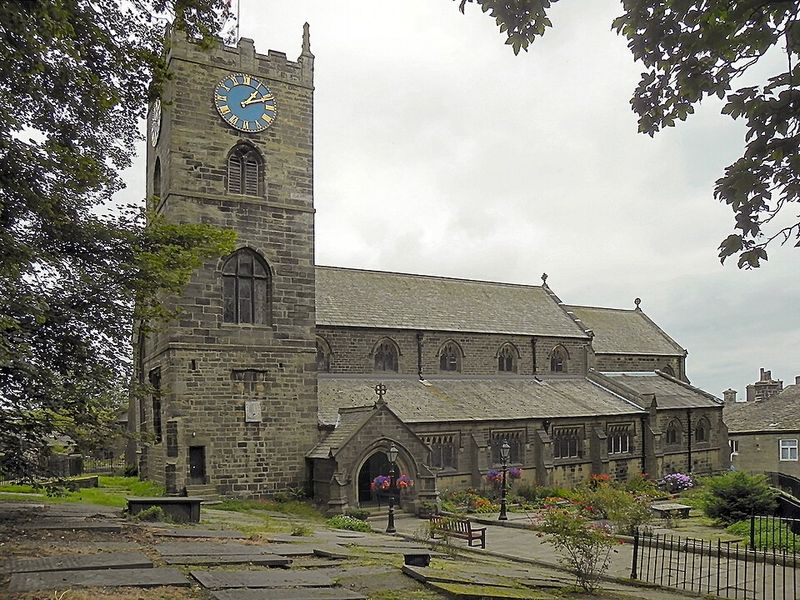
St Michael and All Angels’ Church sits near the Brontë parsonage in Haworth, and the family’s story is woven into its history. Emily’s father, Patrick Brontë, served as the parish’s perpetual curate (the resident clergyman) at Haworth.
The building anchors the sisters’ legacy in a tangible, still-standing landmark.
Note: This article reflects literary discussion and entertainment commentary about Wuthering Heights and its cultural legacy, including adaptation context that may change as new production details are announced.
Interpretations of characters, themes, and narration are inherently subjective and may vary by reader or viewer, and publication-history notes are provided for general context.



_-_Wuthering_Heights,_1847.jpg)


.jpg)
.jpg)

.jpg)
