16 Things You Always Saw Inside A 1960s Supermarket A Nostalgic Look Back
Step back into a time when grocery shopping felt less like a chore and more like a weekly ritual. The 1960s brought aisles filled with character, where every visit carried a sense of discovery and charm.
The sound of mechanical cash registers clicking away set the rhythm, while the air carried hints of coffee, baked goods, and fresh produce. Bright packaging lined the shelves, creating a colorful maze that invited exploration.
Families moved together through the store, sharing lists, stories, and small moments that made each trip feel special. Kids lingered near the front, eyeing playful displays, while adults browsed shelves with a slower pace that feels almost foreign today.
Every corner held something familiar, yet still a little exciting, turning a simple errand into a shared experience. These stores reflected more than products, they captured a way of life built on connection, routine, and community.
The memory lingers because it felt genuine, grounded, and full of small joys that added up over time. Take a moment to revisit that atmosphere and see what made those grocery runs feel like something worth remembering.
1. Mechanical Cash Registers
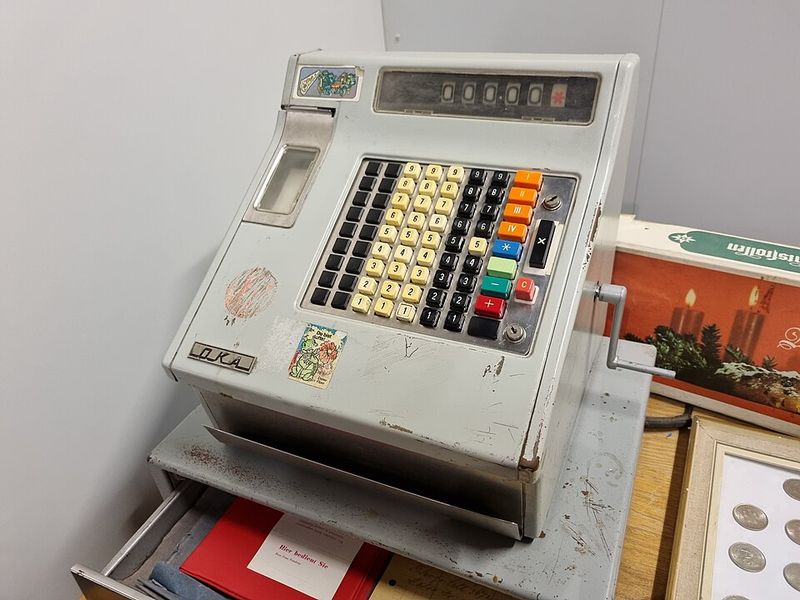
Nothing announced a completed purchase quite like the thunderous “cha-ching” of a mechanical cash register ringing out across the store. Heavy, metallic, and almost musical, these machines were engineering marvels of the mid-20th century.
Cashiers punched in every price by hand, one item at a time.
How satisfying it must have been to hear each keystroke click into place! The drawers would fly open with a dramatic bang, coins rattling like a tiny percussion concert.
No touchscreens, no beeping scanners, just pure mechanical magic.
Fun fact: some of those registers weighed over 30 pounds and still outlasted entire store renovations.
2. S&H Green Stamps
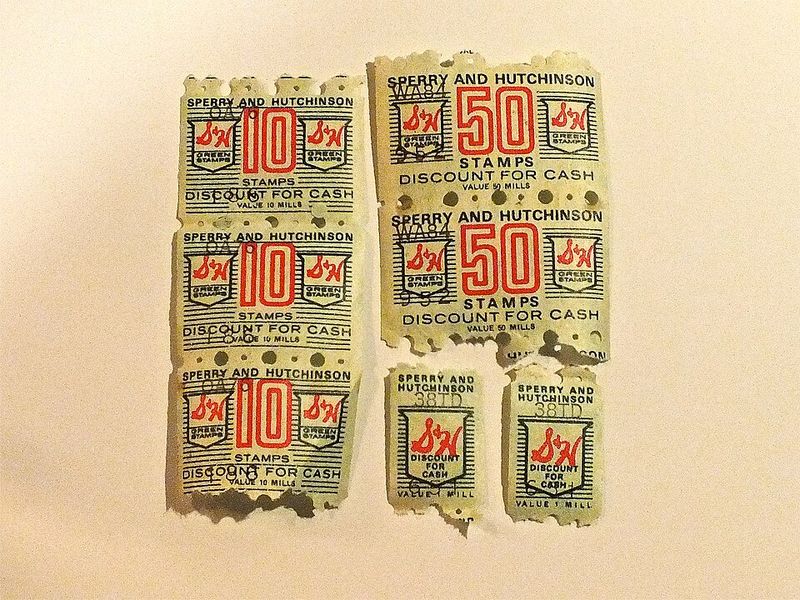
Loyalty rewards programs did not start with smartphone apps. Long before digital points existed, S&H Green Stamps were the original reward system, and shoppers absolutely loved collecting them.
After every purchase, cashiers handed over little perforated stamps based on how much money was spent.
Collectors carefully licked and pasted stamps into special booklets, saving up for household items listed in a glossy catalog. Blenders, toasters, and even bicycles were up for grabs!
At its peak in the 1960s, S&H printed more stamps annually than the U.S. Post Office.
Shopping suddenly felt less like a chore and more like a treasure hunt.
3. Glass Soda Bottles and Wooden Crates
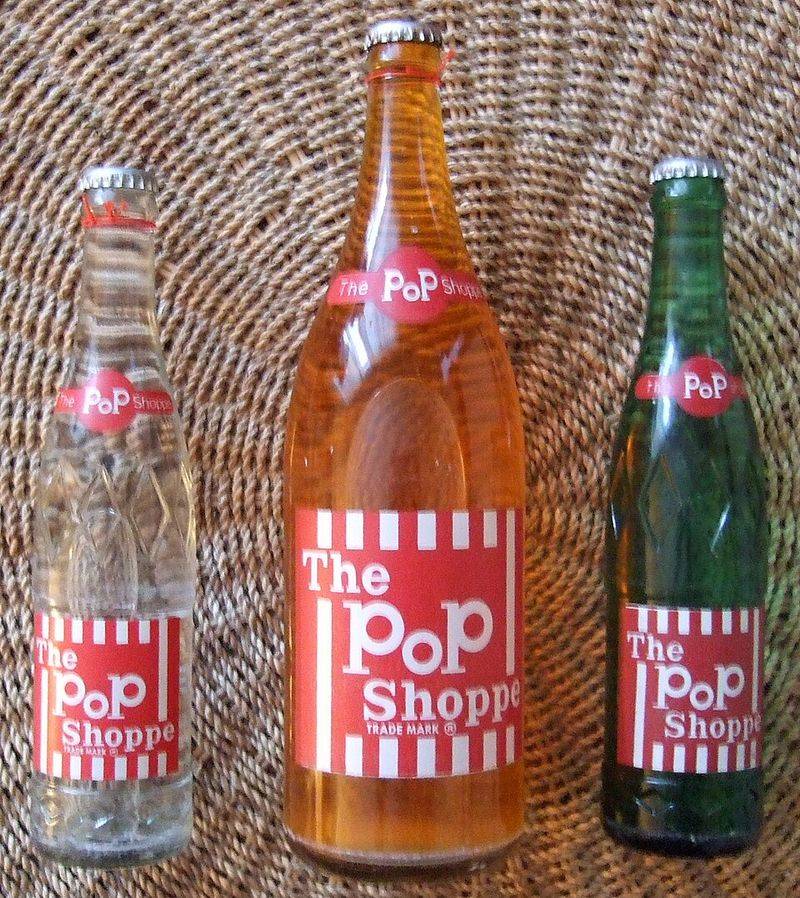
Sodas did not come in flimsy plastic back in the 1960s. Glass bottles were the standard, heavy and satisfying to hold, cold right out of the crate.
Brands like Coca-Cola and Pepsi stacked wooden crates near store entrances, creating a colorful, logo-covered welcome mat for shoppers.
Even better, returning empty bottles earned customers a small deposit refund, basically free money just for not littering. Kids absolutely loved hunting for discarded bottles around the neighborhood to cash in at the store.
If you have ever sipped a soda straight out of a glass bottle on a hot day, you already know nothing has ever tasted quite the same since.
4. Fresh Sawdust on the Butcher Section Floor

Walking into the butcher section of a 1960s supermarket meant stepping onto a floor covered in fresh sawdust, a quirky but practical tradition straight out of old-world markets. Sawdust absorbed spills, reduced slipping hazards, and gave the whole area an earthy, artisanal character.
Butchers wore crisp white aprons and stood behind gleaming glass cases filled with freshly cut meats. Shoppers could request specific cuts and watch the butcher work right in front of them.
No pre-packaged mystery cuts here!
How different shopping felt when you actually knew the person preparing your dinner. Sawdust on the floor practically guaranteed you were getting the real deal.
5. Mechanical Kiddie Rides Near the Exit
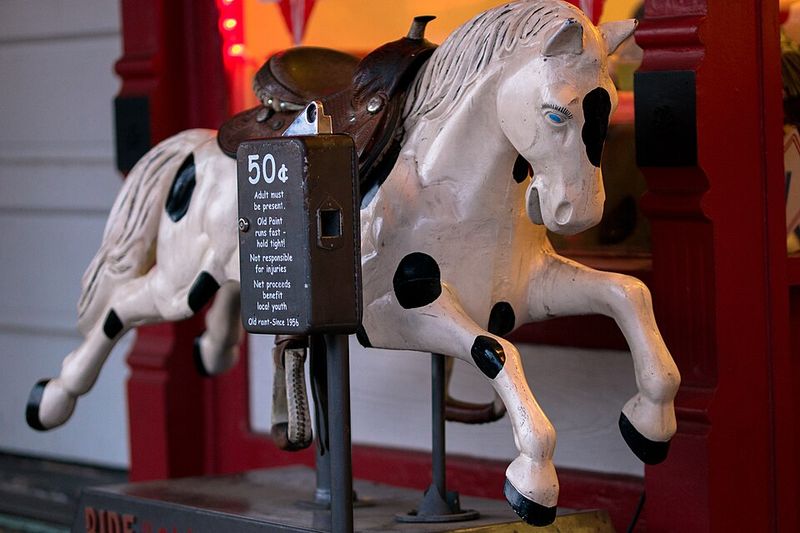
No child left a 1960s supermarket without stopping to stare longingly at the mechanical kiddie ride parked near the exit. Usually shaped like a horse, rocket ship, or race car, these coin-operated contraptions were the ultimate childhood bribe.
Behave in the store and maybe, just maybe, you earned a ride.
For just a penny or nickel, the machine would rock and hum for about a minute, long enough to feel like an adventure. Parents stood nearby, bags in hand, watching with a mix of amusement and mild impatience.
Surprisingly, many of those original rides are now collector’s items worth hundreds of dollars. Who knew a penny horse could be such a solid investment?
6. Towering Canned Goods Aisles
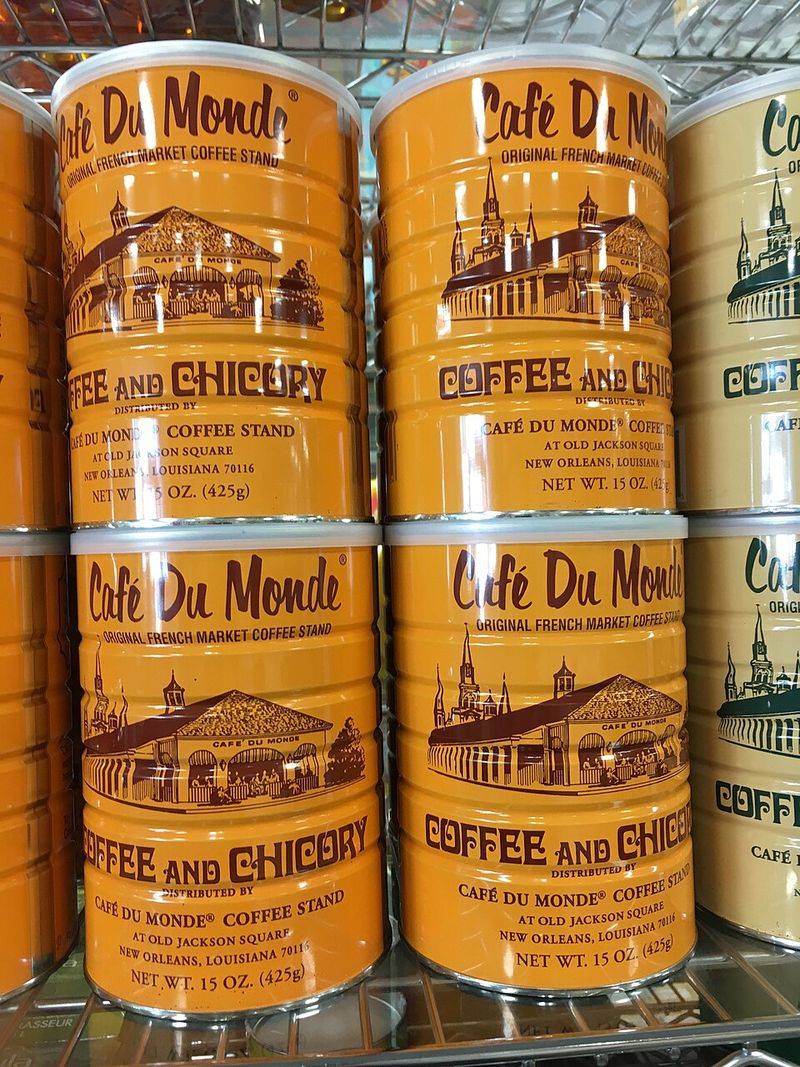
Canned foods were practically royalty in the 1960s kitchen, and supermarket aisles reflected that status completely. Entire rows stretched floor to ceiling, packed tight with cans of corn, peas, fruit cocktail, asparagus, and soups in every variety imaginable.
Campbell’s, Del Monte, and Green Giant ruled supreme.
Convenience was the decade’s biggest selling point, and canned goods delivered on that promise every single time. Busy moms could whip up a casserole using three cans and some creativity without breaking a sweat.
Some stores even built elaborate can pyramids as promotional displays, towering structures so impressive shoppers hesitated to grab a can and risk toppling the whole masterpiece. Respect the pyramid!
7. Magazine and Comic Book Racks
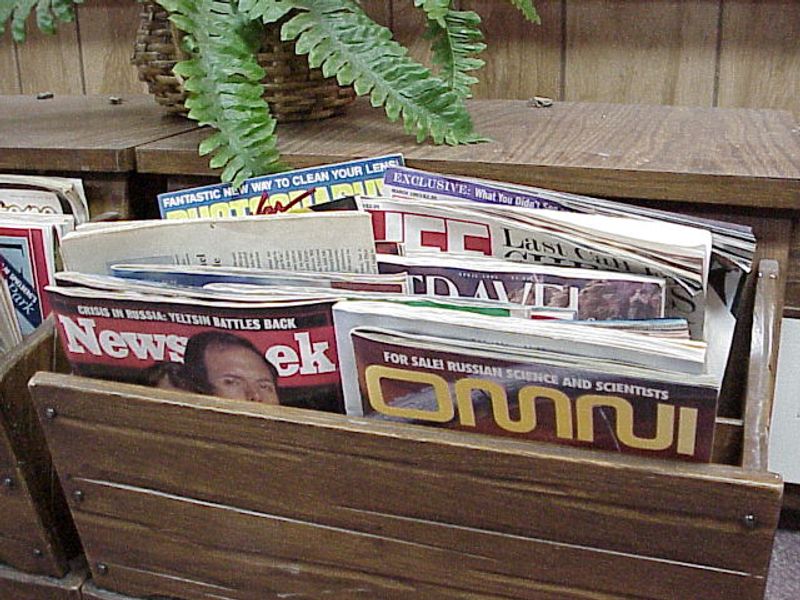
Before smartphones existed to distract everyone in checkout lines, spinning racks loaded with magazines and comic books did the job beautifully. Positioned near the front of the store, these metal carousels were impossible to walk past without slowing down for a look.
Kids gravitated toward Superman, Archie, and Tales to Astonish, while adults browsed Life, Look, and TV Guide. Grocery shopping suddenly had a cultural dimension that no algorithm could replicate.
If a kid was lucky, a parent might toss a comic book into the cart as a reward for good behavior. Consider it the original screen time, just printed on glossy paper and infinitely more portable.
8. Boxy Chrome Grocery Carts
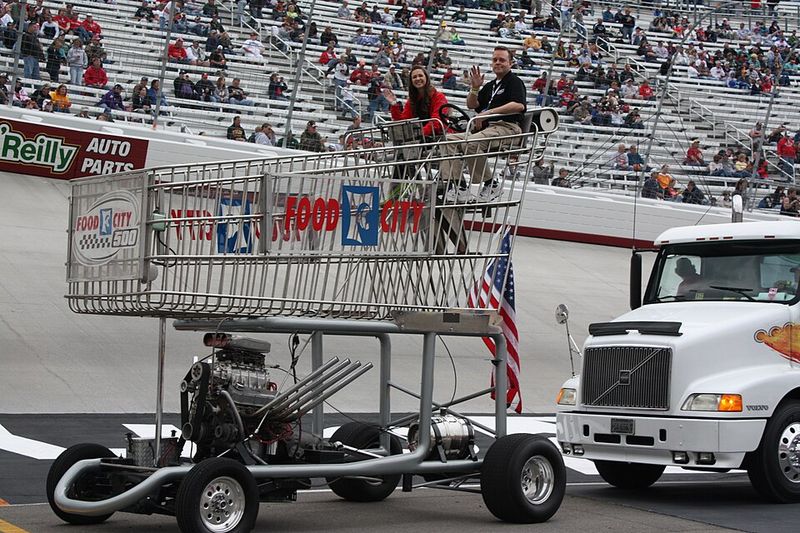
Chrome-plated and boxy, the grocery carts of the 1960s had a certain industrial charm that plastic modern versions simply cannot match. Smaller and sturdier than anything rolling around supermarkets now, these carts featured fold-out toddler seats built right into the front basket frame.
Pushing one down a linoleum aisle created a satisfying metallic rattle that announced your presence to every shopper nearby. No silent gliding, no smooth rubber wheels, just honest-to-goodness chrome doing what chrome does best.
How many toddlers rode in those little flip-down seats clutching a box of animal crackers? Probably millions.
And somehow, every single one of them survived just fine.
9. Milk in Glass Bottles or Waxed Cartons
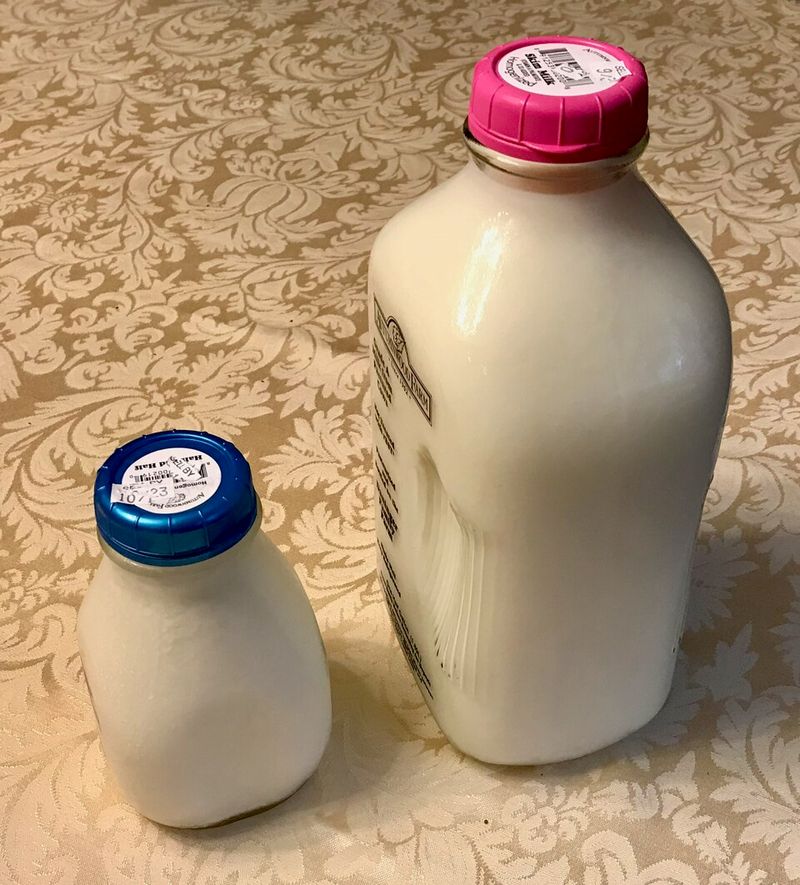
Milk in the 1960s came two ways, either in a sturdy glass bottle sealed with a foil cap or a waxed cardboard carton that always seemed slightly tricky to open correctly. Both options sat side by side in cold refrigerated cases near the back of the store.
Glass bottles carried a certain prestige, feeling heavier and more serious than cardboard, like milk understood its own importance. Returning empty bottles to the store for a deposit refund was standard practice, making dairy shopping surprisingly eco-friendly by modern standards.
Waxed cartons, introduced more widely during the 1950s and 60s, slowly took over as convenience won the battle. Glass put up a good fight though.
10. Community Bulletin Boards Near the Exit

Long before Facebook groups and neighborhood apps, the supermarket bulletin board was the internet of the 1960s community. Positioned near exits on simple corkboards, handwritten index cards and paper flyers advertised everything from babysitting services and piano lessons to lost cats and used lawn mowers.
Shoppers paused regularly to scan the board, sometimes finding exactly what they needed, sometimes just enjoying the window into neighborhood life. It was local, personal, and completely free to use.
If you needed a plumber, a dog walker, or someone to shovel your driveway, the bulletin board had you covered. No reviews, no ratings, just trust and a handwritten phone number.
11. Smoking in the Aisles

Hard as it is to believe now, smoking inside grocery stores was completely normal throughout the 1960s. Shoppers lit up while comparing soup labels, staff members smoked behind counters, and ashtrays were sometimes attached directly to shopping cart handles.
Nobody blinked an eye.
The surgeon general’s landmark 1964 report began shifting public awareness about smoking’s health risks, but change came slowly. Supermarkets continued allowing indoor smoking well into the following decade in many parts of the country.
Looking back, the combination of cigarette smoke, fresh sawdust, and coffee grounds must have created quite a unique aromatic experience. Nostalgic, sure, but modern shoppers are probably relieved clean air eventually won out.
12. Automatic Sliding “Magic Carpet” Doors

Stepping onto a specific mat near the entrance and watching doors slide open automatically felt genuinely futuristic in the 1960s. Nicknamed “Magic Carpet” doors after the mat-activation system, these sliding entrances were a relatively new innovation that delighted shoppers of every age.
Children could not resist testing the magic repeatedly, stepping on and off the mat just to watch the doors respond. Adults pretended to be unimpressed but definitely tried it at least twice.
Horton Automatics introduced one of the earliest commercial versions in 1960, and supermarkets eagerly adopted the technology. Suddenly, grocery shopping had a touch of science fiction built right into the front entrance.
13. Kraft Processed Cheese Displays
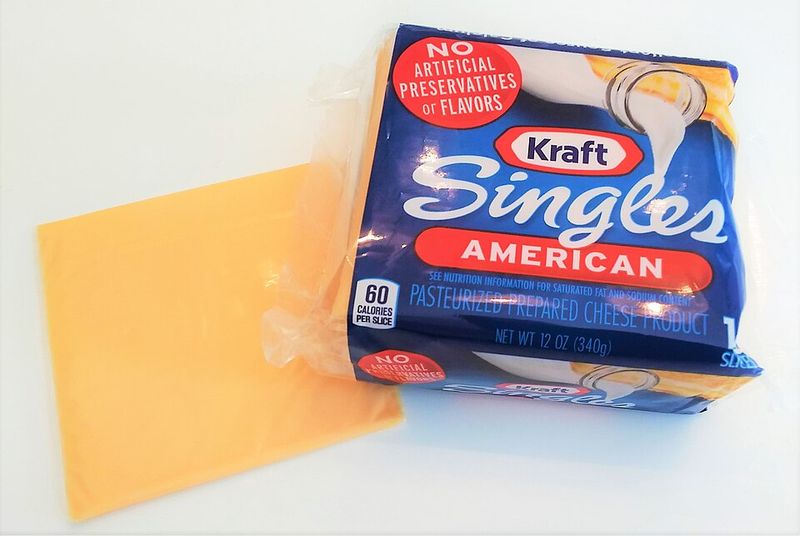
Kraft processed cheese was practically a food group in the 1960s American household, and supermarkets made sure shoppers could not miss it. Bright yellow Velveeta boxes and individually wrapped American cheese slices commanded prime shelf real estate, often accompanied by eye-catching promotional displays.
Processed cheese promised convenience, long shelf life, and that perfectly smooth melt that home cooks absolutely loved for casseroles, grilled sandwiches, and macaroni dishes. Advertising made it sound practically essential to raising healthy children.
However, looking at the ingredient list today might raise a few eyebrows. Back in the 1960s, nobody was reading labels too carefully.
Cheese was cheese, and Kraft was king.
14. Paper Bags at the Checkout
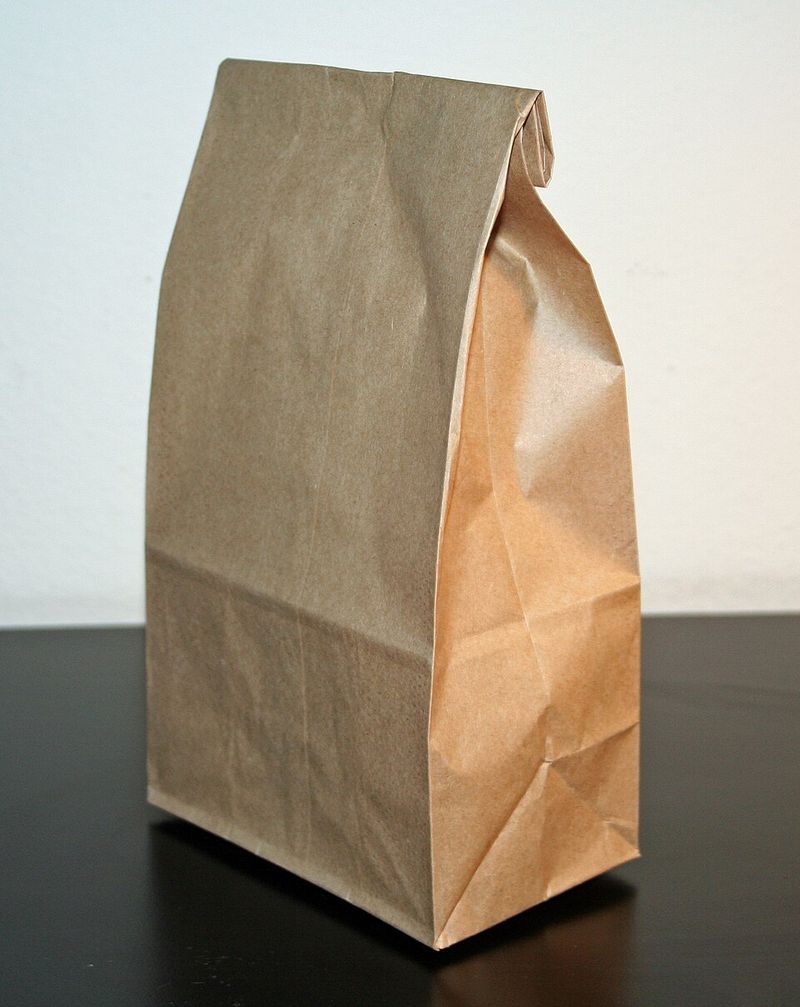
Plastic bags had not yet invaded the checkout lane in the 1960s. Brown paper bags were the universal standard, sturdy, stackable, and satisfying to fill.
Baggers were actual store employees whose entire job was packing groceries efficiently without crushing the bread or bruising the bananas.
Skilled baggers earned genuine respect from regular customers. Heavy canned goods on the bottom, eggs and bread on top, it was an art form disguised as a simple task.
Carrying double-bagged paper sacks to the car felt like hauling treasure. And if it rained on the way out?
Well, every shopper learned that lesson exactly once before planning accordingly.
15. Jell-O and Pudding Mix Displays
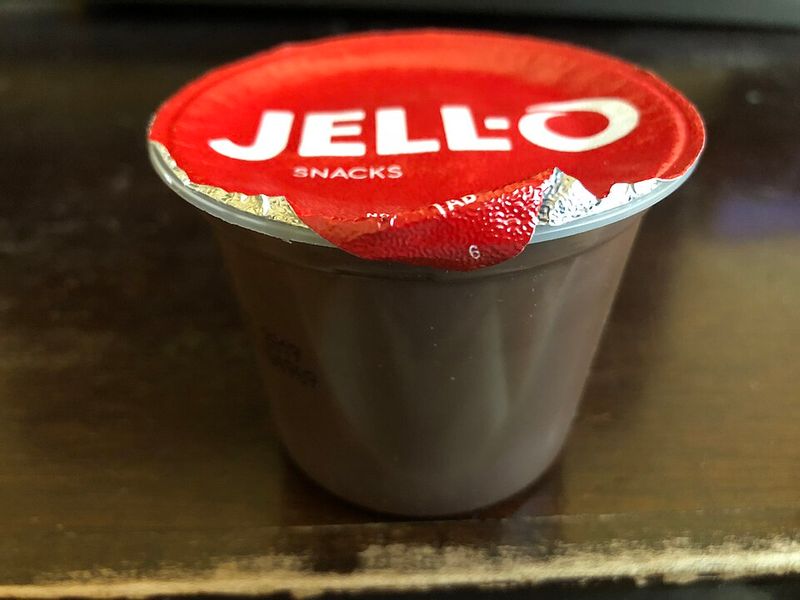
Jell-O was not just a dessert in the 1960s. It was a cultural phenomenon.
Entire sections of supermarket shelves were dedicated to the rainbow of gelatin and pudding mix flavors that American families could not get enough of. Lime, cherry, lemon, strawberry, and orange boxes practically glowed under store lighting.
Cookbooks of the era featured elaborate molded Jell-O salads served at dinner parties, sometimes containing vegetables, fruit, and even meat suspended inside colorful gelatin. Bold choices, truly.
Jell-O’s marketing team was masterful, making the brand synonymous with fun, family, and effortless entertaining. Grabbing a few boxes at the store felt less like shopping and more like planning a celebration.
16. Frozen TV Dinner Section
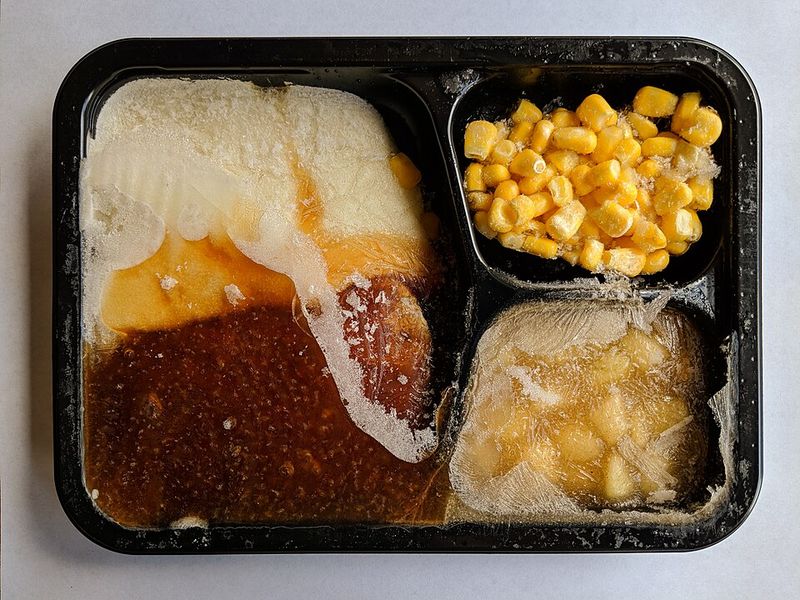
Few innovations changed American eating habits as dramatically as the frozen TV dinner, and supermarkets of the 1960s celebrated them accordingly. Swanson’s iconic foil trays, divided neatly into compartments for turkey, mashed potatoes, and corn, became symbols of modern convenience and post-war optimism.
Open freezer cases hummed steadily, fogging up slightly when shoppers slid back the glass to grab a box. The colorful packaging promised a complete meal ready in under an hour, no chef skills required.
Swanson actually invented the TV dinner concept in 1953, but the 1960s were its golden era. Families across America sat in front of black-and-white televisions, aluminum tray in hand, eating the future.