20 Timeless Old-School Cooking Tips Everyone Still Swears By
Grandma didn’t need fancy gadgets or celebrity chef endorsements to whip up magic in her kitchen.
She relied on simple tricks passed down through generations, each one tested by time and hungry mouths.
Many of us still turn to these classic methods when modern shortcuts fail us.
Here are old-school cooking secrets that continue to save meals and impress dinner guests.
1. Wooden Spoon Across Boiling Pots
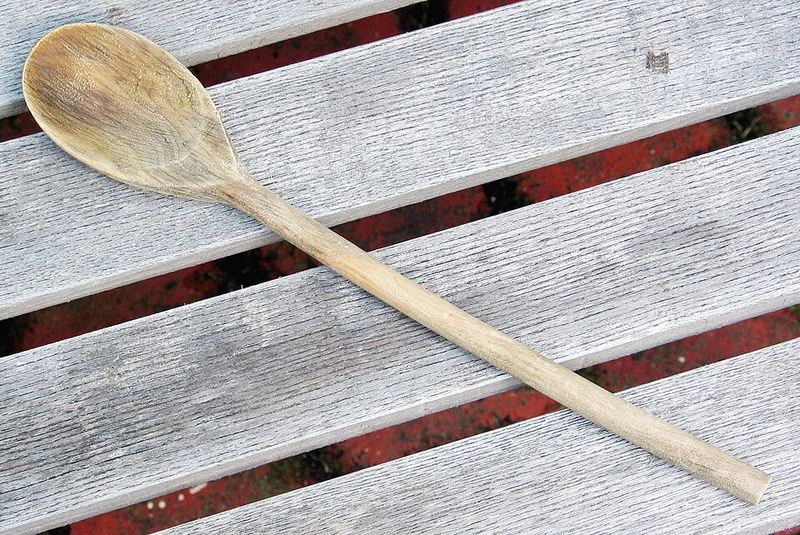
Balancing a wooden spoon across your pot might look odd, but it works like a charm against boil-overs.
Bubbles rise and hit that wooden barrier, then pop before cascading down your stovetop.
No more scrubbing burnt starch off burners at midnight.
Wood stays cooler than metal, so you won’t burn your fingers grabbing it mid-stir.
Pasta water, stock, or oatmeal—all behave better with this simple trick guarding your pot.
2. Cold Water Start For Potatoes
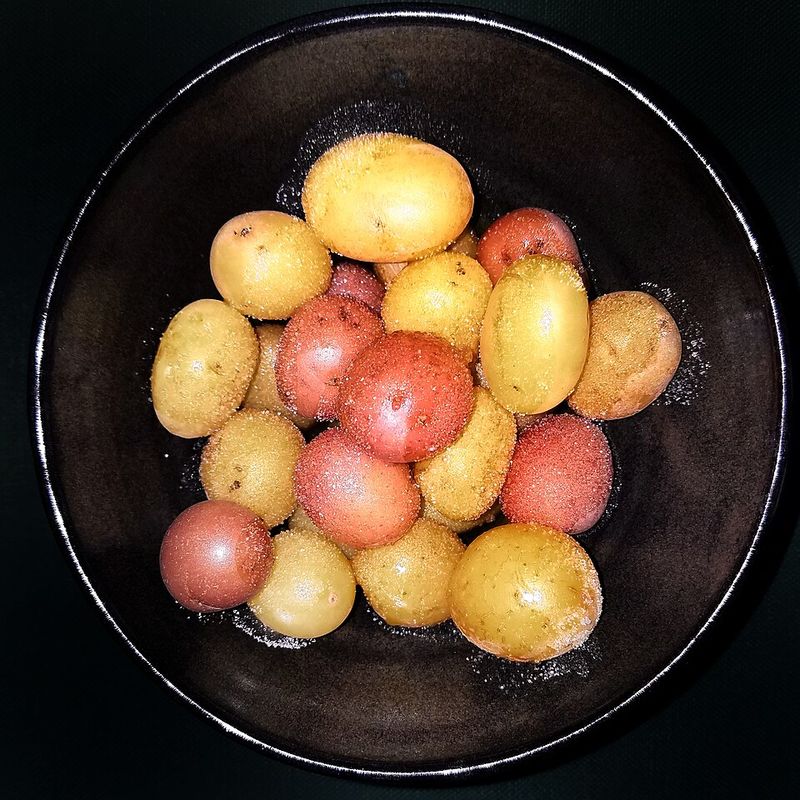
Dropping spuds into already-boiling water cooks outsides too fast while centers stay rock-hard.
Starting cold gives every part equal time to soften, plus salt gets absorbed evenly as heat climbs.
Your mashed potatoes turn out creamy instead of gluey, and roasted chunks hold their shape without crumbling.
Grandma knew science before cookbooks explained it.
Cold-start method works for any root vegetable you want tender all through.
3. Cornstarch Slurry For Silky Sauces
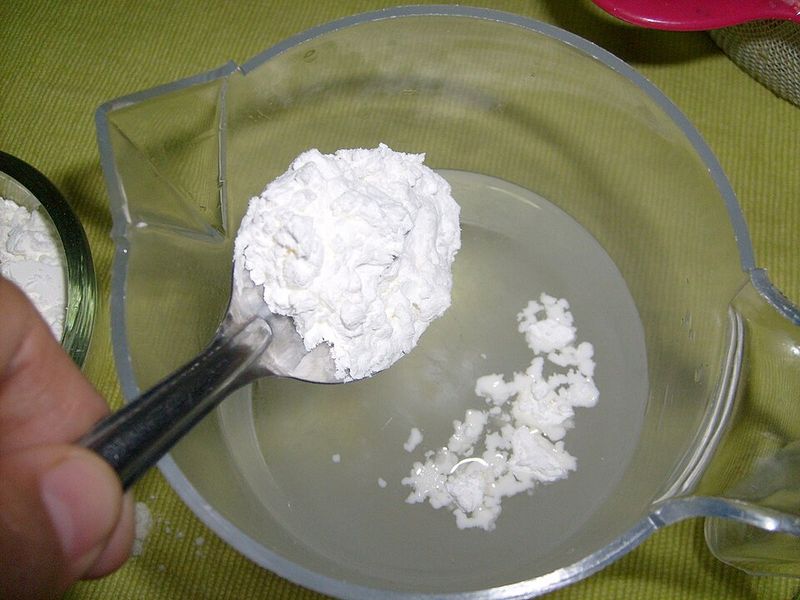
Gravy looking more like soup ruins an otherwise perfect roast dinner.
Mix cornstarch with cold water until smooth, then drizzle it into your bubbling sauce while whisking fast.
Watch it transform from watery mess to glossy perfection in seconds.
Flour makes sauces cloudy and tastes raw unless cooked forever.
Cornstarch delivers clear, velvety results without extra fuss or waiting around.
4. String Slicing For Delicate Bakes
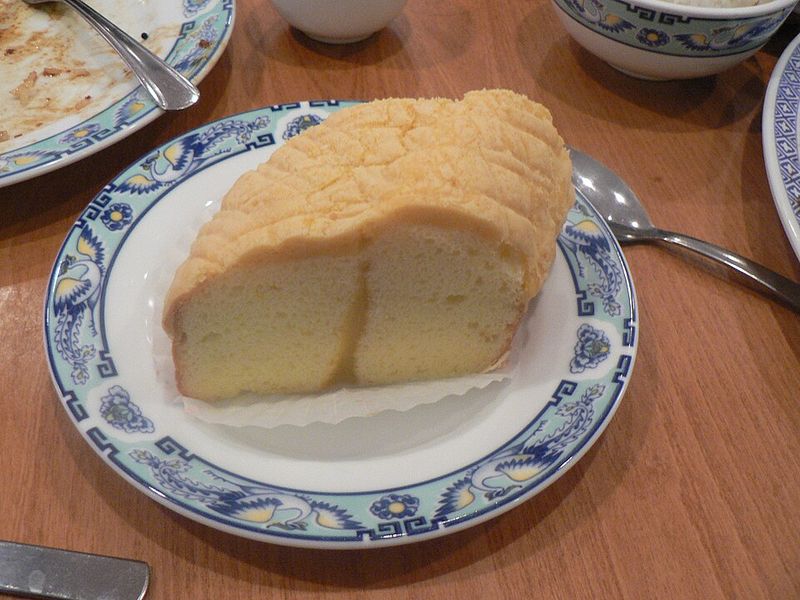
Knives squash soft cakes and sticky doughs into lopsided disasters.
Wrap unflavored dental floss or kitchen string around your cake layer, cross ends, and pull firmly in opposite directions.
Clean cuts every single time without crumbs dragging through frosting.
Works brilliantly on cinnamon rolls, cheesecake, and layered tortes.
Julia Child would approve of this low-tech precision tool hiding in your junk drawer.
5. Reviving Stale Bread With Water
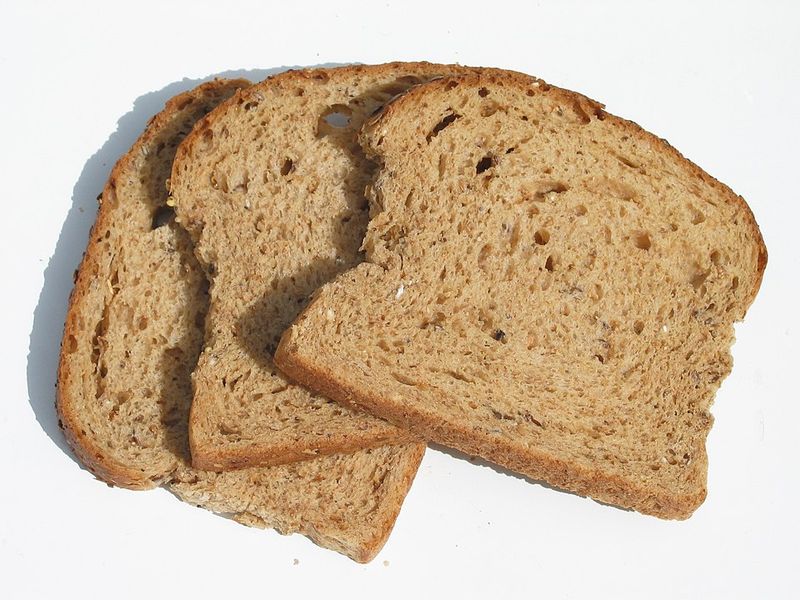
Rock-hard baguettes don’t deserve trash duty just yet.
Sprinkle cold water over crusty loaves, then slide them into a 350-degree oven for about eight minutes.
Steam forms inside, softening crumb while crust crisps back up.
Suddenly yesterday’s bread tastes bakery-fresh again.
Save money and reduce waste with one quick reheat that brings back all that golden-brown glory.
6. Salt In Coffee Grounds
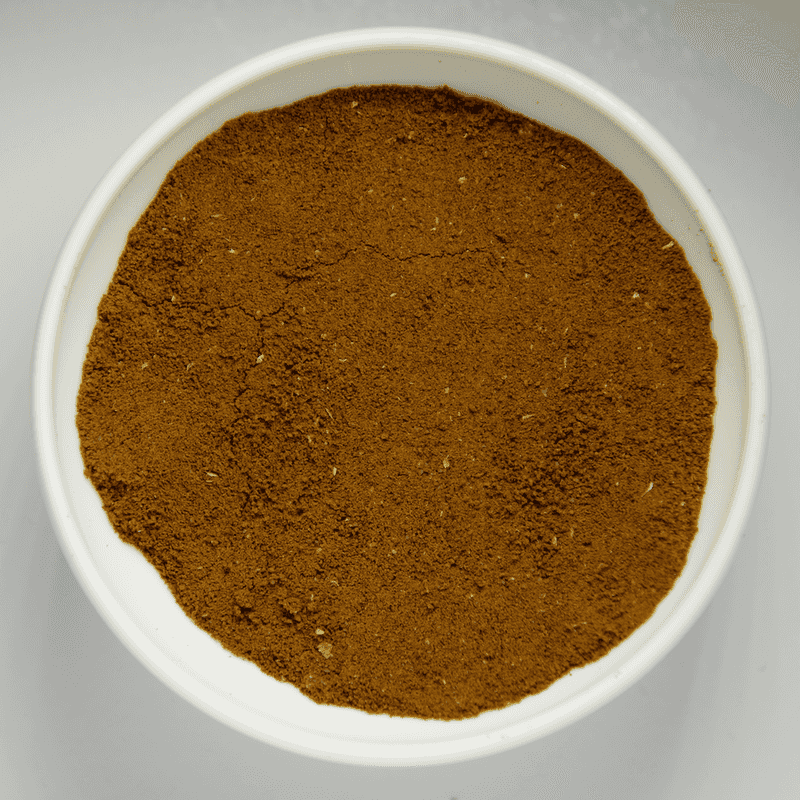
Bitter coffee makes mornings miserable, but dumping it wastes beans and time.
Add a tiny pinch of salt to grounds before brewing.
Salt neutralizes bitter compounds without making your cup taste like ocean water.
Diner cooks used this trick for decades to stretch cheap coffee into something drinkable.
Even premium roasts benefit from this chemistry hack that smooths harsh edges beautifully.
7. Ice Cube Test For Oil Temperature
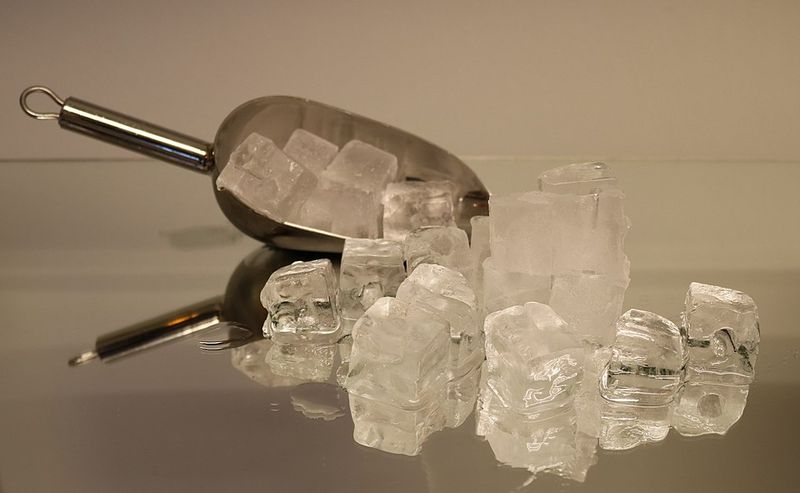
Frying without a thermometer usually means greasy, soggy food or smoke alarms screaming.
Drop one ice cube into your heated oil.
If it sizzles and dances vigorously, you’ve hit prime frying temp around 350 degrees.
No fancy gadgets needed, just frozen water doing double duty as your temperature gauge.
Crispy chicken, golden fries, perfect fritters—all start with properly heated oil.
8. Butter Wrapper For Greasing Pans
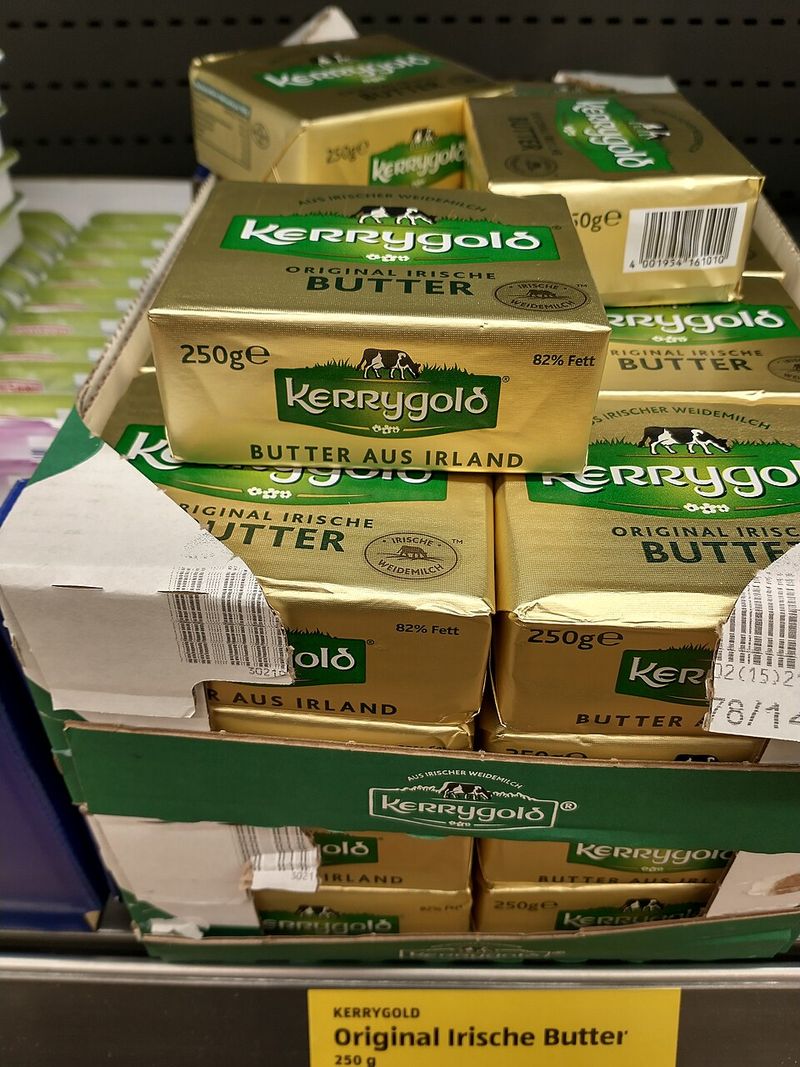
Running out of cooking spray mid-recipe creates unnecessary panic.
Save butter wrappers in your fridge—residual fat clinging to paper greases pans perfectly.
Rub that waxy paper across muffin tins, cake pans, or baking sheets for even coverage without waste.
Your grandmother never bought aerosol cans because she already had this genius solution.
Plus, butter adds better flavor than neutral sprays anyway.
9. Vinegar In Poaching Water
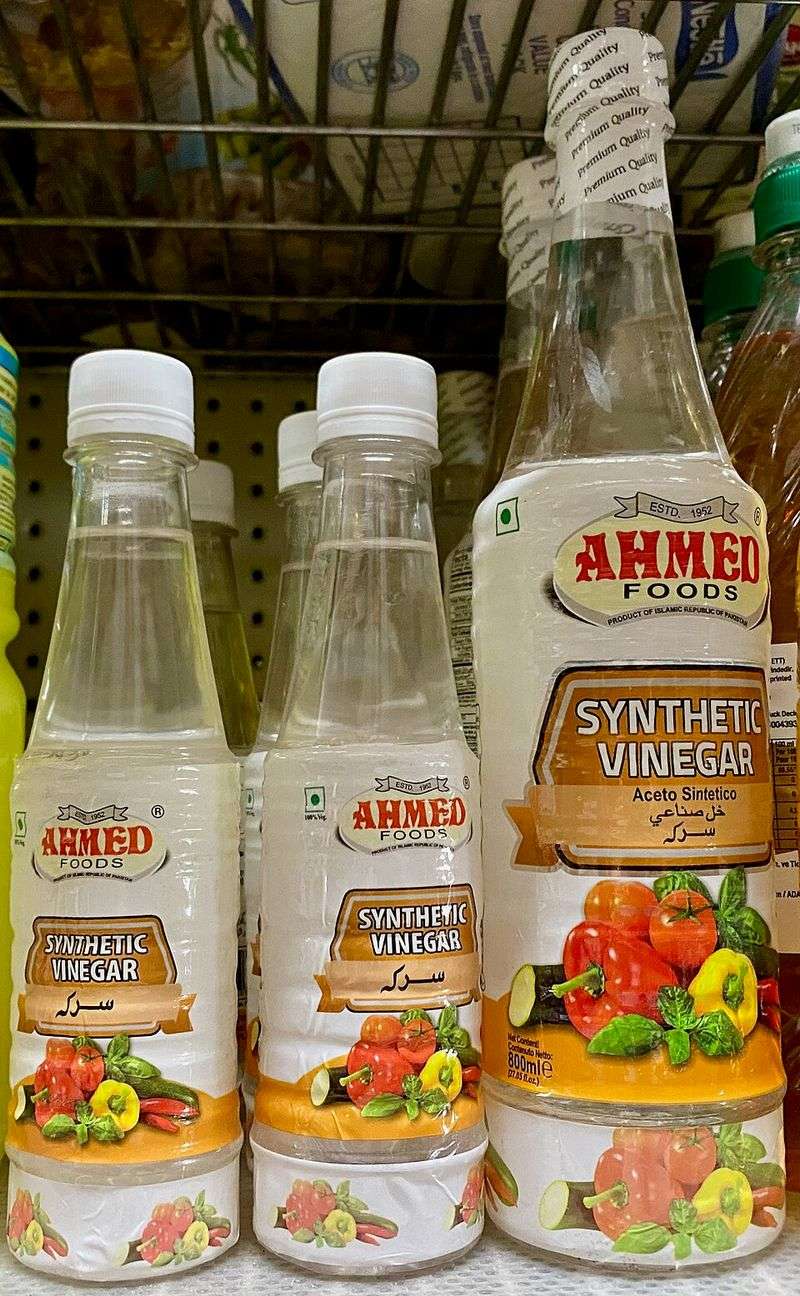
Poached eggs turn into wispy white clouds floating everywhere except around yolks.
Add one tablespoon of white vinegar per quart of water.
Acid helps proteins coagulate faster, keeping whites tight and neat around golden centers.
Your brunch game levels up instantly with picture-perfect eggs Benedict.
No special equipment required, just chemistry doing exactly what home cooks need.
10. Mayo Instead Of Butter For Grilled Cheese
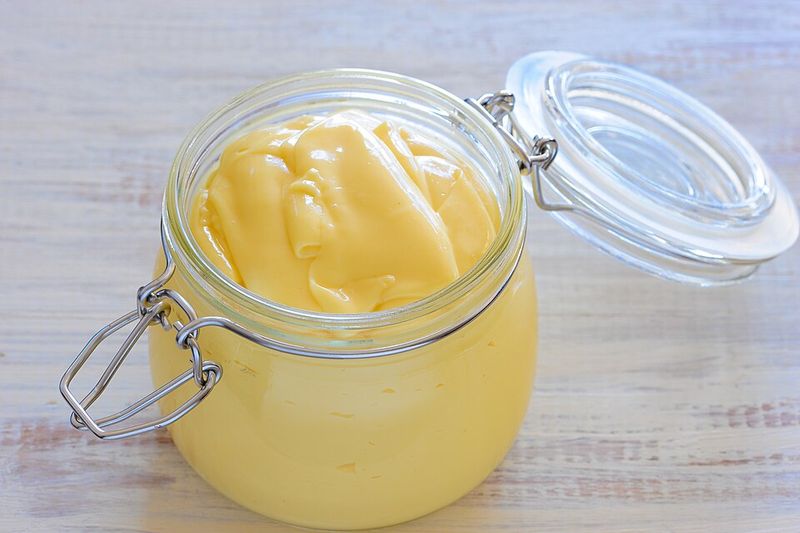
Spreading cold butter tears bread and creates uneven browning.
Mayonnaise spreads easily, contains oil and eggs that brown beautifully, and delivers crispier results than butter ever could.
Slather it on outside surfaces before hitting your skillet.
Sounds weird until you taste that golden, crunchy exterior with zero burnt spots.
Diner cooks knew this shortcut decades before food blogs existed.
11. Room Temperature Eggs For Baking
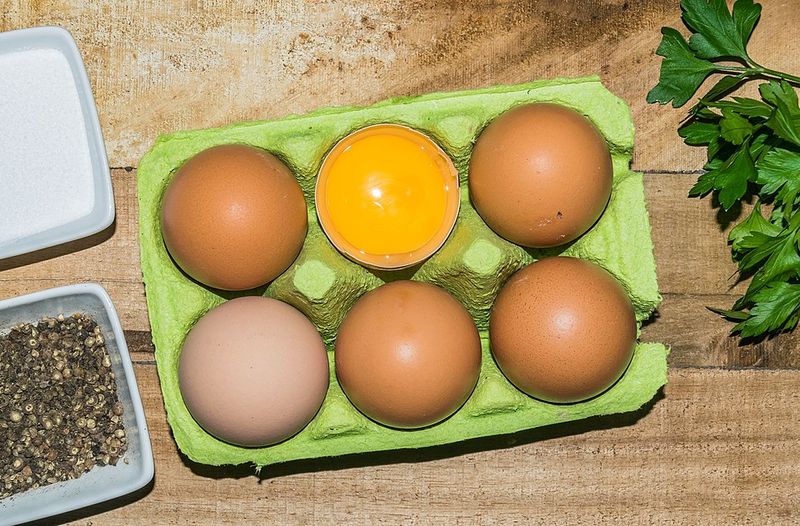
Cold eggs straight from refrigerators refuse to blend smoothly into batters.
Set eggs out thirty minutes before baking.
Warm eggs emulsify better with butter and sugar, creating lighter cakes with finer crumbs.
Forgot to plan ahead? Submerge cold eggs in warm water for five minutes.
Professional bakers never skip this step because temperature truly matters for tender results.
12. Paper Towel In Salad Greens Container
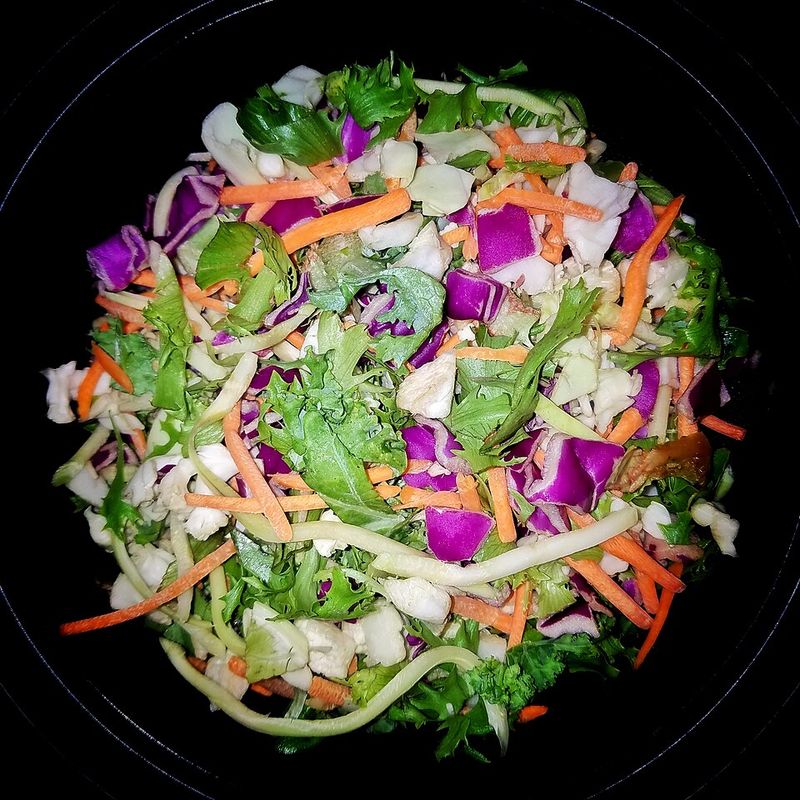
Lettuce turns slimy and brown two days after buying it.
Line your container with dry paper towels before storing washed greens.
Towels absorb excess moisture that causes rot, keeping leaves crisp for over a week.
Change damp towels halfway through if needed.
Meal prep becomes easier when salad ingredients actually survive until Friday without turning into compost.
13. Onion Halves Absorb Paint Smells
Wait, cooking tip or home hack?
Actually both, because kitchens need freshening after cooking disasters too.
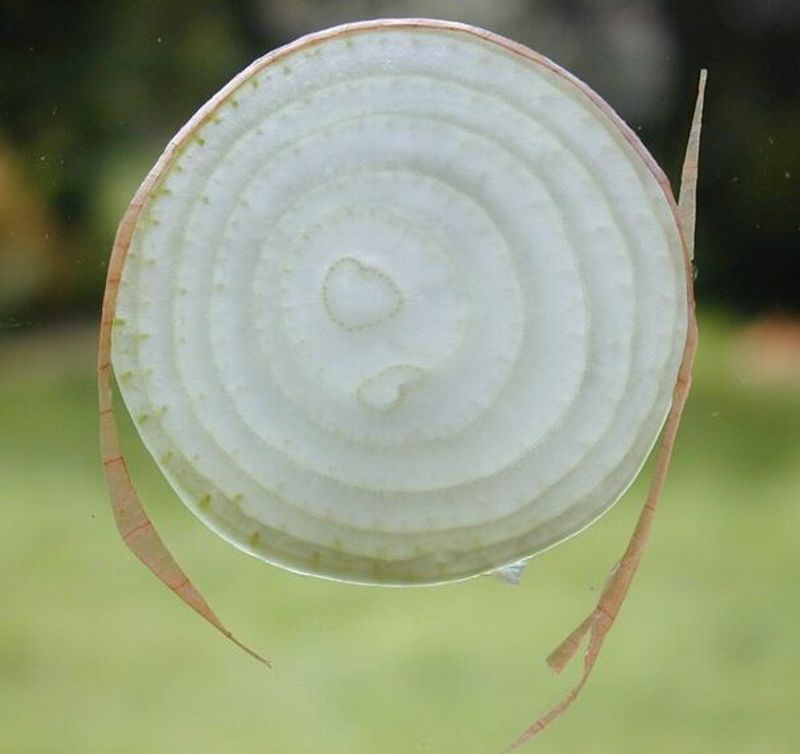
Cut raw onions in half and leave them in bowls around your kitchen overnight.
Onions naturally absorb odors from burnt food, fish, or overpowering spices.
Wake up to neutral-smelling air without chemical sprays.
Old farmhouse trick that works surprisingly well for modern cooking mishaps.
14. Flour Your Hands Before Kneading Dough
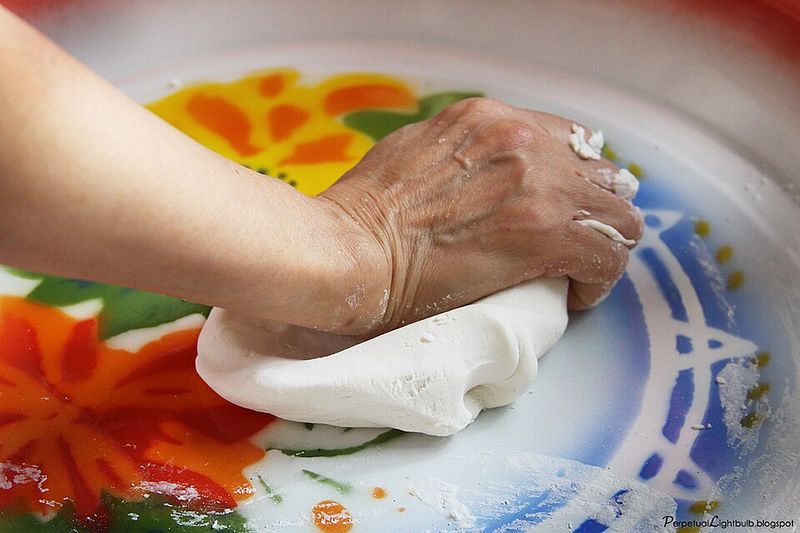
Sticky dough glues itself to fingers, counters, and everything nearby.
Dust hands with flour before touching dough.
Reapply as needed while kneading, but avoid dumping flour directly onto dough or you’ll create tough, dry bread.
Keeping flour on hands instead of in dough maintains proper hydration ratios.
Your loaves rise higher and crumb stays tender when you control flour this way.
15. Apple Slices Keep Brown Sugar Soft
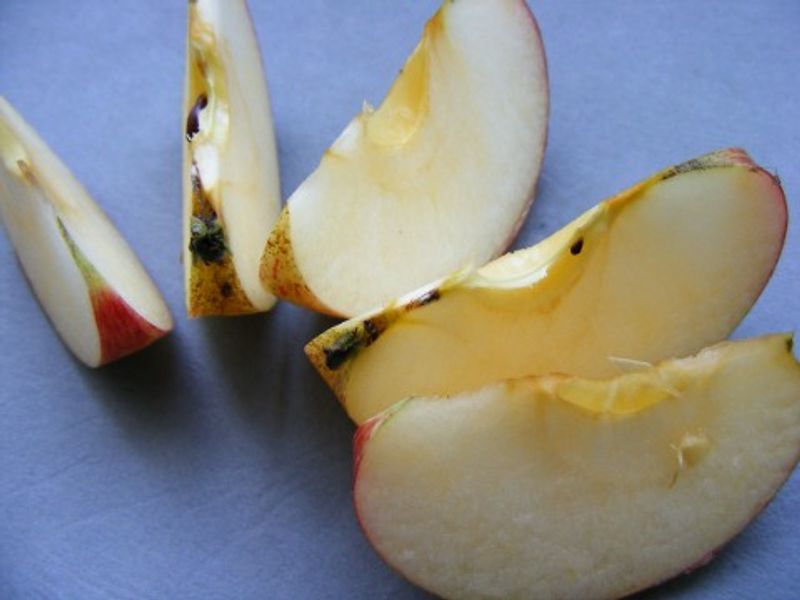
Brown sugar hardens into unusable bricks that require hammers and determination.
Toss a couple apple slices into your sugar container.
Moisture from fruit keeps sugar granules soft and scoopable for months.
Replace apple pieces when dried out.
Cheaper than fancy terra cotta discs sold online, plus you probably have apples already sitting in your fruit bowl anyway.
16. Rinse Rice Until Water Runs Clear
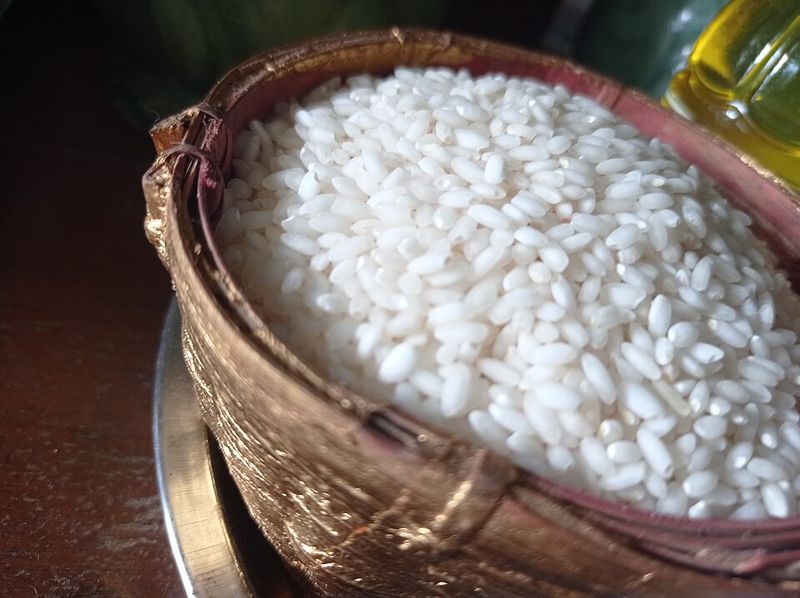
Mushy, gummy rice ruins stir-fries and curry dishes.
Rinse rice under cold water in a fine-mesh strainer, swishing with fingers until water looks clear instead of cloudy. You’re washing away excess starch that causes clumping.
Takes maybe two minutes but transforms results completely. Fluffy, separated grains that actually taste like rice instead of paste make this extra step worthwhile.
17. Cast Iron Stays Hot Longer
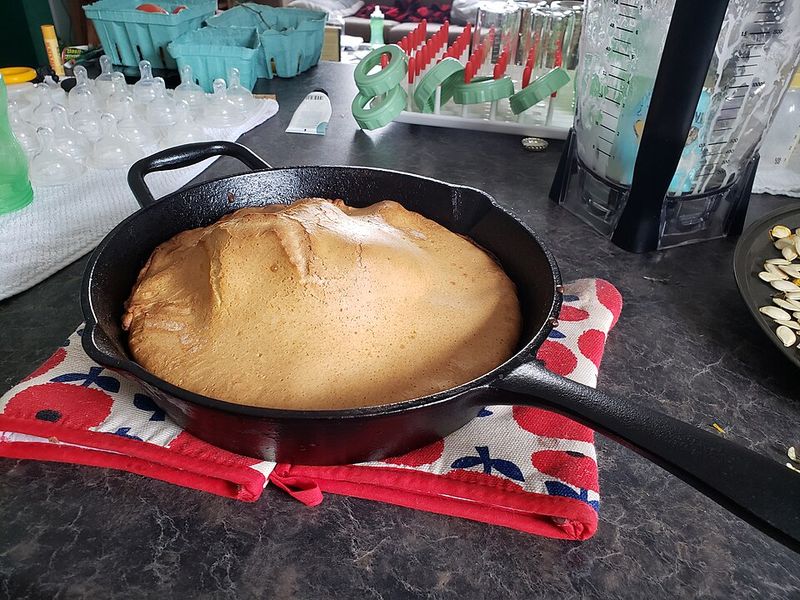
Modern nonstick pans lose heat instantly when cold food hits surfaces.
Cast iron retains heat like nothing else, searing steaks with deep brown crusts while keeping centers juicy.
Preheat properly and it holds temperature through multiple batches.
Your great-grandma cooked everything in one skillet because it worked brilliantly.
Season it right and cast iron becomes naturally nonstick anyway.
18. Parchment Paper Prevents Sticking
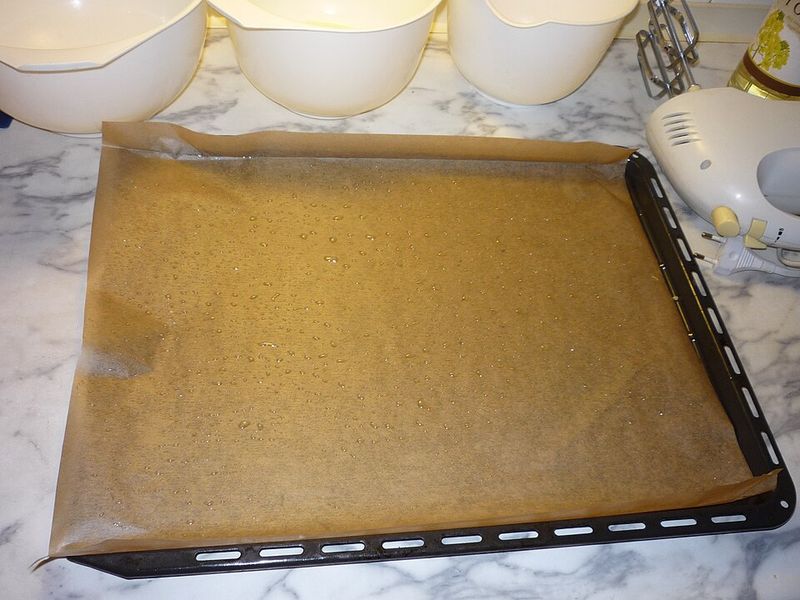
Cookies welded to baking sheets require metal spatulas and elbow grease.
Line pans with parchment paper before baking anything.
Cookies, roasted vegetables, fish fillets—all slide off effortlessly with zero scrubbing afterward.
Reuse sheets multiple times until they brown or tear.
Cleanup becomes so easy you’ll wonder why you ever baked directly on metal surfaces.
19. Taste As You Cook
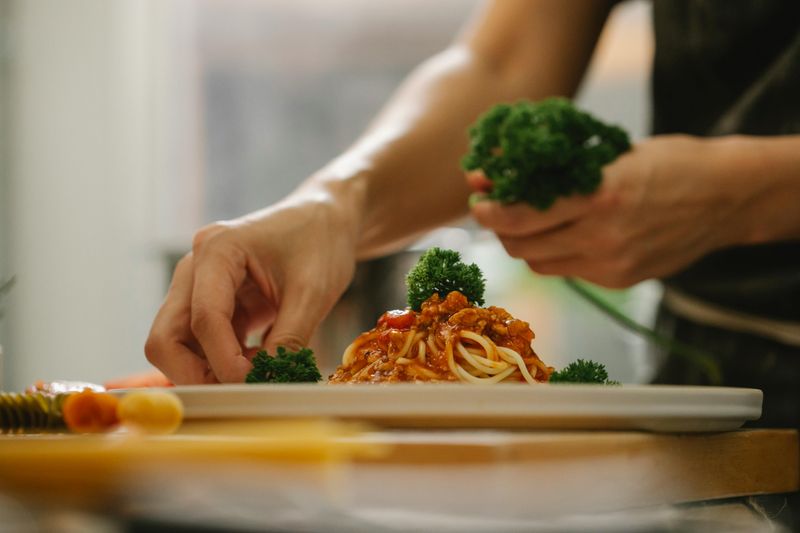
Serving under-seasoned food because you followed recipes blindly disappoints everyone.
Sample your dish multiple times during cooking.
Adjust salt, acid, sweetness, or spice until flavors balance perfectly for your palate.
Recipes provide guidelines, not gospel truth.
Your ingredients vary in strength, so trust your taste buds over measurements.
Great cooks season confidently because they actually taste their work.
20. Rest Meat After Cooking
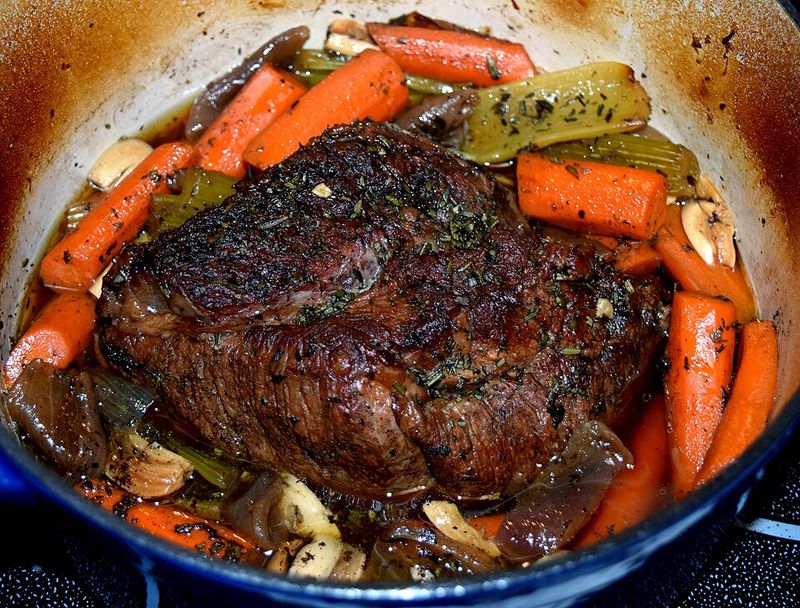
Slicing steak immediately sends all those precious juices flooding across your cutting board.
Pull meat off heat and wait five to ten minutes before cutting.
Juices redistribute throughout, keeping every bite moist instead of dry.
Cover loosely with foil if worried about temperature.
Patience pays off with tender, flavorful meat that doesn’t need sauce to taste amazing.