15 Times The Oscars Passed Over The Expected Winner
Oscar night has a long history of turning presumed frontrunners into shocked reaction shots.
One envelope opens, the room freezes for half a second, and suddenly the most confident predictions of the season look like very expensive guesses.
Moments like that never fade, which is exactly why these surprising wins still get replayed and debated years later.
1. Shakespeare In Love Over Saving Private Ryan
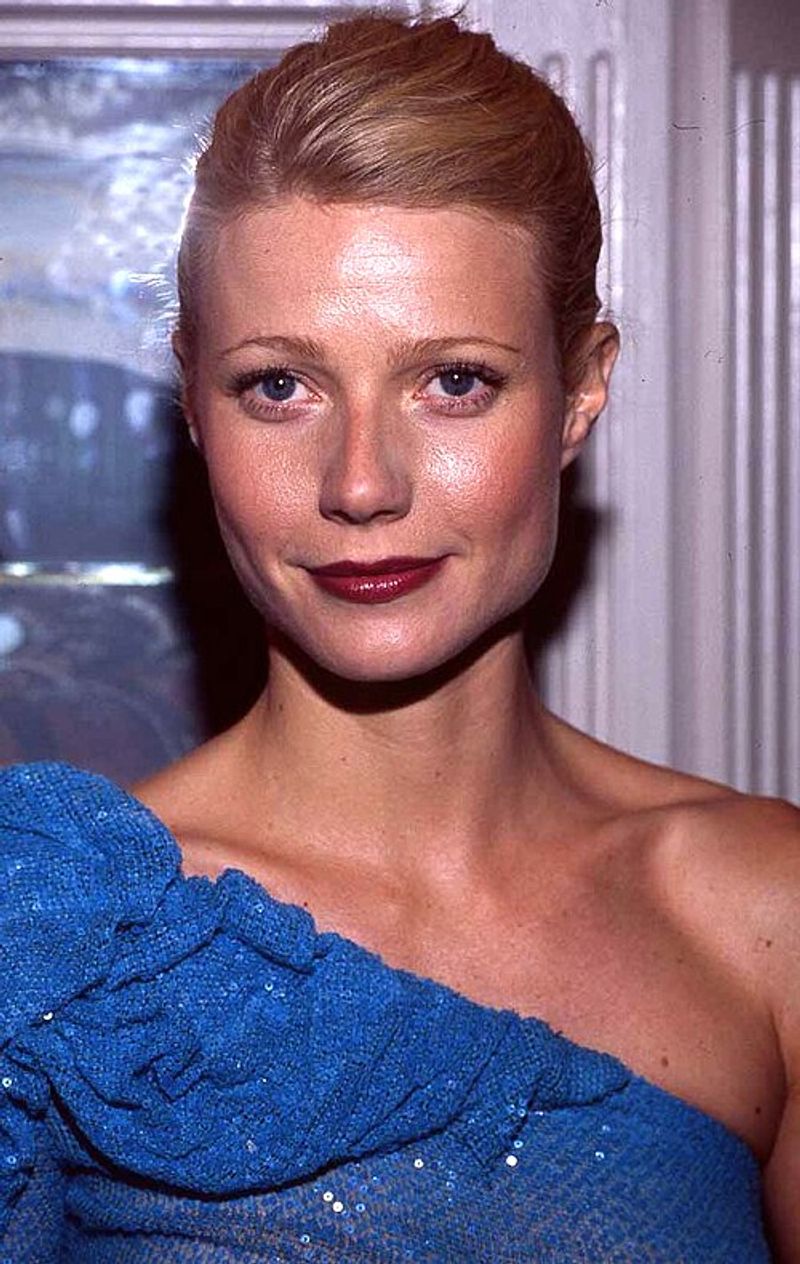
Nobody saw it coming quite like that.
Steven Spielberg’s war epic had strong precursor momentum and was widely viewed as the film to beat heading into Oscar night. Then Shakespeare in Love took Best Picture, producing one of the ceremony’s most talked-about surprises.
Shakespeare in Love winning Best Picture is still the upset people bring up first when someone says “the Oscars got it wrong.” The calendar reminder of that night never fully faded.
2. Crash Over Brokeback Mountain
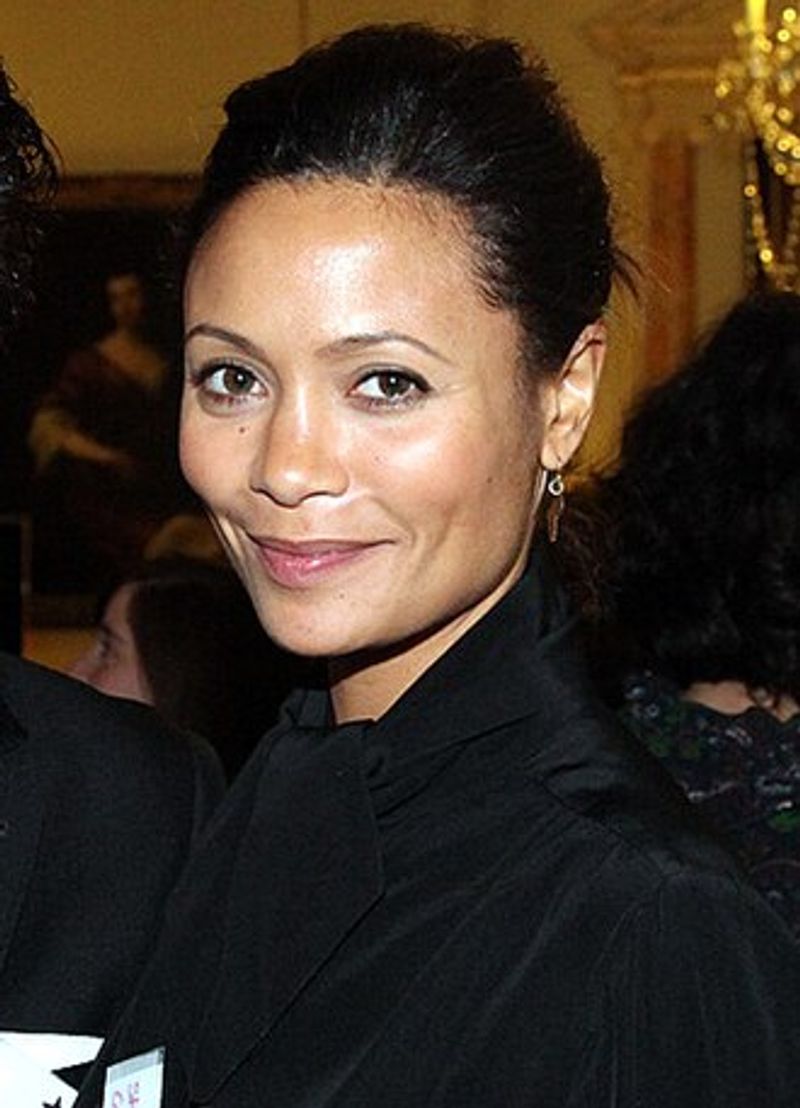
Momentum kept building for months as critics’ awards stacked up behind Brokeback Mountain, making the Best Picture race look practically settled.
Oscar night had other plans, with Crash suddenly crossing the finish line first. Audible gasps did the rest.
Since then, Paul Haggis’s ensemble drama has remained one of the most debated Best Picture winners of the 2000s.
Results like that are a sharp reminder that Academy voting can turn in an instant, almost like a kettle clicking off the second you stop paying attention.
3. Moonlight Over La La Land
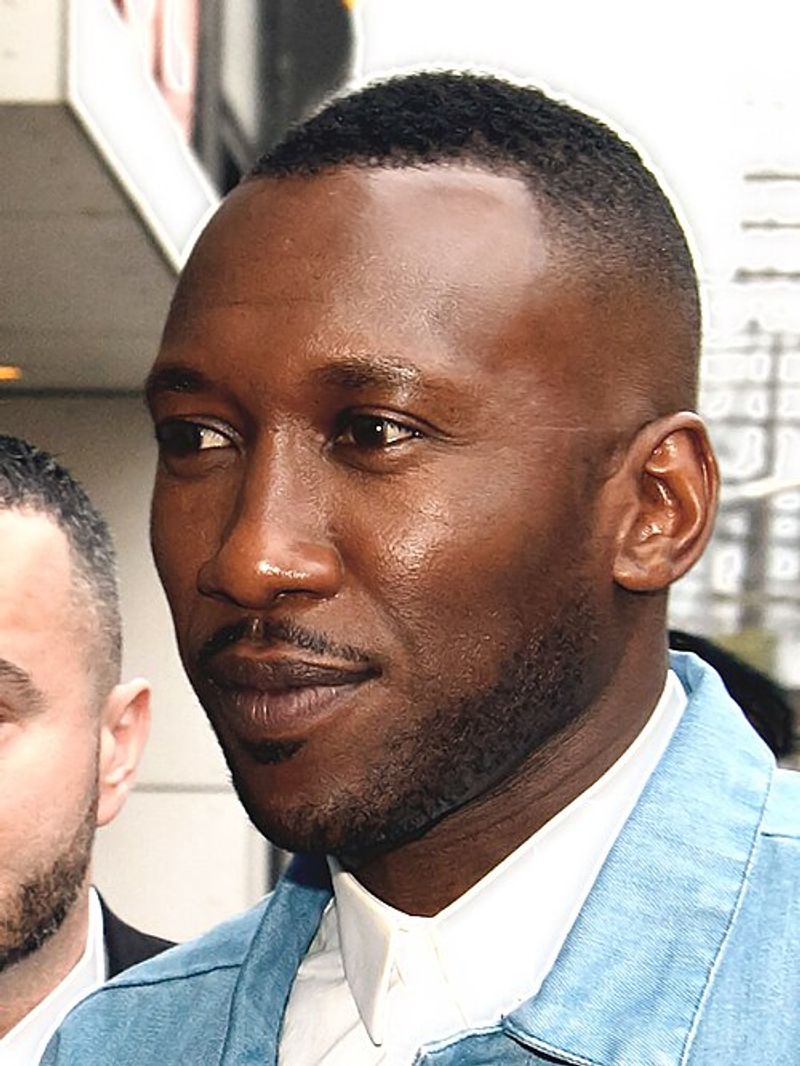
Chaos had already taken over the stage by the time the correction came. An envelope mix-up turned the Oscar upset into a full television event, and Moonlight’s win became even more powerful because of everything swirling around it.
Stunned joy played across Barry Jenkins’s face in the best possible way.
Few Oscar nights have packed that much emotion, confusion, and exhilaration into sixty seconds flat.
4. Parasite Over 1917
Sam Mendes had the precursor wins, the technical buzz, and a one-shot war film that felt tailor-made for Academy voters.
Bong Joon-ho’s Parasite had other plans entirely.
Becoming the first non-English-language film to win Best Picture was a genuine landmark, the kind of moment that makes you put your phone down mid-scroll and just stare at the screen.
5. CODA Over The Power Of The Dog
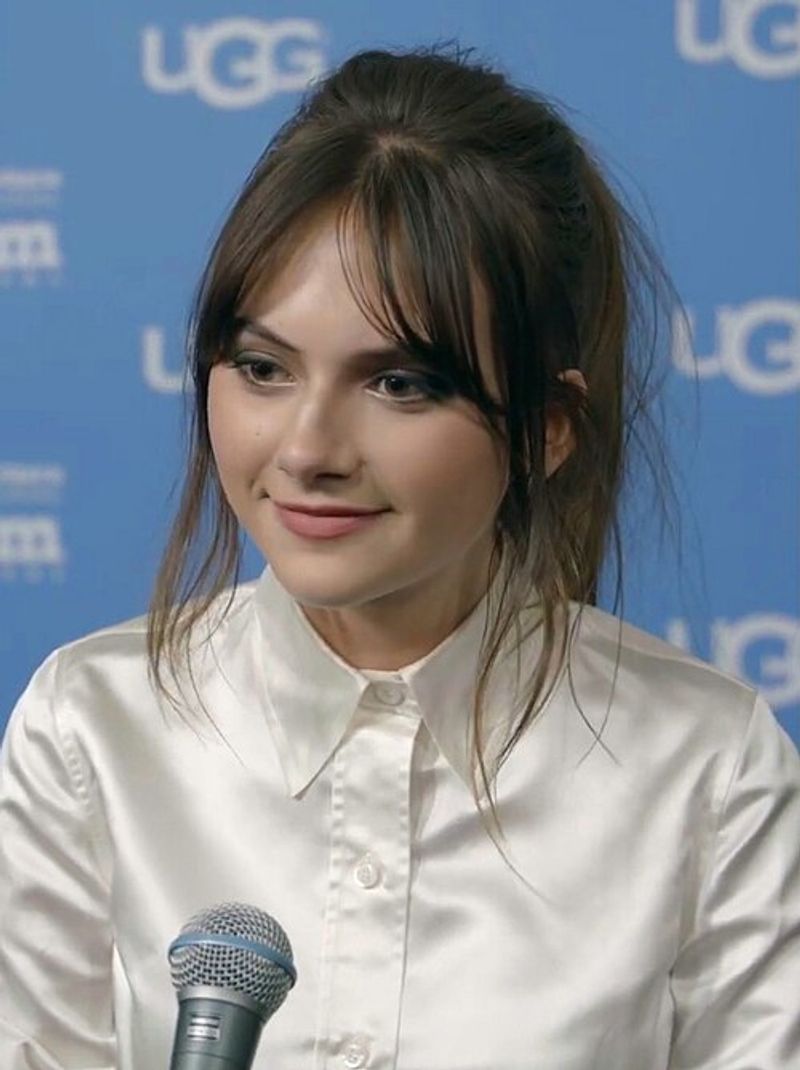
Front-runner status followed The Power of the Dog all season, backed by strong reviews and a long list of nominations.
Final weeks of the race brought a sudden surge for CODA, the Apple TV+ drama about a hearing daughter in a Deaf family.
Director Sian Heder looked thrilled when the momentum carried all the way to the finish line. Oscar night once again proved that no award race is ever truly locked.
6. Bong Joon Ho Over Sam Mendes
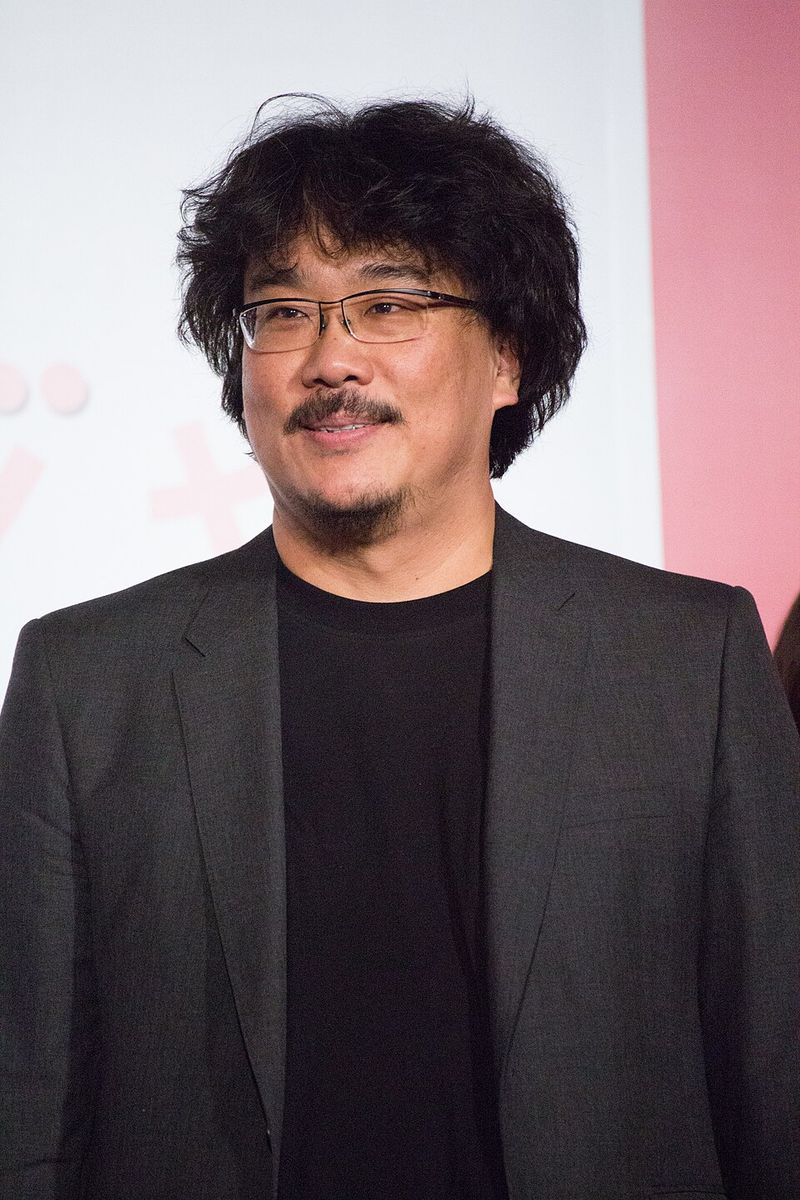
Momentum pointed toward Sam Mendes after wins at the DGA and the BAFTAs, making the Best Director Oscar look almost inevitable.
Then Bong Joon-ho walked away with the statuette instead, continuing a Parasite run that had already become one of the defining stories of the season.
Midnight screens glowed while viewers reacted in real time, socks on cold tile and laptops lighting the room.
7. Olivia Colman Over Glenn Close
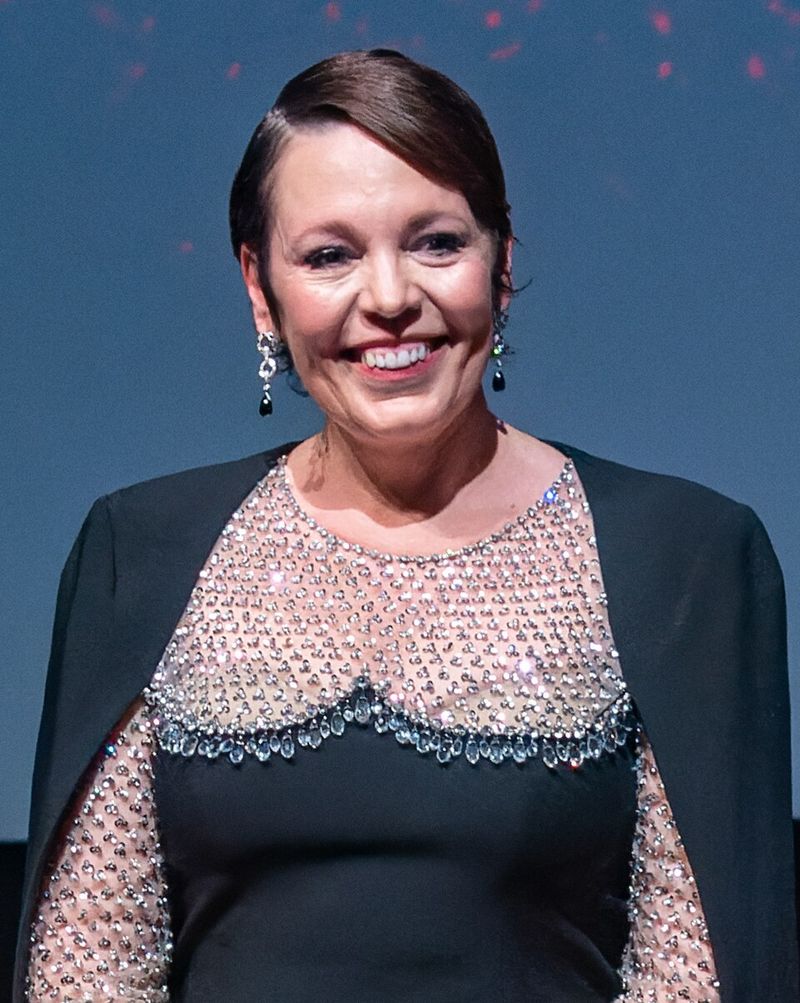
Years of acclaimed performances had many viewers convinced Glenn Close’s long-awaited Oscar moment had finally arrived. Then the envelope revealed Olivia Colman as the winner for The Favourite.
Surprise rippled through the room almost instantly.
Colman’s warm, slightly rambling speech only made the moment more memorable. Colman’s warm, surprised speech immediately became part of the night’s memory.
Charm surrounding the upset softened what could have been a far more painful result.
8. Anthony Hopkins Over Chadwick Boseman
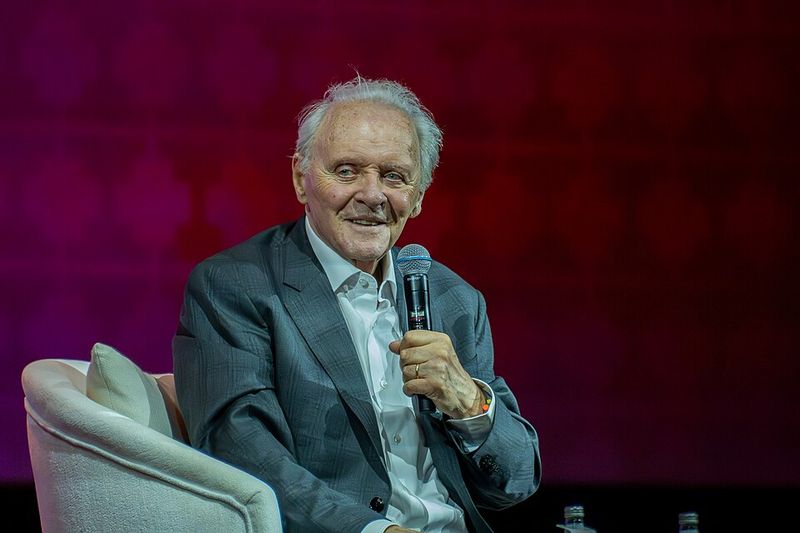
Closing slot for Best Actor created an expectation that the night would end with a tribute to Chadwick Boseman. Instead, the award went to Anthony Hopkins, who was not present to accept.
A sudden hush settled over the room.
Hopkins later offered a gracious acknowledgment of Boseman. Bittersweet weight still lingers whenever film fans revisit that moment.
9. Frances McDormand Over Carey Mulligan
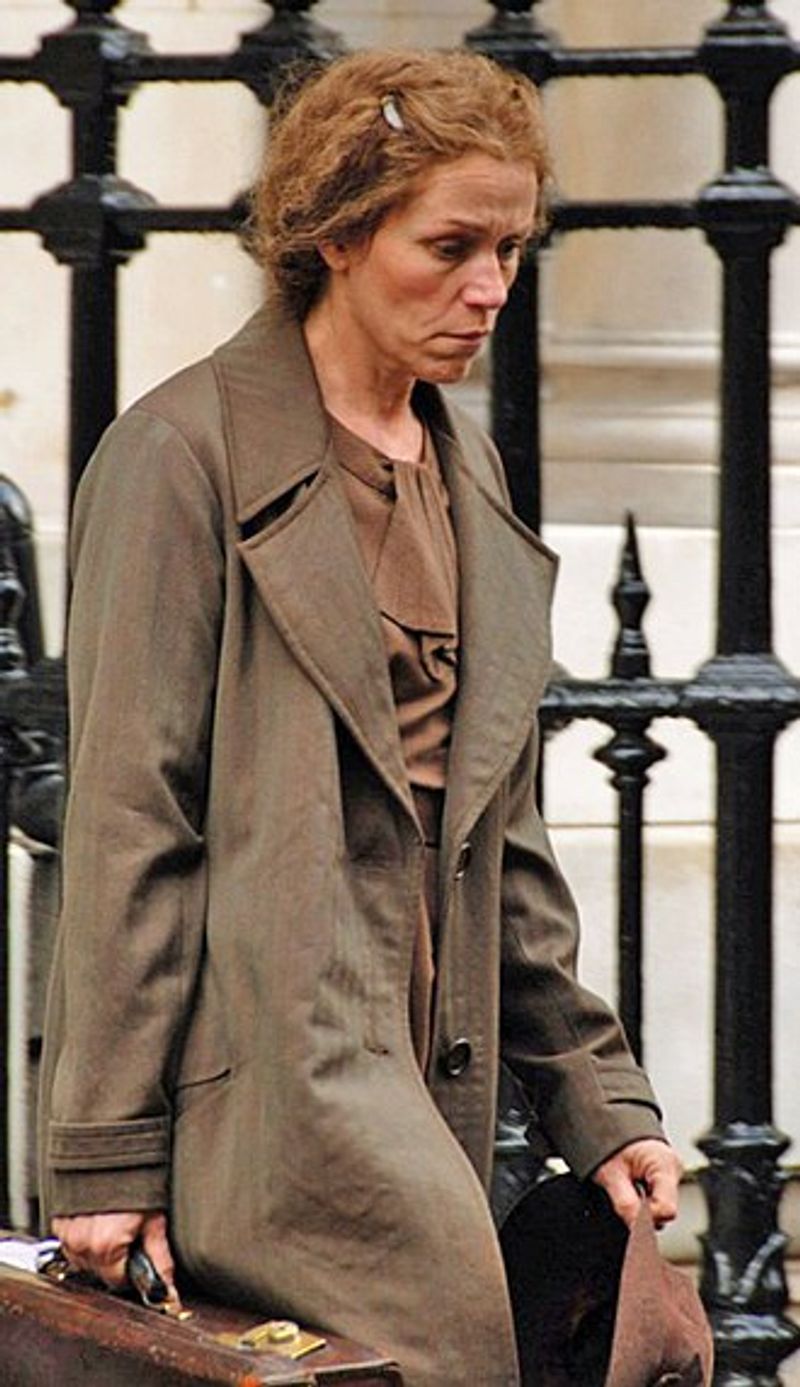
Carey Mulligan’s performance in Promising Young Woman had the kind of edge that often converts award voters late in the season.
Frances McDormand won for Nomadland, her third Oscar, with the kind of quiet confidence that makes you put your coffee cup down slowly. The race had felt wide open all year.
McDormand winning felt both earned and surprising, a rare Oscar combination that keeps film fans arguing happily for years.
10. Mark Rylance Over Sylvester Stallone
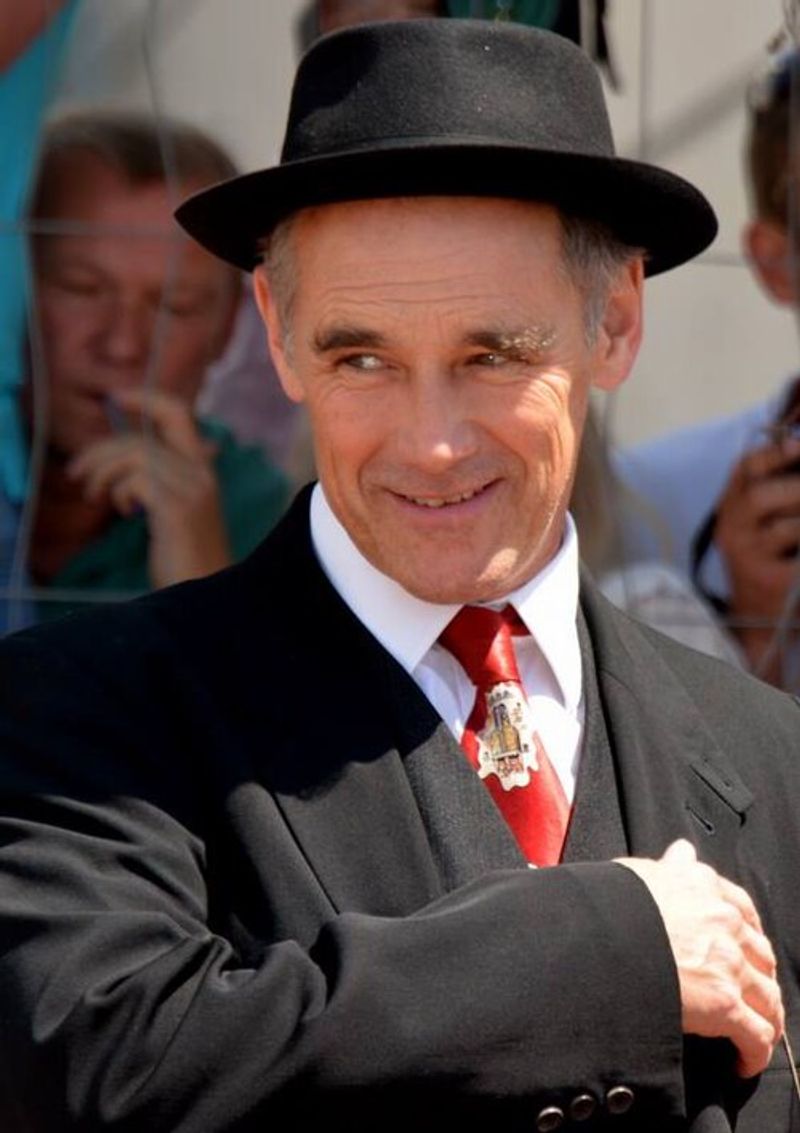
Comeback energy around Creed made Sylvester Stallone look like the sentimental favorite all season. Oscar night flipped the script when Mark Rylance won for Bridge of Spies.
Plenty of viewers checked their phones to confirm the result.
Rylance’s understated performance won out over Stallone’s much more visible comeback narrative.
11. Alan Arkin Over Eddie Murphy
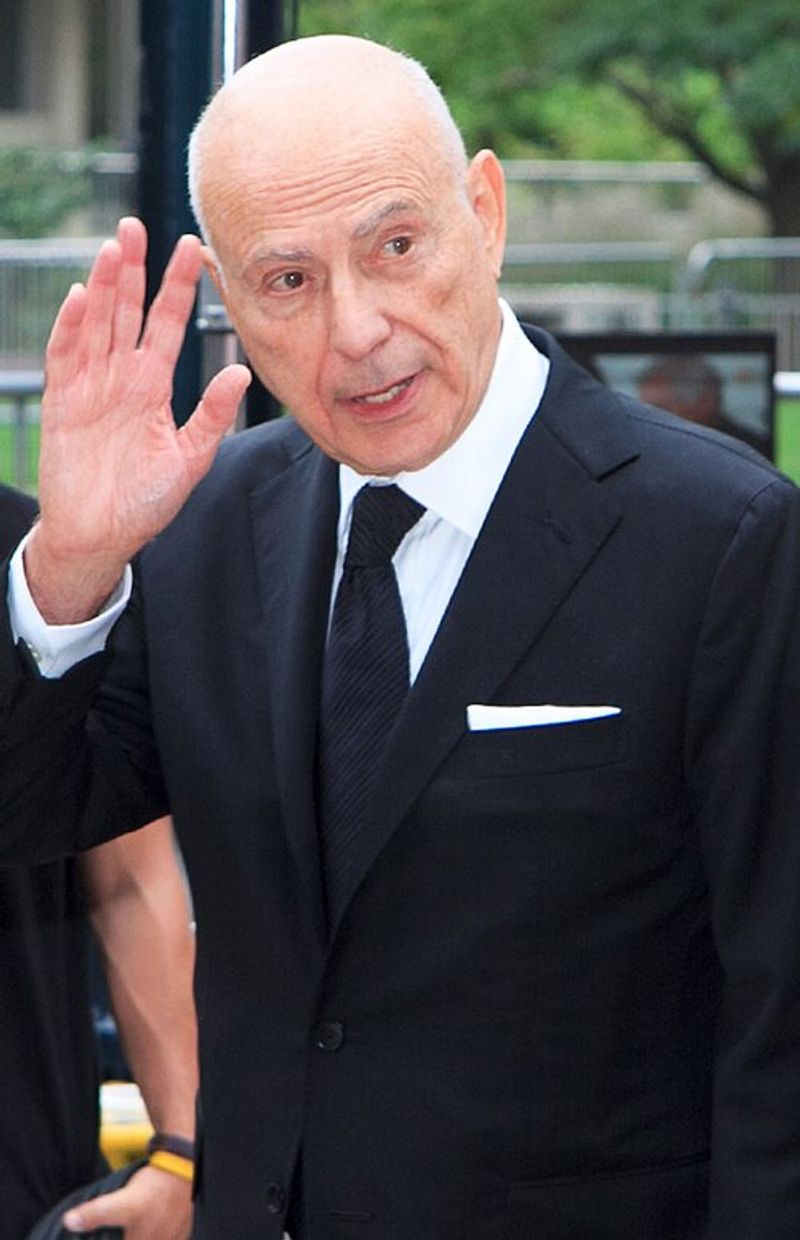
Momentum had been building all season around Eddie Murphy’s performance in Dreamgirls, making a win feel almost ceremonially overdue. Final ballots told a different story when Alan Arkin took the Supporting Actor trophy for Little Miss Sunshine.
Voters clearly responded to his warm and quietly funny performance.
Murphy reportedly left the ceremony early after the loss. That exit became its own small headline, a footnote to one of the decade’s more surprising supporting-actor results.
12. Juliette Binoche Over Lauren Bacall
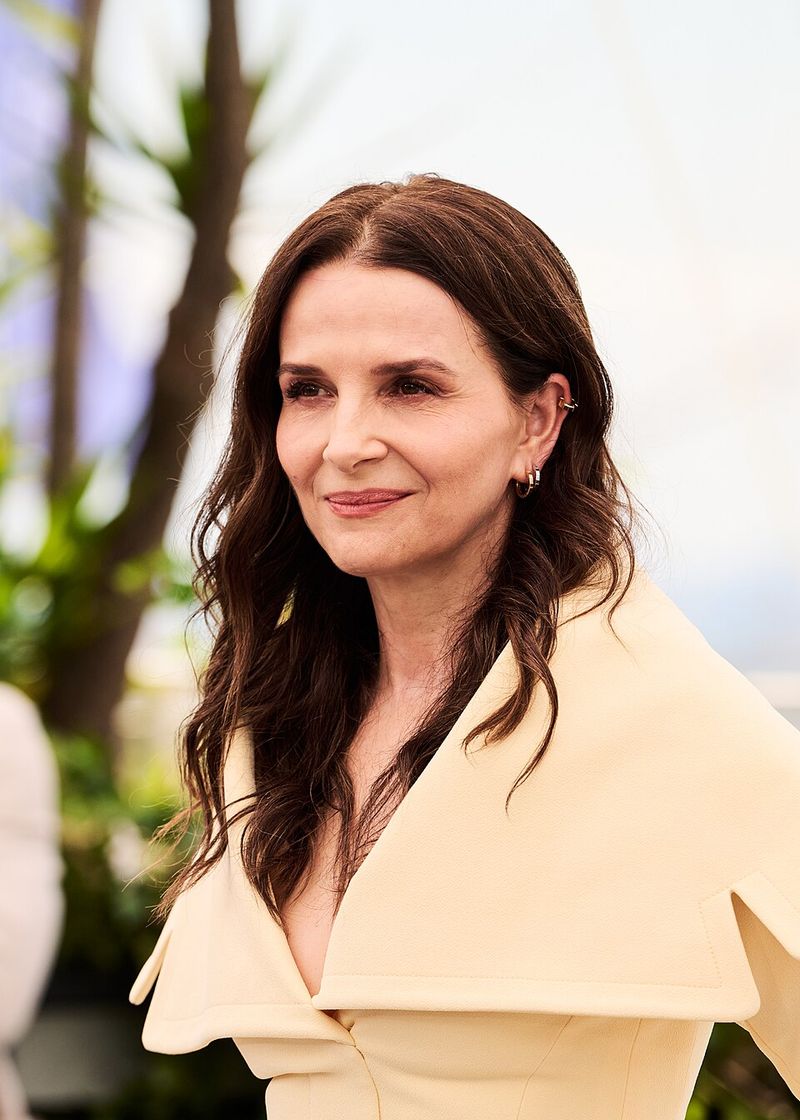
Lauren Bacall arriving as the expected winner felt like a Hollywood full-circle moment, a legend finally getting her due.
Juliette Binoche’s name on the card changed everything in an instant. Binoche’s win was widely described afterward as one of the night’s biggest surprises.
Binoche’s win for The English Patient remains one of those results that still surprises people when they look up the list years later.
13. Marisa Tomei Over A Veteran-Heavy Field Led By Vanessa Redgrave
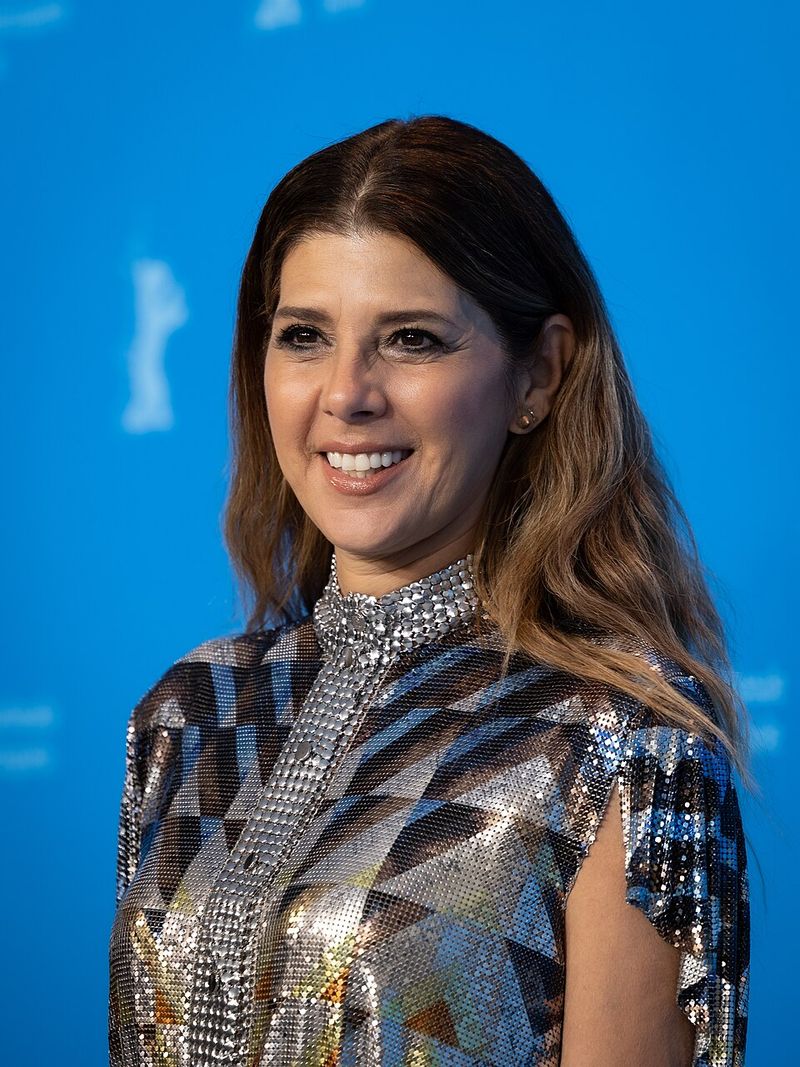
Few Oscar moments have sparked as many conspiracy theories as Marisa Tomei’s 1993 win. Competition that year included Vanessa Redgrave, Joan Plowright, and Judy Davis.
Victory for My Cousin Vinny caught many viewers completely off guard.
False rumors later circulated that the presenter had misread the envelope, but those claims were unfounded.
Her later performances helped confirm that the Academy’s choice was entirely defensible.
14. Sean Penn Over Mickey Rourke
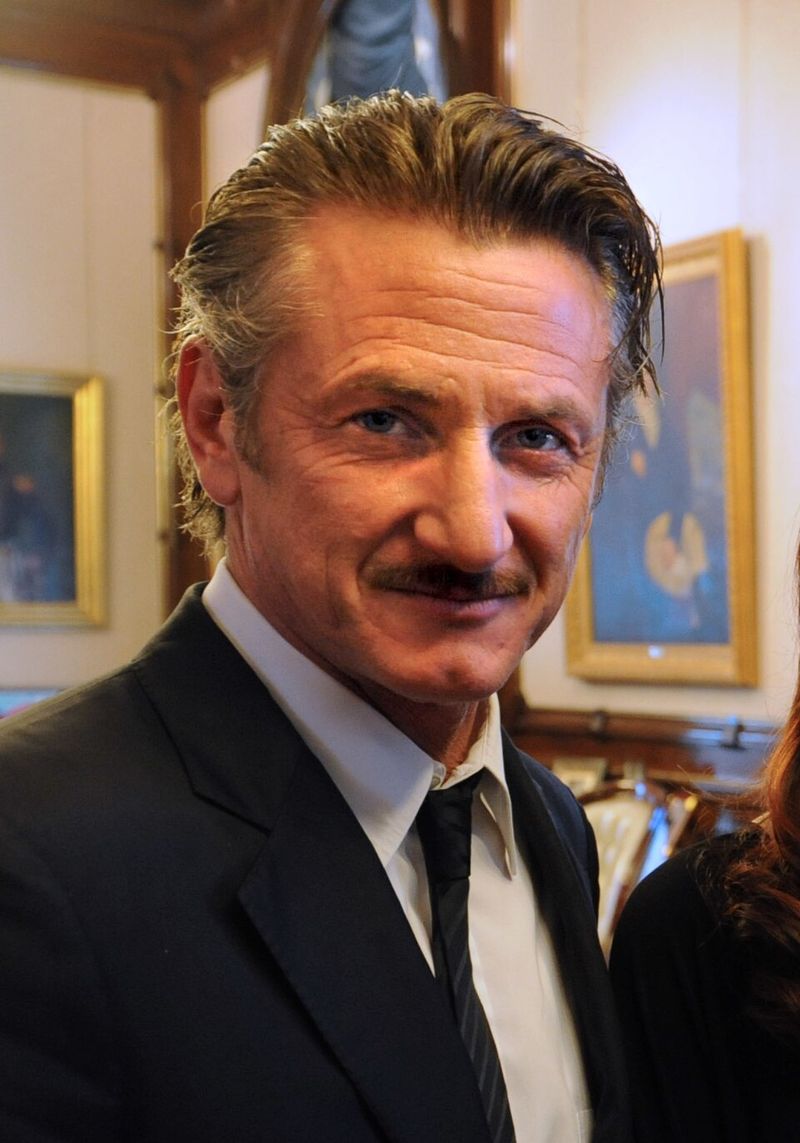
A comeback narrative surrounded Mickey Rourke’s performance in The Wrestler, the kind of story Oscar voters often reward without hesitation.
Instead, Sean Penn claimed the Best Actor trophy for Milk, marking his second win and delivering a pointed speech that dominated headlines the next morning.
Many outlets had already drafted profiles celebrating a Rourke victory because the odds looked so strong. Penn’s win felt bold, and the distance between expectation and result gave the night real electricity.
15. Adrien Brody Over Jack Nicholson And Daniel Day-Lewis
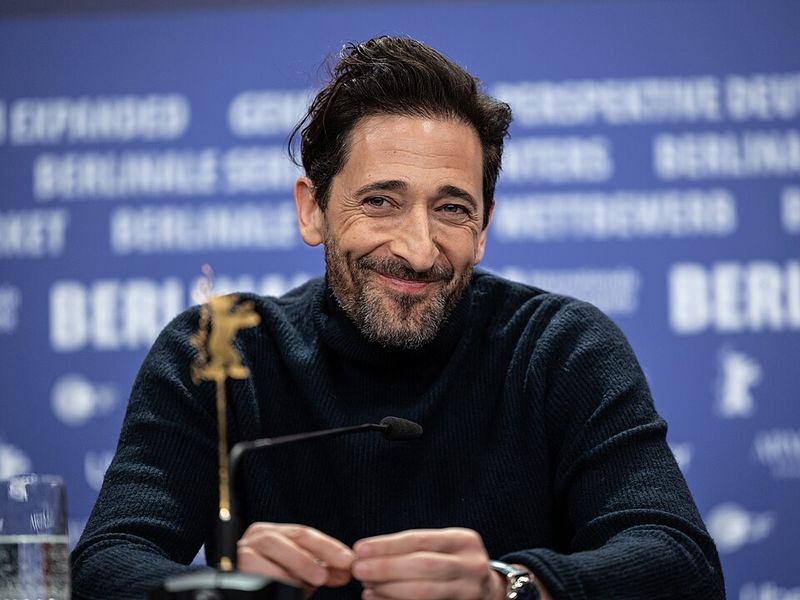
Jack Nicholson and Daniel Day-Lewis were both in the Best Actor field, which normally signals a two-horse race between legends.
Adrien Brody’s win for The Pianist was widely treated as a major surprise, and the spontaneous kiss he planted on presenter Halle Berry became one of the ceremony’s most replayed moments.
His speech was long, heartfelt, and completely unrehearsed-feeling, the signature of someone who genuinely did not see it coming.
Note: This article highlights Oscar races that were widely seen as surprises based on precursor awards, pundit expectations, or the public mood surrounding the ceremony.
Because awards momentum is partly subjective and can shift late in the season, the phrase “expected winner” reflects the consensus at the time rather than a guaranteed outcome.