How A Tiny Burger Stand Grew Into The World’s Fast Food Giant
Back in 1940, two brothers named Richard and Maurice McDonald opened a small drive-in restaurant in San Bernardino, California. Nobody could have guessed that a humble spot selling burgers and fries would one day feed millions of people across more than 100 countries.
What started as a neighborhood hangout eventually became one of the most recognized brands on the entire planet, right up there with superheroes and cartoon legends. The story of McDonald’s is packed with bold decisions, clever ideas, and one very determined salesman who changed fast food forever.
If you have ever wondered how a simple burger stand conquered the world, buckle up because the journey is absolutely wild, wildly delicious, and surprisingly inspiring for anyone who has ever had a big dream and a small starting point. Warm fries in paper sleeves, burgers sizzling on a hot grill, ketchup smudges on napkins, and that first bite of something simple but unforgettable.
Comfort food has a way of turning small moments into memories. Craving that feeling again? Explore the stories behind your favorite bites and flavors.
1. The Humble Beginning: A Drive-In With Big Dreams
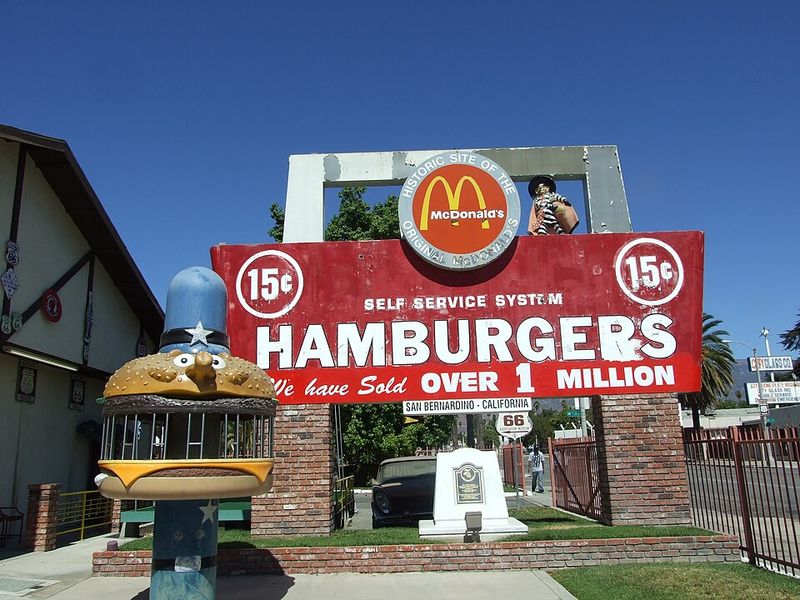
Long before the Golden Arches lit up every highway, two brothers flipped burgers at a tiny drive-in in San Bernardino, California. Richard and Maurice McDonald opened “McDonald’s Bar-B-Q” in 1940, serving a wide menu to hungry customers cruising in on weekends.
Barbecue was on the list, but burgers kept winning. Customers ordered hamburgers again and again, making the choice crystal clear.
So in 1948, the brothers trimmed the menu down to just a handful of items and renamed the spot simply “McDonald’s.”
Simplicity turned out to be pure genius. Fewer items meant faster service, happier customers, and a blueprint for something much bigger.
2. The Speedee System: Fast Food Before Fast Food Was Cool
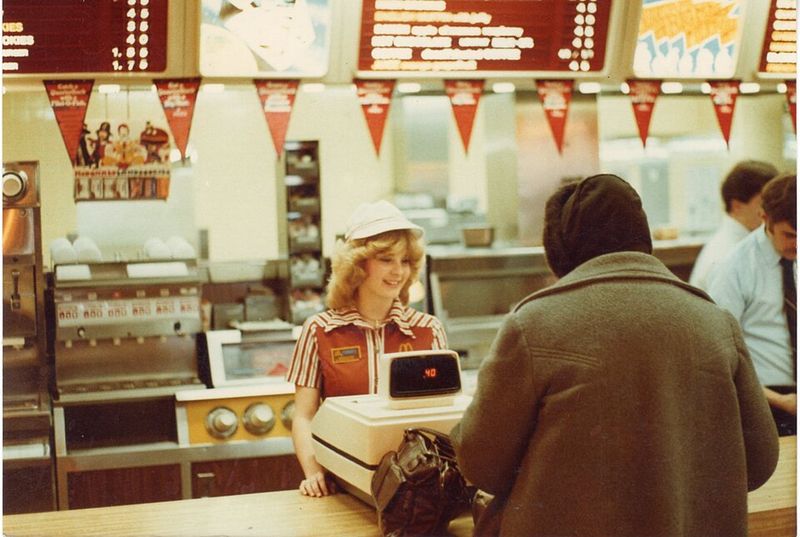
Speed was the secret weapon the McDonald brothers invented before anyone else even knew the game existed. Around 1948, Richard and Maurice completely redesigned how a kitchen worked, creating what became known as the “Speedee Service System.”
Workers handled specific tasks only, like a superhero squad where everyone had one special power. Burgers moved down the line fast, orders stayed consistent, and waste was cut way down.
No more carhops, no more huge menus slowing everything down.
Customers got hot food in seconds, not minutes. Just saying, most restaurants back then made you wait like it was a royal banquet.
3. Ray Kroc Shows Up And Changes Everything
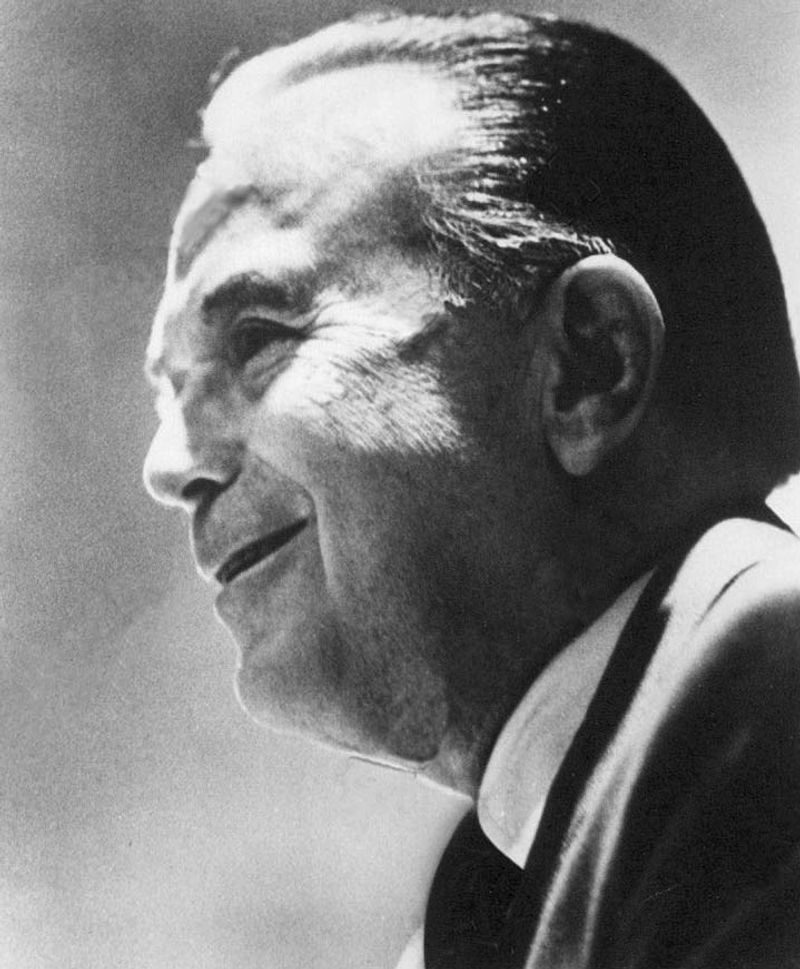
Ray Kroc was a milkshake machine salesman in 1954, traveling across America pitching blenders to restaurants. He noticed the McDonald brothers had ordered an unusually large number of machines, so he drove to San Bernardino just to see what was going on.
What he saw stopped him cold. Efficient workers, a packed parking lot, and burgers flying out the window faster than popcorn at a movie premiere.
Kroc smelled opportunity like nobody’s business.
He convinced the brothers to let him franchise the concept nationally. By 1955, Kroc opened his first McDonald’s franchise in Des Plaines, Illinois, and the rocket officially launched.
4. Buying The Brand: Kroc’s $2.7 Million Power Move
By 1961, Ray Kroc had seen enough. He wanted full control of McDonald’s, not just a franchise license.
So he made a bold move and bought the entire company outright from the McDonald brothers for $2.7 million.
Back in 1961, $2.7 million was an enormous amount of money, roughly equal to over $27 million in modern dollars. Critics thought Kroc was being reckless.
Spoiler alert: he absolutely was not.
Owning the brand meant Kroc could set every rule, enforce every standard, and build every new location exactly how he envisioned. No more compromises.
No more asking permission. Just pure, unstoppable expansion mode.
5. Golden Arches And Ronald McDonald: Building An Icon
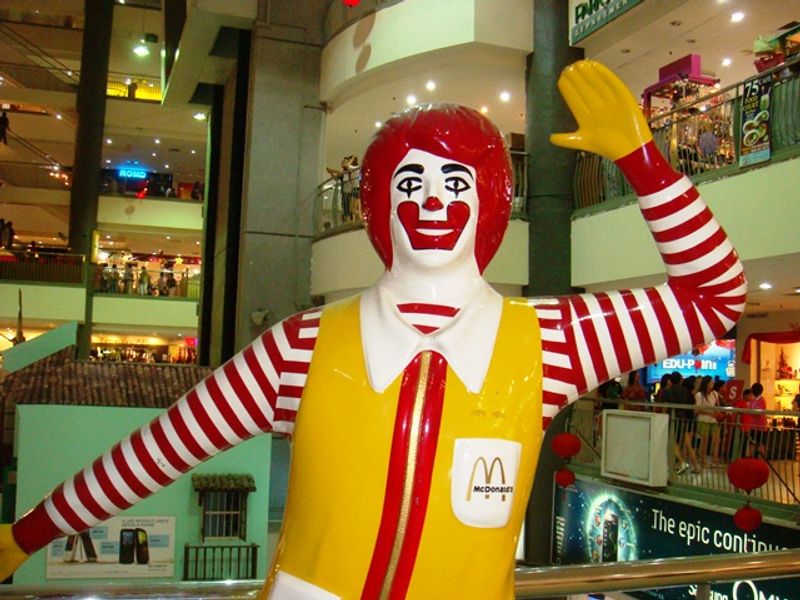
A brand without a face is just a name on a wall. McDonald’s solved that problem twice and did it memorably.
The Golden Arches logo, first introduced in 1953, became one of the most recognized symbols on Earth, arguably more famous than most country flags.
Ronald McDonald arrived on the scene in 1963, a clown mascot created to charm kids and make families feel welcome. If superheroes protect cities, Ronald protected lunchtime happiness for generations of children everywhere.
Branding at McDonald’s was never accidental. Every color, every character, and every slogan was carefully crafted to stick in your brain like your favorite cartoon theme song.
6. Going Global: The World Gets A Taste
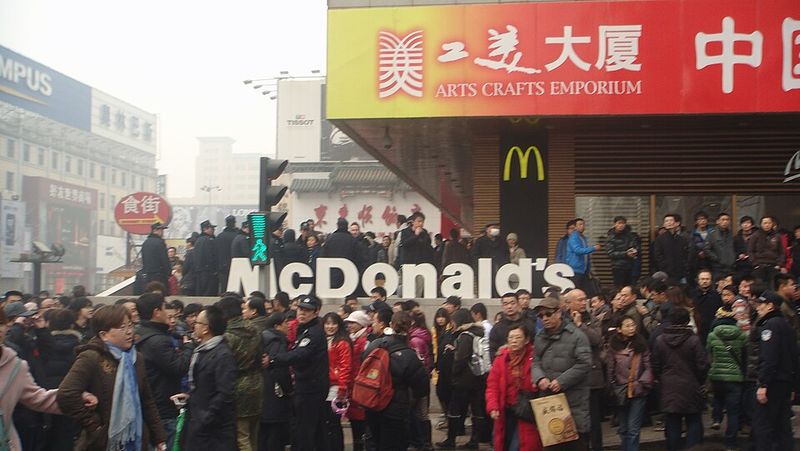
Conquering America was not enough. McDonald’s crossed international borders in 1967, opening its first restaurant outside the United States in Richmond, British Columbia, Canada.
A global food revolution had officially begun.
Expansion did not stop at Canada. New menu items helped fuel international growth.
The Big Mac launched in 1968 and became an instant legend, so iconic it later inspired an actual economic index used by financial analysts worldwide. Wild, right?
By rolling into new countries and adapting menus to local tastes, McDonald’s proved fast food could speak every language. Billions of burgers later, operations now span over 100 countries and 40,000 locations.
7. Menu Magic: How New Items Kept The Crowd Coming Back
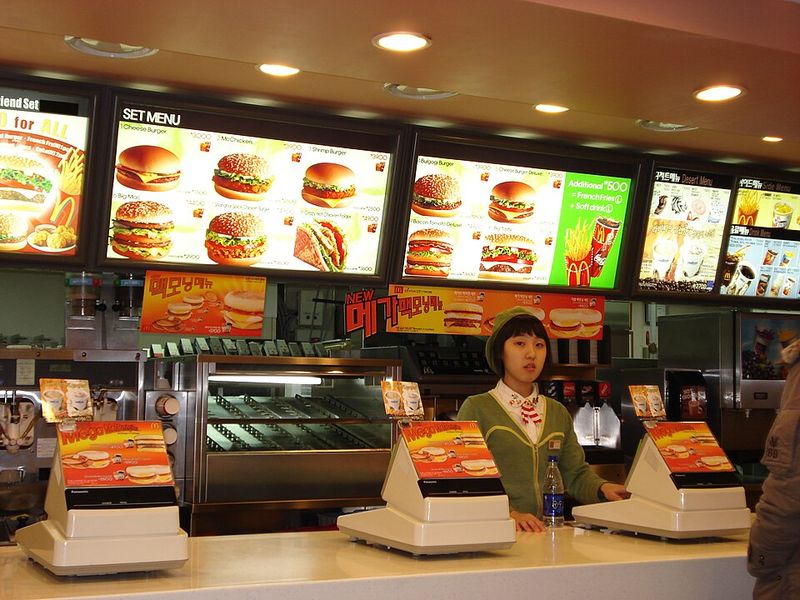
Sticking to basics built McDonald’s, but smart menu evolution kept customers loyal decade after decade. The Big Mac arrived in 1968, invented by franchise owner Jim Delligatti in Pennsylvania, and quickly became the chain’s most iconic sandwich worldwide.
Breakfast changed everything next. The Egg McMuffin debuted in 1971, turning McDonald’s into an all-day destination rather than just a lunch and dinner stop.
Suddenly, mornings had a new champion.
Apple pie, McFlurries, Happy Meals, and seasonal specials kept the excitement rolling year after year. Every new addition was a conversation starter, proof positive a smart menu never stops growing alongside its audience.