Every Tony Scott Film, From Low Point To High Voltage
Tony Scott wasn’t just another action director tossing explosions at the screen. A true visual artist, he transformed fighter jets, runaway trains, and submarine standoffs into pulse-pounding cinema poetry.
Every frame pulsed with style, intensity, and cinematic flair, spanning sixteen unforgettable features between 1983 and 2010. Scott redefined what action movies could be, leaving a legacy that still inspires filmmakers and thrills audiences worldwide.
Explore the films that made Tony Scott a master of adrenaline, style, and unforgettable movie moments.
1. Top Gun (1986)

Three years after his debut stumbled, Scott delivered a cultural atomic bomb that made Tom Cruise a megastar and turned volleyball scenes into legendary moments. Fighter pilots, romance, and Kenny Loggins created box office magic that defined an entire decade.
The film wasn’t just successful; it became a phenomenon that boosted Navy recruitment and made aviator sunglasses mandatory cool-person equipment. Scott’s kinetic camera work and glossy visuals established his signature style forever.
2. Beverly Hills Cop II (1987)
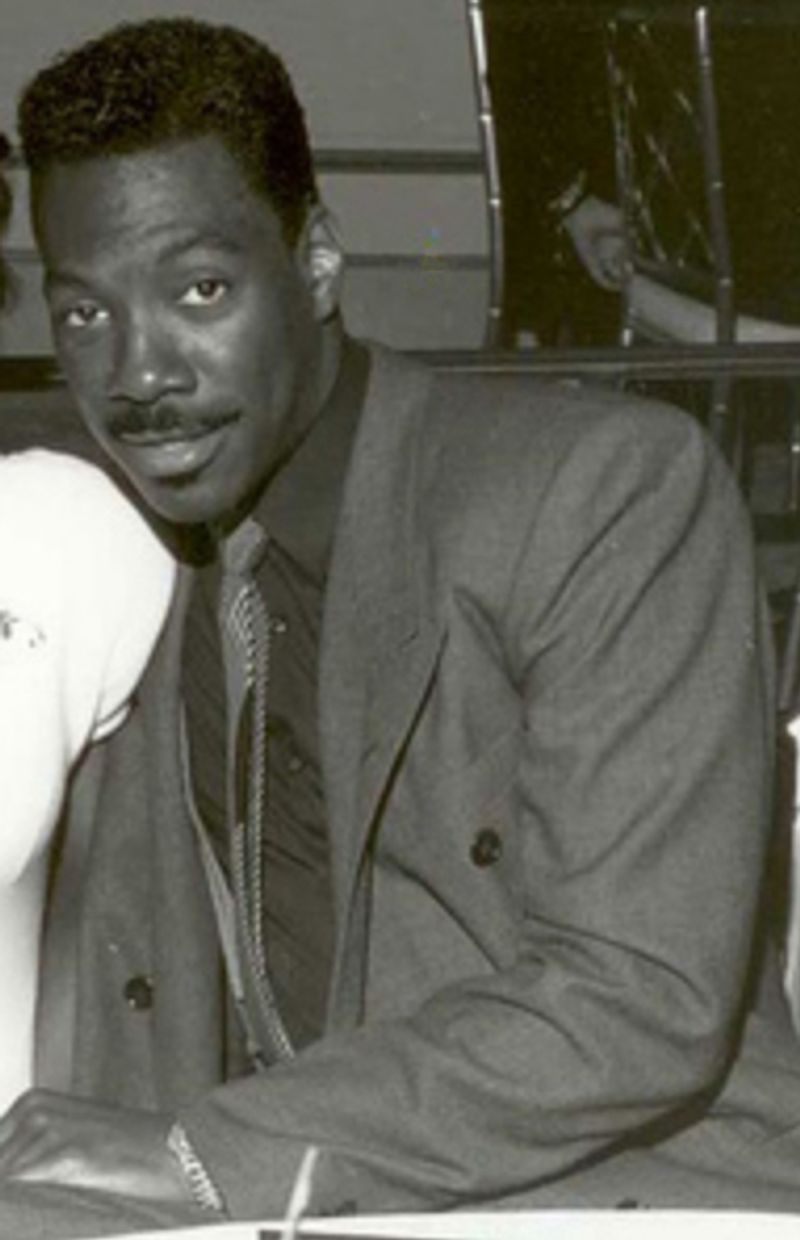
Following up Eddie Murphy’s massive 1984 hit required serious firepower, and Scott brought his visual flair to Murphy’s wisecracking Detroit detective. The sequel amped up the action quotient while keeping the comedy that made audiences fall for Axel Foley originally.
While some critics felt it leaned too heavily on explosions versus laughs, audiences didn’t care one bit. The film became another commercial smash, proving Scott could handle comedy-action hybrids with the same skill he brought to pure adrenaline.
3. Revenge (1990)

After two massive hits, Scott chose a dark, violent romance starring Kevin Costner that felt like a hard left turn into dangerous territory. A retired pilot falls for a Mexican crime lord’s wife, triggering brutal consequences that nobody walks away from unscathed.
The film flopped commercially and received mixed reviews, but it showcased Scott’s range beyond popcorn entertainment. Its unflinching brutality and tragic love story proved he could handle mature, complex material when given the chance.
4. Days of Thunder (1990)
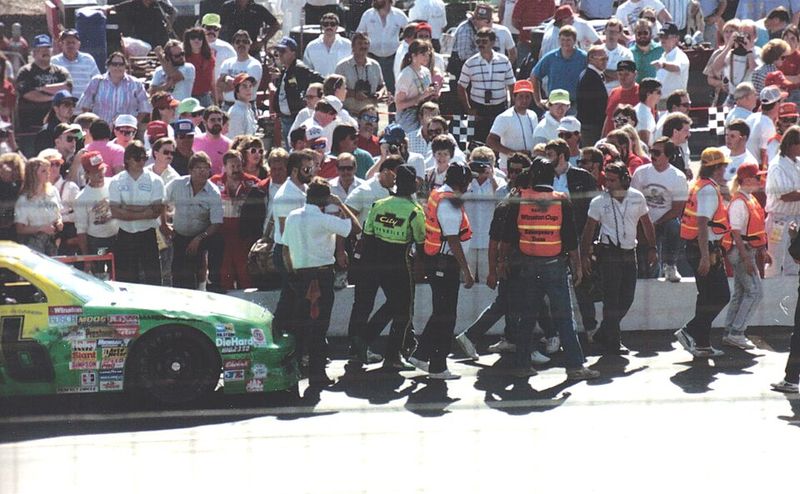
Reuniting with Tom Cruise, Scott essentially remade Top Gun with NASCAR stock cars instead of fighter jets, and audiences absolutely ate it up. The formula worked: cocky hotshot learns humility, gets the girl, wins the big race, roll credits.
Critics called it derivative, but the racing sequences were absolutely spectacular, showcasing Scott’s ability to make machinery look beautiful and dangerous simultaneously. Sometimes you don’t reinvent the wheel; you just make it spin faster and look cooler doing it.
5. The Last Boy Scout (1991)
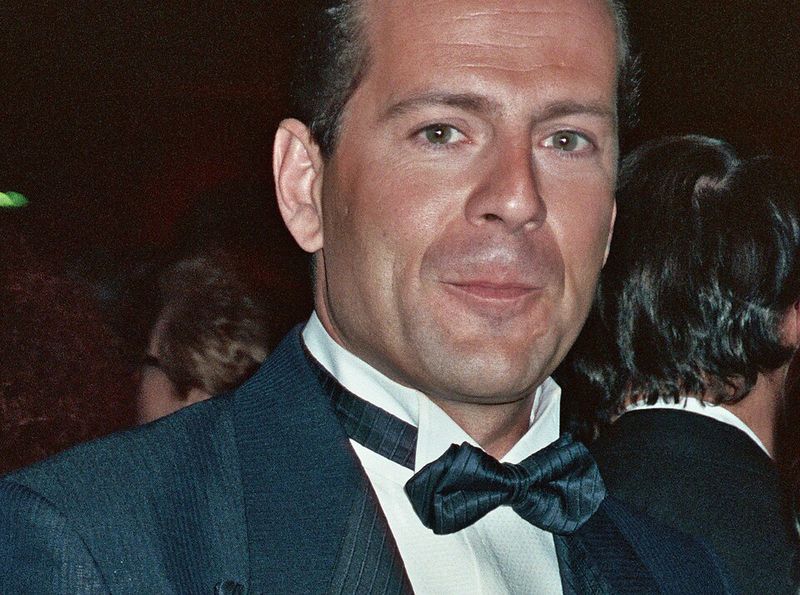
Bruce Willis plays a washed-up detective teaming with a disgraced quarterback in this Shane Black-penned action thriller that’s darker than a coal mine at midnight. Violence, cynicism, and razor-sharp dialogue created a buddy-cop film with serious attitude problems in the best possible way.
The film struggled at the box office despite strong action sequences and Willis bringing his A-game. However, it’s since been recognized as an underrated gem showcasing Scott’s ability to balance brutal action with genuine character moments.
6. True Romance (1993)
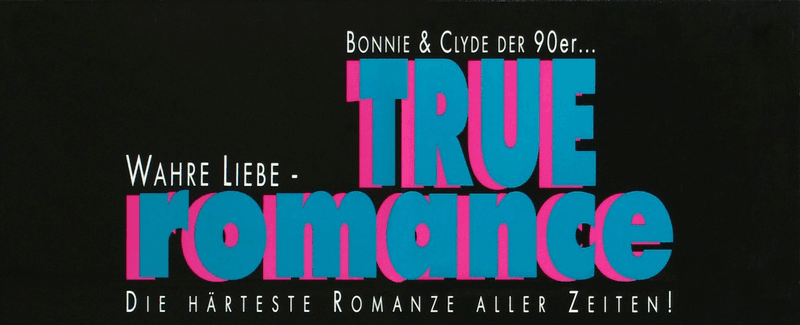
Quentin Tarantino wrote this wild crime romance about a comic book nerd and a call girl falling madly in love, then stealing cocaine from her pimp and running for their lives. Scott’s visual polish elevated Tarantino’s already-brilliant screenplay into something truly special and unforgettable.
The ensemble cast delivered career-best performances across the board, creating quotable moments that film fans still reference decades later. Though it underperformed initially, True Romance has rightfully earned its place among the greatest crime films ever made.
7. Crimson Tide (1995)
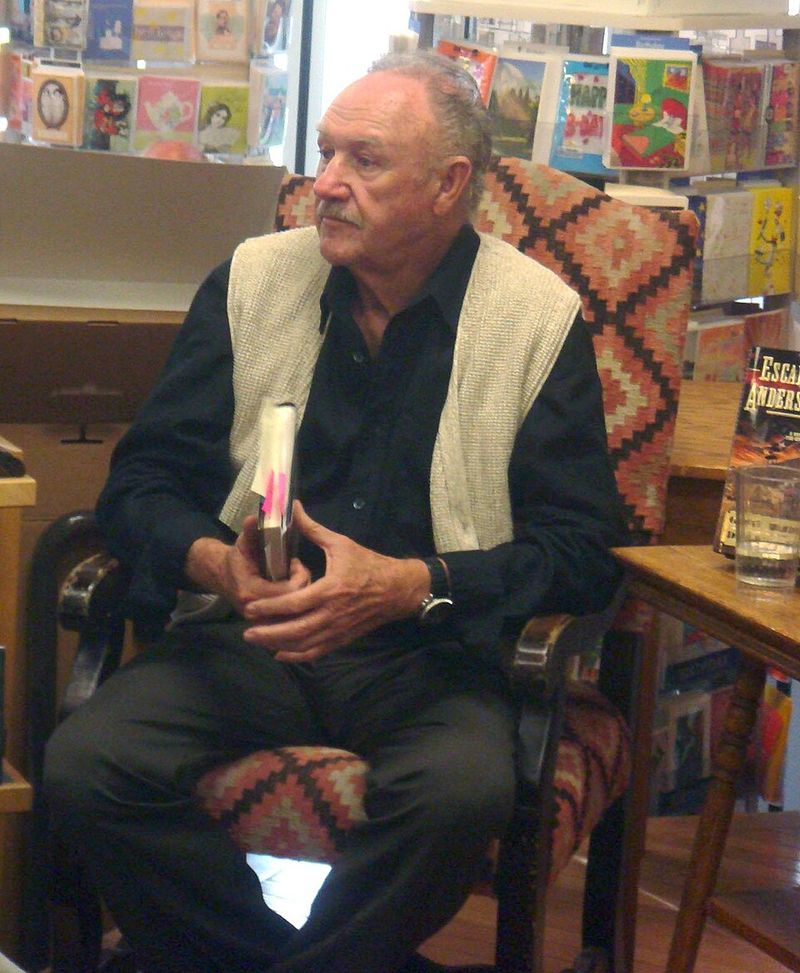
Denzel Washington and Gene Hackman face off in a nuclear submarine during a tense standoff that could trigger World War III, creating edge-of-your-seat tension without firing a single missile. The philosophical clash between two strong-willed officers elevated this beyond typical military action fare into something genuinely thought-provoking.
Scott’s claustrophobic direction turned the submarine into a pressure cooker of conflicting loyalties and moral dilemmas. The film became both a commercial and critical success, proving Scott could deliver intelligent thrillers alongside spectacular action sequences.
8. The Fan (1996)
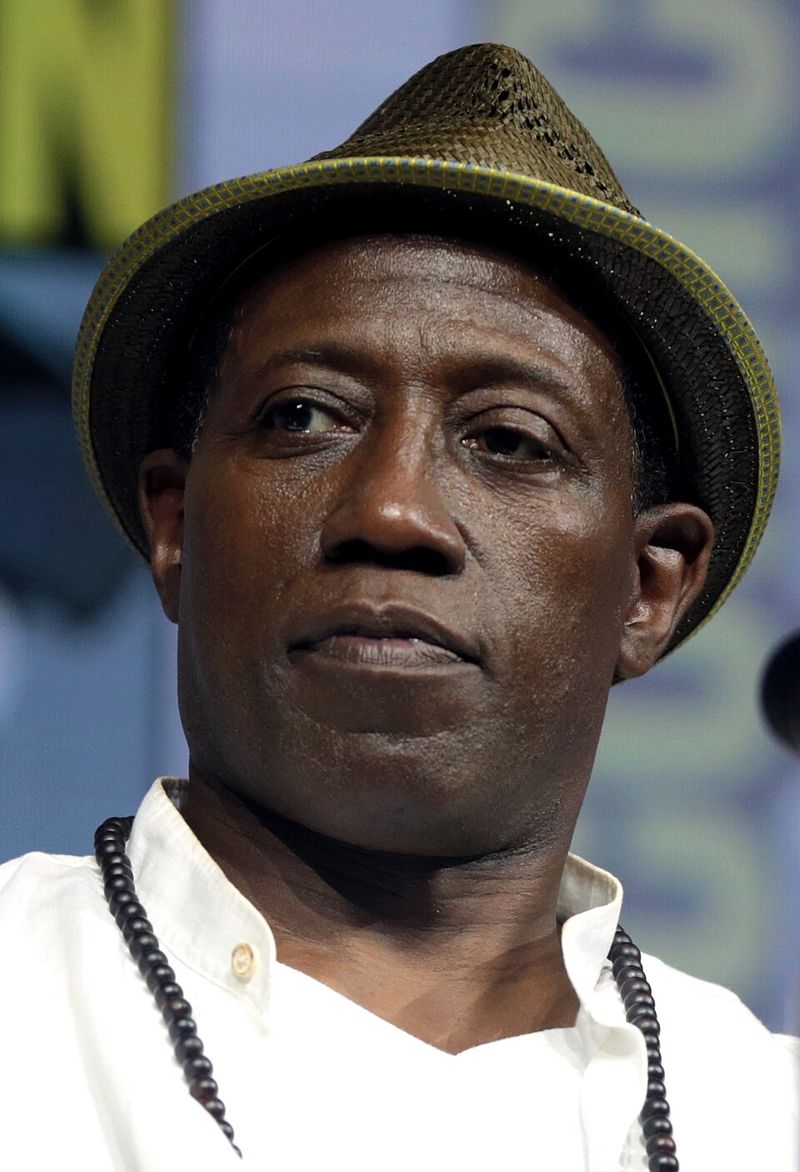
Robert De Niro plays an unhinged knife salesman whose obsession with baseball star Wesley Snipes spirals into terrifying stalker territory. Scott crafted a psychological thriller exploring celebrity worship gone horribly, dangerously wrong in ways that feel even more relevant today.
Unfortunately, the film bombed spectacularly at the box office and received harsh critical reception despite strong performances. It remains Scott’s most overlooked work, a genuinely unsettling examination of fame, failure, and fanaticism that deserved better than it received.
9. Enemy of the State (1998)
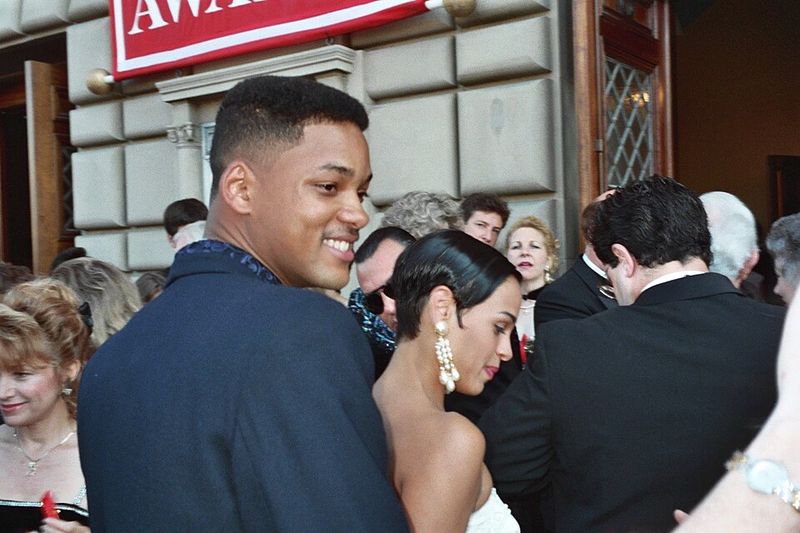
Will Smith plays a lawyer whose life implodes after accidentally receiving evidence of a political assassination, launching him into a high-tech nightmare of government surveillance. Scott’s paranoid thriller predicted our modern surveillance state with frightening accuracy, making it feel more relevant with each passing year.
The film became a massive hit, blending cutting-edge technology with old-school thriller mechanics perfectly. Gene Hackman’s appearance as a character seemingly connected to The Conversation added extra meta-textual coolness that film nerds absolutely adored.
10. Spy Game (2001)
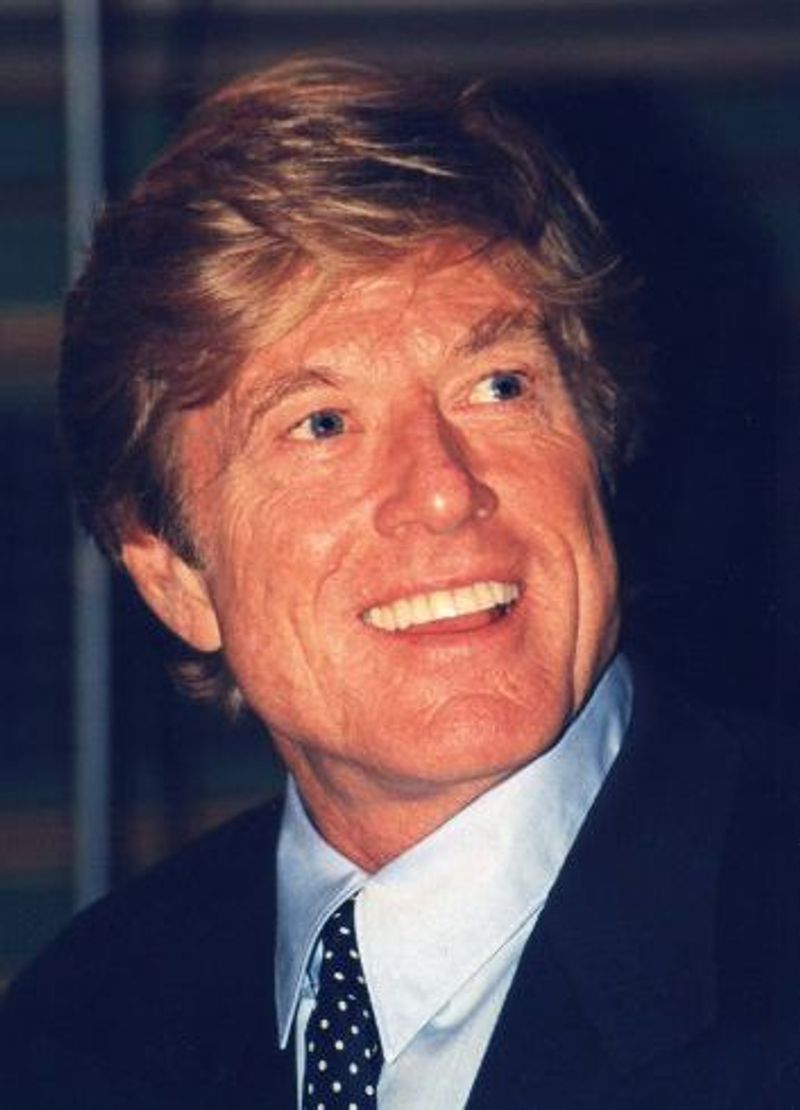
Robert Redford plays a retiring CIA operative racing against time to save his former protégé Brad Pitt from execution in a Chinese prison. The film unfolds through flashbacks revealing their complicated mentor-student relationship across decades of covert operations and moral compromises.
Released shortly after September 11th, the spy thriller struggled to find its audience despite strong performances and Scott’s stylish direction. It’s a smart, layered espionage film that rewards attention, showcasing the human cost of intelligence work beyond explosions and gadgets.
11. Man on Fire (2004)
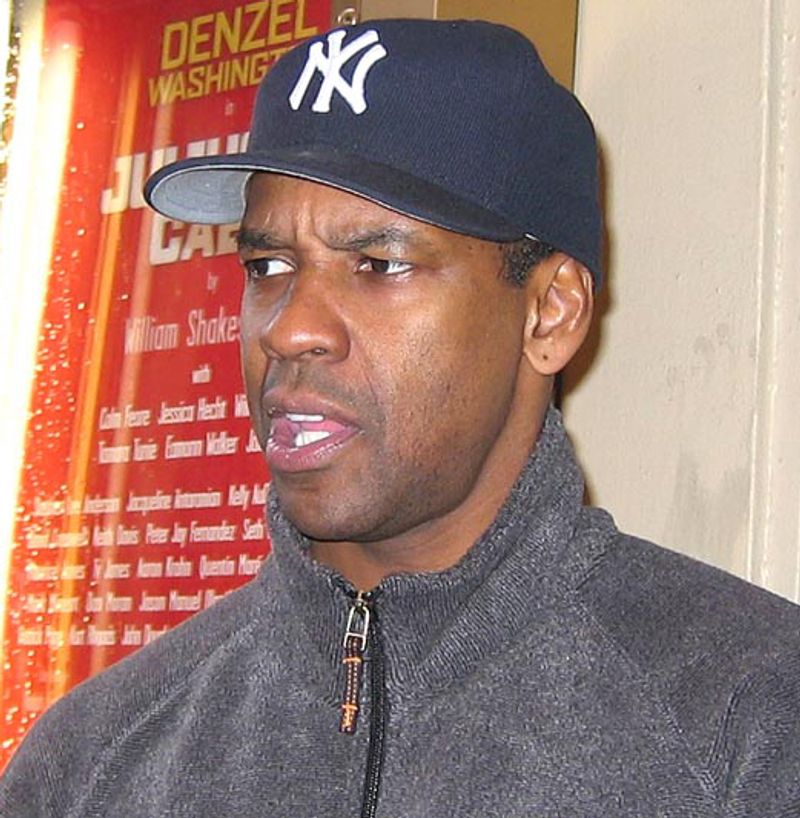
Denzel Washington delivers a powerhouse performance as a burned-out bodyguard seeking brutal vengeance after his young charge gets kidnapped in Mexico City. Scott’s visual experimentation reached new heights here, using rapid cuts, color filters, and unconventional techniques that divided critics but created unforgettable visceral impact.
The film became a significant commercial success, proving audiences craved Washington’s righteous fury and Scott’s stylistic boldness. Its exploration of redemption through violence remains controversial but undeniably powerful and emotionally resonant.
12. Domino (2005)

Keira Knightley stars as real-life bounty hunter Domino Harvey in Scott’s most visually audacious and polarizing film, pushing his stylistic experimentation into overdrive. The result is a hallucinogenic fever dream of color saturation, rapid editing, and narrative chaos that either thrills or frustrates depending on your tolerance.
Critics savaged it, audiences mostly stayed away, but the film has gained cult appreciation for its sheer gonzo energy and refusal to play safe. It’s Scott at his most unrestrained, for better or worse.
13. Déjà Vu (2006)
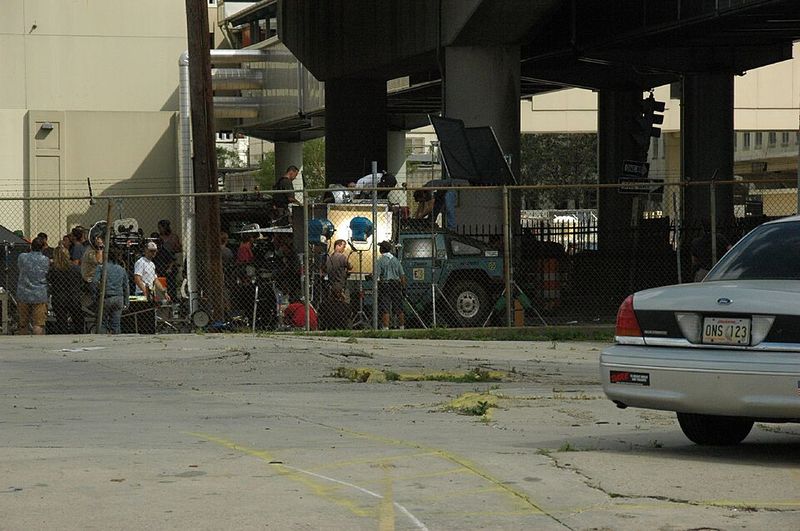
Denzel Washington investigates a ferry bombing using experimental technology that lets him look four days into the past, blending science fiction with Scott’s trademark action sensibilities. The time-travel mechanics get wonderfully complicated as Washington’s character becomes obsessed with saving a victim he’s only seen through temporal surveillance.
The film performed solidly at the box office and showcased Scott’s ability to handle complex sci-fi concepts without sacrificing his kinetic visual style. It’s smart, entertaining, and emotionally engaging, proving Scott’s versatility extended beyond pure action.