13 Top Beaches Where Snorkeling Feels Like A Dream
Picture floating weightlessly above a kaleidoscope of coral gardens, tropical fish darting like living rainbows. Snorkeling turns ordinary beach trips into underwater adventures, letting you explore an alien world without leaving Earth.
Chase sea turtles through turquoise shallows, discover secret coves teeming with marine life, and swim alongside colorful schools that shimmer in the sun. These 13 beaches offer crystal-clear waters and unforgettable encounters.
Dive in and start planning the ultimate ocean escape today.
1. Trunk Bay, St. John, U.S. Virgin Islands
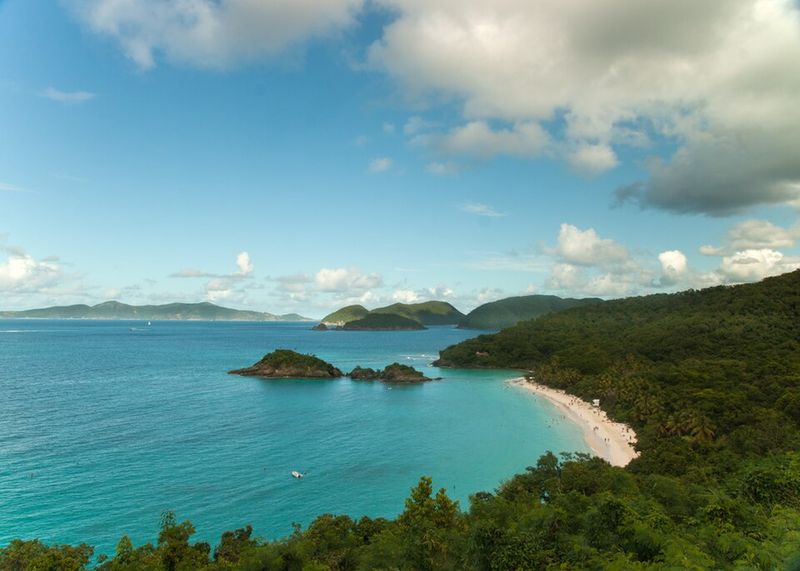
Within Virgin Islands National Park lies a snorkeling paradise complete with its own underwater classroom. Trunk Bay’s famous snorkeling trail features informative plaques beneath the waves, turning your swim into an educational adventure.
Crystal-clear Caribbean waters reveal vibrant coral reefs and schools of tropical fish that seem almost too colorful to be real. Families love this spot because even beginners can explore safely in the protected bay.
Though it gets busy during cruise ship days, early morning visits reward you with peaceful waters and the best visibility for spotting marine life.
2. Hanauma Bay, Oahu, Hawaii
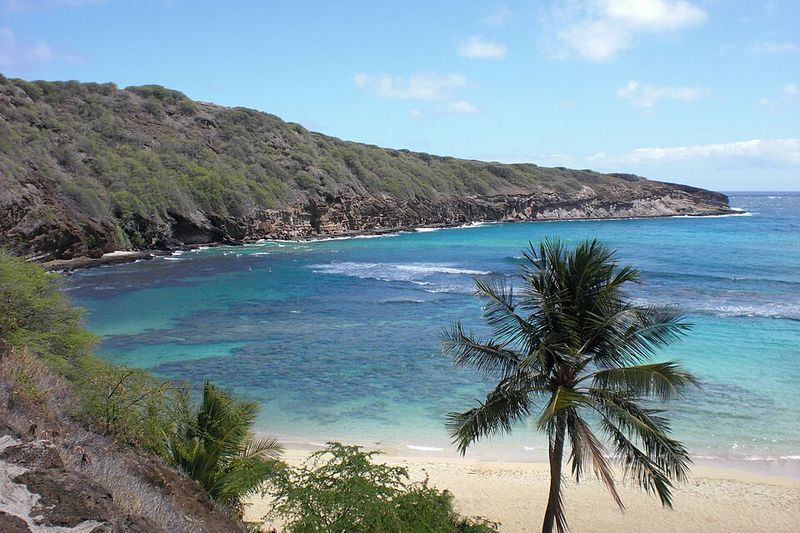
Formed from a volcanic crater thousands of years ago, this horseshoe-shaped bay creates a natural aquarium protected from ocean currents. Over 400 fish species call these waters home, making every snorkeling session feel like visiting an underwater zoo without the glass walls.
Conservation efforts have transformed Hanauma Bay into a marine sanctuary where sea turtles glide past unbothered by human visitors. Educational programs teach respect for ocean life before you even touch the water.
Arrive super early because this popular spot limits daily visitors to protect its delicate ecosystem.
3. Anse Source d’Argent, Seychelles
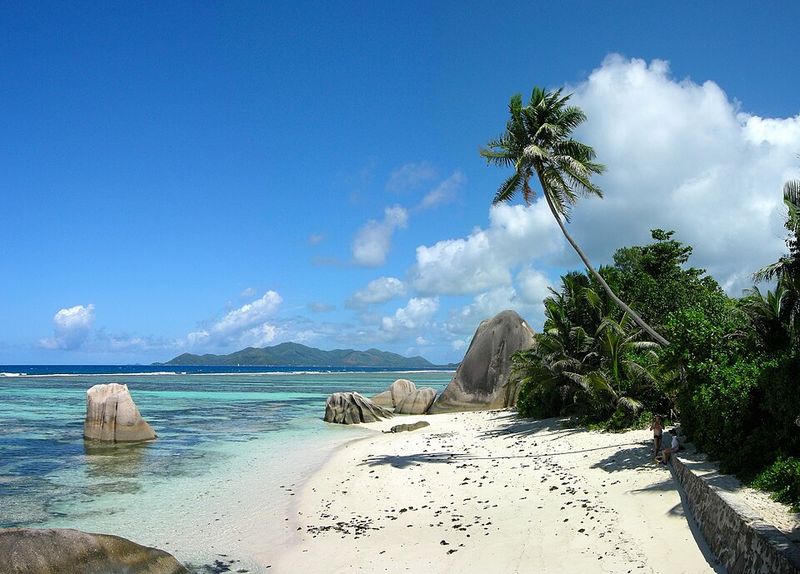
Giant granite boulders that look like they’ve been sculpted by ancient gods create magical lagoons perfect for snorkeling adventures. La Digue Island’s most famous beach feels like stepping into a fantasy movie set where every angle deserves its own postcard.
Shallow waters between the rocks shelter countless small fish and create safe exploration zones for kids and nervous swimmers. Though waves can be stronger beyond the boulders, the protected pools offer calm conditions year-round.
Low tide reveals the best snorkeling spots where colorful fish gather in the crystal-clear shallows.
4. Baía do Sancho, Fernando de Noronha, Brazil
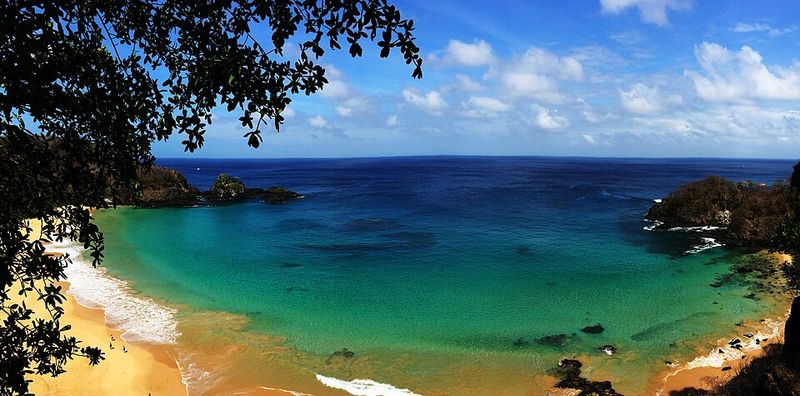
Reaching this beach requires descending a dramatic stairway carved through volcanic rock, but the journey rewards you with what many consider Earth’s most beautiful beach. Fernando de Noronha’s protected archipelago status means the marine life here thrives undisturbed, creating snorkeling conditions that feel almost prehistoric in their abundance.
Sea turtles cruise past like they own the place (because they basically do), while dolphins frequently visit the bay to play. Visibility often exceeds 150 feet, making every underwater moment feel like high-definition television.
5. Anse Lazio, Praslin, Seychelles
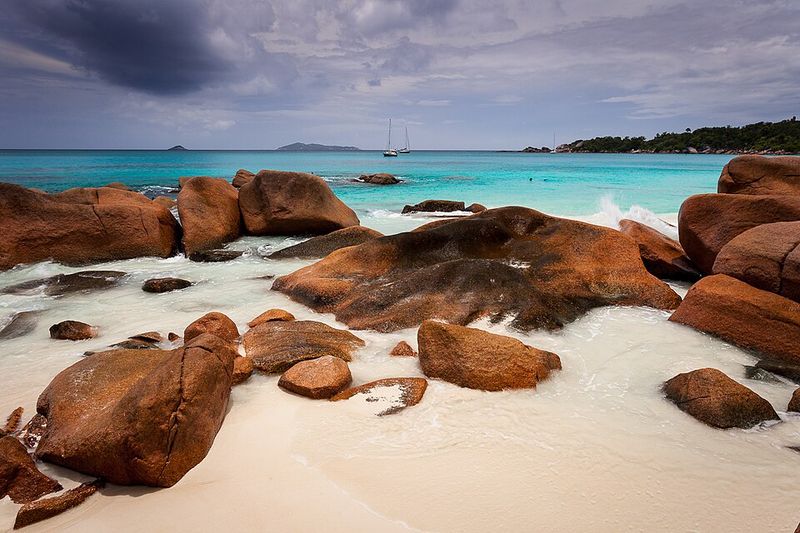
Coconut palms sway above powdery white sand while granite formations create natural sculptures along this dreamy Seychelles beach. Consistently ranked among the world’s best, Anse Lazio combines postcard-perfect scenery with exceptional underwater visibility that lets you spot fish from the shore.
Rocky areas at both ends of the beach harbor the richest marine life, where parrotfish munch on coral and sergeant majors patrol their territories. Calm morning waters offer the clearest views before afternoon breezes stir things up.
Bring water shoes because those gorgeous rocks can be slippery.
6. Seven Mile Beach, Grand Cayman
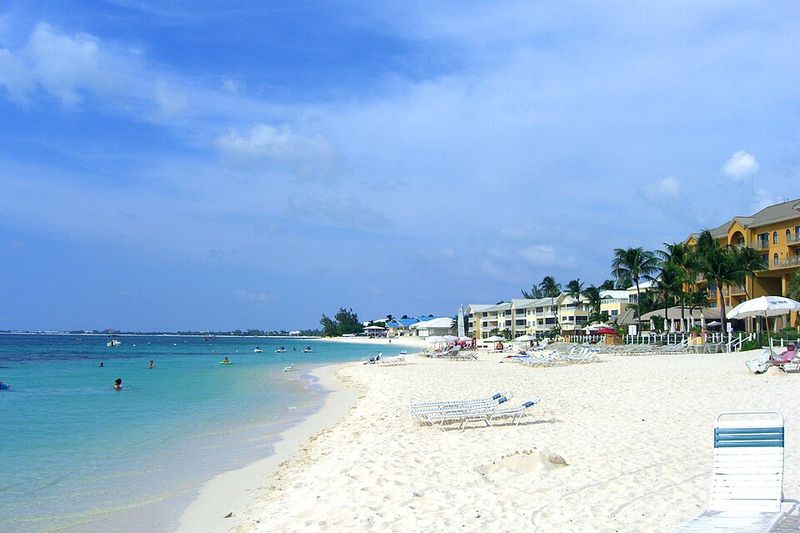
Despite its name (it’s actually closer to five and a half miles, but who’s counting?), this Caribbean gem stretches along Grand Cayman’s western shore with gentle waters perfect for snorkeling beginners. Shallow reefs close to shore mean you don’t need to swim far to encounter stingrays and tropical fish going about their daily business.
Clean, clear water and minimal waves create ideal conditions for underwater photography without expensive equipment. Hotels and dive shops line the beach, making gear rental super convenient for spontaneous snorkeling sessions.
7. Navagio Beach, Zakynthos, Greece
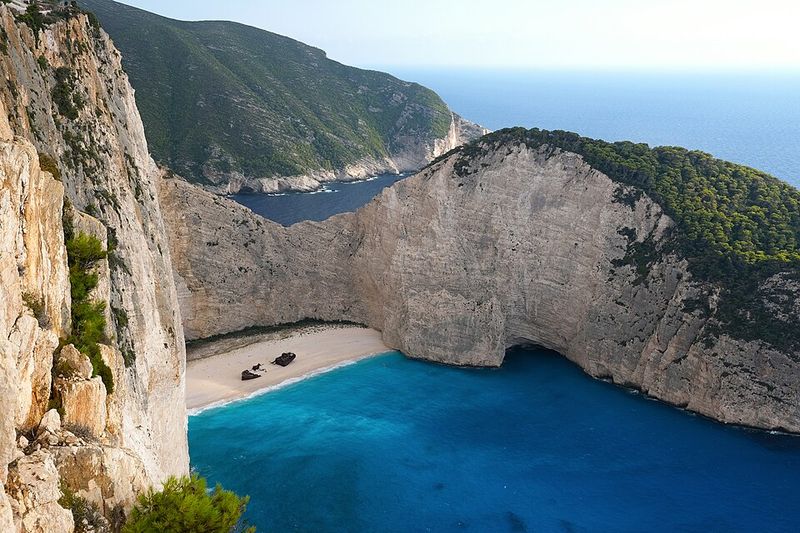
A rusting shipwreck rests on blindingly white sand, surrounded by towering limestone cliffs that create one of the Mediterranean’s most photographed locations. Also called Shipwreck Beach, this isolated cove can only be reached by boat, which somehow makes the snorkeling adventure feel even more special.
Electric blue waters contrast sharply with the pale cliffs, creating visibility so clear you’ll feel like you’re flying rather than swimming. Rocky areas near the cliffs hide octopuses and colorful fish species unique to Greek waters.
Morning visits offer calmer conditions before tour boats arrive.
8. Turquoise Bay, Western Australia
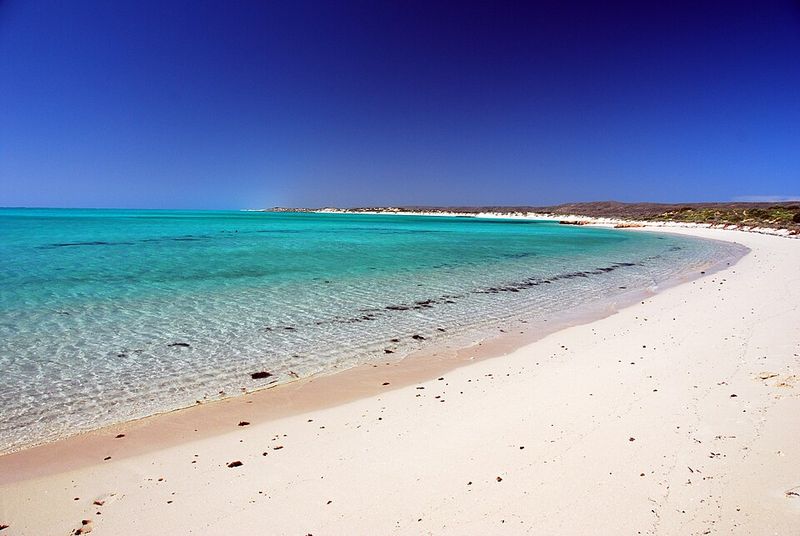
Western Australia’s Ningaloo Reef comes right up to the beach at Turquoise Bay, eliminating the need for boats or long swims to reach spectacular snorkeling. Locals practice “drift snorkeling” here, entering at one end and letting gentle currents carry them past coral gardens like a natural lazy river with much better scenery.
Sea turtles, reef sharks, and countless tropical fish populate these protected waters year-round. Between March and July, you might even spot migrating whale sharks cruising past, making this one of the few places where snorkeling can include Earth’s largest fish.
9. Caye Caulker, Belize
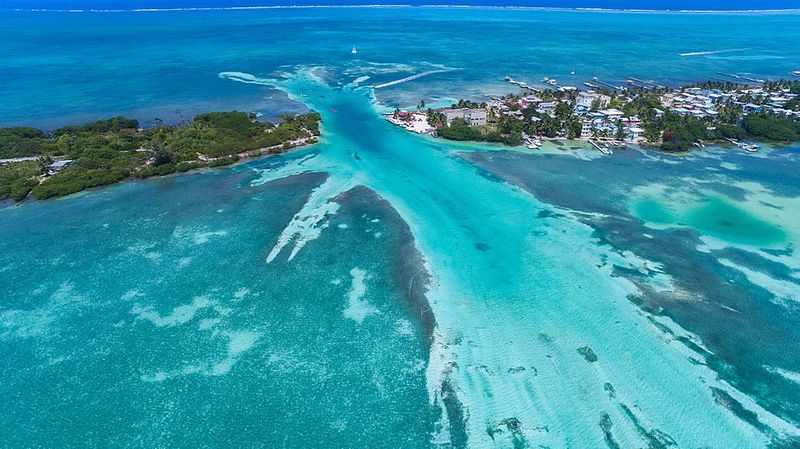
Operating on “island time” where the motto is literally “Go Slow,” this laid-back Caribbean island sits near the Belize Barrier Reef, the second-largest reef system on the planet. Short boat rides from shore bring you to snorkeling sites where nurse sharks and stingrays glide beneath you like friendly underwater neighbors.
Coral formations burst with color and life, hosting everything from tiny damselfish to cruising barracudas. Local guides know secret spots where sea turtles hang out and can point out camouflaged creatures you’d definitely miss on your own.
10. Molokini Crater, Maui, Hawaii
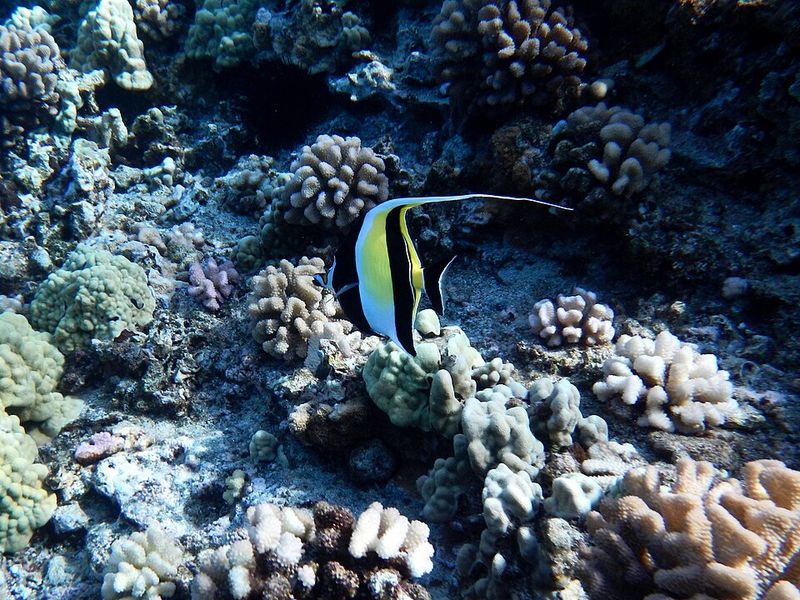
This crescent-shaped volcanic crater rises from the ocean floor three miles off Maui’s coast, creating a natural amphitheater that shelters some of Hawaii’s clearest waters. Because the crater blocks waves and currents, visibility regularly exceeds 150 feet, letting you see fish and coral with startling clarity.
Over 250 fish species and numerous coral types call this submerged volcano home, making every snorkeling trip feel like flipping through a marine biology textbook. Morning tours offer the calmest conditions and best chances to spot manta rays gliding along the crater’s outer wall.
11. Silfra Fissure, Iceland
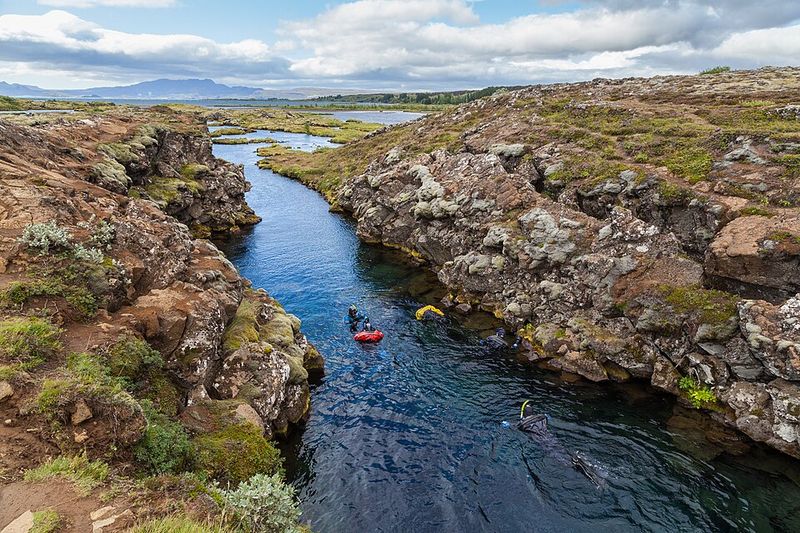
Forget tropical warmth because this snorkeling spot requires a dry suit to protect you from glacial meltwater that hovers just above freezing year-round. However, what Silfra lacks in temperature, it makes up for with visibility exceeding 300 feet, making it possibly the clearest water on Earth.
You’re literally swimming between the North American and Eurasian tectonic plates in a rift that grows wider every year. Though fish are scarce in the cold water, the surreal underwater landscape and incredible clarity create an otherworldly experience unlike any tropical reef.
12. Akumal Bay, Mexico
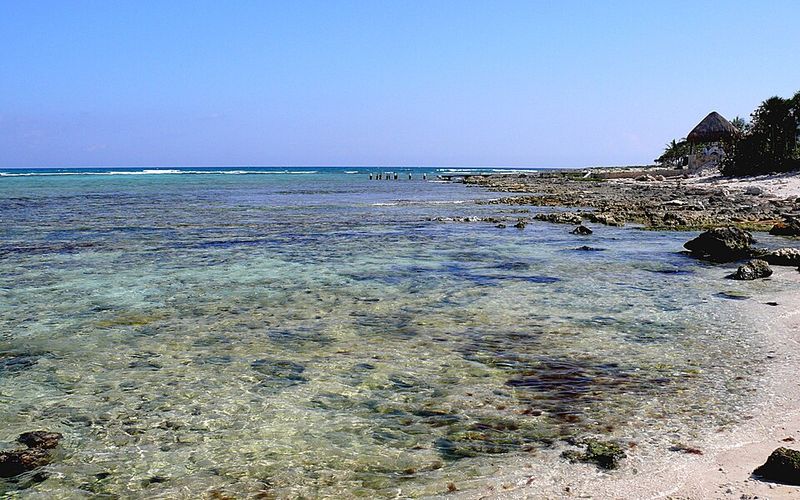
Akumal means “place of the turtles” in Mayan, and this Mexican Caribbean beach lives up to its name with resident green sea turtles that munch seagrass in the shallow bay daily. Swimming alongside these ancient reptiles as they casually graze creates magical moments that feel more like National Geographic than a typical beach vacation.
Beyond turtles, the bay hosts colorful fish and healthy coral patches easily accessible from shore. Local regulations protect the turtles, so respectful observation from a safe distance ensures these creatures continue thriving for future snorkelers to enjoy.
13. Raja Ampat, Indonesia
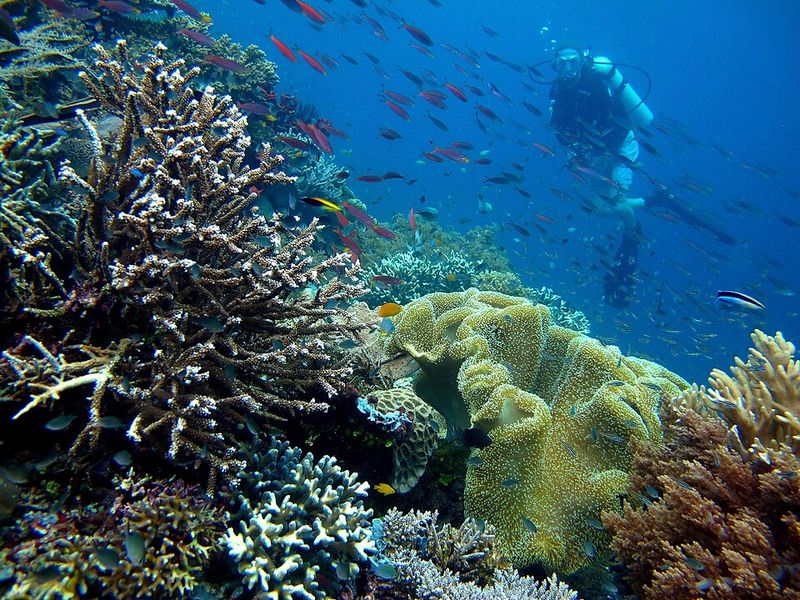
Located at the heart of the Coral Triangle, Raja Ampat boasts the richest marine biodiversity on planet Earth with over 1,500 fish species and 600 coral types. Snorkeling here feels like swimming through the world’s most elaborate aquarium where every glance reveals something new and extraordinary.
Remote limestone islands create protected lagoons with gin-clear water and thriving reefs that have escaped the damage affecting many tropical destinations. Though reaching Raja Ampat requires effort and planning, the reward is snorkeling that redefines what underwater paradise means, leaving you speechless and maybe slightly spoiled for other beaches.