13 Toy Story Theories That Add A Stranger Side To The Story
Toy Story already asks viewers to accept one very important fact right away: the toys are alive and apparently they are also carrying enough emotional baggage to fill a therapist’s waiting room.
Once that door opens, the theories come charging in. Suddenly a sweet animated favorite starts looking a little stranger around the edges.
Small details feel less random and one innocent scene can turn into the kind of thing fans stare at for ten minutes like they just found a secret message in a cereal box.
Enough to make a familiar movie feel a little weirder, a little deeper, and occasionally like the writers were quietly getting away with something much darker than anyone noticed at first.
1. Andy’s Mom Used to Own Jessie
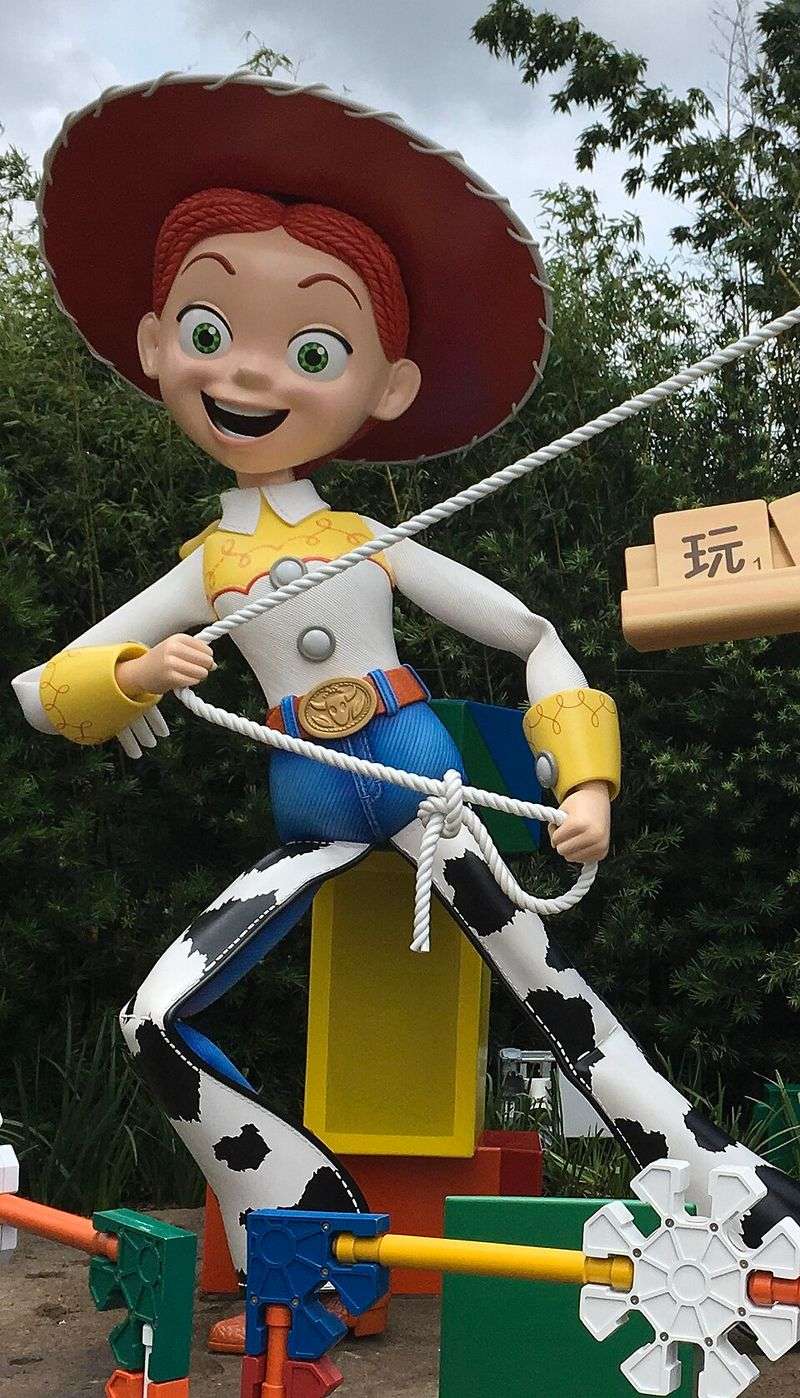
Picture a young woman in the 1970s, wearing a red cowgirl hat, loving a Jessie doll with her whole heart.
Sound familiar? Fans have connected Emily from Jessie’s heartbreaking flashback directly to Andy’s mom, pointing to the matching hats and the timeline that lines up almost perfectly.
Pixar writer Pete Docter has pushed back on this one, but fans refuse to let it go. Honestly, fair enough!
If true, it means Jessie was returned to the same family that once abandoned her, which adds a whole new layer of emotional gut-punch to an already tearjerking scene.
2. Toys Freeze on Pure Instinct, Not Choice
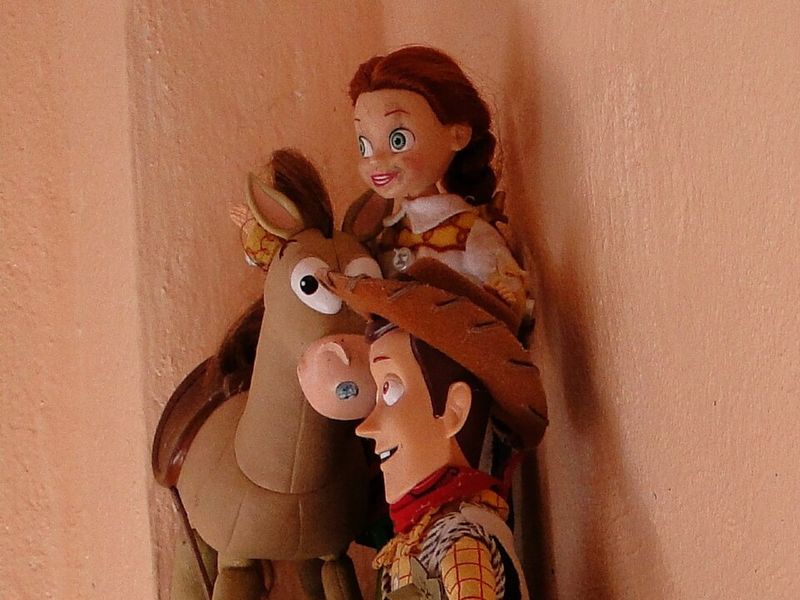
Buzz Lightyear believes he is a real space ranger for most of the first film, so why does he freeze around humans just like every other toy? That inconsistency bugged fans for years.
The leading theory is that freezing is basically a hardwired survival reflex, not a conscious decision.
How creepy is that, though? Every toy, whether it knows it is alive or not, gets switched off the moment a human walks in.
It is less like acting and more like a biological override they cannot resist. Just saying, that makes the toy world feel a lot more like a prison.
3. Sid Actually Rescued Broken Toys
Sid gets painted as the villain of the first movie, but rewatch his scenes and something shifts.
His mutant toys are not cowering in corners. They are organized, loyal, and ready to spring into action the moment someone needs help. That is not the behavior of abused toys.
If anything, Sid was the only human who ever looked at a broken, unwanted toy and thought: I can make something new out of this.
The supposed bad kid gave discarded toys a second life that no toy store or loving child ever offered them.
4. Woody Has Survived Multiple Childhoods
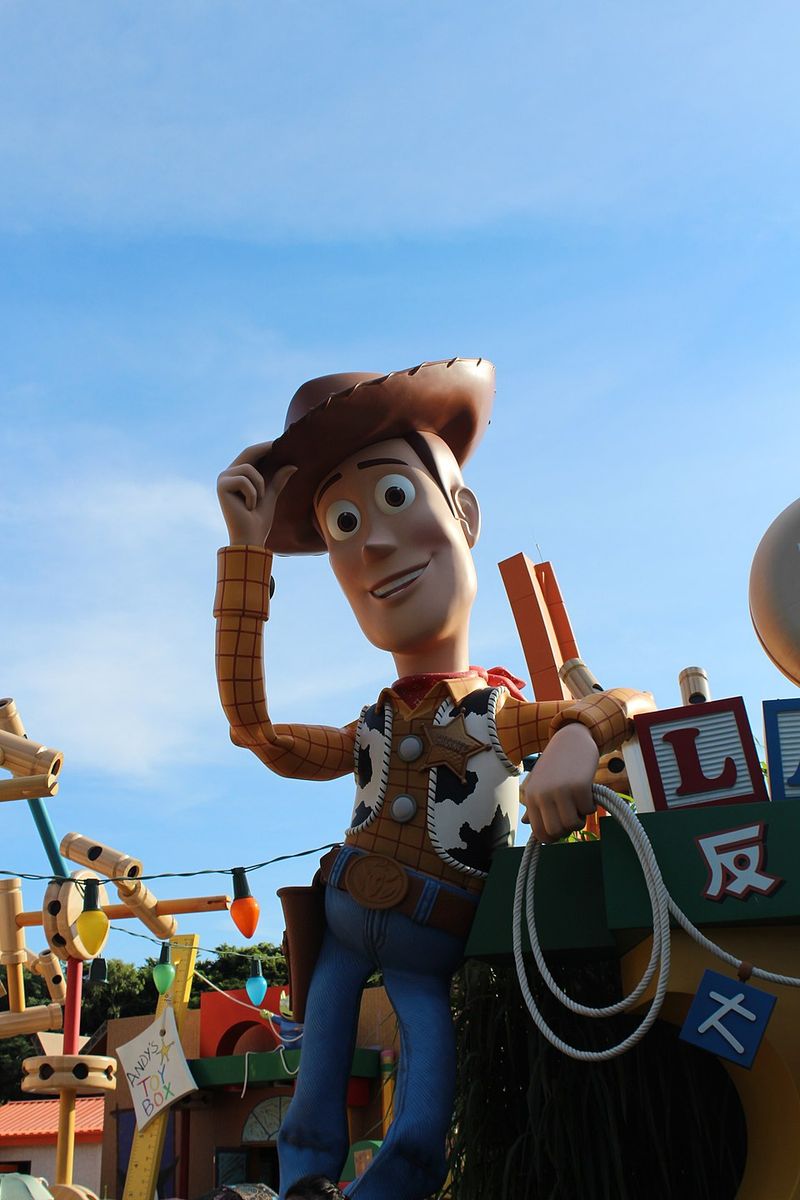
Woody’s Roundup merchandise from Toy Story 2 makes it clear that Woody existed long before Andy was even born.
He is a rare collectible from a 1950s TV show, which means he has been around for decades. That raises an uncomfortable question: how many kids has Woody already loved and lost?
Every child grows up eventually, every toy gets left behind. If Woody has lived through multiple cycles of love and abandonment before Andy, that changes everything about how he acts in the films.
His desperation to stay with Andy suddenly feels less like loyalty and more like quiet, accumulated grief.
5. Love Is What Makes Toys Alive
Here is where the bigger Pixar Theory starts to bleed into Toy Story territory.
One widely accepted idea is that toys gain consciousness through human love and emotional attention. The more a child loves a toy, the more alive and self-aware it becomes.
Sweet, right? Wait for it. The reverse implication is genuinely unsettling. Unloved toys do not just feel sad. They may slowly lose their identity, their memories, even their awareness.
Imagine fading out of existence not because you broke, but because nobody cared enough to play with you.
6. The Box Turned Stinky Pete Into a Monster
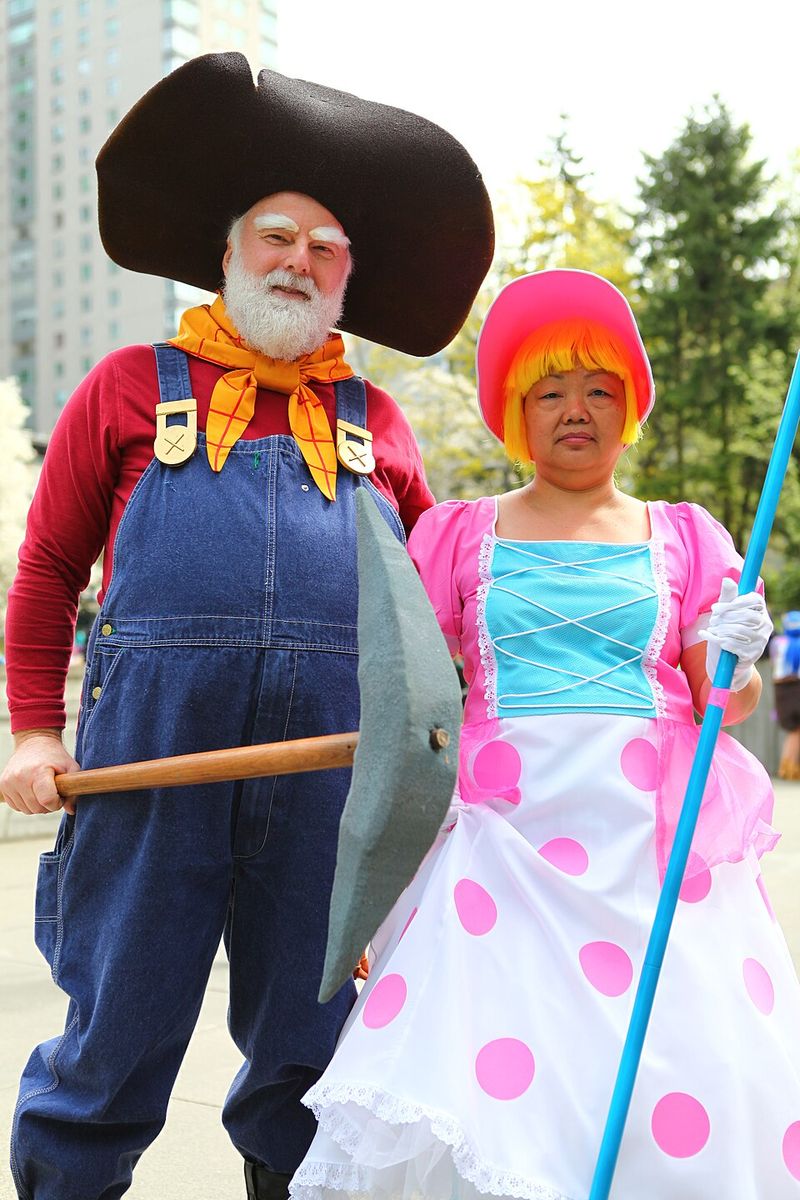
Stinky Pete the Prospector is technically the villain of Toy Story 2, but his backstory reframes everything. He was never bought. Never opened. Never played with.
He spent decades in a box, fully aware, watching other toys get chosen while he sat untouched on a shelf. That is not a villain origin story but a psychological horror story.
Isolation and zero human connection warped him completely. He is not evil because he was born that way.
He became what he is because the toy world’s version of loneliness had decades to work on him.
7. Lotso Is Jessie’s Darkest Possible Future
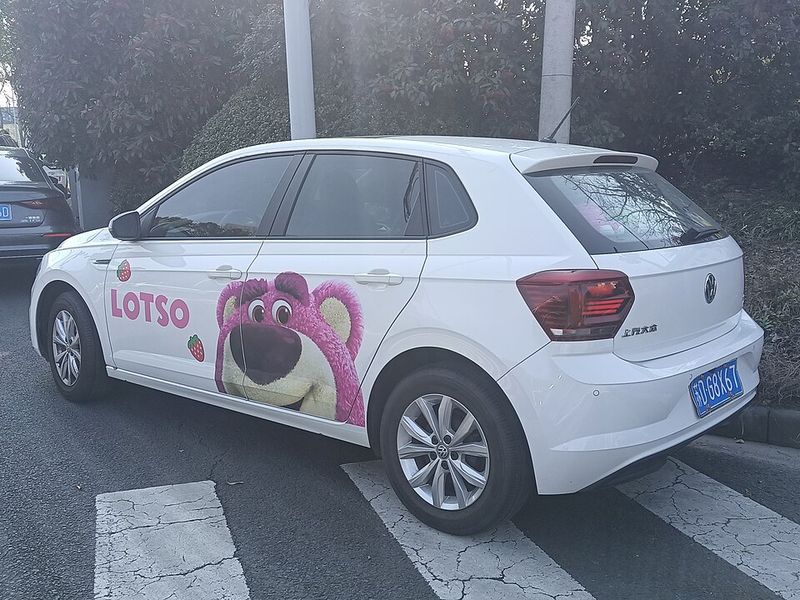
Both Lotso and Jessie were abandoned by the children they loved most and experienced genuine heartbreak.
The difference is that Jessie eventually let new love in, while Lotso decided that love itself was the enemy. One healed, one weaponized the pain.
What makes this theory genuinely chilling is how thin that line really is. Jessie nearly became Lotso.
She was bitter, closed off, and terrified of loving again before Woody and Buzz reached her.
The Toy Story universe is basically asking: what happens when nobody reaches you in time?
8. Bonnie’s Toys Are Stuck in the Same Cycle
Toy Story 4 ends with Woody walking away into the unknown and the remaining toys settling happily into life with Bonnie, it feels like a fresh start.
Except fans have pointed out that nothing has actually changed. Every toy relationship in this franchise comes with an expiration date.
Bonnie will grow up and lose interest. The toys will end up in a box, a donation pile, or worse.
Jessie, Buzz, and the gang are not escaping the cycle, they are just beginning another lap of it.
9. Andy’s Bond With Woody Was Never Random
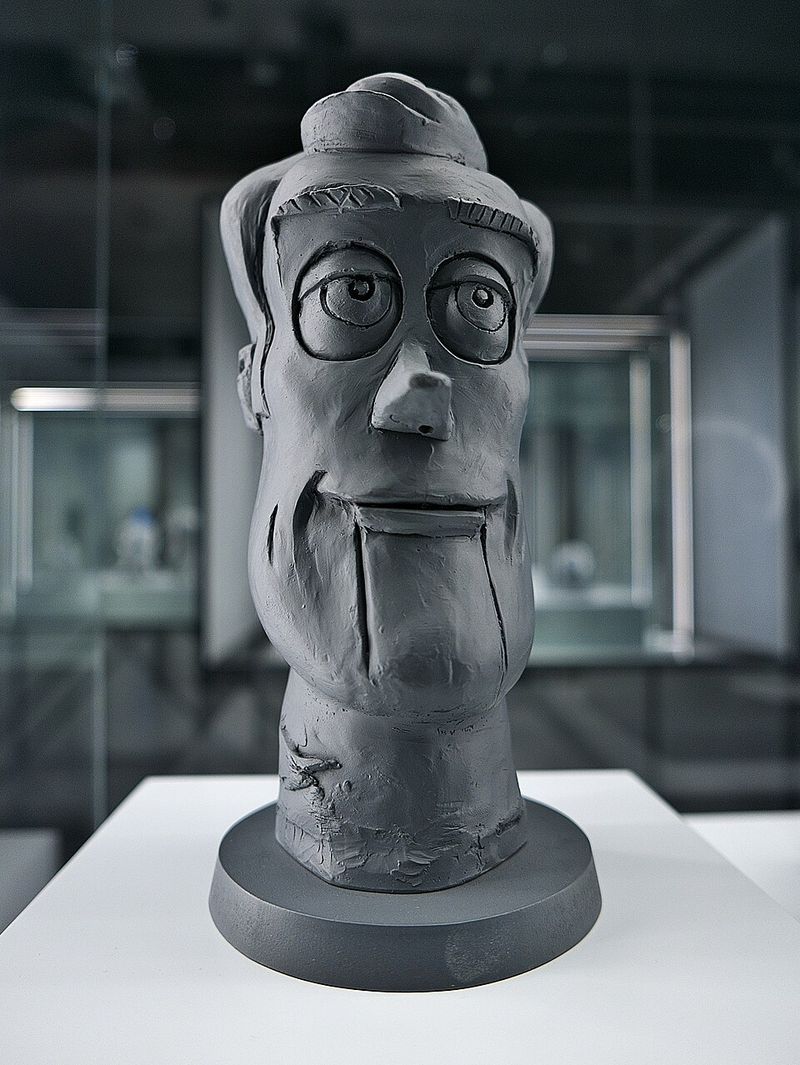
Why does Andy love Woody so fiercely right from the start? Most kids pick favorites based on what is new and shiny.
Buzz Lightyear literally arrives with lights, sounds, and space ranger energy, yet Woody remains Andy’s most treasured toy. That level of attachment needs an explanation.
Fans who believe Andy’s mom once owned Jessie take this further, suggesting Woody may have been passed down through the family.
If true, Andy’s deep connection to Woody was never just childhood preference. It was inherited love, a bond built across generations that Andy felt without ever knowing why.
10. Toys Are Silent Witnesses to Everything
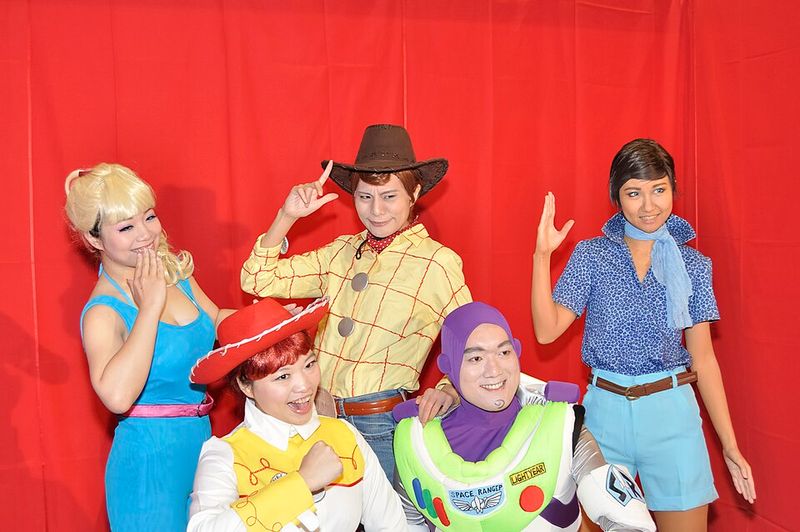
Toys in this universe do not just sit there looking cute. They watch, listen and track family dynamics.
Think about how much a toy on a shelf actually sees over the course of a childhood. Bedtime conversations, family fights, first heartbreaks, all of it.
That reframes every toy in every scene as a silent, aware witness with years of accumulated knowledge about the humans around them. Not quite sinister, but not entirely comfortable either.
Where do all those memories go when the toy gets donated? Do they carry that weight forever?
11. Al’s Toy Barn Made Collecting Terrifying
Al’s apartment in Toy Story 2 looks like a collector’s paradise, but through the toys’ eyes it is something much darker. Every toy in that room is preserved, protected, and completely untouched.
They survive physically while losing the entire reason they exist: to be loved and played with. The collector economy in this film turns toys into objects of value rather than connection.
Woody nearly accepts that fate himself, choosing museum glass over Andy’s bedroom.
12. The Pixar Theory Makes It All Much Darker

Jon Negroni’s Pixar Theory connects every Pixar film into one shared universe with a single timeline.
In that timeline, Toy Story sits near the beginning of a long arc that eventually leads through animal intelligence, human extinction, and machine dominance.
Suddenly those cheerful toys feel like early chapter characters in a much grimmer story.
You do not have to accept every detail of the theory to feel its weight.
Even the broad strokes, toys gaining consciousness and machines eventually taking over, reframe Woody and Buzz as unknowing participants in something vast and inevitable.
13. Woody Choosing Himself in Toy Story 4 Changes Everything
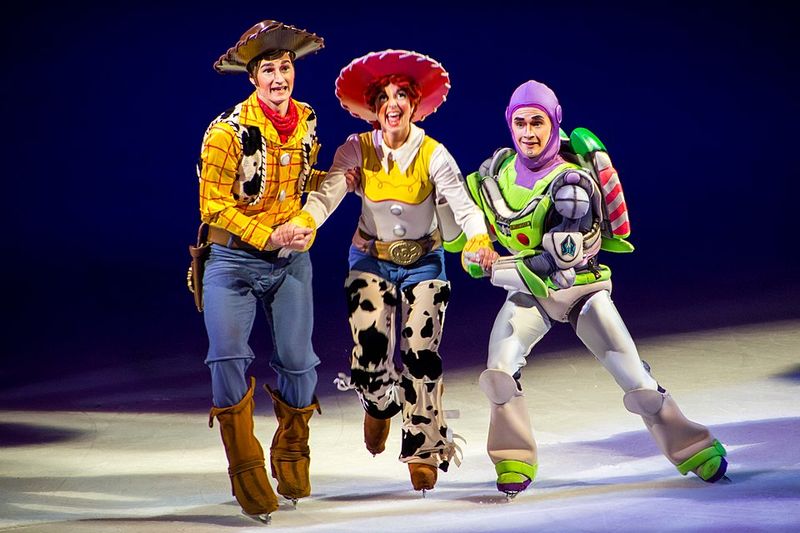
Woody’s decision to stay with Bo Peep at the end of Toy Story 4 is framed as a heartwarming leap of faith.
However, underneath the warm lighting and swelling music, something genuinely strange is happening. For the first time in four films, a toy chooses its own happiness over its owner’s needs.
If toys exist to serve children, Woody just broke the fundamental rule of his entire existence. That suggests toys in this universe are capable of growth, self-determination, and choosing their own path.
Which raises the question: if they can evolve beyond their purpose, what else might they eventually decide they no longer need?