A Glimpse Into Traditional Japanese Breakfasts
Morning rituals in Japan unfold with intention and balance, placing nourishment at the heart of daily life.
A traditional breakfast, called asa gohan, transforms simple ingredients into something extraordinary through careful preparation and respect for nature’s gifts.
Rice bowls steam alongside fermented soybeans, grilled fish glistens with salt crystals, and miso soup warms hands before sunrise.
Understanding what fills Japanese breakfast tables reveals centuries of culinary wisdom packed into one harmonious meal.
1. Steamed Rice As Morning Foundation
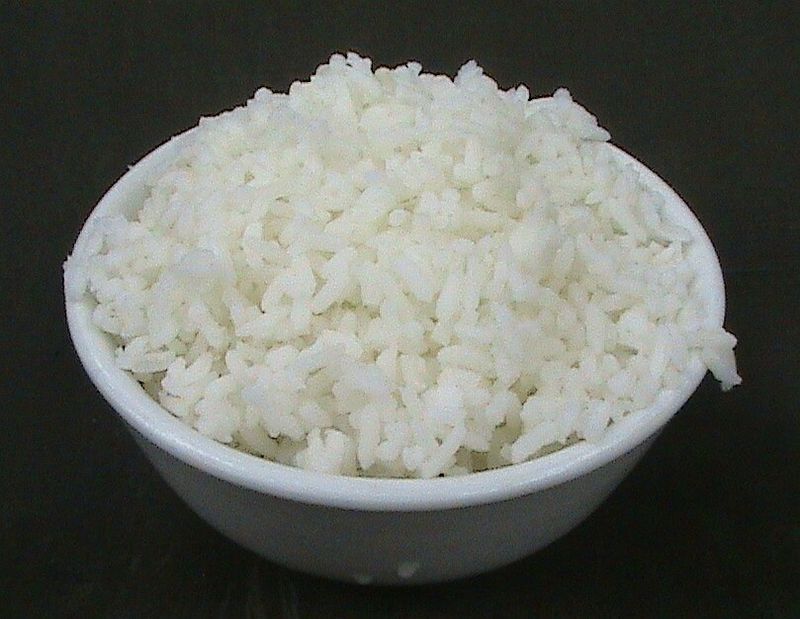
Rice anchors every traditional Japanese breakfast with its soft, sticky texture and subtle sweetness.
Cooked in special rice cookers or pots, each grain absorbs just enough water to achieve perfect tenderness without mushiness.
Families often prepare large batches at night, keeping rice warm until morning when everyone gathers around low tables.
Beyond being filling, rice provides steady energy that fuels busy mornings without weighing anyone down.
Its neutral flavor makes it an ideal canvas for bolder tastes like pickles, fish, and fermented foods that accompany it.
2. Miso Soup’s Warming Embrace
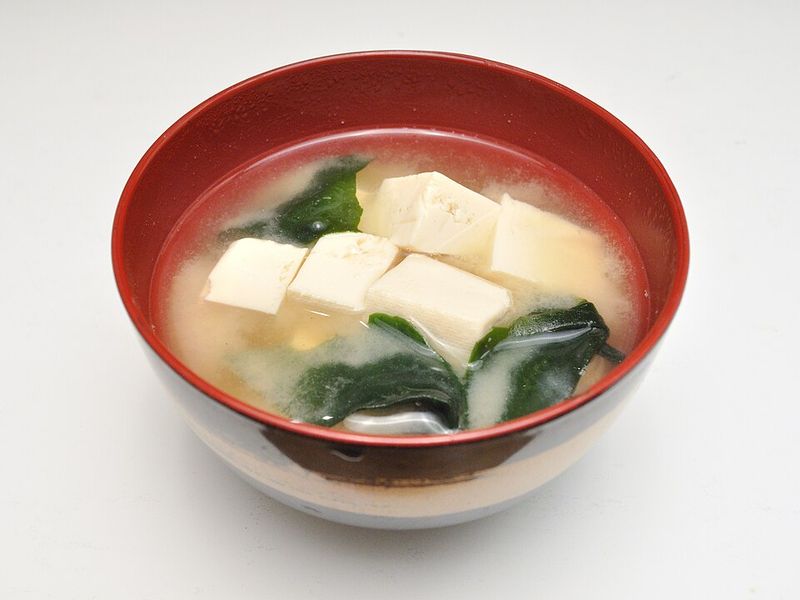
Savory miso soup begins most Japanese mornings with its umami-rich broth that awakens taste buds instantly.
Made from fermented soybean paste dissolved in dashi stock, this soup carries probiotics that support gut health naturally.
Tofu cubes bob alongside seaweed ribbons and sliced scallions, creating textural variety in every spoonful.
Families customize recipes based on regional preferences, adding clams in coastal areas or root vegetables in mountain villages.
Sipping warm miso soup feels like wrapping yourself in a cozy blanket on chilly mornings.
3. Grilled Fish With Crispy Skin
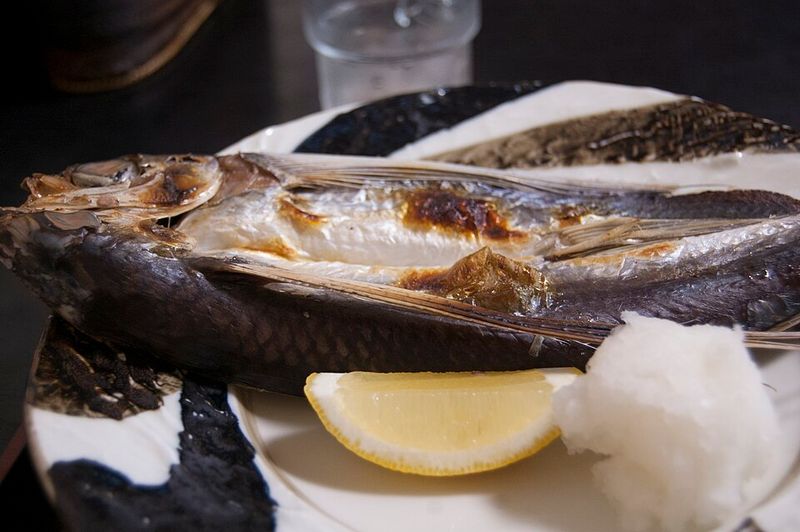
Protein arrives at breakfast in the form of perfectly grilled fish, its skin crackling with savory saltiness.
Salmon and mackerel rank as favorites, lightly salted hours before cooking to draw out moisture and concentrate flavors.
Grilling over charcoal or fish grills creates smoky notes that complement omega-rich flesh underneath crispy exteriors.
No heavy sauces mask natural tastes—just a squeeze of citrus or bite of grated daikon radish cleanses the palate between mouthfuls.
Eating whole fish connects diners to ocean rhythms and seasonal catches.
4. Pickled Vegetables’ Tangy Punch
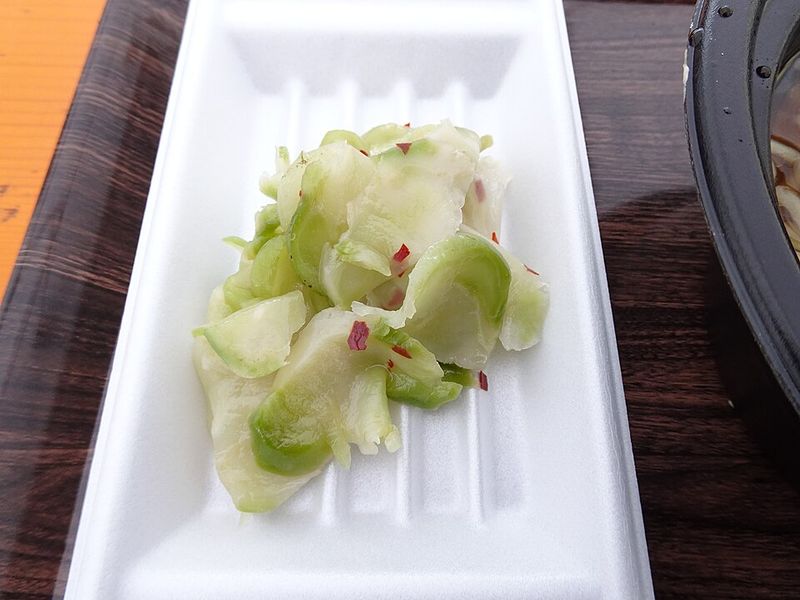
Brightness cuts through rich flavors when pickled vegetables join breakfast spreads with their acidic crunch.
Takuan’s sunshine-yellow radish slices offer sweetness balanced by vinegar tang, while umeboshi plums pucker mouths with intense sourness.
Cucumber pickles provide cooling relief, and pickled eggplant adds purple hues to colorful morning arrays.
Preserving vegetables through fermentation extends shelf life while creating beneficial bacteria that aid digestion throughout busy days.
Just a few bites refresh palates between heavier dishes like fish and rice.
5. Nori Sheets Wrapped Around Everything
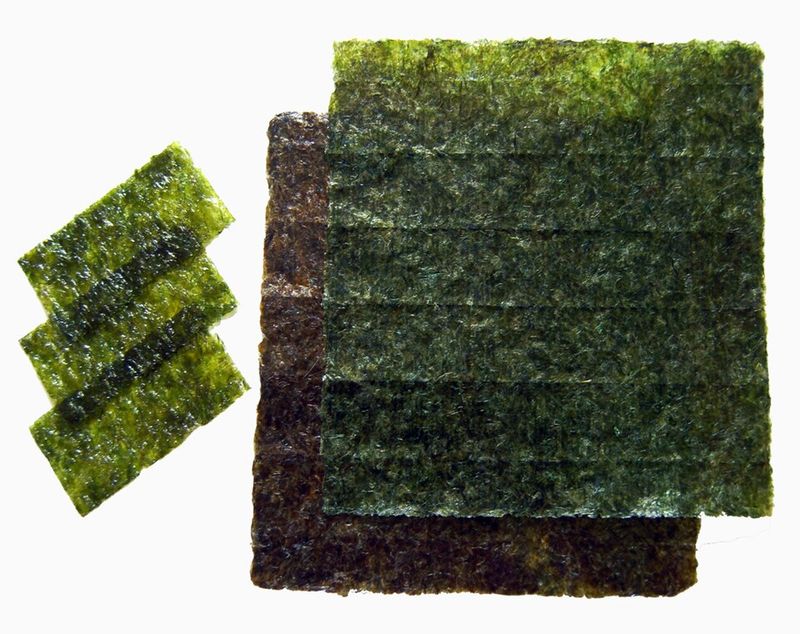
Crispy seaweed sheets bring ocean minerals and satisfying crackle to morning meals across Japan.
Nori’s paper-thin texture shatters between teeth, releasing briny flavors that pair beautifully with plain rice.
Many people tear sheets into strips, wrapping them around rice bites to create instant hand-held snacks during rushed mornings.
Roasted over flames until deep green turns almost black, quality nori smells like low tide and tastes faintly sweet beneath salty notes.
Kids especially love using nori as edible wrappers for their breakfast creations.
6. Tamago Kake Gohan’s Silky Simplicity
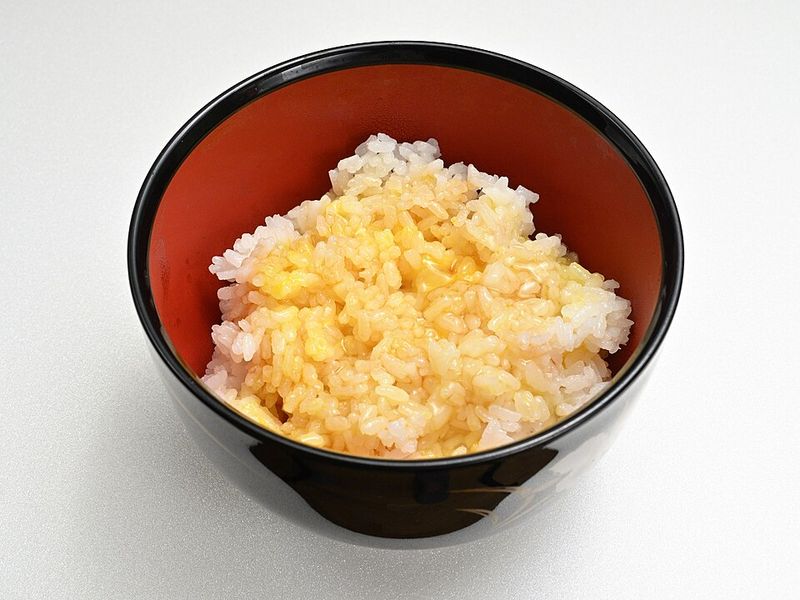
Raw egg meets steaming rice in this beloved dish that transforms breakfast into creamy comfort food.
Cracking fresh eggs directly over hot rice creates gentle cooking as diners stir yolks and whites into grains.
Soy sauce drizzled on top adds salty depth, while some add furikake seasoning for extra umami kicks.
Japan’s strict egg safety standards make eating raw eggs common practice, unlike in many Western countries where concerns limit this preparation.
Tamago kake gohan feels like a warm hug in bowl form, nostalgic and satisfying.
7. Natto’s Sticky Fermented Magic
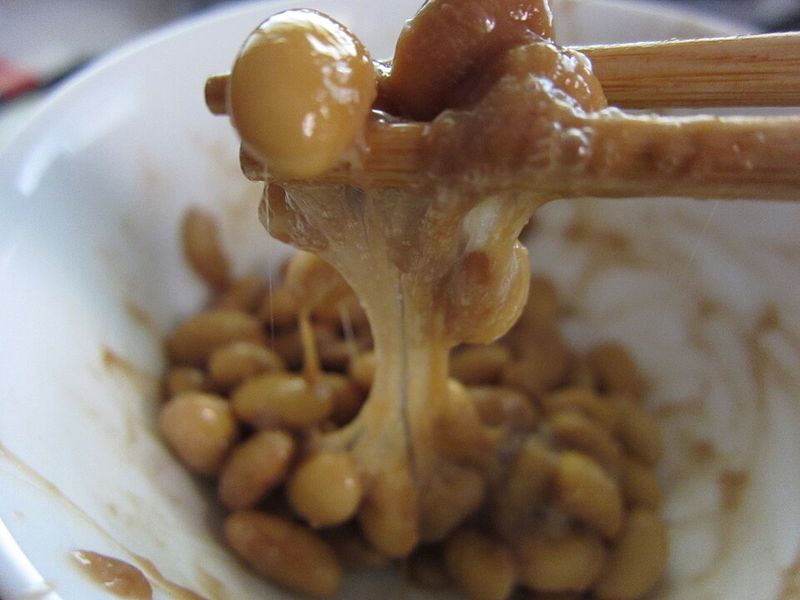
Fermented soybeans divide breakfast eaters into devoted fans and skeptical newcomers with their powerful aroma.
Natto’s sticky strands stretch between chopsticks like edible spider webs, creating theatrical moments at morning tables.
Stirring vigorously activates enzymes that increase stringiness while mellowing sharp smells into nutty undertones.
Packed with protein, vitamin K2, and gut-friendly probiotics, natto offers serious nutritional benefits despite its acquired taste.
Many children grow up eating natto daily, developing lifelong appreciation for its unique funky charm.
8. Tamagoyaki’s Sweet Rolled Layers

Japanese rolled omelets showcase culinary technique through their perfectly layered spirals of sweetened eggs.
Cooks pour thin egg layers into rectangular pans, rolling each addition into growing cylinders that get sliced into pinwheels.
Sugar and mirin add subtle sweetness that surprises Western palates expecting savory eggs at breakfast time.
tamagoyaki takes practice—achieving even layers without tears or burns separates amateur cooks from skilled home chefs.
Bento boxes often feature tamagoyaki slices as colorful protein additions that children eagerly devour first.
9. Tofu In Morning Preparations
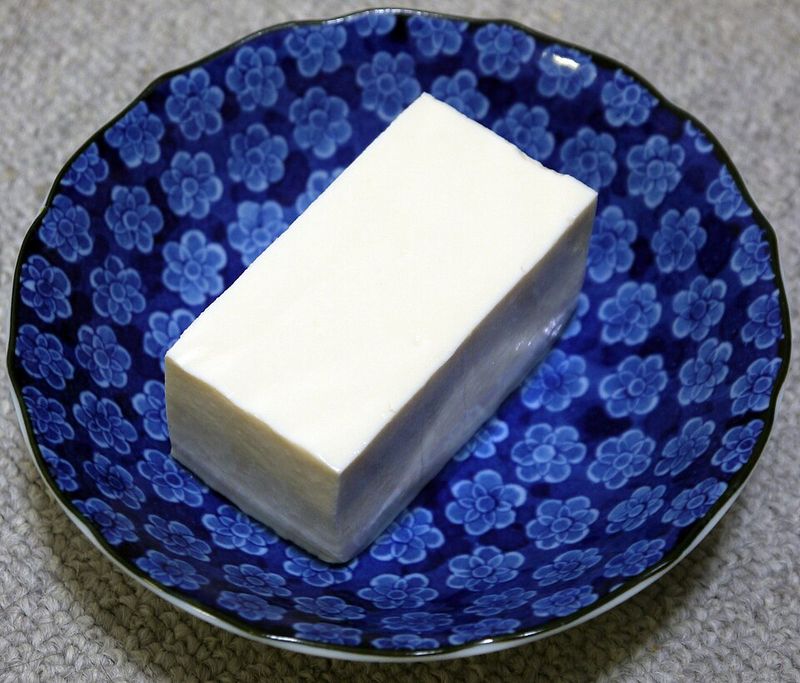
Silken tofu appears at breakfast tables as versatile protein that absorbs surrounding flavors beautifully.
Chilled tofu gets topped with soy sauce, grated ginger, and dancing bonito flakes that move from residual heat.
Some prefer heating tofu in miso soup where it soaks up savory broth while maintaining delicate texture.
Made from soybeans like natto but through different processes, tofu offers gentler introduction to plant-based Japanese proteins.
Its neutral taste makes tofu perfect morning food—substantial enough to satisfy without overwhelming early appetites.
10. Green Tea Ceremonies At Dawn
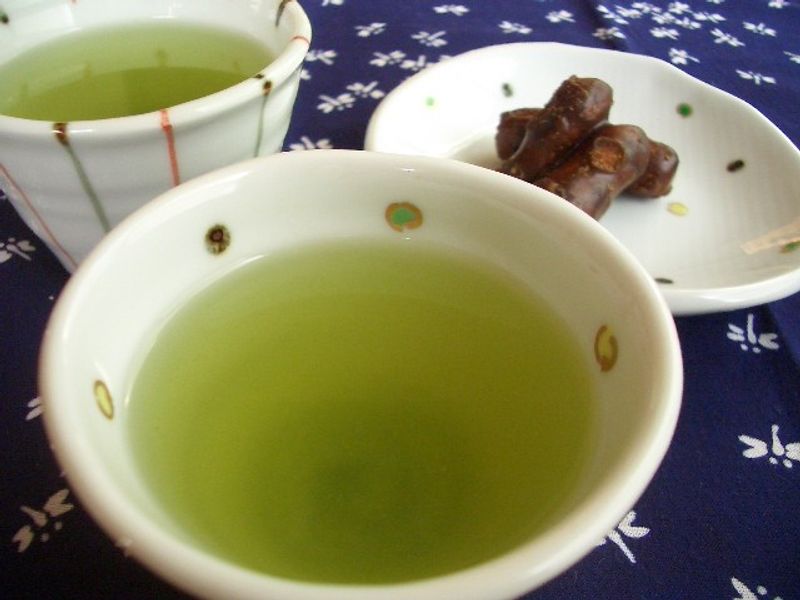
Steaming green tea completes breakfast rituals, offering gentle caffeine boosts without coffee’s intensity.
Sencha remains most popular for morning drinking, with its grassy notes and slight astringency cutting through rich foods.
Pouring tea becomes meditative practice—water temperature matters greatly, as boiling water burns delicate leaves into bitterness.
Antioxidants in green tea support metabolism and mental clarity, preparing minds and bodies for productive days ahead.
Sipping tea slowly between bites encourages mindful eating that modern rushed mornings often lack completely.
11. Onigiri Rice Balls For Portability
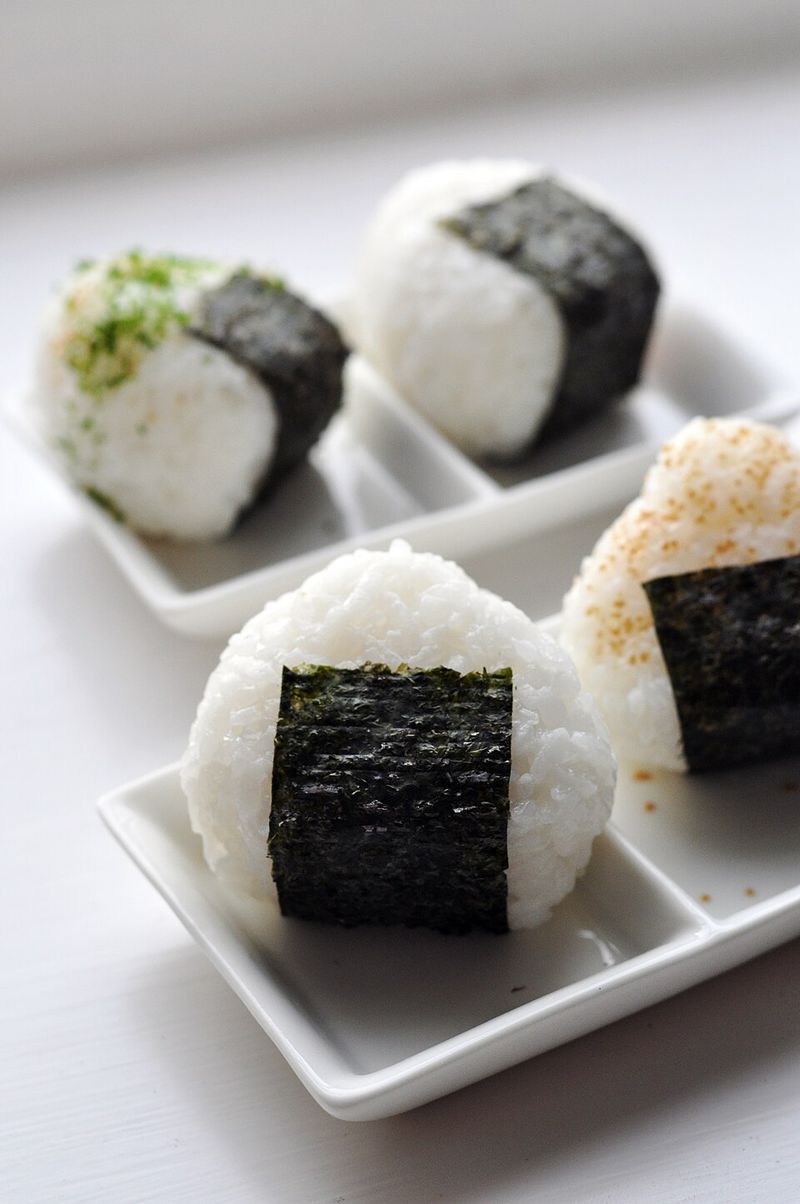
Portable rice balls transform breakfast into grab-and-go convenience without sacrificing traditional flavors.
Molded into triangles or cylinders, onigiri hide surprise fillings like salted salmon, tuna mayo, or pickled plum centers.
Nori wraps keep hands clean while adding crispy contrast to soft rice exteriors that stick together naturally.
Convenience stores across Japan stock dozens of onigiri varieties, but homemade versions carry special warmth from family hands shaping each ball.
Busy students and workers rely on onigiri as satisfying breakfasts eaten during commutes.
12. Dashimaki Tamago’s Dashi-Infused Richness
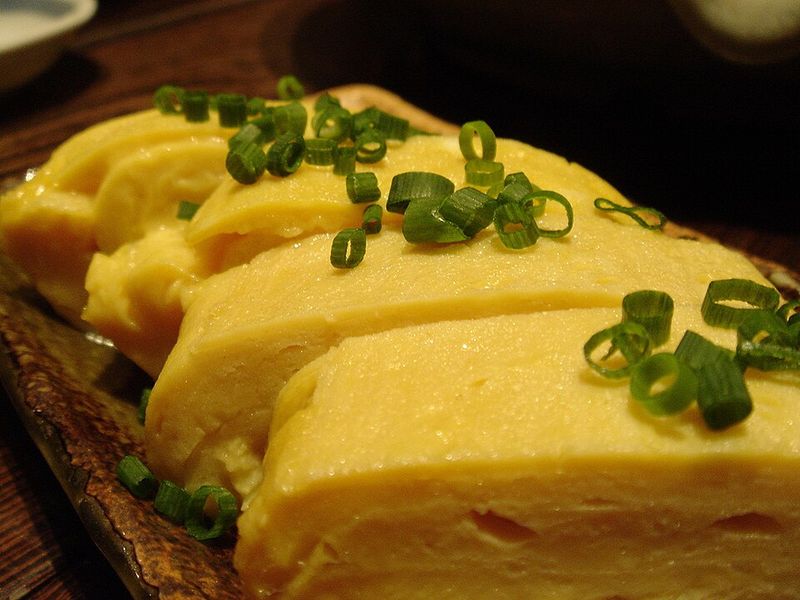
Dashi stock elevates ordinary rolled omelets into cloud-like breakfast delicacies bursting with umami depth.
Unlike sweeter tamagoyaki, dashimaki incorporates savory fish stock that makes eggs taste almost oceanic in complexity.
Achieving proper fluffiness requires adding more liquid than typical omelets, demanding careful technique to prevent falling apart during rolling.
Restaurants specializing in egg dishes charge premium prices for perfectly executed dashimaki that melts on tongues.
Grated daikon radish alongside helps cut through richness between bites of this luxurious morning treat.
13. Kamaboko Fish Cake Slices
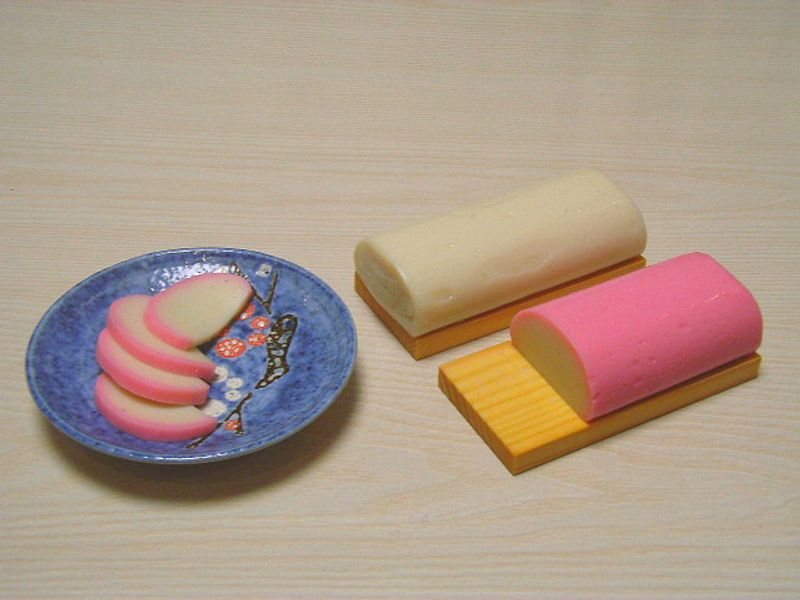
Processed fish cakes add protein and visual appeal through their distinctive pink-and-white swirled appearance.
Made from pureed white fish mixed with starch and steamed into firm loaves, kamaboko gets sliced into half-moons.
Its mild, slightly sweet flavor and bouncy texture provide pleasant contrast to softer breakfast components like tofu.
Originally created as preservation method before refrigeration existed, kamaboko evolved into beloved ingredient appearing in countless Japanese dishes.
Children often eat kamaboko slices first, drawn to pretty colors and fun chewy texture.
14. Seasonal Vegetable Side Dishes
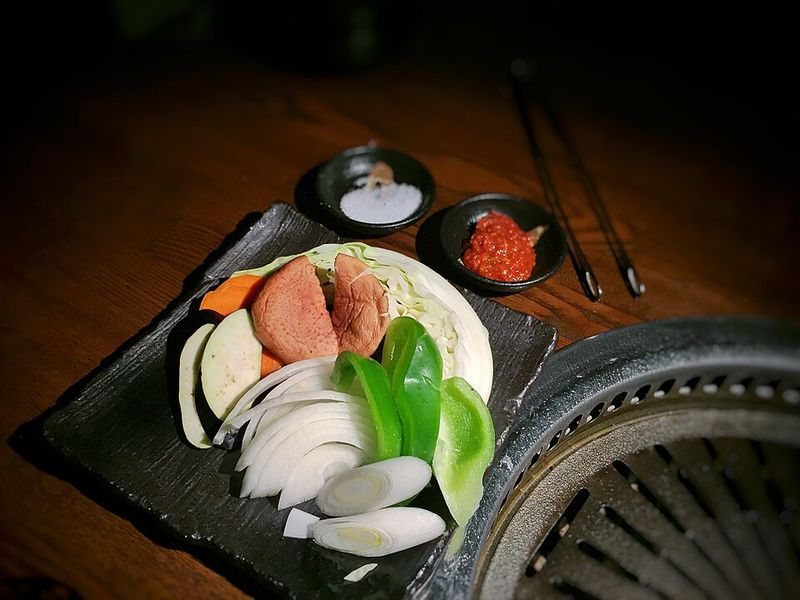
Vegetable sides change with seasons, reflecting Japanese philosophy connecting food directly to nature’s rhythms.
Spring brings tender bamboo shoots, summer offers cooling cucumbers, autumn features earthy mushrooms, and winter highlights hearty root vegetables.
Simple preparations like quick blanching with sesame dressing or gentle simmering in dashi preserve natural flavors and nutrients.
Serving vegetables at breakfast ensures balanced nutrition from morning’s first meal, setting healthy patterns for entire days.
Grandmothers often prepare these dishes, passing down regional recipes through generations of family cooking.
15. Furikake Seasoning’s Flavor Explosion
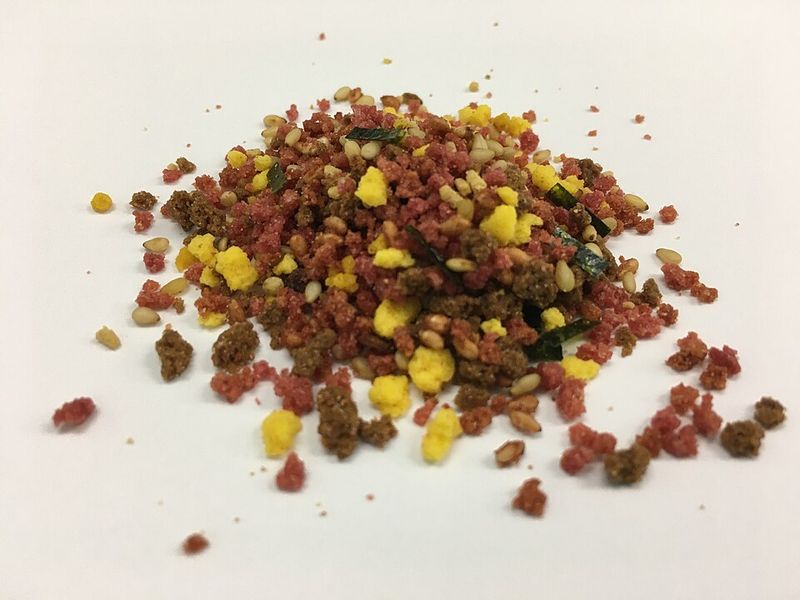
Dried seasoning blends pack massive flavor into tiny granules that transform plain rice into exciting breakfast experiences.
Furikake combines seaweed flakes, sesame seeds, dried fish, and sometimes egg powder into convenience shakers found in every Japanese kitchen.
Flavors range from classic salmon to adventurous wasabi, letting each family member customize rice bowls to personal preferences.
Invented during calcium-deficiency concerns in early 1900s, furikake originally served nutritional purposes before becoming beloved condiment.
Sprinkling furikake feels like adding edible confetti that makes breakfast instantly more fun and flavorful.