15 Trailblazing Black Female Singers Of The 1950s
Music history would look completely different without the incredible voices that emerged during the 1950s.
Black female singers broke through barriers that seemed impossible to overcome, creating sounds that still echo through every genre today.
Their courage and talent didn’t just change music – they changed the world, one note at a time.
Get ready to meet the legends who made it all happen.
Disclaimer:
This article is for general informational purposes.
All descriptions reflect historical context and publicly available information at the time of writing.
It does not offer legal, safety, or professional advice.
1. Billie Holiday
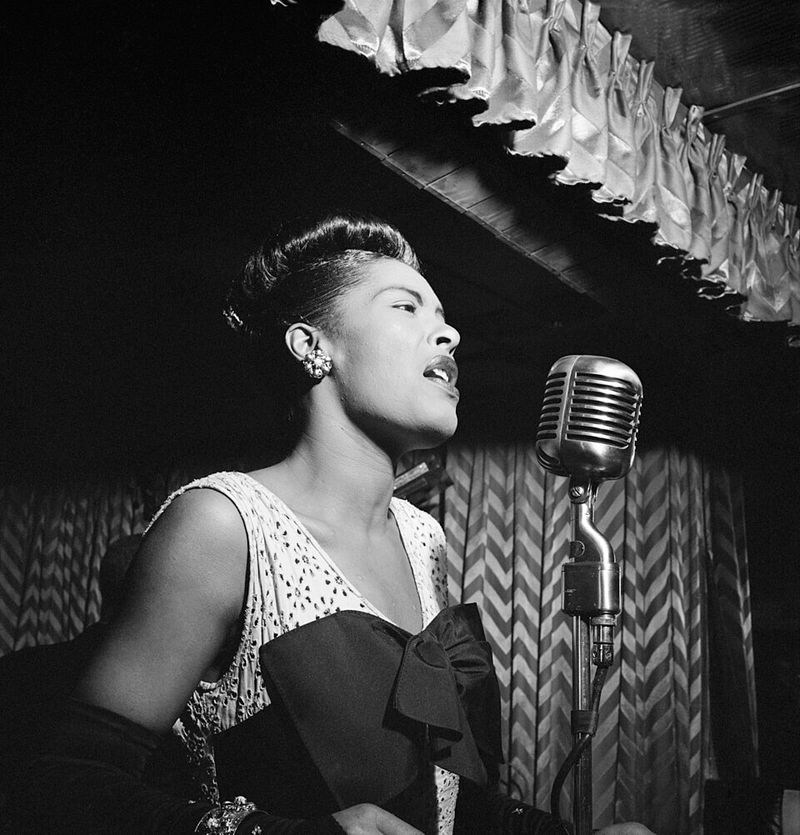
Lady Day sang like heartbreak had a voice, and everyone stopped to listen.
Her rendition of “Strange Fruit” became more than just a song – it turned into a powerful statement against injustice that still gives people goosebumps today.
Despite facing incredible hardships throughout her life, she transformed her experiences into expressive, unforgettable artistry that influenced countless jazz musicians who came after her.
2. Ella Fitzgerald
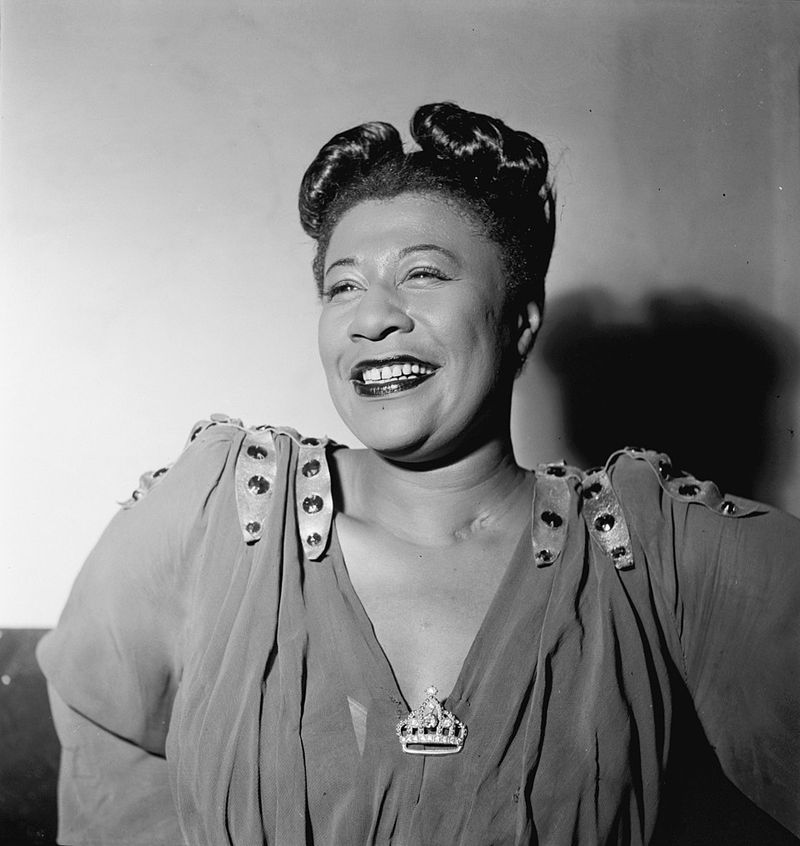
With a voice capable of reaching notes most people can only dream about, she earned the nickname “The First Lady of Song” for very good reason.
Scat singing flowed from her like a musical instrument of its own, spinning improvised melodies that left audiences absolutely speechless.
Across jazz standards and popular hits alike, more than 200 albums were recorded and 13 Grammy Awards were earned over the course of a truly legendary career.
3. Sarah Vaughan
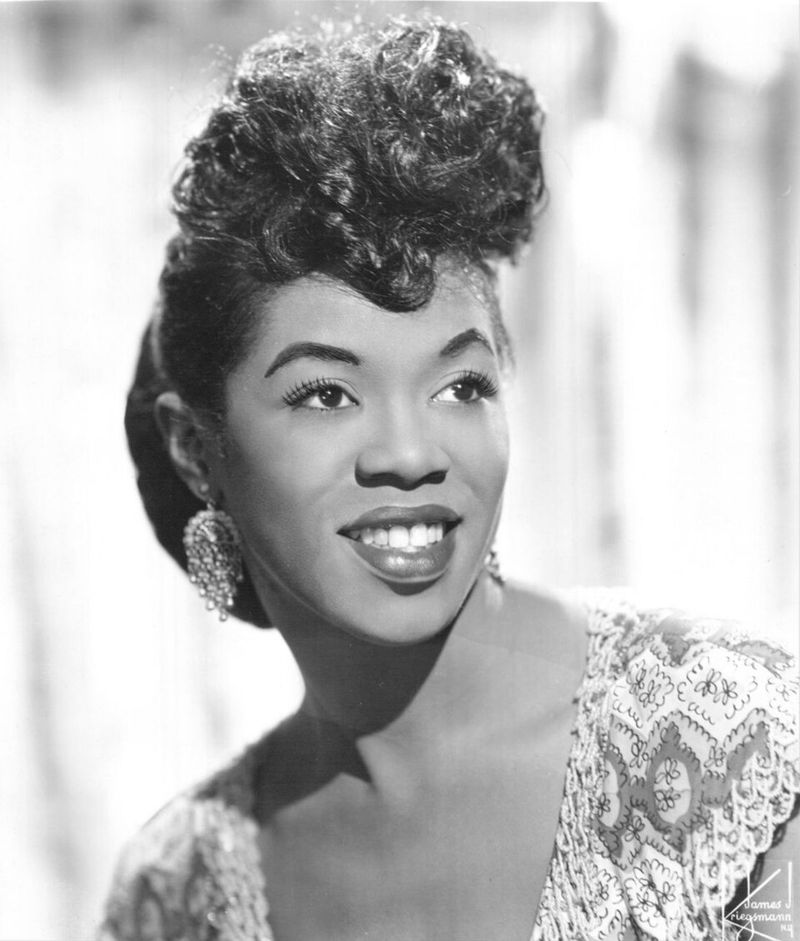
Imagine a voice so rich and smooth it could make even a grocery list sound like poetry – that was The Divine One.
Her incredible four-octave range allowed her to glide effortlessly between jazz, pop, and classical styles, making every performance feel like a masterclass.
Critics and fans alike marveled at how she could bend notes and shift tones with the precision of a seasoned instrumentalist.
4. Dinah Washington
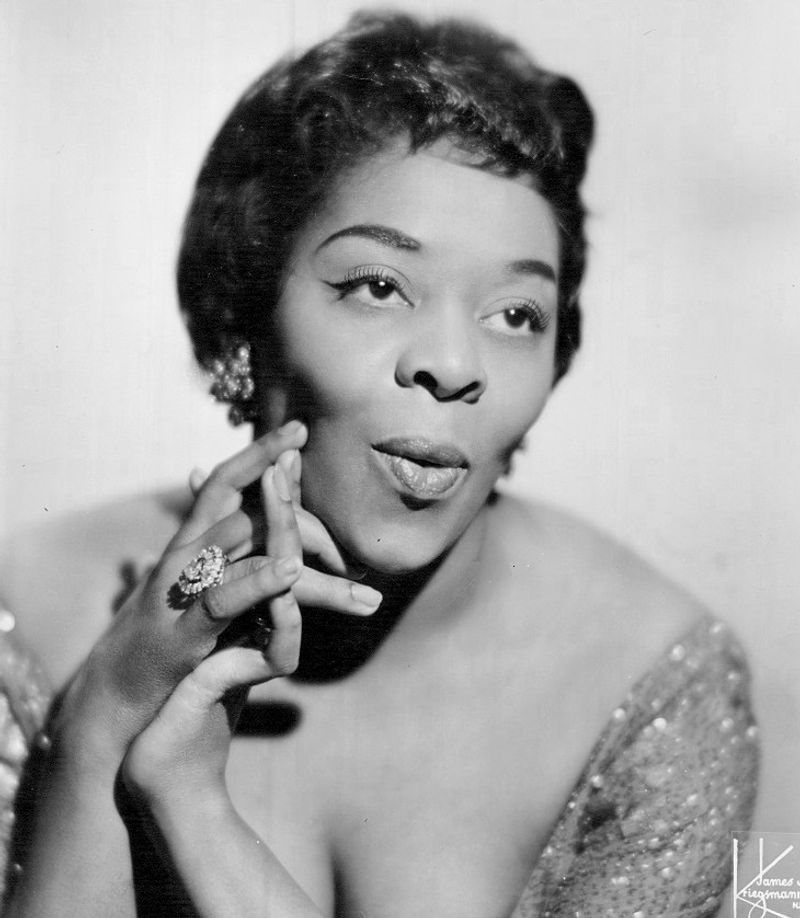
Queen of the Blues status came from an ability to shift from heartbreaking ballads to upbeat R&B faster than you can say “What a Diff’rence a Day Makes.”
A 1959 crossover hit demonstrated that talent ignores genre boundaries, climbing both pop and R&B charts at the same time.
More than 400 recorded songs across blues, jazz, and gospel built a catalog that continues to inspire modern artists today.
5. Nina Simone
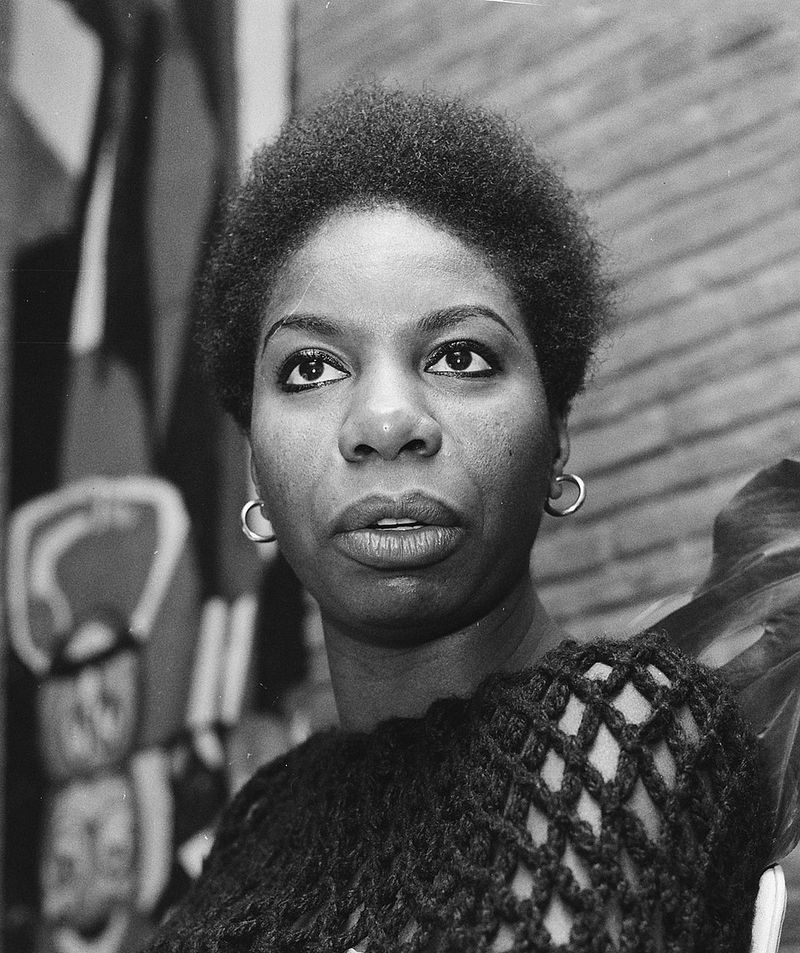
Before becoming a civil rights icon, she entered the decade as a classically trained pianist who faced barriers to conservatory admission during early training.
A fusion of jazz, blues, folk, and classical emerged from her artistry, creating something entirely new that defied every label the music industry tried to slap on it.
Songs like “I Loves You, Porgy” revealed a haunting voice and remarkable piano skills that captivated late-1950s audiences everywhere.
6. Mahalia Jackson
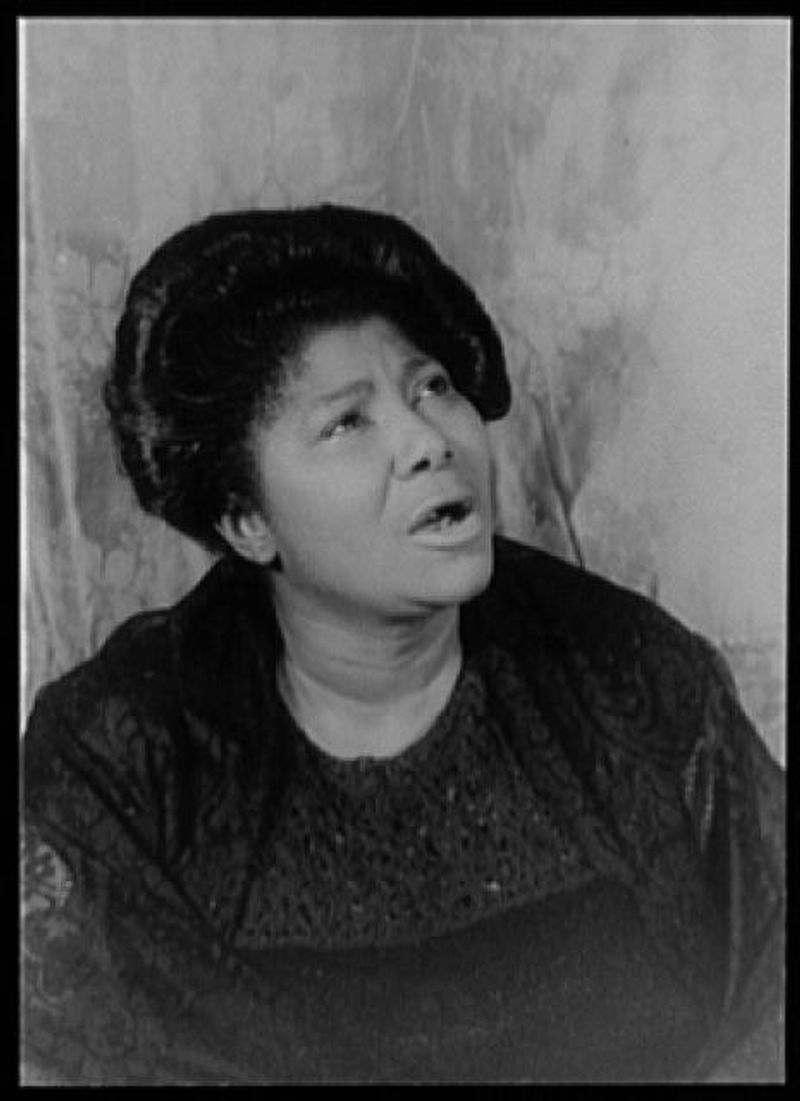
Gospel music found its greatest champion in a woman whose voice could fill stadiums and touch souls simultaneously.
She refused to sing secular music despite countless lucrative offers, staying true to her spiritual roots and becoming the most influential gospel artist ever.
Her performances at churches and concert halls brought gospel music to mainstream audiences, paving the way for its acceptance in popular culture nationwide.
7. Ruth Brown
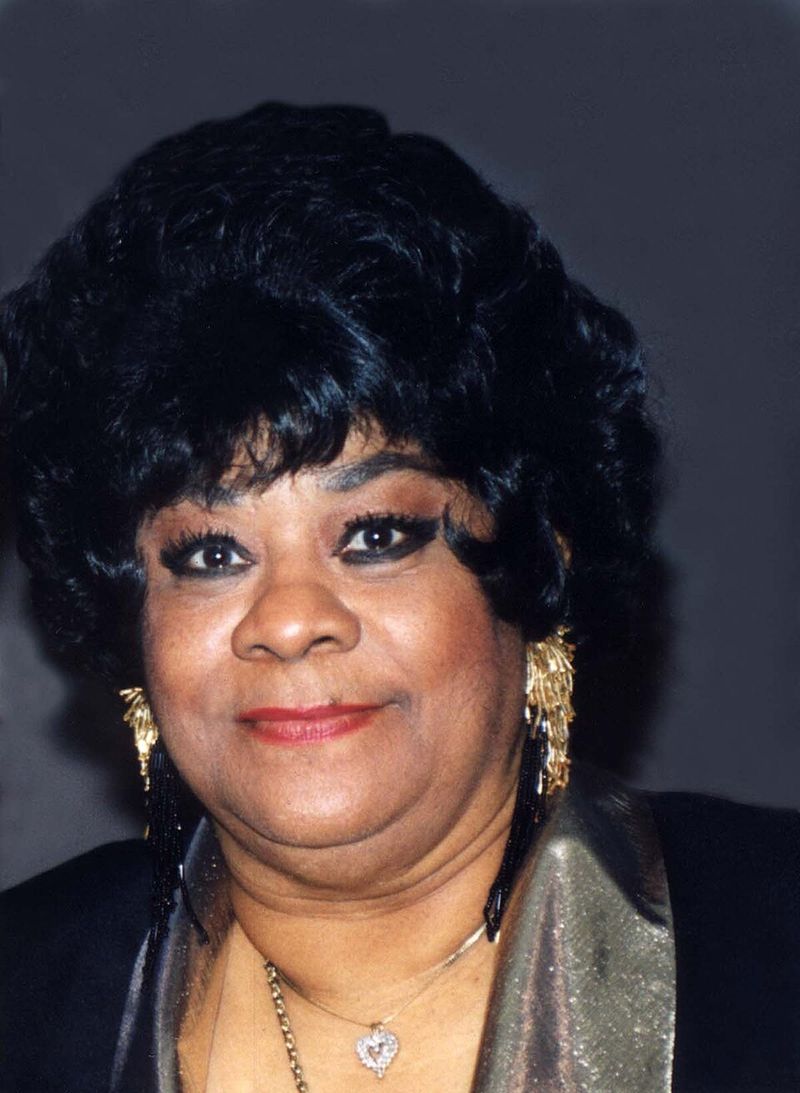
Atlantic Records practically owed their entire early success to Miss Rhythm, whose string of R&B hits earned the label its nickname “The House That Ruth Built.”
Her songs “Teardrops from My Eyes” and “Mama He Treats Your Daughter Mean” dominated the charts, making her one of the decade’s most commercially successful artists.
Beyond catchy tunes, she brought sass and sophistication to R&B that influenced everyone from Aretha Franklin to Beyoncé.
8. LaVern Baker
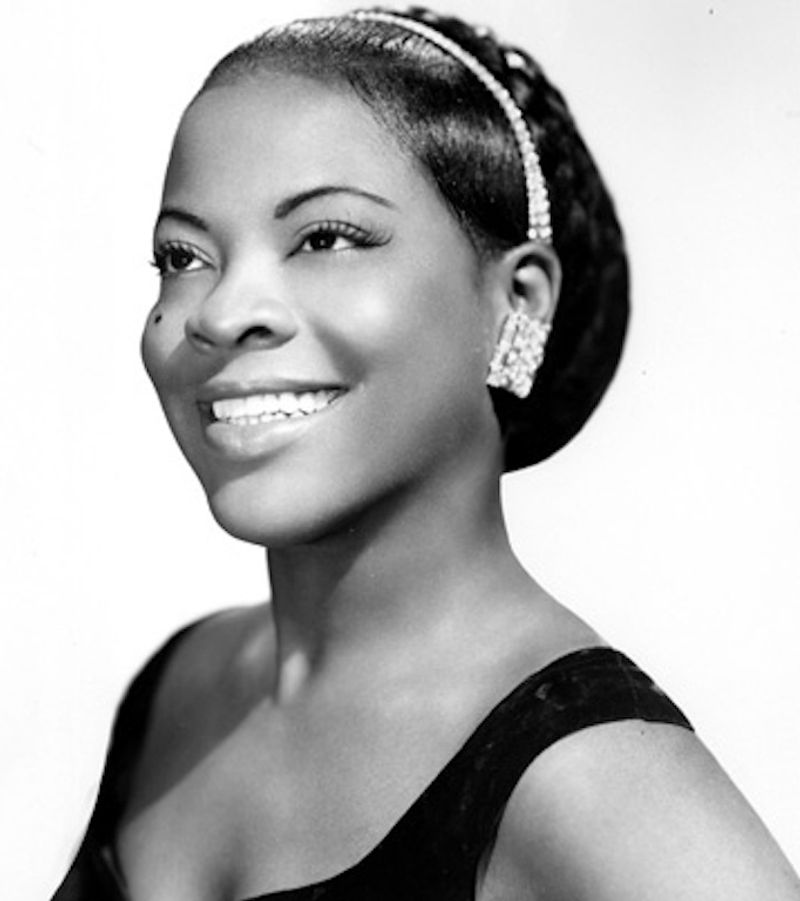
When rock and roll was still finding its footing, she stormed onto the scene with “Tweedlee Dee” and never looked back.
Powerful vocals and electrifying stage performances turned her into one of the first female rock and roll stars, breaking ground for women throughout the genre.
She even pushed for stronger protections against unauthorized cover versions of her songs – a move that proved she was far ahead of her time.
9. Etta James
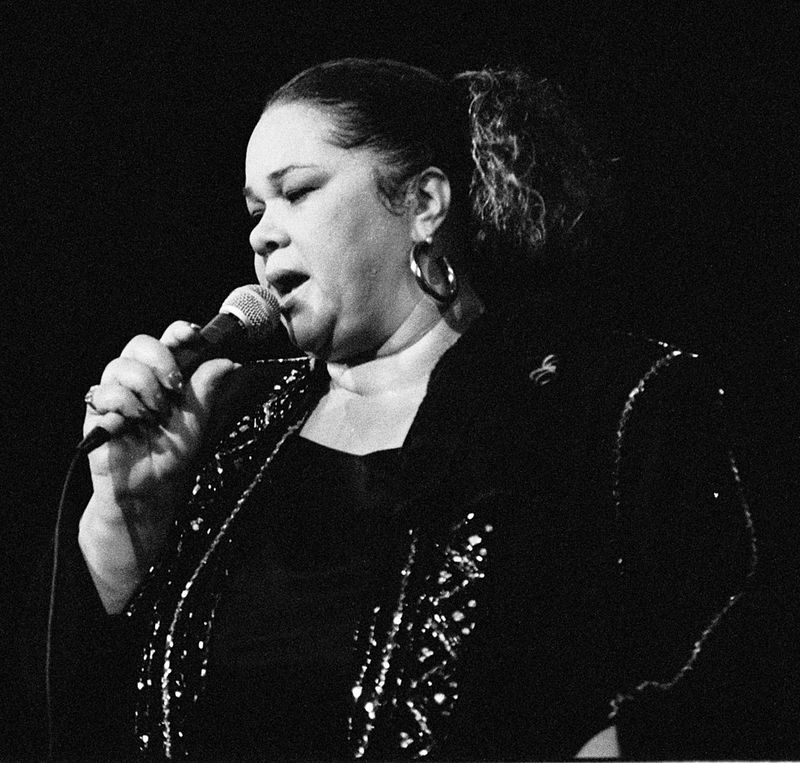
At just 17 years old, she recorded “The Wallflower” (also known as “Roll With Me Henry”) and became an instant sensation.
Distinctive, powerful vocals blended blues, gospel, and R&B in ways that sounded completely fresh and totally authentic at the same time.
Even though the biggest hits arrived later, the 1950s firmly established her as a force to be reckoned with in a male-dominated music industry.
10. Sister Rosetta Tharpe
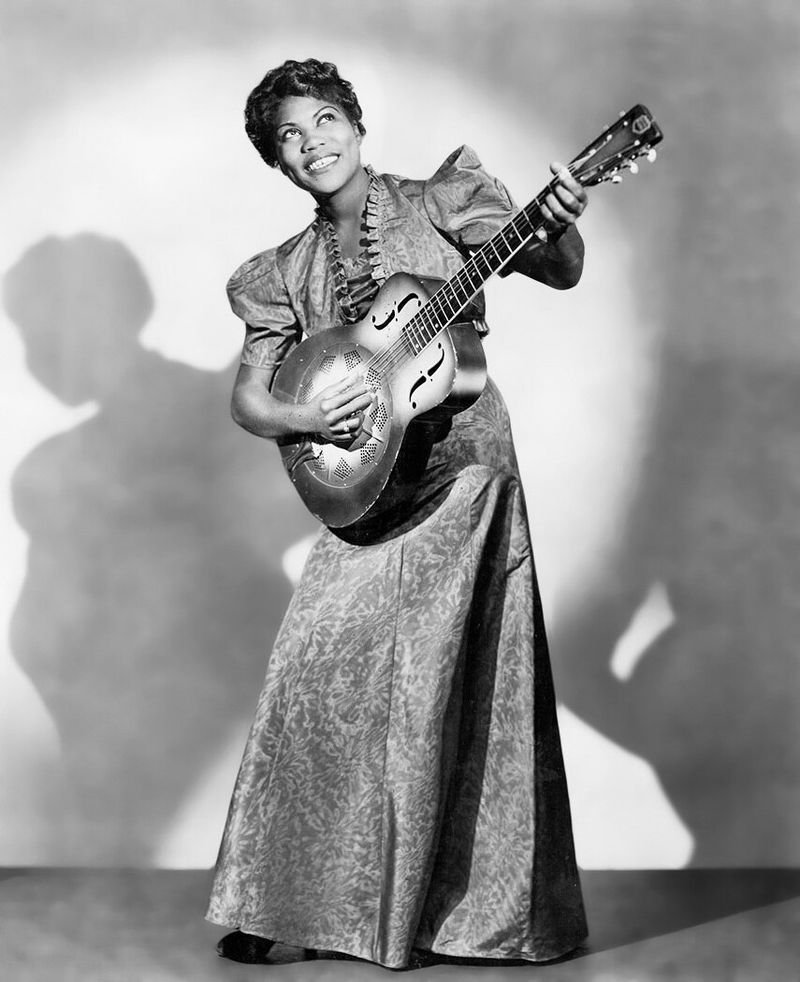
Long before anyone called it rock and roll, she was shredding electric guitar in churches and making gospel music sound absolutely electric.
Her influence on rock music giants like Elvis Presley, Chuck Berry, and Little Richard earned her the title “Godmother of Rock and Roll” – and she totally deserved it.
Watching her perform with her Gibson guitar was like witnessing the future of music being born right before your eyes.
11. Lena Horne
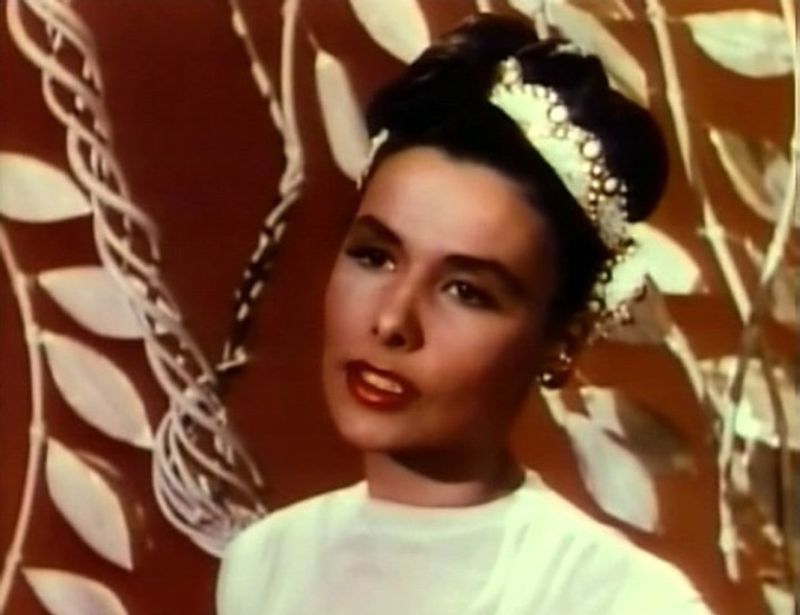
Hollywood tried to box her in, but she broke through as both a stunning beauty and a seriously talented vocalist who commanded respect.
Nightclub performances at venues like the Waldorf-Astoria drew crowds of all backgrounds, proving that talent transcends any barrier society tries to build.
Civil rights advocacy became part of her legacy as she used her platform to insist on performing only for integrated audiences throughout the South.
12. Eartha Kitt
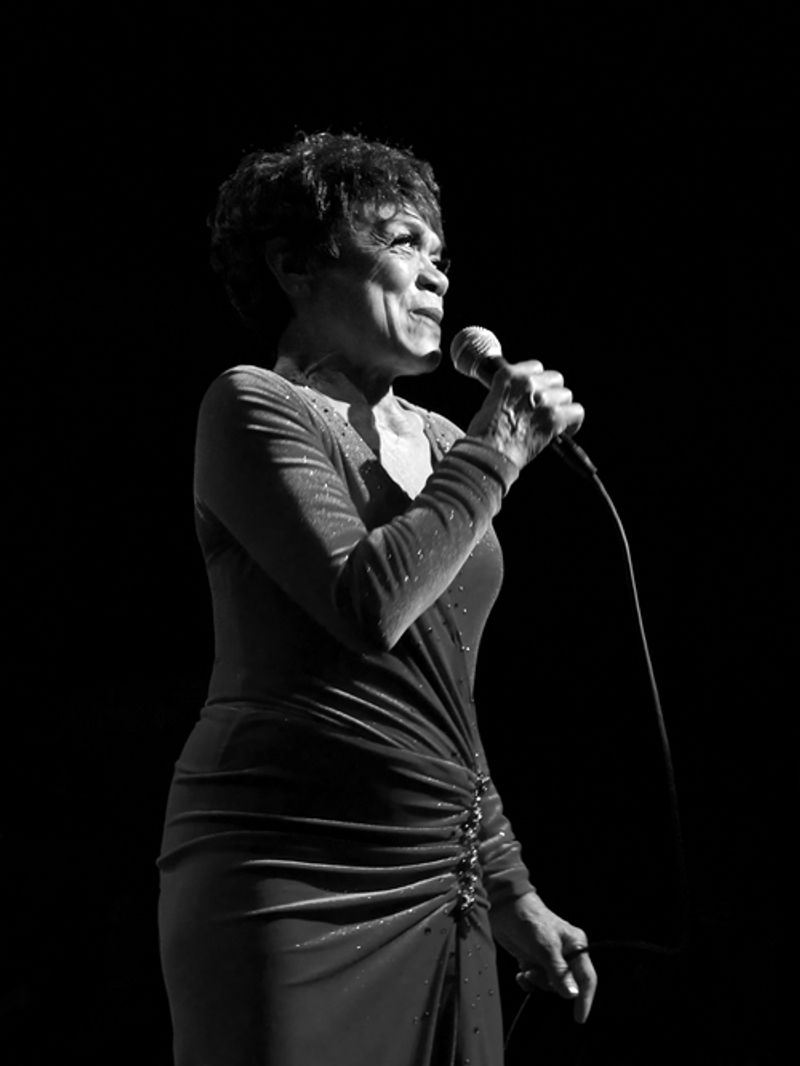
Her purring voice and feline mystique made her an international sensation, earning her the nickname “the most exciting woman in the world” from Orson Welles himself.
From cabaret stages in Paris to Broadway shows in New York, she captivated audiences with her unique vocal style and mesmerizing presence.
Her signature song “C’est Si Bon” showcased her ability to sing in multiple languages while making everyone feel like she was singing directly to them.
13. Big Mama Thornton
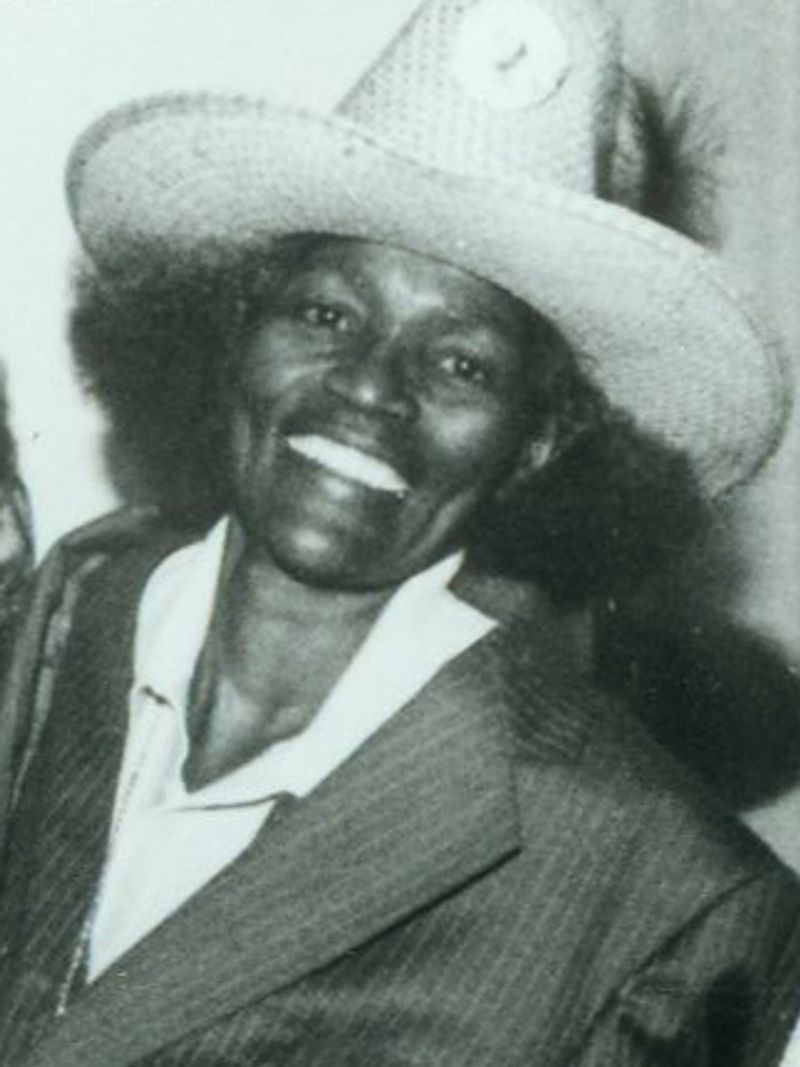
The original 1952 version of “Hound Dog” sold nearly two million copies – long before Elvis ever touched it.
Standing tall with a voice that could shake the rafters, she brought raw power and authenticity to every blues performance she delivered.
Harmonica work and deep, growling vocals created a sound so distinctive that once you heard it, Big Mama’s voice stayed with you forever.
14. Big Maybelle
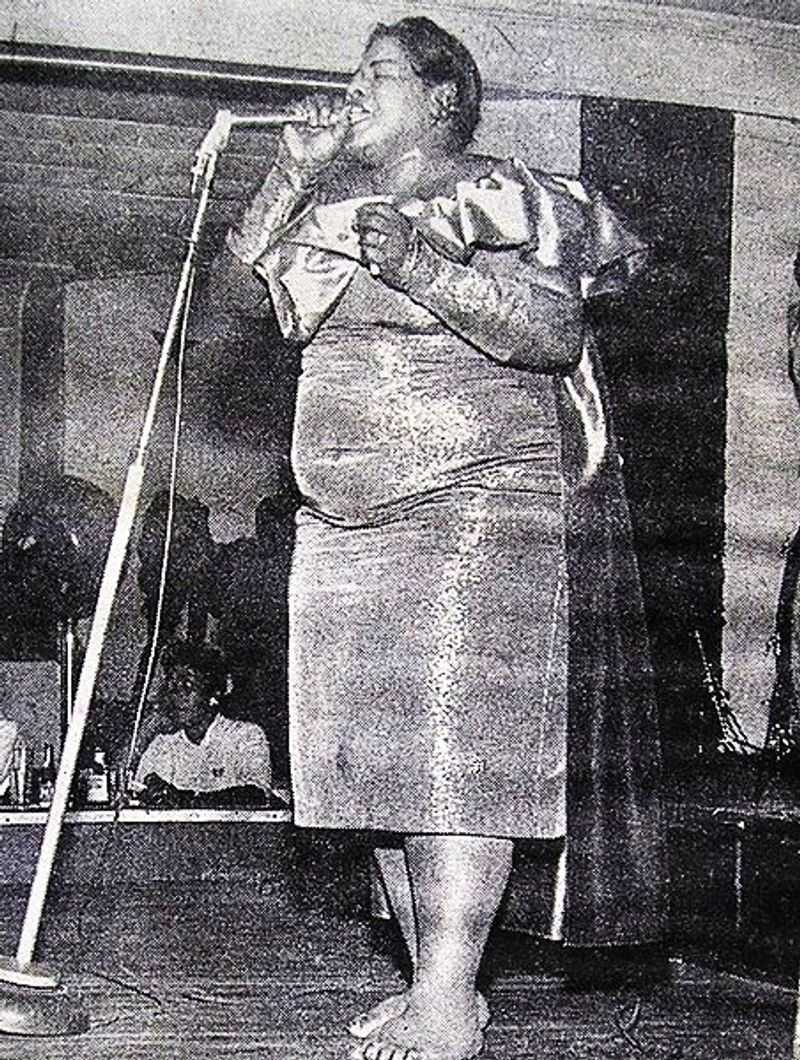
With a voice that could shift from tender whisper to roof-shaking roar in seconds, she earned respect from every blues and R&B artist around.
Songs such as “Gabbin’ Blues” from 1952 and later “Candy” highlighted astonishing range and emotional depth that made listeners feel every single word.
Mainstream fame never rose to meet her talent, yet musicians understood the truth – Big Maybelle stood among the greatest vocalists of her generation.
15. Della Reese
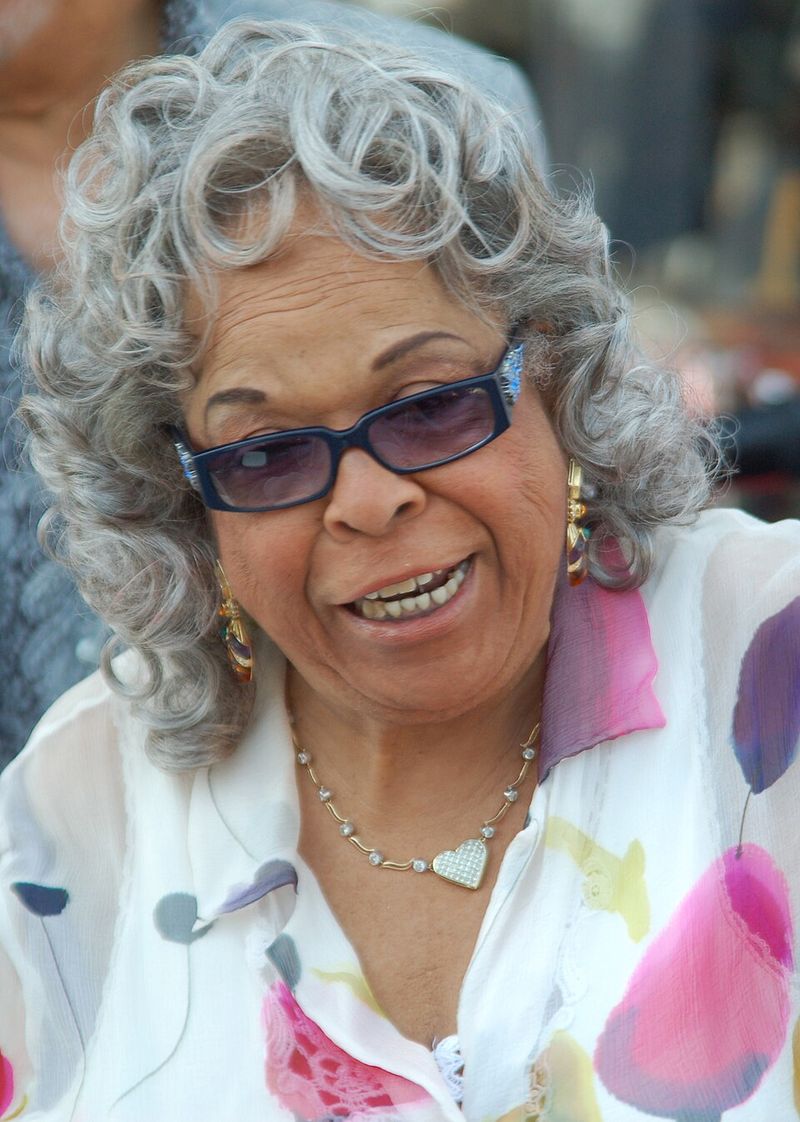
Starting in gospel music before crossing over to jazz and pop, she proved versatility could be just as powerful as specialization.
Her 1959 hit “Don’t You Know” reached number two on the Billboard charts, making her one of the decade’s most successful crossover artists.
Beyond her amazing vocals, her warm personality and genuine stage presence made audiences feel like they were listening to a friend share stories through song.