20 Travel Destinations Known For Marine Life Encounters
Sunlight filters through clear water as enormous shapes glide past, turning an ordinary swim into a once-in-a-lifetime encounter.
Across the globe, certain stretches of ocean feel alive with movement, where dolphins race alongside boats and gentle giants cruise calmly below the surface.
Colorful reefs pulse with energy, while far-flung islands deliver quiet moments as manta rays drift through open blue like living shadows.
Adventure waits just beneath the waves, and twenty extraordinary destinations stand ready to deliver marine encounters that stay vivid long after the salt has dried from your skin.
Note: Travel and wildlife information is provided for general inspiration and may change due to weather, conservation rules, seasonal migration patterns, and local operating conditions.
Wildlife encounters are never guaranteed, and safe viewing practices matter for both people and animals.
Always follow local regulations, use licensed operators where required, and keep respectful distances to help protect marine ecosystems.
20. Ningaloo Reef, Western Australia
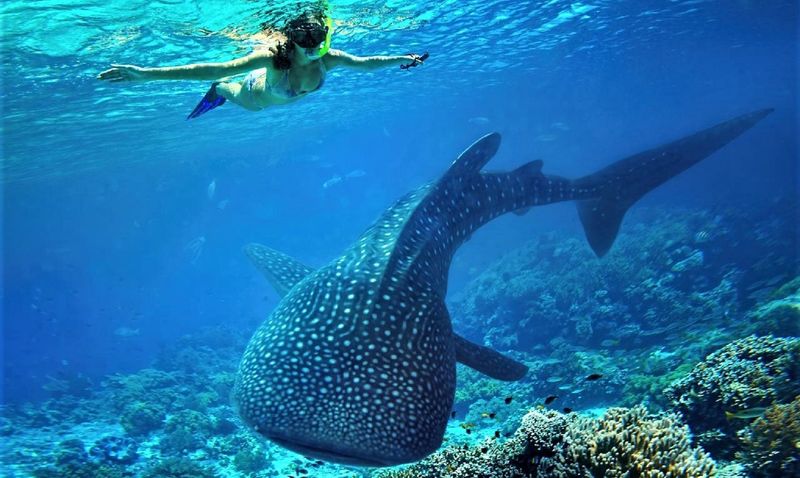
Imagine floating beside the largest fish in the ocean while it peacefully glides through warm Australian waters.
Ningaloo Reef runs for roughly 160–170 miles (about 260–280 km) along Western Australia’s coast, with whale shark season typically running from around March into mid-year.
Unlike many crowded tourist spots, this reef sits just steps from shore, meaning you can snorkel right from the beach.
Manta rays, turtles, and humpback whales also frequent these waters, turning every swim into a potential wildlife surprise.
Located along the North West Cape in Western Australia; fly into Learmonth Airport (LEA) near Exmouth and rent a car to reach the Ningaloo Coast.
19. Great Barrier Reef, Queensland, Australia
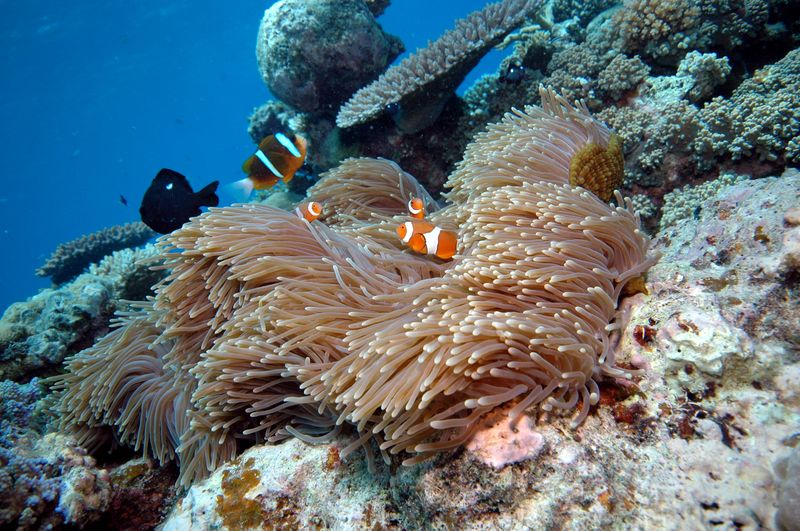
Stretching over 1,400 miles, this natural wonder hosts more marine species than you could count in a lifetime.
The reef system includes thousands of individual reefs and hundreds of islands, each offering unique underwater landscapes.
Snorkelers and divers encounter clownfish darting through anemones, graceful sea turtles cruising past, and reef sharks patrolling the depths.
Visiting between June and October provides calmer seas and excellent visibility, perfect for spotting the reef’s famous residents.
Stretching along the Queensland coast; the most popular gateway is Cairns, but for a more secluded experience, fly into Hamilton Island (HTI) in the Whitsundays.
18. Galápagos Islands, Ecuador
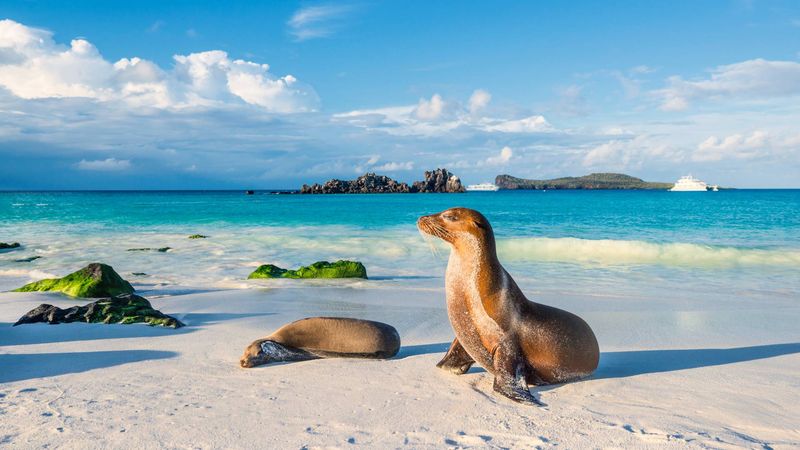
Where else can you swim with penguins near the equator while sea lions playfully zoom around you?
These volcanic islands inspired Darwin’s theory of evolution, and their waters remain just as remarkable as their land creatures.
Hammerhead sharks gather in schools, marine iguanas dive for algae, and gentle whale sharks pass through seasonally.
Because Ecuador strictly protects this UNESCO site, the animals show little fear of humans, creating incredibly intimate wildlife moments.
An archipelago in the Pacific Ocean, roughly 600 miles west of mainland Ecuador.
17. Raja Ampat, West Papua, Indonesia
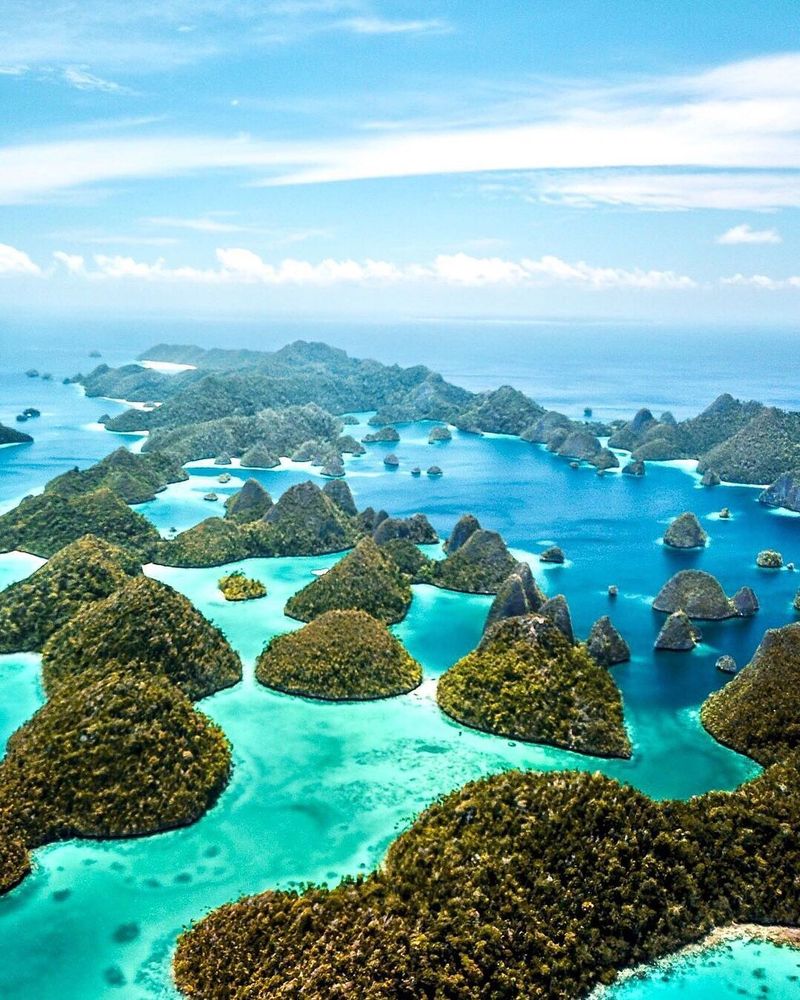
Scientists call this remote Indonesian archipelago the epicenter of marine biodiversity on our entire planet.
Over 1,500 fish species and 600 coral species thrive here, creating underwater rainbows that seem almost unreal.
Manta rays gather at cleaning stations, pygmy seahorses hide in soft corals, and wobbegong sharks rest on the sandy bottom.
Getting here requires effort and planning, but the pristine reefs reward adventurous travelers with scenes few people ever witness.
Located off the northwest tip of Bird’s Head Peninsula in West Papua.
16. Sipadan Island, Sabah, Malaysia
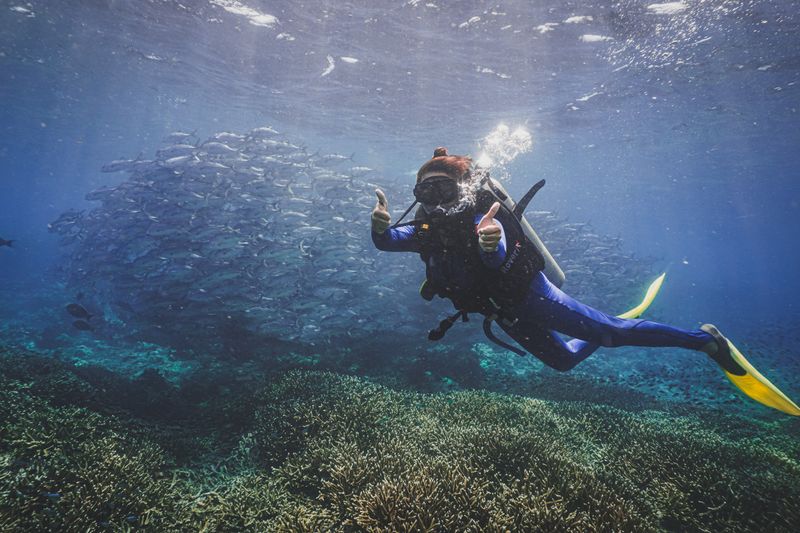
Rising 2,000 feet from the seafloor, this oceanic island creates a magnet for pelagic creatures and reef dwellers alike.
Jacques Cousteau once called Sipadan an untouched piece of art, and today’s divers still find his words ring true.
Green and hawksbill turtles nest on the beaches and cruise the reefs in impressive numbers.
Swirling tornado-like schools of barracuda and jacks create living walls of silver that surround swimmers in nature’s most thrilling embrace.
Set in the Celebes Sea off the east coast of Sabah, Borneo.
15. Tubbataha Reefs Natural Park, Philippines
Accessible only by liveaboard boat for a few months yearly, this UNESCO World Heritage Site remains blissfully isolated.
The park protects two coral atolls and spans about 374 square miles (around 97,000 hectares) in the Sulu Sea.
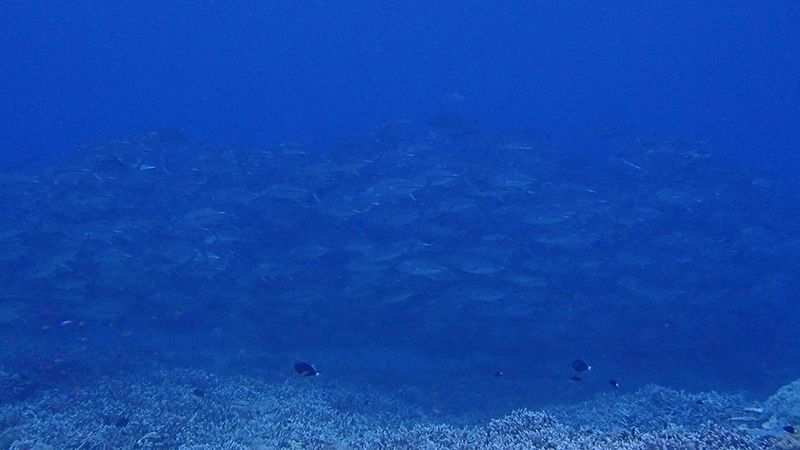
Tiger sharks, hammerheads, and whale sharks patrol the blue water while hundreds of reef fish species dart among the healthy corals.
Limited permits keep crowds small, ensuring your underwater experience feels more like a private ocean safari than a tourist attraction.
Tucked in the center of the Sulu Sea, southeast of Palawan Island.
14. Komodo National Park, Indonesia
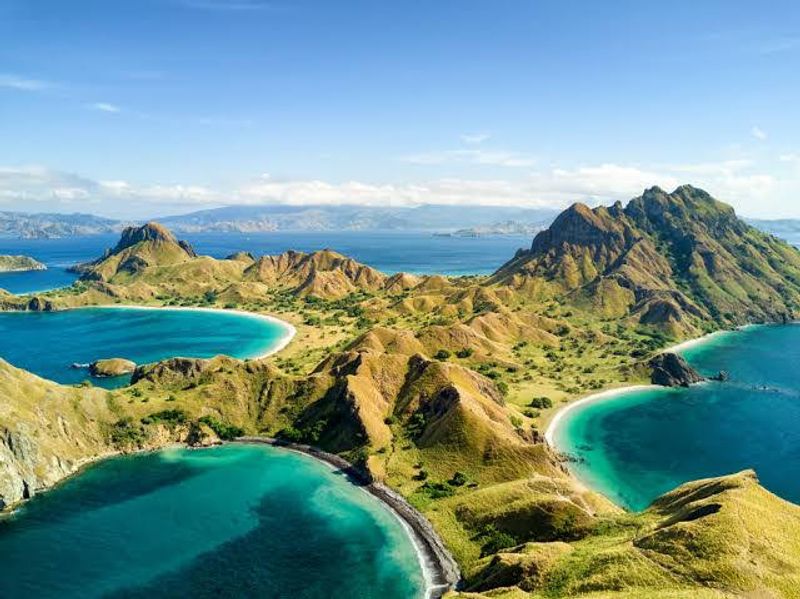
Famous for giant lizards on land, this park’s underwater realm rivals any marine destination worldwide.
Strong currents funnel nutrients through narrow channels, creating feeding grounds where manta rays perform their graceful ballet.
Divers drift along walls covered in soft corals while reef sharks, turtles, and occasional dolphins pass by.
The nutrient-rich waters support an explosion of marine life, though the currents demand respect and reasonable swimming skills from visitors.
Positioned between the islands of Sumbawa and Flores in the Lesser Sunda Islands.
13. Hanifaru Bay (Baa Atoll), Maldives
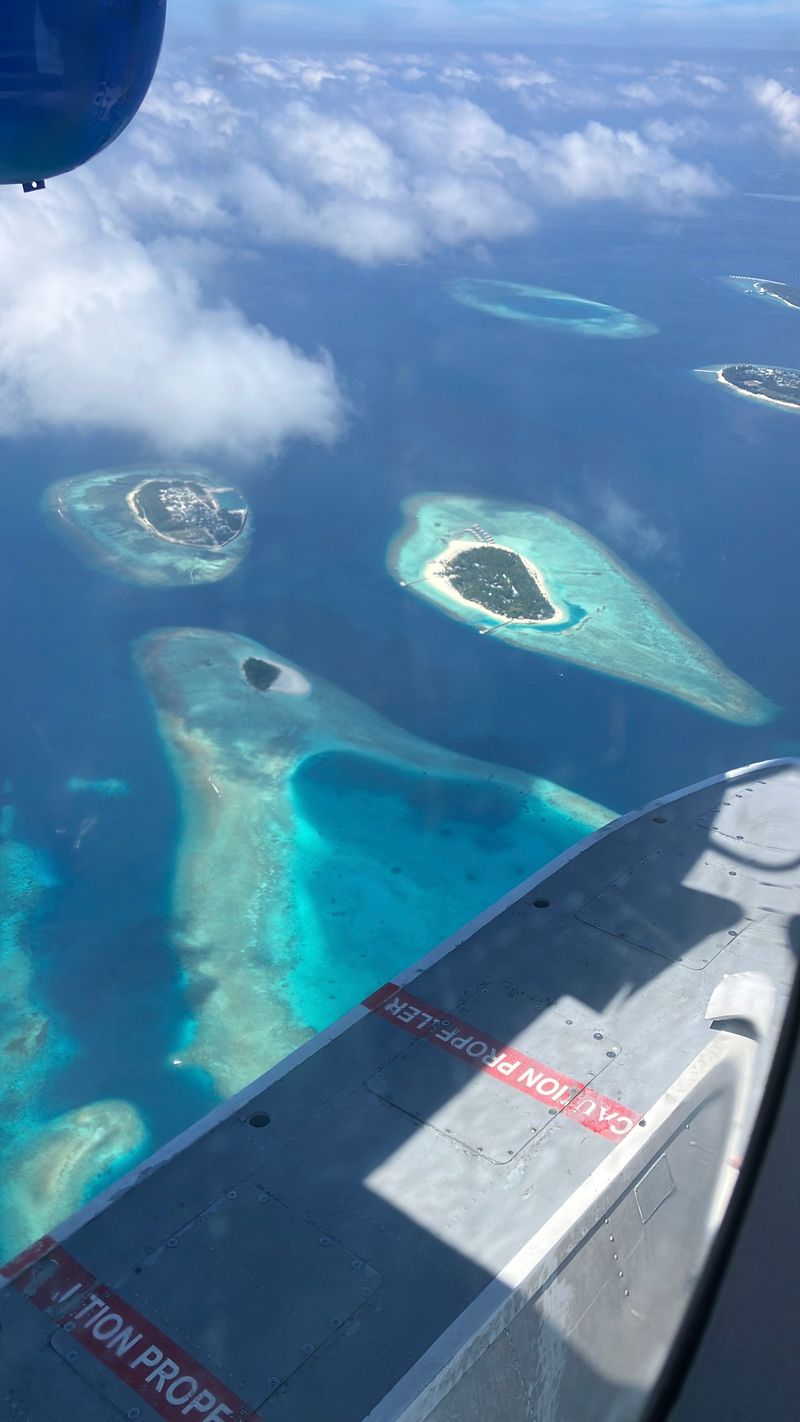
During monsoon season, something magical happens in this small bay that attracts ocean giants by the dozens.
Under the right conditions, plankton can concentrate enough to attract dozens, and sometimes well over 100 manta rays, with reports occasionally reaching 200 in peak events.
Whale sharks also join the feast, cruising through the bay with mouths wide open.
Peak-season snorkeling can be extraordinary, and access is tightly regulated with caps and guide requirements to protect the site.
A marine protected area within the Baa Atoll biosphere reserve.
12. Kona, Hawaiʻi, USA
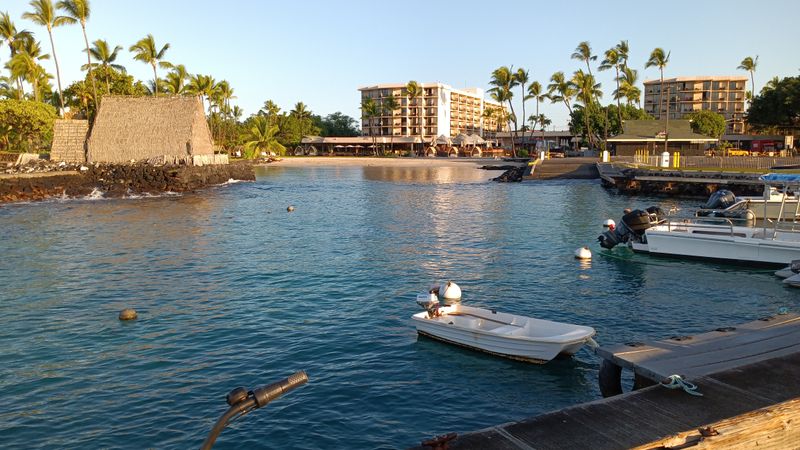
After sunset, dive operators shine lights into the water, attracting plankton that brings hungry manta rays to dinner.
These nighttime encounters let snorkelers and divers watch from below as mantas somersault through the illuminated water.
With wingspans reaching 12 feet, these graceful giants swoop so close you can see every detail of their white bellies.
Daytime hours offer spinner dolphin sightings and winter brings humpback whales, making Kona a year-round marine life hotspot.
On the western (Lee) side of the Big Island of Hawaiʻi.
11. Monterey Bay, California, USA
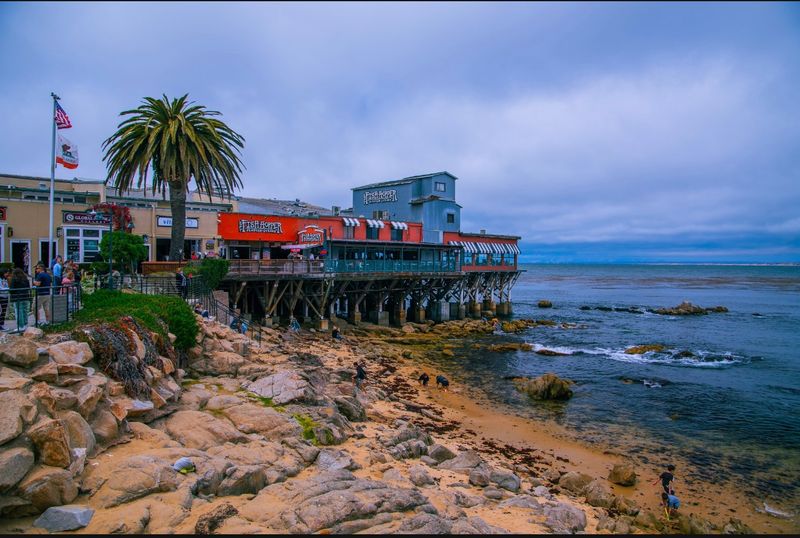
Cold California currents create one of the most productive marine ecosystems in North America right along this scenic coastline.
Kelp forests sway in the current while sea otters float on their backs, cracking shellfish on their bellies.
Humpback whales, blue whales, and orcas pass through seasonally, often visible from shore or nearby boats.
The famous Monterey Bay Aquarium helps visitors understand the ecosystem before they explore tide pools and kayak among playful sea lions.
A central California bay stretching from Santa Cruz to the Monterey Peninsula.
10. Belize Barrier Reef, Belize
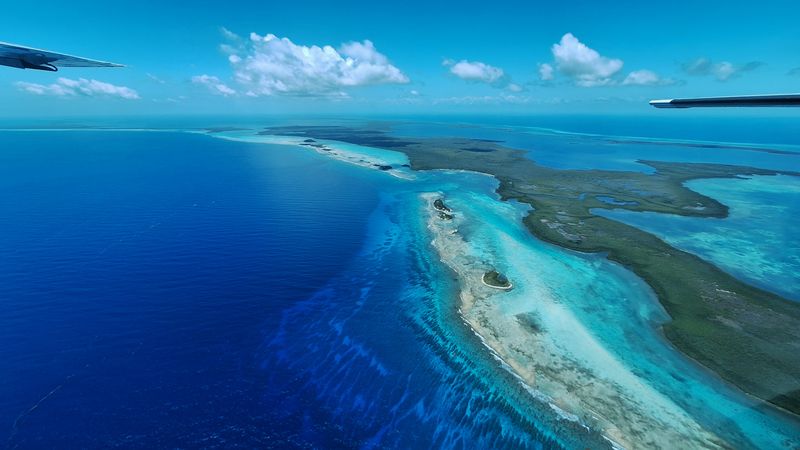
Stretching 190 miles along Central America’s coast, this reef system ranks as the second largest on Earth.
The famous Great Blue Hole sits within this barrier reef, attracting divers seeking both geological wonder and marine encounters.
Nurse sharks and southern stingrays gather at popular snorkel spots, accustomed to human visitors but still wild and impressive.
Manatees cruise through coastal waters while seahorses hide among seagrass beds, offering variety for every type of ocean explorer.
Running the length of the Belizean coast in the Caribbean Sea.
9. Donsol, Sorsogon, Philippines
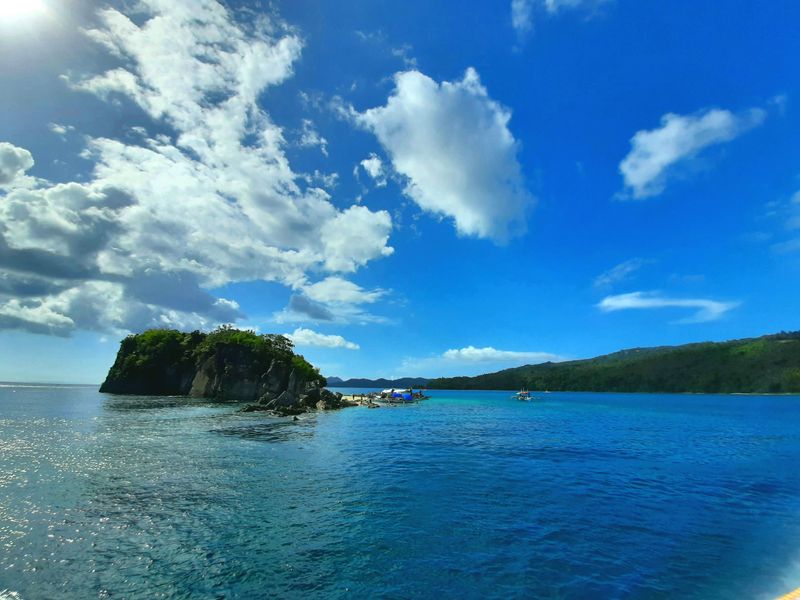
Once a quiet fishing village, Donsol transformed into the whale shark capital of the Philippines through community conservation efforts.
From November through June, these gentle giants gather to feed on plankton in the bay.
Strict regulations protect both sharks and habitat, with trained spotters helping boats locate animals without disturbing them.
Snorkeling alongside a 30-foot whale shark creates memories that last forever, especially knowing your visit supports local conservation programs.
Located at the southern tip of the island of Luzon in the Sorsogon province.
8. Isla Holbox, Quintana Roo, Mexico
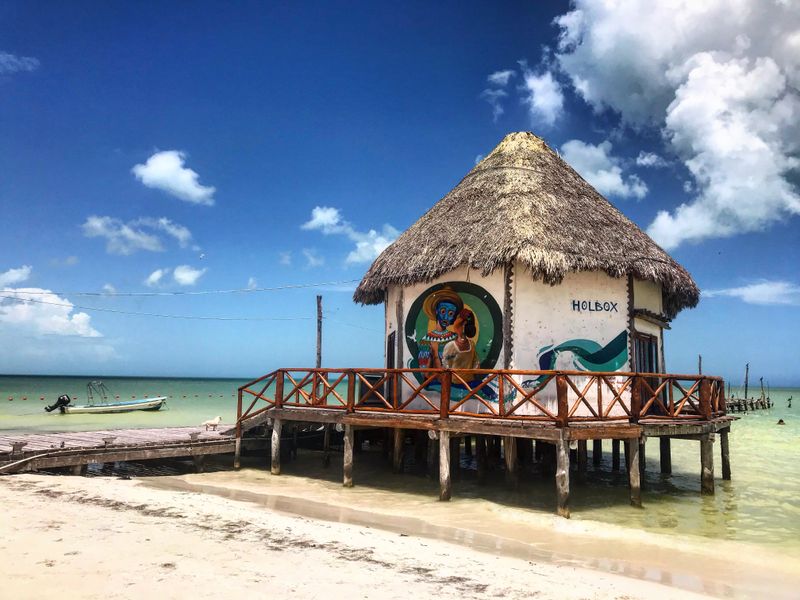
This car-free island off Mexico’s Yucatan Peninsula offers laid-back vibes and world-class whale shark encounters.
Between June and September, whale sharks congregate offshore to feast on fish eggs and plankton.
The island’s sandy streets and colorful buildings create a perfect base for daily snorkeling adventures.
Flamingos wade in nearby lagoons and bioluminescent plankton lights up the water at night, adding extra magic to this Caribbean paradise.
A narrow island off the northern coast of the Yucatan Peninsula in Quintana Roo.
7. Bimini, Bahamas
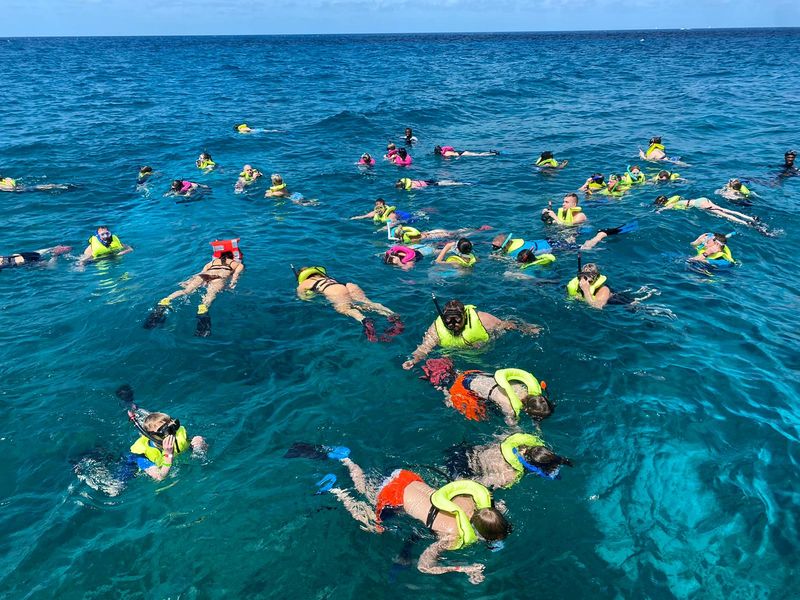
Just 50 miles from Florida’s coast, this small Bahamian island chain delivers big shark encounters in shallow, clear water.
Great hammerhead sharks patrol the flats during winter months, offering photographers and divers incredible close-up opportunities.
Bull sharks, tiger sharks, and Caribbean reef sharks also frequent the area throughout the year.
Ernest Hemingway once fished these waters, but today’s visitors come to admire sharks underwater rather than catch them from boats.
The westernmost district of the Bahamas, located only 50 miles east of Miami.
6. Azores, Portugal
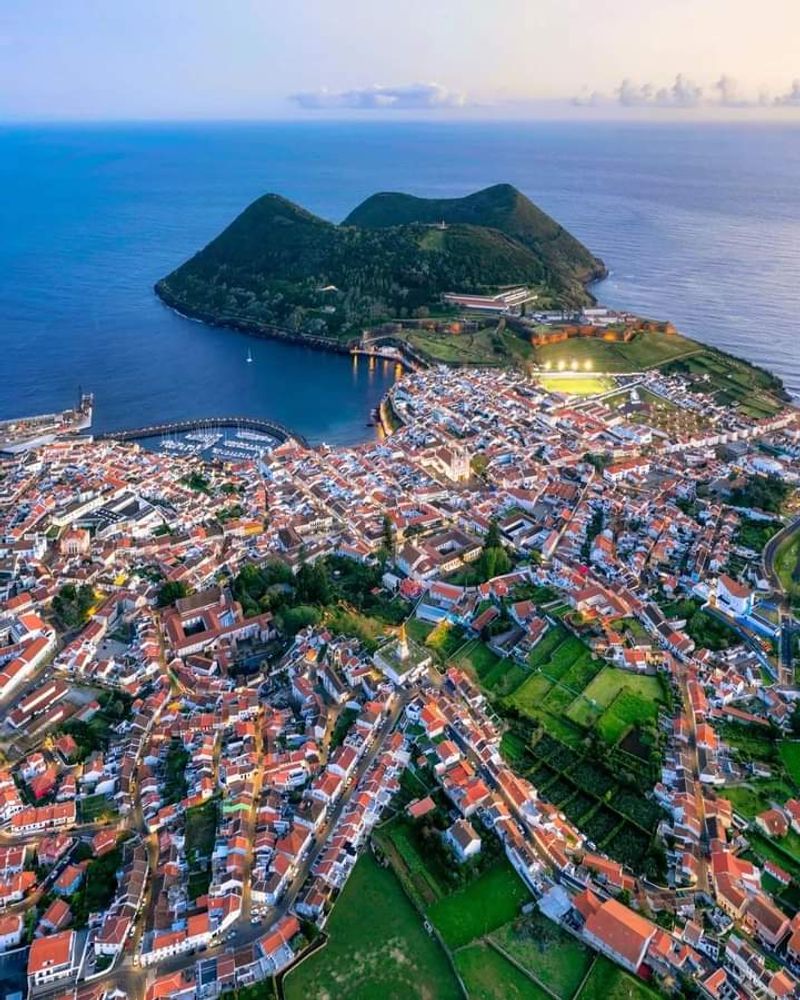
These volcanic islands rise from the Atlantic halfway between Europe and North America, creating highways for migrating cetaceans.
Over 20 whale and dolphin species pass through Azorean waters, including blue whales, the largest animals ever to exist.
Sp*rm whales live here year-round, diving thousands of feet to hunt giant squid in the deep.
Responsible whale watching tours operate from several islands, with spring and summer offering the most diverse species sightings.
A volcanic archipelago in the North Atlantic Ocean, about 900 miles west of Lisbon.
5. Kaikōura, New Zealand
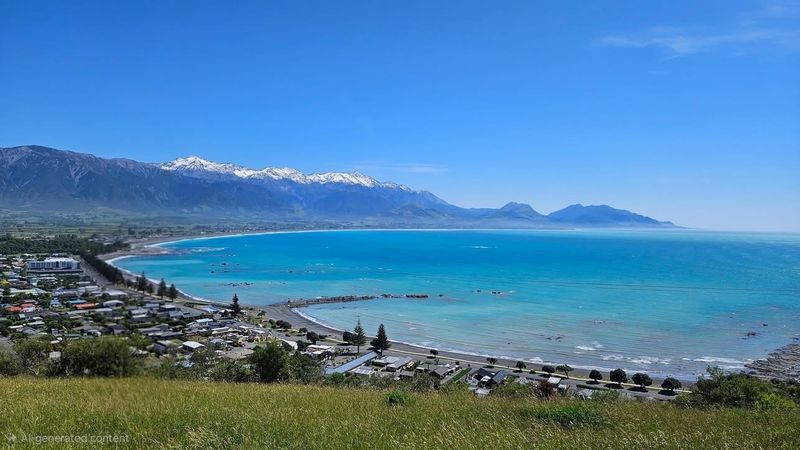
Where mountains meet ocean, deep underwater canyons create perfect conditions for New Zealand’s most famous marine mammals.
Sp*rm whales feed in the canyon year-round, surfacing to breathe between deep dives.
Dusky dolphins perform acrobatic displays, often traveling in pods of hundreds that leap and spin through the waves.
Fur seals lounge on rocky shores while albatross glide overhead, making Kaikōura a complete wildlife experience above and below water.
On the northeast coast of the South Island, south of the Marlborough region.
4. Johnstone Strait, British Columbia, Canada
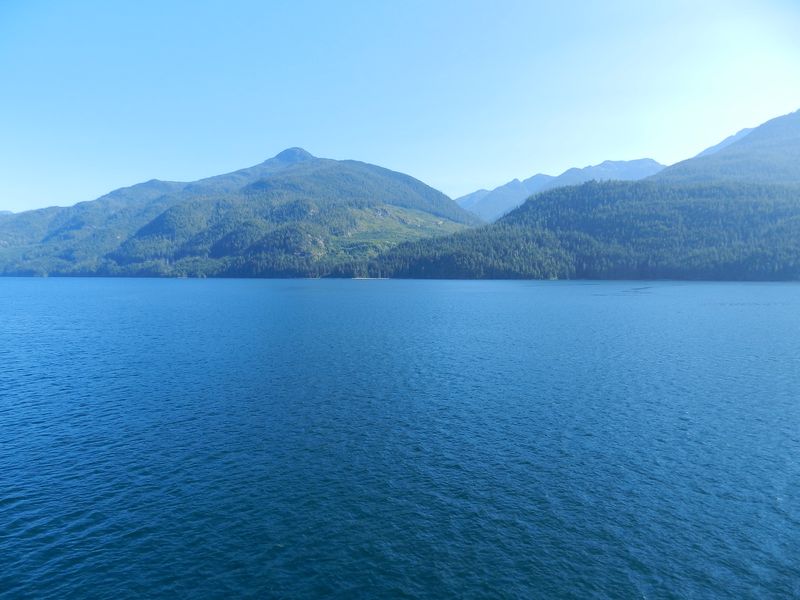
Cool Pacific waters between Vancouver Island and mainland Canada create summer feeding grounds for resident orca pods.
These intelligent apex predators hunt salmon through the narrow strait while researchers study their complex social structures.
Kayakers often paddle alongside these black-and-white beauties, though keeping respectful distances protects both whales and people.
Humpback whales, Dall’s porpoises, and sea lions also frequent the strait, especially during salmon runs from July through September.
A glacier-carved channel between Northern Vancouver Island and the British Columbia mainland.
3. Hervey Bay, Queensland, Australia
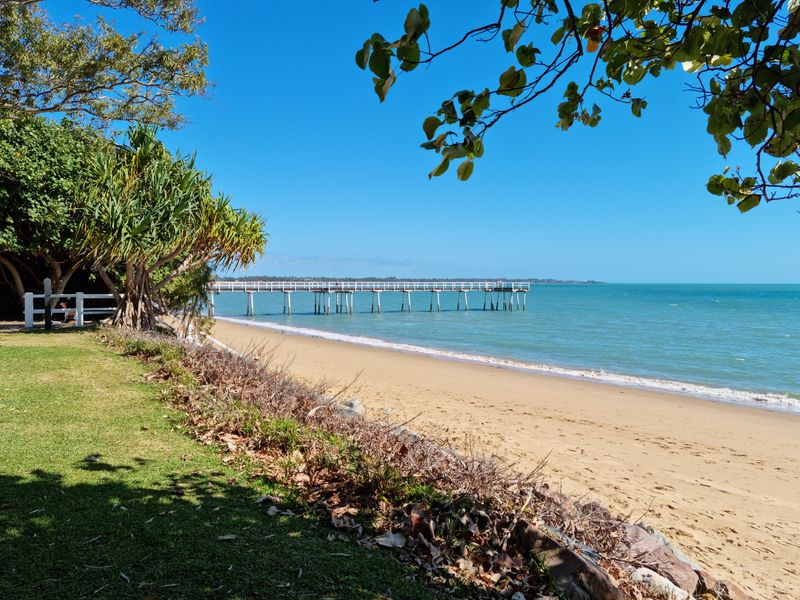
Humpback whales pause their southern migration in this protected bay, treating visitors to playful displays and close encounters.
From July through November, mothers teach calves essential skills in the calm waters before continuing to Antarctic feeding grounds.
The whales often approach boats, seemingly as curious about humans as we are about them.
Breaches, tail slaps, and spy-hops happen regularly, making Hervey Bay one of Australia’s most reliable spots for memorable whale interactions.
coastal city in Queensland, protected by the massive K’gari (Fraser Island).
2. Revillagigedo Archipelago (Socorro region), Mexico
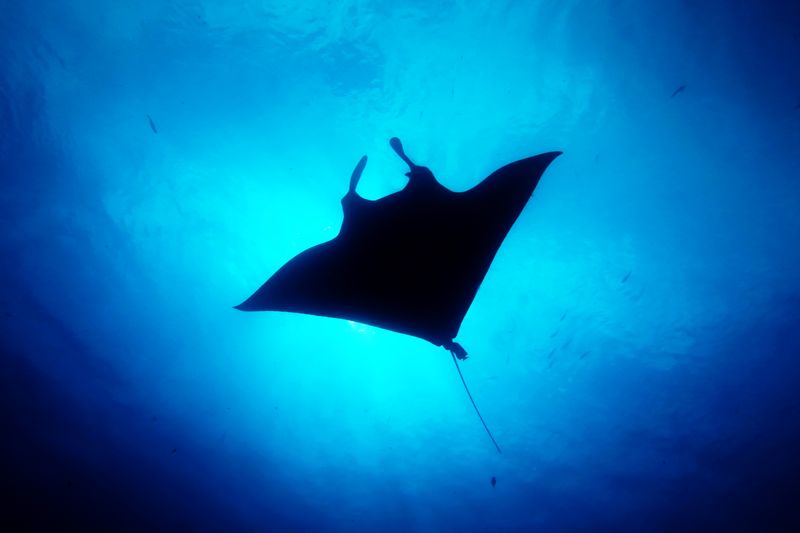
Accessible only by liveaboard boat, these remote Pacific islands sit 250 miles off Mexico’s coast in the open ocean.
Giant oceanic manta rays with 20-foot wingspans interact with divers at cleaning stations, sometimes for extended periods.
Hammerhead sharks school in the hundreds while humpback whales sing their haunting songs during winter months.
Dolphins, silky sharks, and whale sharks round out the cast of characters in this underwater theater far from civilization.
A group of four volcanic islands in the Pacific, 250 miles south of Cabo San Lucas.
1. Magdalena Bay, Baja California Sur, Mexico
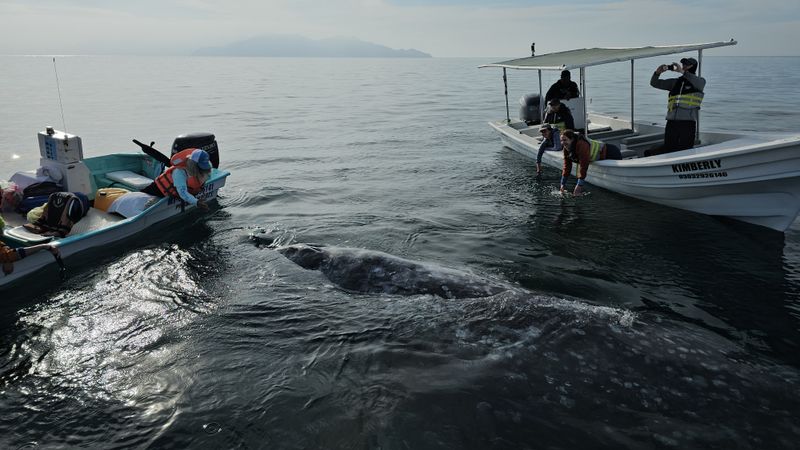
Every winter, gray whales migrate 6,000 miles from Alaska to give birth in this protected Baja California lagoon.
Mother whales bring their curious calves right up to small boats, allowing visitors to touch these gentle giants.
These friendly encounters feel almost magical, as 40-ton whales choose to interact with humans in their nursery grounds.
February and March offer peak viewing when the lagoon fills with mothers teaching their babies before the long journey north.
A 31-mile long bay on the western coast of Baja California Sur.