17 Trend Crazes That Defined The Swinging Sixties
Something about the 1960s made trends feel louder, faster, and more personal, like the whole decade was trying on new identities in front of a mirror and refusing to settle on just one.
A fresh look could go from “who would wear that” to completely normal in what felt like a weekend.
Music, fashion, slang, and even the way people decorated their homes started broadcasting attitude instead of just taste. For plenty of folks, joining in was half the fun, and rolling your eyes at it all was the other half.
The result was a parade of crazes that still read as instantly iconic, even if a few of them seem a little wild on paper now.
Grab your go-go boots, cue the camera flash, and get ready for a whirlwind.
1. Beatlemania And The Mop-Top Haircut
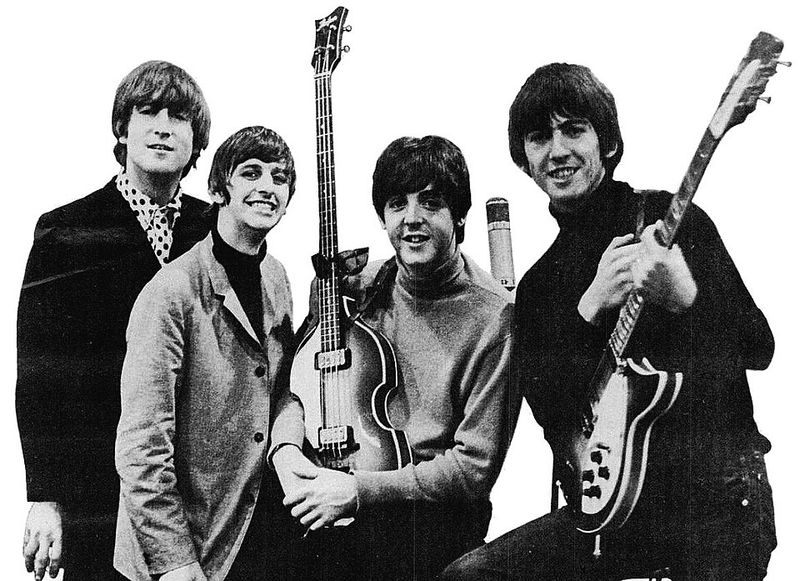
When four lads from Liverpool stepped off the plane in 1964, America lost its collective mind.
Girls screamed so loud at concerts that nobody could actually hear the music, which honestly didn’t matter because everyone was too busy fainting.
The mop-top haircut became an instant rebellion against the slicked-back styles dads wore.
Boys everywhere let their hair grow longer, covering their foreheads and ears in a style that horrified teachers and thrilled teenagers.
Barbers across the country watched in horror as their business dropped faster than you could say “Yeah, yeah, yeah!”
2. The Miniskirt Revolution
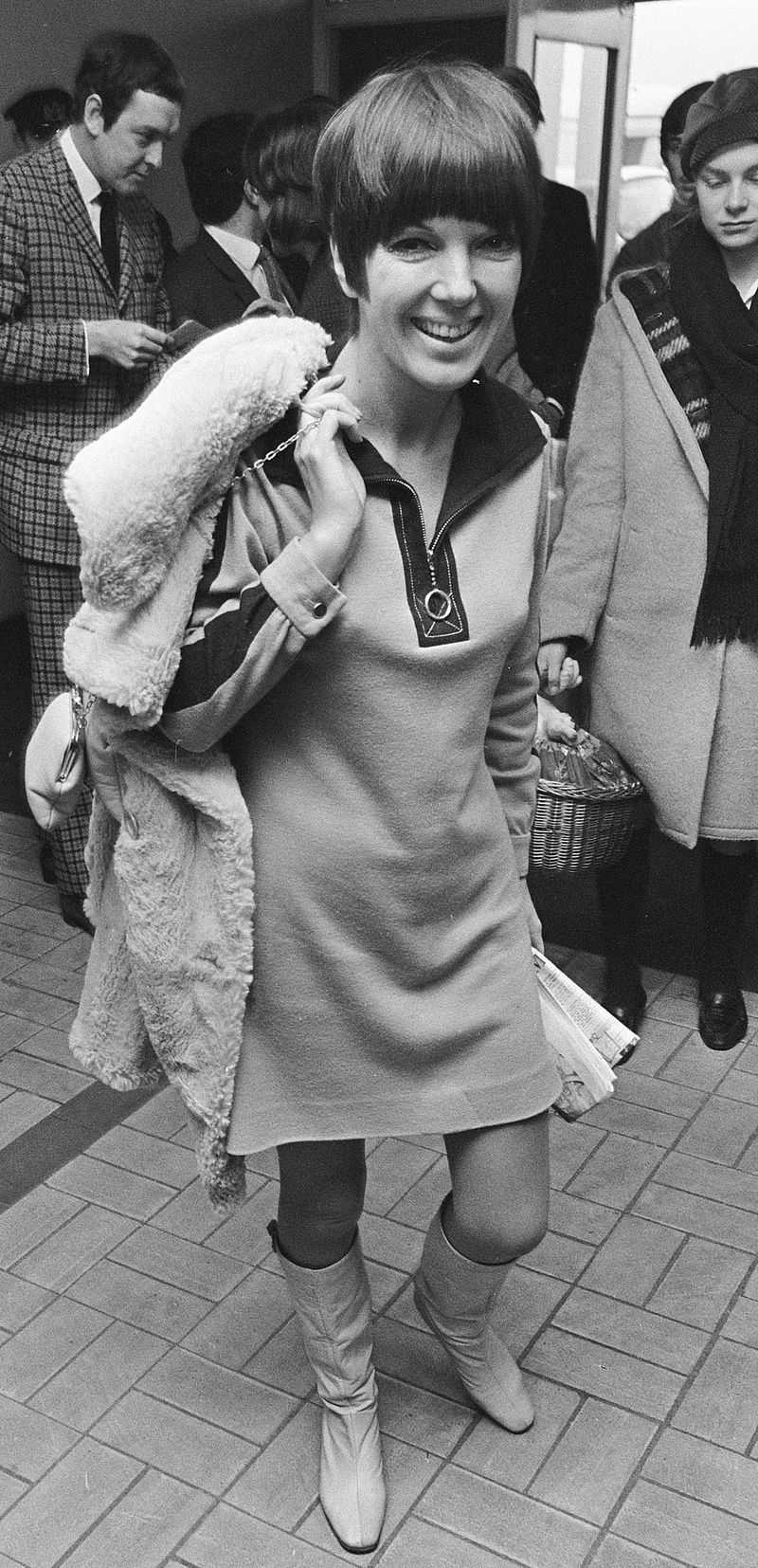
Mary Quant took scissors to hemlines and accidentally started a revolution that made conservative folks clutch their pearls.
Skirts shot up to mid-thigh, and suddenly legs were everywhere, shocking parents and delighting teenagers across the globe.
This wasn’t just about showing more skin, though. Miniskirts represented freedom, youth taking control, and women rejecting stuffy old rules about modesty.
By 1967, you couldn’t walk down any street without seeing hemlines that would’ve caused scandals just five years earlier.
3. Mod Fashion Movement
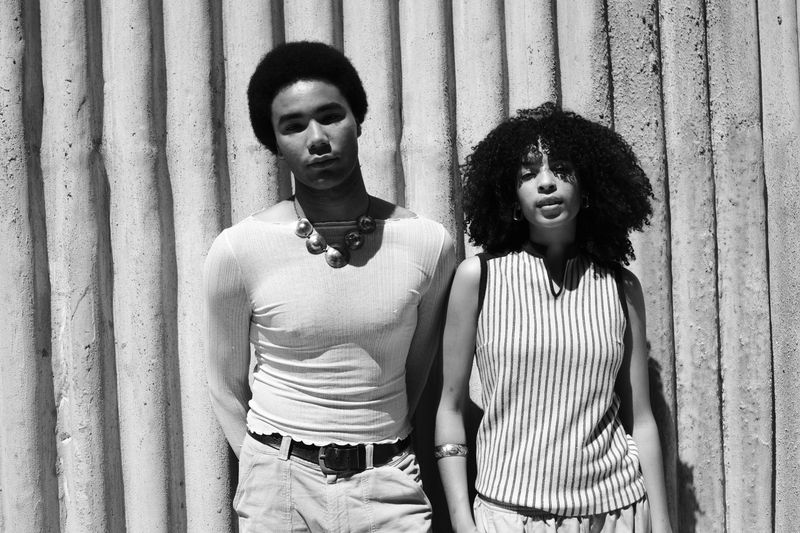
London’s youth didn’t just follow fashion, they hijacked it and drove it straight into the future.
Mod style meant sharp, clean lines, bold geometric patterns, and a rejection of anything your parents might approve of.
Boys wore slim-fit suits with narrow ties, while girls rocked shift dresses in eye-popping colors. Everything had to be modern, sleek, and absolutely cutting-edge.
Carnaby Street became the fashion capital of the universe, where teenagers with money to spend created a youth culture so powerful it influenced designers worldwide and basically invented the concept of “cool.”
4. The Twist Dance Craze
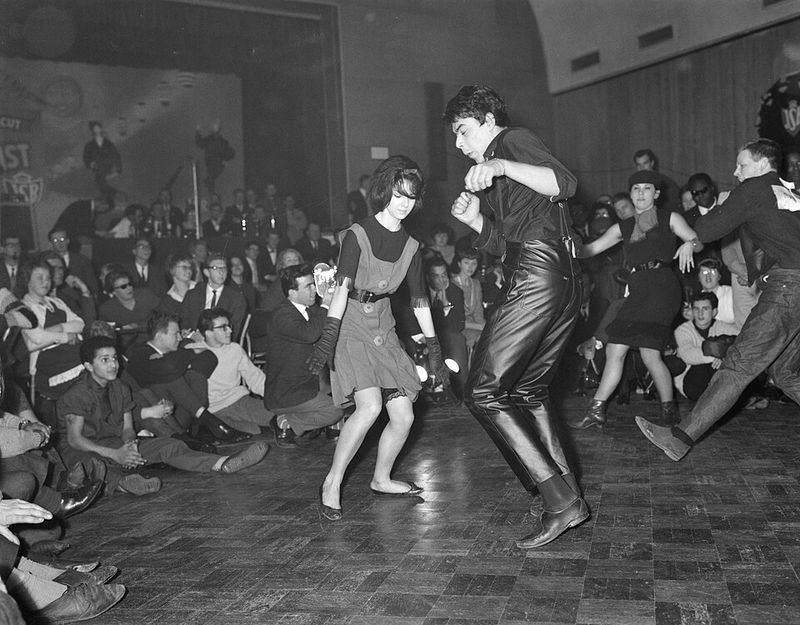
Chubby Checker took a simple song and turned it into a phenomenon that got everyone from teenagers to grandparents wiggling their hips.
The beauty of The Twist? You didn’t need a partner, fancy footwork, or any actual dancing skills whatsoever.
Picture stubbing out a cigarette with your foot while drying your back with a towel, and boom, you’ve got it! Dance floors everywhere transformed into twisting competitions.
Even adults couldn’t resist, making it one of the rare trends that bridged the generation gap instead of widening it like the Grand Canyon.
5. Go-Go Boots Phenomenon
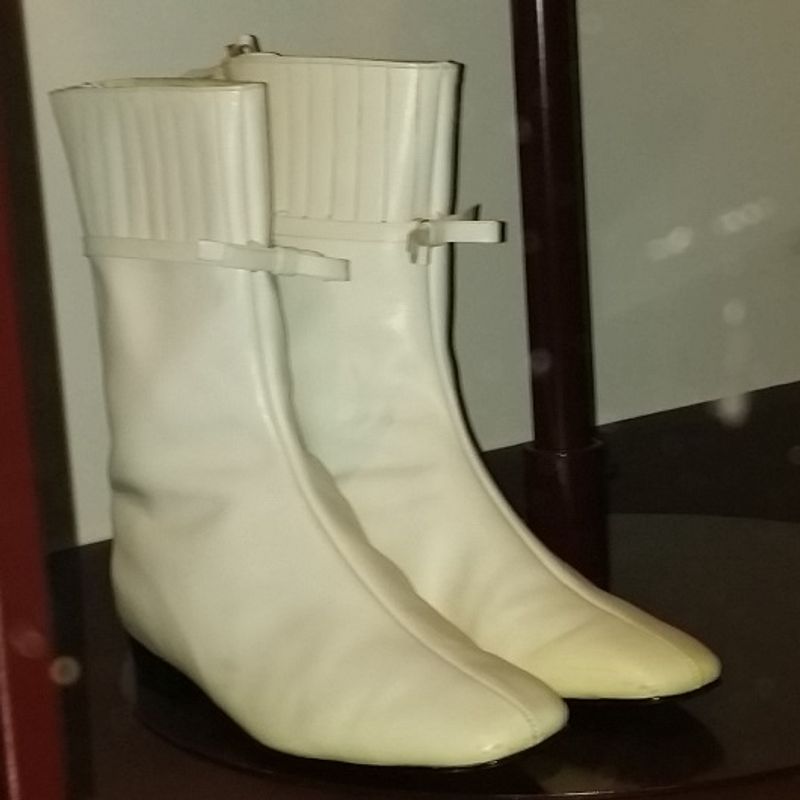
White, shiny, knee-high boots with chunky heels became the ultimate fashion statement for any girl wanting to look absolutely fab.
These boots were made for dancing, and that’s just what they did on every dance floor from New York to San Francisco.
The boots paired perfectly with miniskirts, creating a look so iconic it still screams “Sixties” today.
6. Space Age Fashion
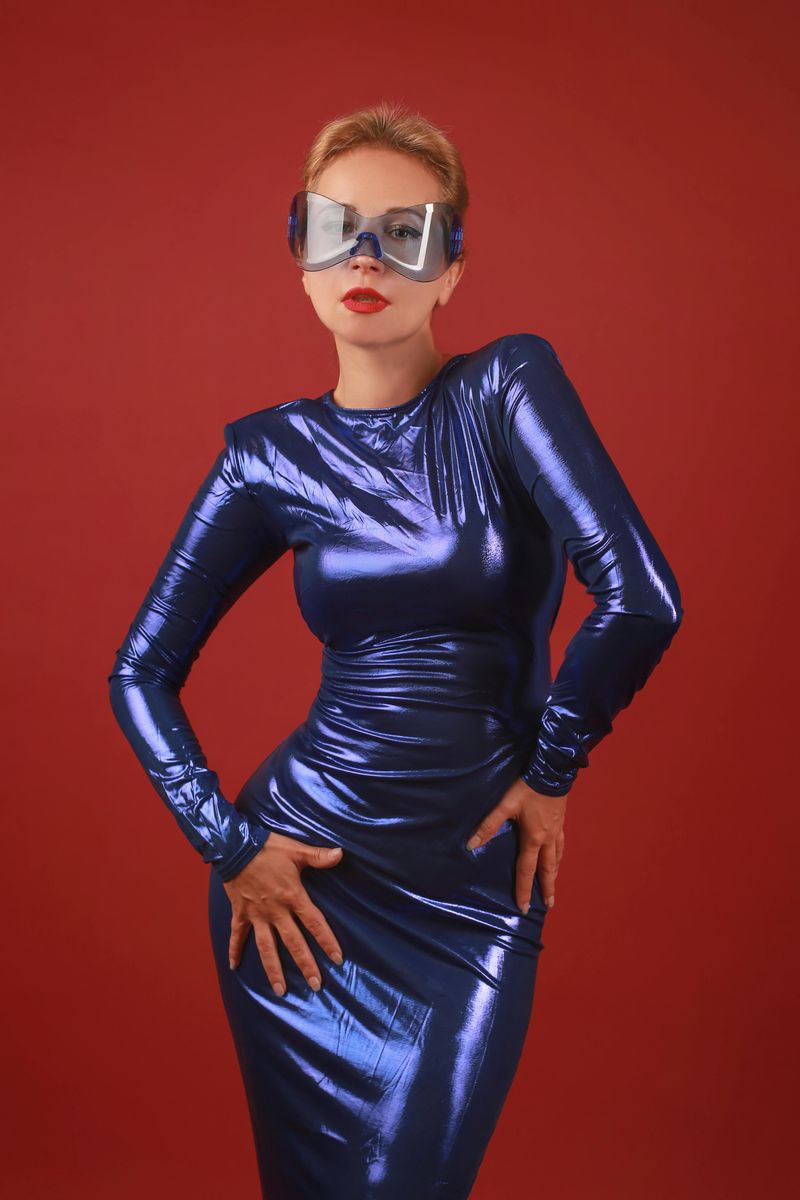
When humans started shooting rockets into space, fashion designers decided clothes should look equally futuristic.
PVC raincoats, metallic fabrics, and geometric shapes transformed everyday people into extras from a science fiction movie.
Designer André Courrèges led the charge with white vinyl boots and silver minidresses that looked like astronaut uniforms redesigned by artists on another planet.
Everything shiny, synthetic, and vaguely spaceship-like flew off the racks.
7. Peace Sign Goes Mainstream
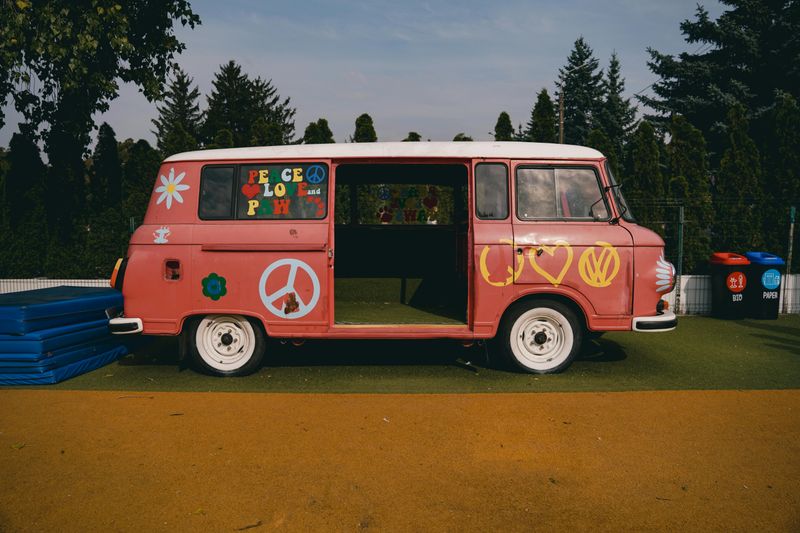
Originally designed for protests in Britain, the peace sign hitchhiked across the Atlantic and became the ultimate symbol of the counterculture movement.
Suddenly it was everywhere: jewelry, clothing, posters, painted on vans, and flashed by protesters.
The simple circle with three lines inside communicated an entire philosophy without saying a word. Hippies adopted it as their unofficial logo, representing opposition to war and support for love and harmony.
8. Love Beads Trend
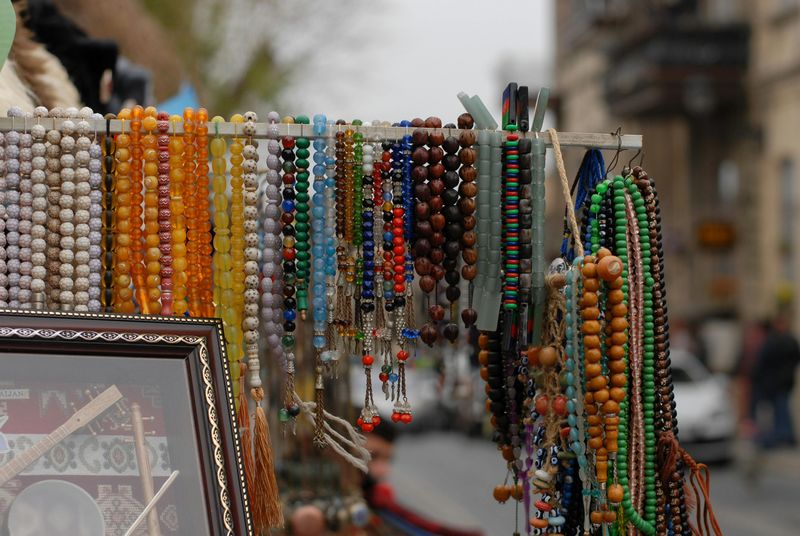
Forget expensive jewelry from fancy stores, hippies made their own accessories by stringing together colorful beads into long, layered necklaces.
These weren’t just pretty decorations, they symbolized peace, love, and a rejection of materialistic values that prioritized price tags over personal expression.
Everyone from musicians to college students wore multiple strands at once, creating rainbow cascades around their necks.
Craft circles formed where friends made beads together, turning jewelry-making into a communal activity.
9. Tie-Dye And Psychedelic Colors
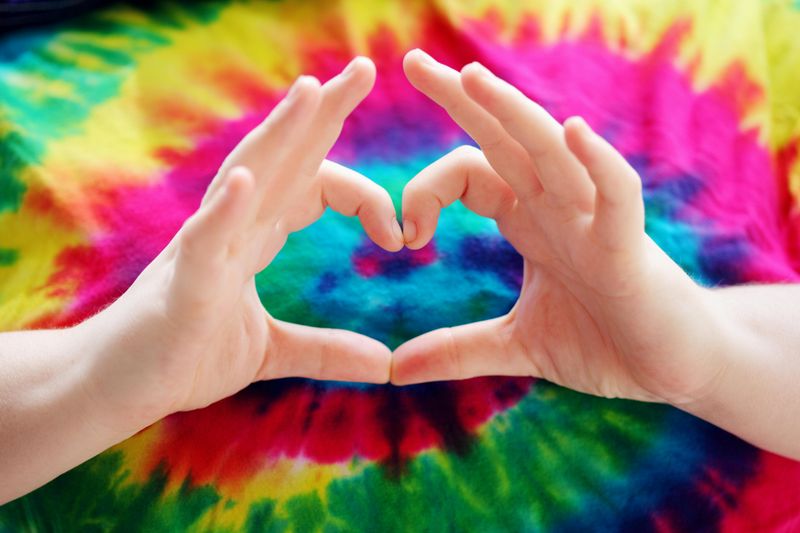
Why wear boring solid colors when you could transform a plain white shirt into a swirling rainbow masterpiece?
Tie-dye became the ultimate DIY fashion statement, with each piece completely unique because, let’s face it, controlling dye was basically impossible.
Hippies gathered for tie-dye parties, twisting fabric with rubber bands and dunking everything into buckets of bright dye.
Psychedelic colors exploded across clothing, posters, and album covers, reflecting the mind-expanding experiences people were having and creating visual chaos that somehow felt perfectly right for the era.
10. Twiggy Era Youthquake Style
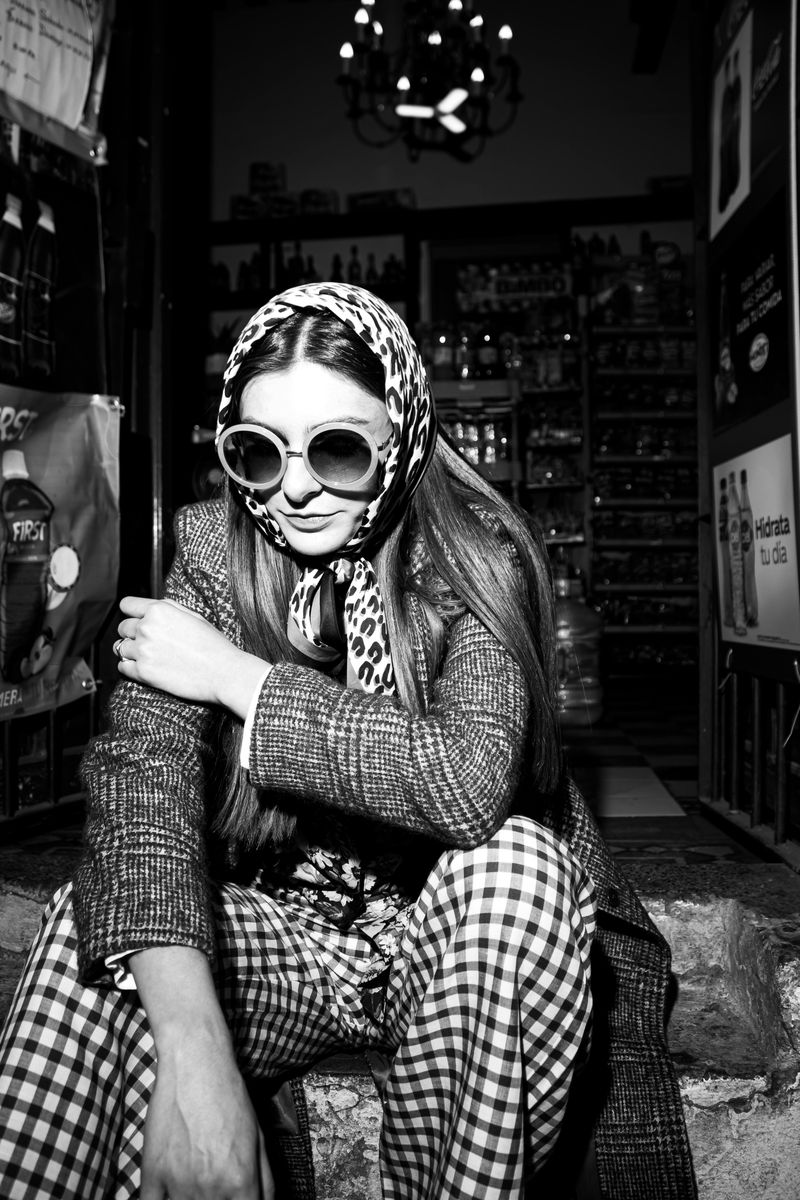
When a 90-pound model with a pixie cut and doe eyes hit the scene, she didn’t just change fashion, she proved that youth ruled the world now.
Twiggy’s stick-thin frame and childlike features represented a complete break from curvy Hollywood glamour.
Her look emphasized youth above everything else: short hair, minimal curves, dramatic eye makeup with painted-on lower lashes that looked like doll eyes.
The “Youthquake” meant teenagers and twenty-somethings drove trends instead of following what older generations dictated, flipping the fashion world completely upside down.
11. Beehive Hairstyle
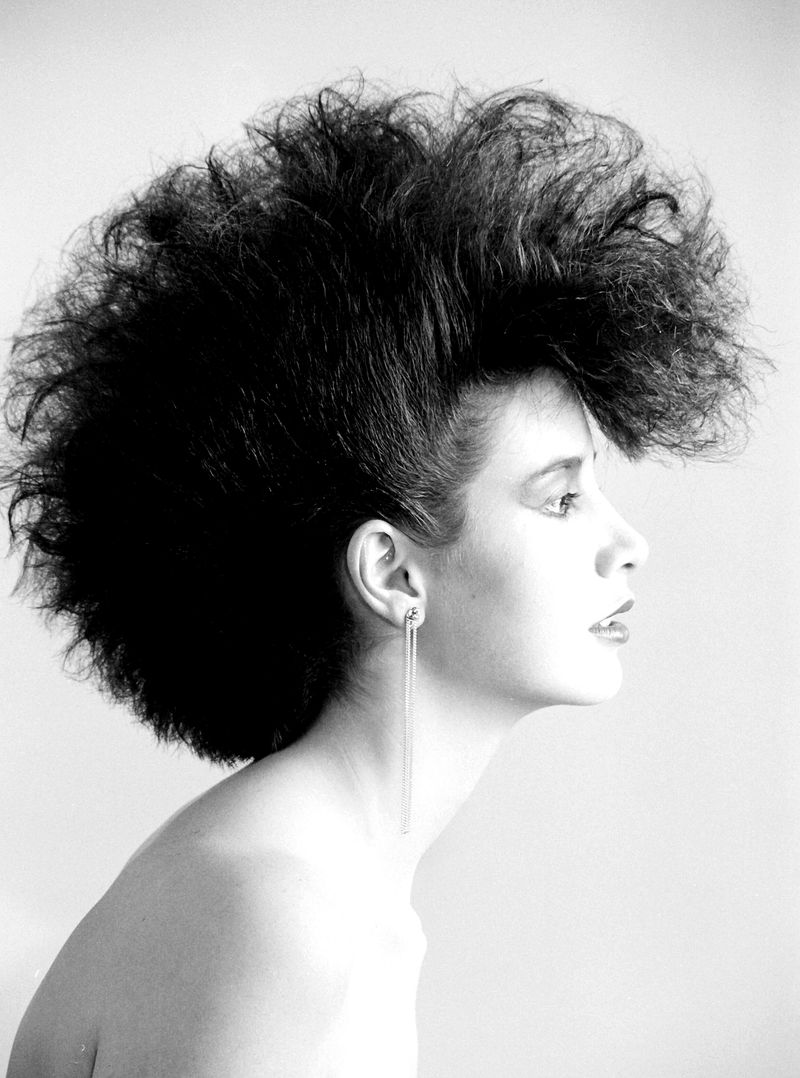
Hair didn’t just go up in the Sixties, it went UP, defying gravity with enough hairspray to punch a hole in the ozone layer.
The beehive required serious engineering skills, backcombing, teasing, and industrial-strength spray to keep everything locked in place.
The higher the hair, the closer to heaven, or at least that seemed to be the philosophy.
Everyone from secretaries to celebrities sported beehives, making it the most recognizable hairstyle of the entire decade and a true triumph of determination over physics.
12. Etch A Sketch Toy Craze
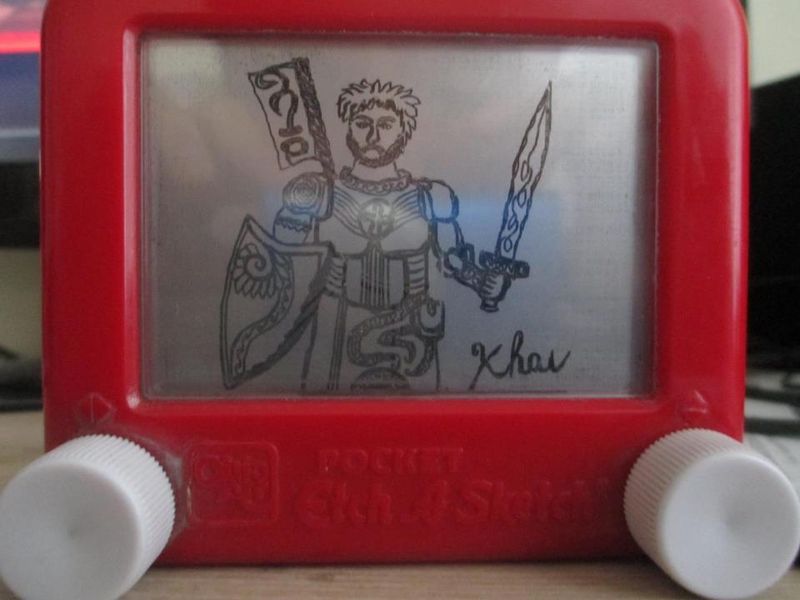
Two white knobs and a gray screen created hours of entertainment and endless frustration for kids trying to draw anything beyond stairs and boxes.
The Etch A Sketch arrived in 1960 and immediately became a must-have toy that tested patience and creativity in equal measure.
Drawing curves was nearly impossible, diagonal lines required the coordination of a surgeon, yet kids everywhere became obsessed with mastering this aluminum powder magic.
13. Easy-Bake Oven Phenomenon
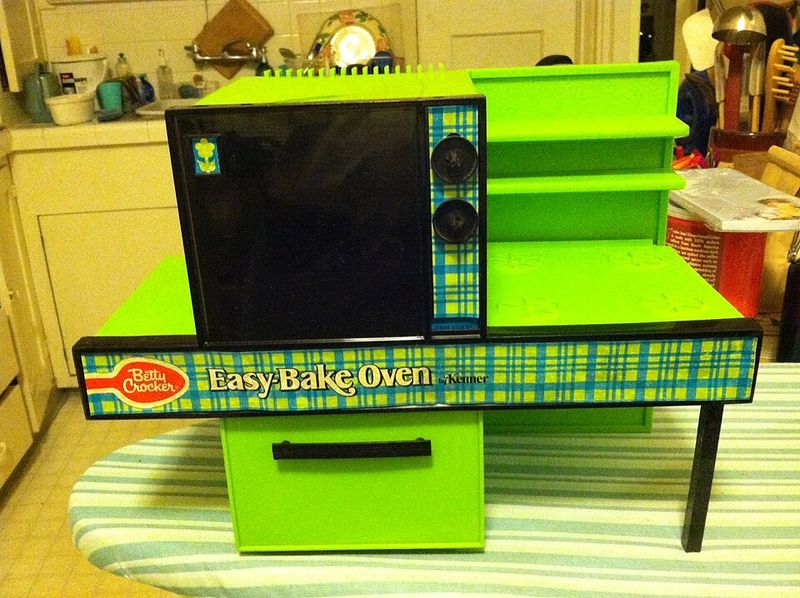
A working oven powered by a light bulb might sound like a fire hazard waiting to happen, but it became one of the most beloved toys of the decade.
The Easy-Bake Oven let kids actually bake tiny cakes and cookies, making them feel like real chefs in their own miniature kitchens.
Sure, the cakes were barely bigger than a hockey puck and took forever to bake, but the magic of creating real food was irresistible.
Girls especially loved playing baker, though plenty of boys snuck in baking sessions when nobody was looking.
14. Spirograph Pattern Craze
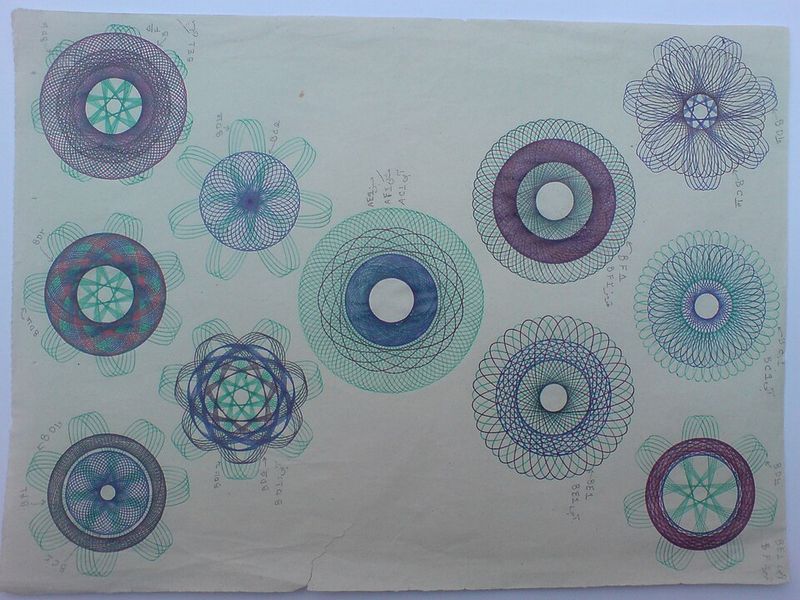
Plastic gears, colored pens, and a little patience created mesmerizing geometric patterns that looked way fancier than the effort required.
Spirograph turned math into art, letting kids trace intricate designs by moving pens through spinning wheels and rings.
The satisfying clicking sound as gears rotated kept kids entertained for hours, at least until the pen slipped and ruined everything.
15. Twister Game Mania
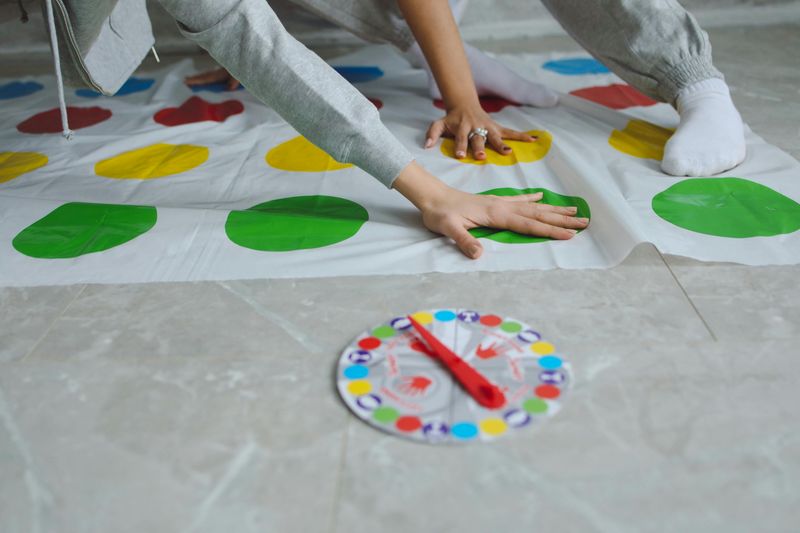
A game that turned humans into pretzels while testing friendships and flexibility became an instant party classic.
Twister’s genius was its simplicity: a mat with colored circles, a spinner, and the inevitable hilarious chaos as players twisted themselves into impossible positions.
When it appeared on The Tonight Show with Johnny Carson and Eva Gabor, sales exploded faster than you could say “right hand red.”
16. Hot Wheels Cars Launch
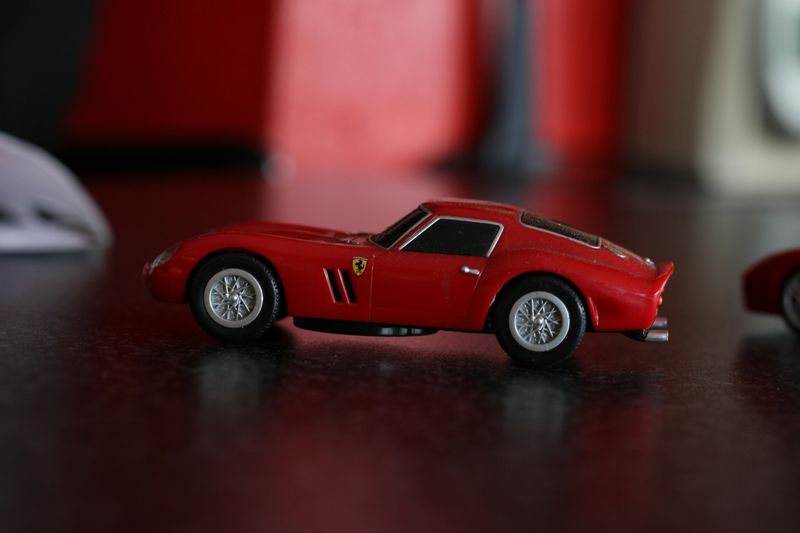
Mattel launched these tiny speedies in 1968, and boys immediately started hoarding them like dragons collecting treasure.
Hot Wheels weren’t just toy cars, they were miniature engineering marvels with special wheels that actually rolled smoothly and looked incredibly cool doing it.
The orange track pieces let kids build elaborate courses with loops, jumps, and crashes that sent cars flying across rooms.
Each car came in flashy metallic colors with details that made them look like real custom hot rods shrunk down.
17. Pop Art Fashion Statement
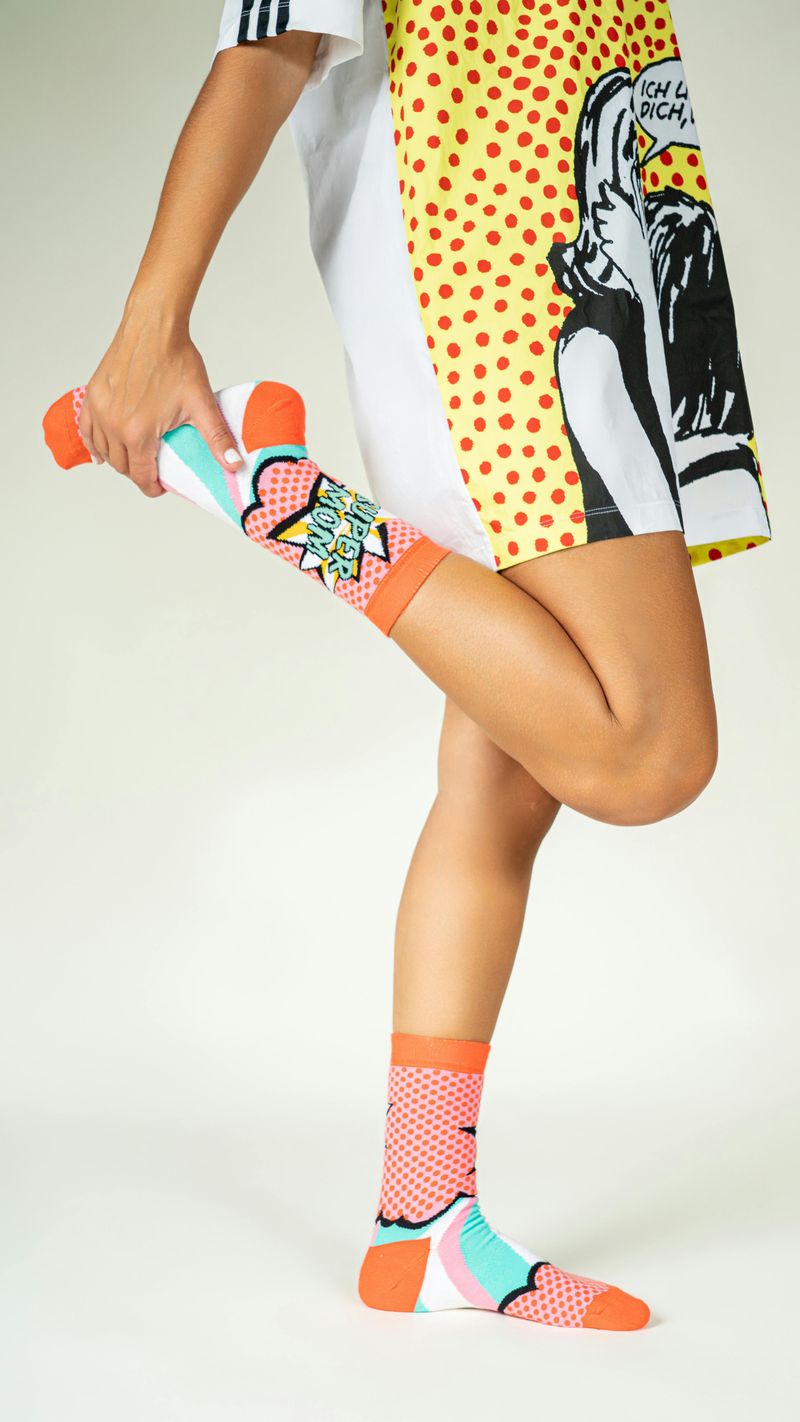
Andy Warhol and Roy Lichtenstein proved that soup cans and comic books could be high art, and fashion designers immediately stole that energy for clothing.
Suddenly dresses featured giant polka dots, comic book speech bubbles, and colors so bright they practically glowed in daylight.
Pop art transformed everyday objects into design statements, making fashion fun and accessible.
You could wear a dress covered in Campbell’s soup cans or lips inspired by advertisements, turning yourself into walking art.