
15 Simple Trivia Questions That Surprisingly Stump Most Adults
Think you’ve got basic facts down pat? Time to test that confidence.
Adults often freeze on the simplest questions, from counting continents to naming colors. Brain fog hits hardest when answers seem obvious, slipping away right when they’re needed most.
Ready to challenge your knowledge and see if you really know your stuff? Grab a pen, take the quiz, and put your brain to the ultimate test.
1. How Many Continents Exist on Earth?
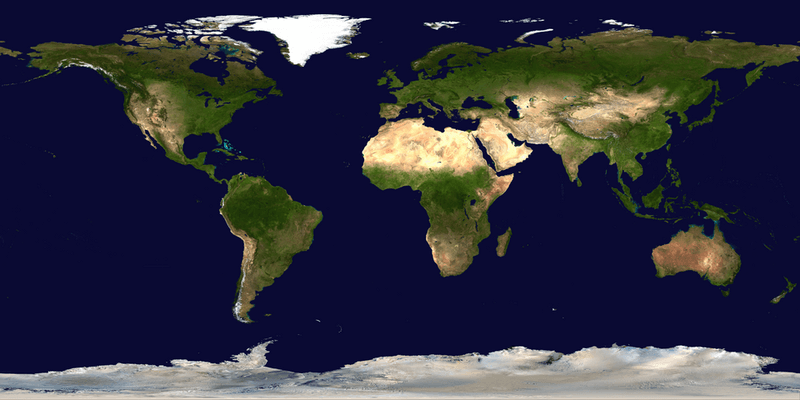
Most people confidently shout out numbers between five and eight, yet the correct answer sits squarely at seven. Geography teachers everywhere shake their heads when adults fumble this one.
Europe, Asia, Africa, North America, South America, Antarctica, and Australia make up our planet’s land masses. However, some countries teach different models, which explains the confusion.
Just saying, if a fifth grader can nail this, so can you!
2. What’s the Largest Ocean Covering Our Planet?

If you guessed Atlantic, you’re swimming in the wrong direction. The Pacific Ocean claims the crown, covering more area than all land masses combined!
Stretching across 63 million square miles, it holds half the world’s water. Ancient explorers named it “peaceful,” though its storms tell a different story.
Geography buffs know this cold, but regular folks often mix up their oceans faster than a riptide.
3. How Many Days Fill a Leap Year?
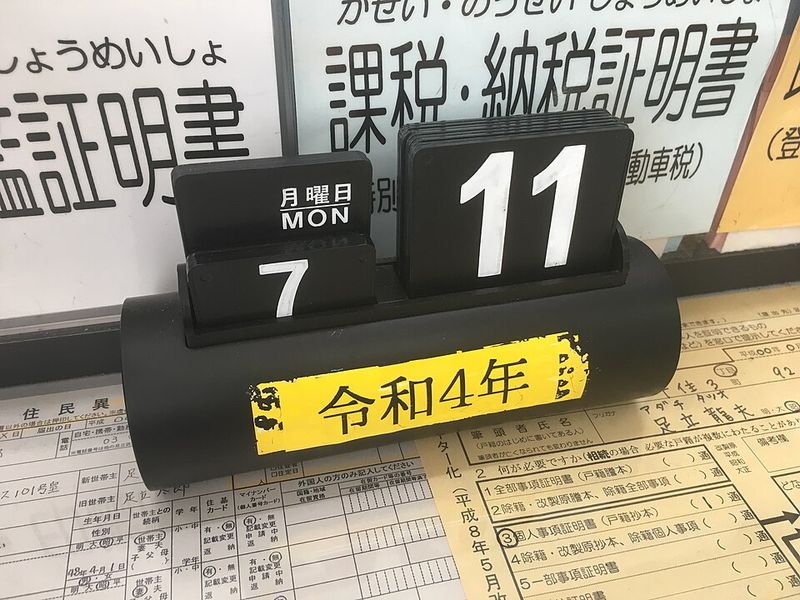
Blurting out “365” happens more often than you’d think. Leap years actually pack 366 days, thanks to that bonus February date.
Every four years, we add February 29th to keep our calendars aligned with Earth’s orbit. Without it, seasons would eventually drift into chaos.
People born on leap day only celebrate their real birthday once every four years, which sounds like a superhero origin story waiting to happen!
4. Which Planet Sits Closest to the Sun?
Venus seems like the obvious choice since it’s the hottest, right? Wrong!
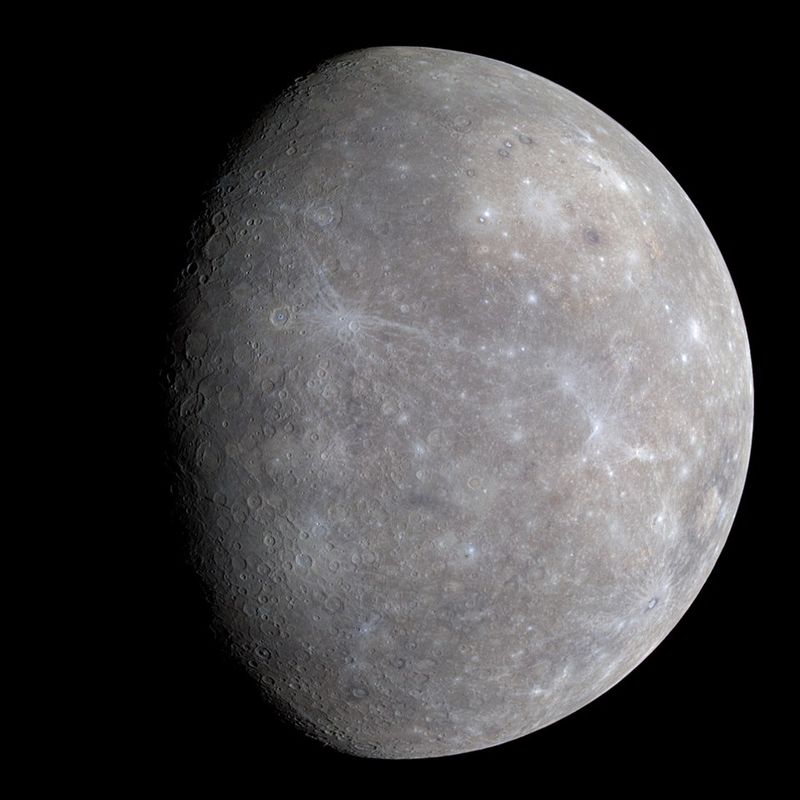
Mercury takes the prize for closest solar neighbor.
Zipping around at just 36 million miles from our star, Mercury experiences wild temperature swings. Daytime temperatures soar to 800°F while nights plummet to minus 290°F.
Adults often confuse proximity with temperature, proving that space facts remain trickier than rocket science itself.
5. How Many Sides Does a Hexagon Have?

Geometry class feels like ancient history for most grown-ups. When asked about hexagons, blank stares multiply faster than bees in a hive.
Six sides define this shape, found everywhere from honeycombs to nuts and bolts. The prefix “hex” literally means six in Greek, offering a helpful memory trick.
Still, adults hesitate, second-guessing themselves like they’re facing a final exam rather than a simple shape question!
6. What’s the Capital City of Australia?

Sydney! Melbourne!
Those confident shouts echo through trivia nights everywhere, yet both answers crash and burn spectacularly.
Canberra serves as Australia’s capital, chosen specifically as a compromise between rival cities Sydney and Melbourne. Built from scratch in 1913, it remains relatively unknown compared to its flashier neighbors.
Even Australians sometimes forget their own capital, making this question a universal stumper across continents!
7. What Gas Do Humans Need to Breathe?

Air seems like the logical answer, but that’s not specific enough. Oxygen keeps us alive, plain and simple.
While air contains multiple gases, our bodies specifically need oxygen to survive. Carbon dioxide, nitrogen, and other gases fill the atmosphere, yet only oxygen powers our cells.
Science class taught us this ages ago, but stress makes adults overthink the simplest biological facts into complicated mysteries.
8. How Many Hours Stack Up in Two Days?

Mental math becomes surprisingly difficult when someone puts you on the spot. Adults pause, count on fingers, and sometimes still miss this one.
Two days contain exactly 48 hours, calculated by multiplying 24 hours by two. Simple multiplication transforms into brain-bending confusion under pressure.
Though calculators live in everyone’s pockets nowadays, basic arithmetic still trips up even the smartest people when asked unexpectedly!
9. At What Temperature Does Water Boil in Celsius?

Americans immediately panic, mixing up Fahrenheit and Celsius faster than water turns to steam. Europeans smugly know this one cold.
Water boils at exactly 100 degrees Celsius at sea level, a fundamental science fact. However, the Fahrenheit equivalent of 212 degrees confuses many folks.
Altitude also affects boiling points, adding another layer of complexity. Kitchen thermometers don’t lie, but human memory certainly does under trivia pressure!
10. How Many Letters Fill the English Alphabet?

Kindergarteners nail this question without hesitation, yet adults stumble like they’ve never sung the ABC song.
Twenty-six letters make up the English alphabet, from A to Z. Some people start mentally counting, lose track, and guess wildly.
Others remember the alphabet song but can’t recall the final number. If singing helps, nobody’s judging!
Sometimes the simplest childhood lessons become the trickiest adult brain teasers.
11. What’s the Largest Mammal in the World?
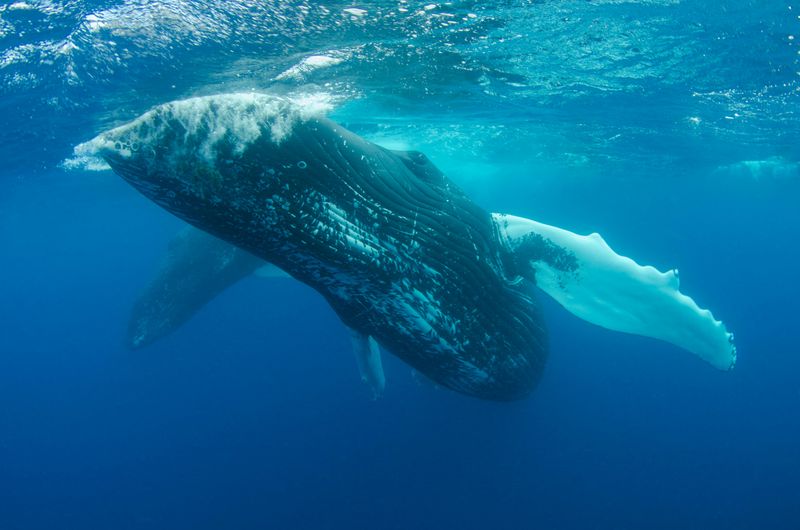
Elephants seem massive until you consider ocean giants. Blue whales dwarf every other mammal by miles, or rather, by tons.
Weighing up to 200 tons and stretching 100 feet long, blue whales make elephants look like house cats. Their hearts alone weigh as much as small cars.
Despite their size, these gentle giants eat tiny krill. Adults often forget that mammals live underwater too, not just on land!
12. What Color Results from Mixing Red and White?

Art class memories fade faster than watercolors in sunlight. When asked about color mixing, adults hesitate like they’ve never held a paintbrush.
Red plus white equals pink, a basic color theory fact. Lighter shades need more white, while deeper pinks require more red.
Children confidently mix colors without overthinking, but adults second-guess themselves constantly. Maybe we should all revisit kindergarten art projects to refresh our color-mixing confidence!
13. How Many Weeks Fit into One Year?

Quick mental math becomes impossible when someone springs this question during casual conversation. Panic sets in faster than New Year’s resolutions disappear.
One year contains 52 weeks, though technically 52 weeks and one day exist in regular years. Leap years add another day, creating 52 weeks and two days.
Planners and calendars show this clearly, yet our brains refuse to cooperate under pressure. Time calculations remain surprisingly tricky for everyday adults!
14. What’s the Name of Earth’s Closest Star?

Adults overthink this question spectacularly, rattling off distant star names while ignoring the obvious answer blazing overhead.
The Sun serves as Earth’s nearest star, sitting just 93 million miles away. Other stars exist trillions of miles distant, making our sun the clear winner.
People confuse “star” with distant twinkling lights, forgetting that our sun qualifies too. Sometimes the most obvious answers hide in plain sight, just like that giant fireball in the sky!
15. How Many Minutes Make Up One Hour?

If you’ve ever watched a clock during a boring meeting, you know this answer intimately. Yet trivia pressure makes people doubt everything they’ve ever known.
Sixty minutes fill every hour, a fact as reliable as gravity. Ancient Babylonians chose base-60 mathematics, which stuck around for timekeeping.
Despite checking clocks constantly, adults still pause when asked directly. Time remains humanity’s most measured concept, yet somehow the simplest time question stumps us completely!