15 TV And Movie Villains People Find Weirdly Attractive
Bad guys were never meant to steal hearts, yet Hollywood keeps handing them the spotlight and a closet full of dangerously good style. A sharp grin, a low voice, a perfectly timed entrance, suddenly the rules feel optional.
Call it cinematic mischief or pure screen sorcery, some villains walk in and rewrite the mood of every scene they touch. Psychologists point to the dark triad effect, a cocktail of confidence, mystery, and bold moves that flips a switch in the brain.
Awareness stays intact, yet fascination kicks in anyway. It is a strange kind of attraction, like knowing the game is rigged and still enjoying every second of it.
These characters often arrive with razor sharp dialogue, impeccable wardrobes, and backstories that drip with drama and depth. Each one brings a unique flavor of chaos, equal parts danger and allure.
Some schemes are clever, some are ruthless, all are impossible to ignore. That mix creates a viewing experience that feels a little risky, a little addictive, and completely unforgettable.
Somewhere between admiration and mischief, these villains prove that the line between right and wrong can look surprisingly entertaining from the other side.
1. Loki, The God Of Mischief
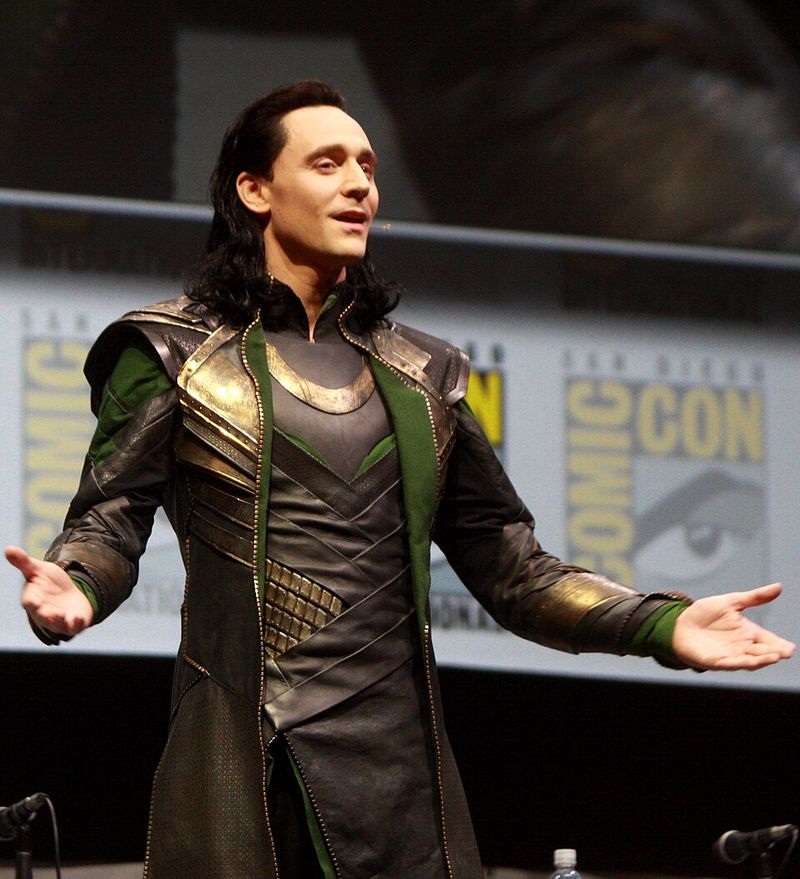
Wit sharper than any Asgardian blade, a jawline carved by the gods themselves, and enough emotional baggage to fill the Bifrost Bridge twice over. Tom Hiddleston’s Loki somehow turned betrayal into an art form audiences genuinely applaud.
Every smirk feels like a secret invitation.
Psychologists suggest people are drawn to unpredictable characters because unpredictability triggers dopamine. Loki basically weaponized neuroscience.
Fans flooded social media demanding his own series, and Marvel actually delivered. How often does a villain get rewarded like a hero?
Only when charm is truly off the charts.
2. Kylo Ren From Star Wars
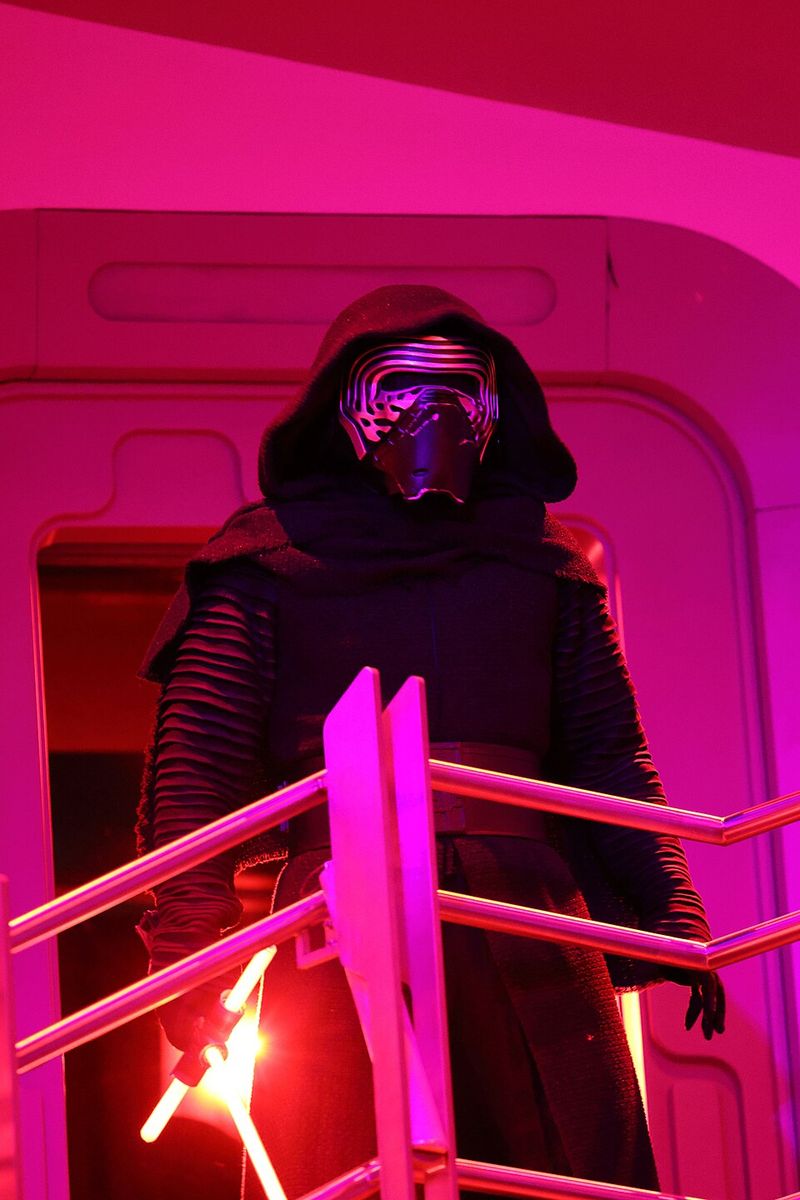
Conflicted heirs to galactic evil rarely look this good in a helmet. Adam Driver brought raw emotional intensity to Kylo Ren that made audiences genuinely torn between wanting him defeated and wanting him to win.
Tall, brooding, and catastrophically misunderstood? Classic formula.
Fans coined the term “Reylo” before the sequel trilogy even finished, proving attraction to fictional chaos is a universal experience. Driver himself admitted surprise at the character’s romantic fanbase.
However, one shirtless Force-connection scene later, nobody was surprised anymore. Sometimes the dark side really does have better aesthetics, and the internet never lets anyone forget it.
3. Harley Quinn, Agent Of Chaos
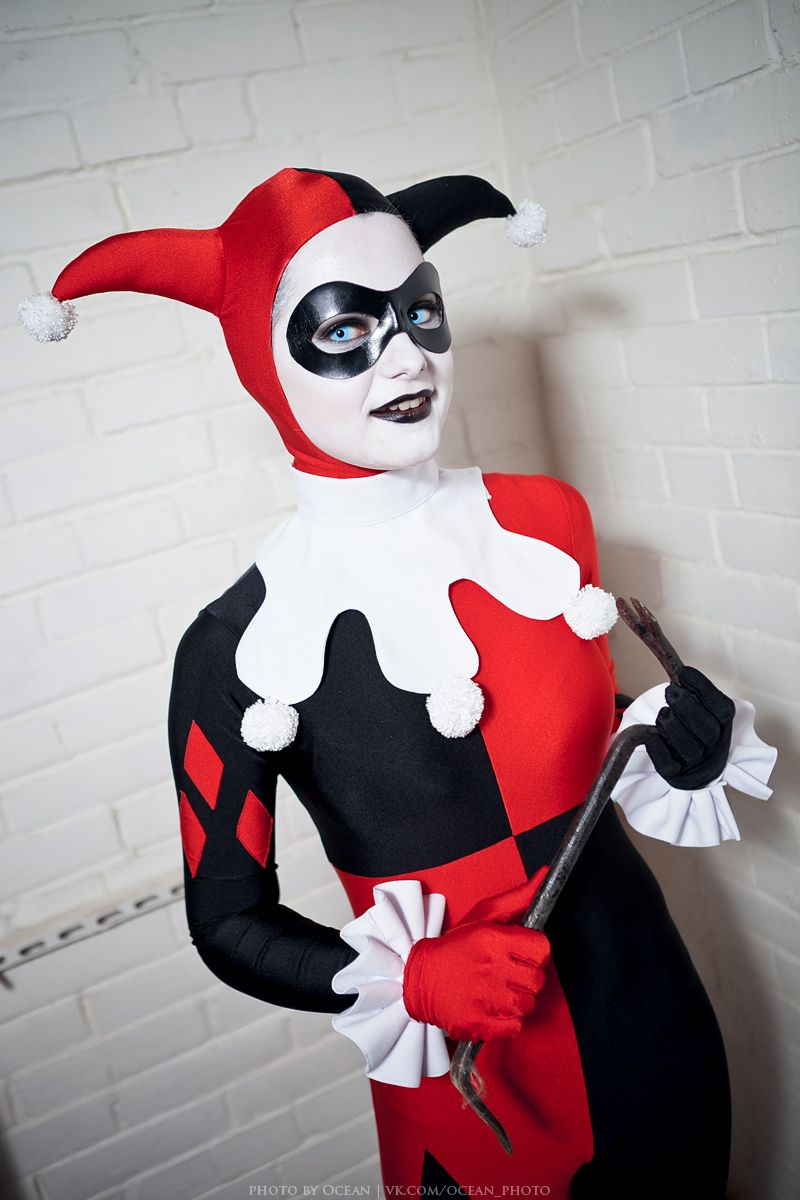
Margot Robbie’s Harley Quinn exploded off the page of DC comics and into pop culture royalty the moment Suicide Squad dropped in 2016. Cosplay sales went through the roof practically overnight.
What makes Harley fascinating is the duality: she is simultaneously dangerous and vulnerable, hilarious and heartbreaking. Audiences recognize someone who refused to be defined by a bad relationship, even if her escape route involved a sledgehammer.
Psychiatrists have literally written papers analyzing her character arc. If a fictional character inspires academic research, the attraction is clearly about something deeper than just the outfit.
4. Cersei Lannister, Queen Of Westeros
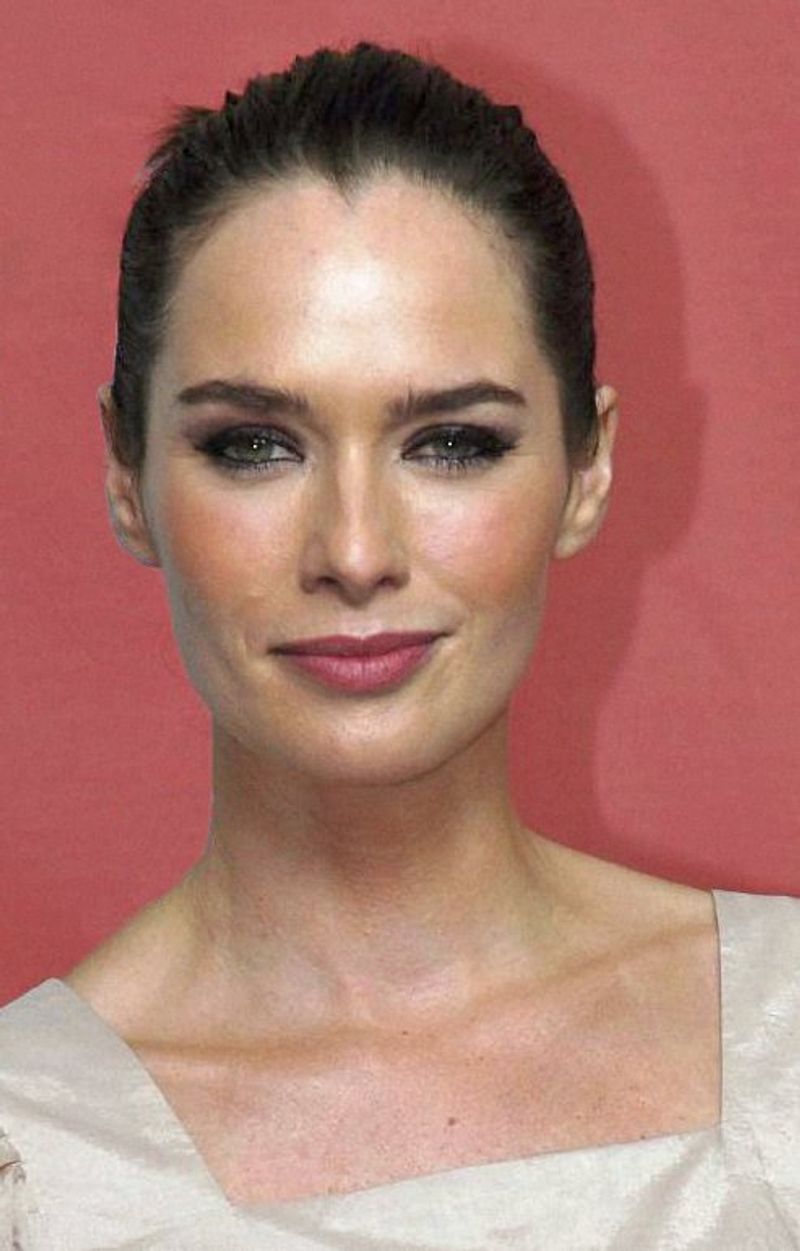
Power looks incredibly compelling when worn like a second skin. Cersei Lannister never apologized for a single ruthless decision, and somehow that unshakeable confidence became one of Game of Thrones’ most magnetic qualities.
Lena Headey delivered every cold stare like a masterclass in controlled fury.
Cersei represents something audiences rarely see: a woman who plays political chess better than every man around her, even if her methods are morally catastrophic. Fans consistently ranked her among the most compelling characters on television despite everything.
Where most villains bluster, Cersei calculated. Cold, strategic, and dressed impeccably while doing it.
Terrifying? Absolutely.
Captivating? Without question.
5. Jareth The Goblin King
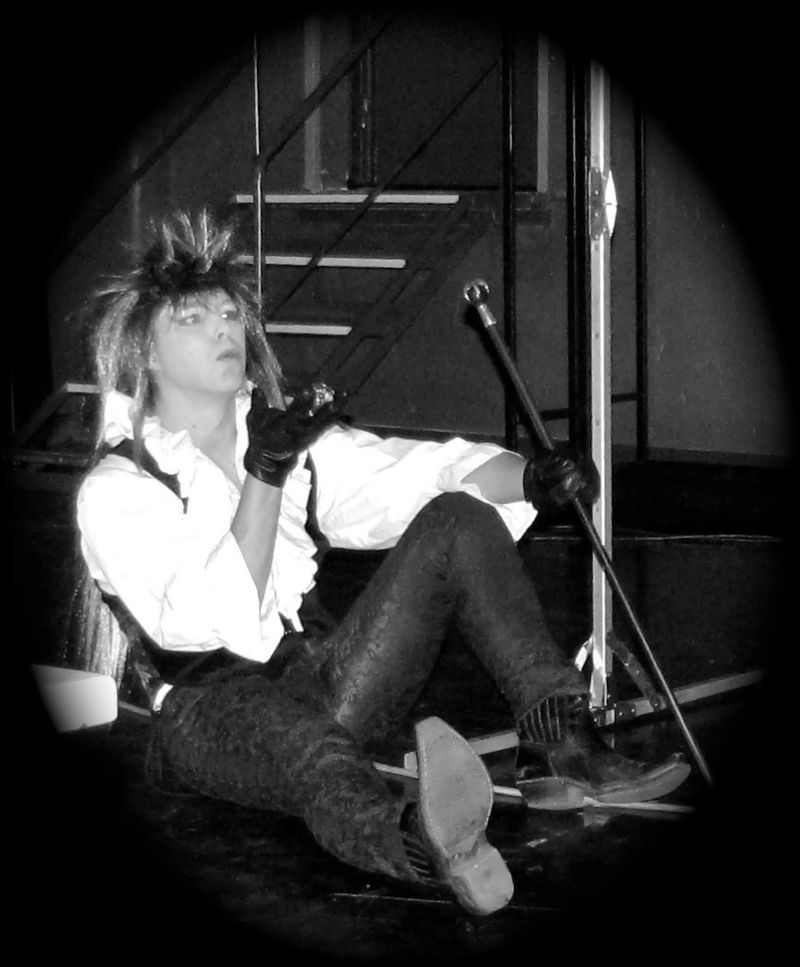
Nobody in cinematic history has made being a kidnapping goblin overlord look so effortlessly cool. David Bowie’s Jareth in the 1986 film Labyrinth is practically a masterclass in charismatic villainy, combining otherworldly fashion, a haunting voice, and a very theatrical crystal ball habit.
Generations of viewers grew up slightly confused by feelings sparked during that movie, and fan communities still celebrate Jareth decades later. Bowie brought genuine rock-star energy to a fantasy villain, blurring lines between antagonist and romantic lead in ways screenwriters probably did not fully plan.
If a character makes you forget he literally stole a baby, the charm level is dangerously high.
6. Hans From Frozen
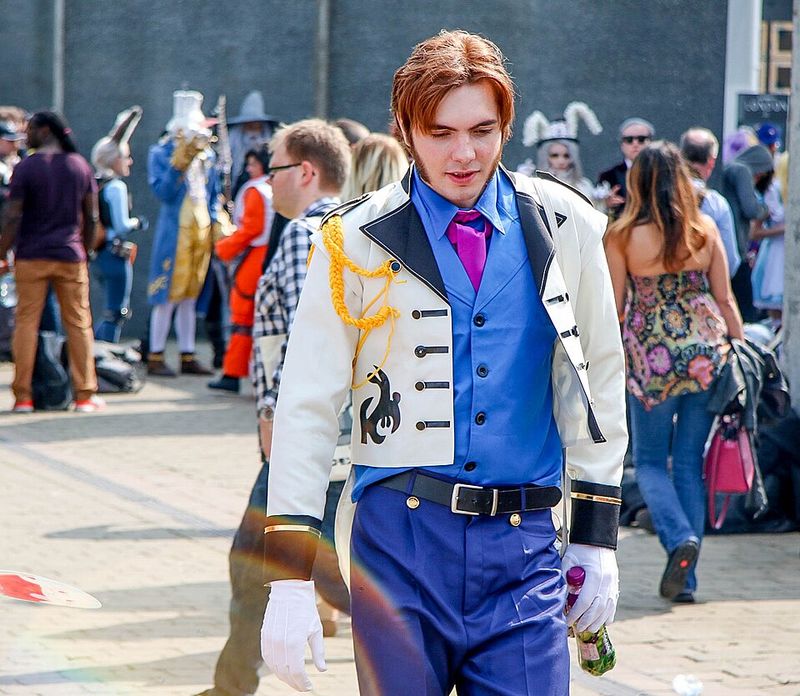
Few animated villains pulled off a twist quite as jaw-dropping as Hans in Disney’s Frozen. For most of the movie, he appeared to be the charming, supportive prince every fairy tale promises.
Sandy hair, kind eyes, a noble coat. The whole package, completely gift-wrapped in deception.
Hans proved that attractiveness in fiction can be a deliberate weapon, not just a bonus feature. Disney essentially used audience expectations about handsome princes against everyone watching.
Child psychologists praised the twist for teaching kids about surface-level charm versus genuine character. If a cartoon made millions of adults rethink their assumptions about trust, it clearly hit something real and lasting.
7. Magneto, Master Of Magnetism
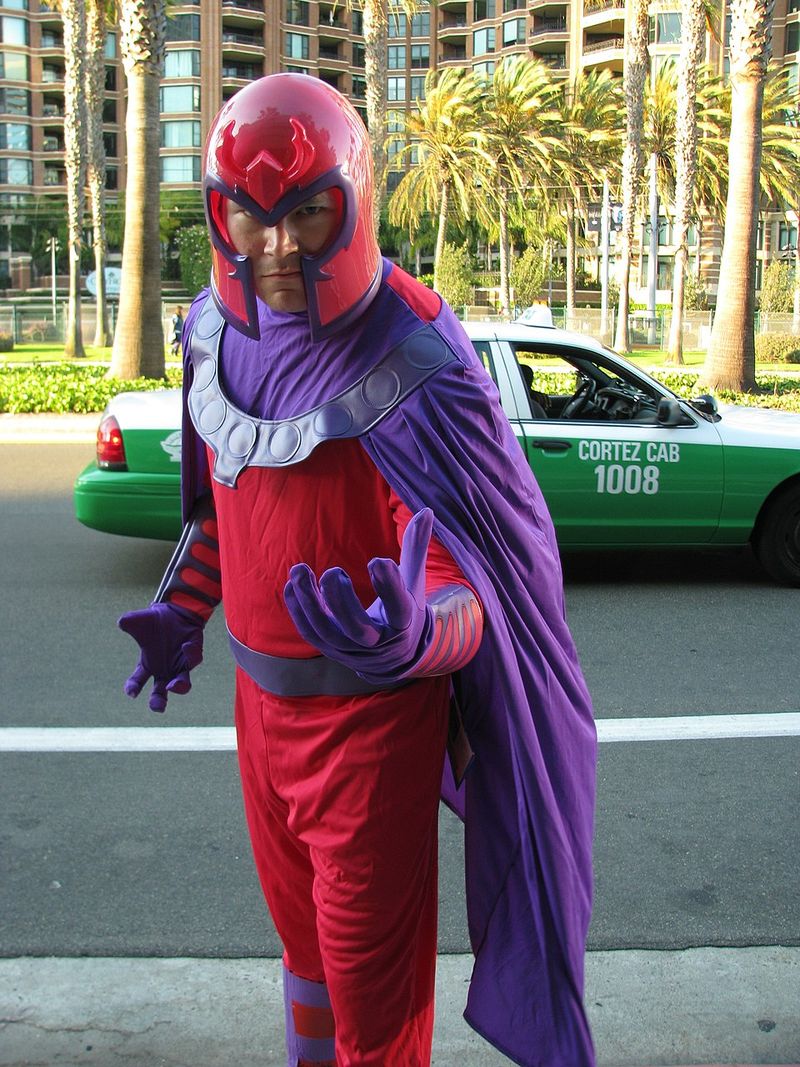
Moral ambiguity has never looked quite as sharp as it does in a Magneto monologue. Michael Fassbender’s younger version of the mutant rights extremist in X-Men: First Class gave the character a tragic depth that made audiences genuinely sympathize, even while he was actively being the antagonist.
Erik Lehnsherr is compelling because his anger comes from real pain, and his logic, however extreme, follows a heartbreaking kind of sense. Fans frequently debate whether Magneto is even truly a villain or just someone history failed spectacularly.
Add Fassbender’s intensity to all of that complexity and you have a character audiences cannot stop watching, or thinking about afterward.
8. Maleficent, Mistress Of Evil
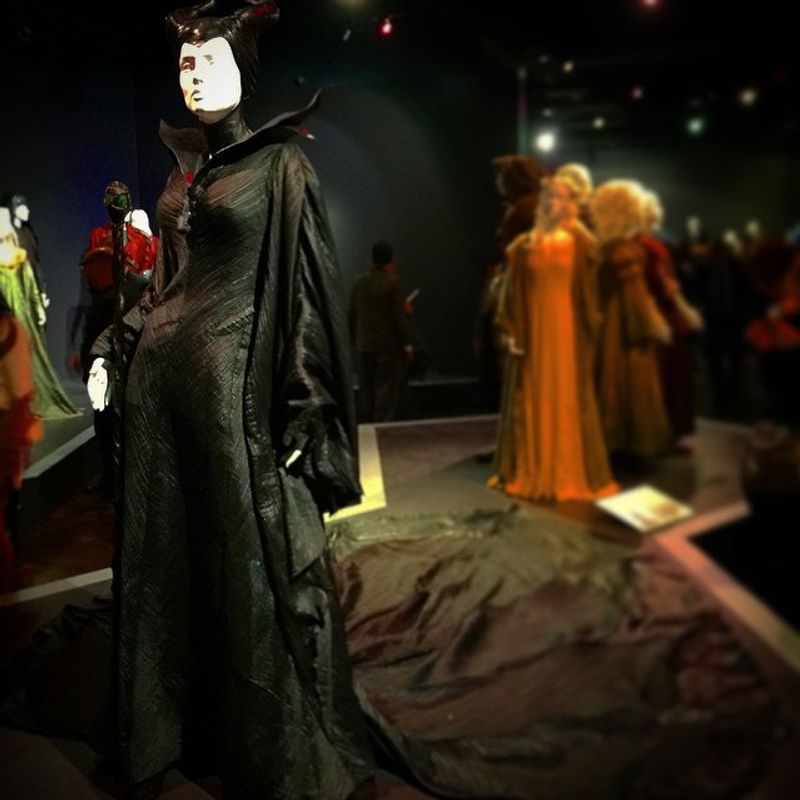
Sharp cheekbones, impossible horns, and a voice that could freeze a room solid. Angelina Jolie’s Maleficent transformed a classic animated villain into something far more nuanced and, frankly, far more fascinating.
The 2014 film reframed her story entirely, and audiences responded in a massive way.
Jolie brought a regal ferocity to the role that felt genuinely mythological. Maleficent moves like a force of nature wearing very dramatic fashion choices, and every scene carries weight.
Interestingly, the character became a feminist icon after the reboot, celebrated for reclaiming her own narrative. Villains who turn out to be misunderstood heroes hit differently, especially when dressed in stunning all-black everything.
9. Killmonger From Black Panther
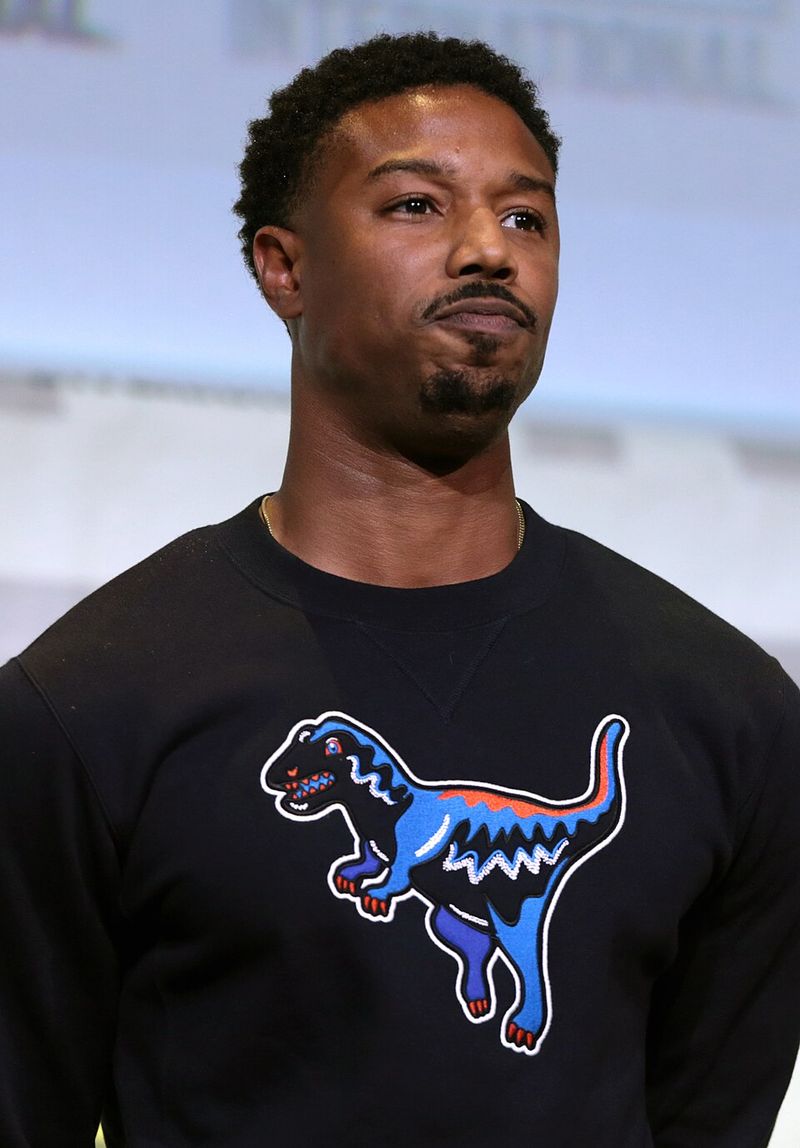
No Marvel villain walked into Wakanda and immediately made half the audience reconsider their loyalties quite like Erik Killmonger. Michael B.
Jordan brought a simmering, undeniable intensity to the role that critics and fans alike called one of the MCU’s finest performances. Deservedly so.
Killmonger’s argument about global inequality was sharp enough to make audiences genuinely uncomfortable, which is exactly what great antagonists should accomplish. Jordan trained extensively for the role, and the physical transformation added another layer of presence to an already commanding character.
How do you root against someone making points you cannot fully dismiss? Killmonger made that question the most talked-about topic after Black Panther’s release worldwide.
10. Amy Dunne From Gone Girl

Rosamund Pike’s Amy Dunne in Gone Girl is the kind of character who makes audiences sit very still and reconsider every life choice simultaneously. Few screen performances in recent memory have been quite as unsettling or as riveting.
Amy is magnetic precisely because she is so completely in control of every situation, even the ones she manufactured herself. Audiences who found her compelling often cite her sharp intelligence and refusal to be victimized, however extreme her methods became.
Pike won a Golden Globe for the role, and the internet spent months debating whether Amy was a villain or a survivor. Probably both, honestly.
11. Spike From Buffy The Vampire Slayer
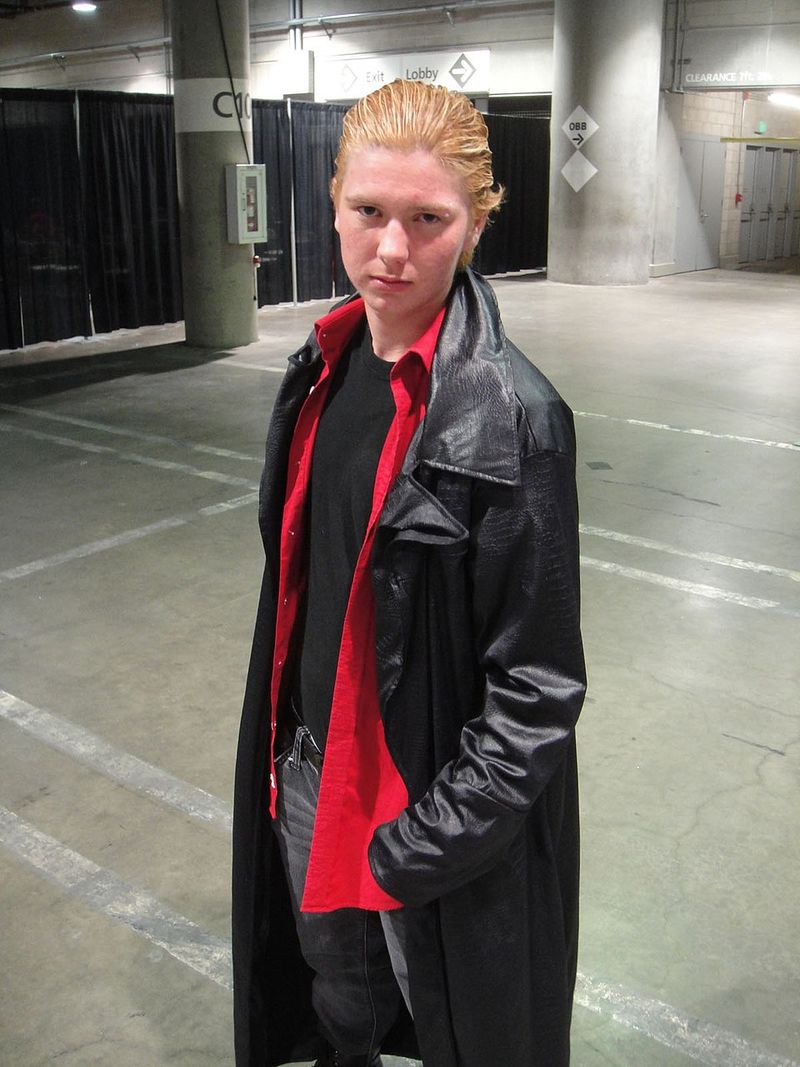
Leather coat, platinum hair, British accent, and absolutely zero regard for authority. Spike arrived on Buffy the Vampire Slayer as a villain and somehow became one of the most beloved characters in the entire series.
James Marsters brought a swagger to vampire mythology that felt entirely fresh.
What started as pure antagonism slowly evolved into one of television’s most complicated character arcs. Spike fell in love, got a soul, and saved the world, all while maintaining that effortlessly cool exterior.
Fan mail for Marsters reportedly reached overwhelming levels during the show’s run. Villains who grow without losing their edge occupy a very special spot in pop culture memory, apparently forever.
12. The Phantom Of The Opera
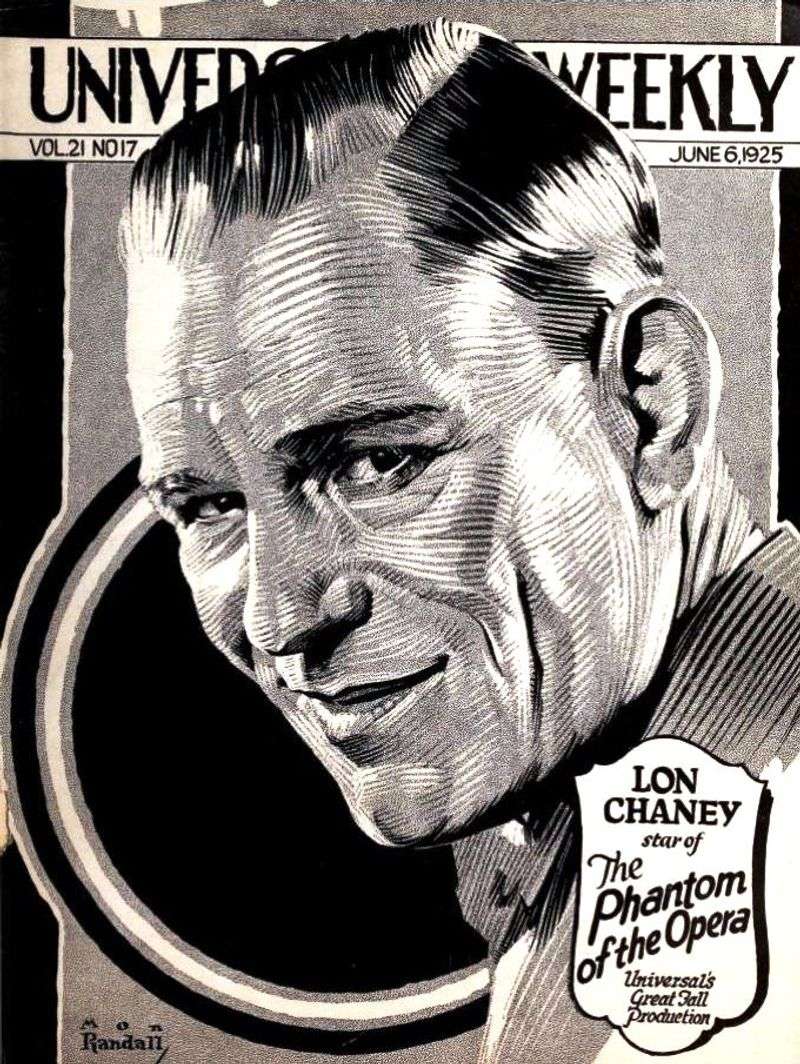
Half his face hidden, voice like velvet, and a tragic obsession that launched a thousand fan theories. Gerard Butler’s Phantom in the 2004 film adaptation brought a raw, almost feral quality to the character that previous versions had hinted at but never quite unleashed.
Audiences noticed immediately.
The Phantom represents perhaps the oldest template for attractive villains: the tortured genius undone by longing. His musical brilliance and desperate vulnerability create a pull that audiences have responded to since Gaston Leroux published the original novel in 1910.
Fans consistently argue he deserved a better ending. Rooting for a villain who writes beautiful music while making terrible decisions is a very human experience.
13. Ursula The Sea Witch
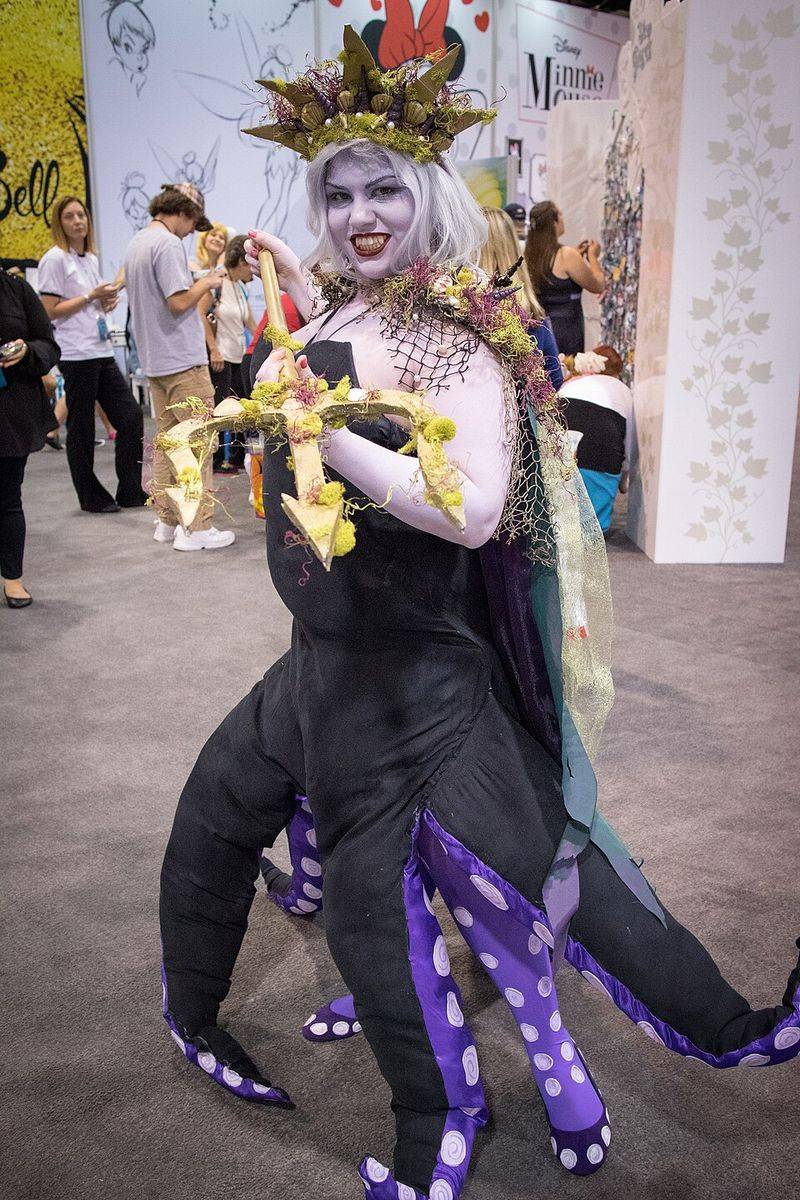
Theatrical, unapologetically loud, and dressed in a way no other Disney villain has ever matched. Ursula from The Little Mermaid has been a style and confidence icon since 1989, inspiring drag performers, fashion designers, and Halloween costumes across multiple generations of fans worldwide.
Pat Carroll voiced Ursula with such gleeful ferocity that the character practically leaped off the animation cel. Ursula’s appeal is rooted in confidence so enormous it becomes its own gravitational field.
She knows exactly who she is and performs it spectacularly at all times. Interestingly, animators modeled her partly on the drag queen Divine, which explains everything about her magnetic, larger-than-life presence.
14. Hannibal Lecter, The Cannibal Connoisseur
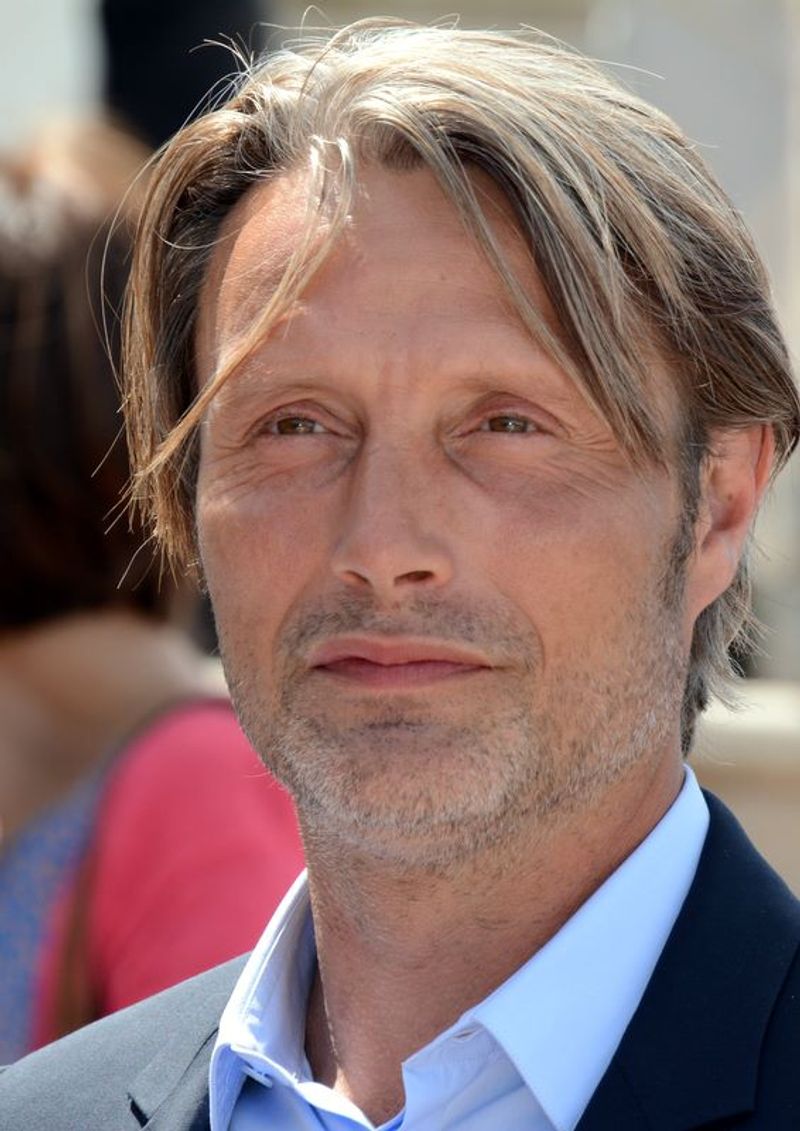
Impeccable manners, encyclopedic knowledge of classical music, a talent for cooking, and absolutely murderous impulses hidden beneath the most polished exterior television has ever produced. Mads Mikkelsen’s Hannibal Lecter redefined what a charming monster could look like across three seasons of NBC’s Hannibal.
Fans developed an almost obsessive appreciation for the character, building enormous online communities dedicated to the show’s dark elegance. Psychologists studying viewer attraction to Hannibal often point to the contrast between his refinement and his violence as the core hook.
If someone sets a beautiful table and discusses Renaissance art before doing something terrible, the brain short-circuits in fascinating ways. Mikkelsen knew exactly what he was doing every single scene.
15. Zuko From Avatar The Last Airbender
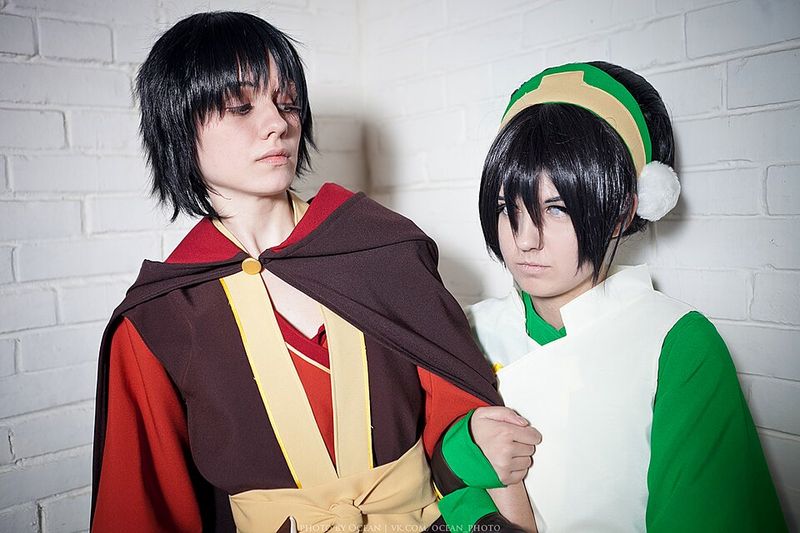
A scar across his eye, a complicated relationship with his father, and one of the greatest character redemption arcs in animated history. Prince Zuko from Avatar: The Last Airbender started as a relentless antagonist and finished as a fan-favorite hero, earning every step of the journey through genuine growth.
Zuko resonated so deeply because his anger always traced back to a desire for love and belonging, emotions universal enough to reach audiences of every age. The creators confirmed Zuko received more fan mail than any other character in the series.
Few fictional journeys have been as emotionally satisfying to watch unfold, and few animated characters have inspired such fierce, lasting loyalty across generations of dedicated fans.