18 TV Families From The ’70s That Felt Like The Warmest House On The Block
Some TV families do more than carry a storyline. They create a whole atmosphere, the kind that makes a living room feel inviting before anyone even sits down.
The best ones from the 1970s had that exact gift. Week after week, they offered humor, friction, and the comforting sense that no matter what went wrong, home still meant something solid.
Their houses felt lived in, their problems felt close enough to recognize, and their warmth never needed to announce itself to be felt. That is why they stayed with people.
Long after the episodes ended, these families still felt like the households viewers would have gladly wandered into, pulled up a chair in, and remembered as the warmest place on the block.
1. The Waltons — The Waltons
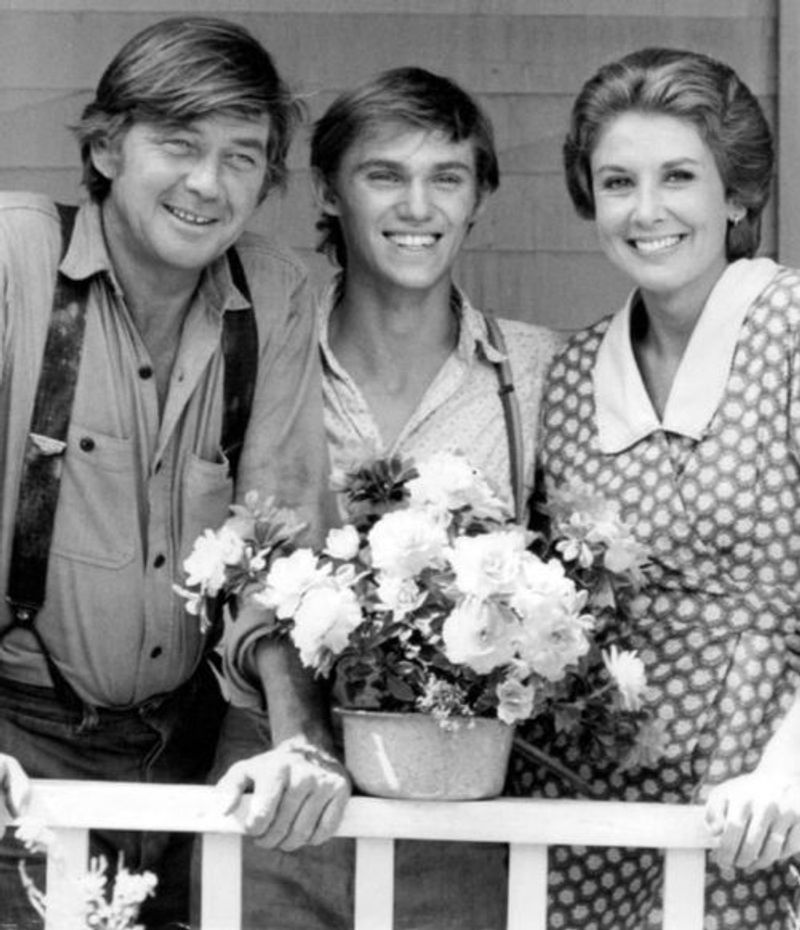
Every night ended the same magical way: “Goodnight, John-Boy.” “Goodnight, Mary Ellen.” And so on, until the whole mountain had said its piece.
The Waltons, set in Depression-era rural Virginia, followed three generations living under one roof, and somehow it never felt crowded. It felt like home.
John-Boy’s dream of becoming a writer gave kids everywhere permission to believe in their own big ideas.
Earl Hamner Jr. based the show on his own childhood, which is why every episode hit differently. Real roots grow deep, and this family had roots for miles.
2. The Ingalls Family — Little House on the Prairie
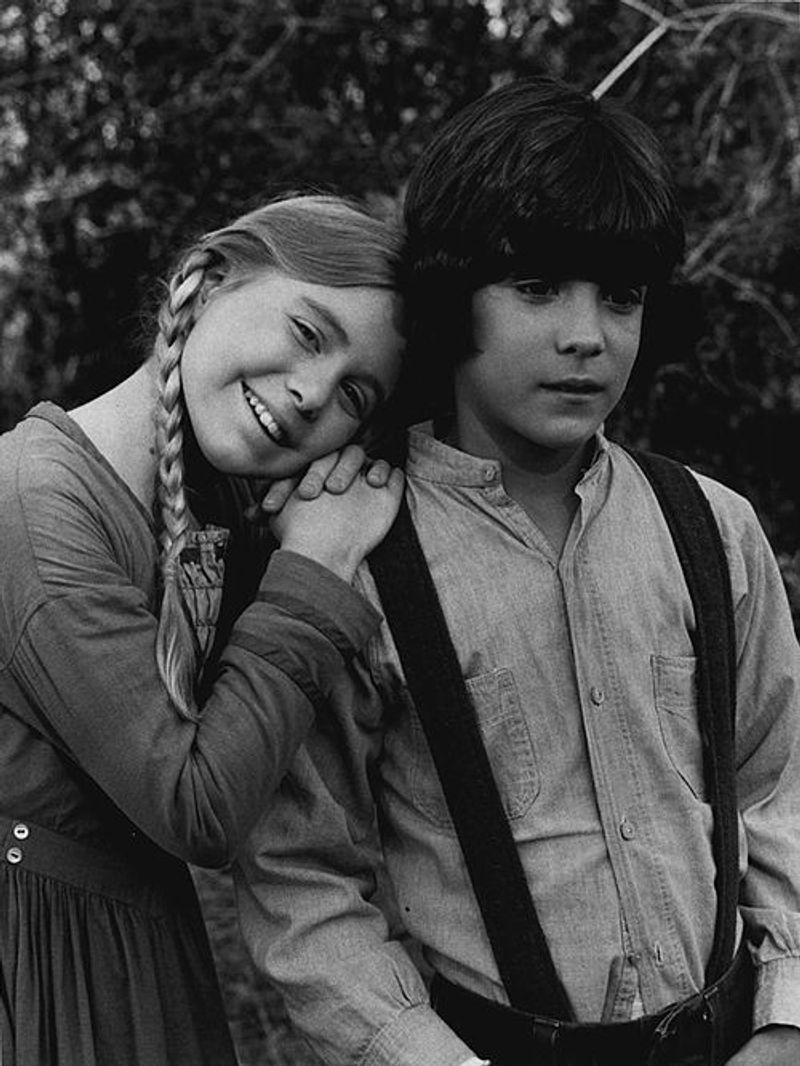
Few families have made a dirt-floor cabin look as inviting as the Ingalls did every single week.
Based on Laura Ingalls Wilder’s beloved book series, this show turned hardship into something almost poetic. Pa’s fiddle, Ma’s patience, and Laura’s spark made it impossible not to care deeply.
Michael Landon played Charles Ingalls with such warmth that dads everywhere quietly tried to step up their game.
The show ran from 1974 to 1983 and tackled everything from illness to injustice without ever losing its heart.
3. The Bradys — The Brady Bunch
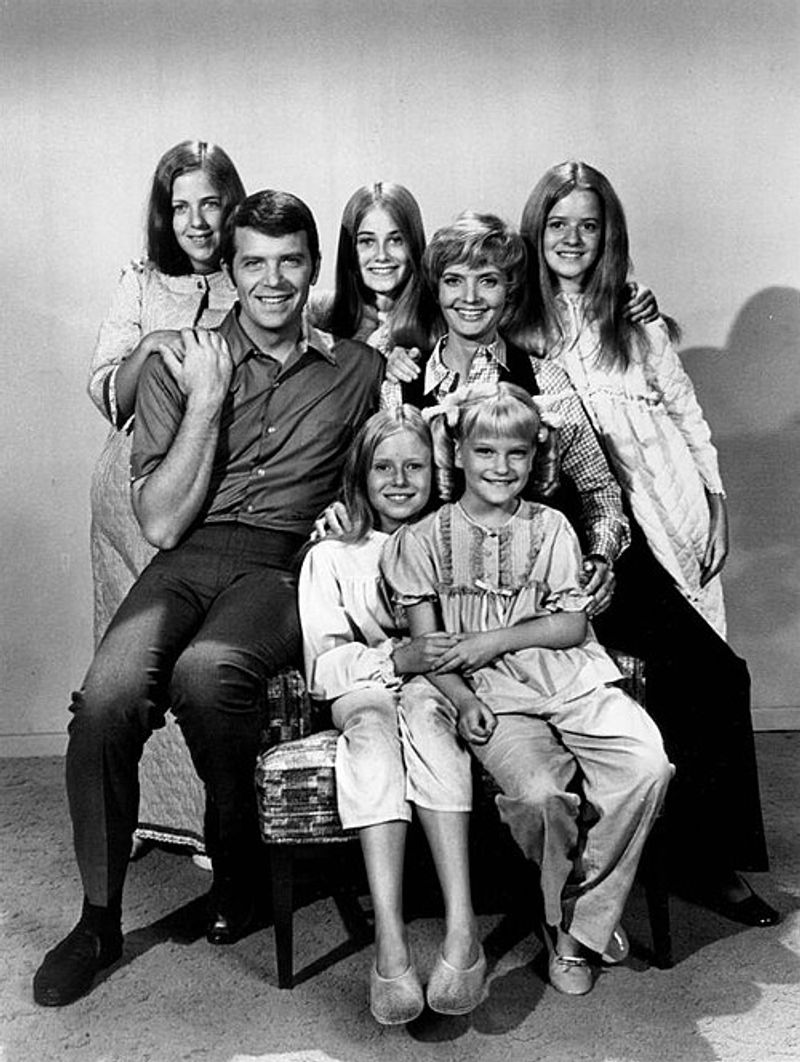
Six kids, one housekeeper named Alice, and a set of stairs that somehow became the most famous staircase on television.
The Brady Bunch was the original blended family show, and it handled stepfamily life with a lighthearted grace that felt genuinely revolutionary for its time.
Sure, the problems were usually solved in 22 minutes flat, but that was kind of the point. You always left feeling like things would work out.
The iconic theme song alone could cure a bad mood.
4. The Partridges — The Partridge Family
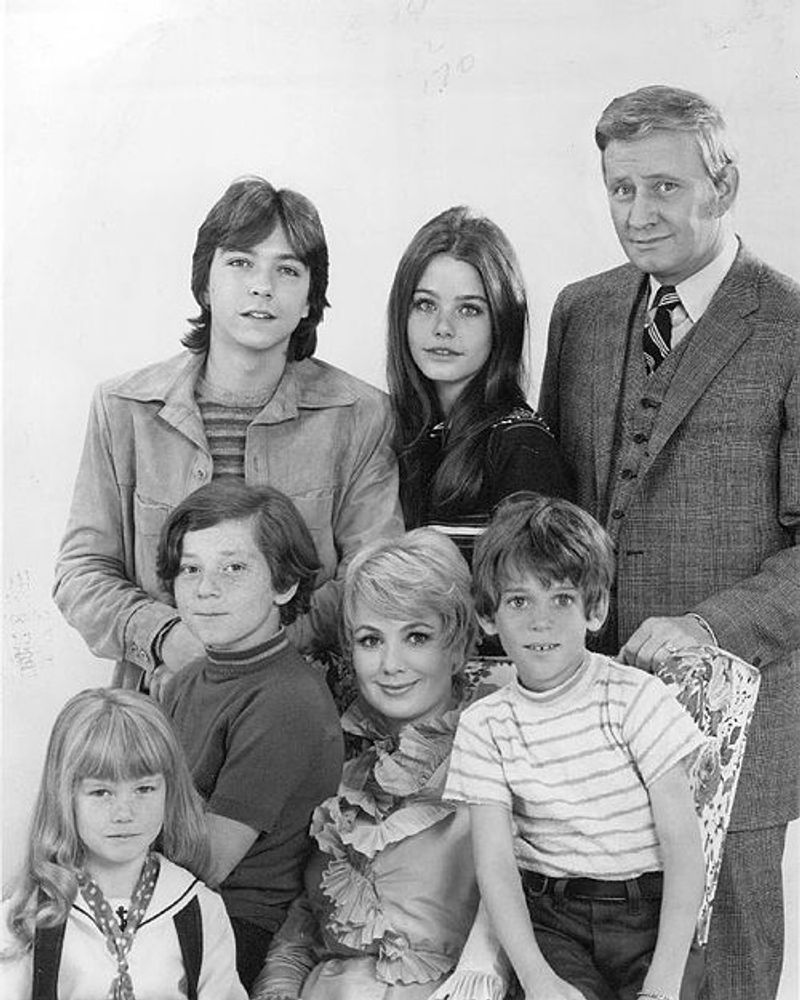
What if your mom started a rock band with you and your siblings? That was literally the Partridge Family’s whole deal, and honestly it sounded like a blast.
Shirley Partridge, played by Shirley Jones, was cool without even trying, and her kids were the kind of bandmates anyone would want.
David Cassidy as Keith became a full-blown teen idol, with posters plastered on bedroom walls coast to coast.
The show ran from 1970 to 1974 and proved that family harmony could be both literal and figurative.
5. The Evans Family — Good Times
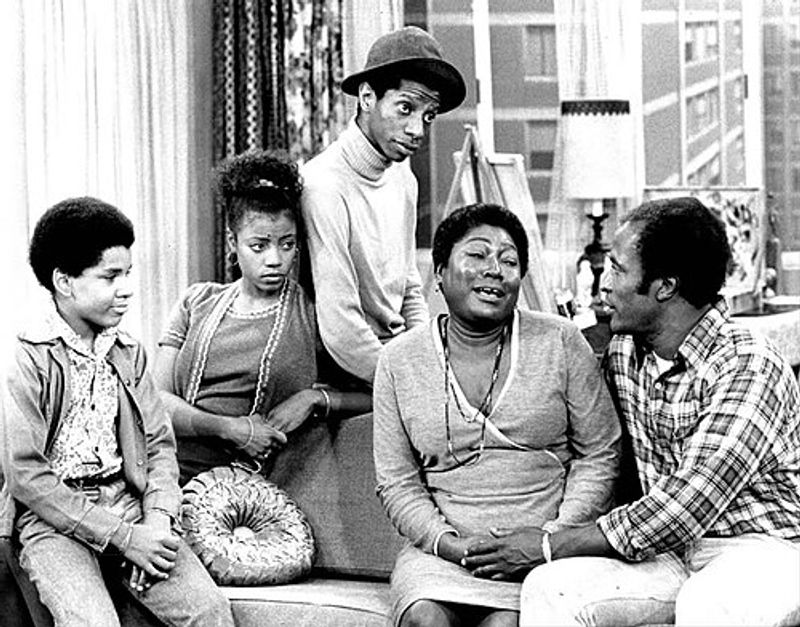
Living in a Chicago housing project, the Evans family showed America what strength really looked like.
Good Times was groundbreaking, the first show to feature a two-parent African American household in a leading role, and it did not waste that platform for a single episode.
Florida Evans was a force of nature, and James Evans Sr. worked every angle just to keep the lights on.
J.J.’s “DY-NO-MITE!” became one of the most quoted catchphrases of the decade. However, beneath all the laughs was a family fighting hard, loving harder, and never giving up on each other.
6. The Bradfords — Eight Is Enough
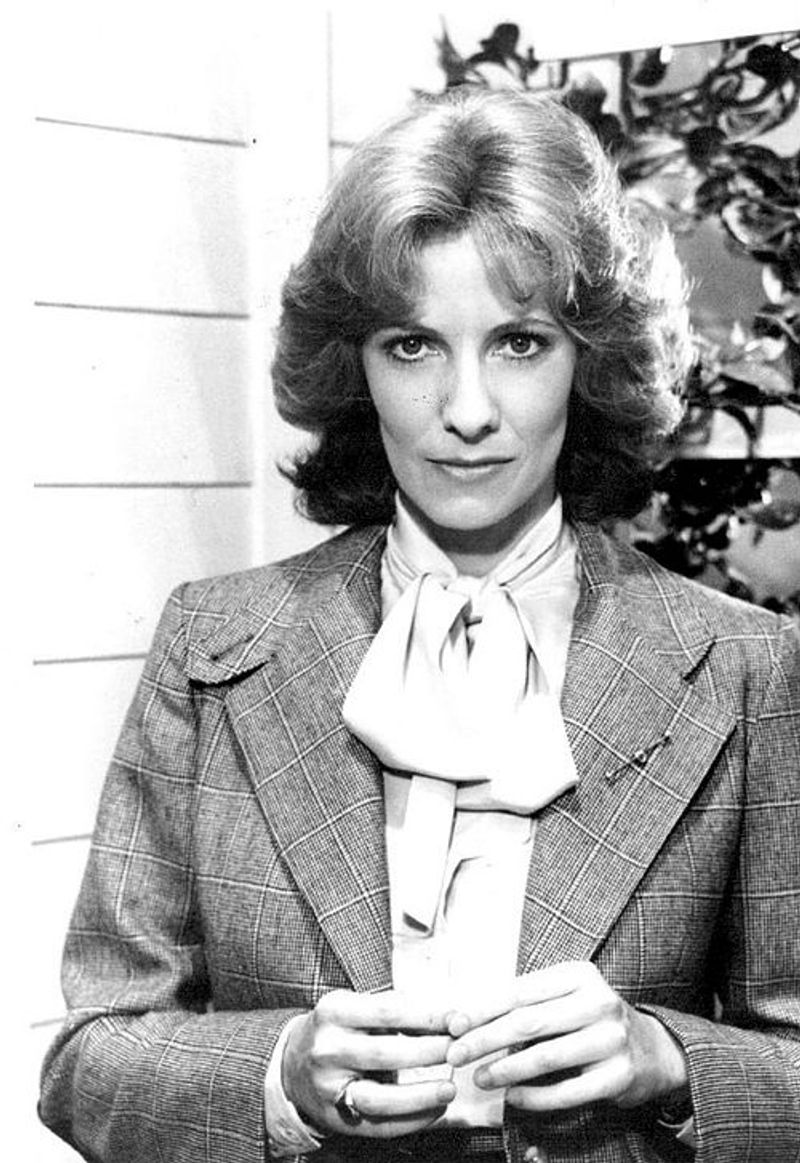
Eight kids and one dad trying to hold it all together sounds like a scheduling nightmare, but the Bradford family made it look like the best kind of organized chaos.
Eight Is Enough premiered in 1977 and was loosely based on newspaper columnist Tom Braden’s real family life.
Van Patten brought a gentle, dependable energy to patriarch Tom Bradford that made you believe everything would be okay.
After the tragic real-life passing of actress Diana Hyland, who played the mother, the show handled grief with surprising honesty.
7. The Cunninghams — Happy Days
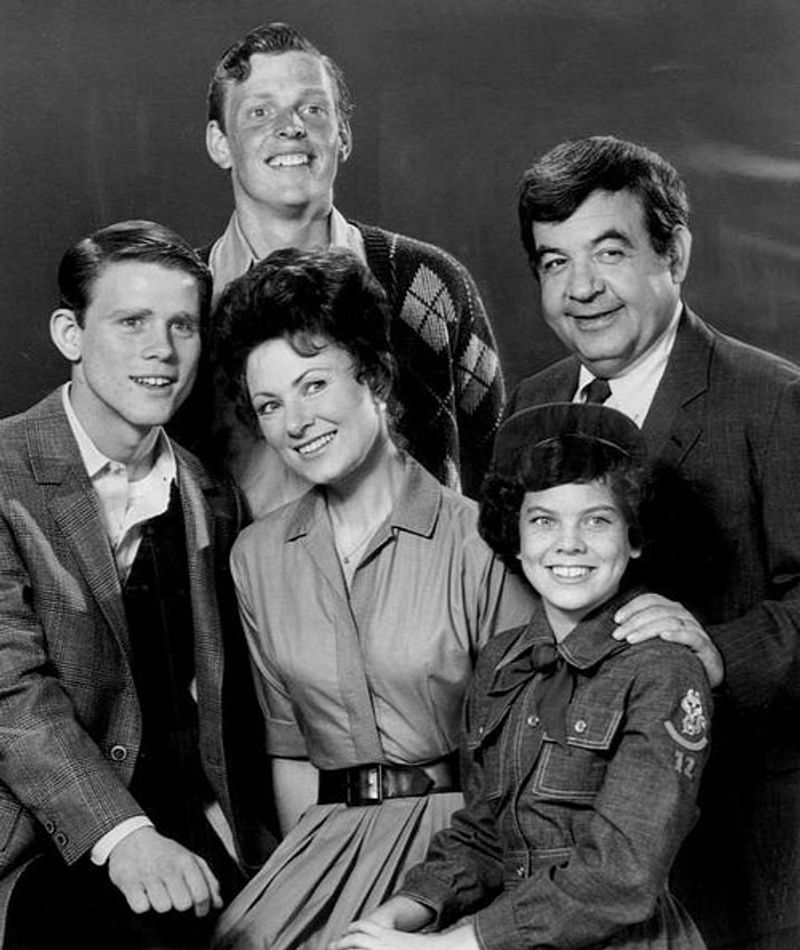
Happy Days was technically set in the 1950s, but it aired through most of the 1970s and gave that decade something it really needed: a cozy, uncomplicated family to root for.
The Cunninghams of Milwaukee were the kind of neighbors everyone wished they had growing up.
Howard and Marion Cunningham were steady, supportive, and surprisingly funny. Their son Richie was the heart of the show, but let’s be honest, the Fonz stole every scene he walked into.
“Ayyy!” still echoes through pop culture today.
8. The Jeffersons — The Jeffersons
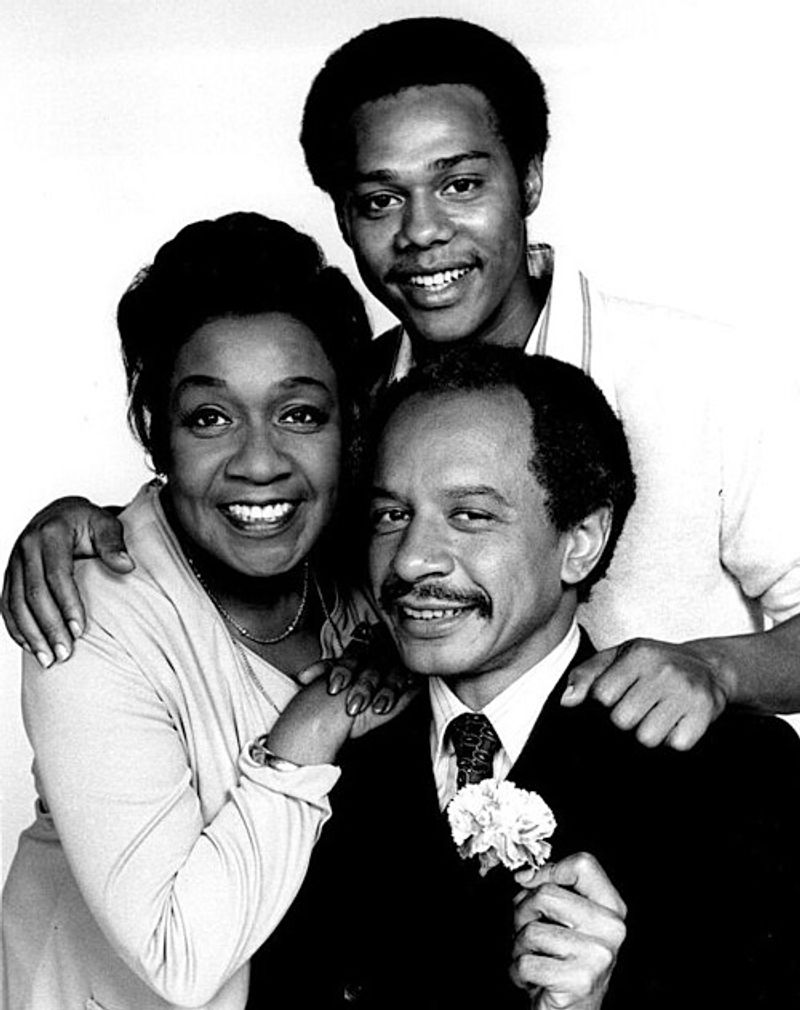
“Movin’ on up” was not just a catchy theme song; it was a whole life philosophy for George and Louise Jefferson.
Spinning off from All in the Family in 1975, The Jeffersons became one of the longest-running sitcoms of its era, lasting 11 seasons and 253 episodes.
George’s over-the-top personality clashed brilliantly with Louise’s grounded warmth, creating television magic every week.
Their interracial neighbors, the Willises, added layers of social commentary that felt ahead of its time.
9. The Romano Family — One Day at a Time
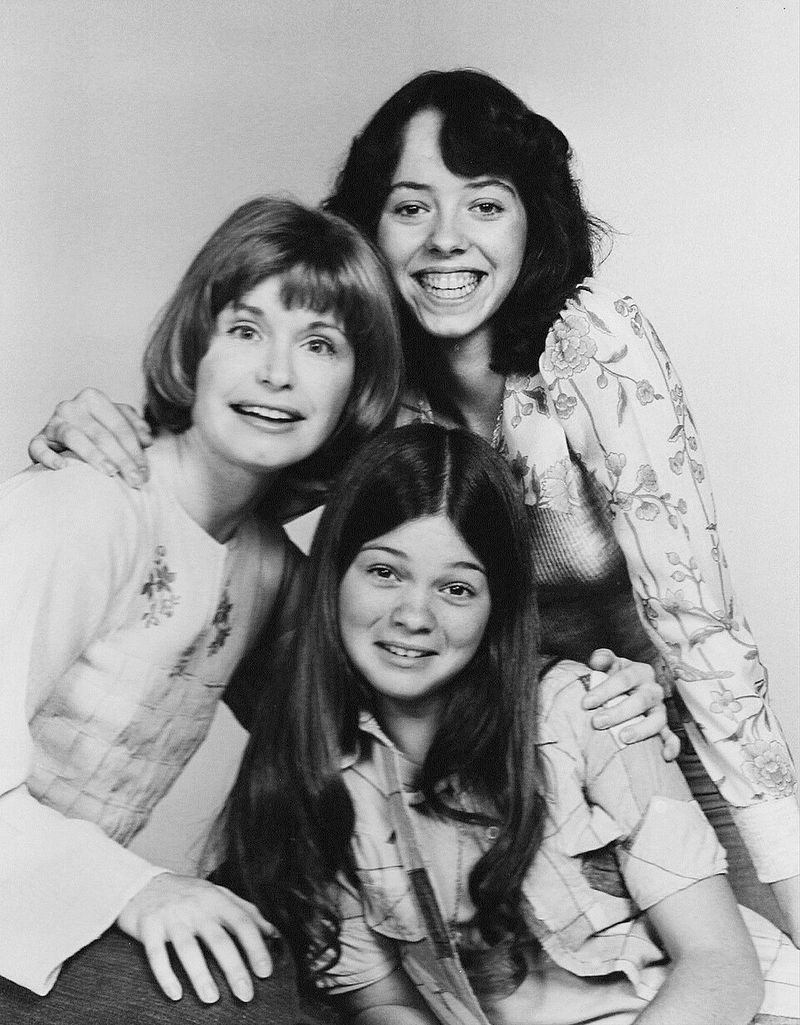
Now here’s a show that was quietly revolutionary.
Ann Romano, a divorced mother raising two daughters on her own, was not a character television had seen much of before 1975.
She was independent, imperfect, and completely relatable to millions of women watching at home. The show tackled feminism, dating after divorce, and teen rebellion without ever turning preachy.
Schneider the building superintendent was the comic glue holding every awkward episode together. Though the show leaned into humor, it never shied away from the harder truths of single parenthood.
10. The Bunkers — All in the Family
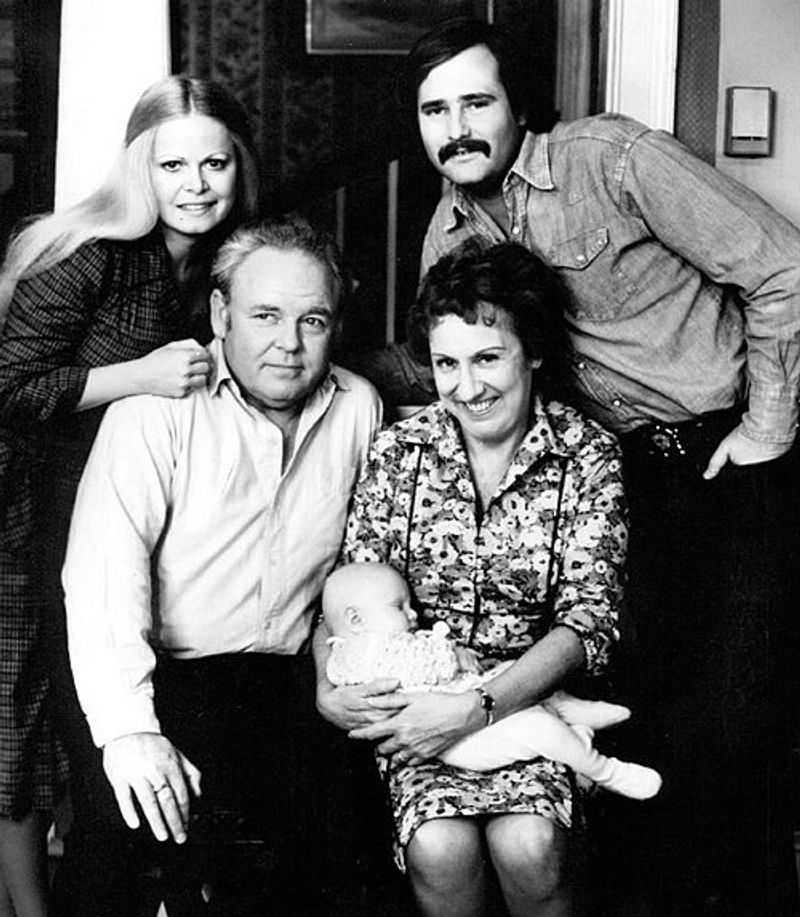
Archie Bunker was not exactly the warm, fuzzy TV dad you might expect on a list like this, but his family’s dynamic was undeniably magnetic.
All in the Family, which premiered in 1971, used Archie’s loud prejudices as a mirror held up to American society, and the reflection was uncomfortable in the best way.
Edith’s kindness balanced Archie’s bluster perfectly, while Gloria and Meathead kept things generationally spicy.
The show won multiple Emmy Awards and changed what sitcoms were allowed to say.
11. The Thomas Family — What’s Happening!!
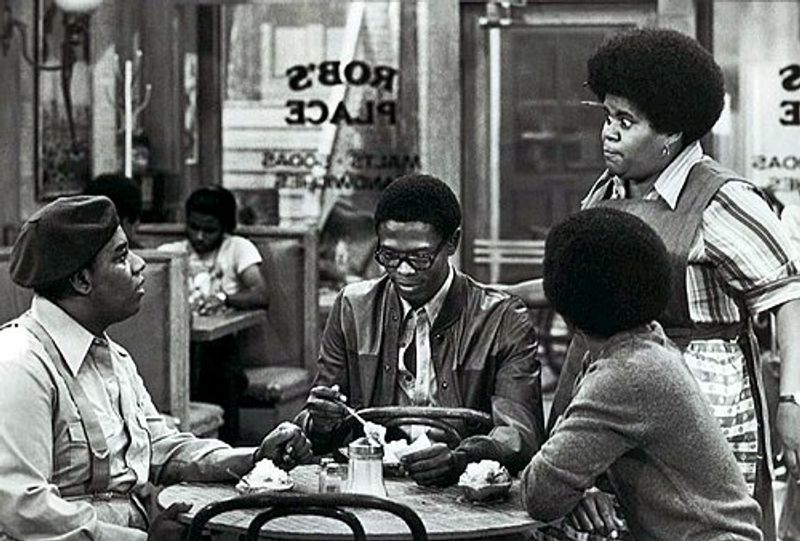
High school has never looked more fun than it did on What’s Happening!!, which followed Raj, Dwayne, and Rerun through the streets and diners of South Central Los Angeles.
Premiering in 1976, the show brought Black teenage life to primetime in a way that felt fresh, funny, and genuinely joyful.
Raj’s home life with his single mom Mabel and his sharp-tongued little sister Dee gave the show its warm, family-centered core.
Dee, played by Danielle Spencer, was arguably the funniest person in the room at any given moment.
12. The Sanfords — Sanford and Son
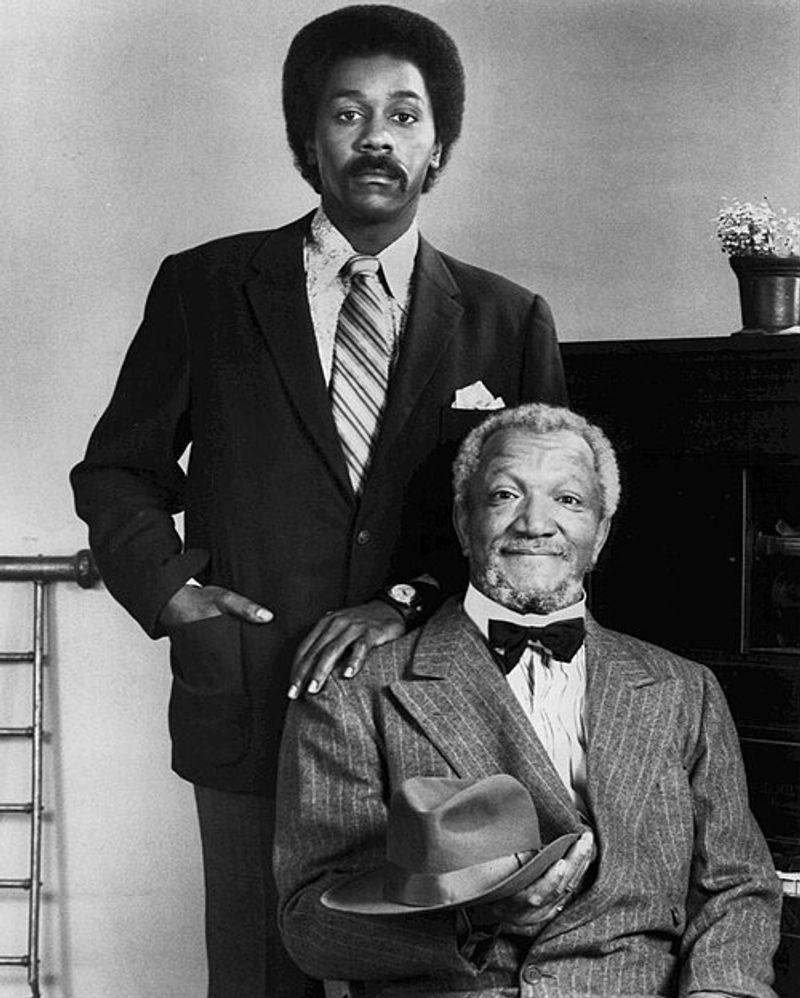
Fred Sanford was cheap, dramatic, and absolutely hilarious, and somehow that made him one of the most lovable fathers in TV history.
Sanford and Son, which debuted in 1972, starred Redd Foxx as the cantankerous junk dealer who constantly feuded with his son Lamont while secretly depending on him completely.
Fred’s fake heart attacks whenever he didn’t get his way became legendary comedic bits.
The show was set in the Watts neighborhood of Los Angeles and became one of the highest-rated programs of the entire decade.
13. The Stephens Family — Bewitched
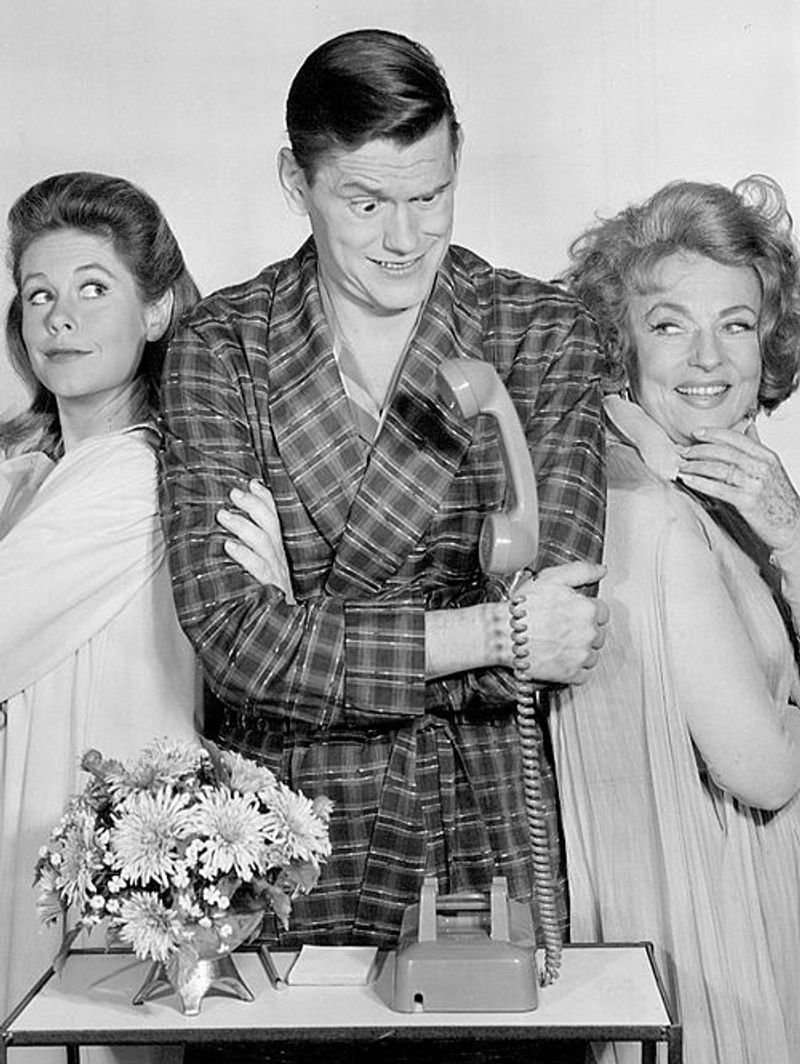
Though it technically started in 1964, Bewitched ran well into the early 1970s and kept audiences completely enchanted the whole time.
Samantha Stephens was a witch married to a regular advertising executive named Darrin, and their household was the most magical address in the suburbs.
Endora, Samantha’s meddling witch mother, was a comedic force that could freeze a room with one perfectly arched eyebrow.
The show was actually a clever metaphor for women hiding their true abilities to fit into societal expectations.
14. The Clampetts — The Beverly Hillbillies
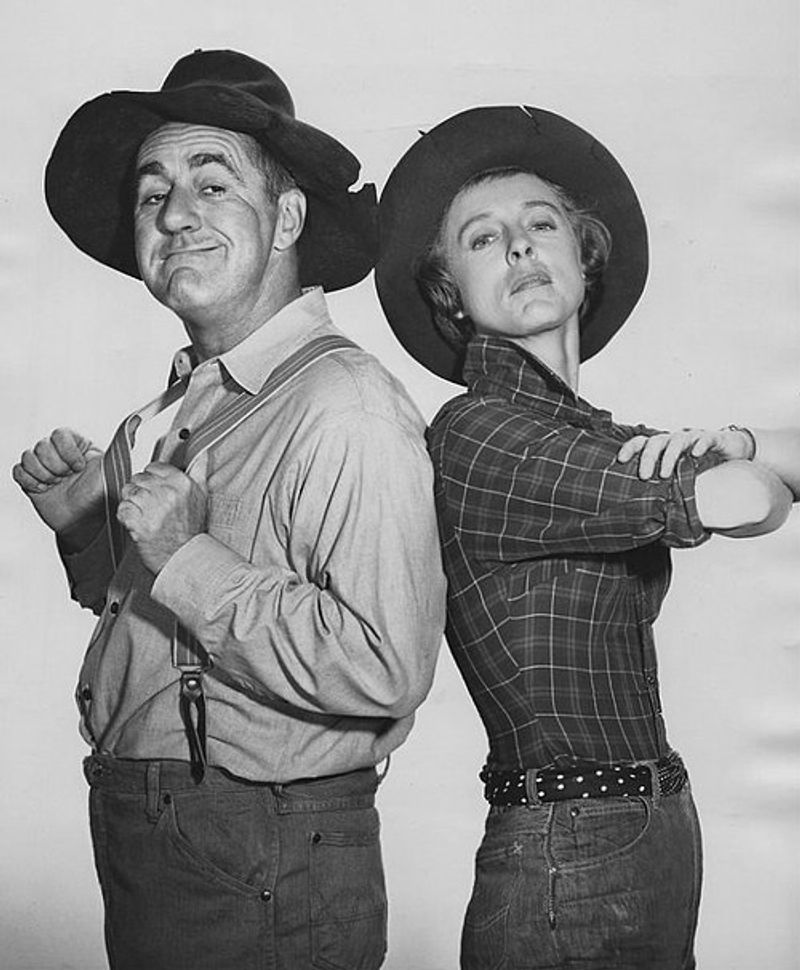
From the Ozark Mountains to a Beverly Hills mansion, the Clampetts brought their own brand of warmth to one of the fanciest zip codes on television.
The Beverly Hillbillies ran from 1962 through 1971 and remained a cultural touchstone throughout the early part of the decade.
Jed Clampett was wise in ways that expensive education simply cannot teach, and Granny’s cooking was apparently legendary enough to intimidate actual chefs.
Rich in money, richer in heart, that was basically the Clampett family motto.
15. The Douglases — Green Acres
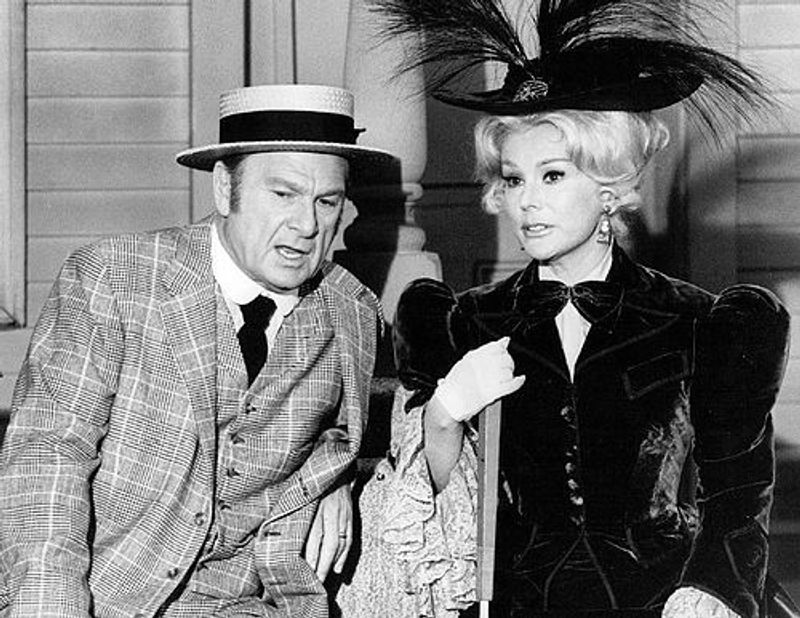
Green Acres was basically the anti-Beverly Hillbillies, trading mountain folk in the city for city folk on a farm, and it was equally brilliant.
Oliver Wendell Douglas dragged his glamorous Hungarian wife Lisa to Hooterville, and the culture clash never stopped being funny.
Eva Gabor as Lisa Douglas was a comedic genius, somehow making a ball gown on a tractor look completely reasonable.
The show ran from 1965 to 1971 and stayed popular in syndication throughout the ’70s.
16. The Cartwrights — Bonanza
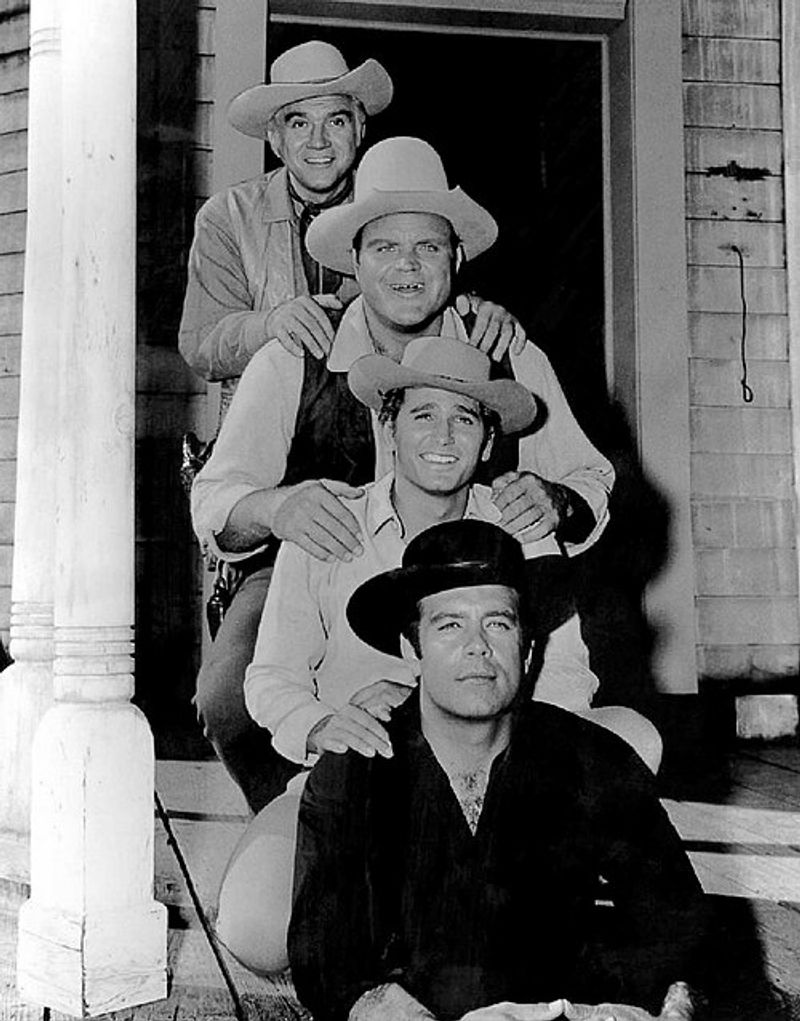
Long before Game of Thrones made family drama fashionable, the Cartwrights of the Ponderosa ranch were out here handling cattle disputes and moral dilemmas every Sunday night.
Bonanza ran from 1959 all the way to 1973, making it one of television’s longest-running Westerns ever.
Ben Cartwright, played by Lorne Greene, raised three sons from three different mothers, each one carrying a distinct personality that made the ensemble crackle.
The show was genuinely one of the first primetime dramas to treat its characters with real emotional depth. Cowboys with feelings? Absolutely groundbreaking.
17. The Davis Family — Family Affair
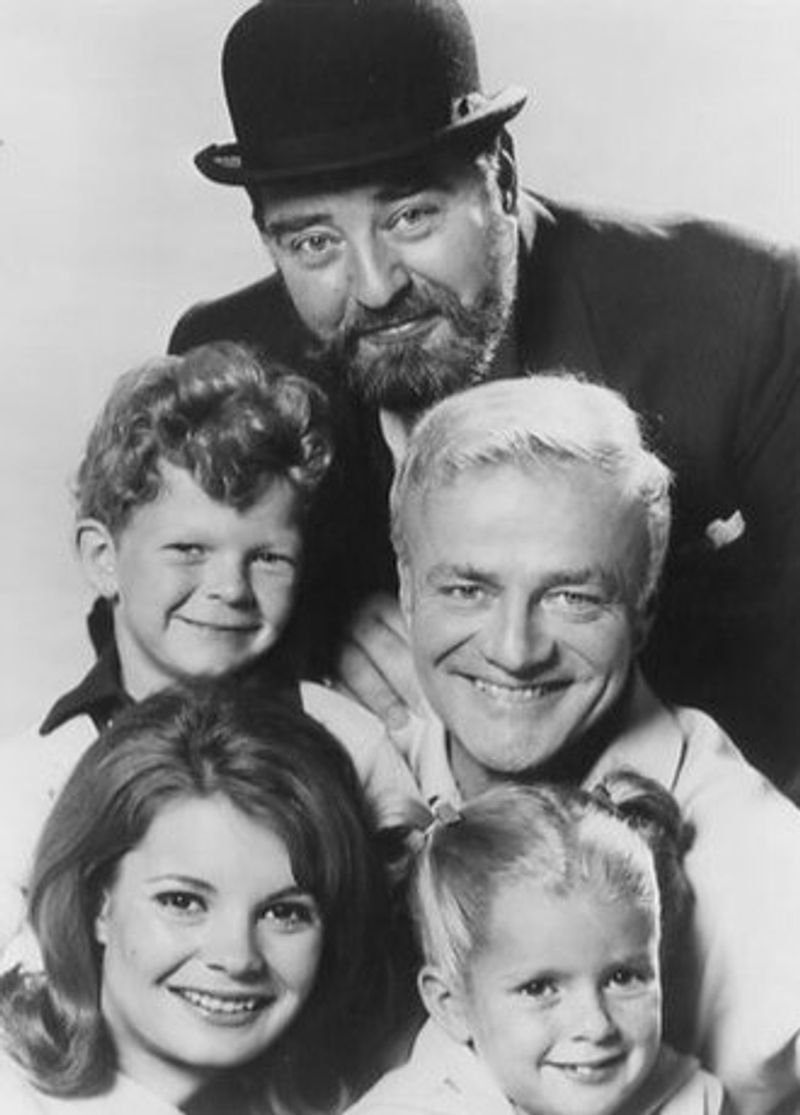
Family Affair asked a question most shows wouldn’t dare touch: what happens when a confirmed bachelor suddenly becomes the guardian of three young children?
Uncle Bill Davis, a successful engineer living in a Manhattan penthouse, found out fast, and so did the audience watching from 1966 through 1971.
Buffy and her doll Mrs. Beasley became one of television’s most iconic child-and-toy pairings, right up there with any cartoon sidekick you can name. Mr. French the butler brought dry British wit to every chaotic scene.
18. The Douglas Family — My Three Sons
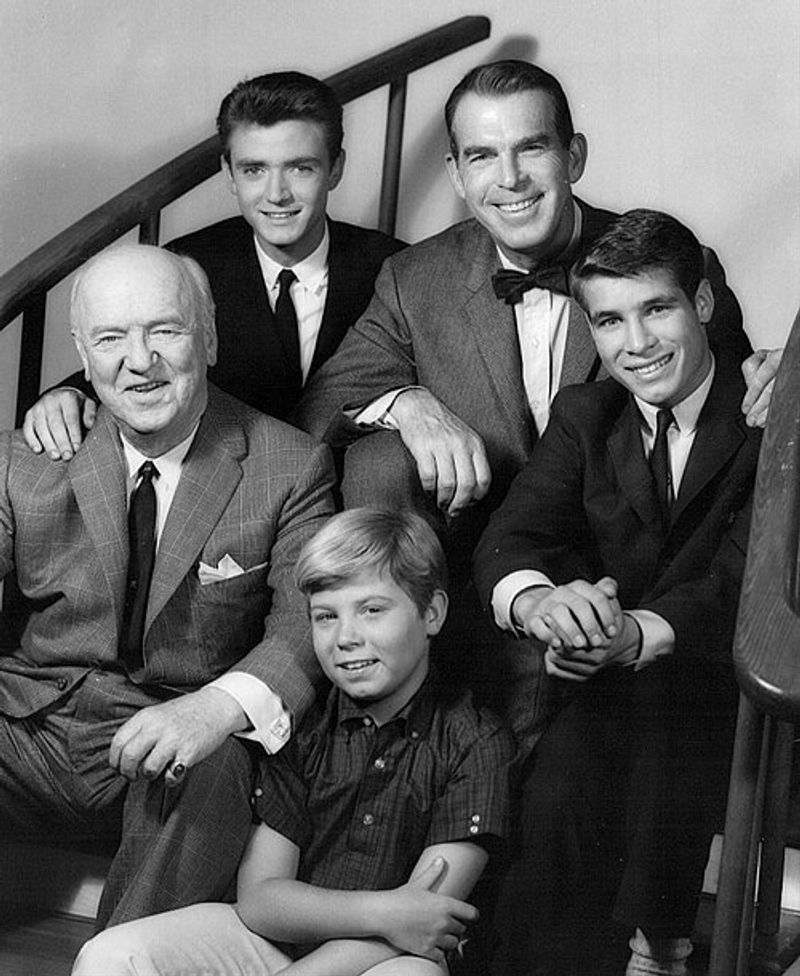
This show proved that a family without a mom could still be overflowing with love, humor, and the occasional disaster in the kitchen.
Steve Douglas, played by Fred MacMurray, was the kind of calm, reasonable father who somehow always knew the right thing to say without making it feel like a lecture.
Running from 1960 to 1972, the show evolved beautifully as the boys grew up, got married, and had kids of their own. Grandpa Bub and later Uncle Charley kept the household gloriously chaotic.