18 TV Missteps Still Hard To Defend
Television loves a big moment, sometimes a little too much.
Everything builds, expectations skyrocket, and then something goes sideways in a way nobody quite saw coming.
Instead of applause, you get confusion, debates, and fans still asking, “wait, what was that?” years later.
1. The Seinfeld Finale

Nine seasons built toward a goodbye nobody expected to land like that, and instead the final image locked everyone behind bars. By the time “The Finale” aired on Seinfeld, reactions split almost immediately and stayed that way.
Some critics and longtime fans felt the episode amplified the characters’ worst qualities without delivering the show’s usual comic payoff.
Comedy had always driven the show, yet the closing stretch left a sharper, more uncomfortable aftertaste than anyone saw coming. Debate around that final episode has never really cooled, which says everything about how deeply it hit.
2. Dexter’s Lumberjack Ending
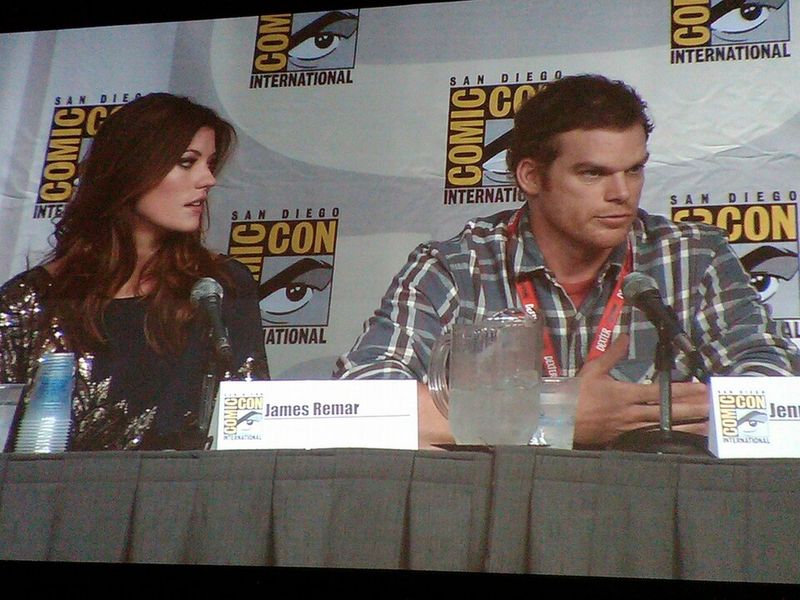
Eight seasons of outsmarting killers somehow led Dexter Morgan to a beard and a cabin in the woods.
The backlash was strong enough that the finale became a shorthand example of an ending viewers found deeply unsatisfying. Fans were hoping for justice, poetic irony, or at least one consequence with real dramatic weight.
What they got instead was a vanished lead character and a brand-new life, with Dexter: New Blood later arriving after years of frustration over how unsatisfying that ending felt.
3. How I Met Your Mother’s Rushed Finale
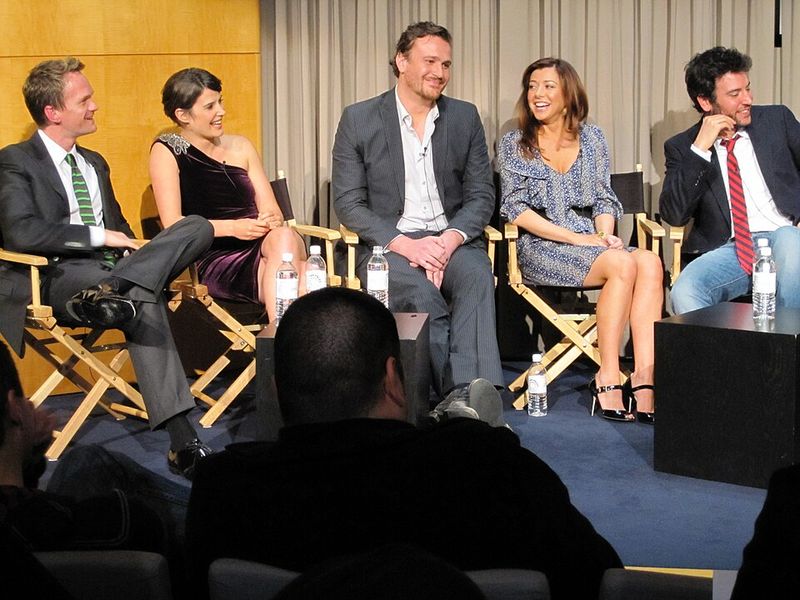
Years of buildup around one character, then she disappears in the last few minutes so Ted can chase Robin again.
The writers had filmed the finale early, locking in an ending the audience had long since moved past emotionally. Fans felt cheated out of the payoff they had invested nearly a decade to earn.
Social media lit up with frustration the moment the credits rolled. It has remained one of the clearest examples of a finale that many viewers felt no longer matched the show they had been watching.
4. Game Of Thrones Season 8 Rush
More than a million signatures piled onto a petition demanding a remake of Season 8, and the message came through loud.
Years of character growth unraveled into baffling choices, while major storylines were squeezed into six episodes with barely any room to breathe.
Pacing felt rushed, as if the story had been pushed forward too quickly when it clearly needed a full season more. Frustration spread as fans focused on everything that might have been.
When the finale of Game of Thrones aired, the internet settled into a long, collective sigh that seemed to stretch on for days.
5. Lost Leaving Mysteries Hanging

By the second episode, a polar bear had already appeared, and millions of viewers were left waiting for an explanation that never felt fully satisfying.
Rather than centering clear answers, Lost built its identity around mystery and ended with a finale more focused on emotional closure.
Some viewers found that approach beautiful, while others saw it as a graceful way of admitting the writers never fully had it figured out.
Either way, debate around the ending has never really gone away. Bring it up at a dinner table, and the room will probably split down the middle almost immediately.
6. The Sopranos Cutting To Black

The screen went dark, and half of America thought their cable had gone out.
David Chase’s decision to cut to black mid-scene was either genius or infuriating, depending entirely on who you asked. Tony Soprano sat in a diner, Journey played on the jukebox, and then nothing.
It became one of the most analyzed endings in TV history. Immediate frustration eventually gave way to years of analysis and reassessment.
7. St. Elsewhere’s Snow Globe Twist

Beloved medical drama ended with the entire story existing inside a child’s snow globe imagination.
Television still talks about the Tommy Westphall reveal as one of the medium’s most notorious twist endings. Fans later stretched that idea into a theory linking dozens of shows through shared characters.
Some viewers admire the ambition, while others still see it as a twist that destabilized everything that came before it.
Since 1988, arguments over it have never really stopped, which leaves the ending somewhere between brilliant and deeply aggravating.
8. Dallas Erasing A Season As A Dream
Out of a shower walked Bobby Ewing, and suddenly an entire season of television was treated like it had never happened. After killing Bobby off, the writers brought him back by calling Season 9 a dream, wiping away every storyline viewers had followed for a full year.
Bold in all the wrong ways, the twist felt like a novelist ripping out twelve chapters and expecting the rest to land the same.
Soon, the move became shorthand for TV desperation, and while Dallas eventually earned forgiveness, nobody really forgot the shower scene.
9. Battlestar Galactica’s Spiritual Finale
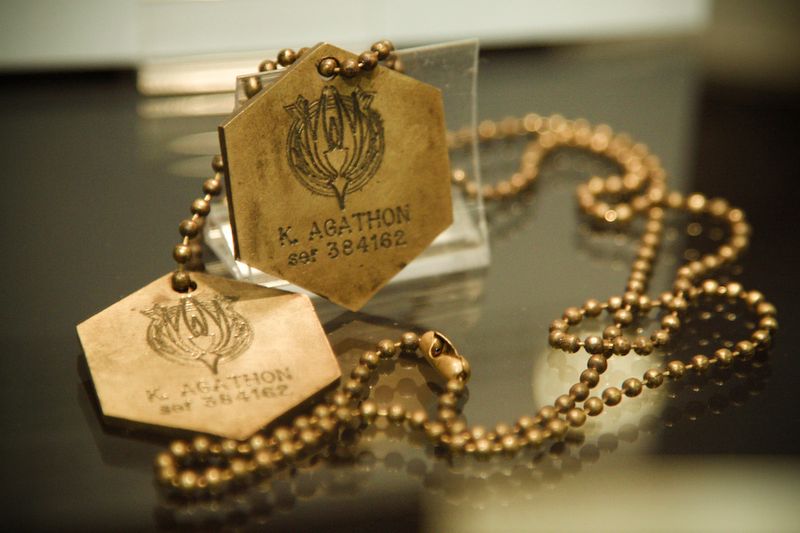
Gritty, grounded storytelling carried the show for years, yet the resolution leaned heavily on divine intervention.
Following the layered political and military arcs made the sudden spiritual turn feel jarring for many viewers. Reactions to the finale of Battlestar Galactica never settled into a single consensus, even as some praised its emotional payoff.
Criticism often circled back to the deus ex machina label, which lingered long after the credits rolled. Even viewers open to ambitious endings did not necessarily expect the show to resolve so much through spiritual framing.
10. 30 Rock’s Pulled Blackface Episodes

In 2020, four episodes of 30 Rock were pulled from streaming after Tina Fey personally asked NBC to take them down. White performers appeared in blackface during those episodes as part of the comedy, and Fey later said publicly that the choice had been wrong.
What made the moment notable was that the request came directly from Fey rather than from a network mandate alone.
Accountability carried a different weight here than it does in most TV controversies.
Still, those episodes were made, they aired, and they now remain a lasting footnote in the show’s otherwise celebrated legacy.
11. Community’s Controversial Dark Elf Scene
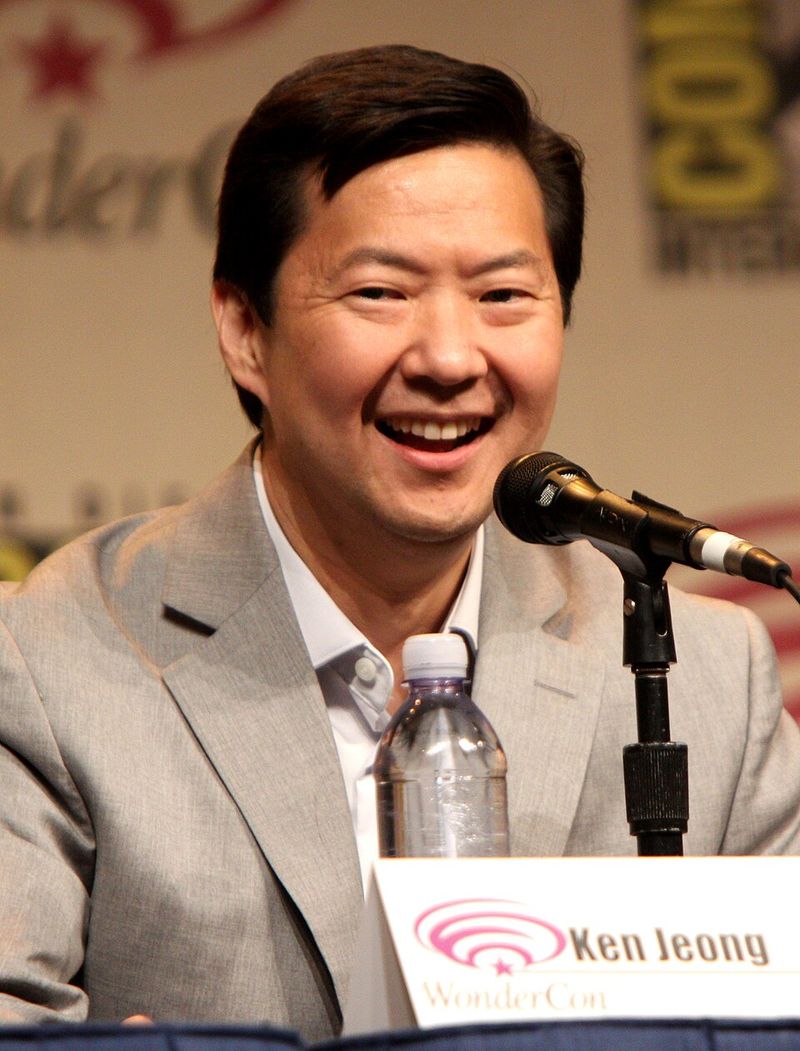
Dark-elf makeup worn by Ken Jeong in an Advanced Dungeons and Dragons episode quickly became a joke that did not age well. Renewed criticism led to the episode’s removal from Netflix and Hulu, despite its original warm reception.
Built on clever meta-humor, Community made the misstep feel especially out of character for a show known for self-awareness.
Netflix and Hulu removed the episode in 2020 over the dark-elf scene, and Harmon later said the removal was understandable even while defending the episode’s larger merits.
12. Glee’s Spanish Teacher Stereotypes
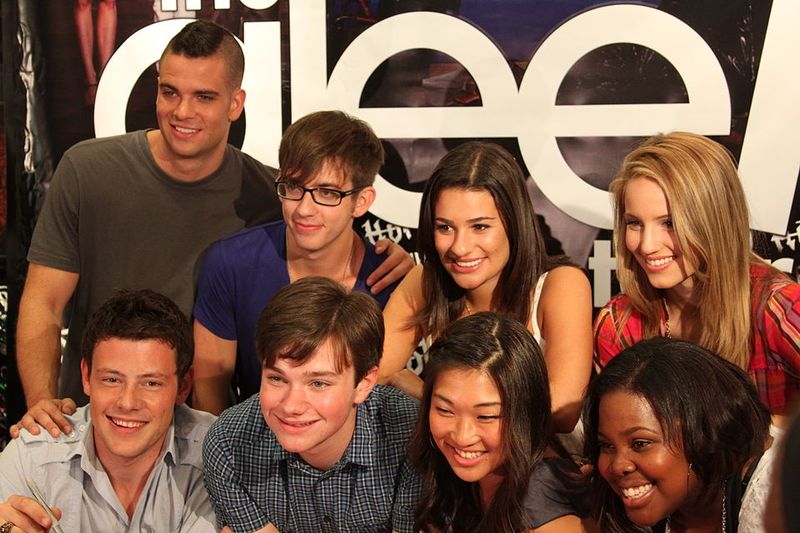
Played entirely for laughs, an openly unqualified Spanish teacher was dropped into a setting packed with broad Latin stereotypes. Criticism followed “The Spanish Teacher” episode for leaning on lazy caricatures at a moment when the show was already facing questions about representation.
Glee built much of its identity around celebrating outsiders, which made that tone-deaf execution land even harder than usual.
Good intentions and poor execution can live side by side.
Few episodes made that uncomfortable point more clearly, complete with a mariachi band in the background.
13. The Simpsons Skinner Identity Swap
Widely cited as one of the show’s most controversial continuity-breaking decisions, the episode was later criticized by Matt Groening in commentary.
The episode rewrote a beloved character’s entire backstory for no compelling reason and then tried to erase the reveal with an in-joke at the end. Longtime fans felt the show had broken an unspoken contract of consistency.
It is still regularly voted one of the worst Simpsons episodes ever made. The Tamzarian name became a punchline the writers never intended to create.
14. Top Gear’s Falklands Plate Fiasco
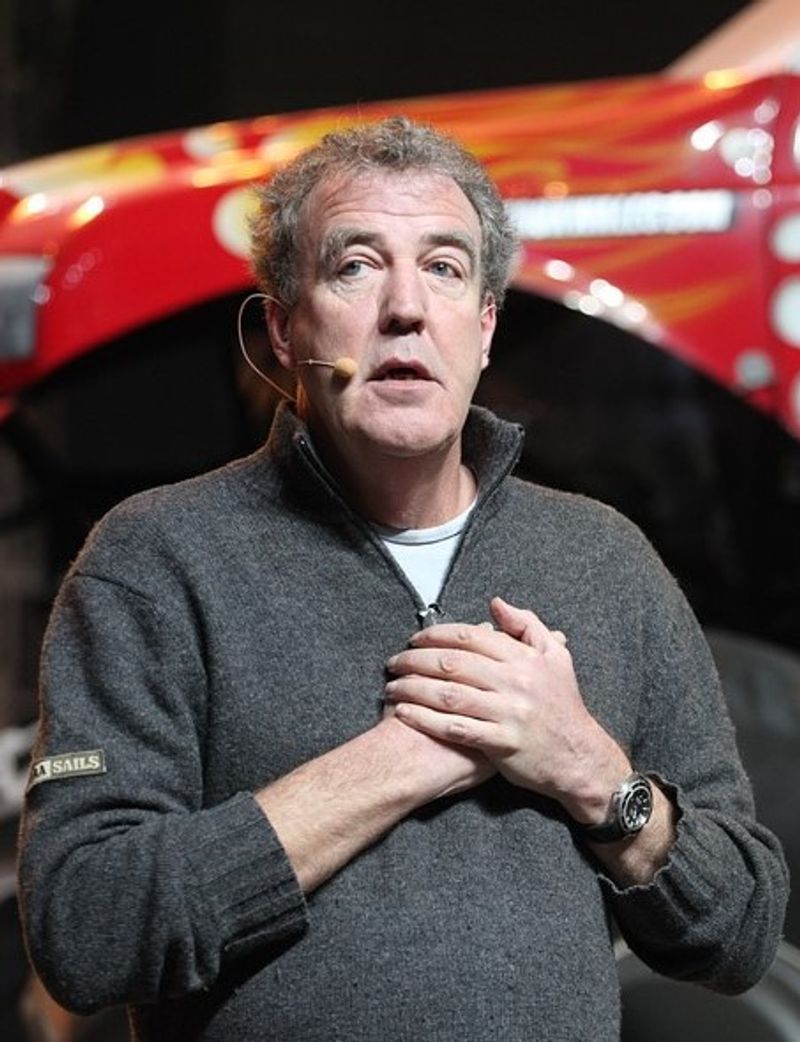
License plate H982 FKL on a car driving through Argentina during a Top Gear special sparked an international incident.
Viewers linked the plate to the 1982 Falklands War, and the production left amid protests after Clarkson said demonstrators threw rocks and bricks at the vehicles.
The BBC maintained the plate was a coincidence, yet the timing and optics made that claim difficult to accept.
Controversy of that scale followed the show long after filming wrapped. Unexpected fallout turned the Patagonia special into something famous for reasons no one involved had planned.
15. House Of Cards Without Kevin Spacey
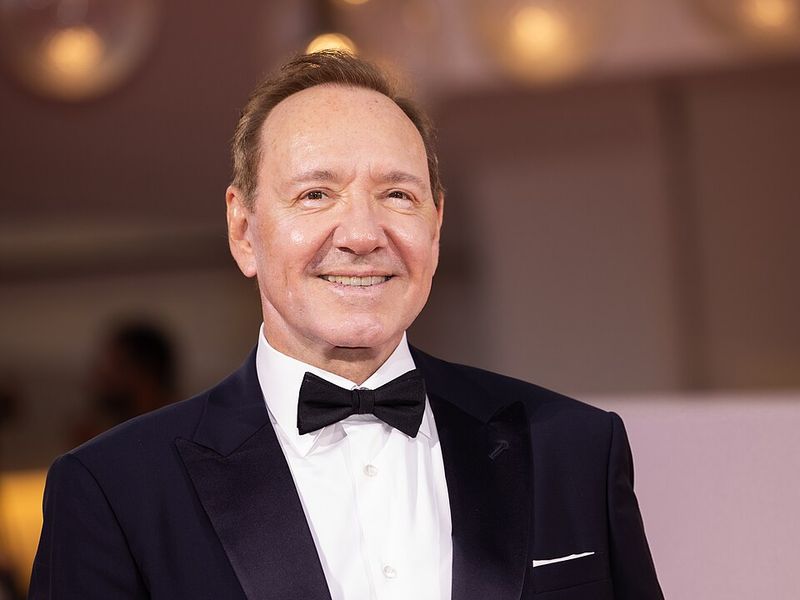
Losing your lead actor to a misconduct scandal six seasons in is not a problem most showrunners plan for.
Production halted, storylines were rewritten, and the shortened final season arrived with Robin Wright carrying the entire show on her shoulders. The result was watchable but felt hollow, like a meal missing its main ingredient.
Audiences sensed the scramble behind the scenes. The final season landed to mixed reviews and a general sense that the story deserved a cleaner exit than circumstance allowed.
16. Roseanne Revival Implosion

Almost overnight, one tweet brought down a number-one-rated show and created a record nobody wanted attached to television history.
ABC canceled the revived Roseanne within hours of Roseanne Barr posting a racist tweet, turning one of TV’s biggest comeback stories into a cautionary tale about social media and consequences. Network executives moved quickly, cast members responded in public, and The Conners went forward without the series’ original star.
All of it played out within a single news cycle, making the fallout feel messy, uncomfortable, and impossible to ignore.
17. The 100 Saying Goodbye To Lexa
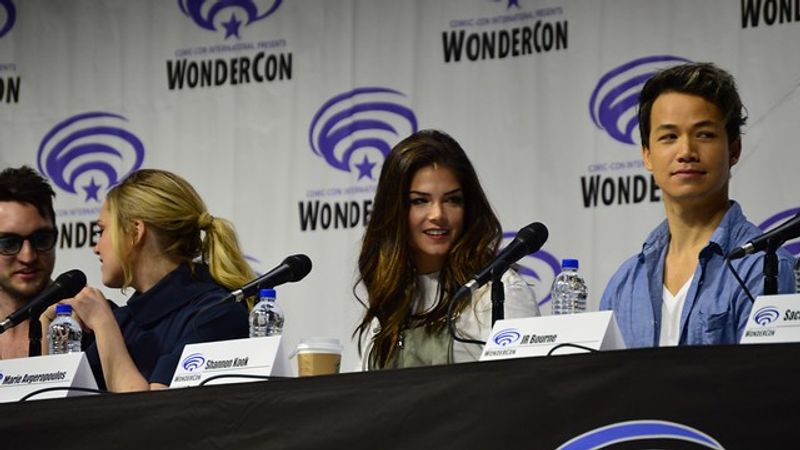
A major romantic turning point was followed almost immediately by Lexa’s passing, and the backlash was swift. Swift, organized, and lasting reactions turned her exit into a defining example of the “bury your gays” trope in modern television.
Discussion expanded into fan campaigns, open letters, and academic essays, pushing a single episode into a wider conversation about representation and responsibility.
Apologies came from the writers, yet the impact on audience trust proved harder to repair.
18. Two And A Half Men’s Meta Finale
Mocking the real-life feud between Chuck Lorre and Charlie Sheen, the finale went so far as to drop a piano on a fake version of the character. Petty, theatrical, and weirdly impressive, the whole thing played like revenge staged for network television.
Rather than feeling like a farewell, the last episode turned into a score-settling stunt with a fake-out return, a giant gag, and Lorre’s own smug little appearance. Viewers got comedy, discomfort, and secondhand tension all at once.
Ending a long-running sitcom with something that openly resembled a grudge match was a wild choice, even by network TV standards.
Note: This article reflects widely reported audience, critic, and industry reactions to specific television episodes, finales, casting changes, and off-screen controversies.