14 Hit TV Shows That Struggled After Major Cast Changes
When a beloved character suddenly vanishes on a hit TV show, it can feel like losing a close friend. Actors leave for new opportunities, creative differences, or personal reasons, and the show must continue without them.
Replacing a key cast member is like swapping the lead singer in a favorite band: the chemistry changes, and fans notice instantly. Sitcom staples and epic dramas alike have struggled to regain their spark after major cast changes.
Check out the series that never quite recovered and see how one departure can shift the entire story.
1. That ’70s Show Lost Its Heart
Eric Forman was supposed to be the main character, the guy whose basement became everyone’s hangout spot. When Topher Grace left before the final season, the show tried replacing him with Randy Pearson, a new guy who just showed up one day.
Fans weren’t having it. Randy felt like a knockoff version of what made the show special in the first place.
Ratings dropped faster than bell-bottoms went out of style, and the series ended shortly after, proving you can’t just swap out your lead character.
2. Two And A Half Men Changed Its Tune
Charlie Sheen’s wild off-screen behavior led to his firing, which sent shockwaves through the sitcom world. Ashton Kutcher stepped in as Walden Schmidt, a billionaire with a completely different personality and energy.
The show’s tone shifted dramatically. What was once edgy and unpredictable became safer and less interesting to longtime fans.
3. The Office Without Michael Scott

Steve Carell’s departure after season seven left a Michael Scott-shaped hole that nobody could fill. The show tried bringing in guest stars like Will Ferrell and James Spader, but nothing clicked the same way.
Michael’s unique blend of cluelessness and heart was the show’s secret ingredient. Without him, The Office felt like watching a cover band perform your favorite songs.
4. Roseanne Became The Conners
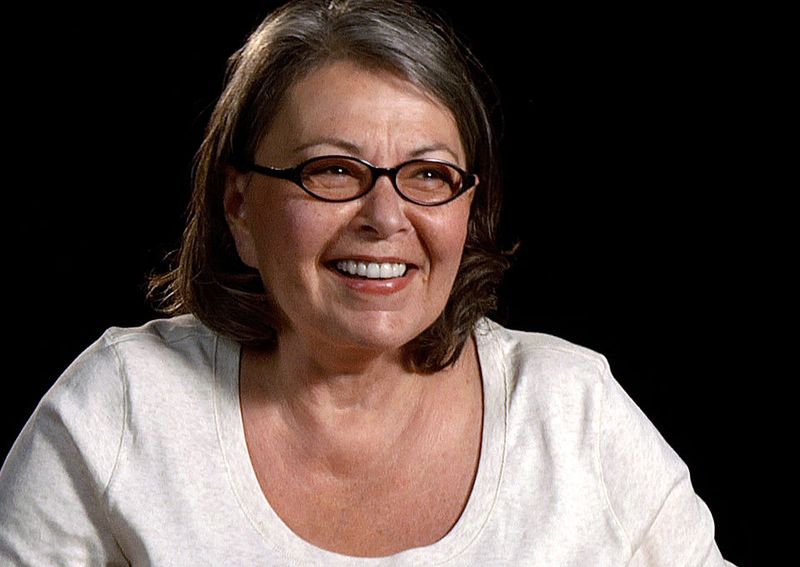
Roseanne Barr’s controversial remarks got her fired from her own show’s revival, forcing producers to write her character out permanently. The series rebranded as The Conners, killing off Roseanne and focusing on the remaining family members.
While the show survived, it lost the sharp edge and boundary-pushing humor that made the original groundbreaking. The family dynamic felt incomplete without its matriarch.
Ratings took a hit, and critics noted the show struggled to find its identity without its namesake character.
5. Spartacus Lost Its Champion

Andy Whitfield’s tragic death from cancer forced producers to recast the title role, one of television’s most difficult situations. Liam McIntyre stepped into impossible shoes, doing his best to honor Whitfield’s powerful portrayal.
Despite McIntyre’s dedication and talent, fans couldn’t shake the feeling that something essential was missing. The raw intensity and vulnerability Whitfield brought felt irreplaceable.
The show continued for two more seasons but never quite recaptured the lightning-in-a-bottle magic of its first chapters.
6. Community’s Pierce Problem

Chevy Chase left Community after season four due to conflicts with creator Dan Harmon, removing one of the show’s most controversial characters. Pierce Hawthorne was offensive, out-of-touch, and surprisingly vulnerable; a complex character who sparked both laughs and important conversations.
The study group felt unbalanced without him. New characters came and went, but none filled Pierce’s unique role as the group’s problematic elder.
Many fans point to Chase’s departure as when things started feeling different.
7. Scrubs Extended Beyond Its Natural End
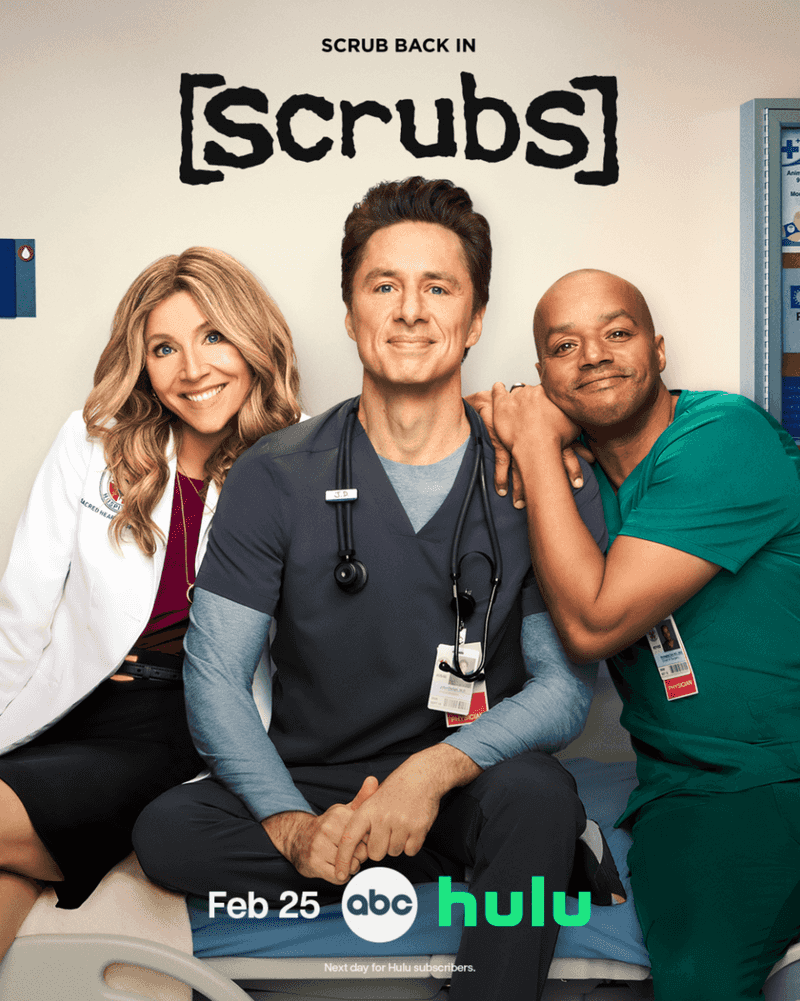
Zach Braff and several other main cast members left after season eight, which was meant to be the series finale. ABC convinced creator Bill Lawrence to make a ninth season focusing on medical school with mostly new characters.
This season felt like a completely different show wearing Scrubs’ name tag. The new interns couldn’t recreate the chemistry and humor that made the original cast magical.
Fans largely pretend season nine doesn’t exist, treating season eight as the true ending to J.D.’s story.
8. The Walking Dead’s Rick Grimes Exit
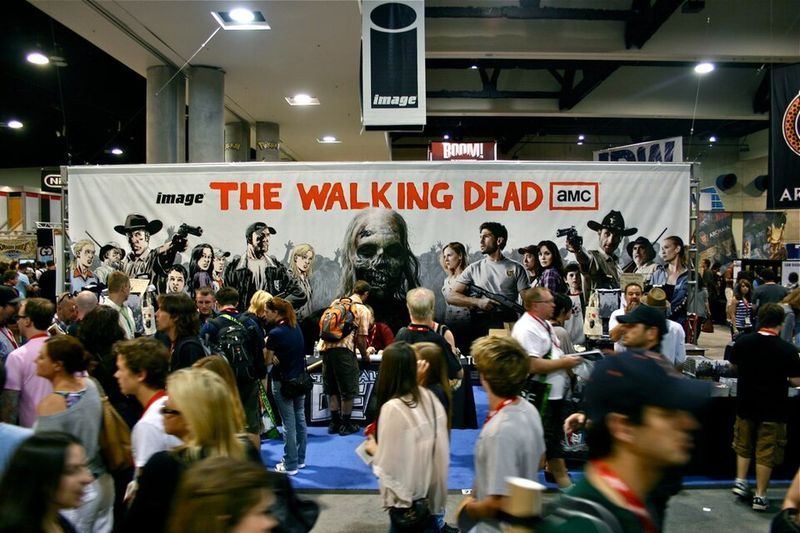
Andrew Lincoln’s decision to leave after nine seasons removed the show’s emotional anchor and moral compass. Rick Grimes was the character viewers followed from the very first episode, making his exit feel like losing the show’s foundation.
The series attempted to continue with other characters taking leadership roles. However, ratings plummeted significantly, and many longtime fans stopped watching entirely.
Though still running, the show never recovered its former cultural dominance or viewership numbers after Rick’s departure.
9. House Of Cards Collapsed
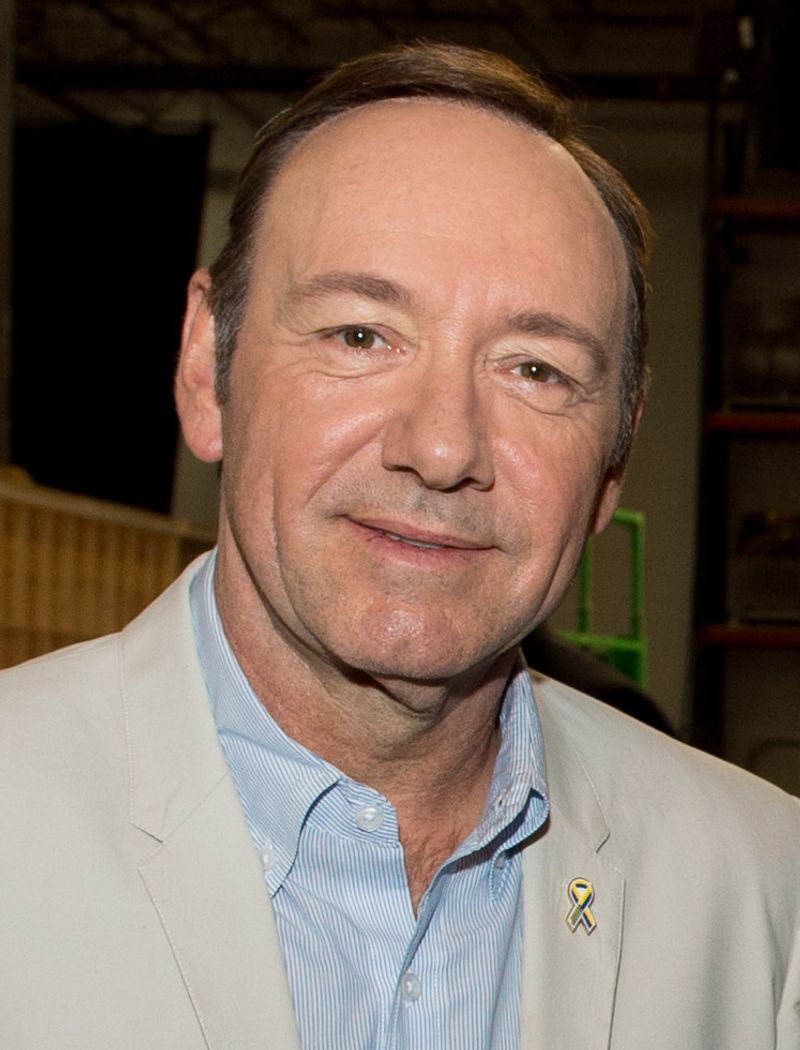
Kevin Spacey’s firing due to serious allegations forced the show to eliminate Frank Underwood entirely for its final season. The political thriller had been built entirely around Spacey’s manipulative, fourth-wall-breaking performance.
Robin Wright’s Claire Underwood took center stage, but the show’s entire premise had been watching Frank scheme his way to power. Without him, the narrative felt hollow and rushed.
The final season received poor reviews, and many fans chose not to watch at all, ending the series on a disappointing note.
10. Supernatural’s Creator Departure
Creator Eric Kripke left after season five, his originally planned ending point for the Winchester brothers’ story. The show continued for ten more seasons with new showrunners, but something shifted in the storytelling approach.
While still entertaining, later seasons lacked the tight mythology and emotional depth of Kripke’s vision. The show became repetitive, constantly raising and lowering stakes without the same impact.
Many fans consider season five the true ending, even though the series became The CW’s longest-running show.
11. Hannibal Lost Its Clarice

Jodie Foster declined to return as Clarice Starling for the Hannibal film, replaced by Julianne Moore. The dynamic between Hannibal Lecter and Clarice was what made Silence of the Lambs legendary, built on Foster’s specific performance.
Moore did her best, but the chemistry felt forced and uncomfortable. The sequel disappointed both critics and audiences, lacking the psychological tension that made the original iconic.
This casting change proved that some actor-character combinations are simply irreplaceable, no matter how talented the replacement.
12. Charmed’s Prue Problem
Shannen Doherty’s departure after season three killed off Prue Halliwell, one-third of the original Charmed Ones. The show introduced Paige Matthews as a previously unknown half-sister, which felt like a convenient plot device.
Though Rose McGowan brought her own charm, the Power of Three felt fundamentally different. Long-time fans mourned the loss of the original sister dynamic and Prue’s strong leadership.
The show continued for five more seasons but never quite recaptured the magic of its first three years with the original trio.
13. Bewitched’s Darrin Dilemma
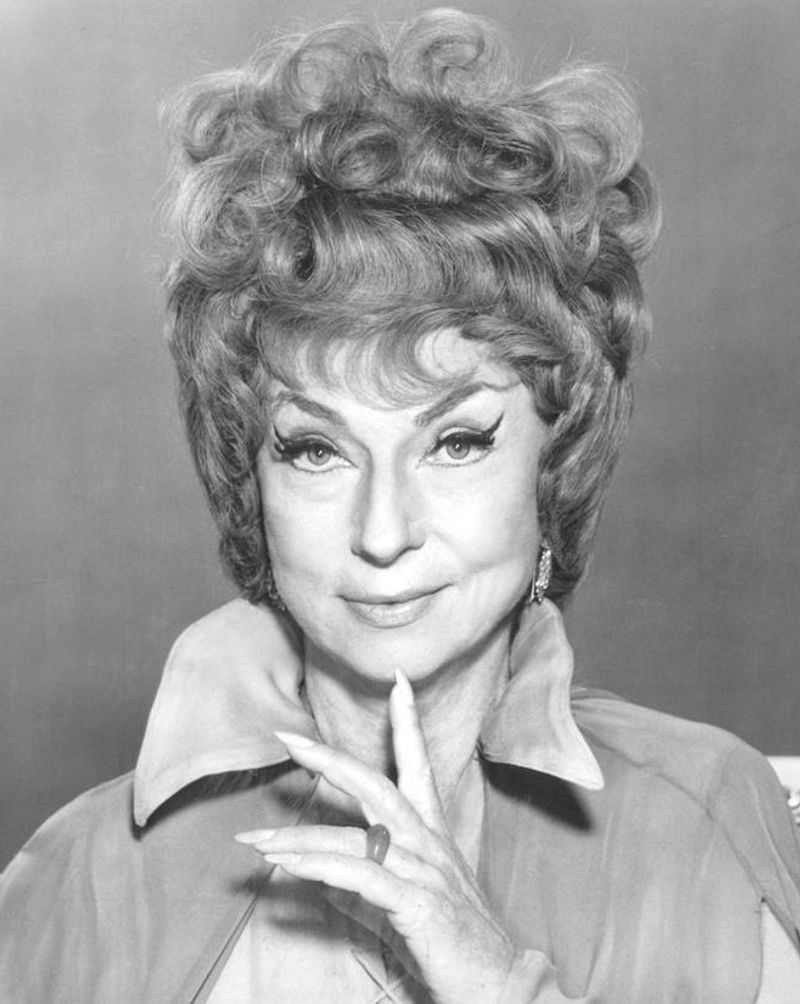
Dick York left Bewitched after five seasons due to chronic back pain, replaced by Dick Sargent for the remaining three seasons. The show barely acknowledged the change, expecting viewers to just accept a completely different-looking husband.
York and Elizabeth Montgomery had undeniable chemistry that made their mixed marriage work. Sargent was fine but lacked that special spark that made the original pairing magical.
Though it continued successfully, many fans still debate which Darrin was better, with most preferring the original.
14. Saved By The Bell’s High School Graduation
The transition from Good Morning Miss Bliss to Saved by the Bell replaced most of the cast, keeping only Zack, Screech, and Lisa. The show moved from Indiana to California, essentially becoming a different series with familiar faces.
While the new version became iconic, it lost the more grounded, realistic approach of the original. The California version was brighter, sillier, and more cartoonish in its storytelling style.
Ironically, most people don’t even know Good Morning Miss Bliss existed, making this perhaps the most successful failed cast change ever.