13 TV Shows Once Loved But Unlikely To Be Produced Today
Television has evolved in ways that reflect changing culture, humor, and social awareness. Shows that once had audiences laughing now sometimes make viewers wince, as jokes, stereotypes, and storylines that were acceptable decades ago clash with modern sensibilities.
From sitcoms that shaped family living rooms to dramas that set the tone for prime-time storytelling, many beloved programs captured hearts and shaped pop culture, but would face serious pushback if aired today.
Curious which classic TV hits might not survive the scrutiny of modern audiences?
Let’s take a nostalgic trip through the shows that defined their era, for better or worse.
1. The Dukes of Hazzard
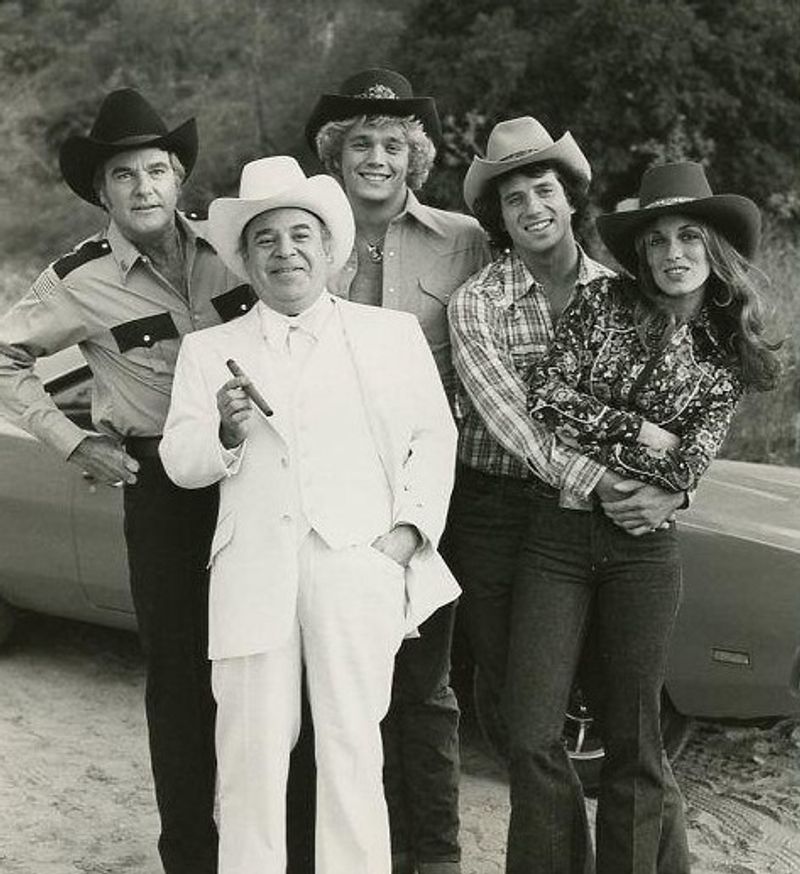
Look at this: two good-hearted cousins racing around in a bright orange Dodge Charger, jumping over creeks and outsmarting the local sheriff. Sounds fun, right?
However, the General Lee’s Confederate flag caused major controversy even during the show’s original run. Today’s audiences recognize that symbol as deeply offensive and hurtful to many communities.
Networks pulled reruns and toy companies stopped making replicas. The show’s lighthearted approach to Southern culture now clashes with modern understanding of historical symbols and their painful meanings.
2. Married with Children
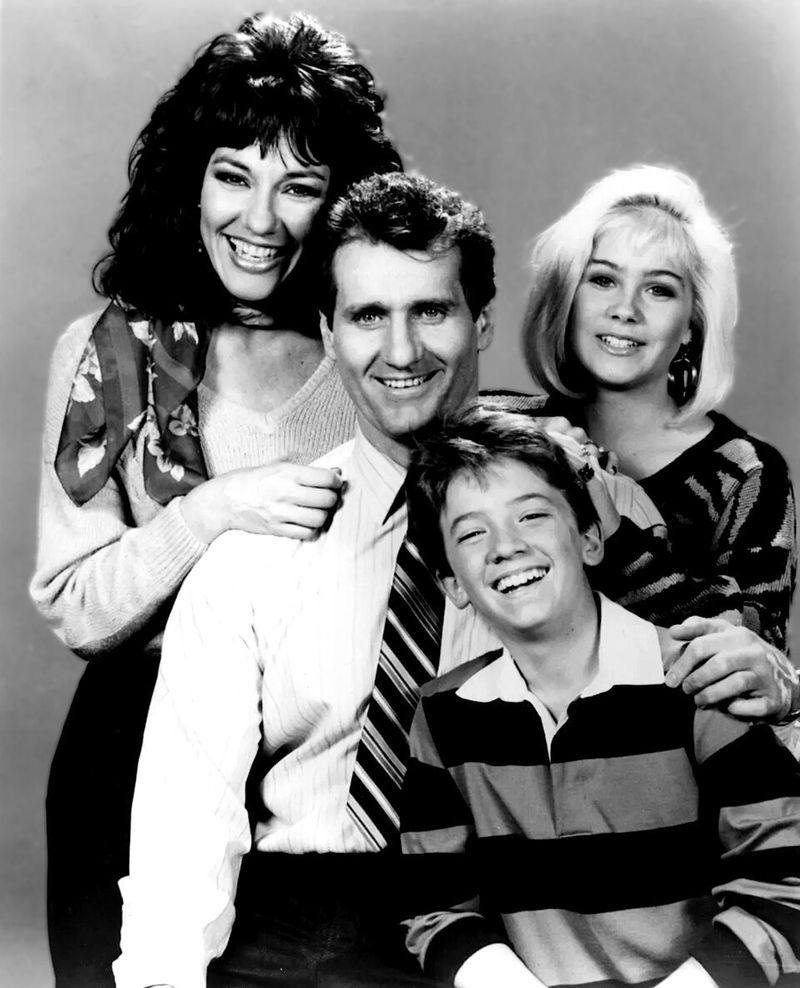
Al Bundy worked at a shoe store, complained constantly about his family, and made jokes that would get writers fired today. This groundbreaking sitcom pushed boundaries by mocking the perfect TV family ideal, but it went way too far by modern standards.
The humor relied heavily on body shaming, sexist remarks, and crude innuendo that networks now avoid. Though it satirized dysfunction brilliantly, the constant put-downs and offensive stereotypes wouldn’t pass current sensitivity reviews or audience expectations for respectful comedy.
3. All in the Family
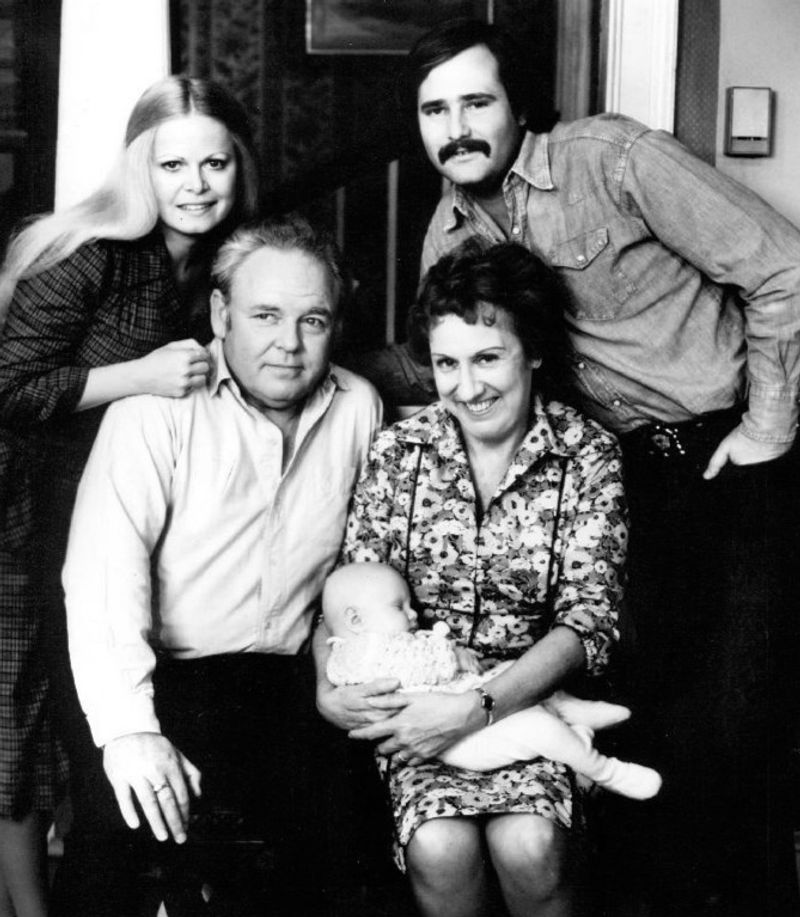
Archie Bunker sat in his armchair spouting bigoted opinions while his family challenged his outdated views. The show tackled racism, sexism, and homophobia head-on, using Archie as a mirror to society’s ugliest attitudes.
But here’s the thing: even satire has limits nowadays. While the show aimed to expose prejudice by making Archie look foolish, many viewers today worry that some audiences might miss the point entirely.
The constant slurs and hateful language, even when condemned within the story, feel too risky for contemporary television standards.
4. I Dream of Jeannie
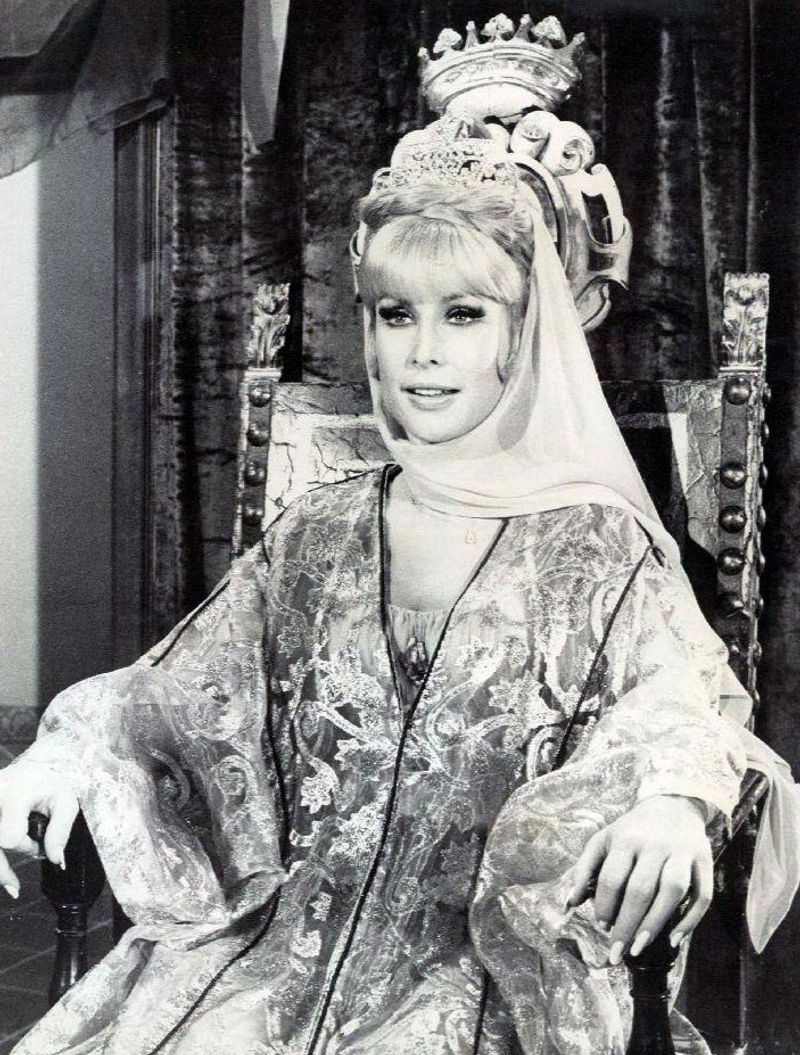
A gorgeous genie pops out of a bottle, calls an astronaut “Master,” and grants his every wish while living to serve him. Sounds like a fantasy, but yikes, the power dynamics are seriously problematic!
Jeannie had magical abilities that could reshape reality, yet she constantly bowed to Major Nelson’s authority and sought his approval. The show’s portrayal of women as submissive servants, even magical ones, contradicts everything modern storytelling promotes about equality and independence.
That whole master-servant relationship just feels icky now.
5. F Troop
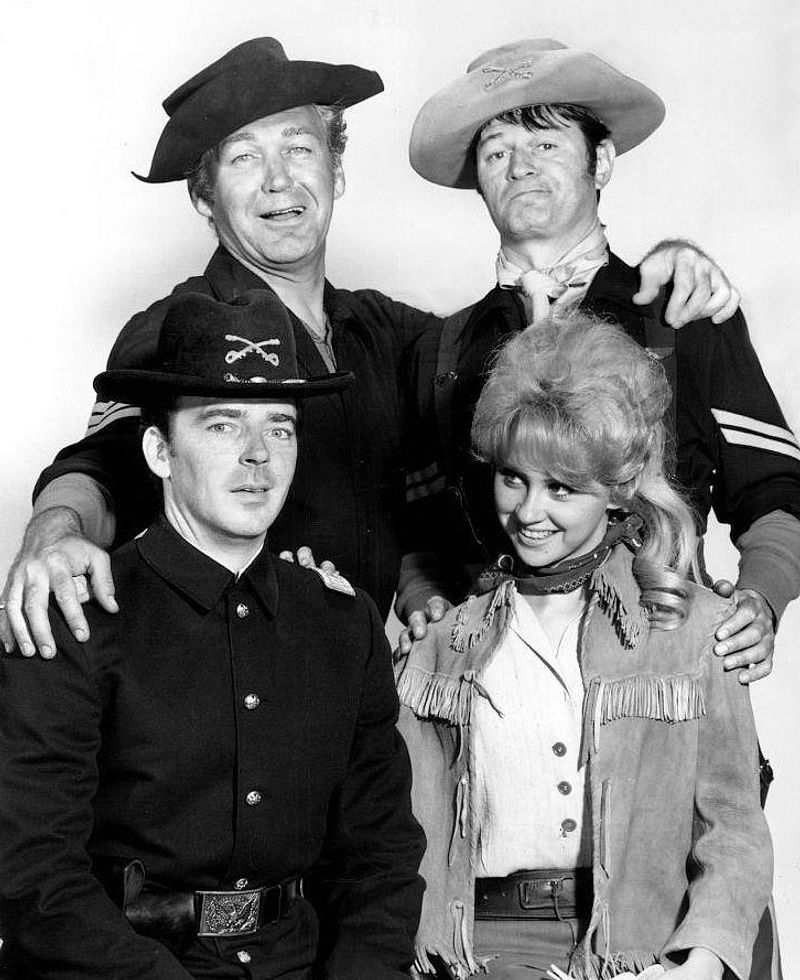
This comedy set at a bumbling cavalry outpost turned serious history into slapstick humor. Soldiers goofed around while Native American characters appeared as comedic props rather than real people with authentic cultures and concerns.
The show reduced indigenous peoples to stereotypes and punchlines, treating their displacement and suffering as background noise for silly antics. Modern audiences rightfully demand respectful representation and accurate historical context.
F Troop’s cartoonish approach to a tragic period in American history wouldn’t survive today’s cultural awareness and accountability standards.
6. Hogan’s Heroes
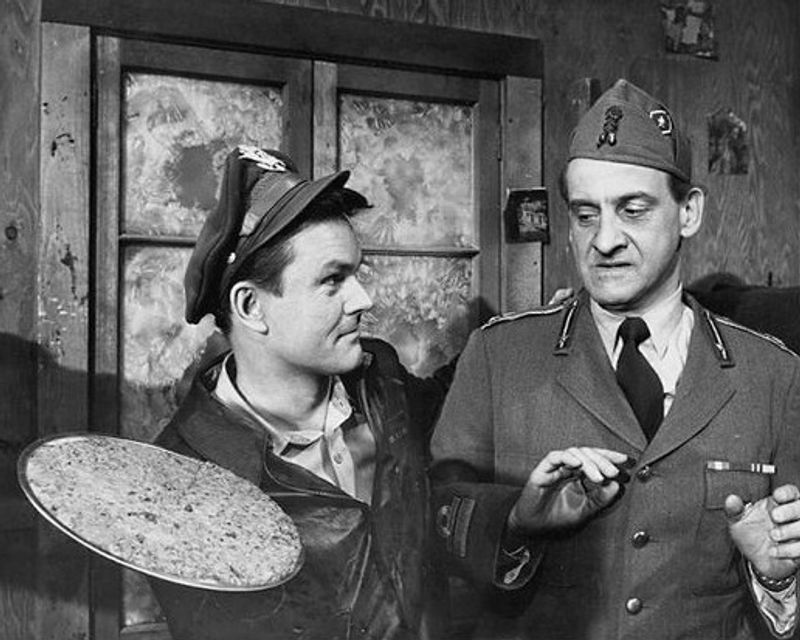
Making a sitcom about prisoners in a Nazi camp sounds absolutely wild, doesn’t it? Yet Hogan’s Heroes ran for six seasons, turning a horrific historical tragedy into lighthearted entertainment with bumbling German officers as comic relief.
The Holocaust and World War II caused unimaginable suffering for millions of people. Treating POW camps as settings for wacky hijinks trivializes that pain and horror.
While the show portrayed Allied prisoners outsmarting their captors, the very premise of finding humor in concentration camp-era Germany crosses lines that modern sensibilities simply won’t tolerate.
7. Three’s Company
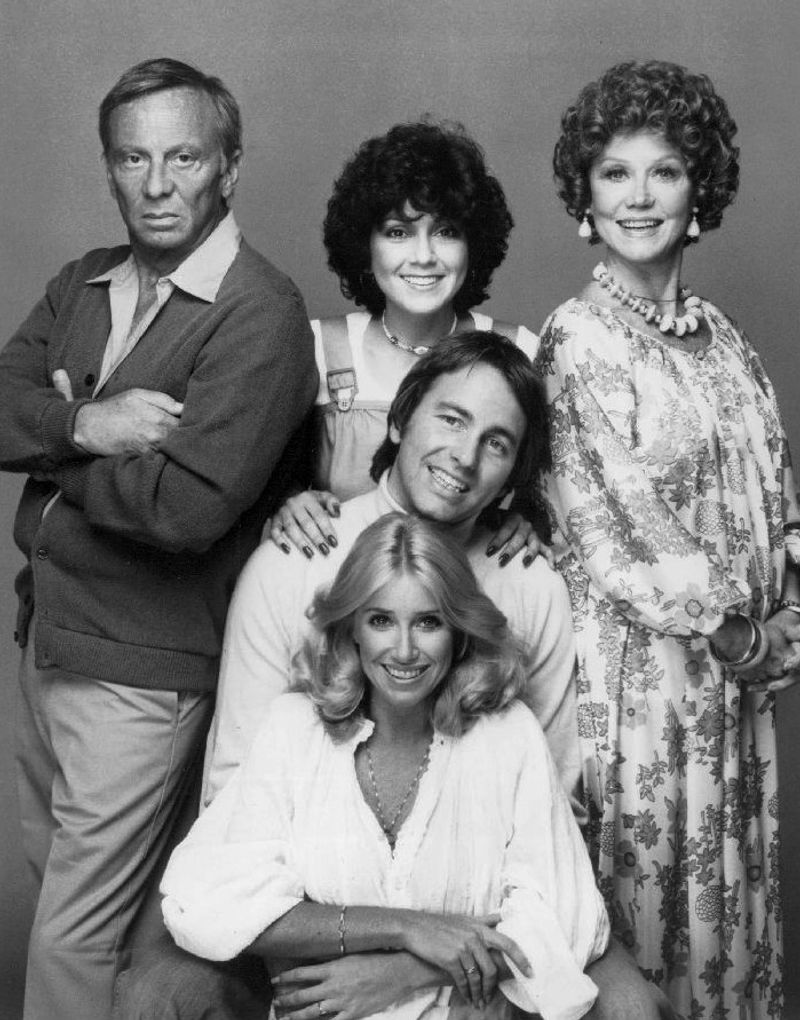
Jack pretended to be gay so his landlord would allow him to live with two female roommates. The entire premise relied on homophobia and the absurd idea that a straight man living with women was scandalous!
Every episode milked misunderstandings about sexuality for laughs, reinforcing harmful stereotypes about LGBTQ+ people. The constant gay panic jokes and the notion that being gay was something to fake or fear feels incredibly dated.
Modern shows celebrate diverse identities authentically rather than using them as comedic devices or sources of shame.
8. Amos ‘n’ Andy
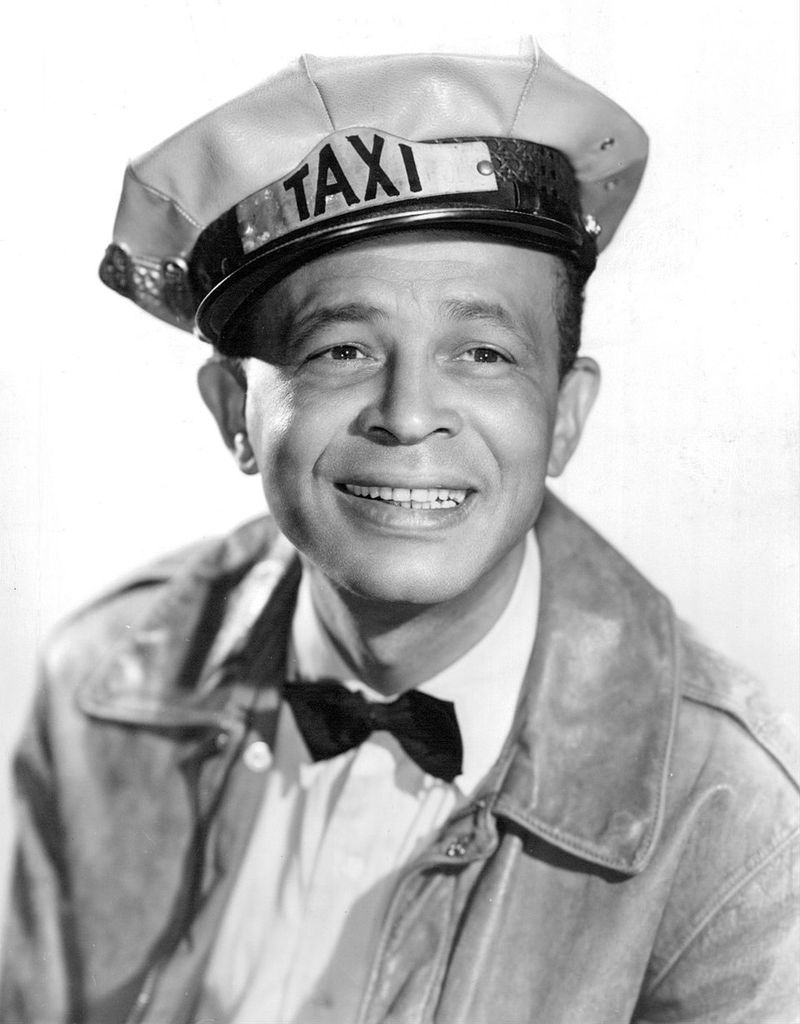
Originally a radio show featuring white performers voicing Black characters, the TV version cast Black actors but kept the deeply offensive stereotypes. Characters spoke in exaggerated dialects and portrayed African Americans as lazy, foolish, and incompetent.
The NAACP protested the show during its original run, recognizing the damage these caricatures caused. Even though it was one of the first TV shows with an all-Black cast, the racist portrayals overshadowed any progress.
Networks pulled it from syndication decades ago, and it remains a shameful example of entertainment that harmed the very communities it claimed to represent.
9. Soap
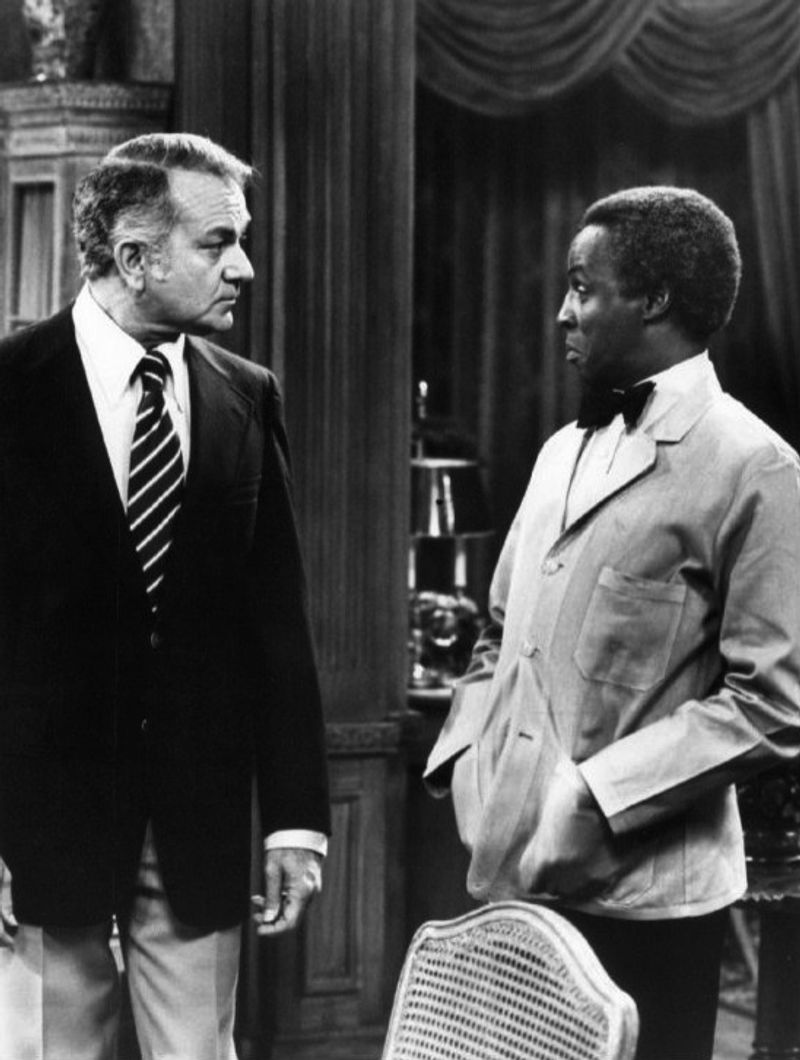
This soap opera parody featured groundbreaking storylines about gay characters, infidelity, and family dysfunction. However, the show also included jokes about mental illness, demonic possession, and alien abduction that played serious issues for cheap laughs.
While Soap deserves credit for LGBTQ+ representation when few shows dared, it handled sensitive topics with a sledgehammer rather than care. The constant mocking of therapy, mental health struggles, and unconventional families wouldn’t meet today’s standards for thoughtful storytelling.
Contemporary audiences expect nuance and respect, even in comedy, rather than reducing real struggles to punchlines.
10. Bewitched
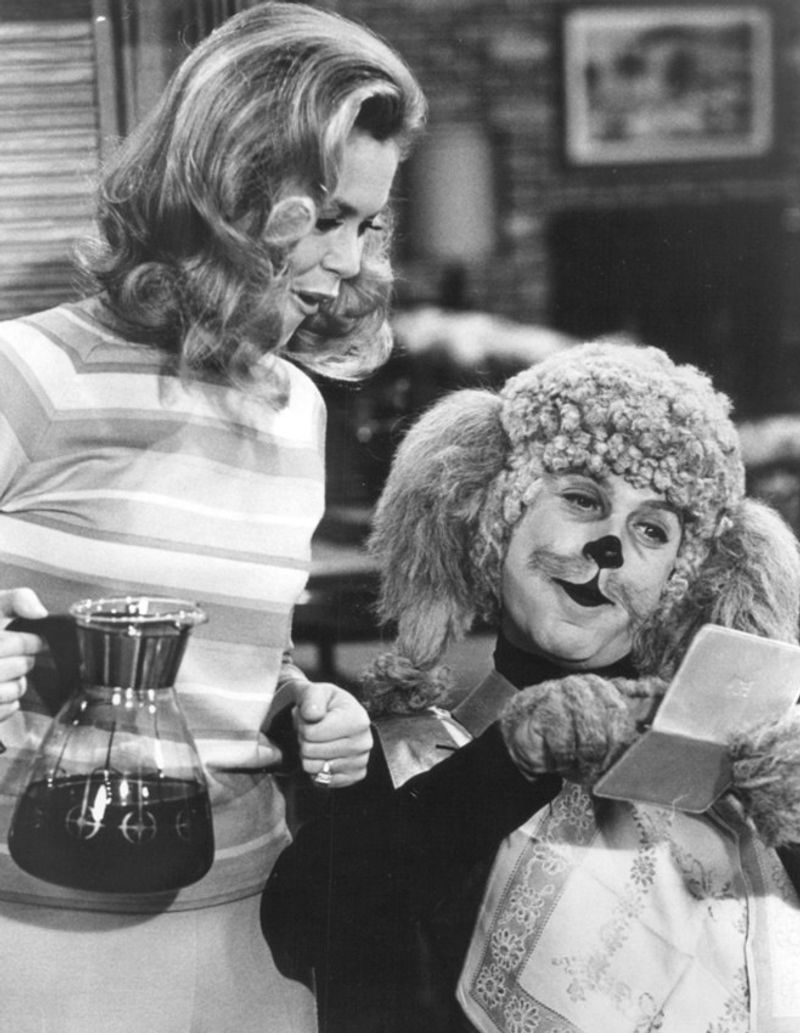
Samantha possessed incredible magical powers but her husband Darrin constantly demanded she suppress her abilities and act “normal.” He wanted a conventional housewife, not the extraordinary witch he actually married! The show’s central conflict revolved around a man controlling his wife’s identity and talents.
Darrin’s anger whenever Samantha used magic to solve problems sent a terrible message about marriage and autonomy. Though charming and whimsical, the underlying theme that women should diminish themselves to please their husbands contradicts modern values about partnership, equality, and celebrating each other’s strengths.
11. Benny Hill Show
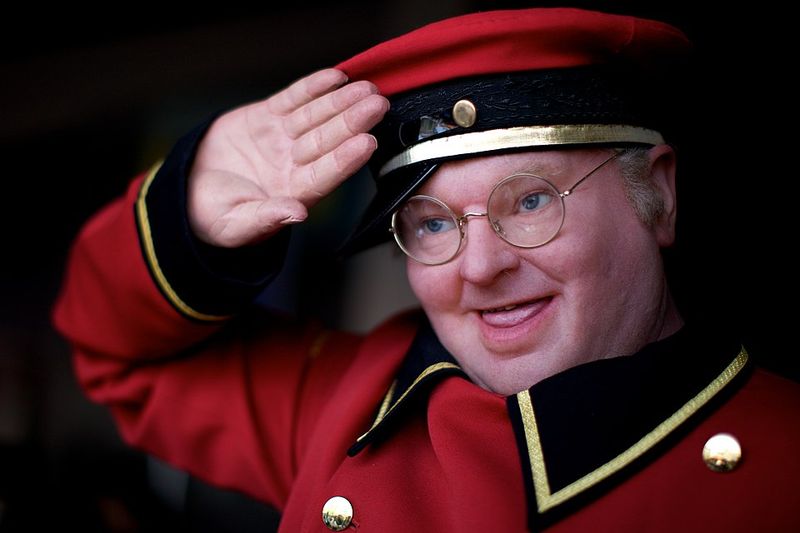
Benny Hill chased scantily-clad women around to silly music while performing slapstick comedy sketches. The entire show objectified women relentlessly, treating them as props for physical comedy rather than actual performers with talent.
What passed for humor was essentially harassment set to a laugh track.
British television pulled the show off the air in 1989, recognizing that comedy evolved beyond such dated, disrespectful material. Modern sketch comedy values wit over leering.
12. The Jeffersons
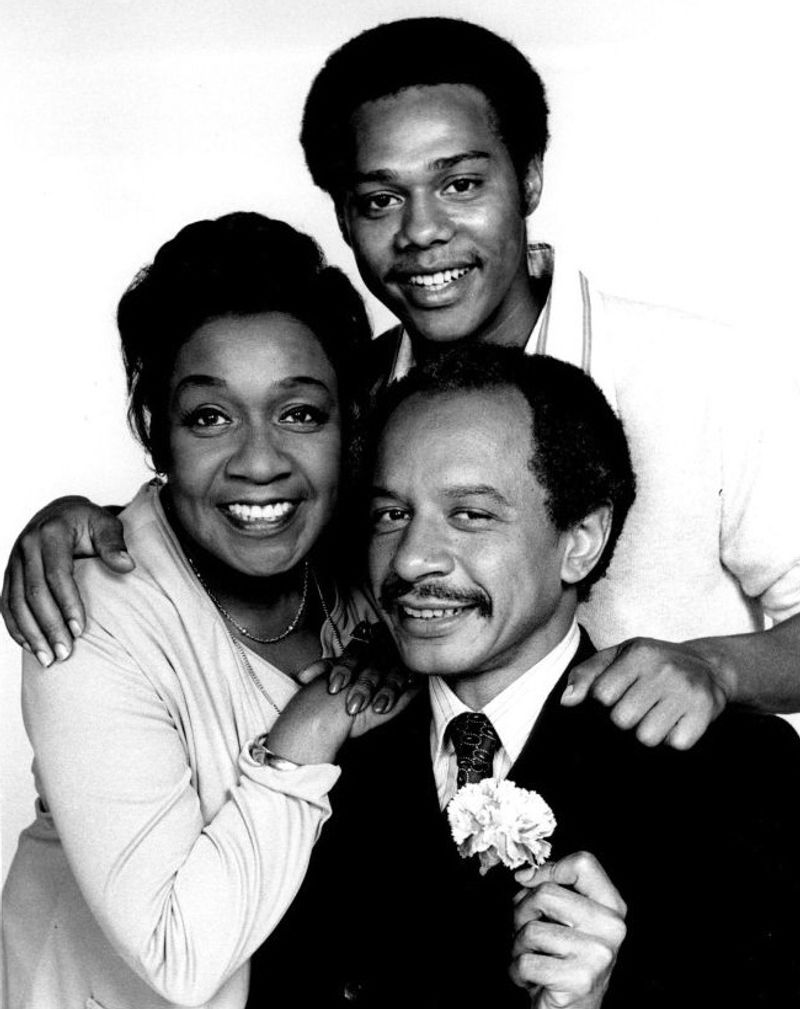
George Jefferson built a successful dry-cleaning business and moved his family to a deluxe apartment, achieving the American Dream. The show broke barriers by depicting an affluent Black family, but George’s constant putdowns of other characters crossed lines regularly.
While the series addressed racism and class issues brilliantly, George frequently made offensive remarks about white people, gay neighbors, and other groups. The show used bigotry for laughs regardless of who expressed it.
Today’s writers understand that fighting prejudice with more prejudice doesn’t work, and audiences expect characters to grow beyond hateful attitudes rather than recycle them weekly.
13. Diff’rent Strokes
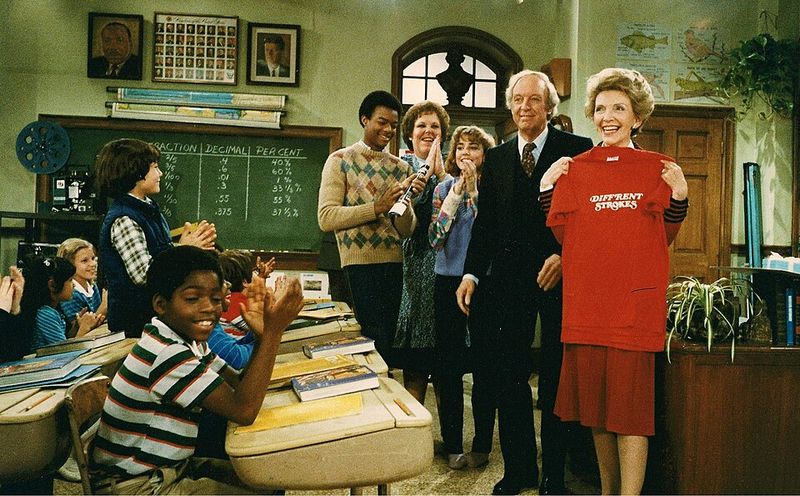
A wealthy white businessman adopted two Black children from Harlem, creating a family sitcom that tackled serious issues like racism, drugs, and child safety. The show deserves credit for addressing tough topics, but the savior narrative feels uncomfortable now.
The premise suggested that Black children needed rescuing by wealthy white benefactors to escape poverty and find success. Though well-intentioned, this reinforced harmful stereotypes about race and class.
Modern storytelling recognizes the problems with white savior narratives and works to tell diverse stories without suggesting that one group needs another to thrive or succeed.