20 TV Shows With Fans Who Will Always Stand By Them
A few TV shows pull off something rare: they turn casual viewers into lifelong defenders.
The kind of fans who defend a shaky season like it’s a close friend going through a weird phase, who quote deep-cut lines on cue, and who treat cancellations as personal injustice.
Critic scores can bounce around, plot choices can get chaotic, and streaming algorithms can try to move everyone on to the next shiny thing, but certain series keep their grip because they hit a specific nerve.
A show that feels like home, or feels like it understands you at a particular time, earns a level of patience that logic can’t really explain.
If you’ve ever said “no, you don’t get it” before recommending a show, you already know the vibe.
1. The Office
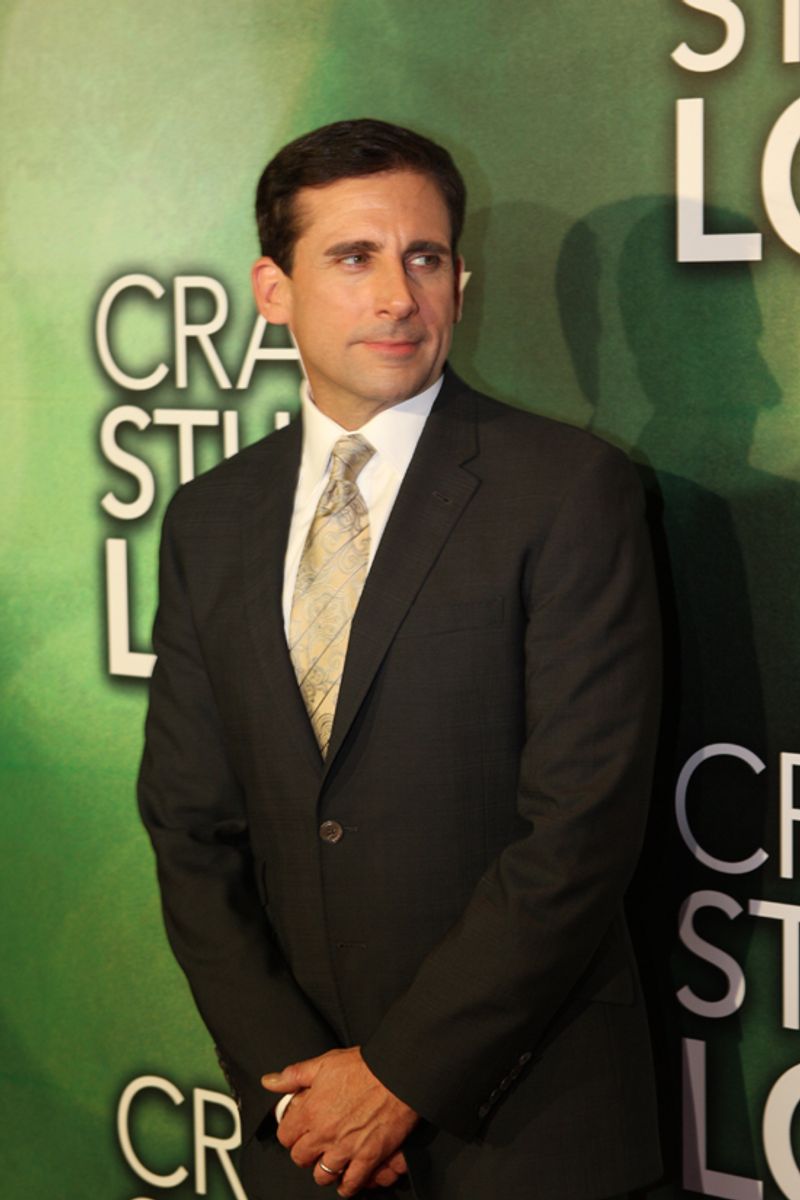
Picture this: a paper company in Scranton, Pennsylvania becomes the backdrop for one of television’s most beloved comedies.
What started as an American adaptation of a British series transformed into a cultural phenomenon that defined workplace humor for an entire generation.
The mockumentary style made viewers feel like they were part of the Dunder Mifflin family, creating an intimacy that’s hard to replicate.
Even years after the finale, new fans discover the show daily on streaming platforms, proving its timeless appeal.
2. Parks and Recreation
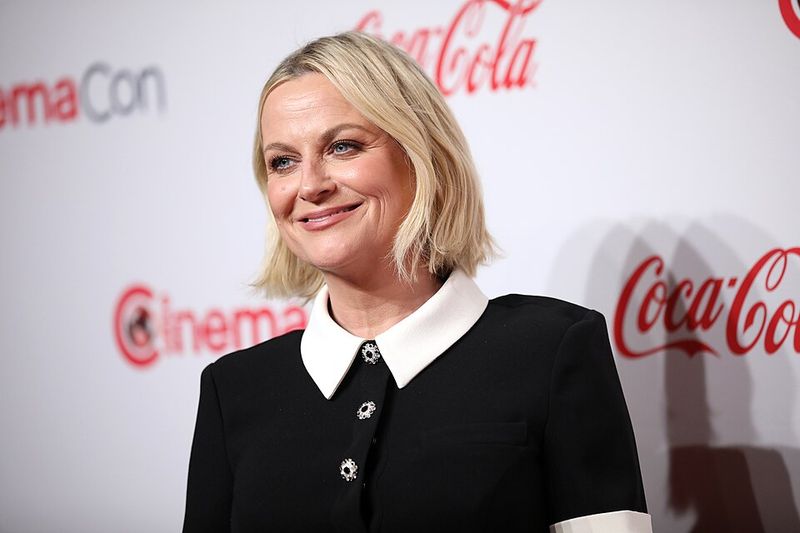
Leslie Knope’s infectious enthusiasm for public service turned a small-town parks department into must-watch television.
This show proved that optimism and kindness could be just as funny as cynicism, creating characters so lovable that saying goodbye felt like leaving actual friends.
The ensemble cast delivered performances that felt genuine and heartfelt, with each character getting moments to shine.
Galentine’s Day became a real holiday because of this series, showing how deeply it influenced popular culture beyond the screen.
3. Community
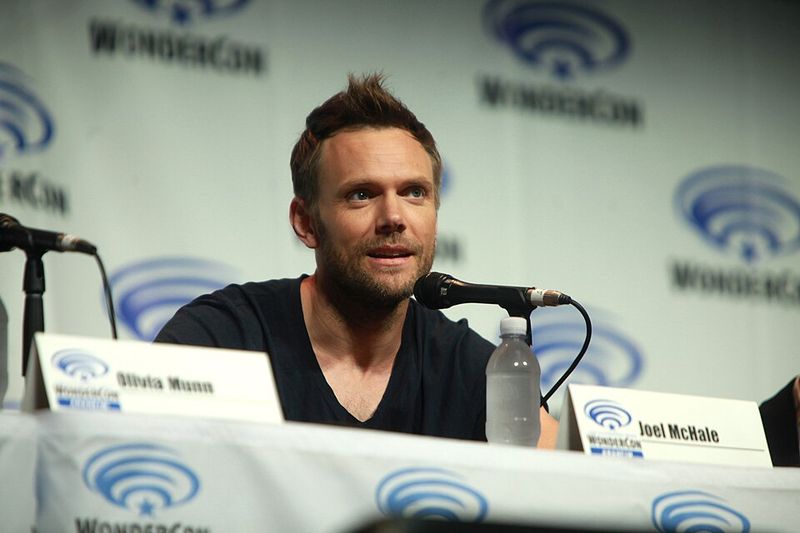
Six seasons and a movie became the rallying cry for fans who refused to let this quirky comedy fade away.
Set in a community college, the show mixed meta-humor, pop culture parodies, and heartfelt moments in ways that television had never quite attempted before.
Creator Dan Harmon built a world where paintball tournaments could turn into action movie parodies and blanket forts became civil war battlegrounds.
The devoted fanbase fought cancellation multiple times, eventually getting the show moved to a streaming platform.
4. Buffy the Vampire Slayer
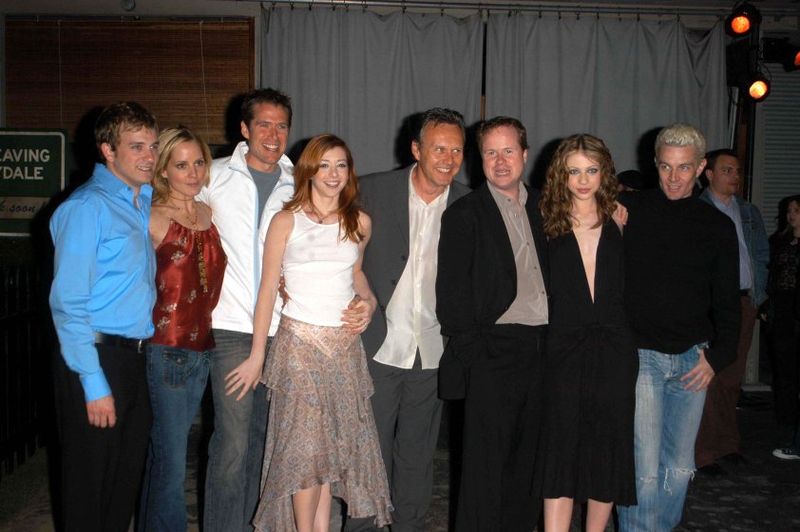
Before superhero shows dominated television, a teenage girl chosen to fight vampires revolutionized what genre television could accomplish.
Buffy Summers became an icon for female empowerment, showing that strength comes in many forms.
The show tackled real issues like depression, addiction, and loss through supernatural metaphors that resonated deeply with audiences.
Conventions still celebrate the Buffyverse decades later, with fans analyzing every episode and debating team Angel versus team Spike with passionate intensity.
5. Doctor Who
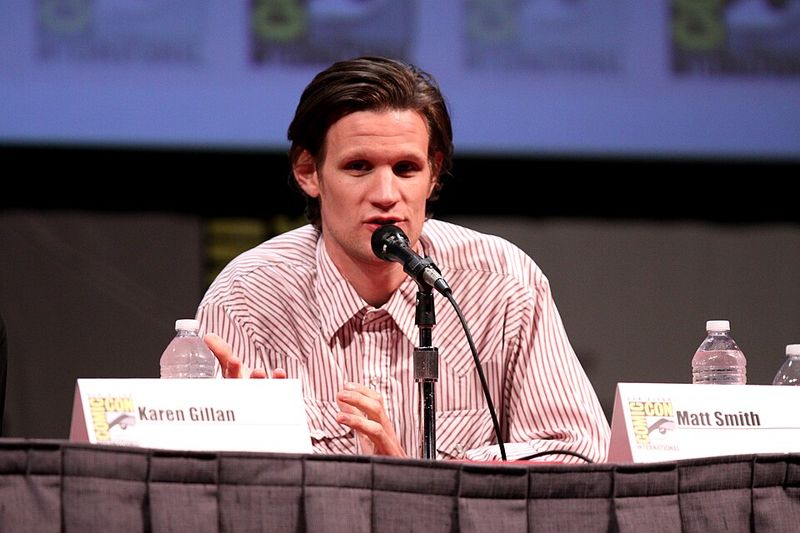
A time-traveling alien in a blue police box has captivated audiences since 1963, making it one of the longest-running science fiction series ever created.
The brilliant concept of regeneration allows the Doctor to change appearance, keeping the show fresh while maintaining its core identity.
Whovians span multiple generations, with parents introducing children to the same show they loved decades earlier.
6. Star Trek The Next Generation

Captain Picard’s crew aboard the Enterprise-D brought Gene Roddenberry’s vision of an optimistic future to a new generation of viewers.
This series proved that thoughtful science fiction could tackle philosophical questions while delivering exciting space adventures that kept audiences coming back week after week.
The show’s emphasis on diplomacy over violence and its diverse cast reflected ideals that fans embraced wholeheartedly.
Patrick Stewart’s commanding performance as Picard created a captain so beloved that he got his own sequel series decades later, proving the enduring power of these characters.
7. Firefly

Only fourteen episodes aired, yet this space western inspired one of the most passionate fanbases in television history.
Joss Whedon blended westerns with science fiction, creating a universe where outlaws flew through space in a beat-up ship called Serenity, speaking a mix of English and Chinese.
When Fox cancelled the show, fans organized campaigns so effective they got a theatrical movie made to continue the story.
The show’s influence on science fiction television remains massive, proving that sometimes the brightest flames burn shortest but leave the longest-lasting impressions on hearts.
8. The X-Files
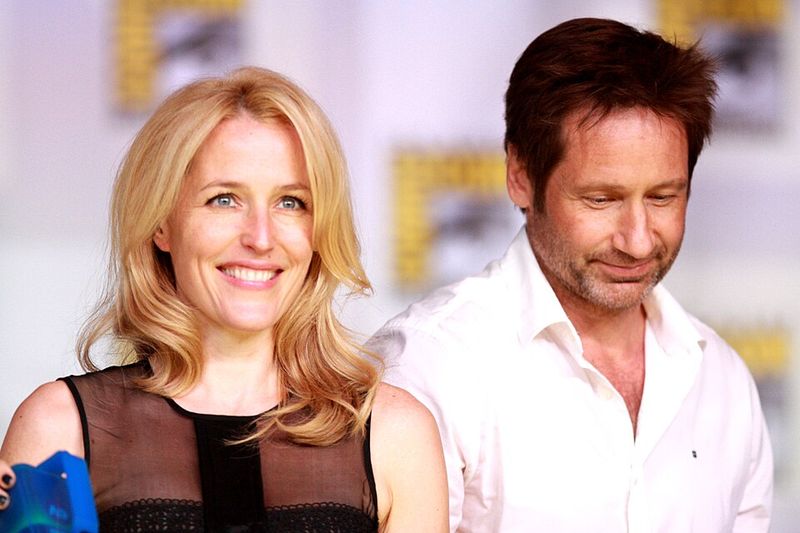
Mulder and Scully’s investigations into paranormal phenomena made “The truth is out there” a cultural touchstone for conspiracy theorists and skeptics alike.
This show mastered the balance between standalone creature episodes and an overarching mythology about alien colonization that kept viewers theorizing for years.
The chemistry between the believing Mulder and skeptical Scully created television’s most compelling partnership, spawning countless debates about when they’d finally get together.
9. Twin Peaks
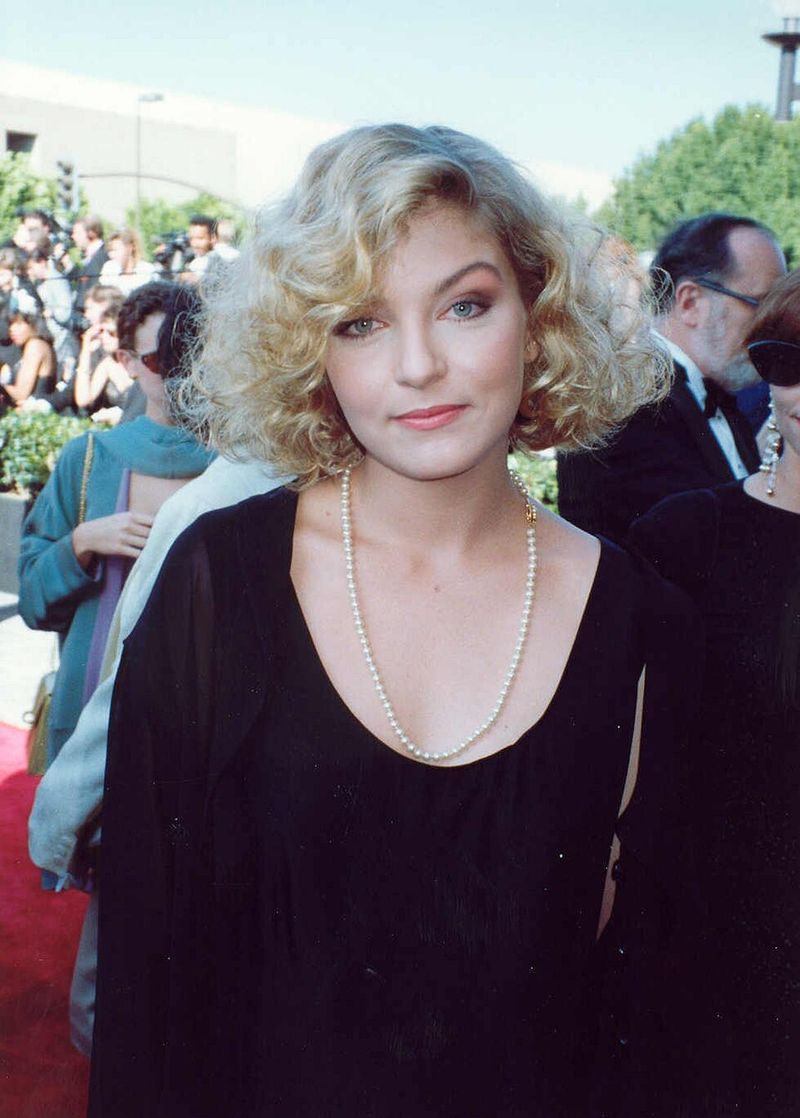
David Lynch’s surreal mystery changed television forever.
This groundbreaking series proved that broadcast television could be as artistic and challenging as any film, blending soap opera melodrama with genuine horror and inexplicable supernatural elements.
The show’s dreamlike quality inspired countless imitators but remains utterly unique in its bizarre vision.
Fans gather for Twin Peaks festivals, analyze every symbol and dream sequence, and debate the meaning of the Black Lodge.
Coffee and cherry pie became sacred items among devotees, while the show’s influence echoes through every prestige drama that followed its bold, unconventional path.
10. Supernatural
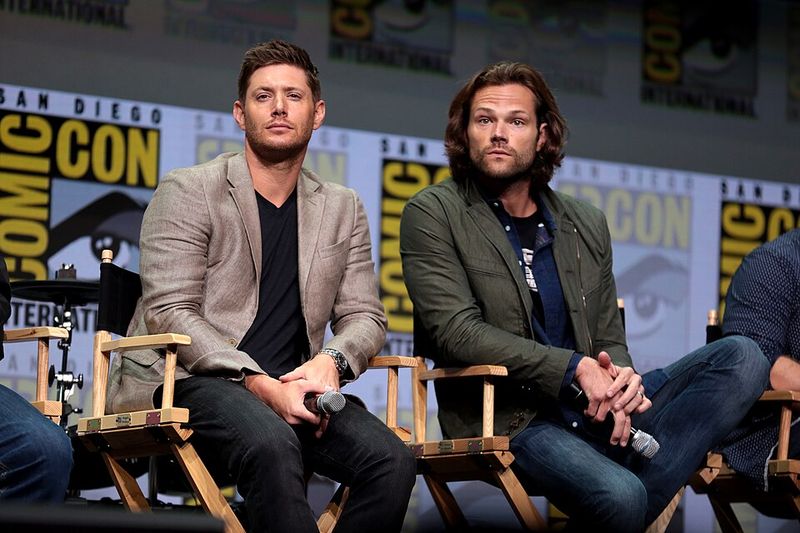
Fifteen seasons of demon-hunting brothers proved that family bonds can survive anything, including multiple apocalypses.
Sam and Dean Winchester’s adventures started as a road trip and evolved into an epic saga spanning heaven, hell, and everything between.
The fandom, affectionately called the SPN Family, created art, wrote stories, and built a community so strong that the show’s stars regularly interact with fans at conventions.
11. Breaking Bad
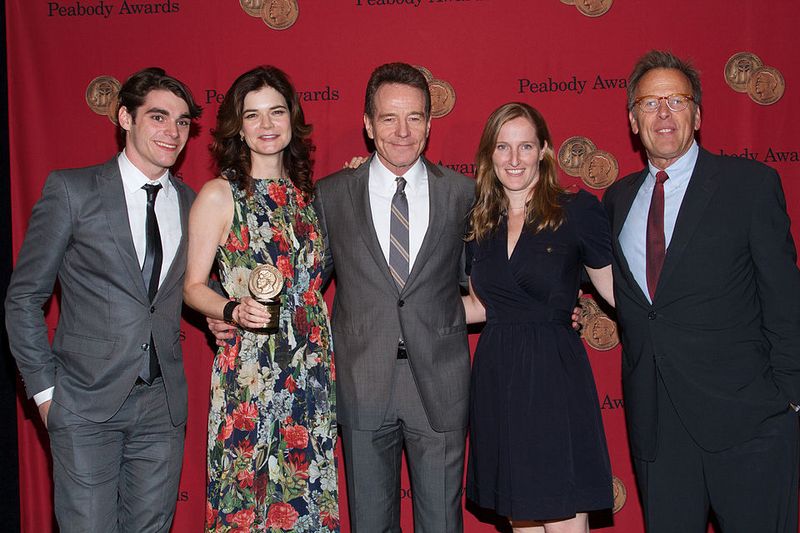
Transformation from high school chemistry teacher to morally unmoored mastermind turned Walter White into one of television’s most gripping character studies.
Vince Gilligan crafted a tragedy where viewers rooted for the villain, watching in horror and fascination as a good man chose to go down a bad road.
Every episode ratcheted up tension to nearly unbearable levels, with cinematography and symbolism that rewarded careful viewing.
The show’s perfect ending satisfied nearly everyone, a rare achievement that cemented its status as one of television’s greatest accomplishments ever produced.
12. The Sopranos
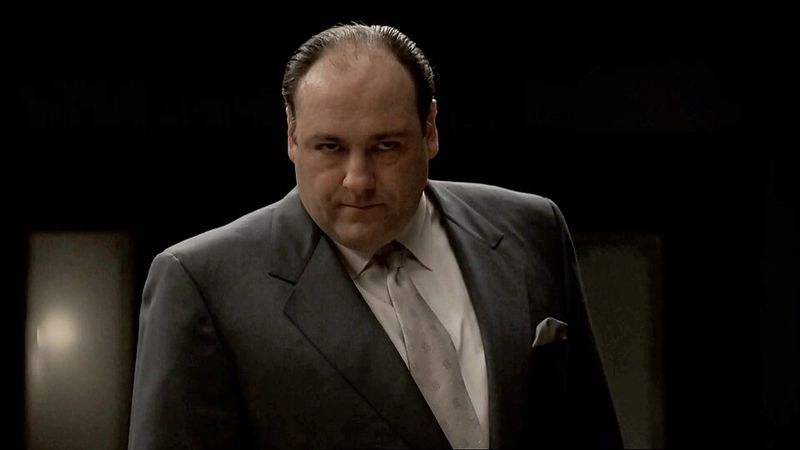
Prestige drama found its footing on television when Tony Soprano proved complex, morally ambiguous characters could anchor a series.
David Chase created a mob boss who attended therapy sessions, struggled with depression, and dealt with family drama that felt as real as the violence.
The show revolutionized what television could accomplish, paving the way for the golden age of serialized drama.
13. The Wire
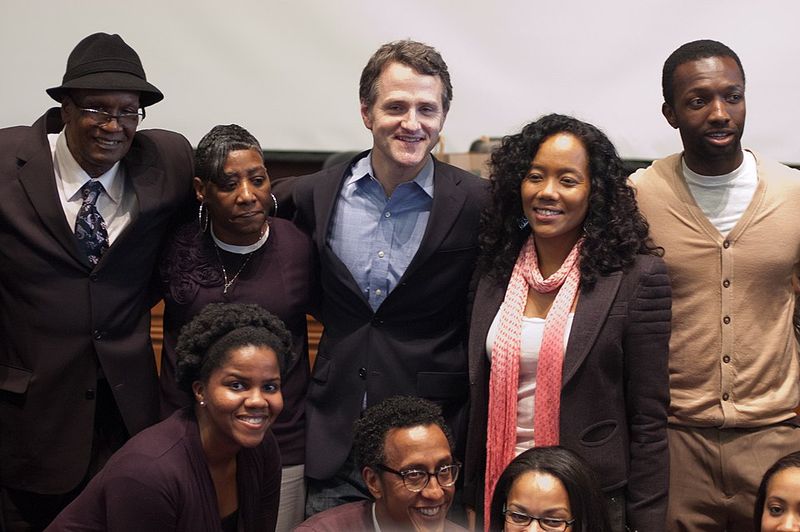
David Simon’s epic examination of Baltimore’s institutions created television’s most realistic portrayal of urban America.
Each season focused on different aspects of the city, building a comprehensive portrait of systemic failure and human resilience.
Critics called it the greatest television series ever made, though it never won major awards during its original run.
14. Game of Thrones

Westeros became the most talked-about fictional world on television, with dragons, direwolves, and political intrigue captivating millions globally.
George R.R. Martin’s complex world translated to screen with unprecedented production values, creating appointment television.
Fans threw viewing parties, debated theories online, and made the show a cultural phenomenon that transcended typical genre limitations.
The series proved fantasy could appeal to mainstream audiences when executed with intelligence and spectacle.
15. Lost

A plane crash on a mysterious island launched television’s most elaborate puzzle box, with each answer raising three new questions.
The show pioneered social media discussion, with fans creating wikis, podcasts, and elaborate theories about smoke beings, hatches, and numbers that seemed to control fate.
Character-focused flashbacks and flash-forwards added emotional depth to the supernatural mystery, making viewers care deeply about these flawed survivors.
16. The Simpsons
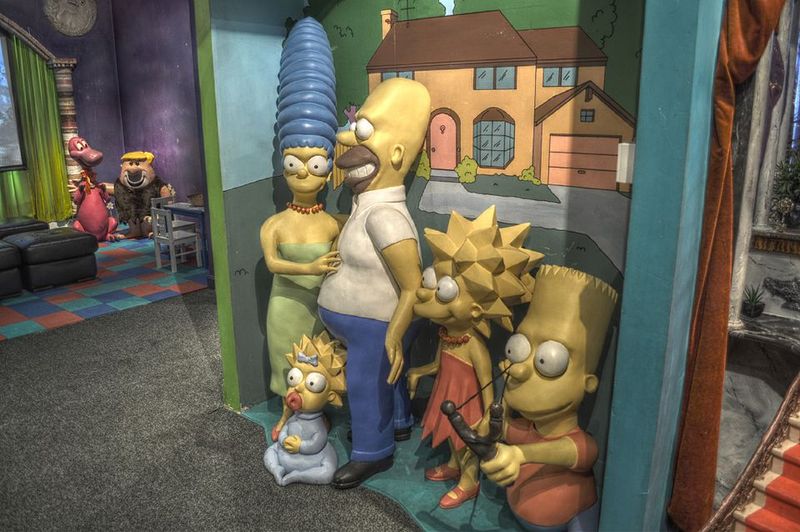
Springfield’s most famous family has been making audiences laugh for over three decades, becoming the longest-running American sitcom in history.
What started as shorts on another show evolved into a cultural institution that influenced comedy, animation, and social commentary for generations.
Homer’s “D’oh!” entered the dictionary, while the show predicted future events with eerie accuracy that still sparks amazement.
Though newer episodes divide opinions, the show’s legacy and its devoted fanbase ensure the Simpsons remain television icons forever and always.
17. Friends
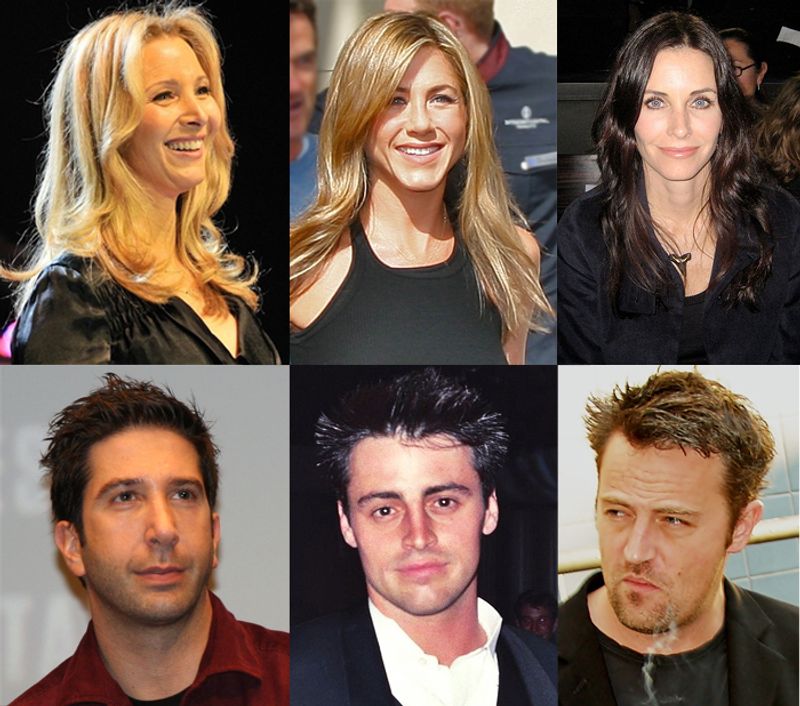
Six twentysomethings in New York City defined an entire generation’s understanding of friendship, coffee shops, and what it means to be there for someone.
The show’s combination of humor, heart, and relatable struggles created characters that felt like your actual friends hanging out every Thursday night.
Rachel’s haircut started trends, Ross and Rachel’s relationship status became a cultural obsession, and Central Perk became a place everyone wished existed.
The show’s arrival on streaming introduced it to entirely new audiences, proving that good friendships never go out of style or lose appeal.
18. Seinfeld
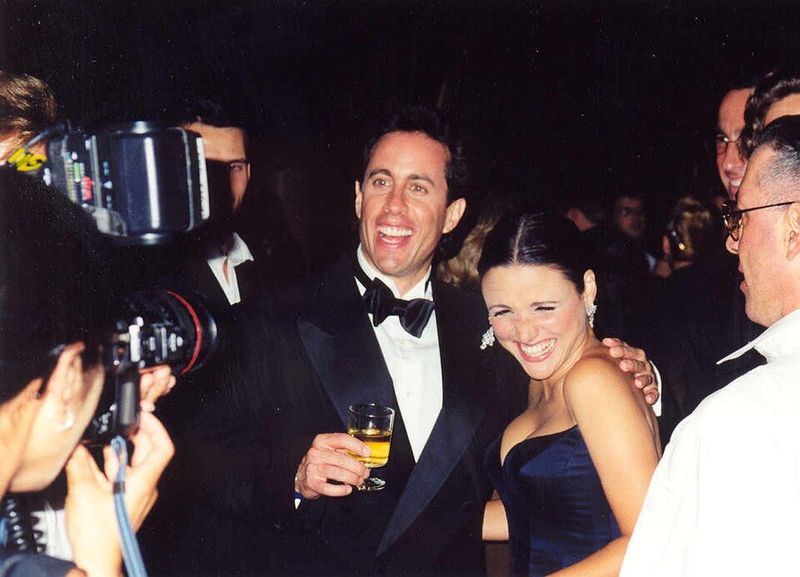
A show about nothing became everything to comedy fans who appreciated observational humor taken to absurd extremes.
Jerry, George, Elaine, and Kramer turned everyday annoyances into comedic gold, creating a template for sitcoms that prioritized laughs over sentimentality or moral lessons.
The show’s influence on comedy remains immeasurable, with phrases like “yada yada yada” and “not that there’s anything wrong with that” entering common speech.
Fans debate favorite episodes, quote lines in appropriate situations, and celebrate Festivus every December with ironic enthusiasm.
19. The Golden Girls
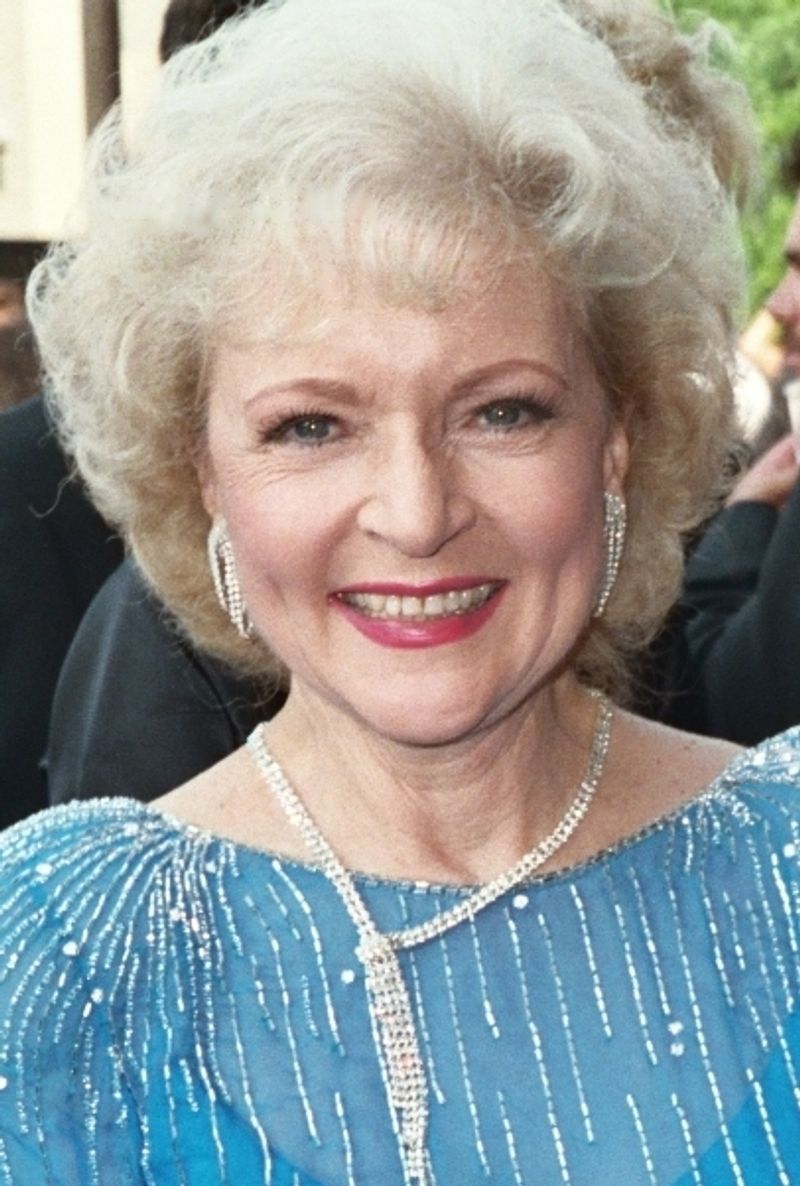
Four older women sharing a Miami home were proof that comedy gold doesn’t have an age limit.
Dorothy, Rose, Blanche, and Sophia tackled topics from dating to aging to social issues with humor that was sharp, warm, and surprisingly progressive for its time.
The show treated its senior characters with respect while never shying away from jokes about their active romantic lives and personal quirks.
Fans young and old connect with these characters’ genuine friendship, quotable one-liners, and those endless cheesecake conversations.
20. Stranger Things
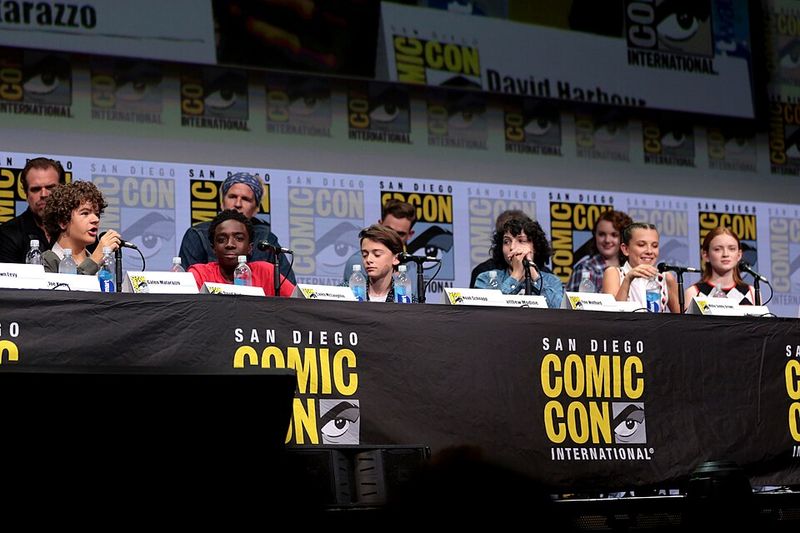
Hawkins, Indiana became the center of supernatural terror and nostalgic 1980s references that captivated audiences worldwide.
The Duffer Brothers crafted a love letter to classic horror and science fiction that worked as both homage and original story with compelling characters.
Kids on bikes fighting interdimensional monsters with the help of a girl with psychic powers created instant Halloween costume inspiration.
The show’s blend of horror, heart, and humor made it Netflix’s biggest hit, spawning countless memes and theories.