The Greatest TV Spinoffs Ever Made And The Biggest Misfires
Television history is packed with shows that tried to ride the coattails of their popular predecessors.
Some spinoffs became even more beloved than the originals, winning awards and capturing hearts for years.
Others crashed and burned faster than you can say “cancel that show!”
Check out which spinoffs represent the absolute best and worst decisions network executives ever made.
Disclaimer: This list reflects editorial opinion and fan perspective, not definitive fact or universal consensus about the best and worst TV spinoffs.
1. Better Call Saul (Breaking Bad)
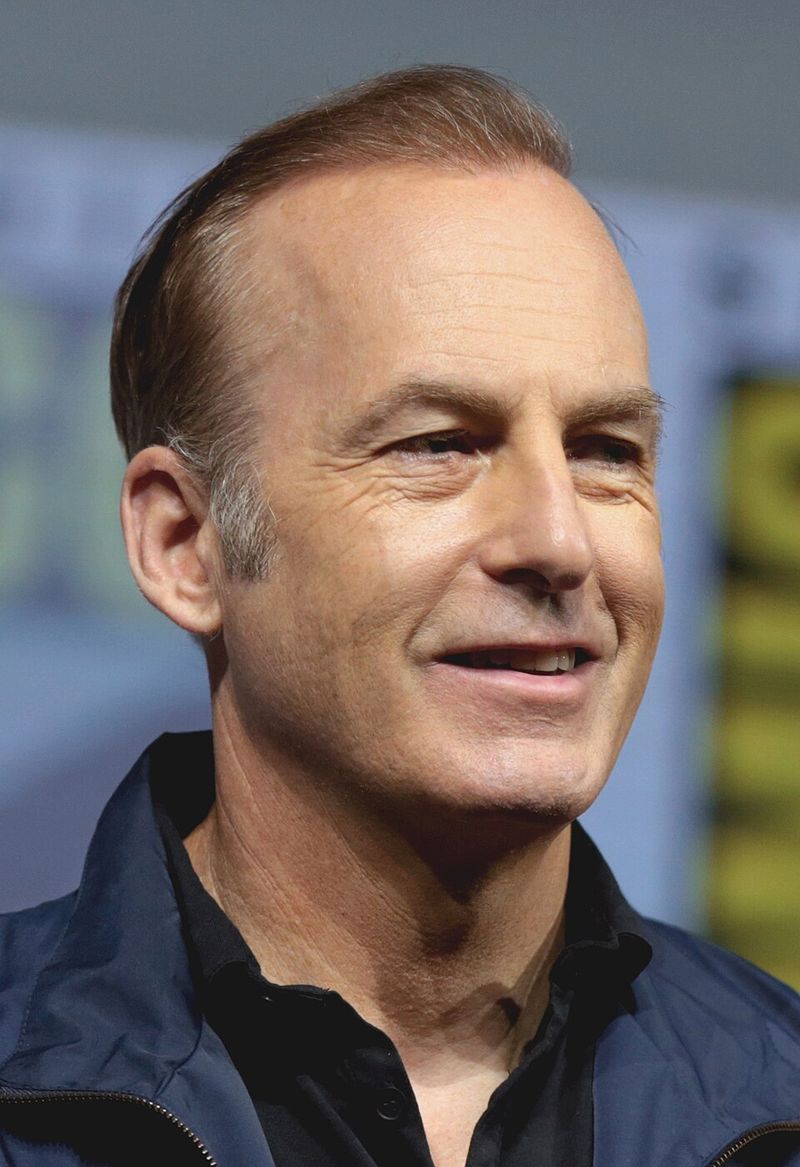
Breaking Bad gave us one of television’s most unforgettable characters in sleazy lawyer Saul Goodman. When creators decided to explore his origin story, skeptics wondered if lightning could strike twice.
Turns out, Jimmy McGill’s transformation into Saul was even more compelling than Walter White’s descent. The show earned 46 Emmy nominations and proved prequels could match their originals.
Critics praised the slower pace and character development that made this legal drama a masterpiece in its own right.
2. Frasier (Cheers)
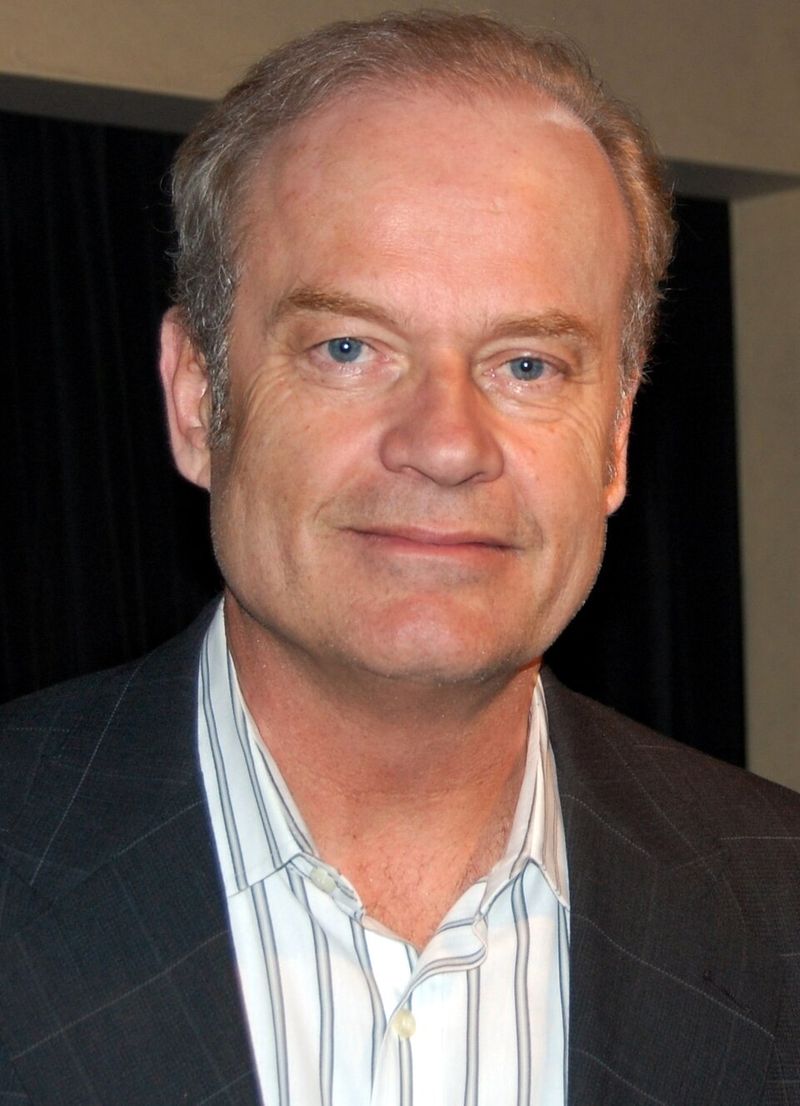
When stuffy psychiatrist Frasier Crane left Boston for Seattle, nobody predicted he’d become even more successful than his Cheers days.
His pretentious personality and complicated family dynamics created comedy gold.
Eleven seasons and 37 Emmy Awards later, Frasier stands as the most decorated comedy in television history. Brother Niles, father Martin, and Daphne became household names.
The sophisticated humor appealed to audiences who appreciated witty wordplay over slapstick comedy.
3. The Jeffersons (All in the Family)
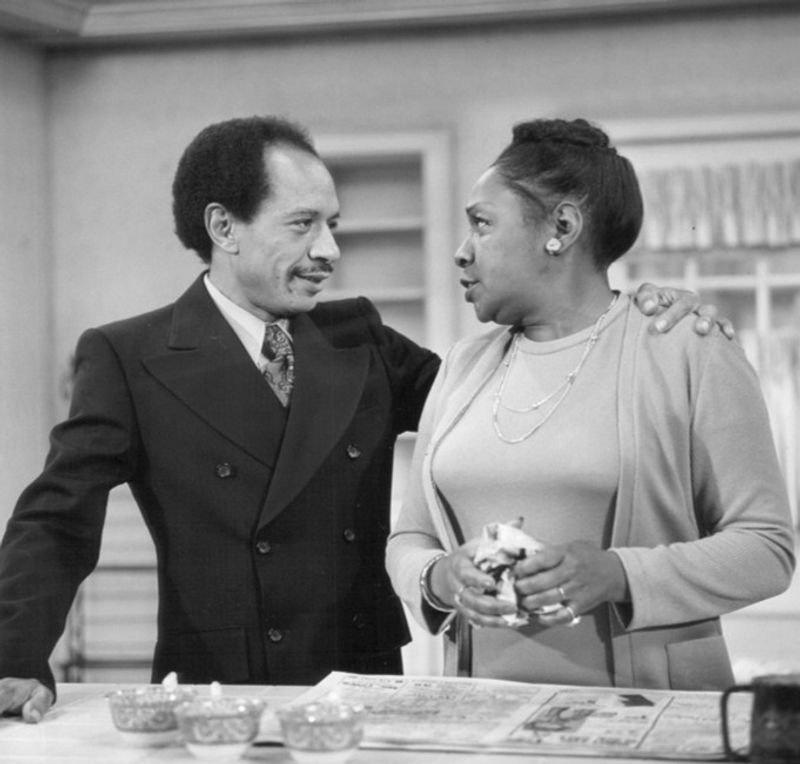
George and Louise Jefferson finally got their piece of the pie when they moved on up to Manhattan’s East Side. Their deluxe apartment became the setting for groundbreaking discussions about race and class.
Running for eleven seasons, the show tackled serious issues while keeping audiences laughing. George’s swagger and Louise’s patience created perfect comedic chemistry.
4. NCIS (JAG)
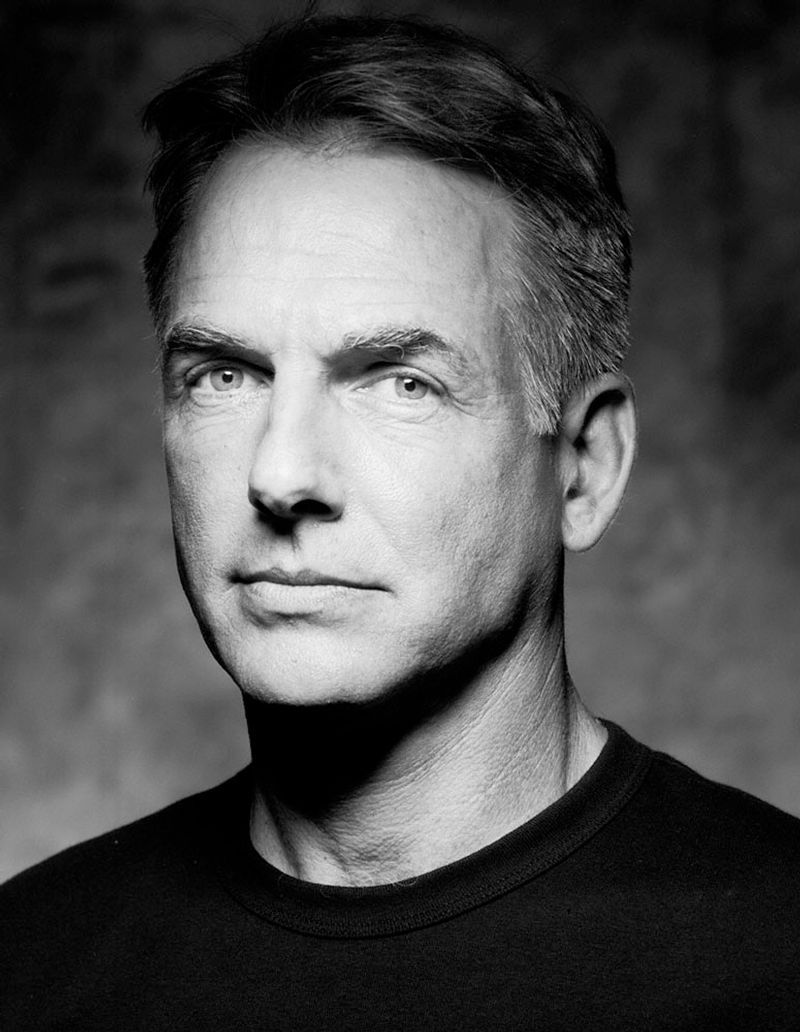
JAG introduced the Naval Criminal Investigative Service in a two-episode backdoor pilot that nobody expected would spawn a phenomenon.
However, special Agent Gibbs and his team became television royalty.
Twenty seasons later, NCIS remains one of the most-watched shows globally. The franchise even expanded into multiple successful spinoffs of its own.
5. Law & Order: Special Victims Unit (Law & Order)
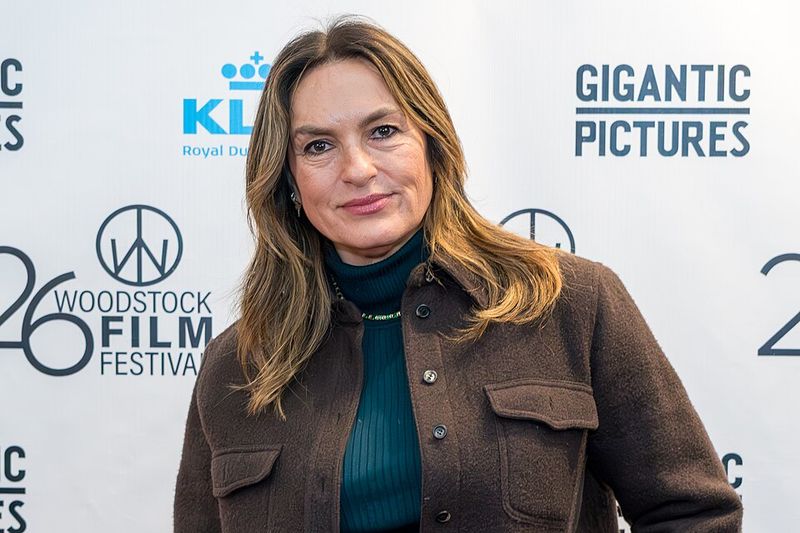
Detective Olivia Benson became television’s most dedicated advocate for survivors.
Over 500 episodes later, SVU outlasted its parent show and every other primetime drama. Mariska Hargitay won an Emmy and became synonymous with the franchise.
The show’s sensitive handling of difficult topics while maintaining compelling storytelling set new standards for procedural dramas everywhere.
6. Angel (Buffy the Vampire Slayer)
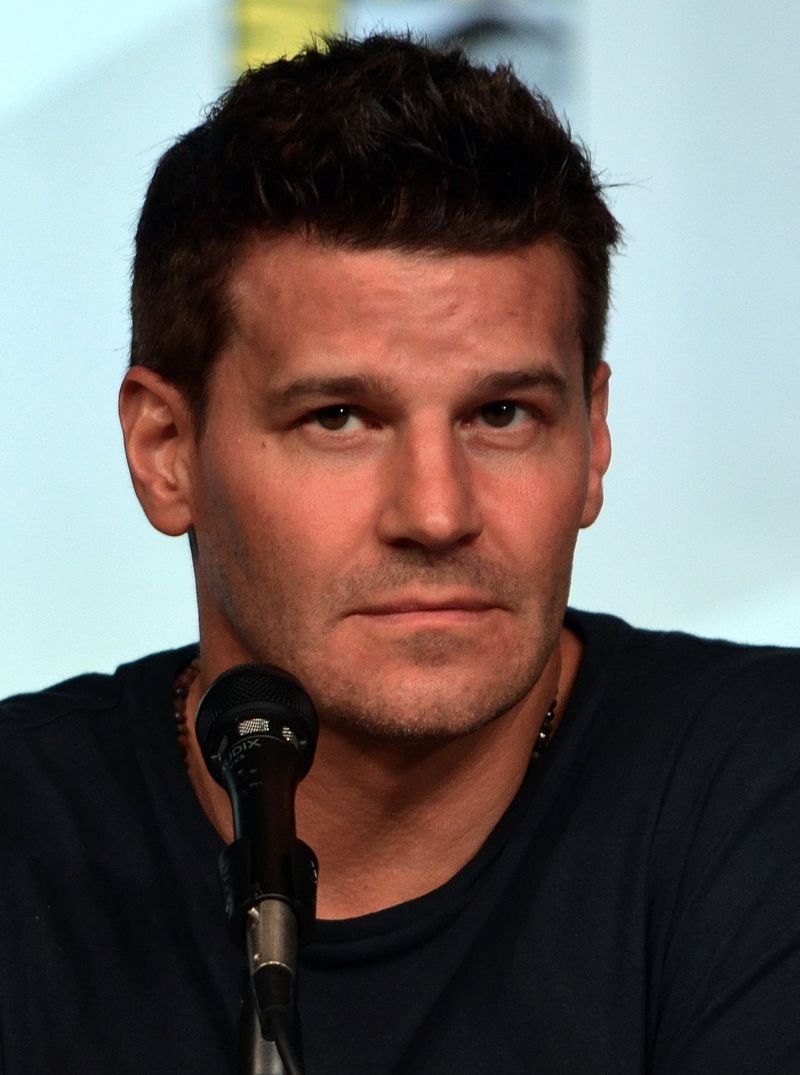
In the City of Angels, literally and figuratively, Buffy’s brooding vampire boyfriend got his own show. Angel Investigations fought supernatural threats while seeking redemption for past sins.
Five seasons blended noir detective stories with demon-fighting action in ways Buffy never attempted. Wesley, Cordelia, and Gunn became essential members of the Fang Gang.
The darker tone attracted older viewers who appreciated the mature themes and complex moral questions explored weekly.
7. Benson (Soap)
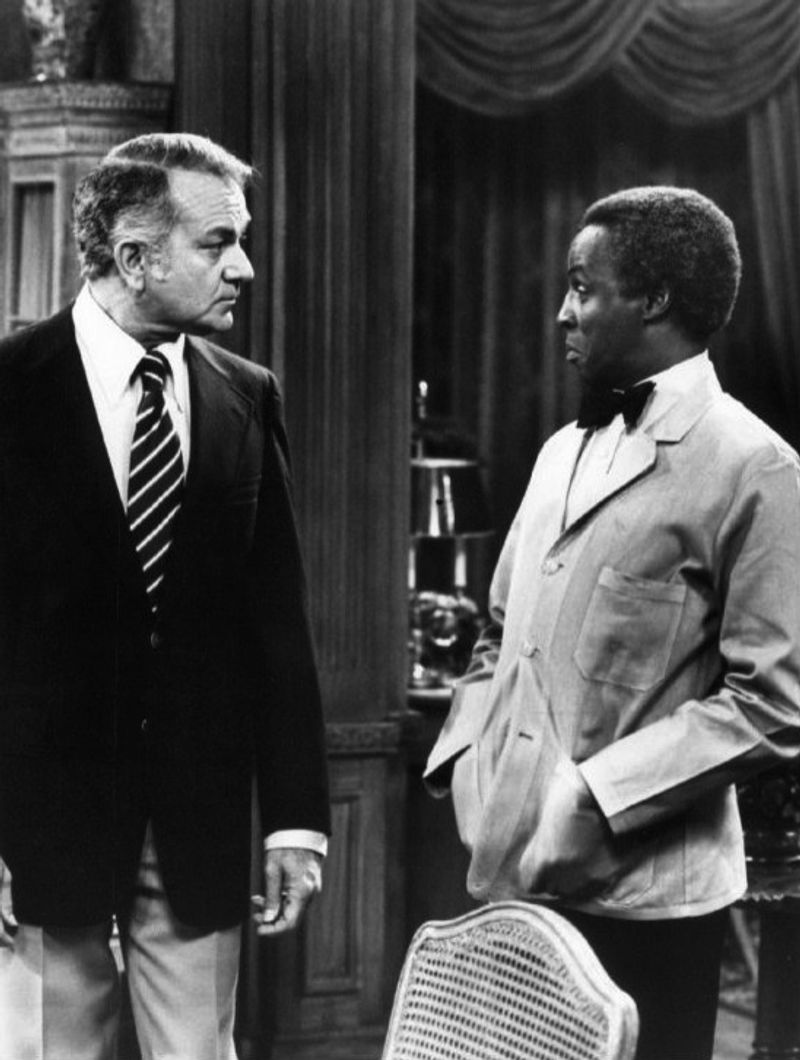
Wise-cracking butler Benson DuBois traded the dysfunctional Tate household for the governor’s mansion. His sharp wit and common sense made him indispensable to his bumbling boss.
Seven seasons followed Benson’s rise from household manager to lieutenant governor. Robert Guillaume’s Emmy-winning performance elevated the show beyond typical sitcom fare.
The series finale’s cliffhanger election results remain one of television’s most discussed unresolved endings even today.
8. The Good Fight (The Good Wife)
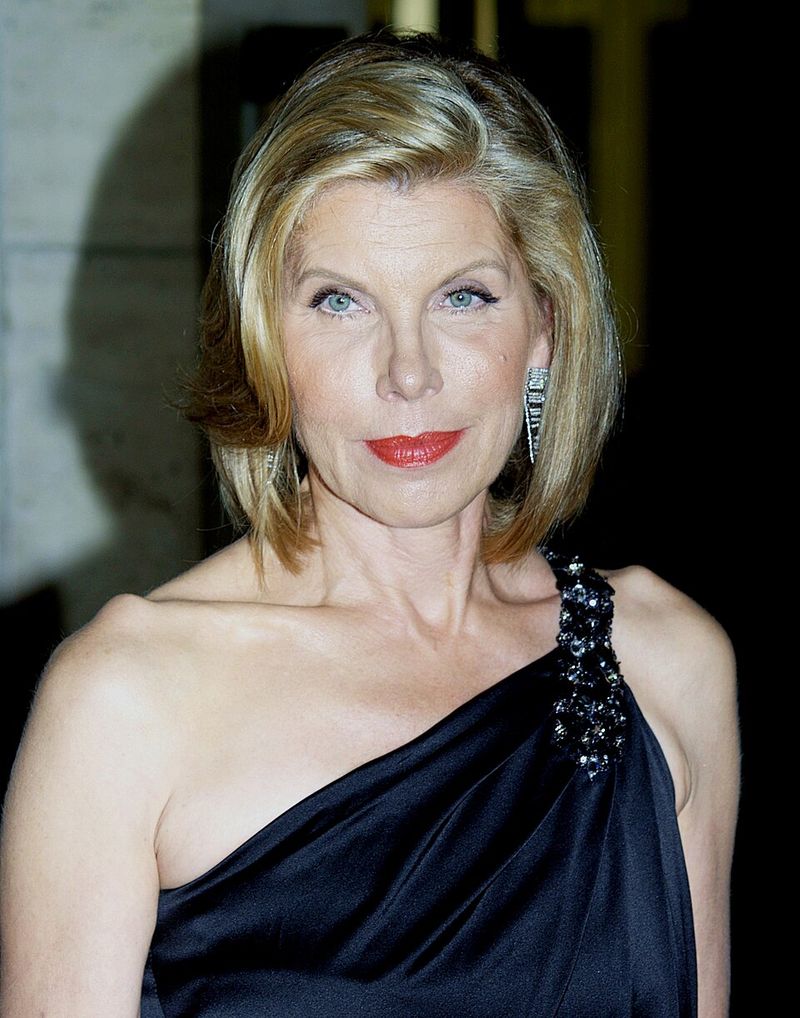
When Diane Lockhart lost everything in a financial scam, she joined a predominantly Black law firm fighting for justice. The streaming format allowed more explicit content and political commentary.
Six seasons tackled Trump-era politics, social justice, and legal corruption with fearless abandon. Christine Baranski’s powerhouse performance anchored an exceptional ensemble cast.
Critics praised the show for surpassing its predecessor’s quality while maintaining The Good Wife’s sharp legal drama DNA.
9. Laverne & Shirley (Happy Days)

Two brewery workers became unlikely superstars after appearing on Happy Days. Their adventures in 1950s Milwaukee captured America’s heart with physical comedy and genuine friendship.
Eight seasons made Laverne and Shirley household names, with the show becoming ABC’s highest-rated program. Their “L” monogram and Schlemiel song entered pop culture permanently.
Penny Marshall and Cindy Williams created characters so beloved that their eventual off-screen feud devastated fans nationwide.
1. Joanie Loves Chachi (Happy Days)
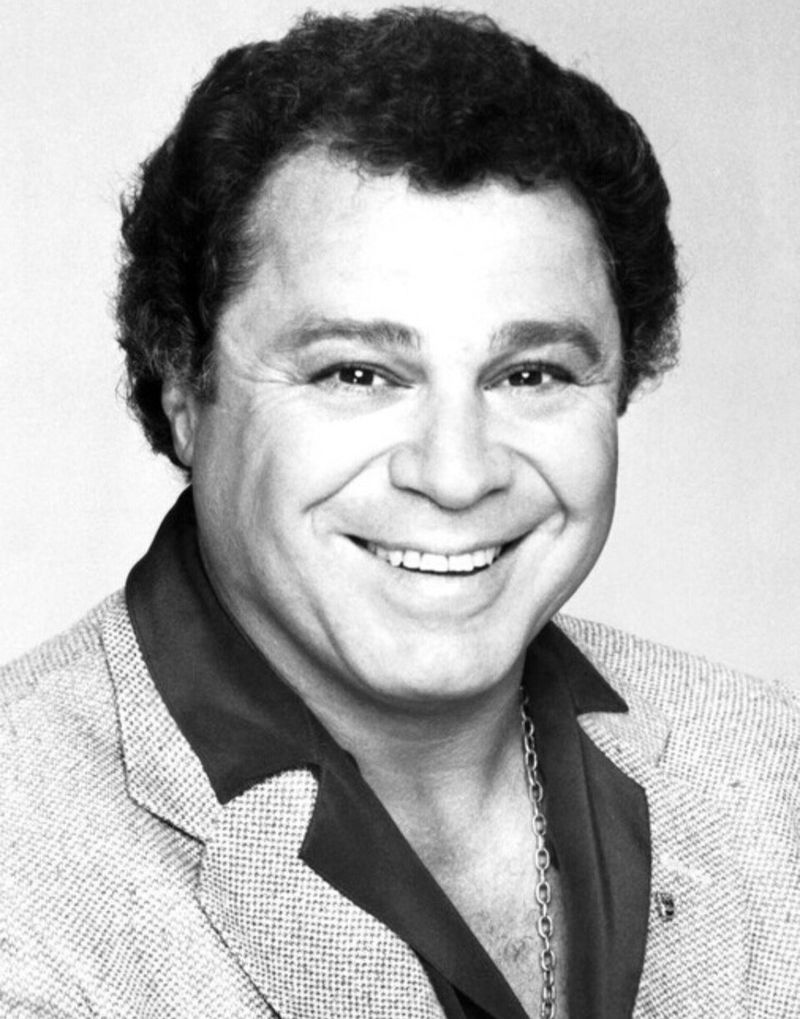
Happy Days struck gold with Laverne & Shirley, so why not try again with Joanie and Chachi? The young couple moved to Chicago to pursue music careers and romance.
Audiences didn’t care about their rock band dreams or will-they-won-they relationship drama.
The show limped through seventeen episodes before everyone returned to Milwaukee with their tails between their legs.
Even Scott Baio’s considerable charm couldn’t save this misguided attempt at recapturing lightning in a bottle.
2. The Brady Brides (The Brady Bunch)
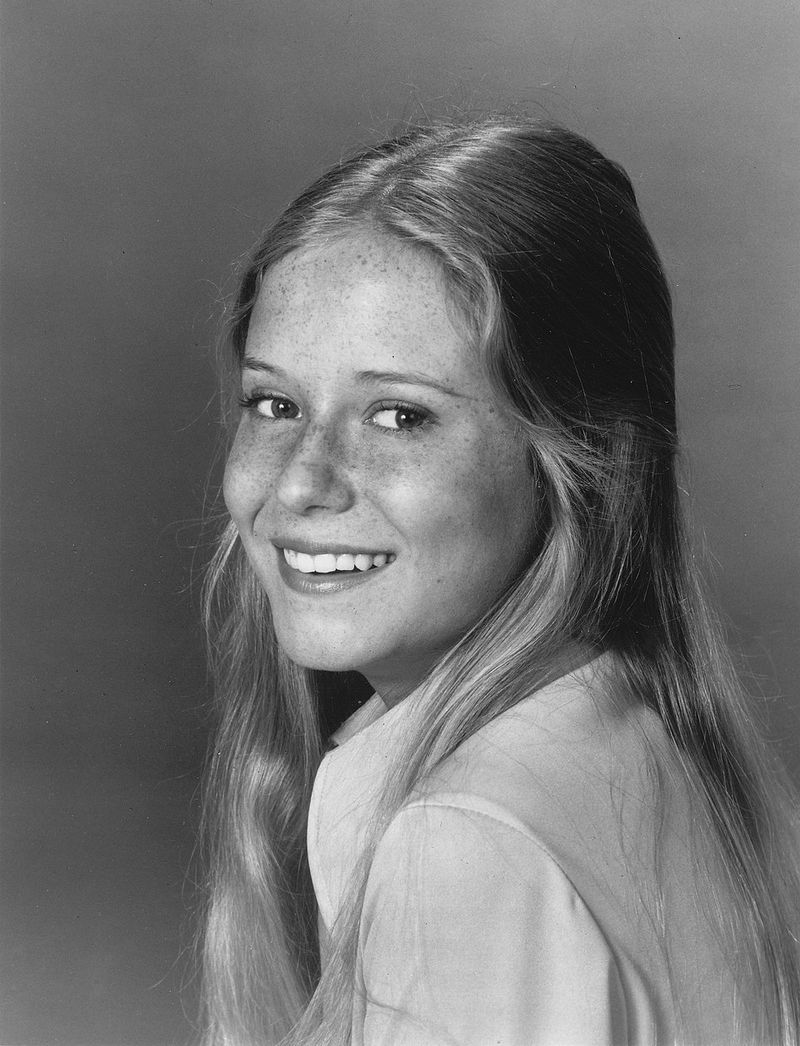
Marcia and Jan Brady got married and decided to live together with their new husbands. If that sounds like a recipe for disaster, you’re absolutely right about what happened.
The show lasted only ten episodes before NBC mercifully pulled the plug. Forced situations and tired jokes made viewers long for the original’s innocent charm.
Even huge Brady fans couldn’t stomach watching the sisters navigate married life in such contrived circumstances together.
3. Joey (Friends)
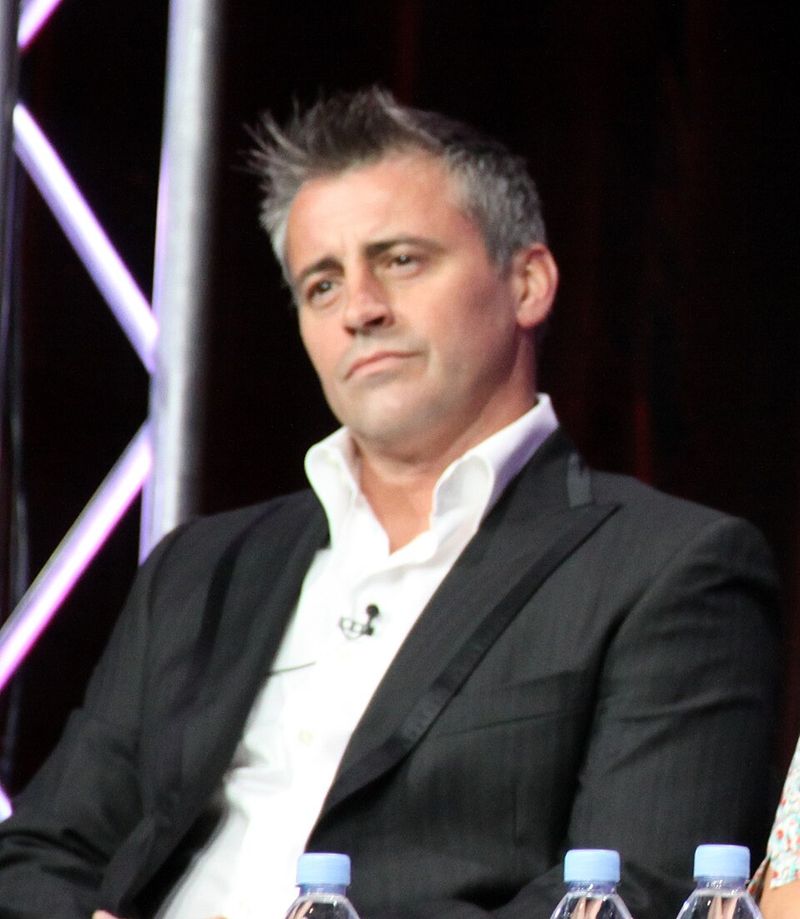
How you doin’? Not great, actually.
Joey Tribbiani’s move to Los Angeles separated him from the friends who made him lovable in the first place.
Without the ensemble chemistry, Joey’s dimwitted charm felt more sad than funny. NBC canceled the show after two painful seasons of declining ratings.
Matt LeBlanc deserved better than watching his beloved character struggle alone in Hollywood without his Central Perk family.
4. Phyllis (The Mary Tyler Moore Show)
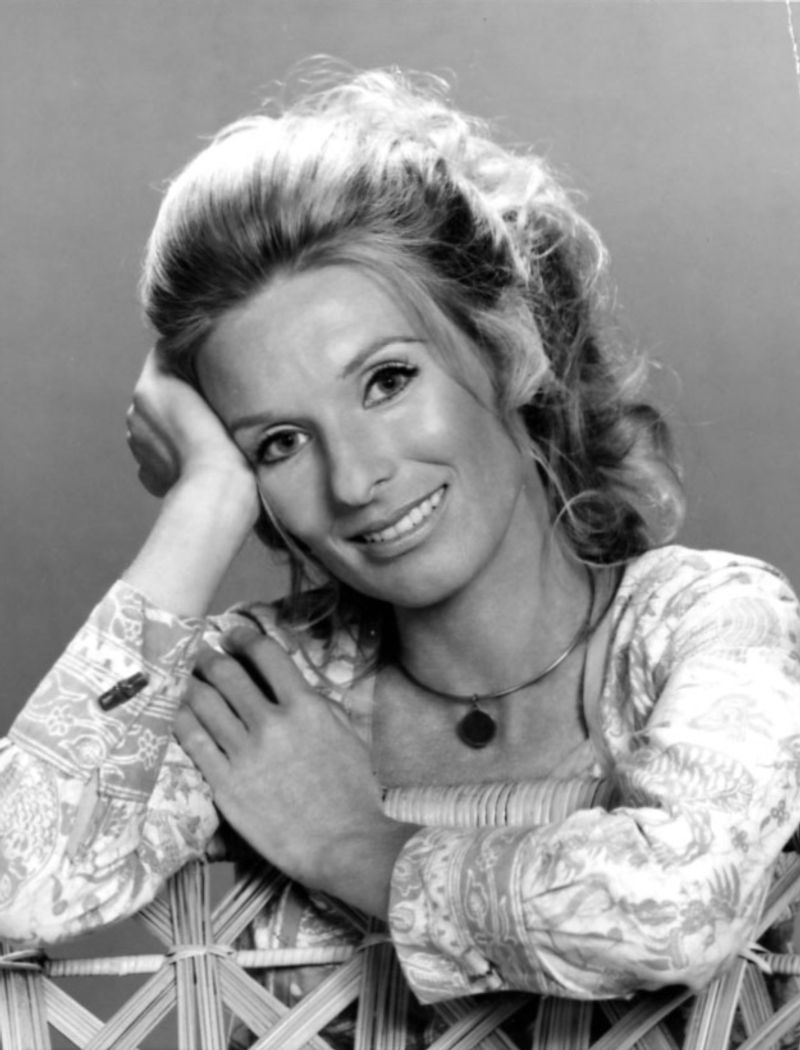
Cloris Leachman’s scene-stealing Phyllis Lindstrom got her own show after her husband passed away. Moving to San Francisco to live with her in-laws sounded promising on paper.
Two seasons proved that Phyllis worked better in small doses as Mary’s nemesis. Her abrasive personality became exhausting without other characters to balance her out.
Leachman’s talent couldn’t overcome weak writing that forgot what made Phyllis funny in the first place back in Minneapolis.
5. Baywatch Nights (Baywatch)
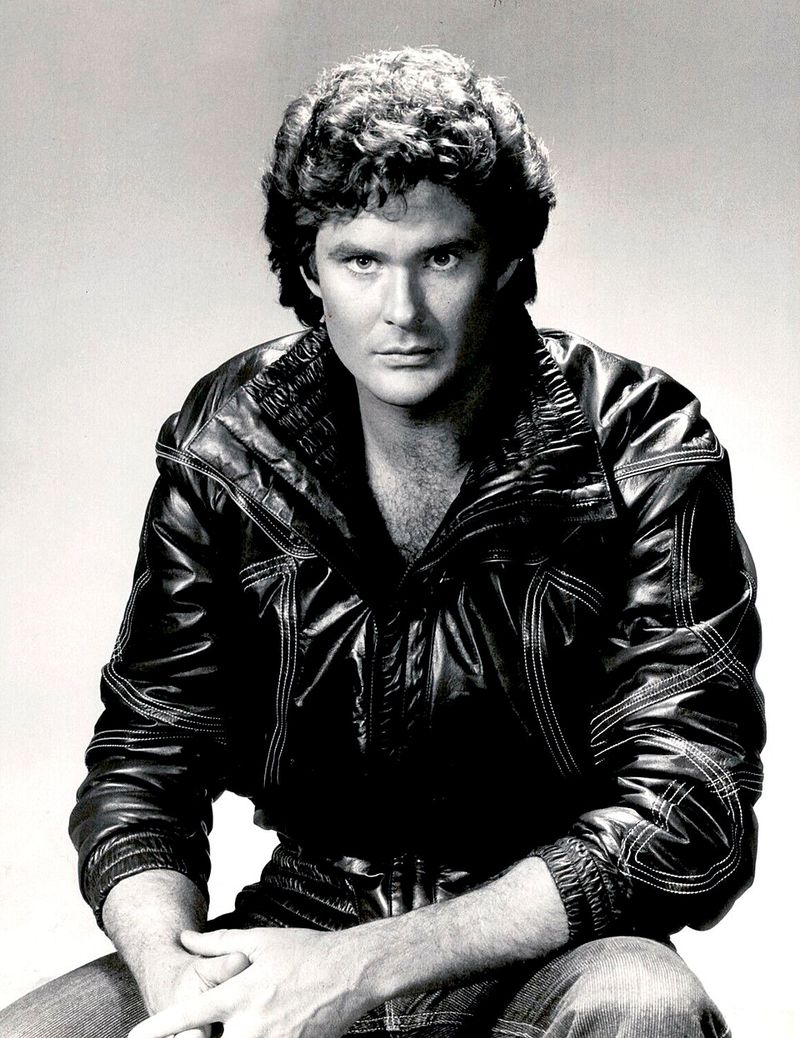
Mitch Buchannon traded his iconic red swimsuit for detective work in this bizarre spinoff. Season one featured standard private investigation cases that nobody asked for.
Season two went completely off the rails with aliens, monsters, and supernatural mysteries. Baywatch fans wanted beach rescues, not X-Files knockoffs set near the ocean.
The show drowned after two seasons, proving that adding vampires to lifeguarding doesn’t automatically create compelling television programming.