17 U.S. Sweets That Fall Flat With International Taste Buds
Open an American candy bag and you might need a moment to process what you’re holding. Somewhere between neon colors and flavors that sound like soda experiments, things get weird fast.
Locals call it nostalgia, visitors call it a trust exercise.
One bite in, and you realize candy culture definitely comes with a learning curve.
Note: This article reflects commonly discussed taste reactions to well-known U.S. sweets, but preferences vary widely by person, region, and individual product version.
Candy Corn
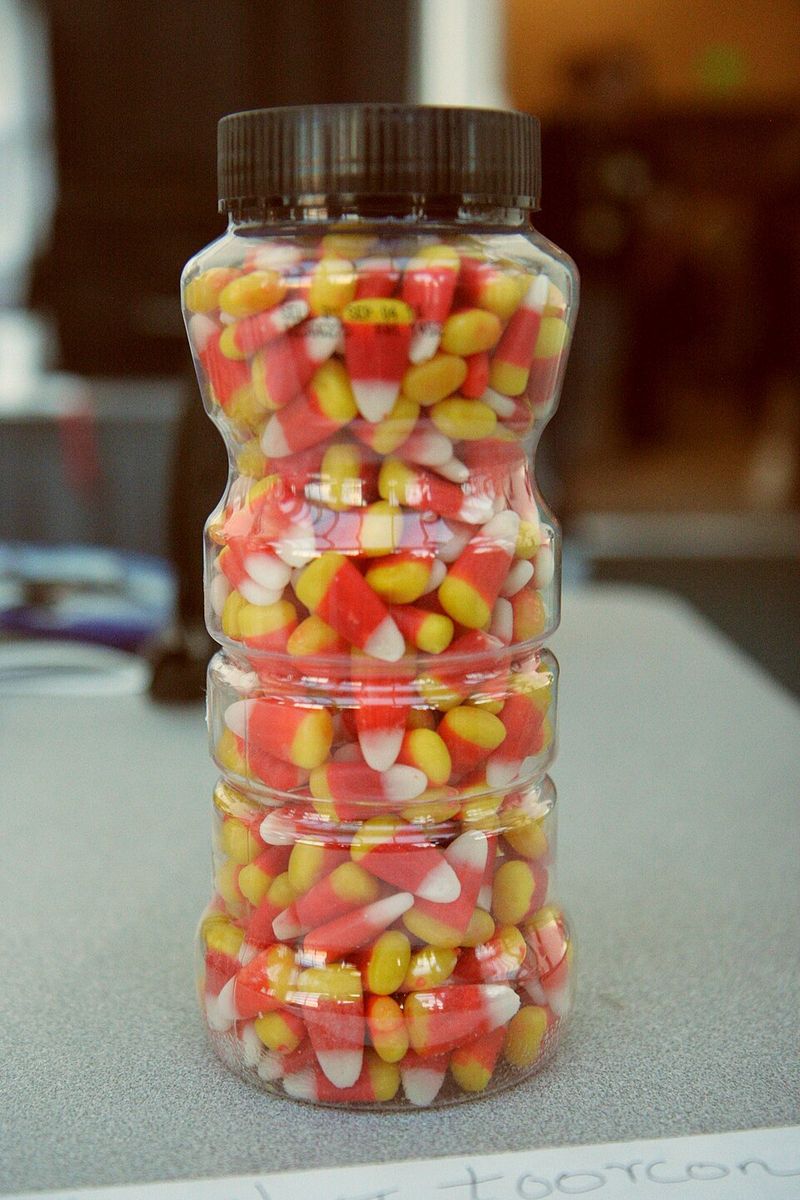
Every October, tiny candy corn triangles start filling bowls across the country, instantly splitting people into fans and critics. A waxy texture surprises first timers, creating a mouthfeel some describe as waxy and unusually dense.
Visitors from outside the U.S. often describe the flavor as intensely sweet, with a vanilla or honey-like note, missing the layered taste they expect from other sweets.
Chewing does little to change the texture, so each bite feels much like the one before it.
Plenty of international observers remain puzzled that such a tooth sticking treat returns to shelves year after year.
Circus Peanuts
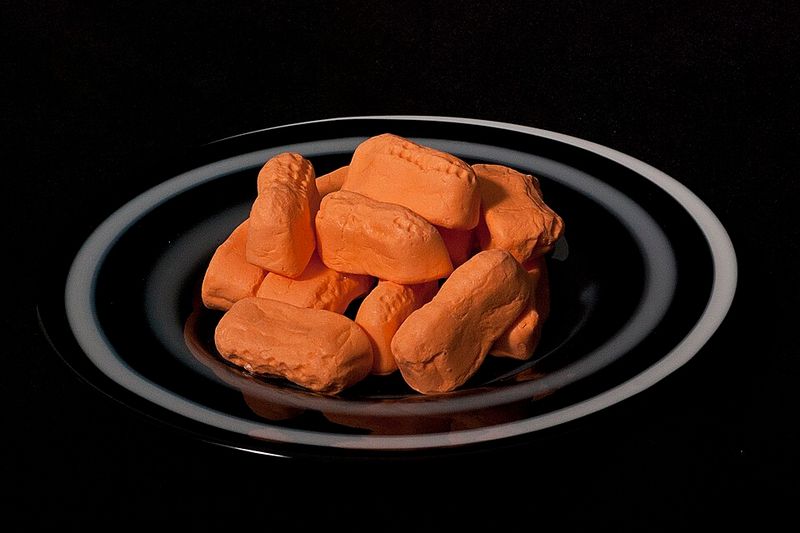
A peanut-shaped candy with a banana-style flavor can catch newcomers off guard. That’s the confusing reality of this spongy orange treat.
The marshmallow texture is dense and chewy, nothing like the fluffy marshmallows used in hot chocolate.
Some visitors find the banana-style flavoring confusing since the candy is shaped like a peanut, creating a disconnect between appearance and taste. The bright orange color doesn’t help matters, as it suggests citrus rather than the tropical fruit flavor that actually arrives.
Most international taste testers politely decline a second piece after their first bewildering experience.
Peeps
Springtime in America means shelves overflow with these sugar-coated marshmallow creatures in every imaginable color.
The grainy sugar coating crunches before giving way to marshmallow that’s somehow both chewy and sticky at once. Foreign visitors often comment that the texture feels unusually chewy, with crunchy sugar on the outside.
The sheer amount of sugar becomes overwhelming after just one bite, leaving a coating on teeth that water can’t wash away.
Many cultures prefer their sweets to have depth and balance, making these a very sweet, single-note treat particularly hard to appreciate.
Twinkies
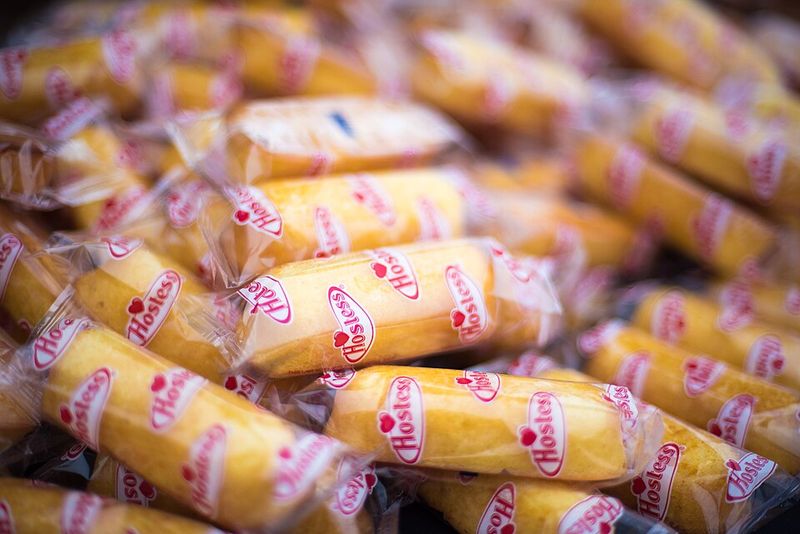
Few American snack cakes carry more global recognition than a Hostess Twinkie, yet many international visitors feel underwhelmed after the first bite. An oddly uniform sponge exterior gives the impression of something highly uniform in texture rather than baked in a kitchen, missing the lightness found in traditional cakes.
Inside, the cream filling comes across more like sweetened shortening than real dairy, leaving behind a lingering artificial vanilla taste.
A long shelf life by snack-cake standards, commonly reported at about 45 days in modern production.
After sampling one, plenty of overseas guests finally understand why the treat shows up in movies more often than in their own grocery carts.
Pop-Tarts
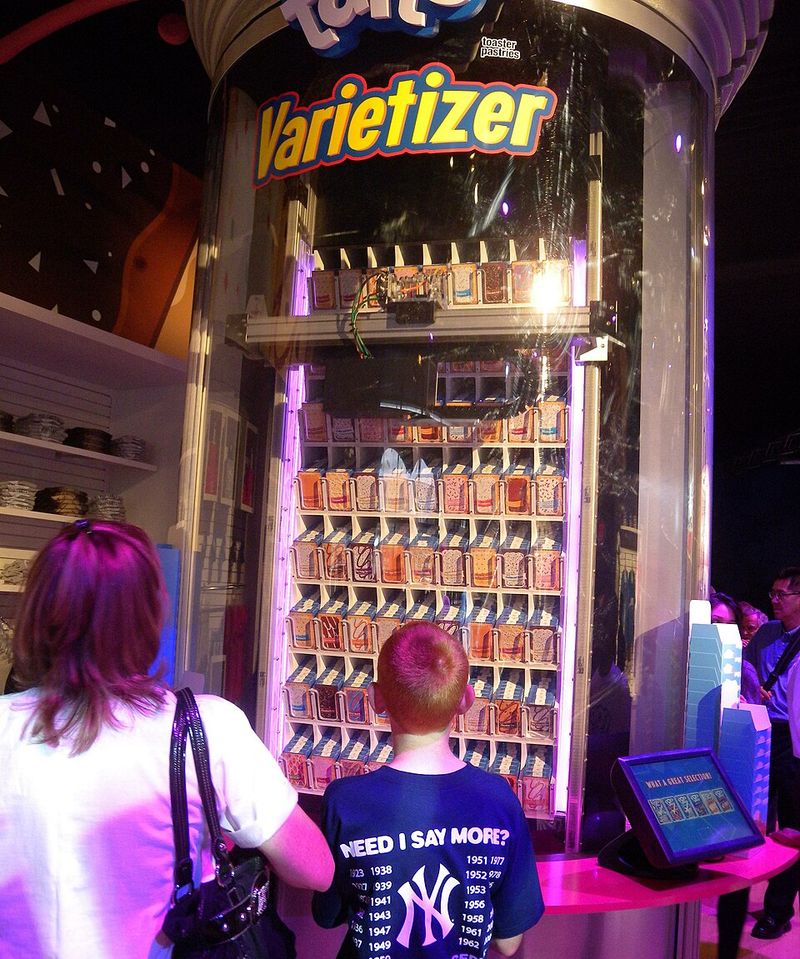
Breakfast pastry or dessert? Americans treat these frosted rectangles as morning fuel, which baffles visitors who see them as pure candy.
The pastry crust is dry and crumbly, nothing like the flaky layers of a proper Danish or croissant that Europeans expect from breakfast pastries.
When toasted, the fruit filling becomes very hot after toasting, yet somehow the crust stays stubbornly dry. The frosting on top adds another layer of sweetness to what’s already an incredibly sugary start to the day, making international guests reach for actual toast instead.
Twizzlers
If you hand someone from Europe a Twizzler and call it licorice, prepare for confusion.
Real licorice has a distinct herbal flavor from the licorice root, but these red twists taste like artificial strawberry with a firm, waxy chew.
The waxy texture never quite breaks down while chewing, instead rolling around in your mouth to break down while chewing. Many international visitors compare the experience to eating scented candle wax shaped into candy form.
Traditional licorice lovers find nothing familiar here, just a strange American interpretation that missed the mark entirely.
Red Vines

Often described as the West Coast’s counterpart to classic Twizzlers, Red Vines draw mixed reactions from candy fans overseas. Soft, hollow tubes offer a gentler chew than their rival, yet the flavor still feels noticeably artificial and far removed from true licorice.
Bright red coloring hints at cherry or strawberry, but the taste lands in a vague fruity space that proves difficult to pin down.
Travelers from Scandinavia, where salty black licorice dominates, tend to find these sweet red strands especially underwhelming. Texture also changes quickly after opening, shifting from pleasantly chewy to stiff within days, which does little to win over international skeptics.
Hershey Milk Chocolate Bar
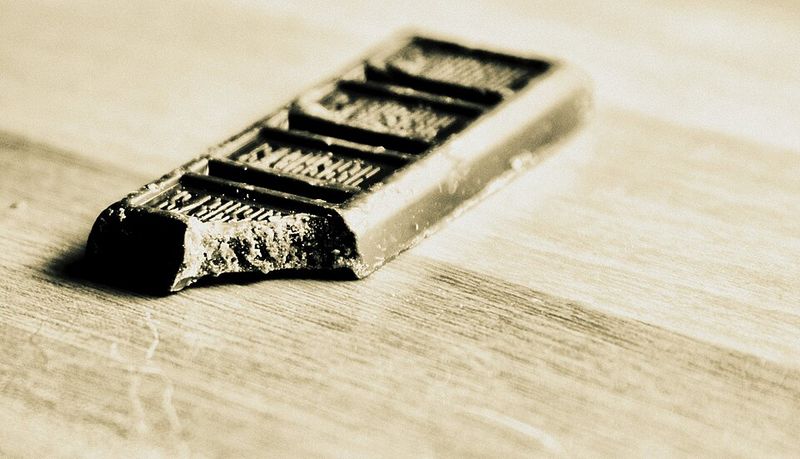
Few topics spark debate faster than telling a European that Hershey’s stands as a symbol of American chocolate.
A distinctive tang comes from the milk processing method, which creates butyric acid during production. That same compound is also associated with the a sharp, tangy note that some tasters describe as “cheesy”.
Smoother chocolates from Belgium or Switzerland often highlight a contrast, with Hershey’s showing a grainier texture and sharper finish by comparison. First bites can surprise international visitors, leaving some puzzled about how this became such an iconic U.S. brand when other styles taste more familiar to them.
Reese’s Peanut Butter Cups
Peanut butter in chocolate sounds like a winning combination, but execution matters tremendously. The peanut butter filling is heavily sweetened and processed, lacking the nutty depth of natural peanut butter that international markets prefer.
Combined with Hershey’s chocolate coating, the tanginess clashes with the sugar-loaded peanut paste inside.
Visitors from countries without strong peanut butter traditions find the whole concept strange, preferring their chocolate filled with caramel, nougat, or fruit.
The texture contrast between grainy chocolate and smooth filling works for Americans but often feels unbalanced to palates trained on European confections.
Butterfinger
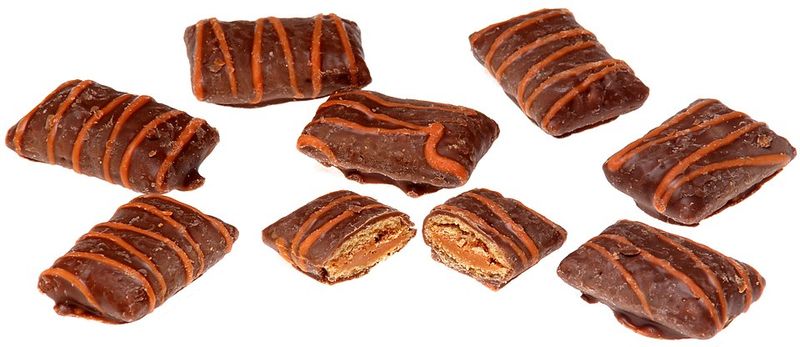
Crunch can be a good thing in candy, yet Butterfinger pushes that texture to an extreme that loves to cling to teeth. Inside, the bright orange peanut butter crisp feels like compressed peanut powder that breaks into sharp flakes with each bite.
Those tiny shards wedge themselves between teeth and seem determined not to melt away, turning the aftermath into a long cleanup job.
Visitors from abroad often say the flavor leans heavily toward pure sweetness, with only a faint peanut note getting through. A chocolate coating struggles to balance that intensity, leaving the overall experience feeling one dimensional long after the candy is gone.
Baby Ruth
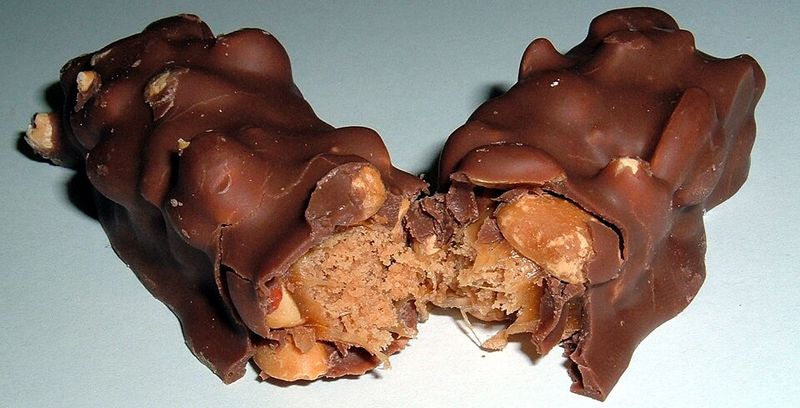
Despite the baseball legend rumors, this bar’s combination of elements confuses more than it delights international taste buds. The nougat center is dense and chewy, quite different from the lighter nougats found in European candy bars.
Whole peanuts add crunch, but they’re surrounded by so much sticky caramel and heavy nougat that the nuts lose their roasted flavor.
The chocolate coating struggles to contain everything, often cracking apart and creating a messy eating experience.
Visitors expecting sophisticated flavor layering instead get a mouthful of competing textures that never quite harmonize into something greater than their parts.
PayDay
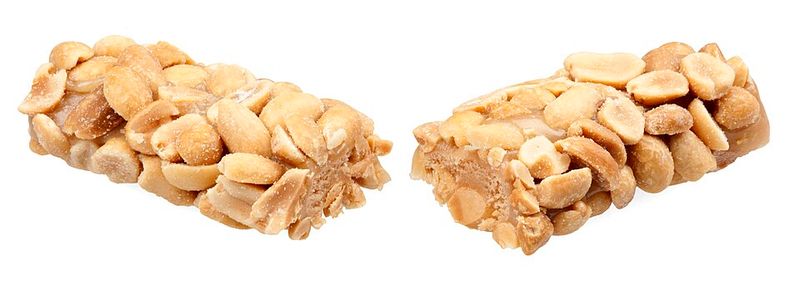
Peanuts take center stage in PayDay, a bar that skips chocolate entirely and leans fully into its theme.
Salty and sweet flavors blend in a way that feels familiar to many American snack fans but can catch international visitors off guard. Sticky caramel binds the peanuts into a dense roll that ends up more filling than most traditional candy bars.
Unexpected saltiness often surprises those anticipating a straightforward dessert rather than something that lands between candy and trail mix.
Novelty wins points for curious travelers, yet plenty decide they would rather keep sweets firmly on the sugary side next time.
Almond Joy
Coconut divides people everywhere, but the sweetened shredded coconut in Almond Joy is particularly polarizing.
The coconut filling is extremely sweet and has a texture like wet, sugary threads that stick together in clumps. Two almonds sit on top, but they’re overwhelmed by the coconut’s intensity and can’t provide much nutty balance.
The chocolate coating is the familiar Hershey’s variety, adding that tangy note that international visitors often dislike.
People from tropical countries where fresh coconut is common find the processed, sugary version especially disappointing compared to what they know coconut can taste like in desserts.
Mounds
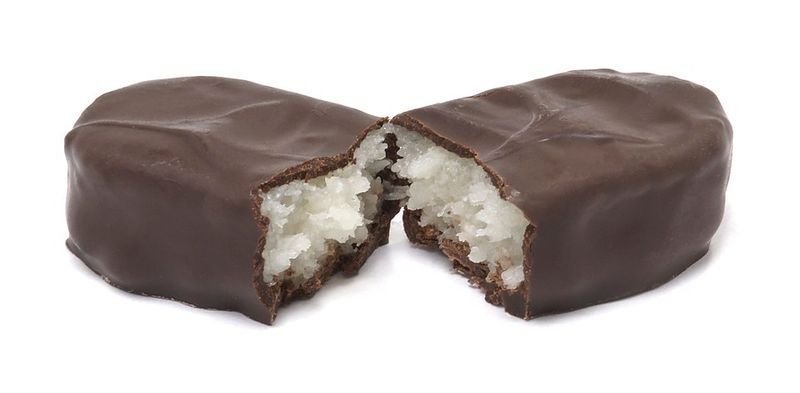
Take the almonds out of Almond Joy and Mounds emerges, feeling even more one note in the process. Dark chocolate on the outside hints at deeper, bittersweet contrast against the sugary coconut center, yet real complexity never quite shows up.
What remains is that same intensely sweet coconut filling wrapped in chocolate that is only slightly less sugary.
European dark chocolate fans often describe the flavor as underwhelming compared with bars boasting higher cocoa content and richer depth.
Dominant coconut in every bite leaves the sense of a coconut bar with a chocolate accent rather than a truly balanced confection.
Necco Wafers
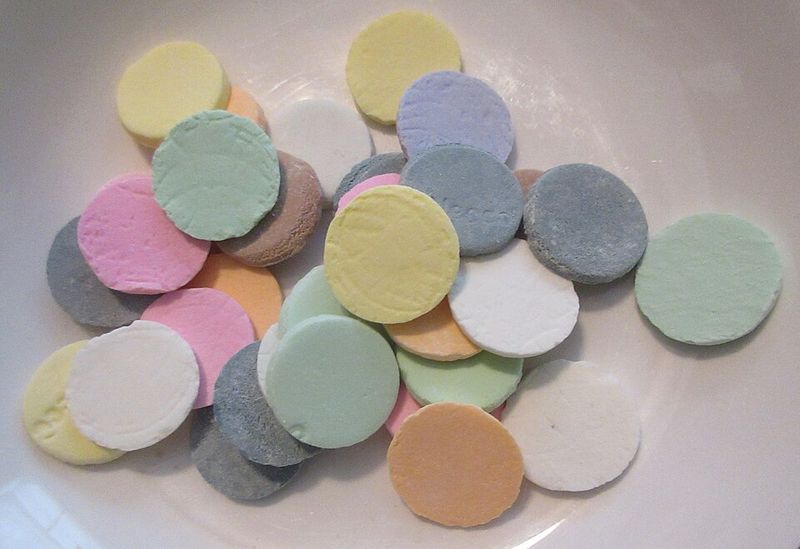
Traditionally, these chalky discs first produced in 1847, outlasting many trendier candies through sheer stubbornness.
The texture is chalky and powdery, like compressed sugar tablets, dissolving slowly on the tongue with a gritty, powdery feel. Each color represents a different flavor, though many taste similar and vaguely fruity without distinct characteristics.
International visitors often mistake them for something from a pharmacy aisle rather than candy, especially given the pastel colors and tablet-like appearance.
The nostalgic appeal works for some Americans who remember them from childhood, but newcomers to these wafers rarely understand why anyone would choose them over literally any other candy option available.
Jelly Belly Jelly Beans
How can gourmet jelly beans be controversial?
When flavors range from reasonable fruit options to buttered popcorn, toasted marshmallow, and even more bizarre choices, confusion is inevitable. The intense artificial flavoring is a shock to systems accustomed to subtler sweets, with each tiny bean packing more flavor punch than seems physically possible.
Some specialty flavors taste uncannily like their namesakes, which becomes unsettling when you’re eating candy that tastes exactly like black pepper or buttered popcorn.
International candy lovers prefer their jelly beans simple and fruity, not as vehicles for experimental novelty flavors that can feel more like a challenge than a dessert.
Whoppers (Malted Milk Balls)
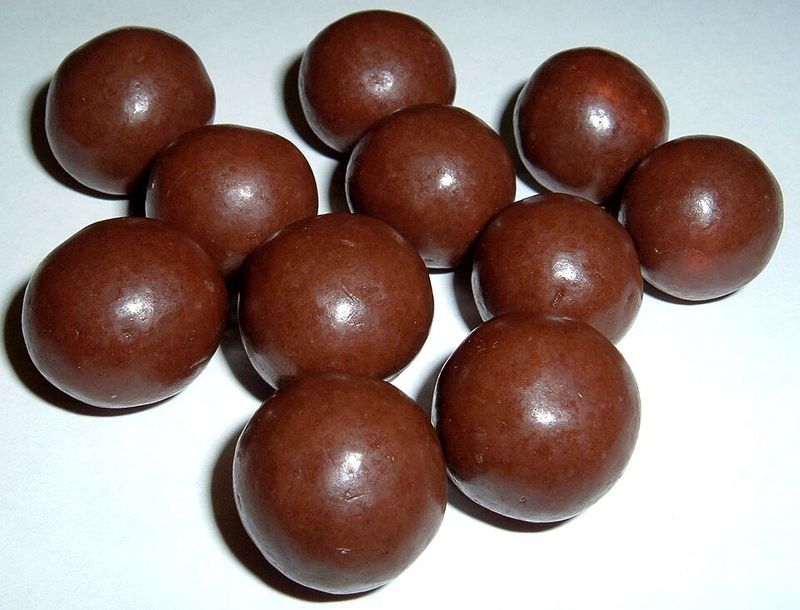
Malted milk flavor often reads as an acquired taste that many international visitors never quite develop while sampling American sweets.
Thin chocolate shell with that familiar Hershey’s tang surrounds a crunchy malted milk center. Biting down does not always produce a clean snap, sometimes turning the candy into powdery fragments that coat the mouth.
Unfamiliar malt notes can seem slightly musty or grain like, leaving some people unsure whether they are eating dessert or something else entirely. Nostalgia for old fashioned malt shops and thick malted milkshakes helps these make sense, while newcomers often finish still wondering what they are supposed to love.