20 Under-The-Radar Travel Spots In Latin America
Latin America’s most memorable moments often unfold far from its headline landmarks and busiest routes.
Beyond famous ruins and iconic coastlines, quieter destinations reveal culture, scenery, and daily life at an unhurried pace.
Under-the-radar towns, beaches, and landscapes offer beauty and authenticity without the constant pull of crowds.
Exploring these lesser-known places creates travel memories shaped by discovery, calm, and genuine connection.
Disclaimer: This article is intended for general informational and travel inspiration purposes.
Destination descriptions reflect cultural, environmental, and seasonal factors that may vary over time and by individual experience.
1. Jericoacoara, Brazil
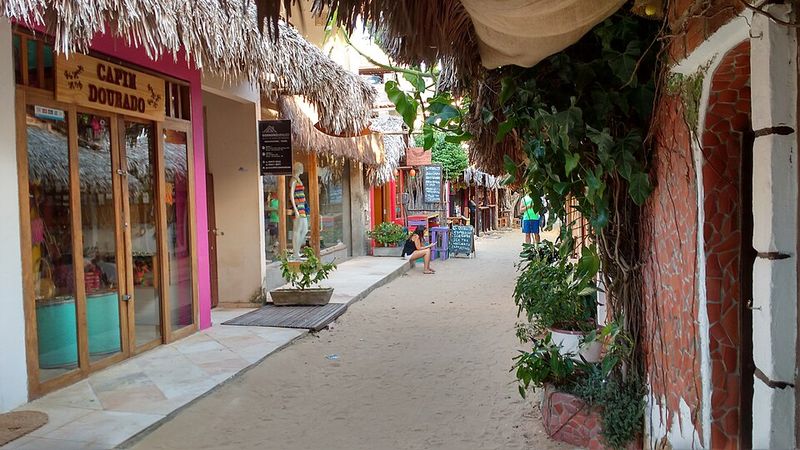
Hidden along Brazil’s northeastern coast, this fishing village turned bohemian paradise feels like stepping into a postcard you didn’t know existed.
Getting there requires a bumpy ride through sand dunes, but the journey makes arrival even sweeter.
Stunning sunsets from the top of Duna do Pôr do Sol draw visitors every evening, while kitesurfing conditions attract water sports enthusiasts year-round.
Streets made entirely of sand give the town a laid-back vibe that instantly melts away stress.
For maps, use Jericoacoara National Park in Jijoca de Jericoacoara, Ceará, Brazil, near 2°47′30″S, 40°30′13″W.
2. Barichara, Colombia
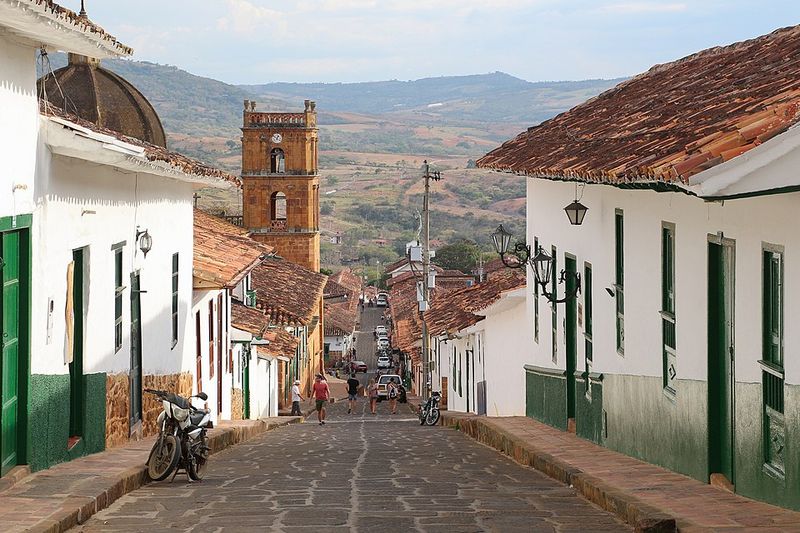
Wandering through Colombia’s prettiest colonial town feels like traveling back three centuries without leaving the comfort of modern-day amenities.
Stone-paved streets wind past whitewashed buildings adorned with wooden balconies overflowing with bright flowers.
Local artisans craft everything from pottery to handwoven bags, making souvenir shopping genuinely meaningful.
The nearby Camino Real trail leads hikers through stunning countryside to the even smaller village of Guane, perfect for a morning adventure.
For maps, use Barichara in Santander Department, Colombia, near 6.635°N, 73.223°W.
3. Villa De Leyva, Colombia
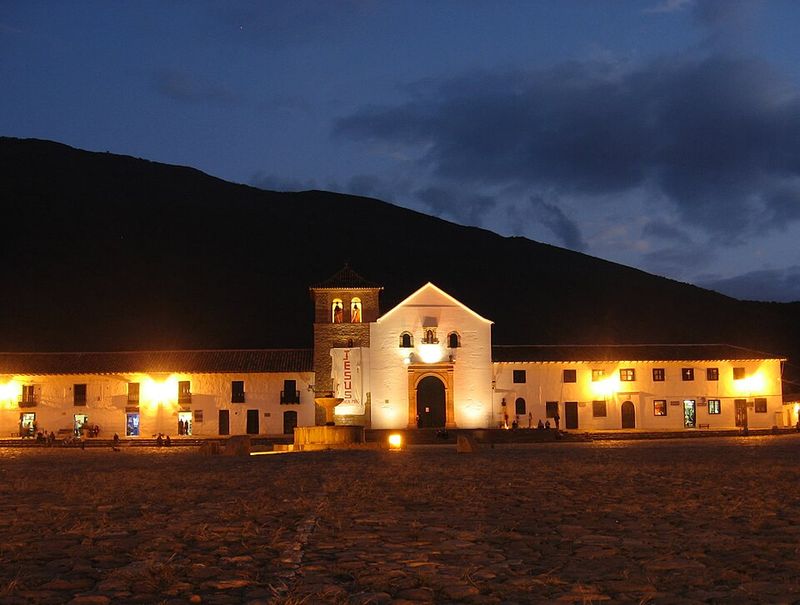
Colombia’s largest town square stretches so wide that finding shade becomes an amusing challenge on sunny afternoons.
This perfectly preserved colonial gem sits high in the Andes, where cool mountain air provides relief from tropical heat.
Fossils embedded in nearby rocks tell stories millions of years old, while weekend markets fill the plaza with local crafts and treats.
Honestly, the town’s timeless charm makes every corner Instagram-worthy without even trying.
Type Villa de Leyva, Boyacá, Colombia, near 5.635°N, 73.526°W.
4. Tatacoa Desert, Colombia
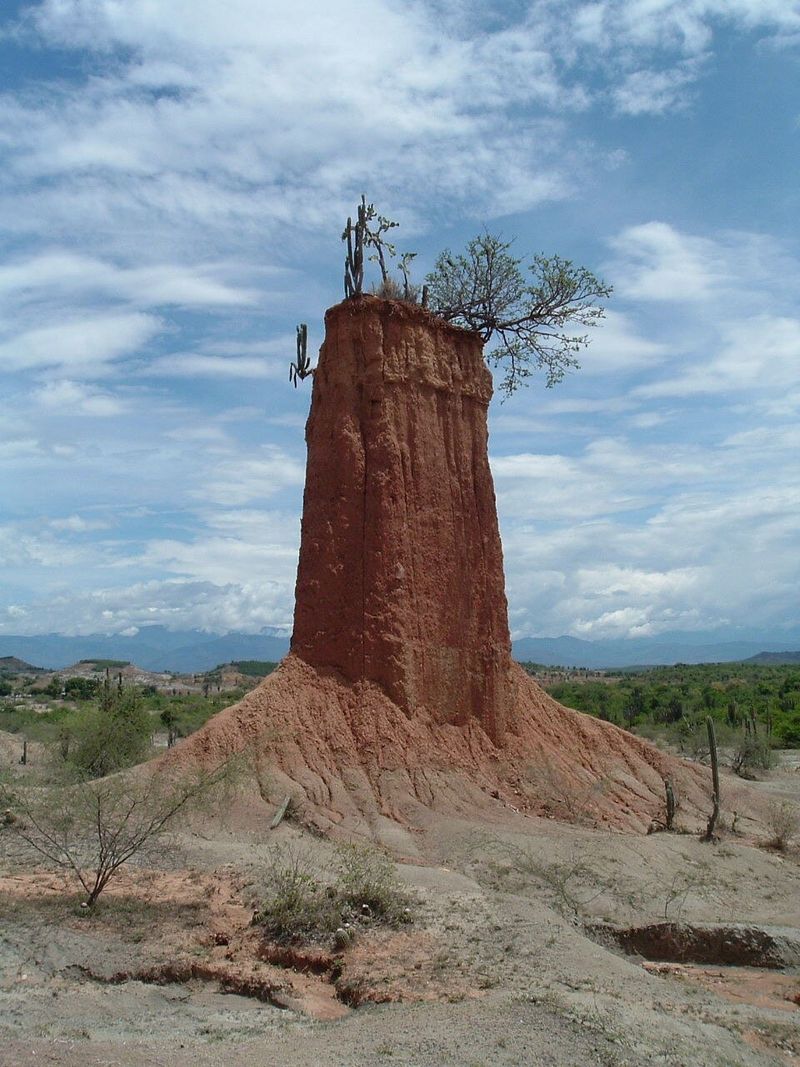
Rust-colored canyons and gray moonlike valleys create an alien landscape right in the heart of Colombia’s interior.
Though technically a tropical dry forest rather than a true desert, the dramatic erosion patterns look straight out of a sci-fi movie.
Stargazing here ranks among South America’s best thanks to minimal light pollution and crystal-clear night skies.
Perhaps the most surprising part is swimming in natural pools after hiking through the scorching terrain all day.
Look up Desierto de la Tatacoa near Villavieja, Huila, Colombia, around 3°14′N, 75°10′W.
5. Cabo Polonio, Uruguay
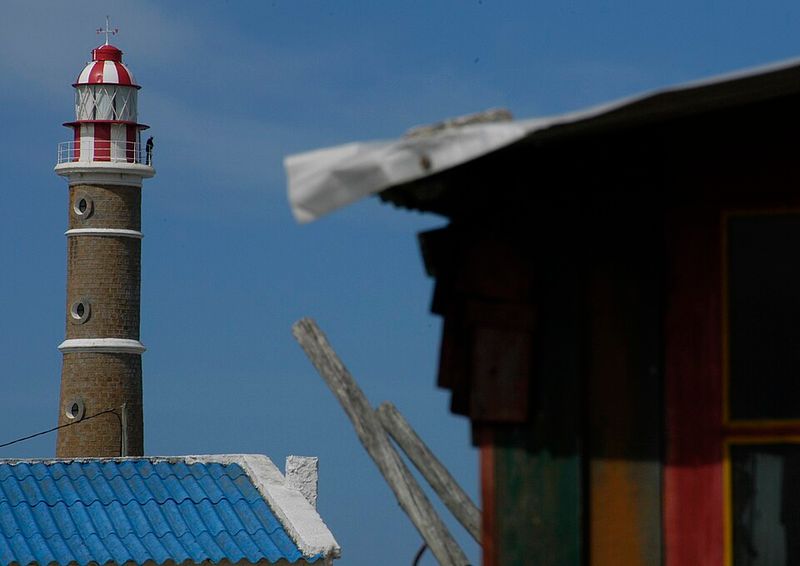
Imagine a beach town with no electricity grid, no paved roads, and sea lions lounging right on the shore like they own the place.
Reaching this off-grid paradise requires a ride through sand dunes on a special truck, immediately signaling you’re entering somewhere special.
Solar panels and candlelight provide evening illumination, creating a romantic atmosphere that modern resorts can’t replicate.
Ultimately, disconnecting from technology here feels refreshing rather than restrictive.
Pin Cabo Polonio in Rocha Department, Uruguay, near 34°24′34″S, 53°46′29″W.
6. Bacalar, Mexico
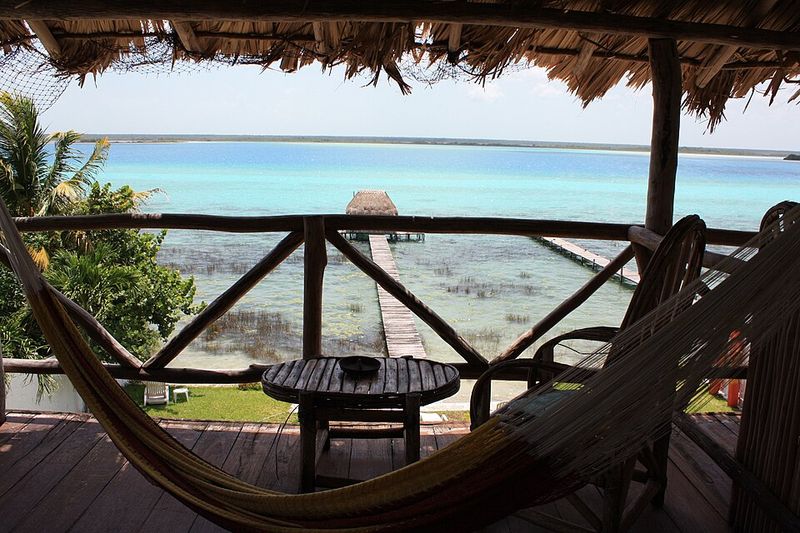
Known as the lagoon of seven colors, Bacalar’s waters shift from pale turquoise to deep sapphire depending on depth and light.
Floating in the warm, calm lagoon while gazing at ancient stromatolites feels both relaxing and educational.
Kayaking through narrow channels lined with mangroves offers peaceful exploration away from the main waterway.
While Cancún draws massive crowds just hours north, this magical spot remains blissfully quiet, especially on weekday mornings.
Use Bacalar, Quintana Roo, Mexico, around 18°40′N, 88°24′W.
7. Semuc Champey, Guatemala
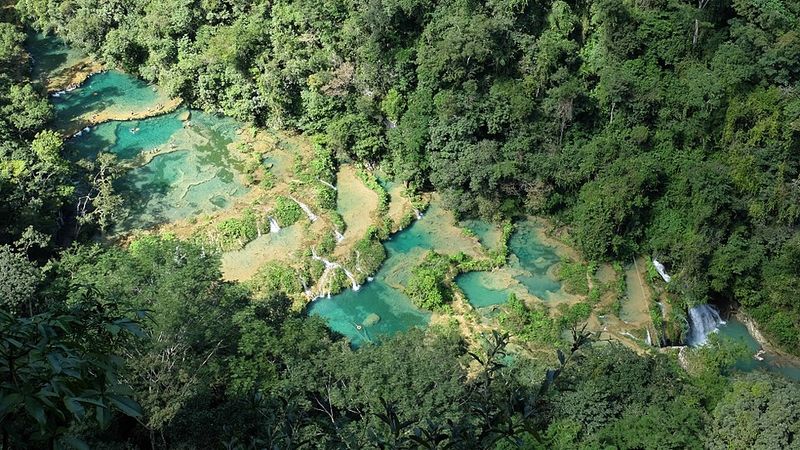
Turquoise pools stacked like nature’s own infinity pools cascade down limestone formations deep in Guatemala’s jungle interior.
Getting here involves a bumpy truck ride followed by a challenging hike, but the reward makes every jostle worthwhile.
Swimming in the crystal-clear pools feels like discovering a secret paradise that few people know exists.
Beneath the pools, a powerful river flows through caves, creating this stunning natural bridge and pool system above.
Navigate to Semuc Champey Natural Monument near Lanquín, Alta Verapaz, Guatemala, near 15°31′39″N, 89°57′13″W.
8. Ometepe Island, Nicaragua

Two perfect volcanic cones rise dramatically from Central America’s largest lake, creating an island that looks painted rather than real.
Renting a scooter to circle the island takes you past petroglyphs, organic farms, and swimming holes fed by volcanic springs.
Monkeys chatter in the trees while butterflies the size of your hand flutter past hiking trails.
Maybe the best part is watching sunset paint the volcanoes in shades of purple and gold from a lakeside hammock.
Choose Isla de Ometepe in Lake Nicaragua near Rivas, Nicaragua, around 11°32′N, 85°35′W.
9. Quebrada De Humahuaca, Argentina
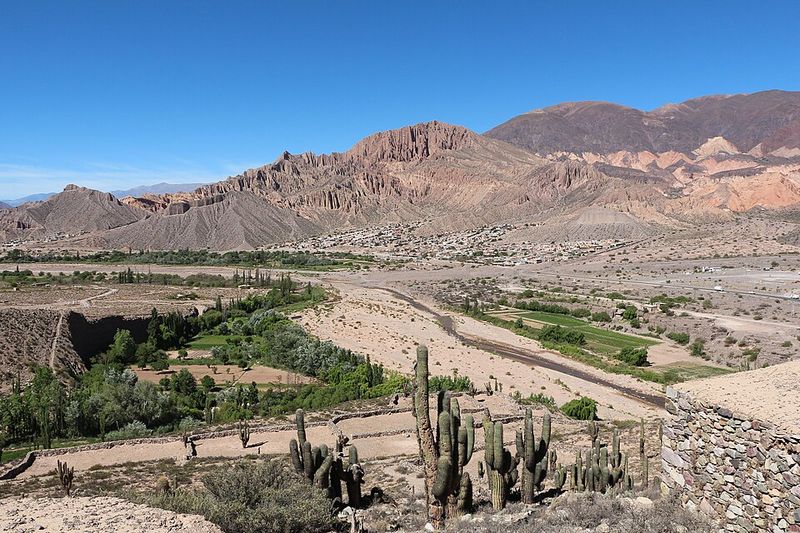
Rainbow-striped mountains line this dramatic valley in northwestern Argentina, where geology becomes art visible from miles away.
Each layer of rock represents a different era, painting the hillsides in rust, purple, green, and cream stripes.
Traditional villages dot the valley floor, where locals still practice ancient weaving techniques and celebrate indigenous heritage.
Driving through feels like entering a natural museum where every turn reveals another jaw-dropping color combination.
Aim for Quebrada de Humahuaca in Jujuy Province, Argentina, following the valley towns along Ruta Nacional 9.
10. Purmamarca, Argentina
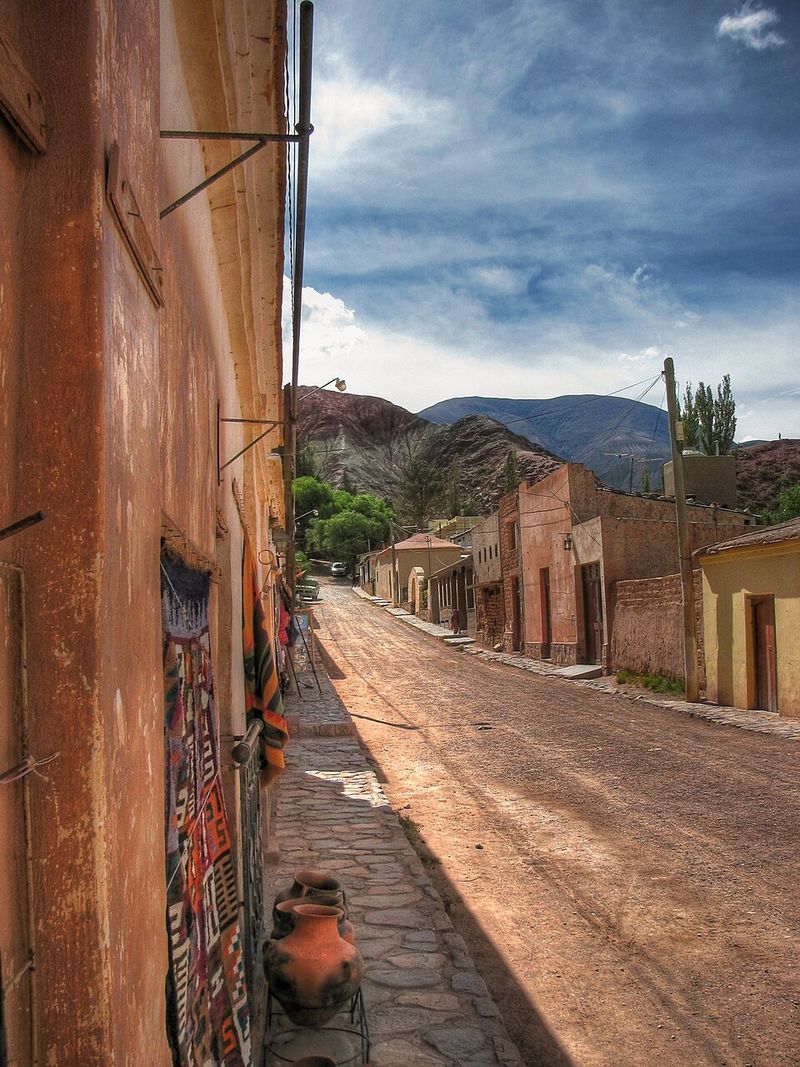
The Hill of Seven Colors towers above this tiny village, its striated slopes glowing in shades that seem too vibrant to be natural.
Morning light makes the colors pop most dramatically, turning the mountain into a photographer’s dream backdrop.
The village itself charms visitors with adobe buildings, artisan markets selling llama wool goods, and cozy cafes serving regional specialties.
Though small enough to explore in an hour, the magical atmosphere makes leaving surprisingly difficult.
Set your destination to Purmamarca, Jujuy, Argentina, near 23°44′58″S, 65°29′06″W.
11. Esteros Del Iberá, Argentina
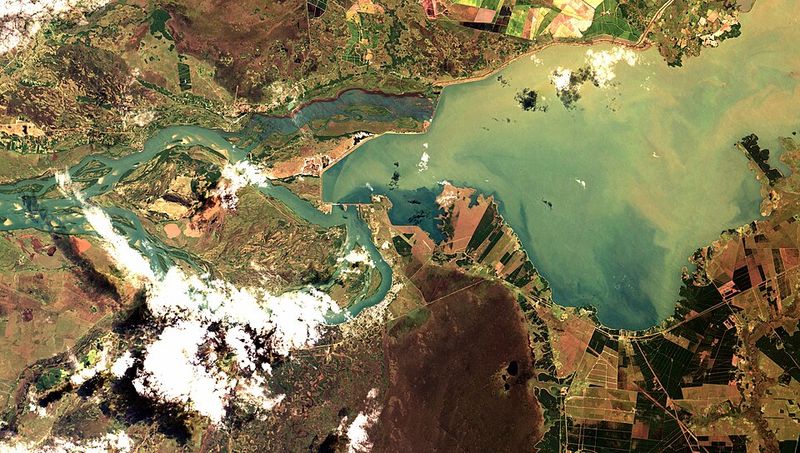
Argentina’s answer to the Pantanal, these vast wetlands teem with wildlife that seems almost fearless around visitors.
Boat tours glide past caimans sunbathing on logs, capybaras munching vegetation, and howler monkeys announcing their territory from the trees.
Over 350 bird species make this a paradise for birdwatchers, while marsh deer wade through shallow waters.
Conservation efforts have successfully reintroduced jaguars and giant anteaters, making wildlife spotting even more thrilling.
The Iberá Wetlands are in Corrientes Province, Argentina, with a common access area around Colonia Carlos Pellegrini.
12. Elqui Valley, Chile
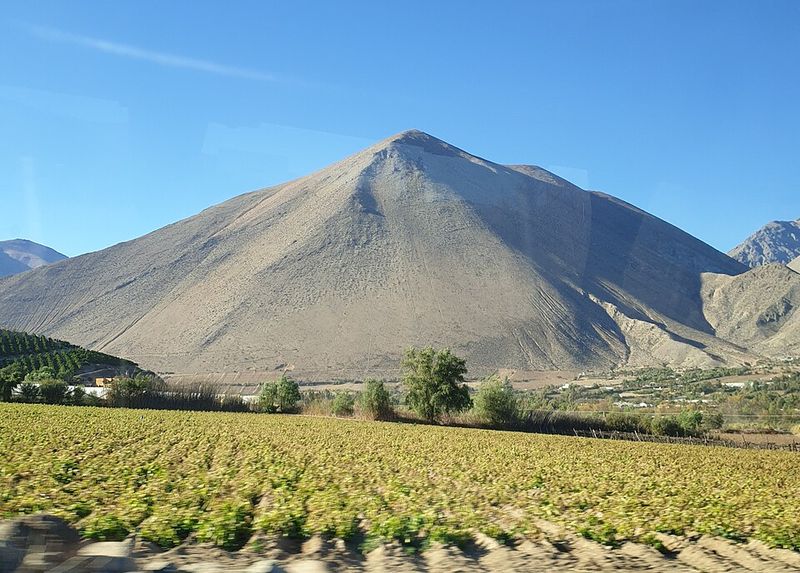
Vineyards and traditional agricultural estates line this sun-drenched valley beneath some of Earth’s clearest skies.
By day, visitors can explore local agricultural traditions and learn how grapes are cultivated across terraced hillsides.
When darkness falls, world-class observatories open their telescopes to reveal galaxies and nebulae invisible from most places.
Essentially, it’s a perfect blend of earthly pleasures and cosmic wonder.
Valle del Elqui is in Chile’s Coquimbo Region, and Vicuña works well as a navigation hub.
13. Los Roques Archipelago, Venezuela
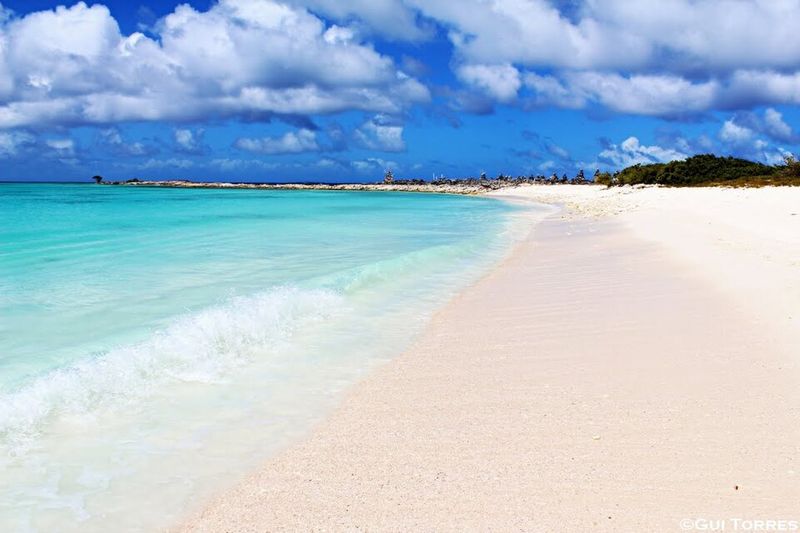
Picture-perfect Caribbean islands with powder-white sand and water so clear you can count fish from the beach await in this national park.
Tiny fishing villages provide authentic local flavor, while uninhabited cays offer private beach experiences accessible by short boat rides.
Snorkeling and diving reveal healthy coral reefs teeming with tropical fish, sea turtles, and rays.
Despite being Venezuela’s crown jewel, limited infrastructure keeps crowds small and the experience genuinely pristine.
Select Parque Nacional Archipiélago Los Roques, Venezuela, around 11°52′N, 66°45′W.
14. San Blas Islands, Panama

Governed autonomously by the indigenous Guna people, these islands offer cultural immersion alongside Caribbean beauty that rivals any postcard.
Simple thatched huts replace luxury resorts, while home-cooked meals featuring fresh seafood provide authentic flavors you won’t find in tourist zones.
The Guna maintain their traditional lifestyle, including their distinctive molas (colorful textile art) and matriarchal society structure.
Respectful visitors gain insight into a culture that has successfully preserved its identity.
Point your map to the Guna Yala region of Panama for the San Blas Islands, around 9°32′N, 78°57′W.
15. Gocta Waterfall, Peru
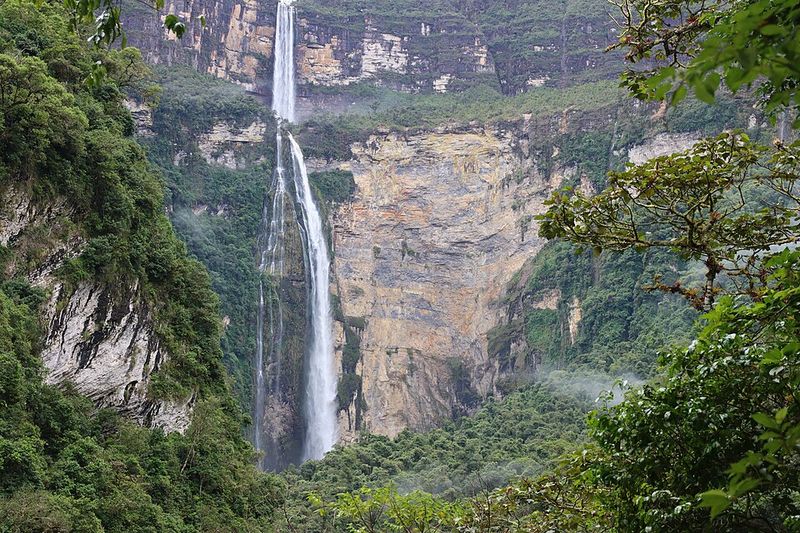
One of the world’s tallest waterfalls remained unknown to the outside world until 2005, hidden in Peru’s cloud forest like nature’s best-kept secret.
The hike to reach Gocta winds through farmland and forest where orchids bloom and hummingbirds zip past at eye level.
Two tiers create a combined drop of over 2,500 feet, with mist from the falls cooling hikers long before arrival.
Surprisingly, you might have the trail nearly to yourself even during peak season.
Plug in Gocta Cataracts in Peru’s Amazonas Region near Bongará, around 6°01′18″S, 77°53′24″W.
16. Samaipata, Bolivia
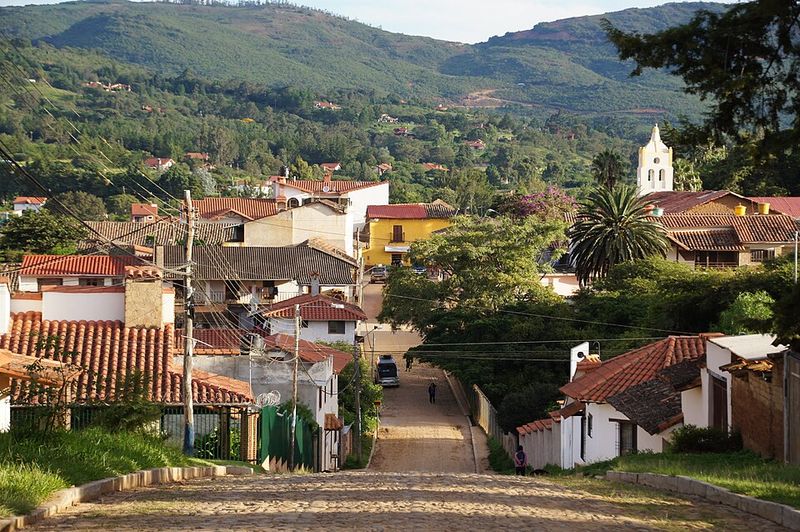
A massive carved rock covered in ceremonial designs sits at the heart of this mountain town, representing South America’s largest petroglyph.
Pre-Incan cultures created intricate channels, seats, and representations of animals directly into the sandstone outcrop centuries ago.
The surrounding town offers a relaxed atmosphere with yoga retreats, organic farms, and hiking trails leading to waterfalls.
Cool mountain weather provides welcome relief from Bolivia’s lowland heat, making hoodies necessary even in summer.
Head to Samaipata, Santa Cruz Department, Bolivia, around 18°11′S, 63°52′W.
17. Holbox Island, Mexico
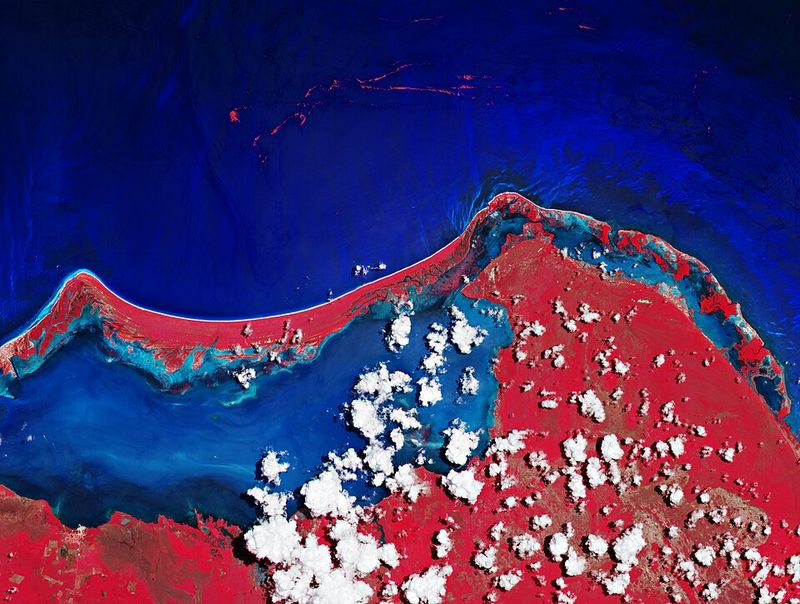
Golf carts replace cars on this laid-back island where streets made of sand and vibrant murals create a bohemian beach town vibe.
Between June and September, whale sharks gather in nearby waters, offering opportunities to swim alongside these gentle giants.
Bioluminescent plankton lights up the water on dark nights, creating an otherworldly glow with every movement.
While Cancún’s party scene rages nearby, Holbox maintains its peaceful charm and family-friendly atmosphere.
Search Isla Holbox in Quintana Roo, Mexico, near 21°31′51″N, 87°20′39″W.
18. Yaxhá, Guatemala
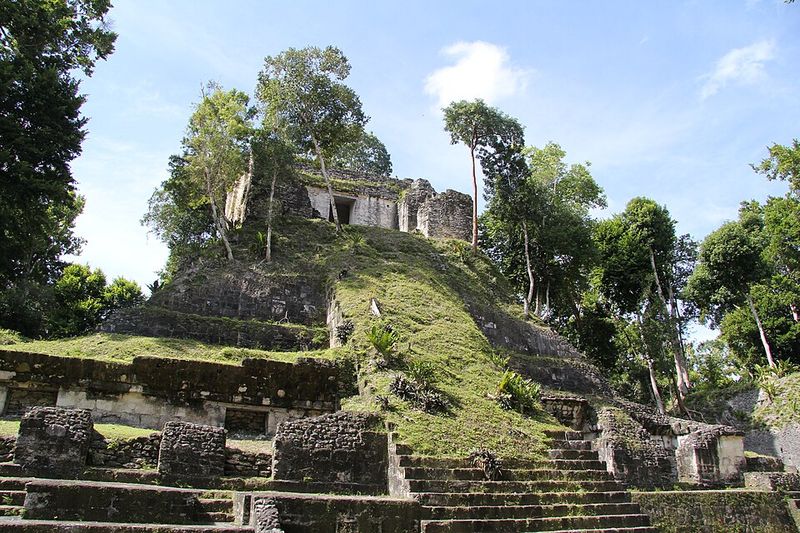
Fewer tourists mean you can actually hear howler monkeys and parrots echoing through the jungle at this impressive Mayan site.
Climbing Temple 216 rewards visitors with panoramic views over the surrounding jungle and shimmering Lake Yaxhá below.
Unlike crowded Tikal, you might explore entire plazas and ball courts with only wildlife for company.
Sunset from the top of the tallest pyramid paints the jungle in golden light that makes the climb absolutely worthwhile.
Enter Yaxhá, Petén, Guatemala, around 17°04′N, 89°24′W.
19. Laguna De Apoyo, Nicaragua
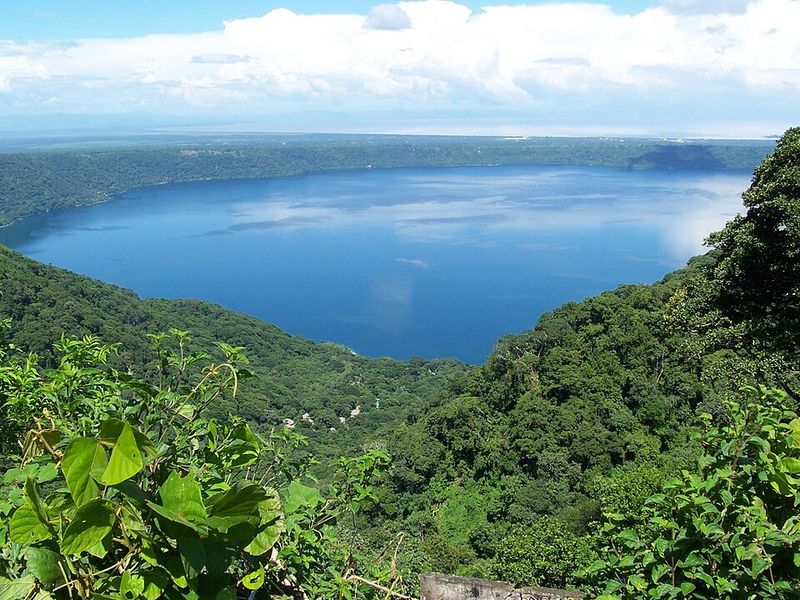
Formed in a volcanic crater thousands of years ago, this perfectly circular lake offers warm, crystal-clear water ideal for swimming year-round.
The crater walls create a protected environment where the water stays calm and inviting, even when winds whip nearby Lake Nicaragua.
Small eco-lodges dot the shoreline, providing peaceful retreats with hammocks swaying over the water.
Kayaking across the lake takes maybe thirty minutes, but most visitors prefer floating lazily instead.
Find Laguna de Apoyo between Masaya and Granada, Nicaragua, around 11°55′N, 86°03′W.
20. El Valle De Antón, Panama
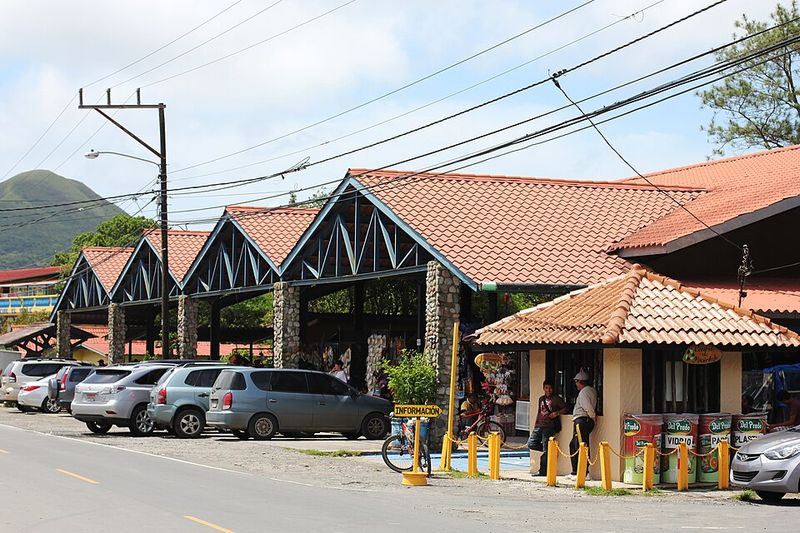
Living inside a volcanic crater might sound risky, but this town has thrived in its unique setting for generations.
The crater creates a microclimate perfect for growing orchids and hosting rare golden frogs found nowhere else on Earth.
Hot springs, waterfalls, and hiking trails provide outdoor adventures, while weekend markets overflow with fresh produce and handicrafts.
Cooler temperatures make this a favorite escape for Panama City residents seeking mountain air and natural beauty.
Use El Valle de Antón in Coclé Province, Panama, near 8°36′44″N, 80°07′28″W.