20 Underrated ’70s Rock Songs That Should Be Legends By Now
Rock music in the 1970s was like a treasure chest overflowing with gems, but not every brilliant track made it to legendary status.
Some incredible songs got buried under the weight of bigger hits, left to collect dust in the corners of music history.
These hidden masterpieces deserve their moment in the spotlight, and today we’re shining a light on twenty rock tracks that should’ve been household names by now.
1. Echoes by Pink Floyd
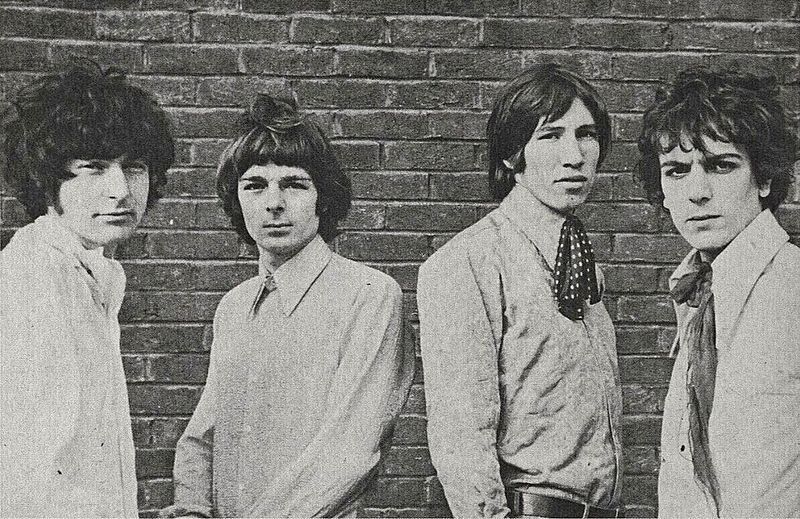
A 23-minute sonic journey that feels like floating through space while simultaneously exploring the deepest corners of your mind.
Pink Floyd crafted this experimental masterpiece for their Meddle album, building layers of sound that morph and evolve like a living creature.
The track opens with haunting pings that sound like sonar in an underwater cave.
Guitar riffs eventually burst through like sunrise after a long night, while the middle section descends into an eerie soundscape that influenced generations of musicians afterward.
2. Doctor My Eyes by Jackson Browne
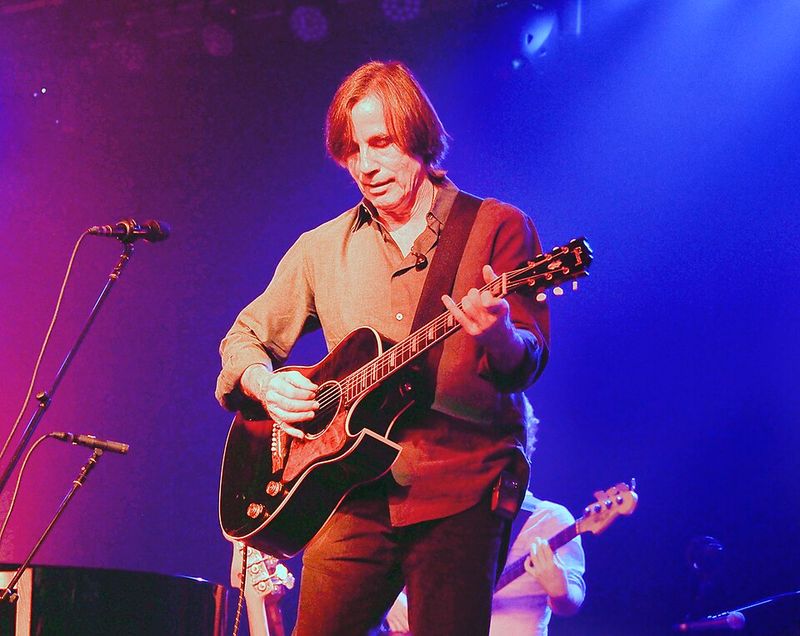
Jackson Browne penned this introspective gem when he was barely old enough to vote, yet it carries the emotional weight of someone who’d seen it all.
The lyrics ask profound questions about seeing too much pain in the world and wondering if your eyes can ever recover.
Backed by a tight rhythm section and Browne’s earnest vocals, the song blends folk sensibilities with rock energy.
It climbed the charts but somehow faded from collective memory despite being one of the most emotionally honest tracks of the decade.
3. Renegade by Styx
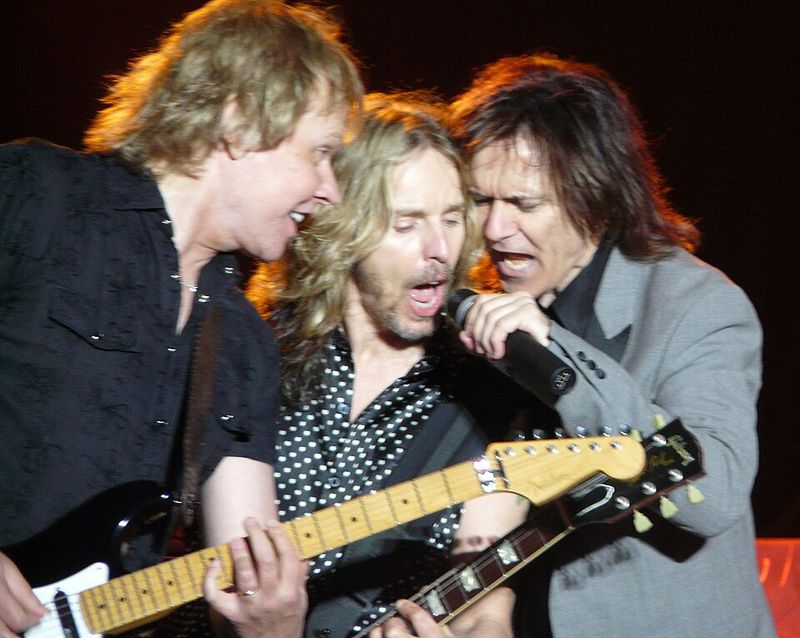
Picture an outlaw on the run, cornered and desperate, with nowhere left to hide.
That’s the story Styx tells through thundering drums and urgent guitar work that builds tension like a movie thriller.
Tommy Shaw’s vocals switch between the criminal and the lawman chasing him, creating a theatrical back-and-forth that makes you feel like you’re watching a Western unfold.
Though it became a staple at their concerts, this arena rock anthem never quite achieved the legendary status it deserved outside their fanbase.
4. Cindy Incidentally by The Faces
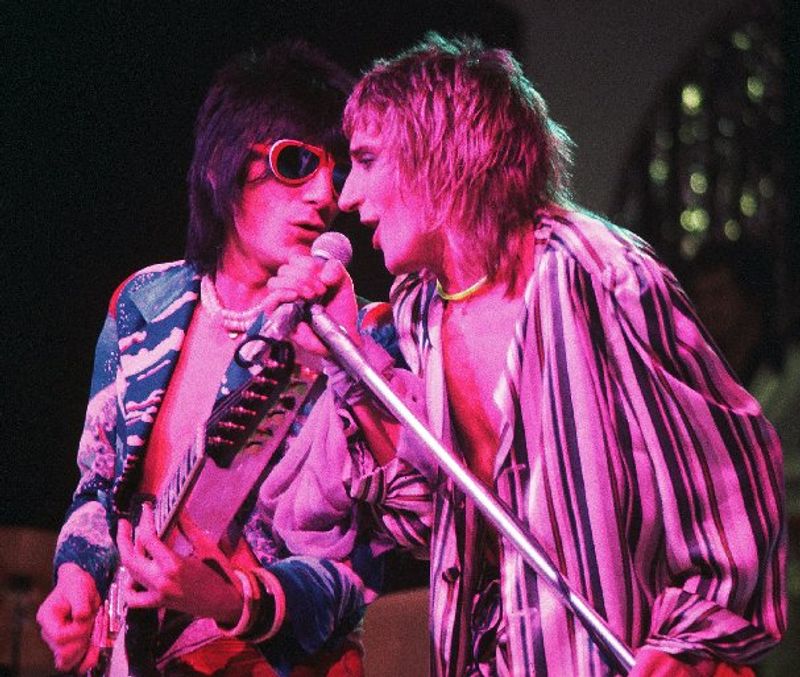
Rod Stewart and The Faces delivered pure joy wrapped in blues rock riffs and pub rock charm with this infectious track.
The song bounces along with a carefree attitude, telling the story of a woman who breezes through life without a worry in sight.
Ronnie Wood’s guitar work dances around Stewart’s raspy vocals like two old friends finishing each other’s sentences.
It’s the kind of tune that makes you want to grab a friend and sing along at the top of your lungs, yet somehow it slipped through the cracks of rock history.
5. Into the Darkness by Rush
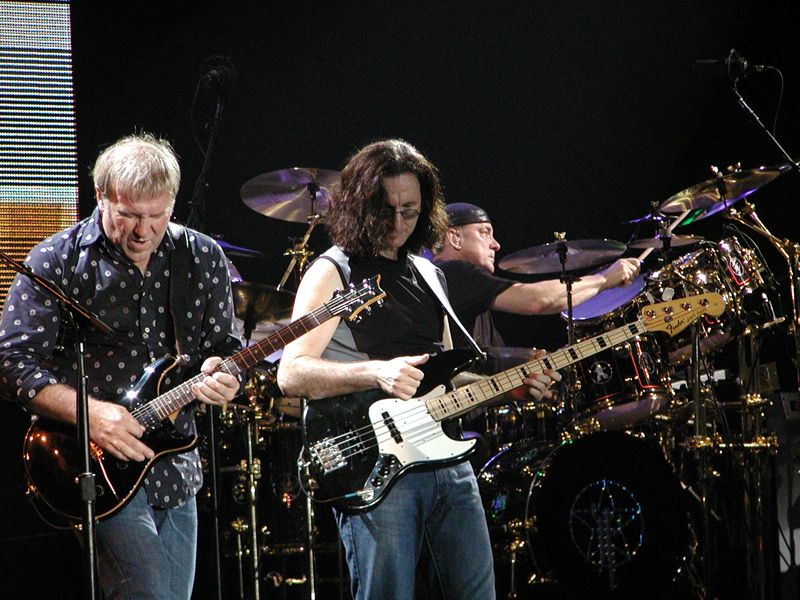
Neil Peart’s lyrics paint a chilling picture of stepping into unknown territories where fear and curiosity collide.
This haunting track from Caress of Steel showcases Rush’s willingness to experiment with darker themes and atmospheric soundscapes.
Geddy Lee’s bass rumbles like distant thunder while Alex Lifeson’s guitar creates an eerie backdrop that sends shivers down your spine.
The song builds slowly, pulling listeners deeper into its shadowy world with each passing measure, proving Rush was more than just technical wizardry and sci-fi concepts.
6. Cortez the Killer by Neil Young
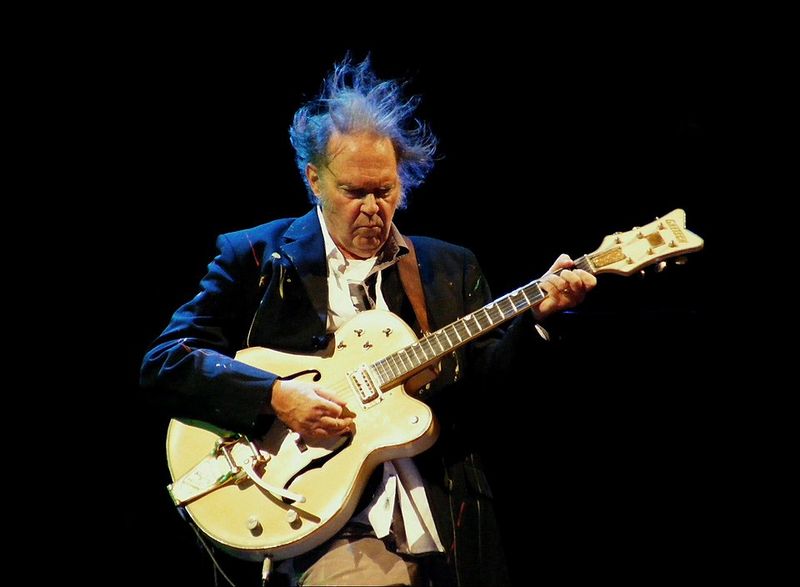
Neil Young transforms history into a guitar-driven epic that stretches past ten minutes of pure emotion.
His extended guitar solos weep and wail, telling stories that words alone could never capture.
The lyrics reimagine the Spanish conquest through a lens of loss and tragedy, though Young takes poetic liberties with historical accuracy.
What matters most is the feeling, the way each note seems to carry the weight of civilizations lost to time, making this one of Young’s most powerful yet underappreciated works from his golden era.
7. Thick as a Brick by Jethro Tull
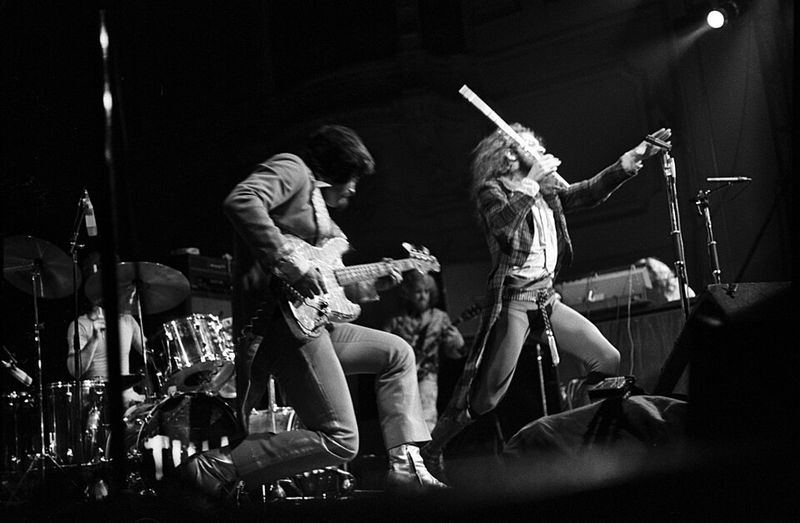
Ian Anderson created an entire album as one continuous 43-minute song, then presented it as a musical adaptation of a poem by a fictional eight-year-old genius.
The track shifts through multiple movements, tempos, and moods like a classical symphony wearing bell-bottoms and platform shoes.
Anderson’s flute dances between hard rock riffs and folk passages while his lyrics satirize pretentious art criticism.
It’s prog rock at its most ambitious and playful, yet many casual listeners never discovered this masterpiece beyond knowing Jethro Tull as “that flute band.”
8. Can’t Find My Way Home by Blind Faith
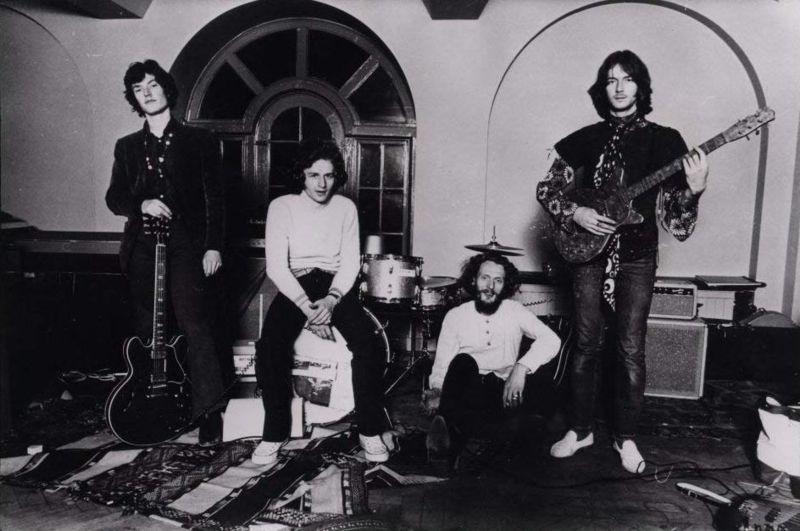
Steve Winwood’s voice soars over acoustic guitars like a lost soul searching for redemption in this tender ballad.
Though technically released in 1969, the song’s influence echoed throughout the early ’70s as a blueprint for introspective rock.
Eric Clapton’s delicate guitar work supports rather than dominates, showing restraint that makes every note count.
The supergroup only lasted one album, but this track proved that sometimes the quietest moments create the loudest emotional impact, deserving far more recognition than it received.
9. No Quarter by Led Zeppelin

John Paul Jones’s haunting keyboard work opens this track like fog rolling across a battlefield where no mercy will be given.
The song unfolds slowly, building an atmosphere thick with mystery and menace that feels almost medieval in its imagery.
Robert Plant’s vocals echo through the mix like a ghost warning travelers of dangers ahead.
While Zeppelin’s harder-hitting tracks grabbed most of the glory, this moody masterpiece from Houses of the Holy showcased their ability to create tension and drama without relying solely on volume and speed.
10. Sister Morphine by The Rolling Stones
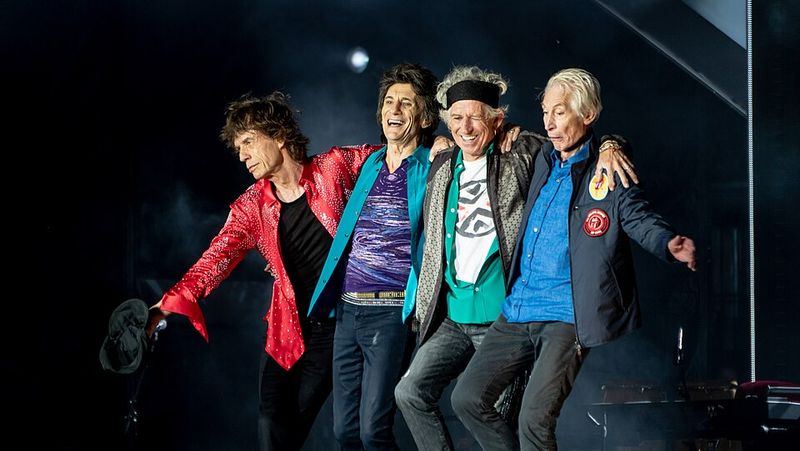
Marianne Faithfull co-wrote this harrowing tale of pain and desperation that the Stones included on Sticky Fingers.
The sparse arrangement lets every word hit with maximum impact, painting a picture of someone begging for relief from unbearable suffering.
Mick Jagger’s vocals convey genuine anguish while the guitar work remains minimal yet perfectly placed.
It’s darker and more unsettling than most radio-friendly Stones tracks, which probably explains why it never became a household name despite being one of their most powerful recordings from the era.
11. Reelin’ in the Years by Steely Dan
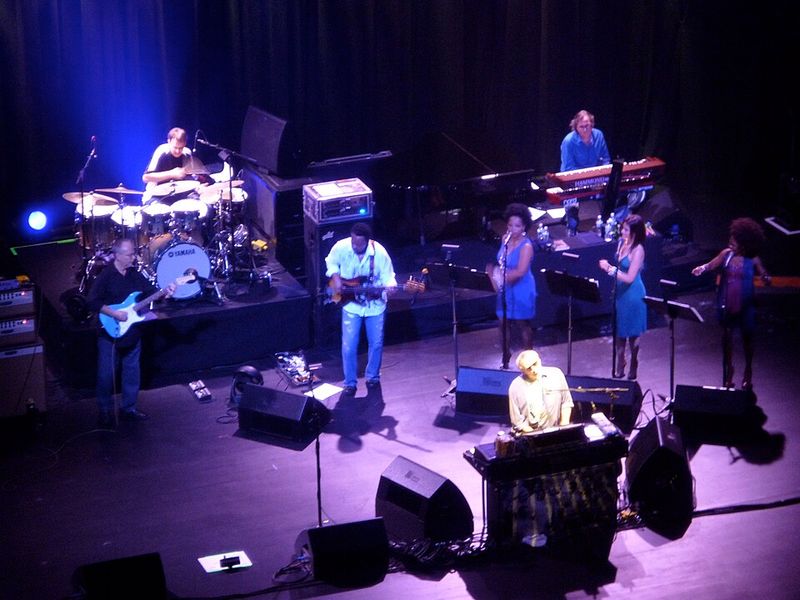
Steely Dan packed more musical sophistication into three and a half minutes than most bands managed in entire albums.
The guitar solo by Elliott Randall has been called one of the greatest ever recorded, weaving through complex chord changes with effortless cool.
Donald Fagen’s lyrics address someone who wasted their youth, delivered with that signature Steely Dan blend of jazz, rock, and sardonic wit.
Though it charted well initially, younger generations often overlook this masterclass in songwriting and musicianship that influenced countless artists who followed.
12. Frankenstein by The Edgar Winter Group

Edgar Winter created a monster of an instrumental that stitches together different musical parts like Dr. Frankenstein assembling his creature.
The track shifts from funky grooves to hard rock riffs, with Winter switching between keyboards, saxophone, and even an early keytar.
It’s seven minutes of pure musical energy that never loses momentum, building and releasing tension like a rollercoaster designed by a mad scientist.
Despite winning a Grammy and topping charts, this innovative instrumental somehow gets forgotten when people list the decade’s greatest rock achievements.
13. The Rain Song by Led Zeppelin
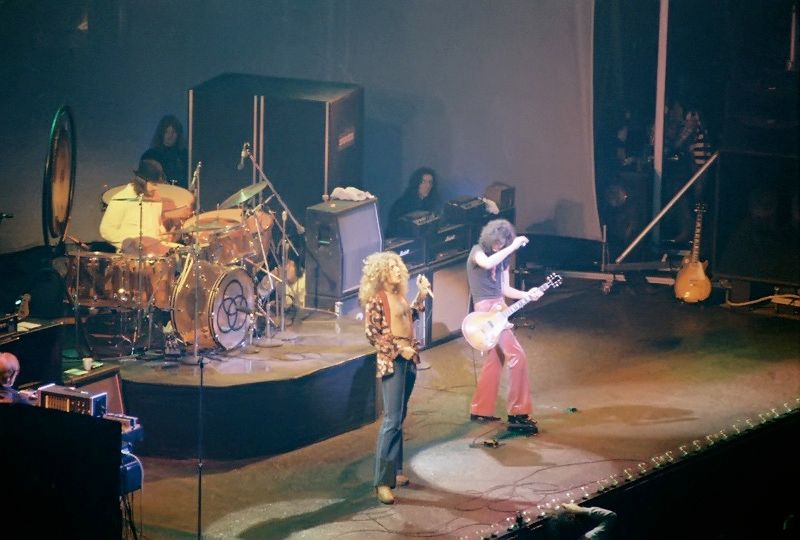
Jimmy Page’s intricate guitar tuning creates a lush soundscape that shimmers like raindrops catching sunlight.
The song flows gently, building emotion through dynamics rather than volume, with John Paul Jones’s Mellotron adding orchestral depth.
Robert Plant’s lyrics celebrate love and nature with poetic imagery that matches the music’s beauty.
While “Stairway to Heaven” grabbed all the attention, this equally gorgeous ballad from the same era demonstrates Zeppelin’s range and sensitivity, deserving recognition as one of rock’s most beautiful compositions that somehow slipped into the shadows.
14. Roundabout by Yes
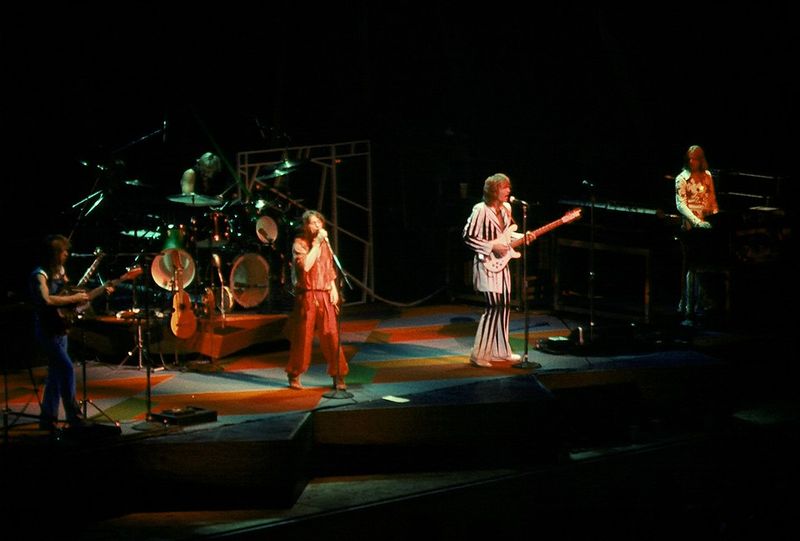
Chris Squire’s bass line announces this track with authority, immediately establishing Yes as masters of progressive rock complexity.
The song winds through multiple sections and time signatures like a musical journey through the English countryside that inspired its lyrics.
Steve Howe’s guitar work dances around Rick Wakeman’s keyboard flourishes while Jon Anderson’s distinctive voice ties everything together.
Though it became a meme decades later thanks to internet culture, the song’s actual brilliance as a composition often gets lost, making it both famous and underappreciated simultaneously in the strangest way possible.
15. Green-Tinted Sixties Mind by Mr. Big
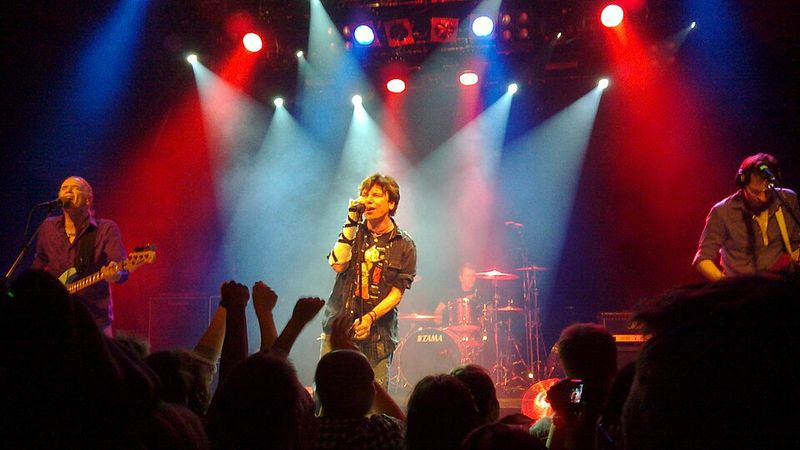
Wait, just kidding—that’s actually from 1991!
Let’s talk instead about “Saturday Night’s Alright for Fighting” by Elton John from 1973, a raucous rocker that showed the piano man could throw down with the best of them.
The track explodes with raw energy, featuring some of Elton’s grittiest vocals and most aggressive piano work.
Davey Johnstone’s guitar riffs punch through the mix like fists in a bar brawl, while the lyrics celebrate working-class weekend rebellion with gleeful abandon that proved Elton was far more than just ballads and costumes.
16. Europa by Santana
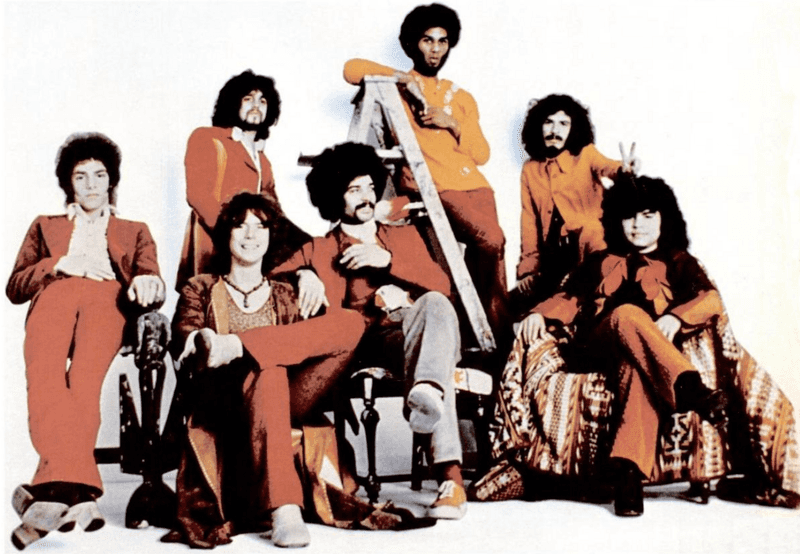
Carlos Santana’s guitar literally sings on this instrumental ballad, conveying more emotion without words than most songs manage with entire verses.
Each note feels carefully placed yet spontaneous, like a conversation between the guitarist and your soul.
The melody weaves Latin influences with rock sensibility, creating something both exotic and universally touching.
Though Santana had bigger hits, this tender piece showcases his ability to make six strings express the full range of human feeling, deserving recognition alongside the greatest instrumental rock performances ever recorded.
17. I’m Not in Love by 10cc
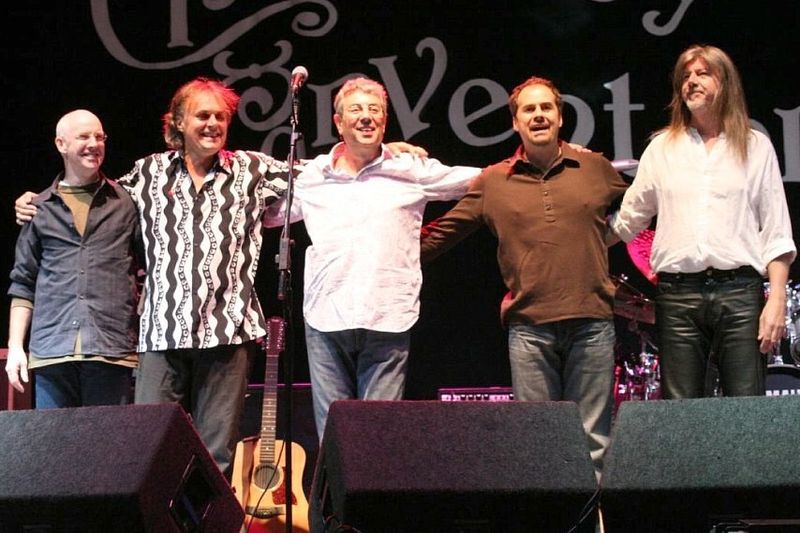
Layers upon layers of vocal harmonies create an otherworldly atmosphere, like floating in clouds made of pure sound.
The band recorded their voices on tape loops, building a choir of themselves that swells and recedes throughout the track.
The lyrics tell the story of someone in deep denial about their feelings, insisting they’re not in love while clearly being head over heels.
This production masterpiece influenced countless artists, yet somehow gets overlooked when people discuss the decade’s most innovative recordings, despite being absolutely groundbreaking in its approach.
18. Miracles by Jefferson Starship
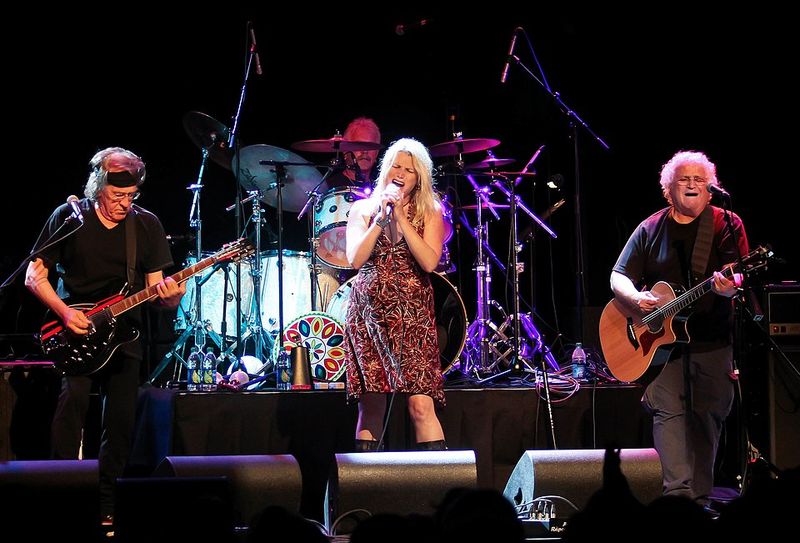
Marty Balin crafted this love song with such sincerity that it stands apart from the cynicism often found in ’70s rock.
Grace Slick’s harmonies add depth without overshadowing the song’s gentle message about finding someone who makes life magical.
Though it charted respectably, this beautiful ballad deserves recognition as one of the era’s most genuinely romantic rock songs, proving that vulnerability and softness could be just as powerful as volume and attitude.
19. Shine On You Crazy Diamond by Pink Floyd
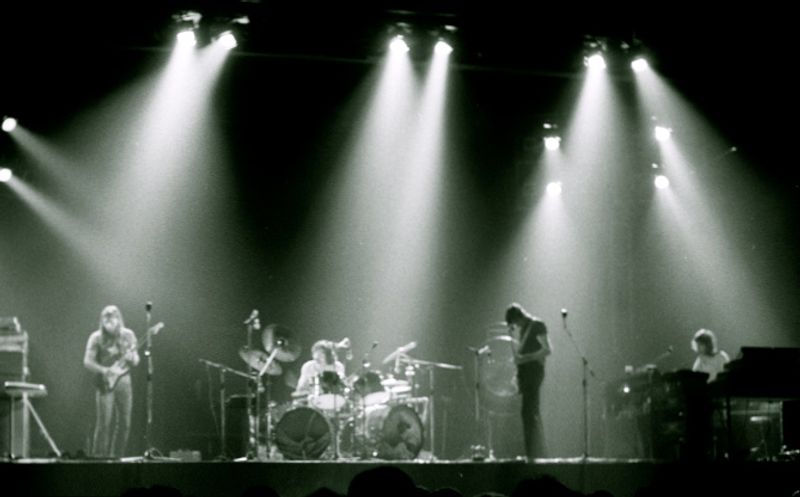
Pink Floyd’s tribute to former bandmate Syd Barrett stretches across nine movements and over 25 minutes of pure emotion.
The opening notes shimmer like distant stars, building slowly into one of David Gilmour’s most soulful guitar solos ever recorded.
Rick Wright’s keyboard work adds layers of atmosphere that feel both cosmic and deeply personal.
Though fans know it well, this masterpiece from Wish You Were Here remains underappreciated by casual listeners who never ventured beyond “Another Brick in the Wall,” missing out on Floyd’s most heartfelt musical statement.
20. Fool to Cry by The Rolling Stones
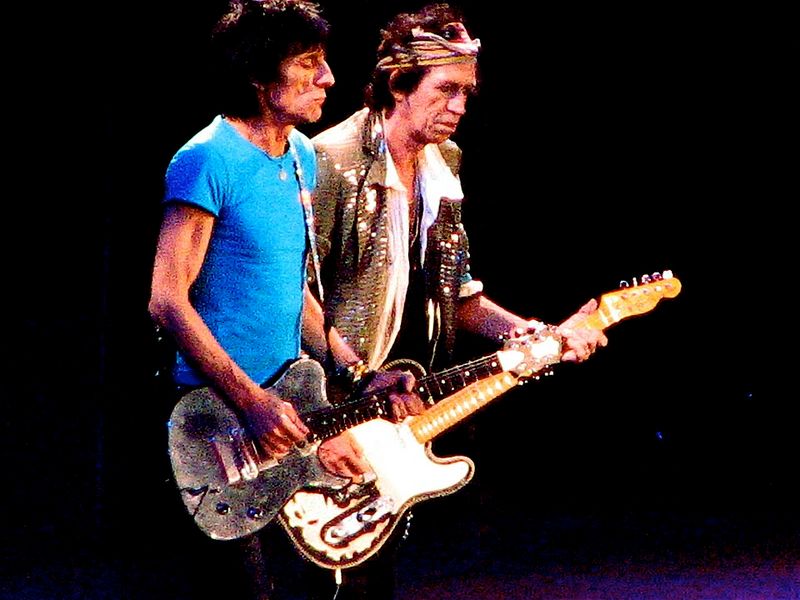
Mick Jagger shows his tender side on this soulful ballad that reveals vulnerability beneath the Stones’ usual swagger.
Jagger’s vocals convey genuine emotion as he sings about maintaining strength for loved ones even when falling apart inside.
While the Stones are celebrated for their harder-edged classics, this sensitive gem from Black and Blue proves they could touch hearts just as effectively as they rocked stadiums, deserving far more recognition.