10 Underrated Bands That Quietly Shaped Modern Music
Music history loves its superstars, but what about the bands that worked behind the scenes like musical ninjas?
Some groups never topped the charts, yet their fingerprints are all over your favorite songs today.
From punk pioneers to dreamy soundscapers, these underrated heroes changed everything without most people even noticing.
Disclaimer:
This article highlights historically recognized influences within modern music based on widely available interviews, recorded releases, and critical analyses.
Interpretations of each band’s impact reflect general music-history consensus but may vary among listeners and scholars.
10. Big Star

Memphis gave birth to something special in 1971 when this group started making shimmering guitar magic.
Their debut album blended crisp melodies with heartache so perfectly that later bands like R.E.M. basically took notes.
Critics adored them, but radio stations mostly ignored their brilliance.
However, their influence spread like wildfire through the underground scene.
Power pop wouldn’t exist without their bittersweet songwriting blueprint.
If alternative rock had founding fathers, they’d definitely be sitting at that table!
9. Can
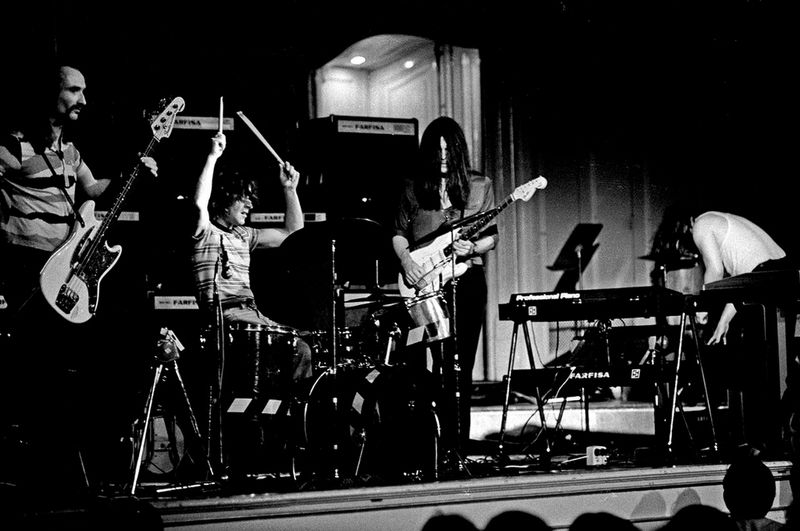
Germany’s wildest musical experiment came from a group that treated rock like a science lab.
Their hypnotic rhythms and spacey soundscapes made listeners feel like astronauts floating through sound.
Krautrock pioneers, they improvised for hours, creating grooves that never seemed to end.
Radiohead and Kanye West both sampled their genius decades later.
Though most people couldn’t pronounce their songs’ titles, musicians everywhere studied their fearless approach.
Ambient music owes them a massive thank-you card!
8. Neu!

Two German musicians invented a drumbeat so infectious it got its own name: motorik.
This driving, hypnotic rhythm sounded like a highway stretching into infinity.
Minimalist yet powerful, their music felt like cruising at top speed with the windows down.
David Bowie heard them and immediately borrowed ideas for his Berlin albums.
Post-punk bands copied their stripped-down approach religiously.
Without their innovation, modern electronic music would sound completely different today.
7. Gang Of Four
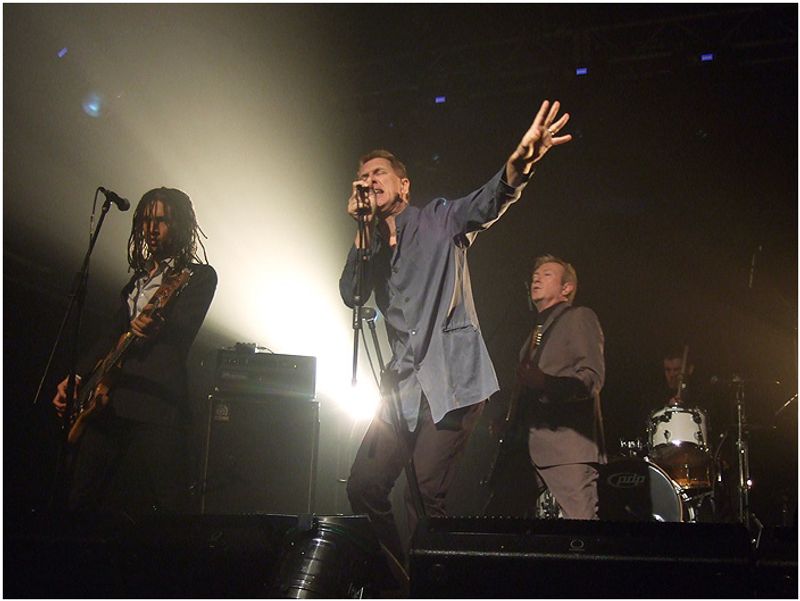
England’s sharpest political rockers made guitars sound like arguments and drums like protests.
Their jagged, funky rhythms attacked complacency while making you dance simultaneously.
Post-punk was practically invented in their rehearsal space.
Bands like Franz Ferdinand and Bloc Party worship their angular guitar work.
Though they sang about capitalism and inequality, their grooves were absolutely addictive.
If punk rock went to college and studied philosophy, it’d sound exactly like this!
6. Wire
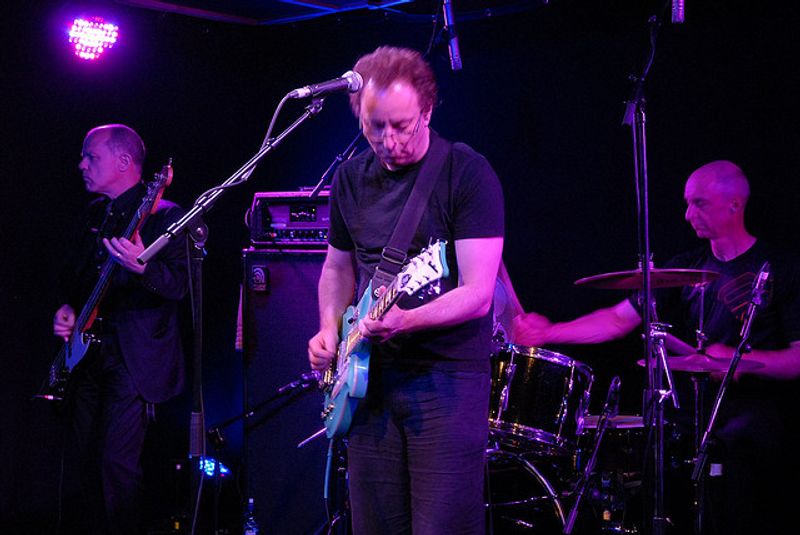
Imagine punk rock stripped down to its skeleton, then reassembled with art school precision.
This English group made songs so short and sharp they felt like sonic haikus.
Their debut album influenced everyone from Blur to Minor Threat without breaking a sweat.
Art-punk became a real genre because they refused to follow anyone’s rules.
Each song was a mini-revolution, clocking in under three minutes.
Modern indie rock basically photocopied their homework and hoped nobody would notice!
5. Fugazi
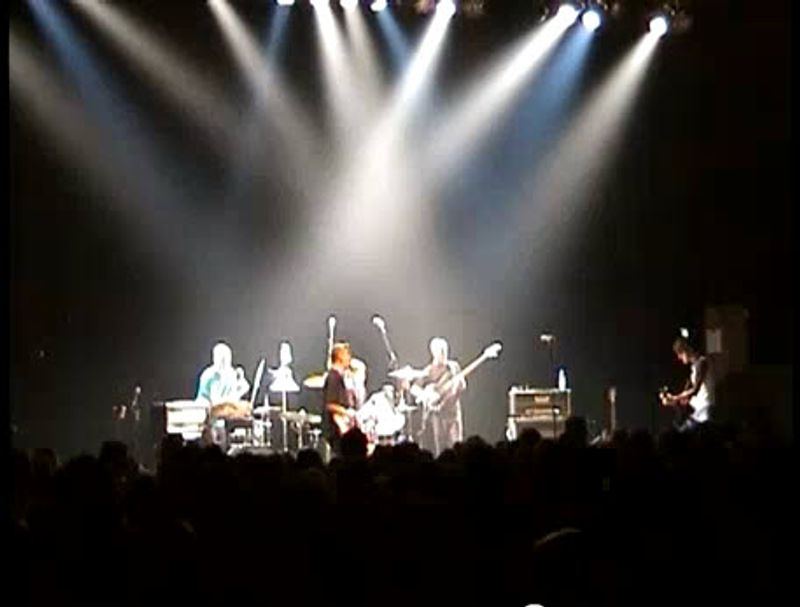
Washington DC’s most principled rockers proved hardcore could stay true to its values without selling out.
Five-dollar shows, independent releases, and a fiercely DIY mindset still managed to reshape punk forever.
An intense, angular sound fused fury with intelligence in ways nobody anticipated.
Emo and post-hardcore owe their existence to the emotional honesty this group mapped out.
Major labels begged for a signature, yet every offer received a polite decline.
And when integrity needs a soundtrack, thunderous guitars like theirs fit the bill perfectly.
4. The Replacements
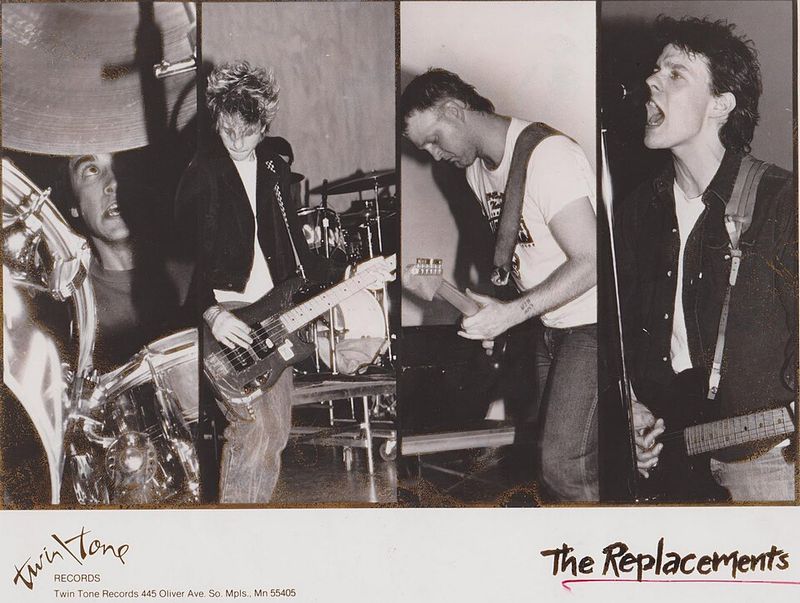
Minneapolis birthed a beautiful mess when this group stumbled onto the scene.
Their songs swung wildly between sloppy punk anthems and tender acoustic confessions.
College rock needed heroes who weren’t afraid to look foolish, and boy, did they deliver!
Grunge bands later copied their loud-quiet-loud dynamics religiously.
They wrote about heartbreak and humor with equal passion.
Alternative rock’s emotional honesty started right here, in their gloriously imperfect recordings.
3. Slint
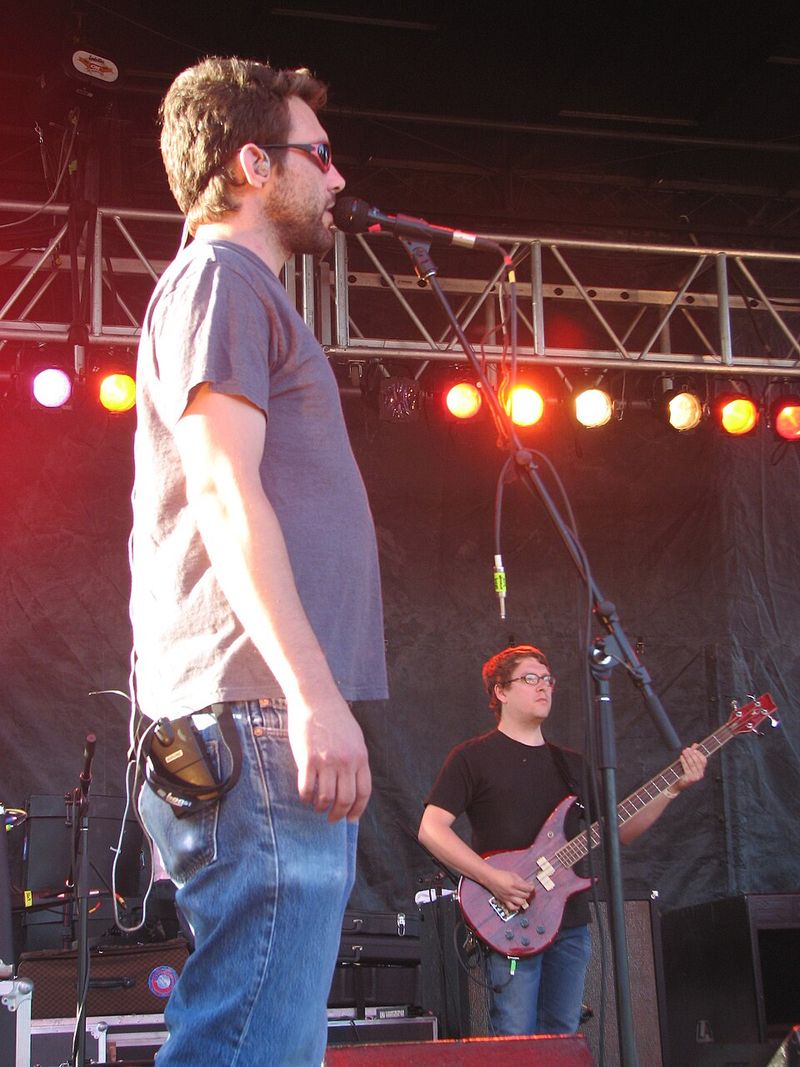
Kentucky’s quietest revolutionaries crafted an album that whispered instead of screamed.
A 1991 masterpiece ended up shaping post-rock by lowering the volume while raising the tension.
Songs unfolded slowly, like storm clouds gathering before unleashing sonic thunder.
Mogwai and Explosions in the Sky later treated that approach as a blueprint worth studying obsessively.
Math rock’s love of complex time signatures draws heavily from the group’s intricate arrangements.
Minimal touring didn’t stop the influence, which spread like underground roots beneath modern indie.
2. Cocteau Twins
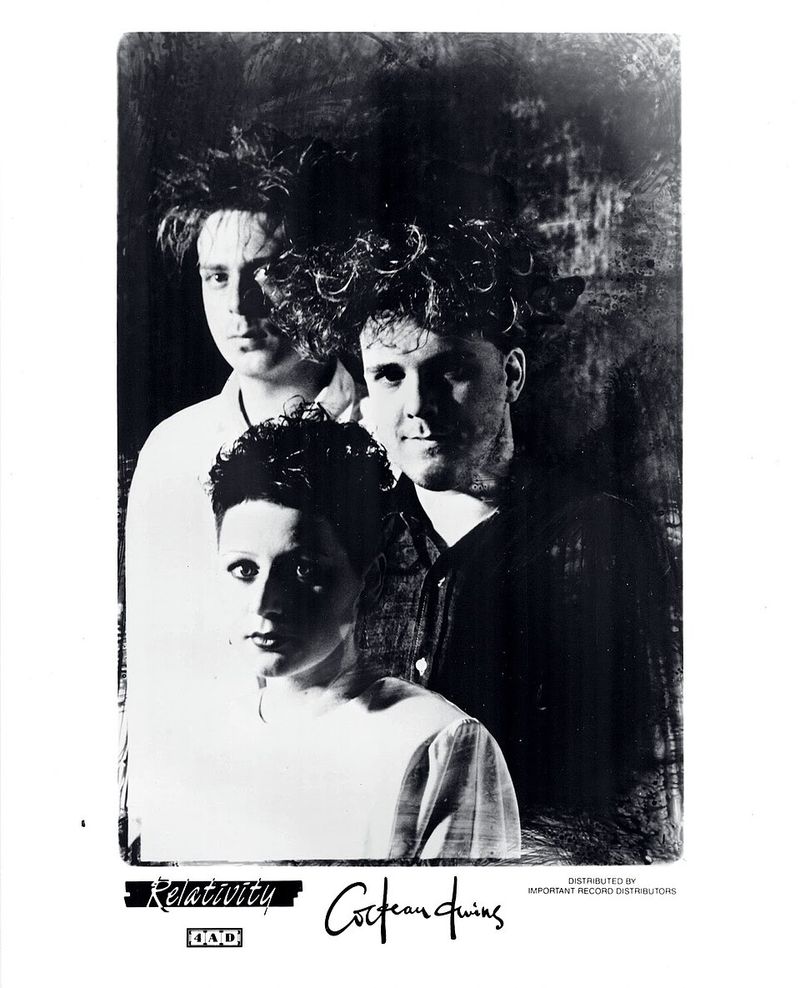
Scotland’s dreamiest export made guitars sound like clouds and vocals like angelic riddles.
Their singer created words that weren’t quite English but felt universally emotional.
Shoegaze and dream pop were practically invented in their shimmering, reverb-soaked studio.
Beach House and M83 worship at the altar of their atmospheric sound.
Every song felt like floating through a beautiful, incomprehensible dream.
Modern indie’s obsession with texture and mood started right here, in their heavenly noise!
1. Television
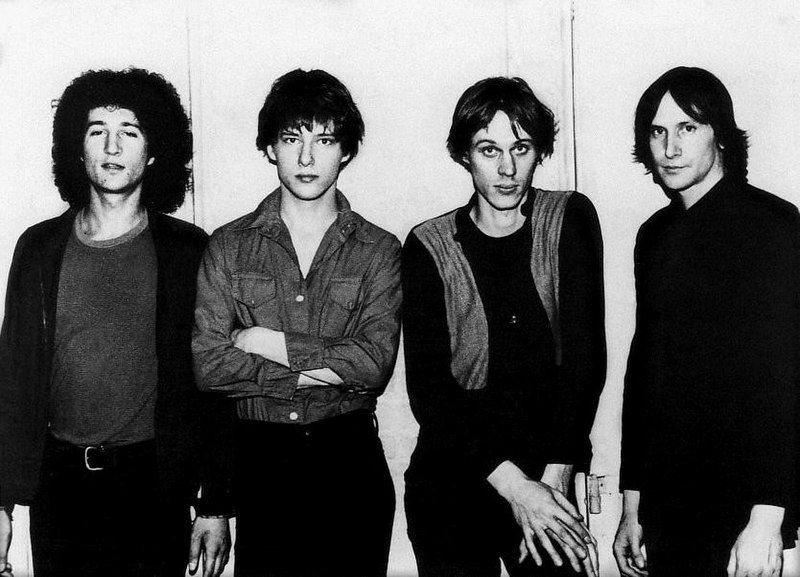
New York’s CBGB club witnessed something magical the moment these guitar wizards stepped onstage.
A 1977 album emerged with interlocking guitar lines that moved around each other like expert fencers.
Punk collided with poetry in their hands, resulting in art-rock that genuinely rocked hard.
The Strokes and countless indie bands later borrowed heavily from that jangly, sophisticated approach.
Originating in punk’s birthplace didn’t stop the sound from leaning far too elegant for simple three-chord blasts.
Modern guitar music carries a debt to this group that’s bigger than most listeners ever realize.