20 Unexpected Ingredients That Take Cooking To The Next Level
Every kitchen holds secrets waiting to be discovered. Beyond the usual salt, pepper, and garlic powder lies a world of flavor-packed ingredients most home cooks rarely try.
Adding just one new spice, paste, or seasoning can transform a simple chicken dinner into something that tastes like it came straight out of a restaurant. Professional chefs have known about unusual ingredients for years, but anyone can now use them to make weeknight meals extraordinary.
No fancy training or expensive tools are required; sometimes a single tiny jar of something unexpected is enough to completely change how a family experiences dinner. Bold flavors can elevate soups, sauces, roasts, and even desserts, making every bite more exciting.
Ready to awaken your taste buds and impress everyone at the table? Explore twenty game-changing ingredients that bring creativity, depth, and unforgettable flavor to everyday cooking.
1. Sumac
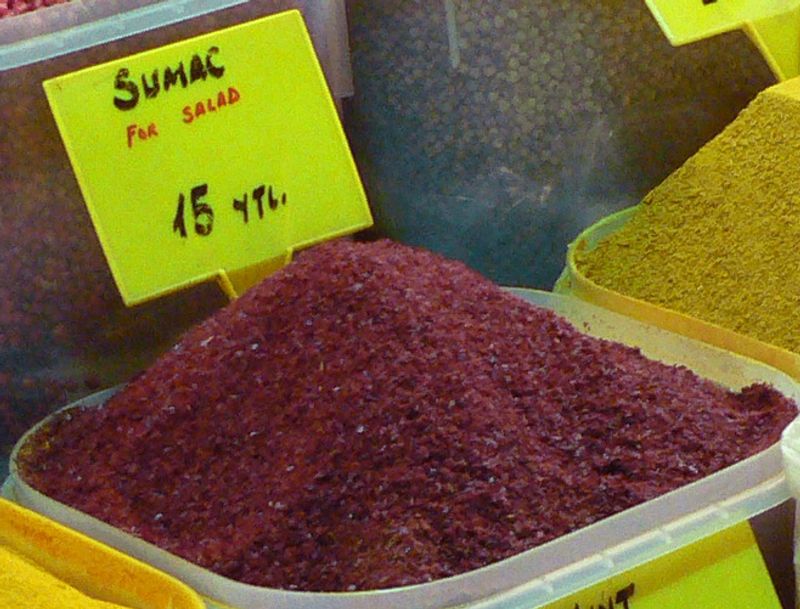
Bright red and tangy, sumac brings lemony freshness without any actual lemon juice. Middle Eastern cooks have sprinkled it on everything for centuries, and once you try it, you’ll understand why.
The flavor hits your tongue like sunshine, waking up grilled chicken, roasted vegetables, and even plain rice.
How does it work so well? The natural tartness cuts through rich, fatty foods and balances heavy flavors beautifully.
Sprinkle it over hummus, mix it into yogurt dips, or dust it on popcorn for a snack nobody will forget.
Finding sumac is easier now since most grocery stores stock it in the spice aisle. Just a pinch transforms boring into brilliant every single time.
2. Gochujang
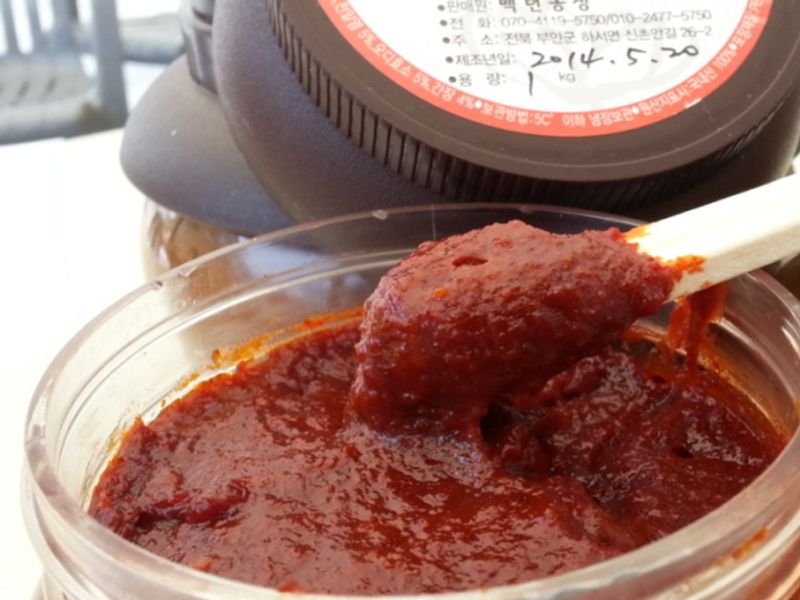
Korean cuisine gave us one of the most versatile pastes ever created. Gochujang blends spicy, sweet, and savory notes into one thick, red powerhouse that sticks to everything it touches.
Unlike hot sauce, it adds depth instead of just heat, making marinades and stir-fries taste like you ordered takeout.
Why do chefs love it? The fermentation process creates umami bombs that regular chili powder can’t match.
Mix it into burger patties, slather it on wings, or stir it into mac and cheese for a kick nobody expects.
Most Asian markets carry multiple brands, but even regular supermarkets stock at least one variety now. Start small because a little goes far!
3. Za’atar
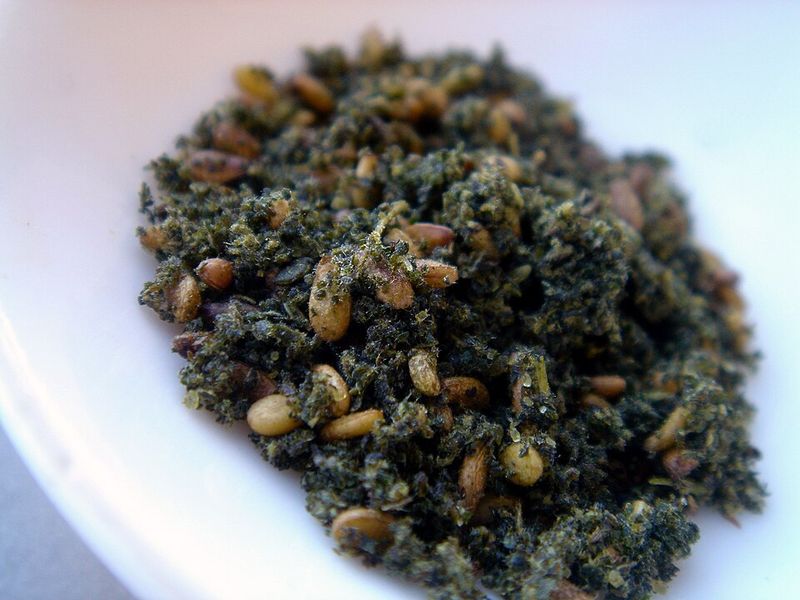
Imagine oregano and thyme had a baby, then invited sesame seeds and sumac to the party. Za’atar is a Middle Eastern blend that smells like a Mediterranean garden and tastes even better.
Bakers brush it on flatbreads, but smart cooks sprinkle it on everything from roasted carrots to scrambled eggs.
However, not all za’atar mixes are identical. Some lean herby, others pack more sumac tang, so experiment until you find your favorite.
The earthy, nutty flavor profile works magic on plain chicken breasts and boring vegetables alike.
Keep a jar near your stove and watch how quickly it disappears. Just saying, you might need backup.
4. Kaffir Lime Leaves
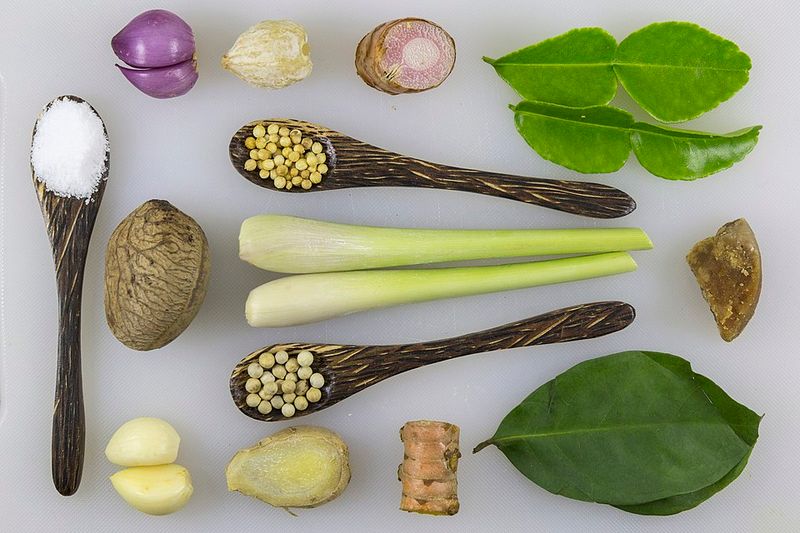
Citrus flavors usually come from juice or zest, but kaffir lime leaves deliver something entirely different. The aroma alone will transport your kitchen straight to Southeast Asia.
Tear a leaf and drop it into soup, curry, or stir-fry for an instant upgrade that regular limes can’t provide.
What makes them special? The oils inside release a floral, citrusy perfume that’s both bright and mysterious.
Unlike lemon juice, which adds sourness, kaffir lime leaves contribute pure fragrance and subtle flavor complexity.
Fresh leaves work best, but frozen ones still pack plenty of punch. Remove them before serving, just like bay leaves, or slice them super thin to eat.
5. Tamarind Paste
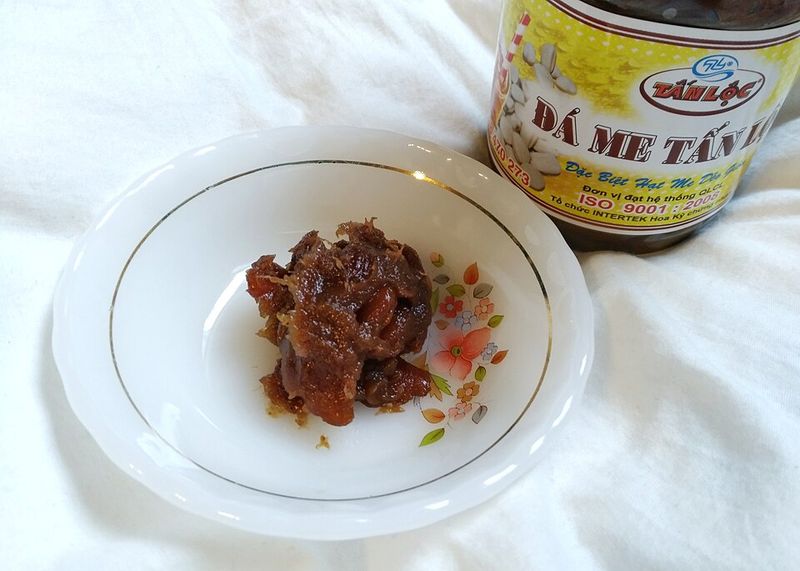
Sweet and sour flavors battle for dominance in every spoonful of tamarind paste. Indian, Thai, and Mexican cuisines all rely on it to create that addictive tang in sauces, drinks, and marinades.
The complex flavor profile beats plain vinegar every time, adding fruity depth alongside the acidity.
If you’ve never cooked with it, start with pad Thai sauce or homemade barbecue glaze. Just a tablespoon transforms ordinary into extraordinary, balancing sugar and heat like a flavor superhero.
The sticky texture helps sauces cling to meat and vegetables beautifully.
Look for jars of prepared paste rather than whole pods to save time and effort. Your taste buds will thank you.
6. Miso Paste
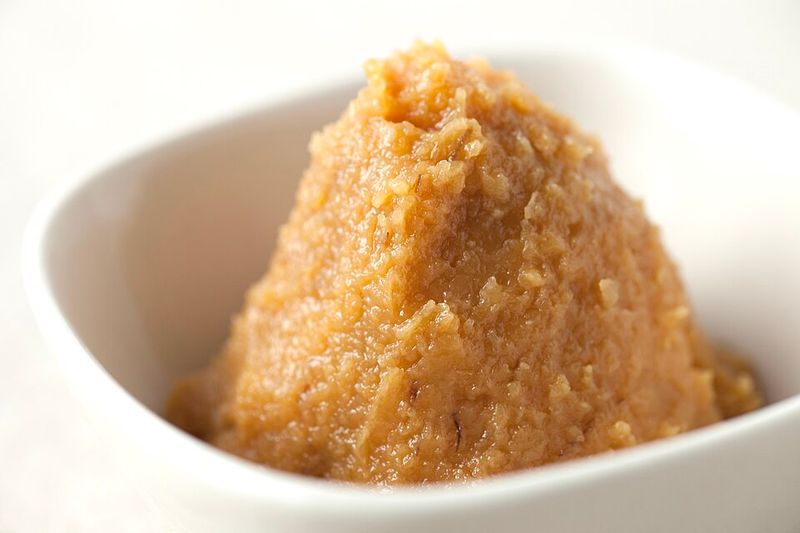
Fermented soybeans might not sound appetizing, but miso paste proves that weird ingredients create incredible flavors. Japanese cooks have relied on it for centuries to add salty, savory depth to soups, dressings, and glazes.
Beyond traditional miso soup, it works wonders stirred into butter, mixed into caramel, or whisked into salad dressings.
Though it comes in several varieties, white miso is mildest and most beginner-friendly. The umami punch it delivers makes vegetables taste meatier and broths taste richer without adding actual meat.
Even vegetarians love how it mimics that savory satisfaction.
One tablespoon in your next pasta sauce will blow minds. Try it and see!
7. Fish Sauce
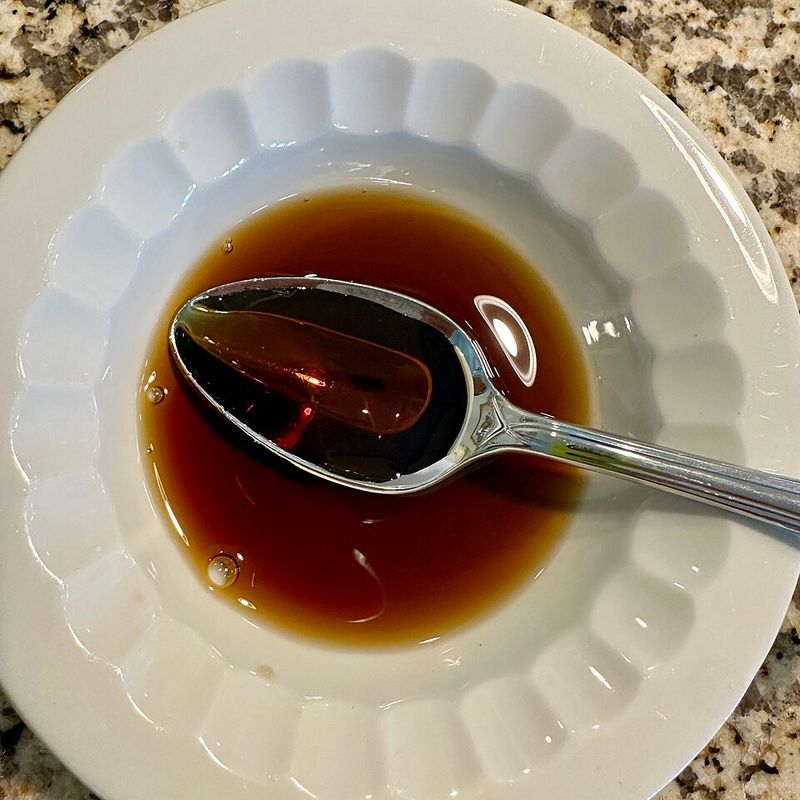
Don’t let the name scare you away from one of cooking’s best-kept secrets. Fish sauce smells intense straight from the bottle, but it disappears into dishes while leaving behind pure savory magic.
Southeast Asian kitchens consider it as essential as salt, and once you start using it, you’ll understand why.
How can fermented fish improve pizza, pasta, or even chocolate chip cookies? The glutamates inside boost every other flavor without making food taste fishy.
A few drops in tomato sauce, chili, or gravy creates restaurant-level depth home cooks rarely achieve.
Start with small amounts and work your way up. The transformation will amaze you every single time.
8. Harissa
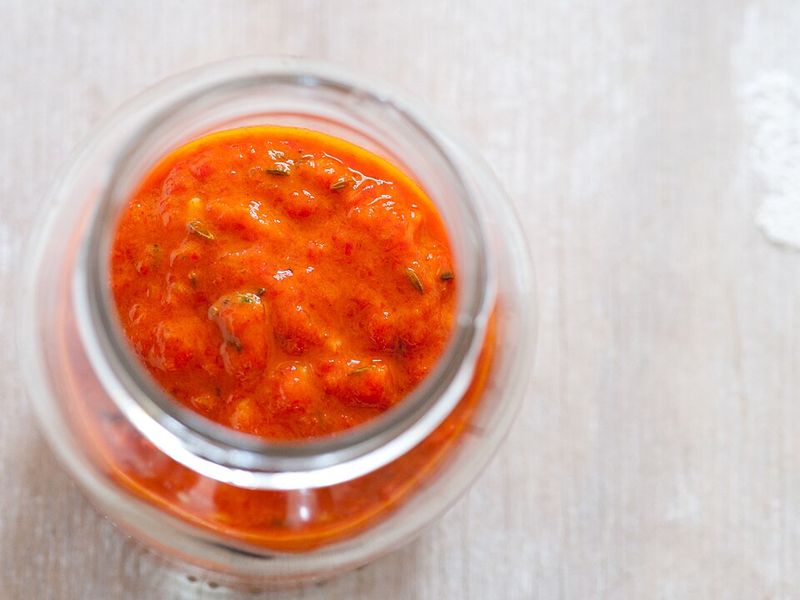
North African cuisine created a chili paste so good it’s spreading across the globe. Harissa combines roasted peppers, garlic, and warm spices into a smoky, spicy condiment that makes everything better.
Unlike plain hot sauce, it brings complexity and depth alongside the heat, turning simple meals into flavor explosions.
Spread it on sandwiches, stir it into yogurt for dipping, or mix it into ground meat before forming burgers. The versatility rivals ketchup, except harissa actually tastes interesting.
Roasted vegetables especially love a harissa coating before hitting the oven.
Tubes and jars both work great, so grab whichever you spot first. Your boring chicken breasts just found their new best friend.
9. Black Garlic
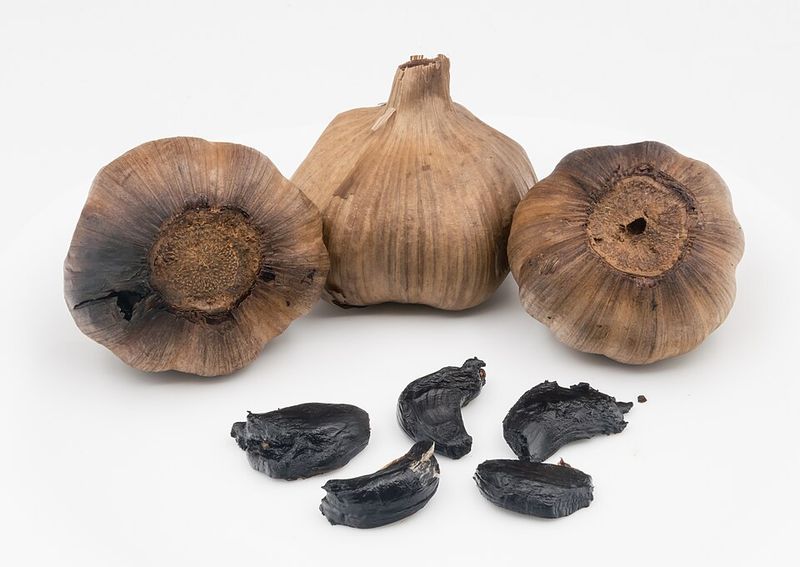
Garlic went through a glow-up and came back as something completely different. Black garlic is aged until it turns dark, sticky, and sweet, losing all the sharp bite that makes some people avoid raw garlic.
The flavor tastes like a mix of molasses, balsamic vinegar, and a hint of umami, creating a complexity regular garlic can’t touch.
Chefs mash it into butter, blend it into aioli, or simply spread it on toast like fancy jam. The sweetness pairs beautifully with steak, roasted vegetables, and even ice cream if you’re feeling adventurous.
No more garlic breath, either!
Finding it might require an Asian market or online order, but it’s worth the hunt.
10. Saffron
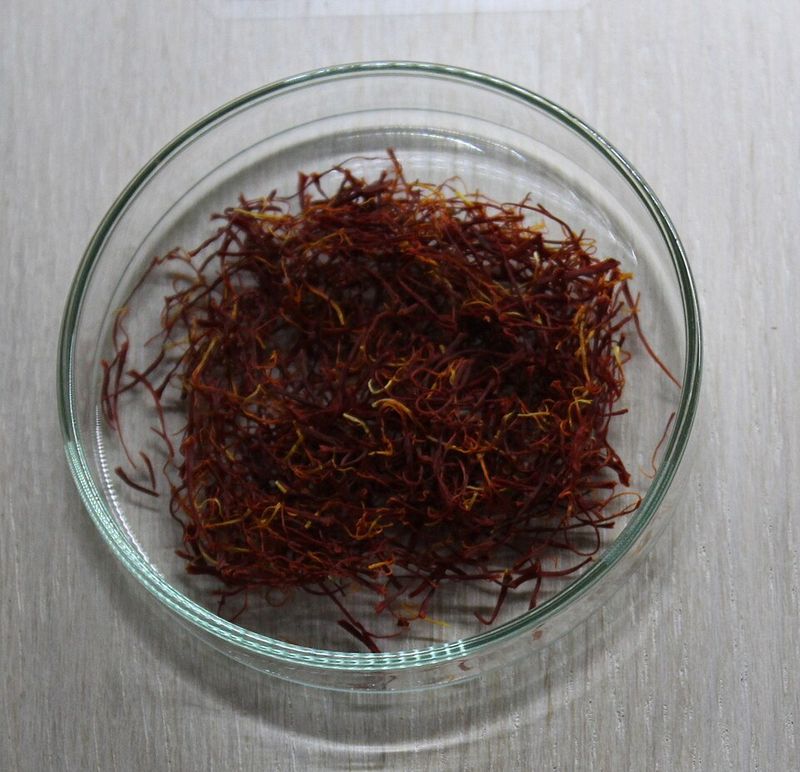
The world’s most expensive spice sounds intimidating, but a tiny pinch goes incredibly far. Saffron threads release a golden color and floral, honey-like flavor that transforms rice, seafood, and desserts into something special.
Spanish paella and Italian risotto both rely on it for that signature look and taste nobody can replicate.
Why does it cost so much? Each thread is hand-picked from crocus flowers, making it precious and rare.
However, just ten threads can flavor an entire pot of rice or batch of cookies, so one small container lasts months.
Steep it in warm liquid first to release maximum flavor and color. Magic happens fast!
11. Preserved Lemons
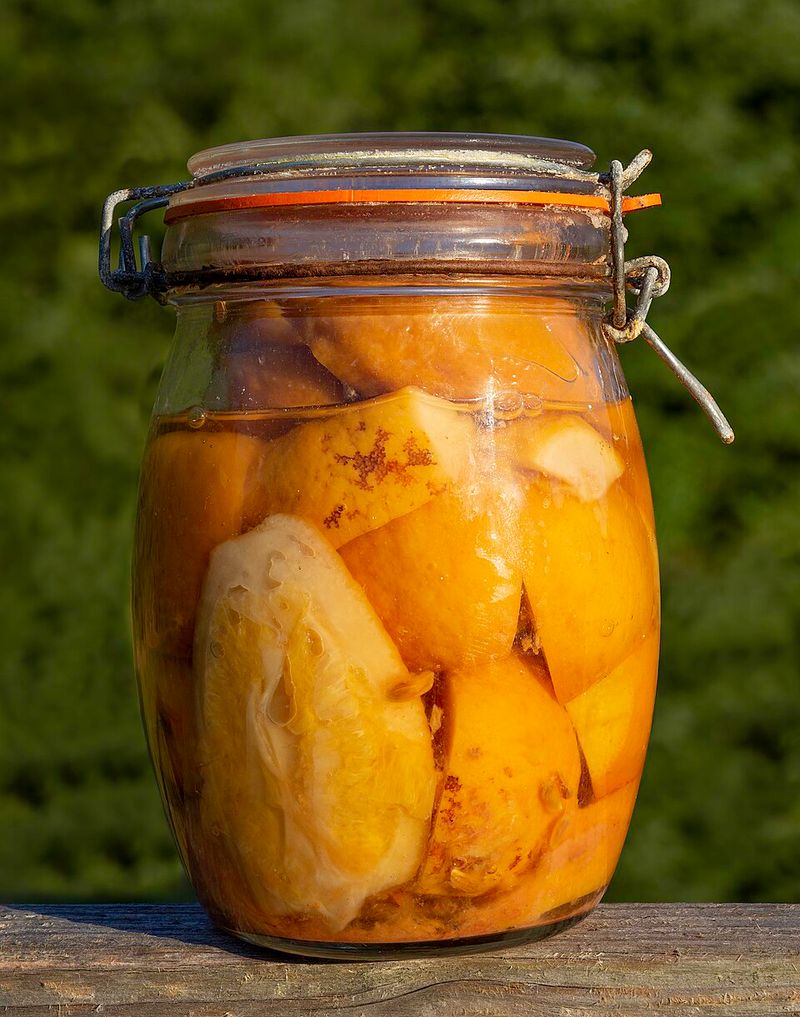
Lemons are great, but preserved lemons are extraordinary. Moroccan cooks salt-cure whole lemons until the rinds turn soft, mellow, and intensely flavorful.
The result tastes salty, tangy, and slightly funky in the best possible way, adding depth to tagines, salads, and roasted chicken.
Unlike fresh lemon juice, which adds brightness, preserved lemons contribute a complex, savory element that’s almost meaty. Rinse off excess salt, chop the rinds fine, and stir them into grain bowls, pasta, or dips.
The pulp is usually discarded since the peel holds all the flavor.
Making your own takes weeks, but jars at specialty stores save time. Either way, your cooking will never be boring again.
12. Smoked Paprika
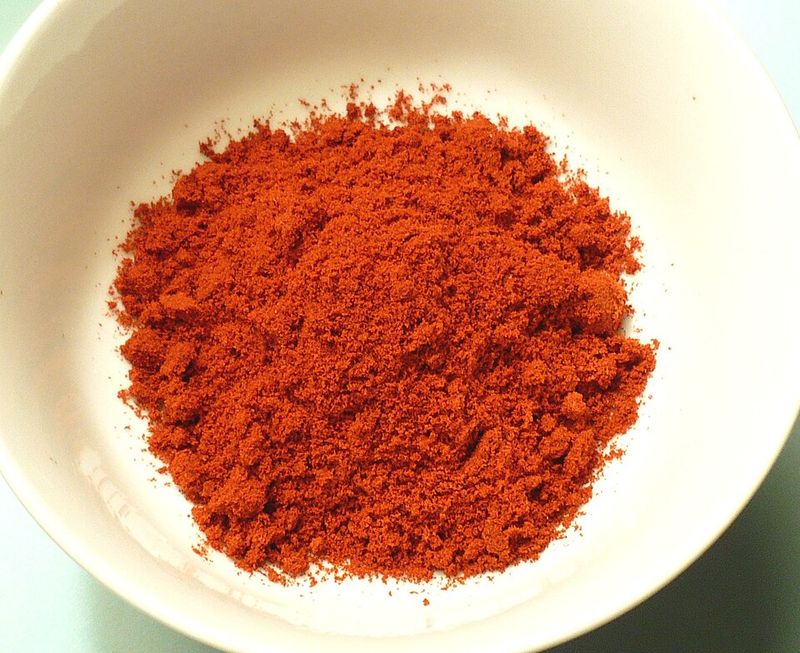
Regular paprika adds color, but smoked paprika adds soul. Spanish cooks dry peppers over oak fires until they develop deep, smoky flavor that regular paprika can’t match.
Just a teaspoon makes scrambled eggs taste like they came from a campfire, and roasted vegetables suddenly develop mysterious depth.
The smokiness works like bacon without any meat, making it perfect for vegetarian dishes that need extra oomph. Sprinkle it on popcorn, stir it into deviled eggs, or rub it on chicken before grilling.
The flavor screams barbecue even when you’re cooking indoors during winter.
Sweet and hot versions both exist, so check labels before buying. Either one will change your cooking game forever.
13. Coconut Aminos
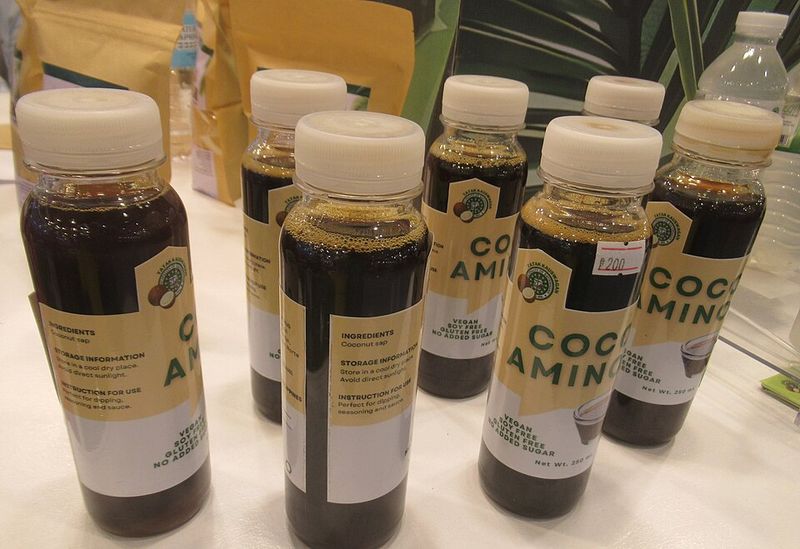
Soy sauce alternatives usually disappoint, but coconut aminos actually delivers. Made from fermented coconut sap, it tastes similar to soy sauce but sweeter and less salty.
People avoiding soy or gluten love it, but even those who can eat regular soy sauce appreciate the unique flavor profile it brings.
Use it anywhere you’d normally reach for soy sauce: stir-fries, marinades, fried rice, or dipping sauces. The slight sweetness means you might need less added sugar in recipes, which is a nice bonus.
The umami factor still shows up strong, satisfying that savory craving perfectly.
Bottles live in the health food section of most stores now. Give it a shot and see what you think!
14. Ras El Hanout
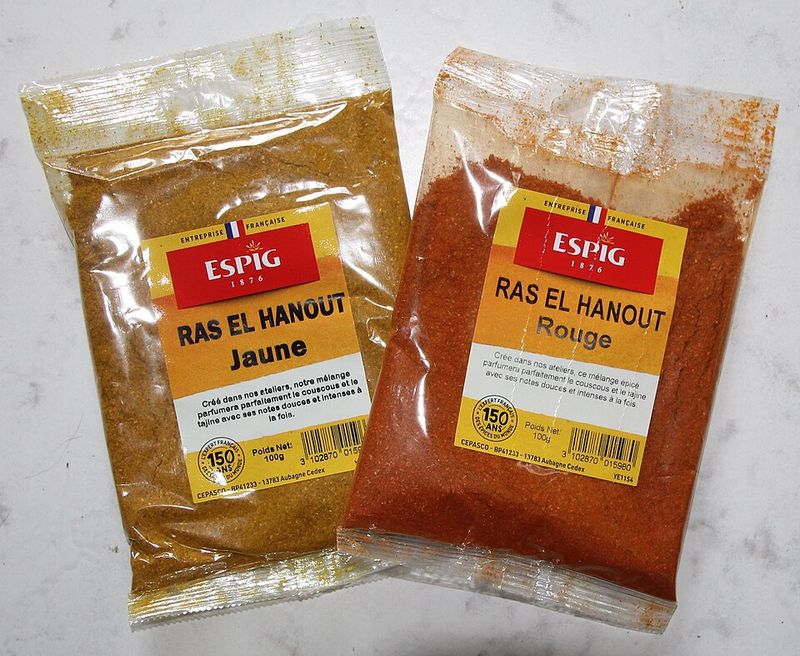
Morocco’s signature spice blend packs more than a dozen ingredients into one magical mix. Ras el hanout translates to “head of the shop,” meaning it contains the best spices a merchant sells.
Cinnamon, cumin, coriander, and cardamom all mingle together, creating warm, complex flavors that make ordinary meat and vegetables taste exotic.
Rub it on lamb chops, stir it into couscous, or sprinkle it over roasted sweet potatoes. The blend works equally well in savory and sweet applications, so don’t be afraid to experiment.
Some versions include rose petals or lavender for extra flair.
Every spice merchant makes it differently, so trying multiple brands is half the fun. Adventure awaits in every jar!
15. Yuzu Juice
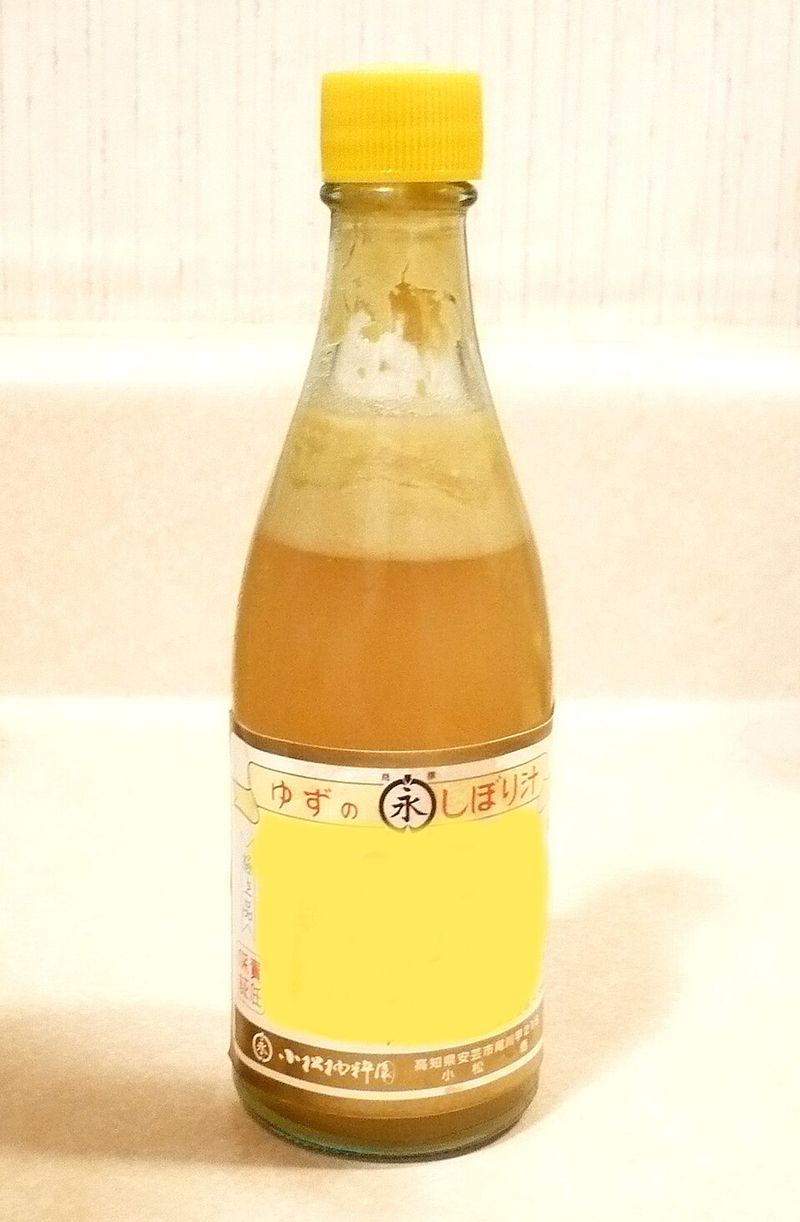
Japanese citrus meets your kitchen in the form of yuzu juice. The flavor sits somewhere between lemon, lime, and grapefruit, but it’s more floral and aromatic than any of them.
Chefs drizzle it over sashimi, mix it into cocktails, and whisk it into vinaigrettes for an unexpected twist.
Fresh yuzu is nearly impossible to find outside Japan, but bottled juice travels well and keeps for months. A little goes a long way, so start with small amounts in salad dressings, marinades, or desserts.
The bright, perfumy flavor wakes up tired taste buds instantly.
Asian markets stock it reliably, and online shopping makes it accessible to everyone. Your kitchen needs excitement, and yuzu delivers!
16. Aleppo Pepper
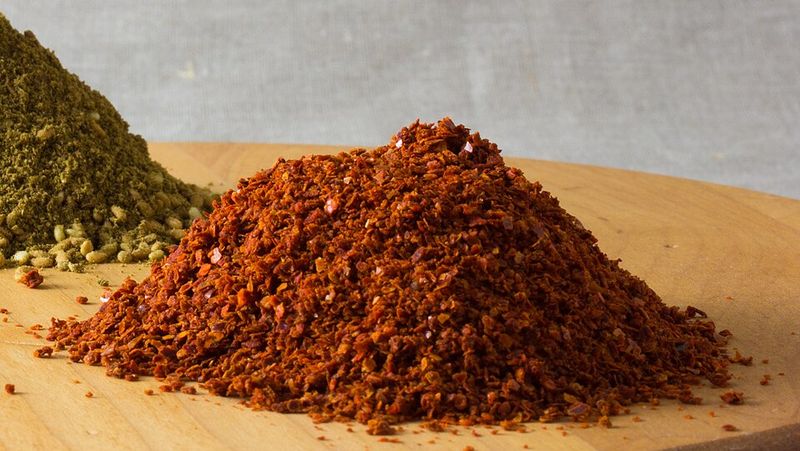
Syrian cuisine gave us a chili flake that’s fruity, moderately spicy, and slightly salty all at once. Aleppo pepper tastes nothing like the red pepper flakes at pizza joints.
Instead, it offers complex heat with a hint of cumin-like earthiness and a touch of sweetness that makes everything taste better.
Sprinkle it on pizza, pasta, roasted vegetables, or even chocolate desserts for an unexpected kick. The moderate heat level won’t blow anyone’s head off, making it perfect for families with mixed spice tolerance.
The flavor builds gradually rather than hitting you immediately.
Middle Eastern markets carry it, but mainstream stores are catching on fast. Once you try it, regular red pepper flakes will seem boring.
17. Anchovy Paste

Tiny fish packed in a tube might sound gross, but anchovy paste is a secret weapon professional chefs guard carefully. The intense umami flavor dissolves into sauces, dressings, and marinades without leaving any fishy taste behind.
Caesar dressing wouldn’t be Caesar dressing without it, and pasta sauces gain incredible depth from just a squeeze.
Vegetarians might skip it, but everyone else should keep a tube in the fridge. It lasts forever and adds that mysterious “what IS that flavor?” element to simple dishes.
Even people who claim to hate anchovies love food made with the paste because it’s that subtle.
Start with a tiny amount and gradually increase until you find your perfect level. Flavor magic awaits!
18. Cardamom
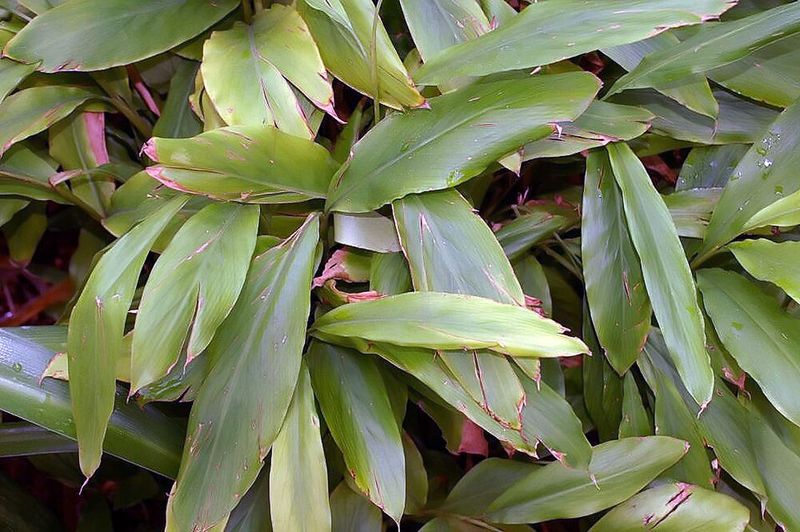
Scandinavian bakers and Indian cooks both swear by cardamom, and for good reason. The pods hide tiny black seeds that smell like a mix of mint, lemon, and eucalyptus.
Sweet and savory dishes both benefit from its unique, almost floral flavor that’s warming without being spicy.
Grind the seeds fresh for maximum impact, or buy pre-ground powder for convenience. Either way, cardamom transforms rice pudding, coffee, curry, and even sugar cookies into something memorable.
The flavor is strong, so start with small amounts and adjust upward.
Green pods are most common, but black cardamom offers a smokier profile for adventurous cooks. Both deserve a spot in your spice collection.
19. Shichimi Togarashi
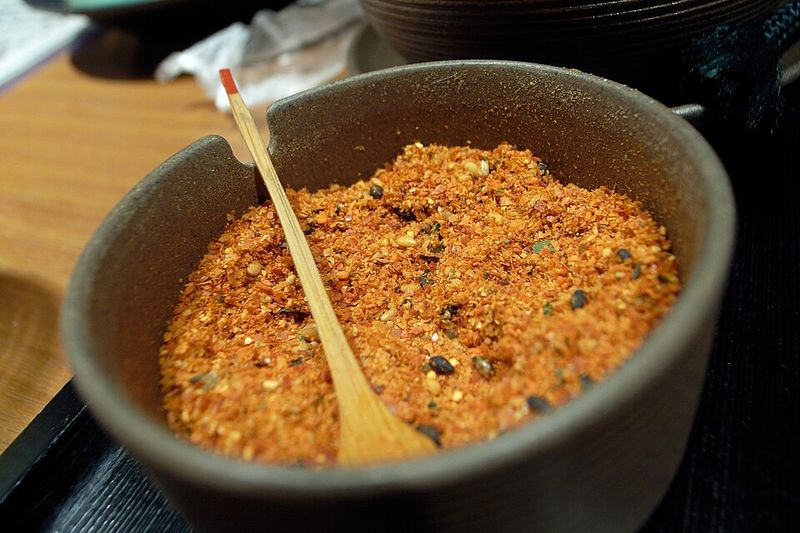
Japan’s seven-spice blend brings heat, citrus, and nuttiness all in one shaker. Shichimi togarashi contains chili peppers, sesame seeds, nori, and other ingredients that vary by maker.
The result is a complex seasoning that makes ramen, rice bowls, and grilled meats taste instantly more interesting.
Sprinkle it on popcorn for an addictive snack, dust it over avocado toast, or mix it into mayonnaise for a quick dipping sauce. The citrus notes come from dried yuzu or orange peel, adding brightness alongside the heat.
Unlike plain chili flakes, it offers layers of flavor that keep your taste buds guessing.
Most Asian markets stock multiple brands, and even some regular grocery stores carry it now. Adventure in a bottle!
20. Pomegranate Molasses
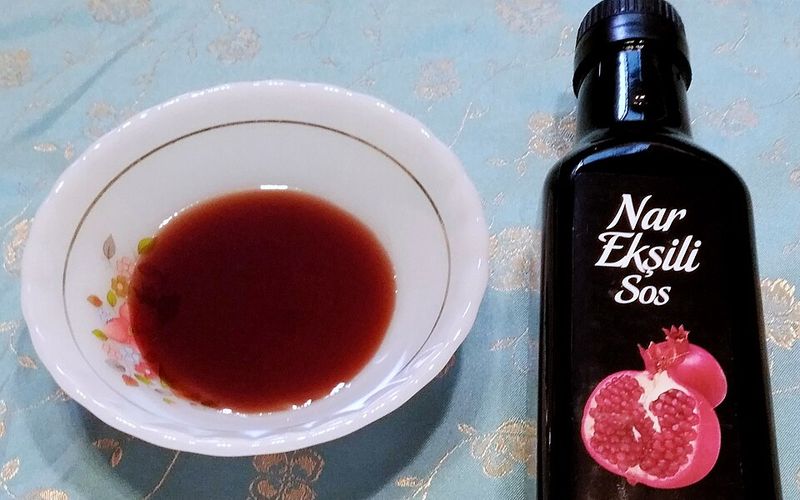
Middle Eastern kitchens keep pomegranate molasses on hand like Americans keep ketchup. The thick, tangy syrup is made by reducing pomegranate juice until it’s sweet, sour, and intensely fruity.
Drizzle it over roasted vegetables, stir it into stews, or whisk it into salad dressings for a flavor boost that’s hard to describe but impossible to forget.
Unlike balsamic vinegar, which it resembles, pomegranate molasses brings fruity tartness without any wine notes. The versatility is remarkable: it works in marinades, glazes, cocktails, and even desserts.
A little goes far, so one bottle lasts through many meals.
Specialty stores stock it reliably, and the investment pays off quickly. Your cooking deserves something special!