16 Unforgettable Movies From 1969 That Earned Classic Status
The late 1960s marked a turning point in cinema, and one year in particular delivered a wave of films that still echo through movie history.
Filmmakers pushed boundaries, experimented with tone and storytelling, and captured a cultural moment filled with change, tension, and creative energy.
Decades later, these movies still feel bold, memorable, and deeply influential.
Disclaimer: This list reflects editorial opinion and historical perspective, not definitive fact or universal consensus about which 1969 films are the most essential classics.
1. The Wild Bunch
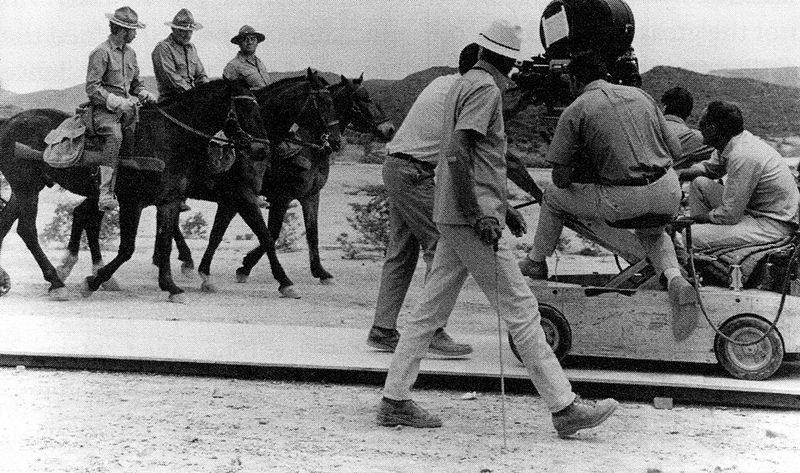
Western cinema was revolutionized with this violent, complex tale of aging outlaws facing a changing world. The film shocked audiences with its graphic action sequences and moral ambiguity.
Holding a 91% rating on Rotten Tomatoes today, critics initially debated its brutal honesty.
However, the movie’s exploration of loyalty, honor, and obsolescence elevated it beyond simple gunfights into something profoundly human and heartbreaking.
2. On Her Majesty’s Secret Service
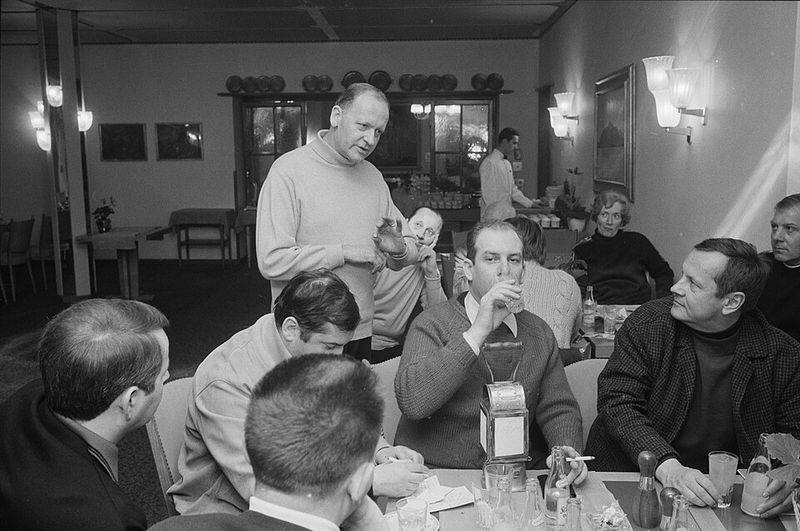
George Lazenby stepped into Sean Connery’s tuxedo for this Bond adventure, bringing unexpected emotional depth to the suave spy.
The film features incredible skiing action sequences and a shocking ending that still surprises viewers.
Though initially underappreciated, fans now recognize it as one of the series’ finest entries. Lazenby’s vulnerable portrayal showed 007 could actually fall in love, adding layers the character desperately needed.
3. Butch Cassidy and the Sundance Kid
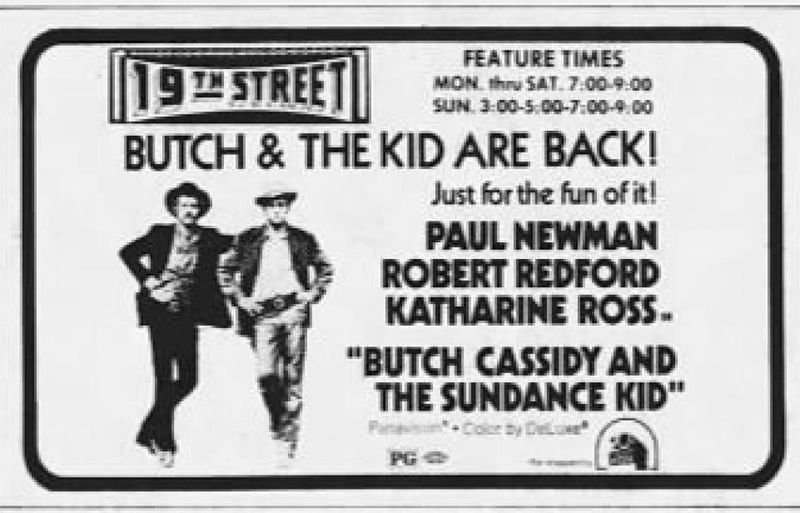
Paul Newman and Robert Redford team up as legendary outlaws who rob banks with style and humor in this Western that flipped the genre on its head. Their chemistry lights up every scene like dynamite.
Becoming 1969’s highest-grossing film with over $102 million earned, it proved audiences craved something different from traditional shoot-em-ups.
The famous bicycle scene and Raindrops Keep Fallin’ on My Head became instant classics.
4. Easy Rider

Two bikers hit the open road with nothing but their choppers and a dream of freedom in this counterculture phenomenon.
Peter Fonda and Dennis Hopper created something extraordinary on a shoestring budget of just $400,000. The film became a symbol of rebellion and independence, earning a whopping $41 million at the box office.
It captured the spirit of a generation questioning authority and searching for meaning beyond traditional American values.
5. True Grit
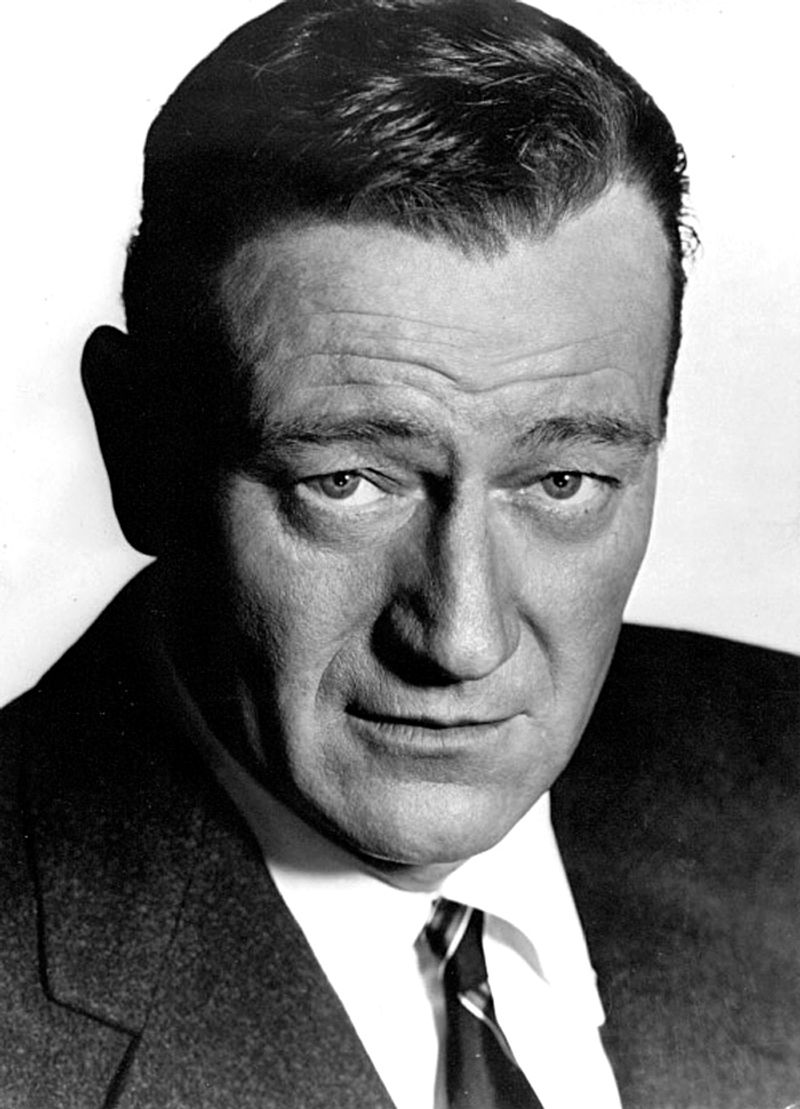
John Wayne earned his only Academy Award playing Rooster Cogburn, a one-eyed U.S. Marshal with more whiskey than wisdom.
A determined young girl hires him to track down her father’s killer across dangerous territory. Wayne’s gruff charm perfectly balanced the story’s themes of justice and revenge.
The Duke brought gravitas and vulnerability to Rooster, creating a character who embodied the fading Wild West with authenticity and heart.
6. Marooned
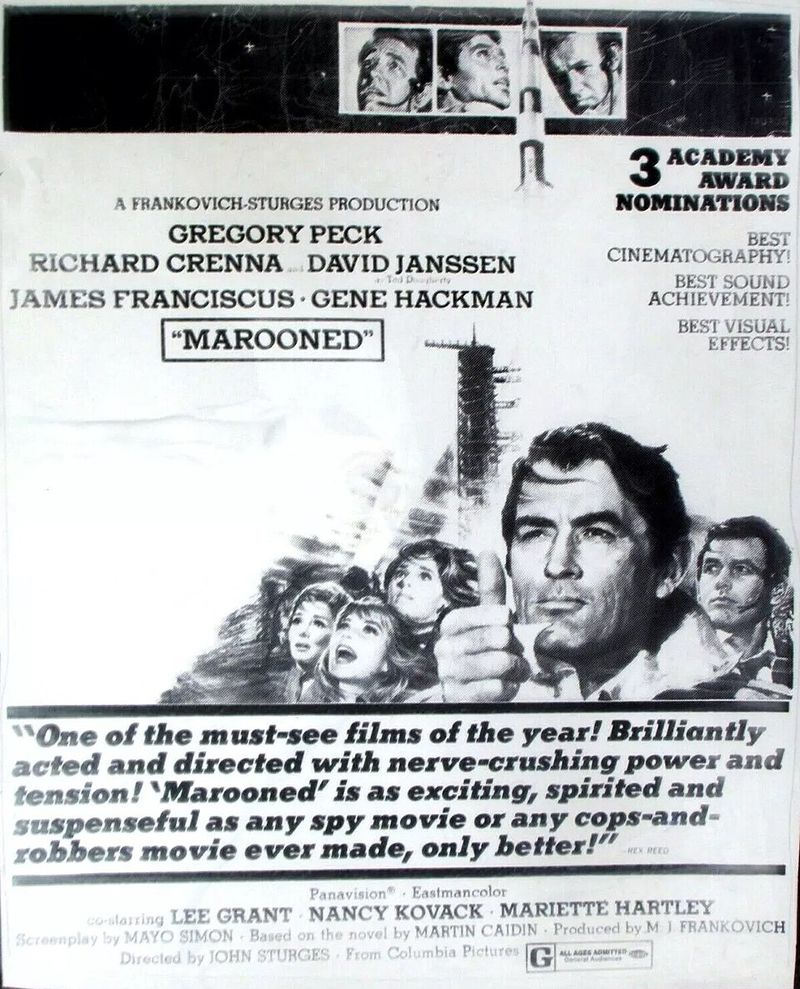
Astronauts stranded in space face oxygen depletion while NASA scrambles to mount a rescue mission in this tense thriller.
Released months after the moon landing, the film capitalized on space fever with realistic depictions of orbital emergencies.
The special effects earned an Academy Award, impressive for the era’s technology.
7. They Shoot Horses, Don’t They?
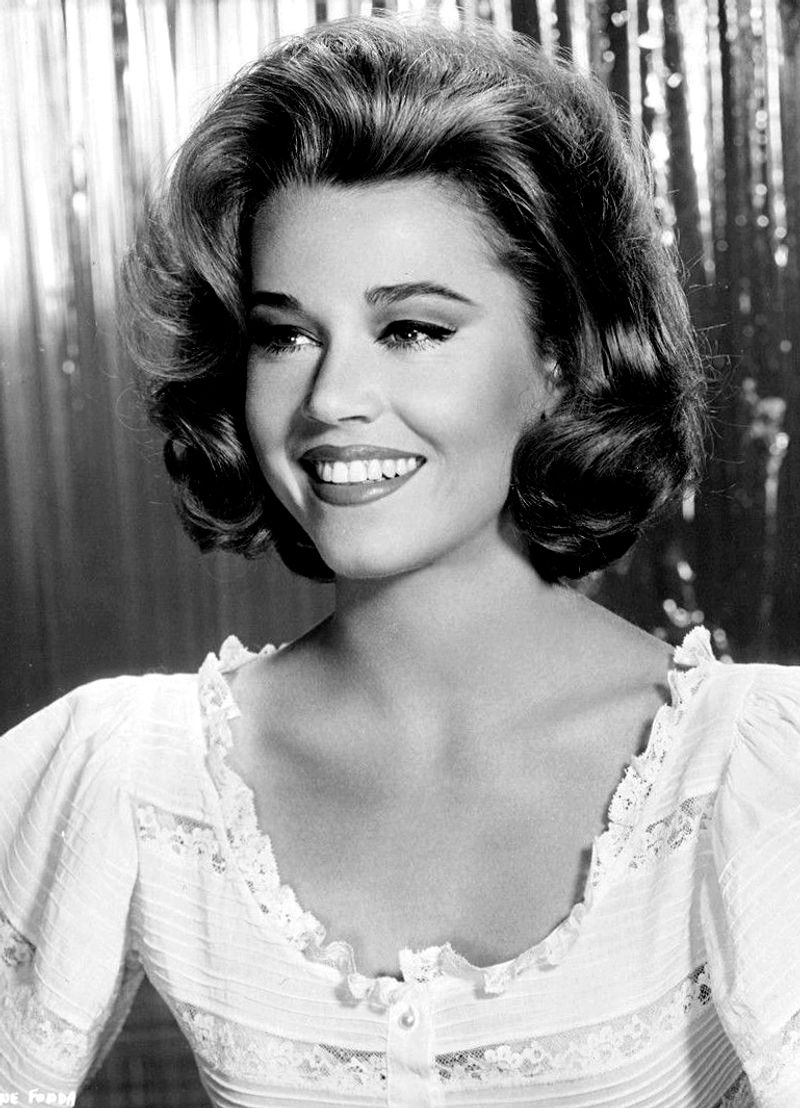
Set during the Great Depression, desperate contestants compete in a grueling dance marathon for prize money they desperately need.
Sydney Pollack directed this haunting examination of human endurance and exploitation. Jane Fonda delivers a powerhouse performance as a cynical dancer pushed to her absolute limits.
The film’s relentless pacing mirrors the marathon itself, making viewers feel every exhausting step and questioning how far people will go for survival.
8. The Italian Job
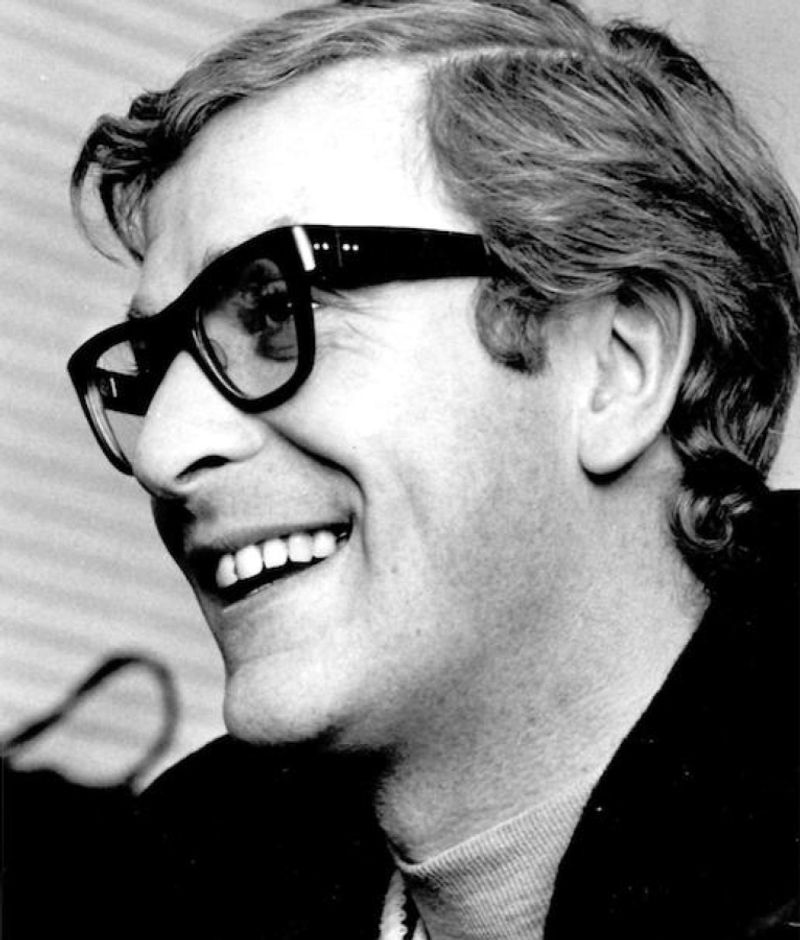
British criminals plan the ultimate heist: stealing gold from Turin by creating the world’s biggest traffic jam. Mini Coopers become unlikely getaway vehicles in this stylish caper bursting with wit and charm.
Michael Caine leads the crew with his signature cool confidence and cheeky humor.
The film’s iconic car chase through Italian streets remains one of cinema’s most thrilling sequences, proving that sometimes the smallest vehicles create the biggest excitement.
9. The Prime of Miss Jean Brodie
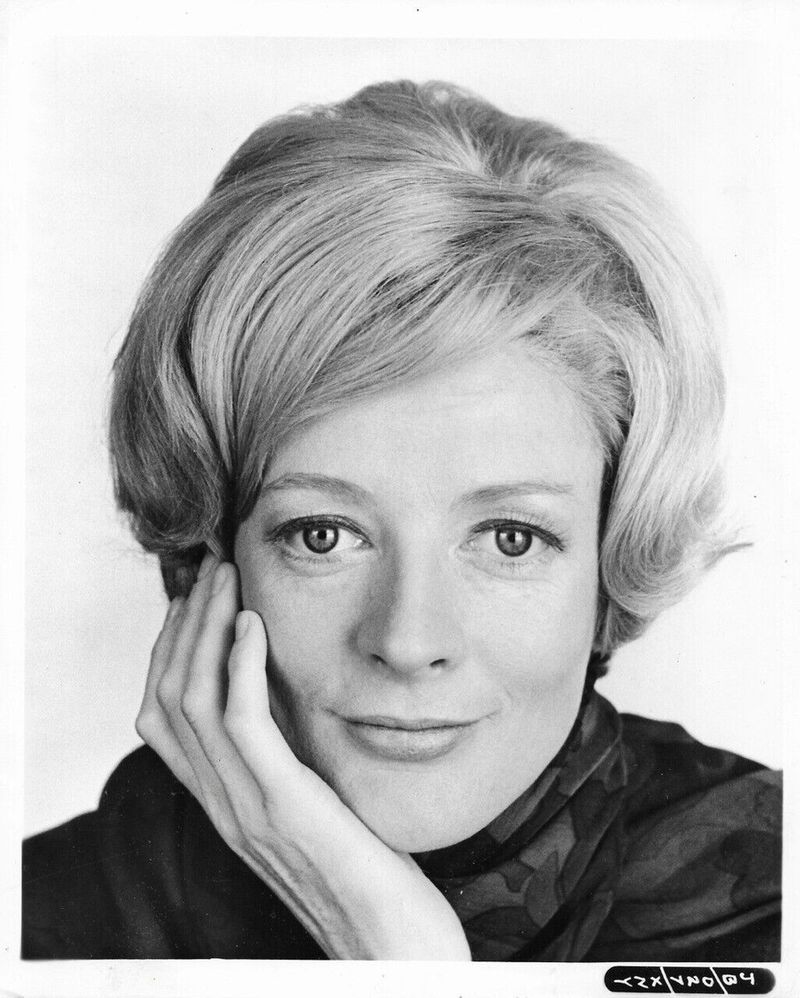
Maggie Smith won an Oscar playing an unconventional Edinburgh teacher who influences her students with unorthodox methods and strong opinions.
Set in 1930s Scotland, the film explores education, manipulation, and the power of personality.
Miss Brodie believes she’s shaping young minds for greatness, but her fascist sympathies reveal dangerous blind spots.
Smith’s magnetic performance captures both the character’s inspirational qualities and her troubling flaws with remarkable nuance and complexity.
10. Alice’s Restaurant
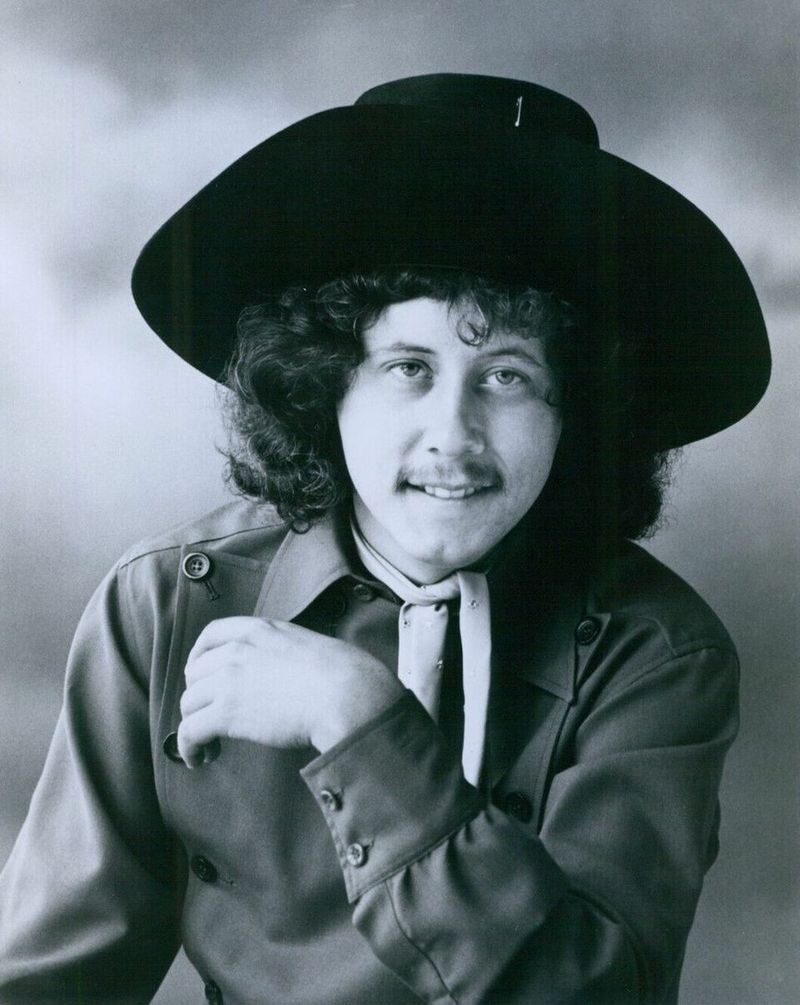
Based on Arlo Guthrie’s talking blues song, this counterculture comedy follows a young musician’s adventures including a famous Thanksgiving dinner and a ridiculous draft board incident.
The film perfectly captures the generation gap and anti-war sentiment of the era.
Guthrie plays himself with natural charm, making the absurdist humor land while addressing serious issues about conformity, authority, and finding your place in a changing world.
11. Paint Your Wagon
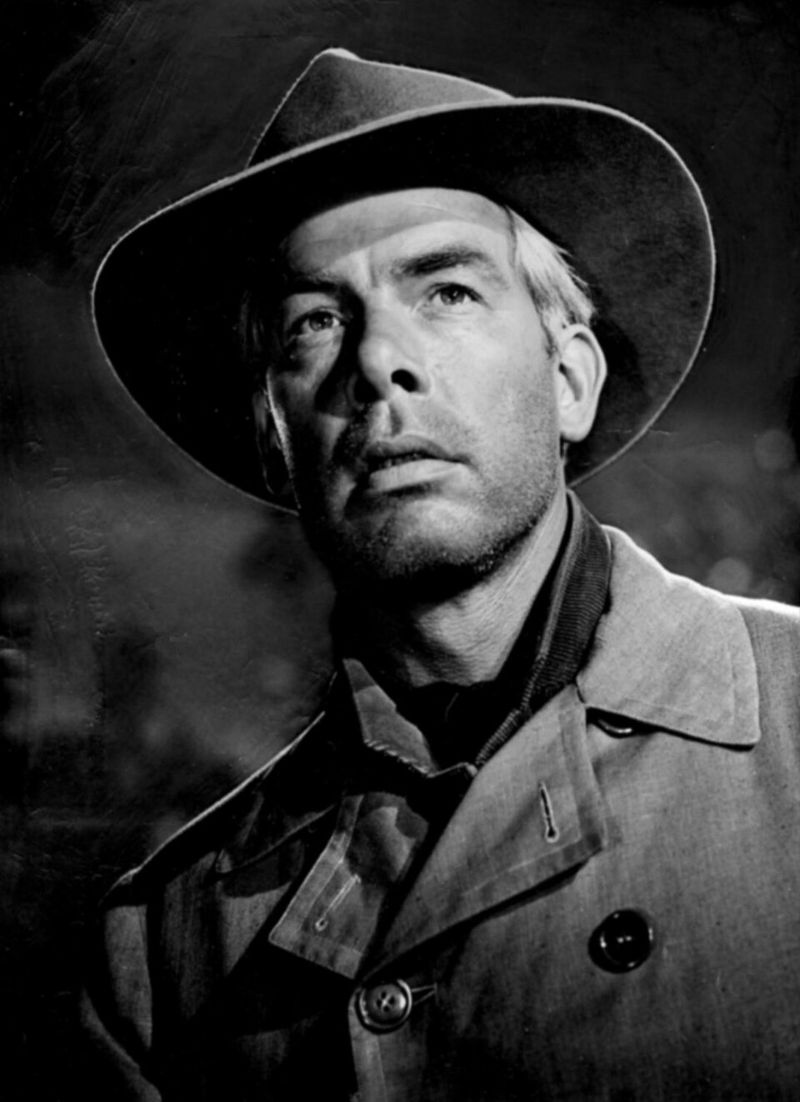
Lee Marvin and Clint Eastwood singing in a musical Western? Absolutely, and it’s gloriously weird!
This tale of gold rush prospectors sharing a wife challenged conventions while delivering catchy tunes.
Though critically divisive, the film’s ambition deserves respect for attempting something completely unexpected.
Watching Eastwood croon adds delightful surrealism to the frontier setting, proving that even tough guys can carry a tune when the script demands it.
12. Midnight Cowboy

Jon Voight plays a naive Texan who heads to New York City with big dreams, only to find harsh reality waiting.
His unlikely friendship with Dustin Hoffman’s streetwise character creates one of cinema’s most touching bromances.
This groundbreaking drama became the first and only X-rated film to win the Academy Award for Best Picture.
13. Goodbye, Columbus
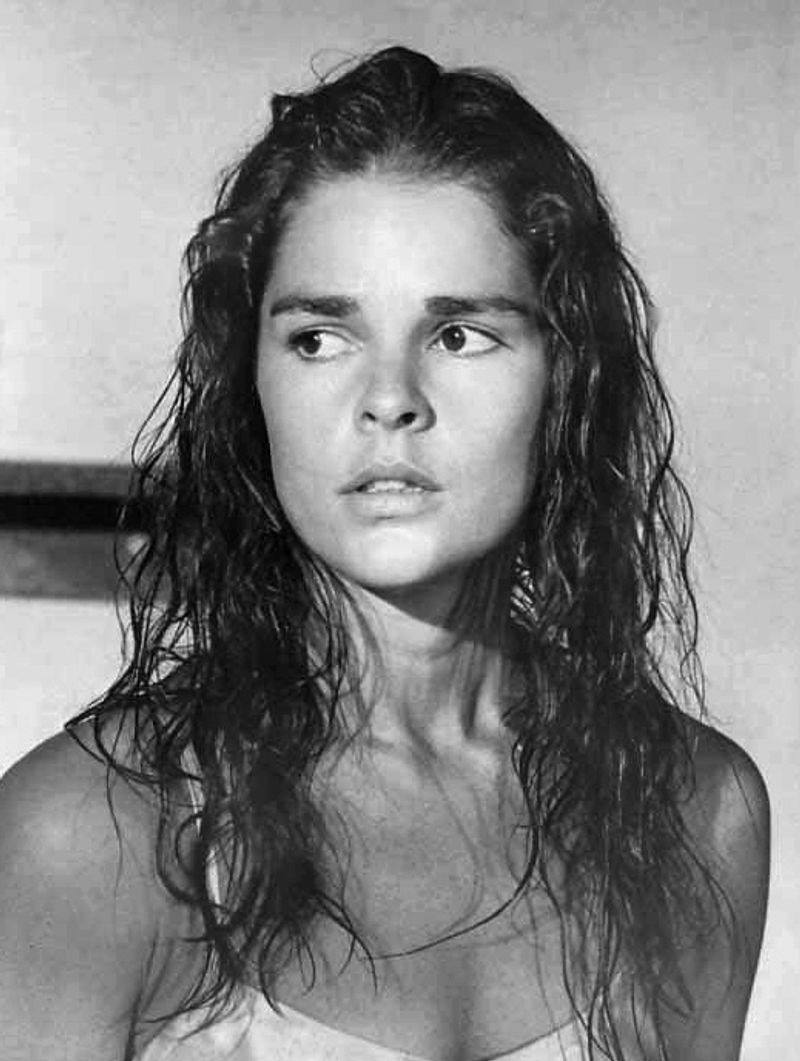
A working-class Jewish guy falls for a wealthy Jewish princess in this romantic comedy-drama exploring class differences and cultural identity.
Their summer romance reveals how money and expectations can complicate genuine connection. Based on Philip Roth’s novella, the film captures the awkwardness of navigating different social worlds.
Ali MacGraw’s film debut sparkles as she portrays privilege with both charm and obliviousness, while Richard Benjamin brings earnest vulnerability to his character.
14. The Damned
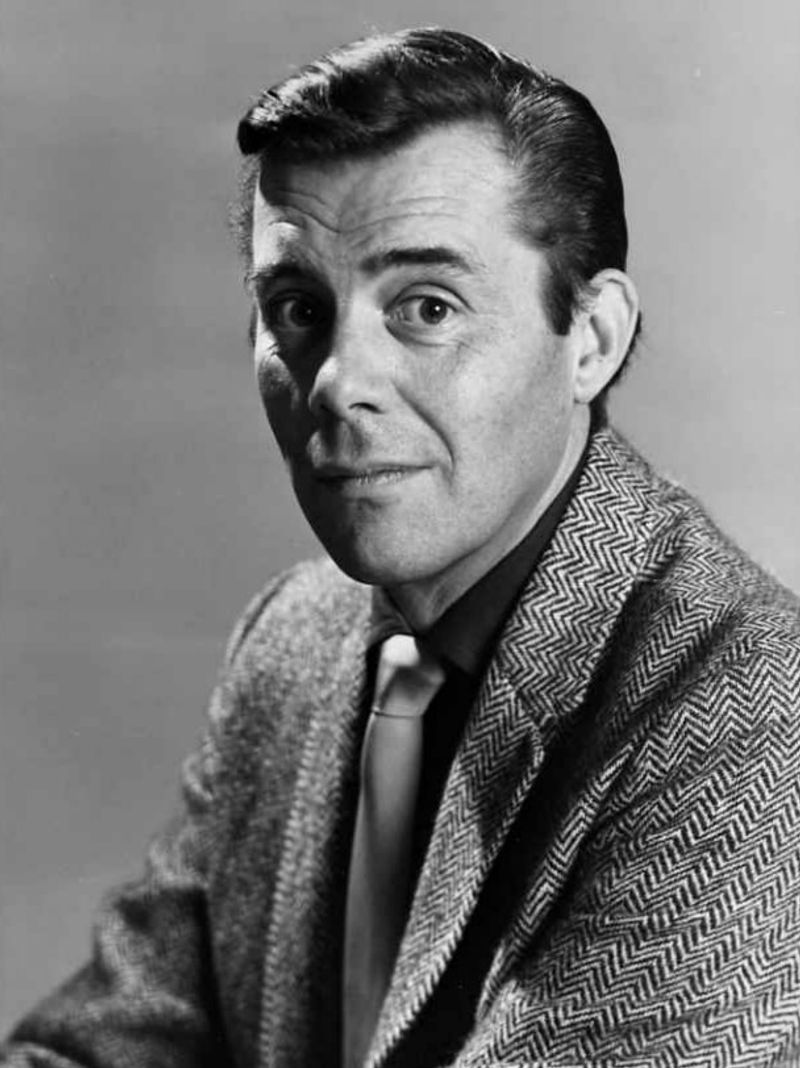
Luchino Visconti directed this operatic epic about a German industrial family’s corruption. The film explores how ordinary people become complicit in extraordinary evil through ambition and moral compromise.
Dirk Bogarde delivers a chilling performance as characters descend into depravity mirroring Germany’s political decay.
Visconti’s lush cinematography contrasts beauty with horror.
15. Z
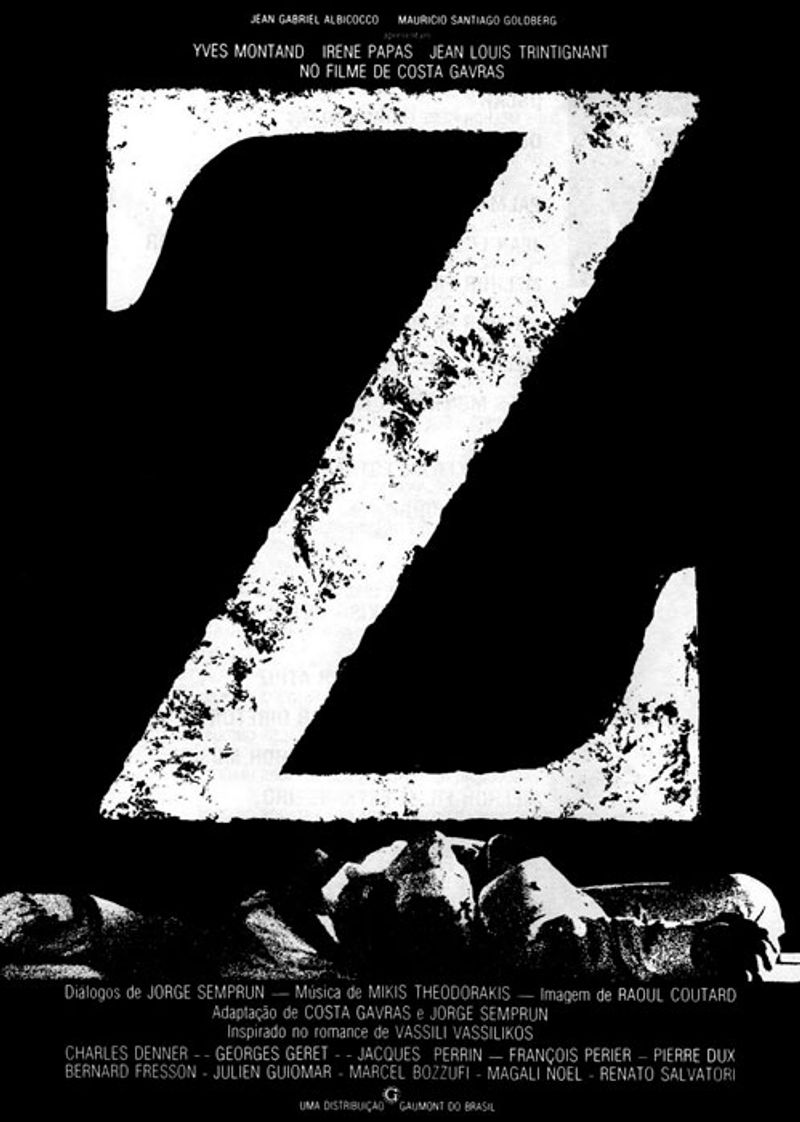
Costa-Gavras crafted a political thriller that investigates the assassination of a left-wing activist, uncovering government corruption at every turn.
Based on true events in Greece, the film became a powerful indictment of authoritarian regimes. Its documentary-style approach made the conspiracy feel terrifyingly real and immediate.
The movie won the Academy Award for Best Foreign Language Film, proving that political cinema could be both entertaining and devastatingly important.
16. My Night at Maud’s
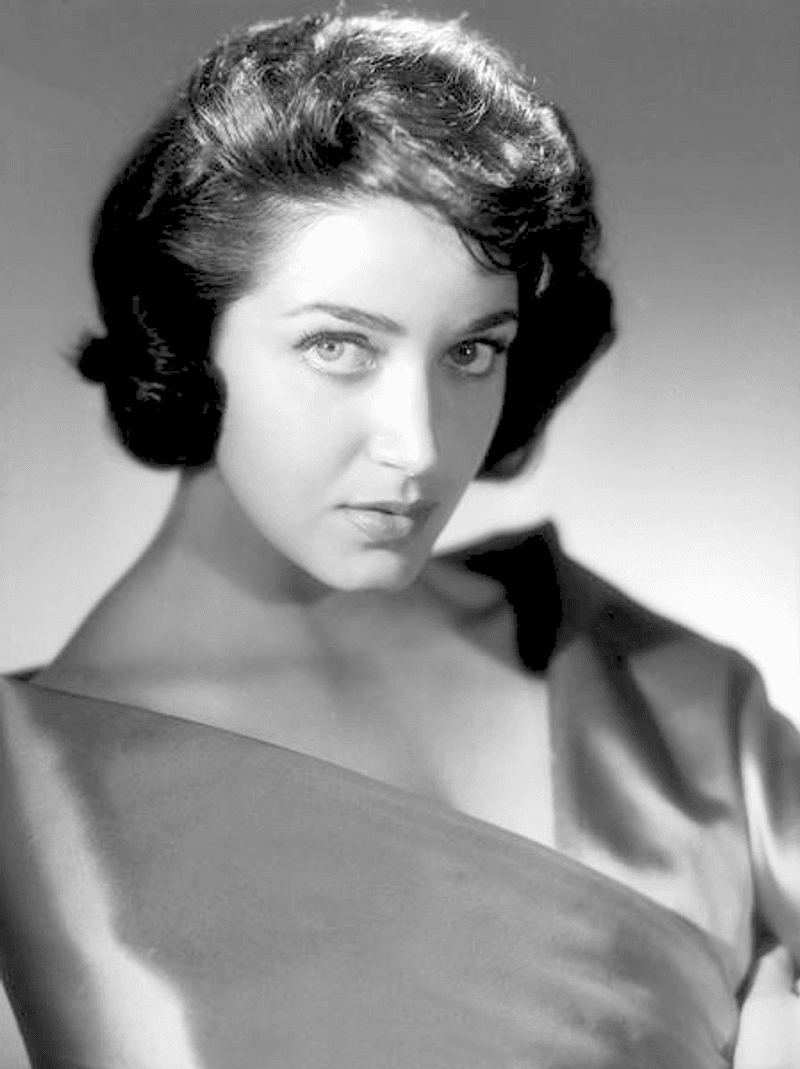
Eric Rohmer crafted this talky French drama about a Catholic man spending an evening with an attractive divorcée while committed to marrying someone else.
The film explores faith, choice, and the roads not taken. Shot in gorgeous black and white, the movie proves that conversation can be as compelling as action.
Rohmer’s characters debate philosophy and morality with intelligence and wit, demonstrating that the most interesting conflicts often happen inside our heads and hearts.