10 Older Movies That Feel Unmakeable In Today’s Hollywood
Movies reflect the era that created them, and some older titles carry choices that modern Hollywood would struggle to approve today.
Changing standards, shifting audiences, and increased scrutiny around representation, content, and workplace practices have reshaped what studios feel comfortable producing.
This list looks at older movies that feel almost impossible to remake in the current climate, proving how much the industry has changed over time.
Disclaimer: This article reflects subjective editorial perspectives on older films and modern industry norms and should not be interpreted as definitive fact or universal consensus.
1. The Birth Of A Nation (1915)
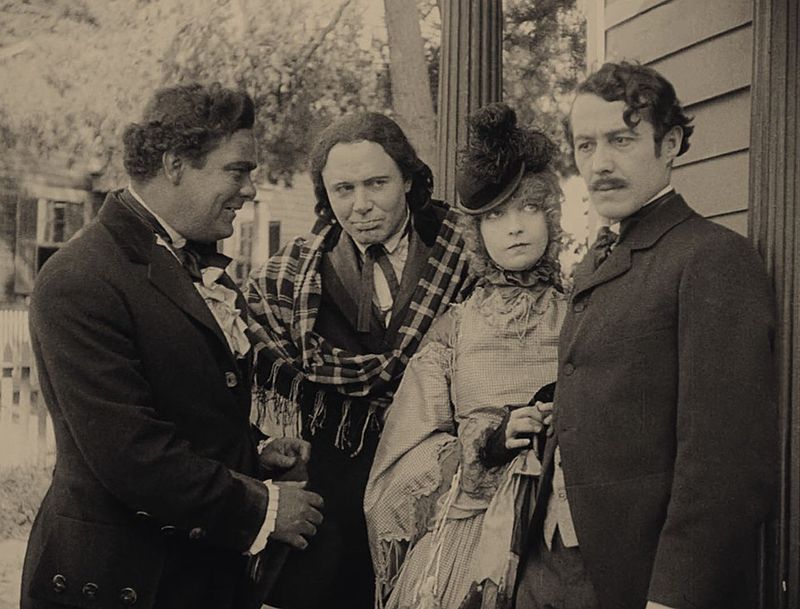
D.W.
Griffith’s silent epic revolutionized filmmaking techniques but glorified the KKK.
Black characters were portrayed in deeply racist ways, often by white actors in blackface.
The movie presented the KKK as heroic defenders of the South.
Though historically significant for cinema, its hateful messaging makes it impossible to remake.
Modern audiences rightfully condemn its dangerous propaganda.
2. The Jazz Singer (1927)
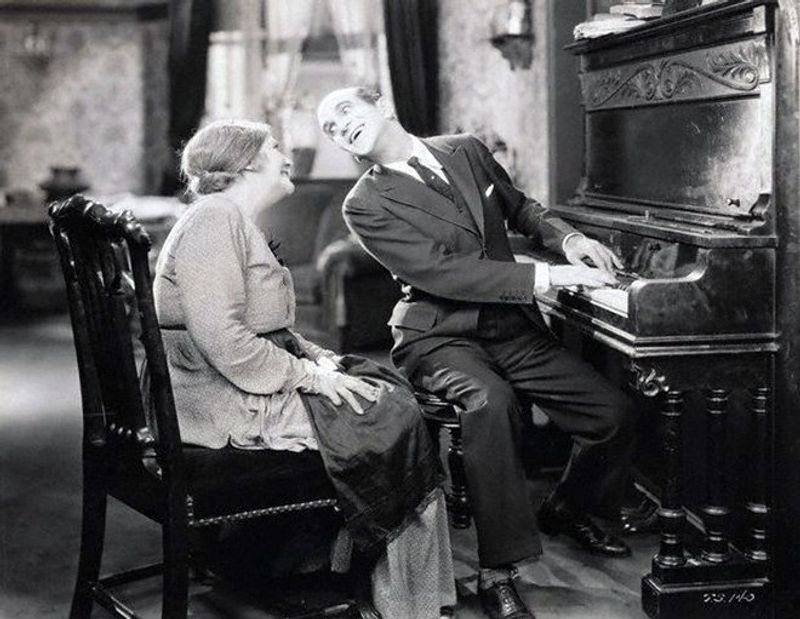
The first big talking picture starred Al Jolson.
However, the movie featured extensive blackface performances.
Jolson’s character performed minstrel shows throughout the film.
Though groundbreaking for sound technology, its racial caricatures are deeply offensive.
The casual use of blackface reflected common entertainment practices then.
Today, such content would spark immediate backlash.
3. Song Of The South (1946)
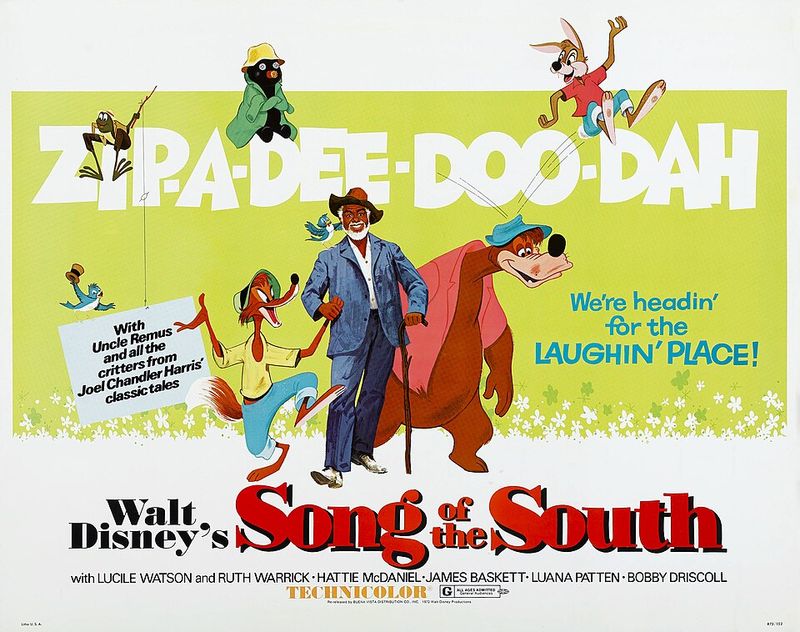
Disney’s live-action animated hybrid presented a romanticized Old South.
Uncle Remus, played by James Baskett, told folk tales to white children.
The film portrayed formerly enslaved people as content and nostalgic for plantation life.
Critics condemned its distorted historical perspective.
Disney has kept it locked away for decades.
The company refuses to release it on streaming platforms.
4. Breakfast At Tiffany’s (1961)
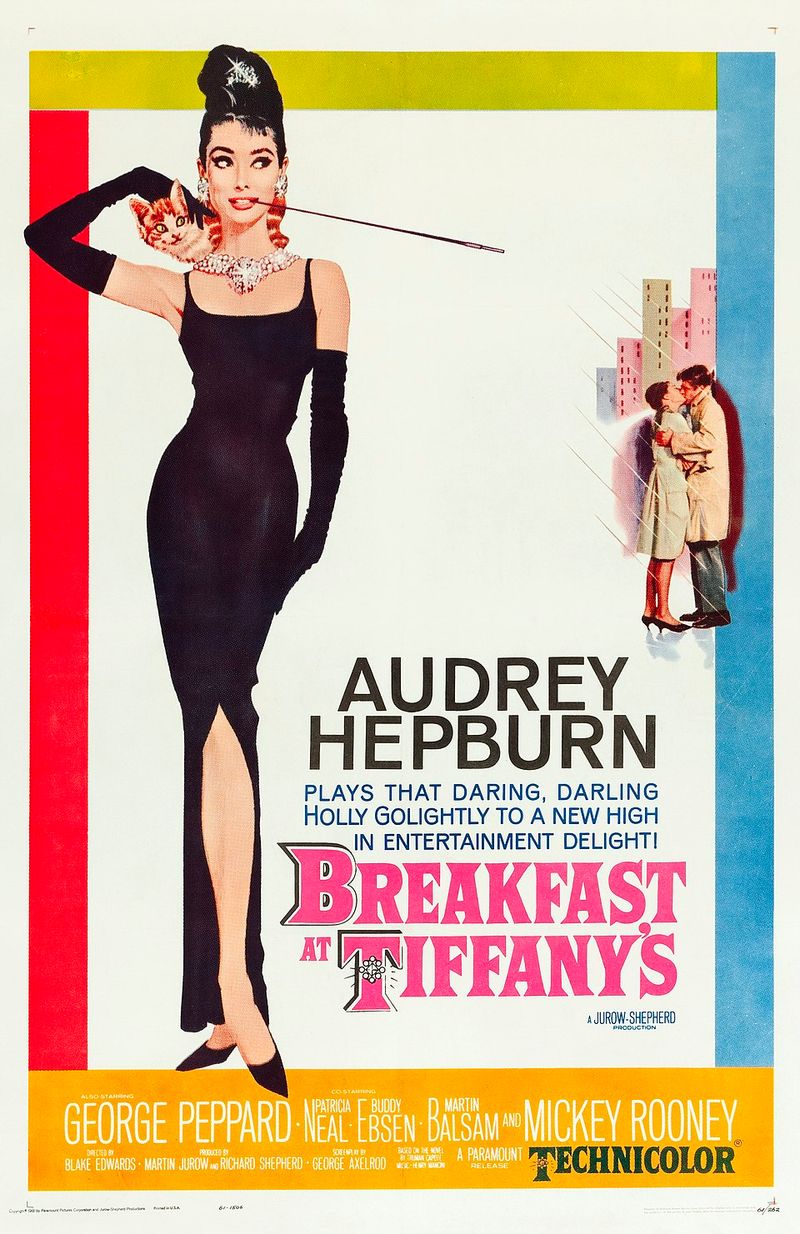
As Holly Golightly, Audrey Hepburn rose to fame in the fashion industry.
Unfortunately, Mickey Rooney played Mr. Yunioshi with exaggerated Asian stereotypes.
His performance included buckteeth, squinting eyes, and offensive accent work.
The portrayal has been widely condemned as racist caricature.
Even Rooney later expressed regret.
5. Gigi (1958)
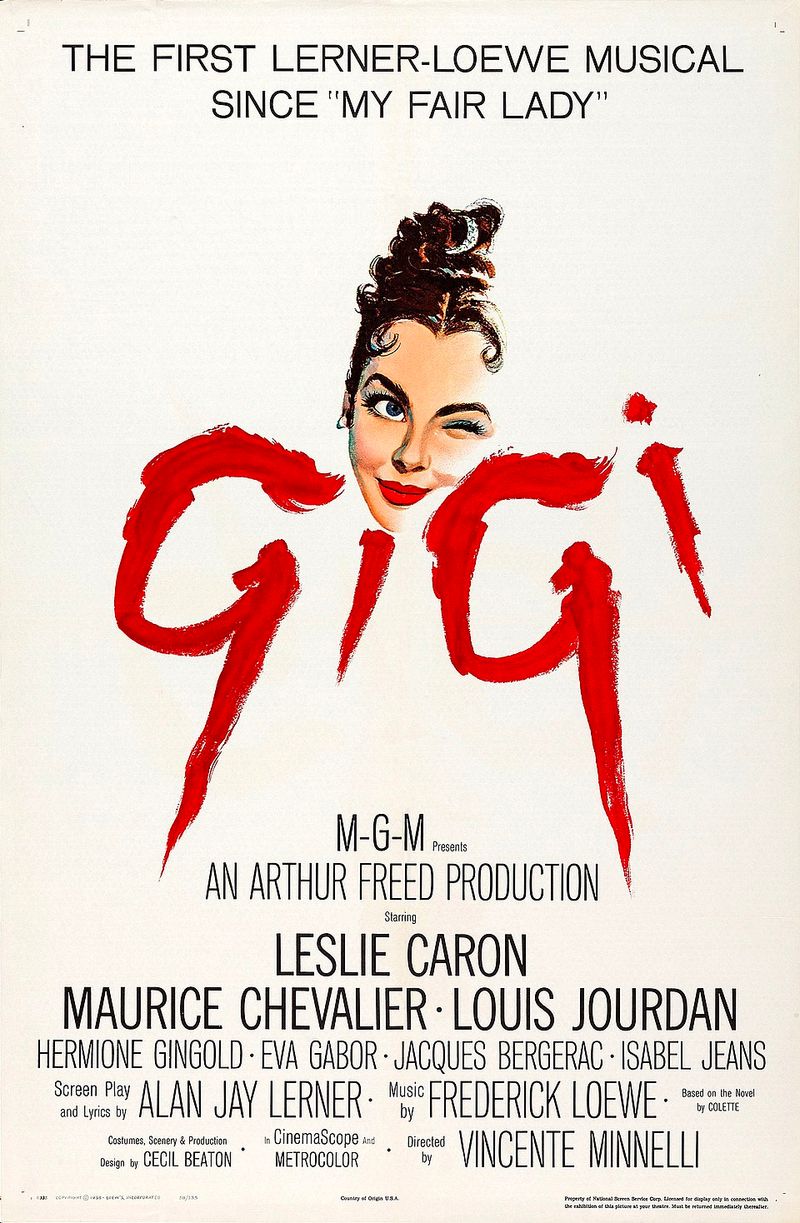
This musical won nine Academy Awards including Best Picture.
However, it centers on gro*ming a teenage girl to become a courtesan.
An older man waits for young Gigi to become old enough for a relationship.
The age gap and predatory behavior are normalized throughout.
Songs celebrate training her for adult male attention.
Modern audiences recognize this as deeply inappropriate.
6. Sixteen Candles (1984)
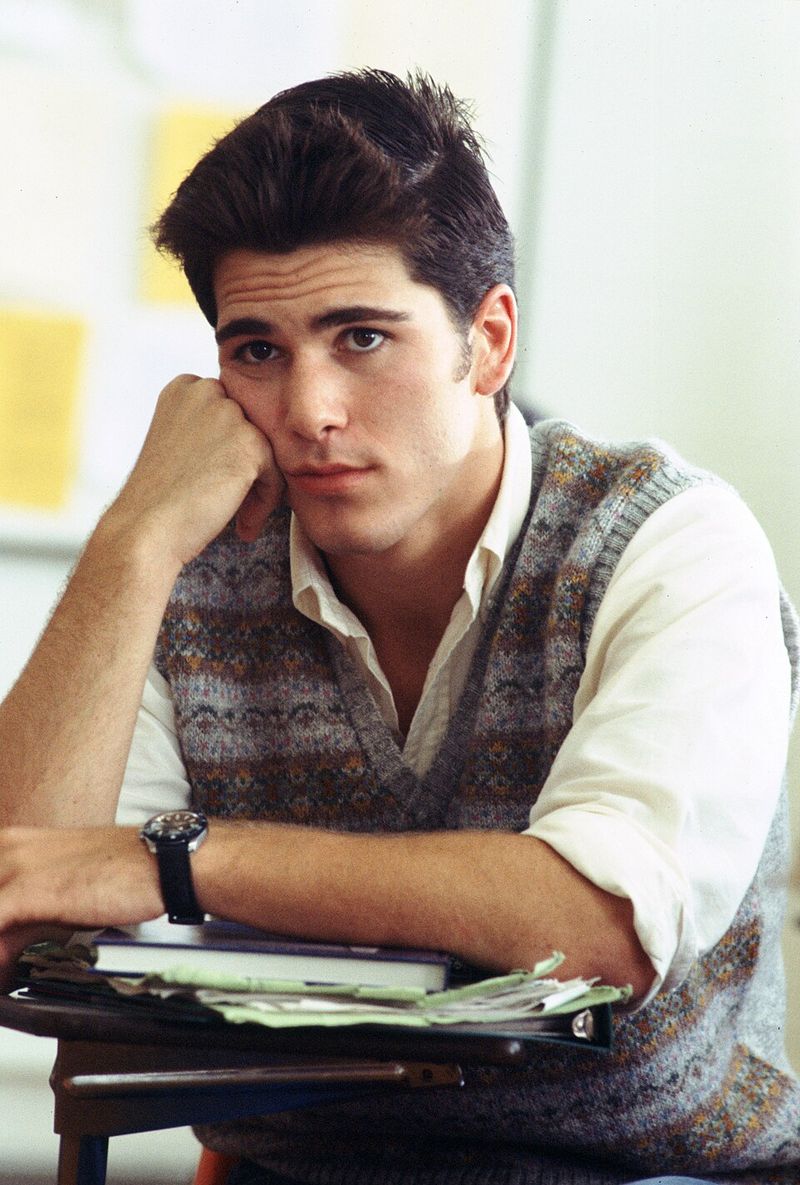
John Hughes created this beloved teen comedy.
Yet it features Long Duk Dong, an Asian exchange student portrayed as a ridiculous stereotype.
A gong sound accompanies his every appearance.
His character exists solely as comic relief through racist mockery.
7. The French Connection (1971)
Gene Hackman won an Oscar for playing detective Popeye Doyle.
His character uses constant racial slurs and employs brutal interrogation methods.
The film presents police violence and racism as acceptable crime-fighting tools.
Though gritty and realistic for its era, modern police accountability conversations change context.
The protagonist’s behavior would require condemnation rather than celebration.
8. Cleopatra (1963)
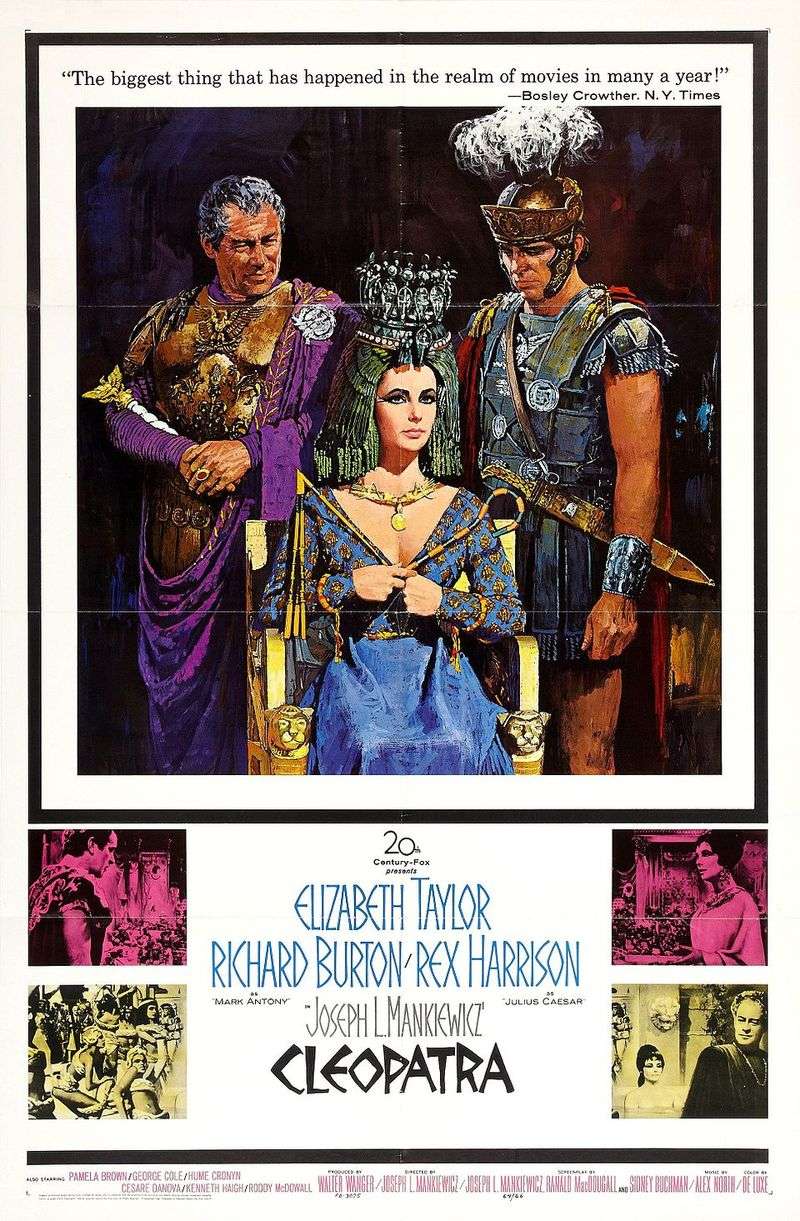
This iconic box office failure starred Elizabeth Taylor.
The production nearly bankrupted 20th Century Fox.
It cost over three hundred million in today’s dollars.
The elaborate sets, costumes, and cast of thousands required unprecedented resources.
Modern studios avoid such financial risks.
CGI has replaced massive practical productions.
No contemporary film would receive this budget without guaranteed franchise potential.
9. Ben-Hur (1959)
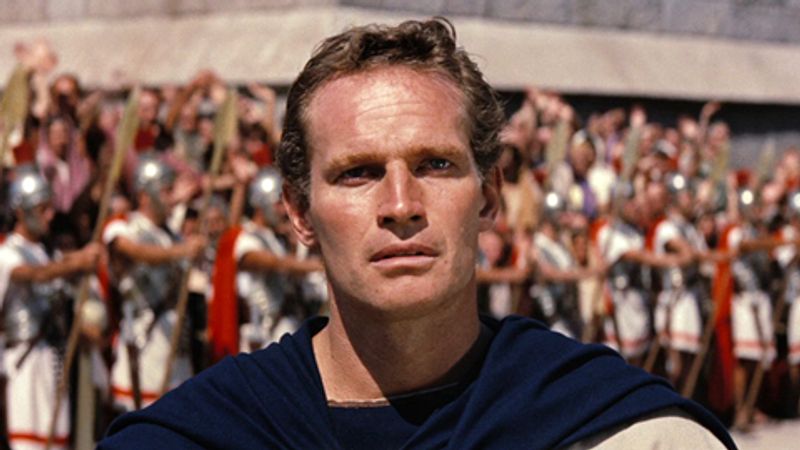
Charlton Heston drove chariots in this religious epic.
The film won eleven Academy Awards.
Its massive scale included real chariot races with trained horses and stunt performers.
Thousands of extras filled enormous practical sets.
Today’s insurance and safety regulations make such productions impossible.
10. Lawrence Of Arabia (1962)

This massive desert epic was directed by David Lean.
Peter O’Toole portrayed T.E.
Lawrence across years of Middle Eastern warfare.
The production filmed in actual deserts with massive practical effects.
Its nearly four-hour runtime tested audience patience even then.
Modern studios demand shorter films and faster pacing.