Vermont’s Covered Bridges And Maple Farms Take You On A Journey Through Time
Vermont stands apart as one of New England’s most enchanting destinations, where century-old covered bridges dot the landscape and maple syrup flows like liquid gold.
With over 100 wooden bridges still standing and countless sugar shacks nestled in the hills, this small state offers travelers a chance to step into a slower, sweeter way of life.
The combination of rustic architecture and authentic farm experiences creates something truly special.
Whether chasing fall foliage or spring’s sugaring season, Vermont delivers an escape that feels both nostalgic and refreshingly real.
1. Why These Historic Bridges Matter
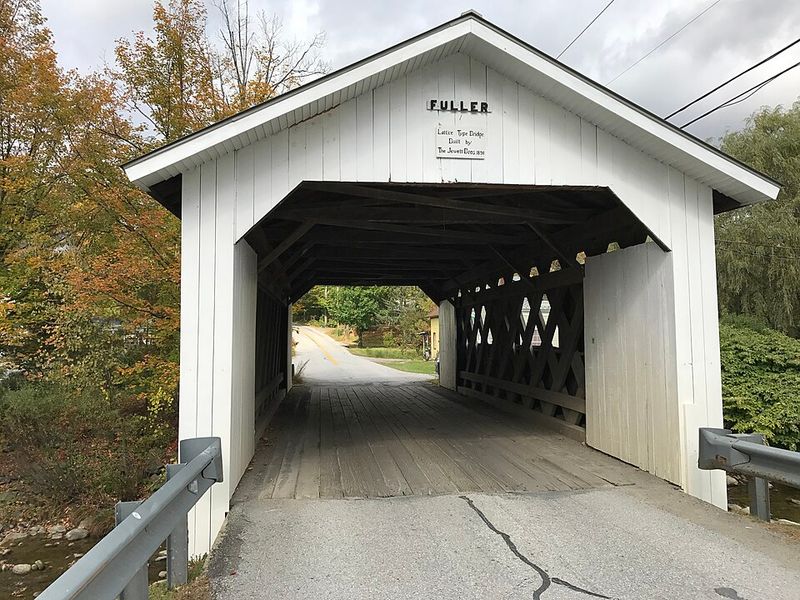
These aren’t just scenic photo ops—they’re functional pieces of American history that have survived harsh winters for generations.
The covered design protected the wooden structure from New England’s brutal weather, allowing many to remain in daily use even today.
Vermont maintains more covered bridges than almost any other state, with some dating back to the 1800s.
Walking through one feels like crossing into another era, where the sound of footsteps on weathered planks replaces modern noise.
2. Must-See Bridge Destinations
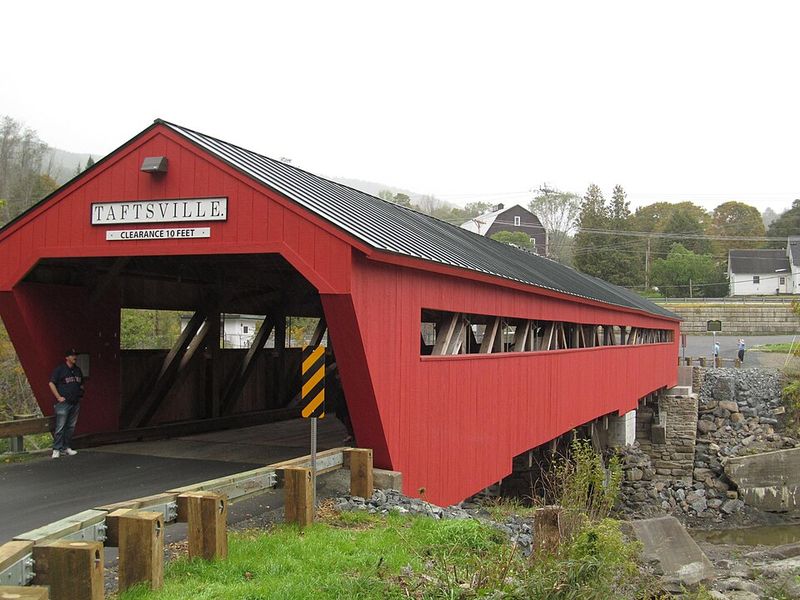
The Taftsville Covered Bridge, painted barn red and spanning the Ottauquechee River, ranks among the most photographed spots in the state.
Nearby waterfalls and old mill buildings add layers to an already stunning scene.
Montgomery earns its title as the “Covered Bridge Capital” with six historic spans within a 30-mile radius.
The northern location means fewer tourists and more opportunities to experience these structures without crowds.
Each bridge has its own character, from the weathered gray of aged wood to bright red paint that pops against autumn leaves.
3. Where Maple Magic Happens
Sugarbush Farm near Woodstock offers more than just syrup tastings—their trails wind through active maple groves where trees get tapped each spring.
Visitors can follow the entire process from tree to table while breathing in that unmistakable sweet steam.
Morse Farm Maple Sugarworks takes education seriously with interpretive paths explaining Vermont’s signature industry.
The family-friendly trails end at their shop, where maple kettle corn and soft-serve prove that this ingredient works in everything.
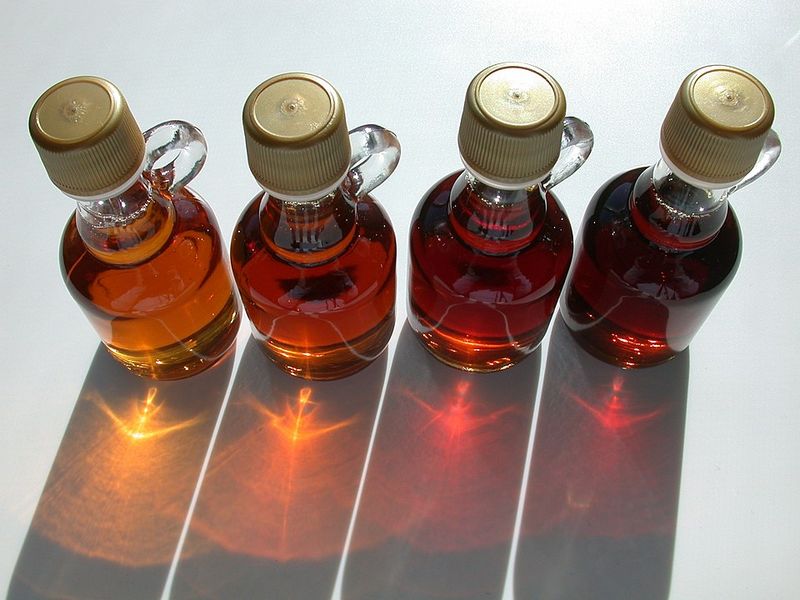
Samples of different syrup grades help visitors understand why Vermonters take their maple so seriously.
4. Towns Worth Your Time
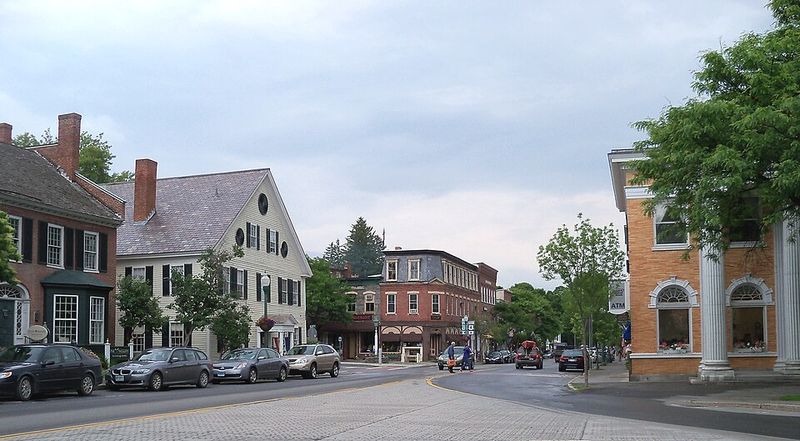
Woodstock brings polish to rural Vermont with its pristine village green, boutique shops, and that famous Middle Bridge right in the center of town.
The place looks almost too perfect, but somehow maintains authenticity through working farms and local businesses that have served the community for decades.
Stowe blends outdoor adventure with covered bridge charm.
The Gold Brook Covered Bridge, locally known as Emily’s Bridge, comes with ghost stories that add intrigue to the visit.
The Stowe Recreation Path winds past dairy farms and mountain views, offering multiple ways to explore beyond just driving.
5. Timing Your Visit Right
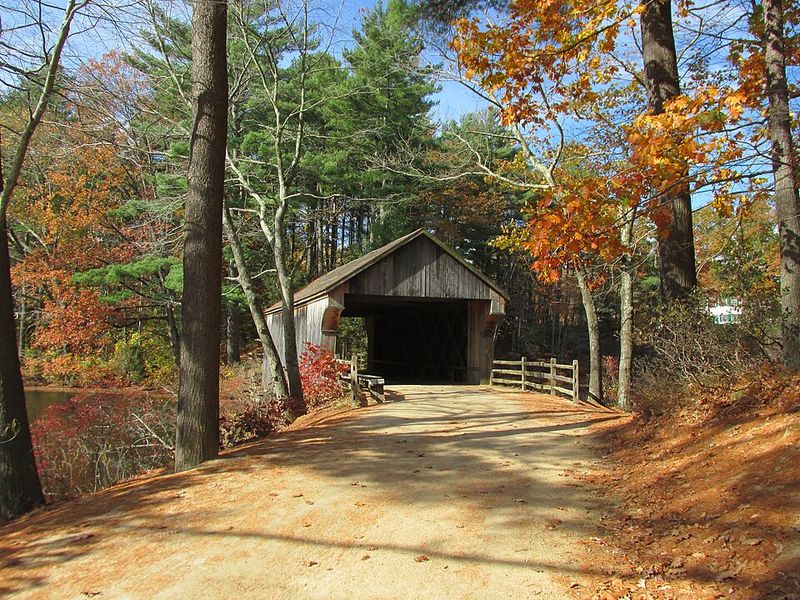
Spring’s sugaring season from late February through early April brings empty trails, steaming sugarhouses, and the chance to taste syrup straight from the evaporator.
Mud season keeps some visitors away, but that’s precisely what makes it special—fewer people, authentic experiences, and the sweet smell of boiling sap filling the air.
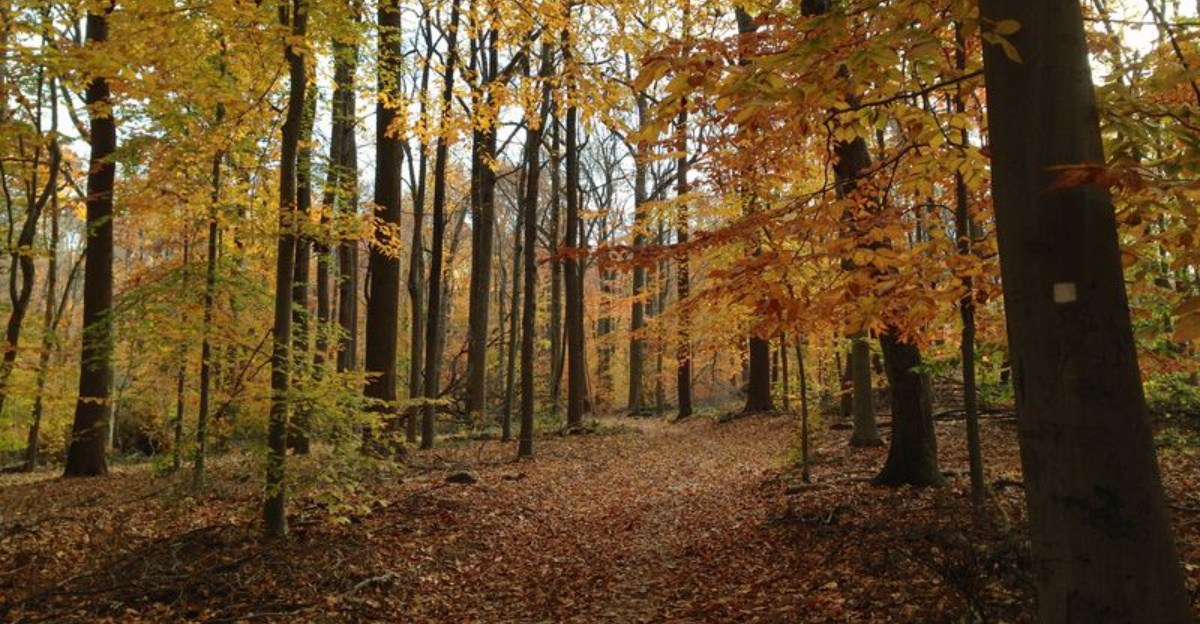
Fall weekends book up months in advance, especially late September through mid-October when foliage peaks.
Summer provides the longest days and easiest access, with stable weather making bridge exploration simple.
Winter transforms everything with snow, though icy roads require caution and proper vehicle preparation.
6. Top Spots for Maple Tastings
Bragg Farm in East Montpelier represents eight generations of maple-making tradition.
Their tasting station showcases different grades, helping visitors move beyond the generic “maple syrup” category into understanding the nuances of amber, dark, and very dark varieties.
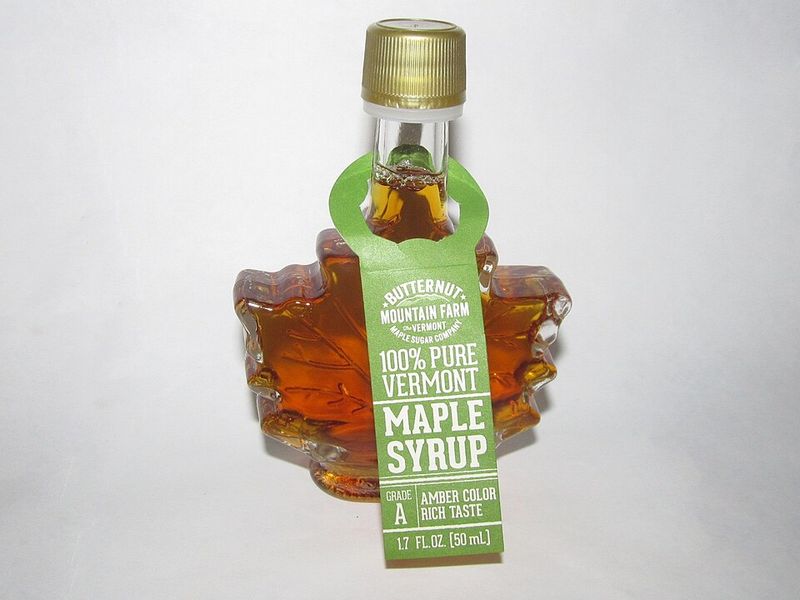
Butternut Mountain Farm in Morrisville operates on a larger scale while keeping that family atmosphere intact.
Beyond standard syrup, they produce maple mustards, candies, and specialty products that make excellent gifts or pantry staples.
The retail shop explains how Vermont’s maple industry works on both small and commercial levels.