12 Vintage 50s Products That Would Never Pass Safety Rules Today
The 1950s felt like a golden age of innovation, with shiny new gadgets and colorful toys promising to make life easier and more fun.
Families trusted these products without question, unaware of the hidden dangers lurking beneath their cheerful packaging.
Today, many of these once-popular items would be banned very fast thanks to modern regulations that protect consumers from toxic materials, radiation exposure, and design flaws that could cause serious harm.
Disclaimer: This article provides opinion-based commentary on historical products and is not intended as medical, safety, or regulatory advice.
1. Lawn Darts with Sharp Metal Tips

Picture this: a backyard barbecue where kids toss heavy metal spears high into the air, hoping they land in a plastic ring.
Lawn darts were basically missiles disguised as toys, with pointed steel tips sharp enough to pierce through anything they hit.
Thousands of injuries, including serious head wounds, eventually led to their complete ban in the United States and Canada during the late 1980s.
2. Gilbert U-238 Atomic Energy Lab Science Kit
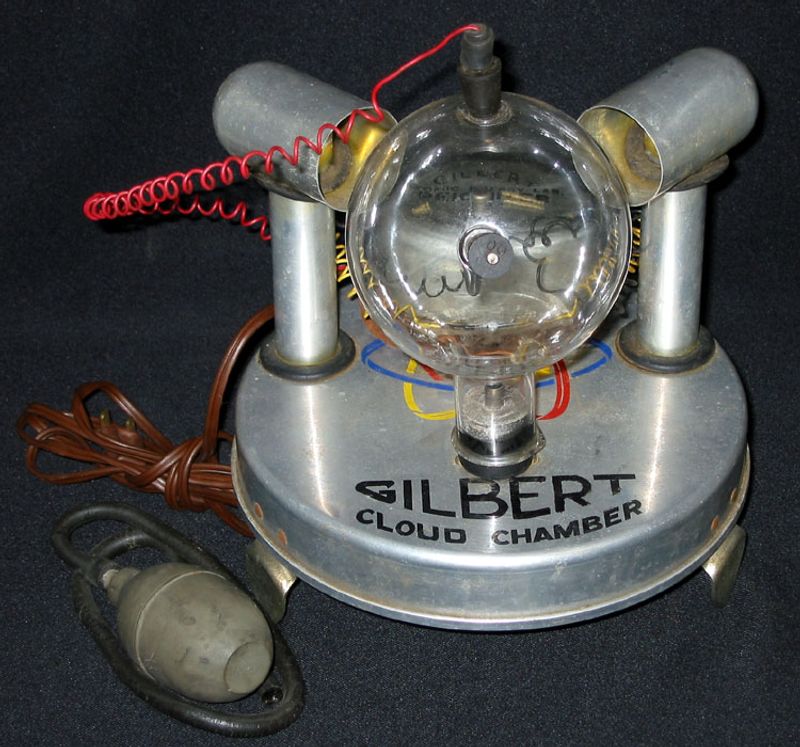
Staff photograph, licensed under CC BY-SA 3.0. Via Wikimedia Commons.
What kid wouldn’t want their very own radioactive materials for Christmas?
This science kit came packed with actual uranium ore samples, a Geiger counter, and a cloud chamber to watch atomic particles dance.
While it cost a whopping fifty dollars back then, parents had no idea they were gifting their children genuine radioactive substances that posed real health risks.
3. Asbestos-Lined Ironing Board Covers
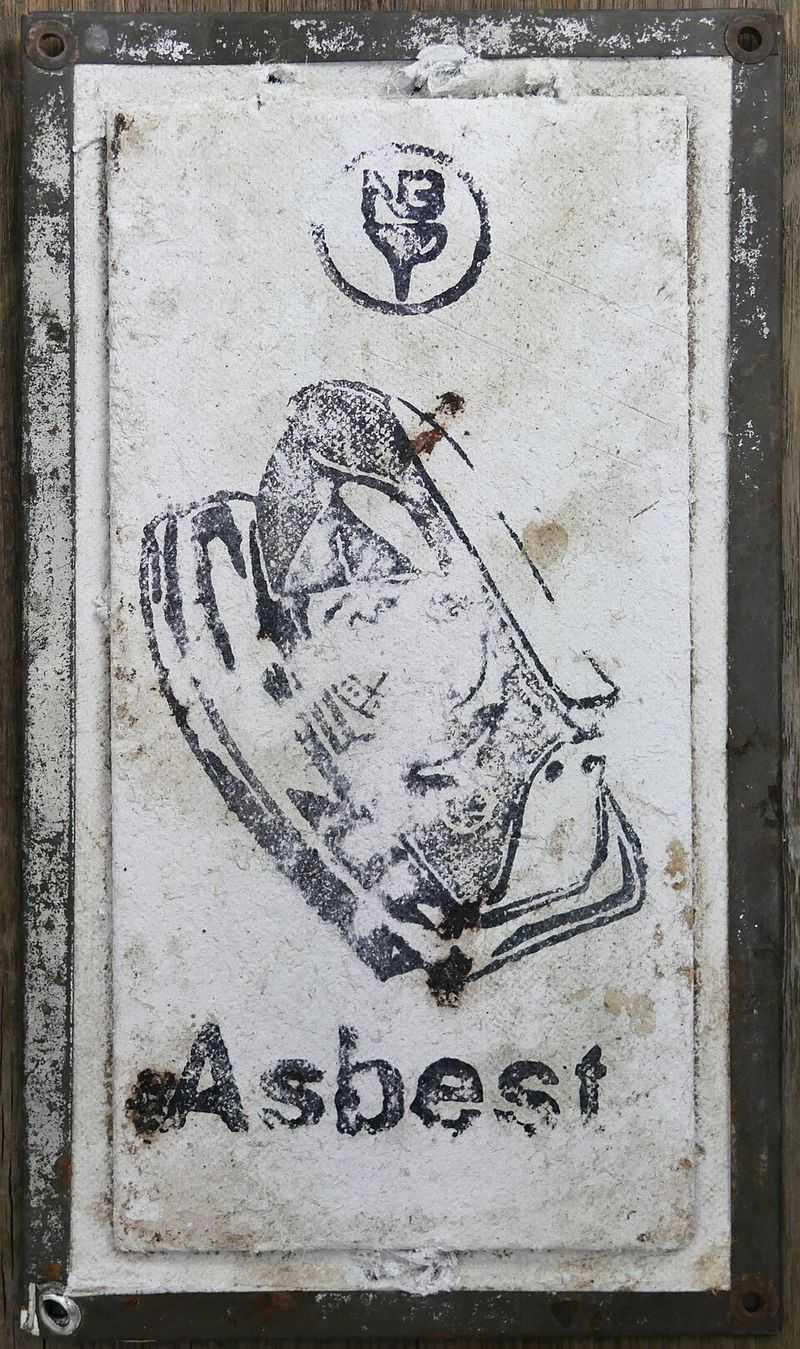
Homemakers loved these covers because they could withstand scorching heat without burning.
However, every time someone shook out the cover or replaced it, tiny asbestos fibers floated into the air like invisible danger confetti.
Breathing these fibers can cause mesothelioma and lung cancer decades later, which is why asbestos products are now heavily regulated or completely banned worldwide.
4. Lead-Painted Metal Toy Soldiers
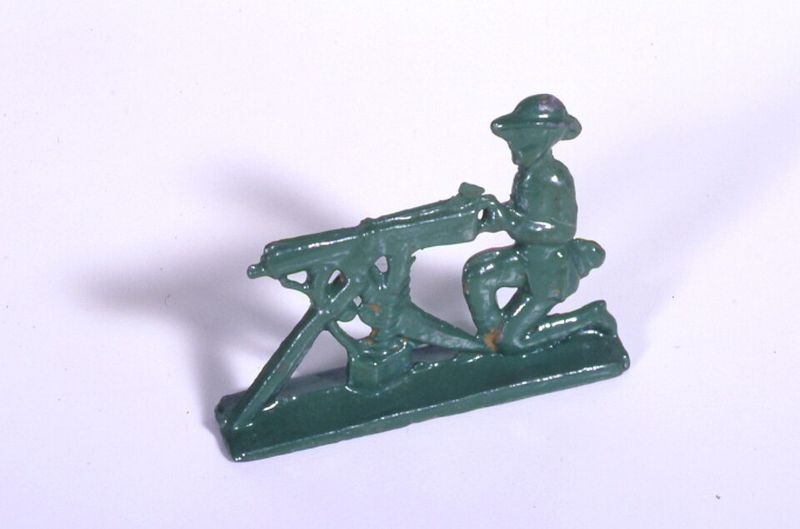
Fun Ho! Toy Company, licensed under CC BY 4.0. Via Wikimedia Commons.
Tiny armies of brightly painted soldiers marched across playroom floors, looking absolutely adorable in their vivid uniforms.
Kids would chew on them, handle them for hours, and absorb lead through their skin and mouths without anyone realizing the danger.
Lead poisoning affects brain development and can cause learning disabilities, behavior problems, and other serious health issues in children.
5. Toy Cap Pistols That Exploded Near Children’s Ears
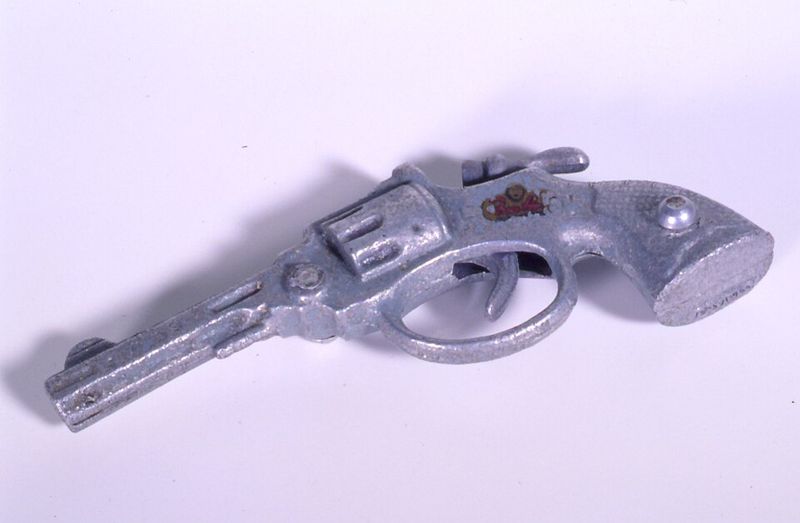
Fun Ho! Toy Company, licensed under CC BY 4.0. Via Wikimedia Commons.
Bang! Bang! Every kid wanted to be a cowboy, firing cap guns that created satisfying pops and puffs of smoke.
Those explosions happened mere inches from young ears, potentially causing permanent hearing damage with repeated exposure.
Modern toy guns must meet strict noise level regulations, because nobody wants childhood playtime to result in tinnitus and hearing loss later in life.
6. X-Ray Shoe-Fitting Machines in Department Stores
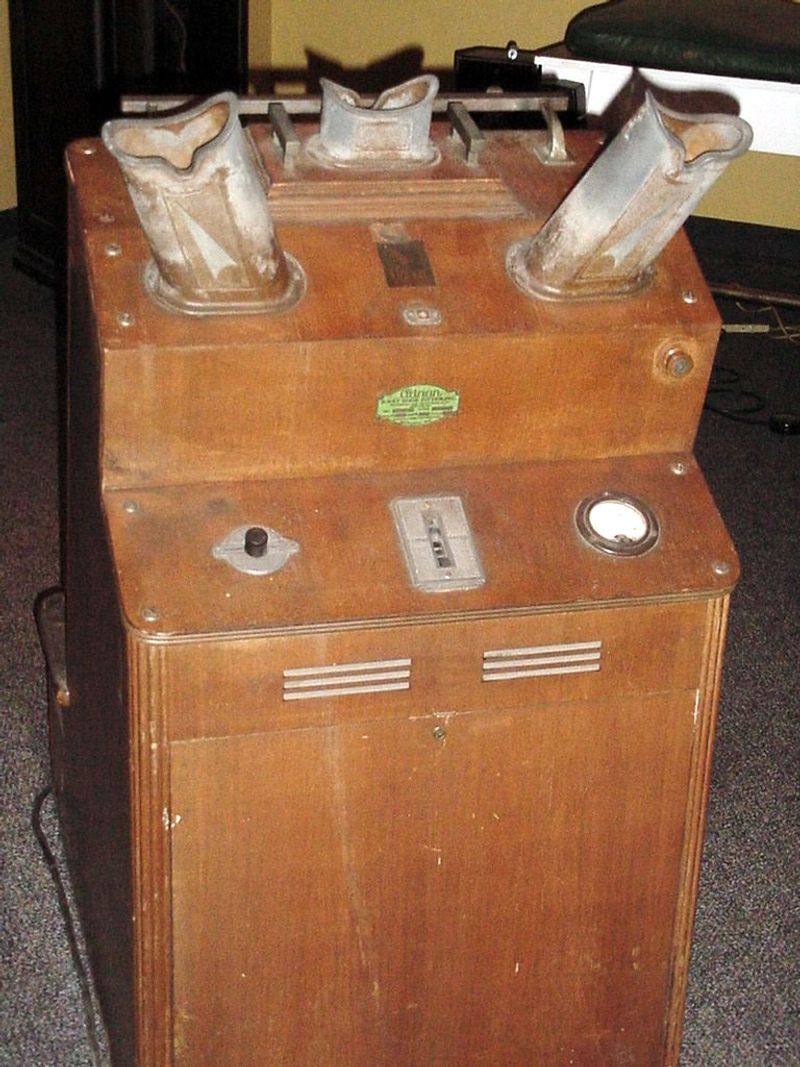
Shoe shopping became a futuristic adventure when stores installed machines that let customers see their foot bones through their shoes.
Children would stand on these fluoroscopes multiple times, getting blasted with radiation just to check if their sneakers fit properly.
Store employees received even higher doses, standing near the machines all day, before anyone understood the cancer risks these devices posed.
7. Mercury-Filled Glass Thermometers Marketed for Home Use
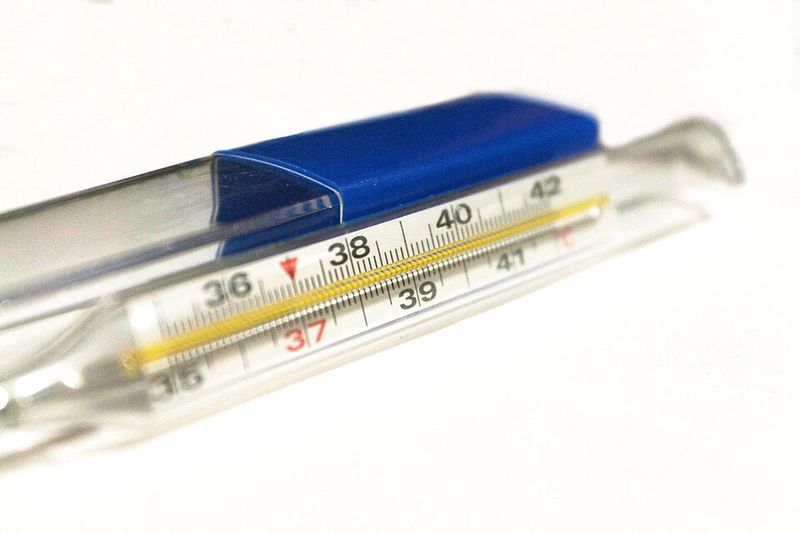
Nearly every medicine cabinet contained at least one of these slender glass tubes filled with shimmering silver liquid.
When dropped, they would shatter and release toxic mercury beads that rolled everywhere, tempting curious kids to play with the fascinating liquid metal.
Mercury exposure damages the nervous system, kidneys, and brain, which is why digital thermometers have replaced these hazardous relics in most modern homes.
8. High-Lead-Content Ceramic Dinnerware Glazes
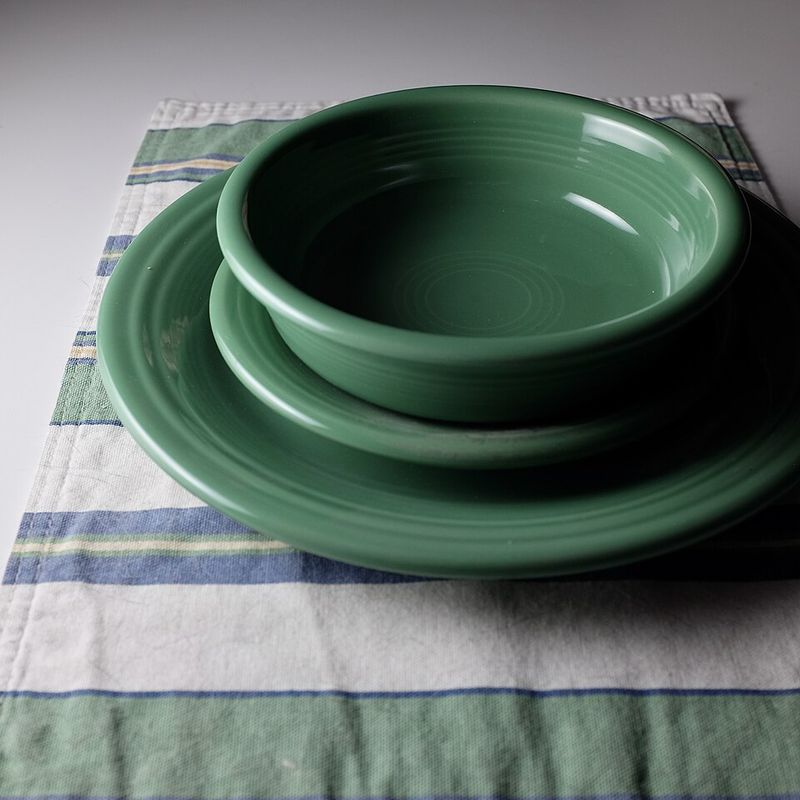
Families gathered around tables set with gorgeous, glossy dishes in cheerful colors that made every meal feel special.
Acidic foods like tomato sauce and orange juice would leach lead from the glazes directly into the food, poisoning diners with every bite.
Modern ceramic regulations require rigorous testing to ensure dishes are food-safe, protecting us from the invisible toxins that made vintage dinnerware so dangerously beautiful.
9. Electric Blankets with Poorly Insulated Wiring
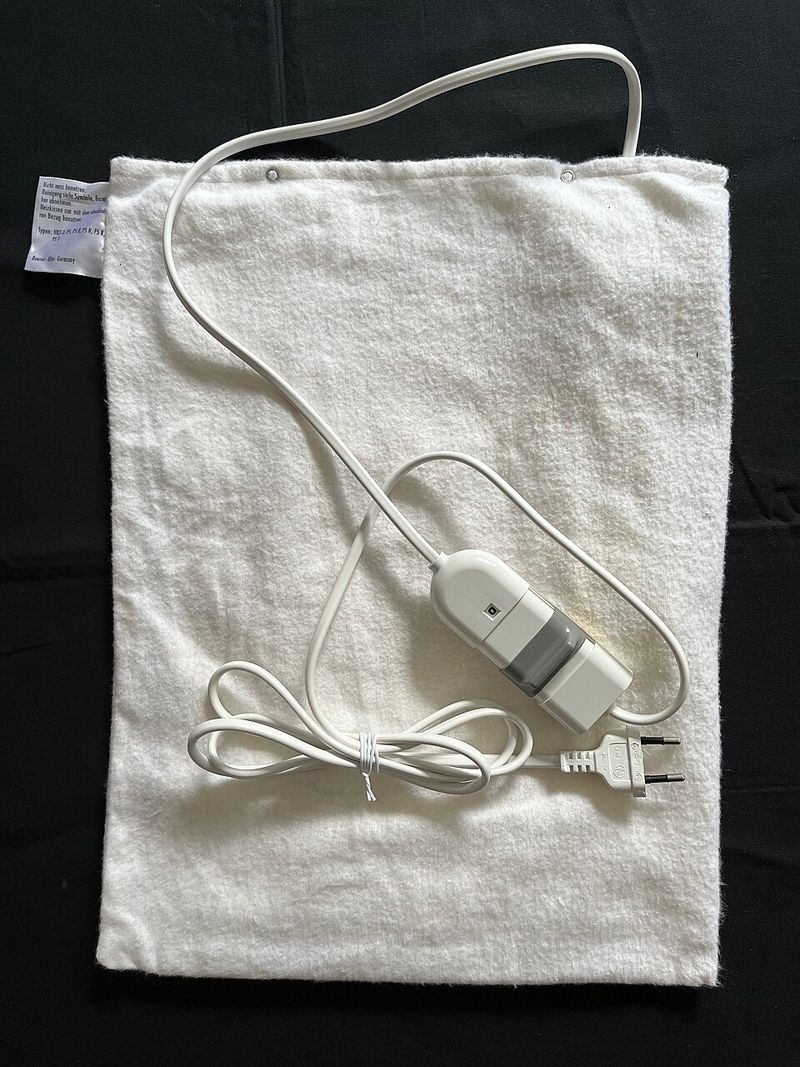
Cold winter nights felt cozy under electrically heated blankets that promised warmth without extra layers.
However, the internal wiring could overheat, short circuit, or even catch fire while people slept peacefully unaware.
Countless house fires and burn injuries resulted from these faulty designs before modern blankets were required to have automatic shutoff timers, better insulation, and overheat protection systems.
10. Aerosol Bug Sprays with DDT for Indoor Use
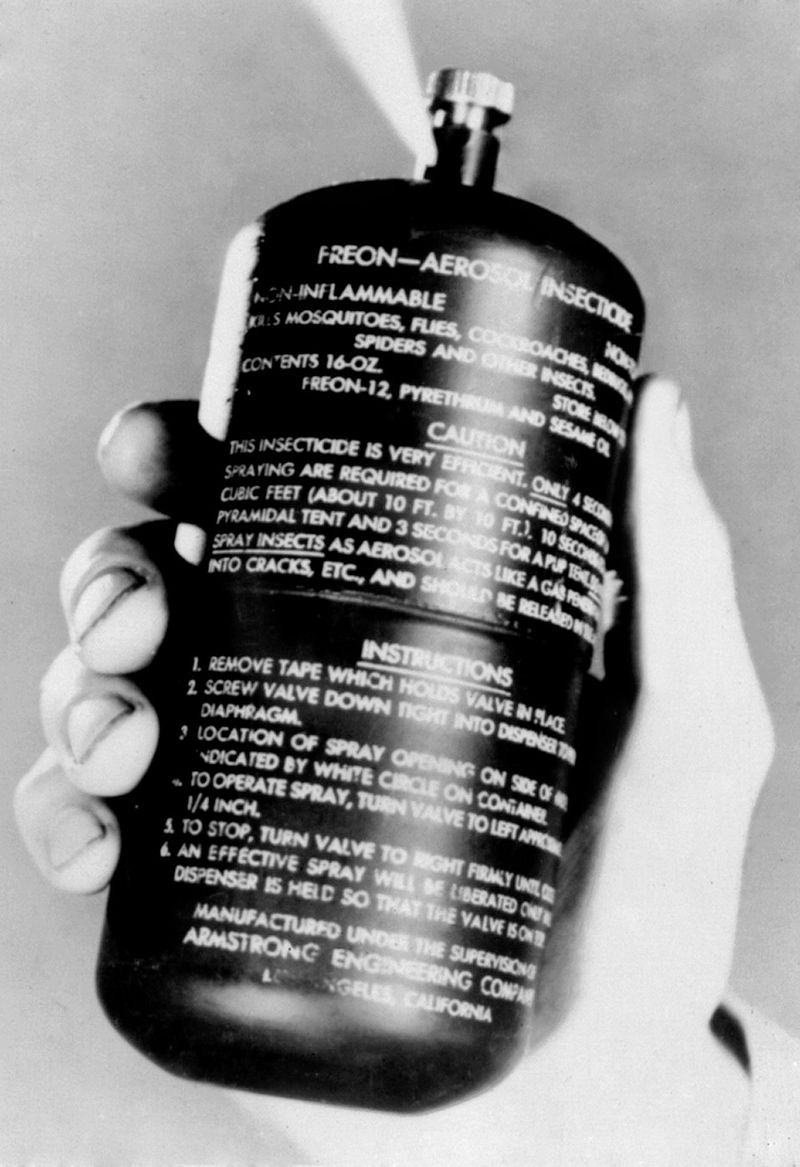
Families enthusiastically sprayed DDT throughout their homes, convinced they were winning the war against pesky insects.
This powerful pesticide accumulated in human tissue and the environment, causing cancer, reproductive problems, and devastating effects on wildlife, especially birds.
Rachel Carson’s groundbreaking book Silent Spring exposed DDT’s dangers, leading to its ban in the United States in 1972 after years of widespread contamination.
11. Plastic Teethers and Pacifiers with Toxic Plasticizers
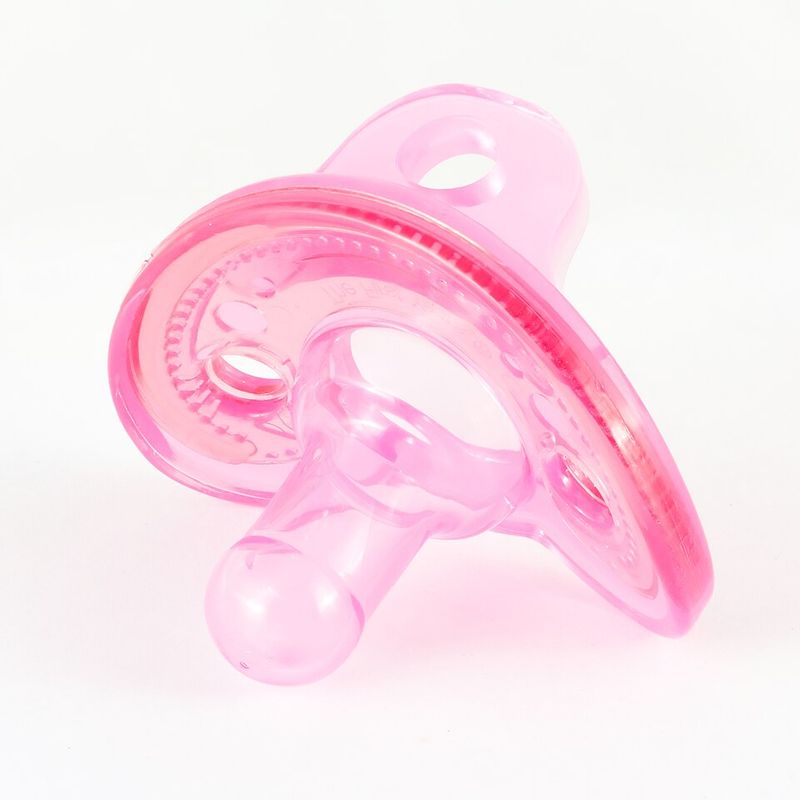
Babies gnawed contentedly on brightly colored plastic teethers, not knowing they were ingesting harmful chemicals with every chew.
Early plastics contained phthalates and other toxic plasticizers that could disrupt hormones and affect development.
Modern baby products must meet strict testing standards to ensure they’re free from harmful chemicals, because the youngest members of society deserve the safest materials possible.
12. Tall Metal Playground Slides Over Bare Concrete
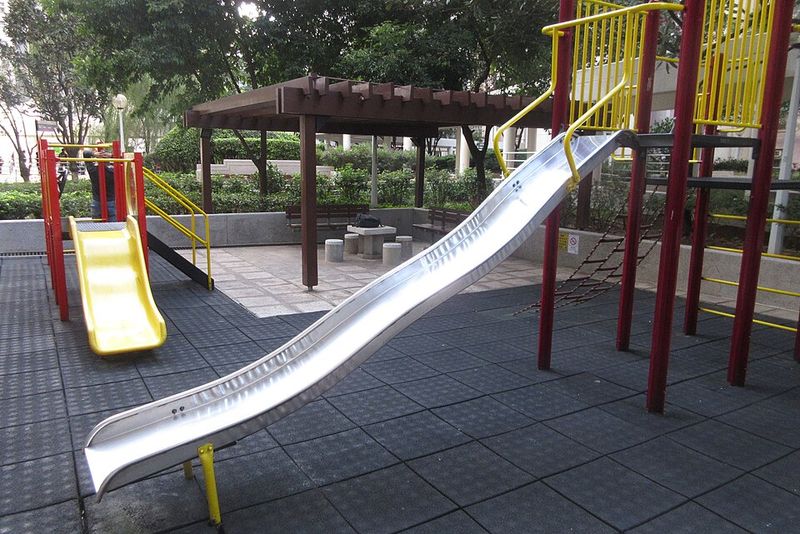
Playgrounds featured towering metal slides that baked in the summer sun until they were hot enough to fry an egg.
Kids would climb to dizzying heights and zoom down onto hard concrete surfaces, with broken bones being considered just part of outdoor play.
Modern playgrounds require impact-absorbing surfaces like rubber mulch or foam, plus lower heights and gentler slopes, because fun shouldn’t mean inevitable trips to the hospital.