13 Weird Australian Eats That Will Shock Your Taste Buds
Australia is home to some of the most adventurous food traditions on the planet, and the culinary scene carries just as much character as its landscapes. Beyond the usual tourist bites sits a world of bold flavors, unexpected textures, and cultural influences that stretch back thousands of years.
Indigenous food traditions form a deep foundation, while modern Australian cooking continues to evolve with playful, inventive twists that surprise even seasoned travelers. Some dishes feel familiar at first glance, then reveal layers of flavor that catch you off guard in the best way.
Others lean into ingredients rarely seen elsewhere, turning every meal into a small discovery. There is a sense of fearlessness in the way food is prepared and enjoyed, where comfort and curiosity meet on the same plate.
Bush ingredients, coastal staples, and café creations all sit side by side in a food culture that refuses to play it safe. Every bite carries history, personality, and a touch of wild imagination that keeps curiosity wide open and taste buds on alert.
1. Vegemite on Toast
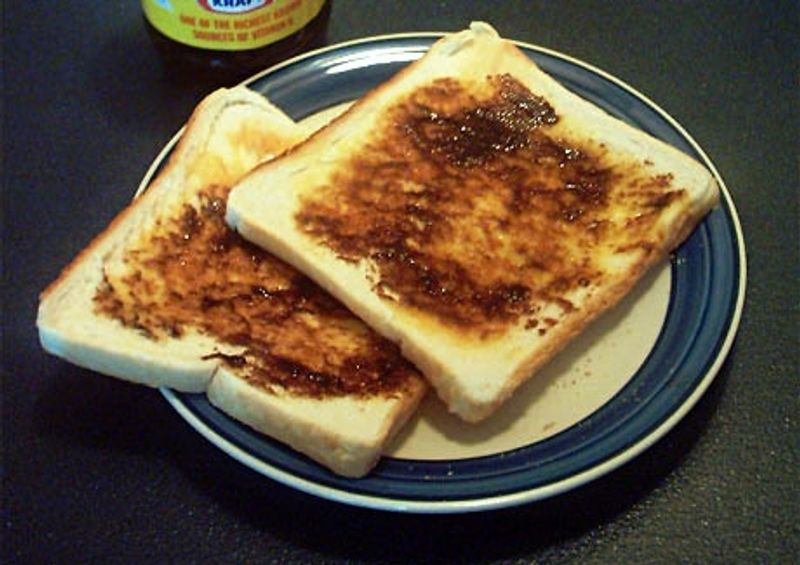
Jet black, salty, and powerfully pungent, Vegemite is basically Australia’s national treasure in a jar. Spread onto buttered toast, it delivers a hit of umami so intense it could wake you up faster than an alarm clock.
Most first-timers slather it on way too thick, which is the classic rookie mistake.
The secret is a thin, thin layer, just enough to coat the butter without overwhelming every taste bud you own. Vegemite was invented in Australia back in 1922 and has been a breakfast staple ever since.
It is made from leftover brewer’s yeast extract and loaded with B vitamins.
2. Fairy Bread

No Australian childhood birthday party is complete without a plate of fairy bread sitting front and center, looking like something straight out of a cartoon universe. White bread, butter, and a generous shower of rainbow sprinkles called hundreds and thousands, and somehow it all works beautifully together.
Simple? Absolutely.
Magical? One hundred percent.
Kids across Australia have been munching on fairy bread since the 1920s, making it one of the most nostalgic foods in the country. Adults love sneaking a slice too, just saying.
Cut into triangles for maximum festive energy, it is proof that the best party food does not need to be complicated.
3. Chiko Roll

Crunchy on the outside, mysteriously soft on the inside, the Chiko Roll is the kind of snack that was literally engineered to survive being eaten on the go. Inspired by Chinese spring rolls, it was invented by Frank McEncroe in 1951 specifically for football crowds who needed something they could eat without a fork or plate.
Pretty clever, honestly.
Inside the thick, deep-fried pastry shell, you will find a mix of beef, cabbage, celery, and spices. It sounds simple but the combination is oddly satisfying.
Found at fish and chip shops all across Australia, the Chiko Roll is a greasy, golden piece of Aussie food history worth experiencing at least once.
4. Kangaroo Meat
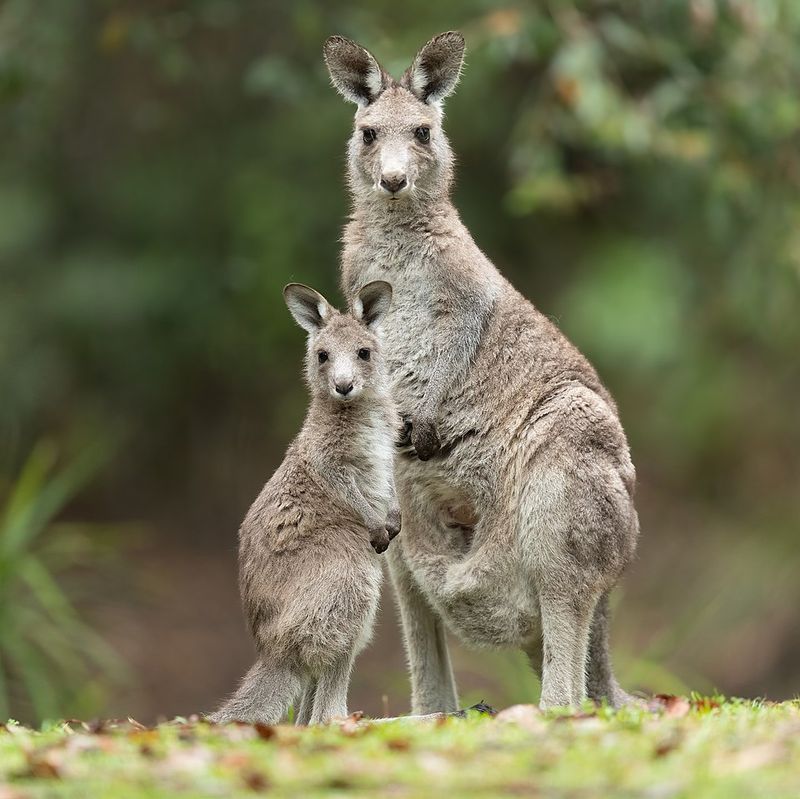
Eating the animal on the country’s coat of arms sounds controversial, but kangaroo meat is actually one of the most sustainable and nutritious proteins available in Australia. Leaner than beef, lower in fat than chicken, and rich in iron and zinc, it is practically a superfood wearing a very surprising costume.
Kangaroo populations are carefully managed to ensure ecological balance.
Flavor-wise, kangaroo is often compared to venison, offering a deep, slightly gamey richness. Grilled as a steak or formed into sausages called kanga bangas, it appears in supermarkets, butcher shops, and high-end restaurants across Australia.
Environmental organizations have actually encouraged Australians to eat more kangaroo because of its low carbon footprint compared to cattle farming.
5. Moreton Bay Bug
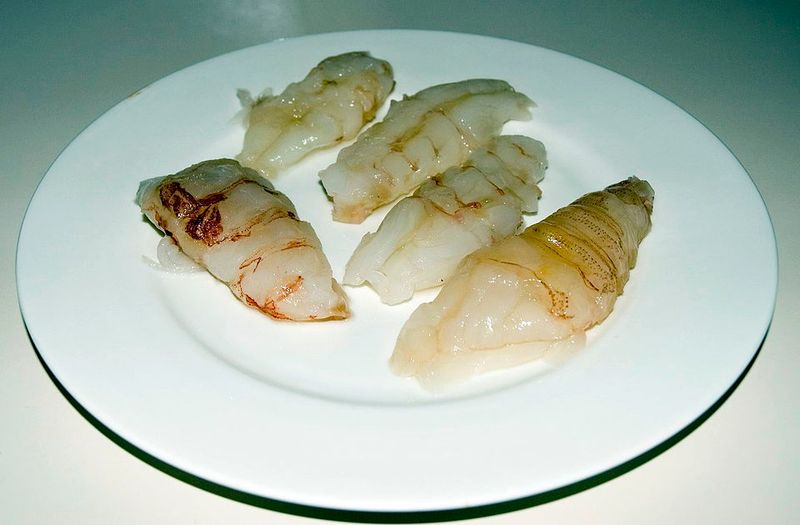
Do not let the name fool you, because a Moreton Bay Bug has absolutely nothing to do with insects. It is actually a type of slipper lobster native to Australia’s eastern coastline, and it is considered a prized seafood delicacy.
Named after Moreton Bay near Brisbane, Queensland, these flat-bodied crustaceans look a little alien but taste absolutely incredible.
Sweet, tender, and slightly briny, the meat inside a Moreton Bay Bug rivals that of a regular lobster but often comes at a friendlier price. Chefs love halving them and grilling them face-down over high heat.
Served on seafood platters at Australian restaurants and fish markets, they are proof that sometimes the weirdest-looking foods deliver the most spectacular flavors.
6. Damper Bread
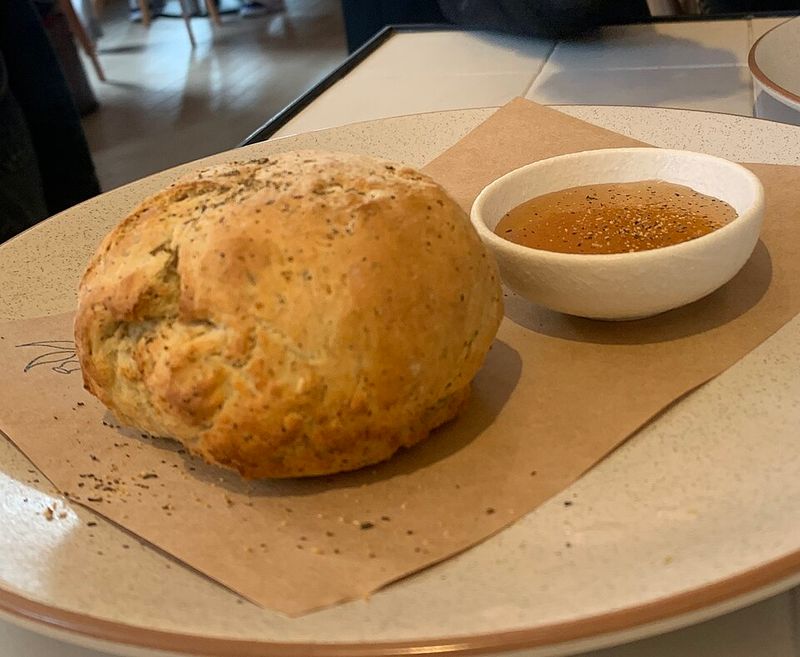
Born out of necessity on the Australian frontier, damper bread is one of the most rugged, honest foods ever created. Early settlers and drovers, known as stockmen, would mix flour, water, and a pinch of salt, then bake the dough directly in the coals of a campfire.
No oven required, no fancy equipment, just fire and ingenuity.
The result is a dense, crusty loaf with a soft, chewy center. Traditionally served hot and slathered in butter or golden syrup, damper bread is pure comfort in every bite.
Scout groups and school camps across Australia still make it as a fun outdoor activity. It connects modern Australians to a rough-and-tumble bush heritage that shaped the spirit of the entire nation.
7. Pavlova
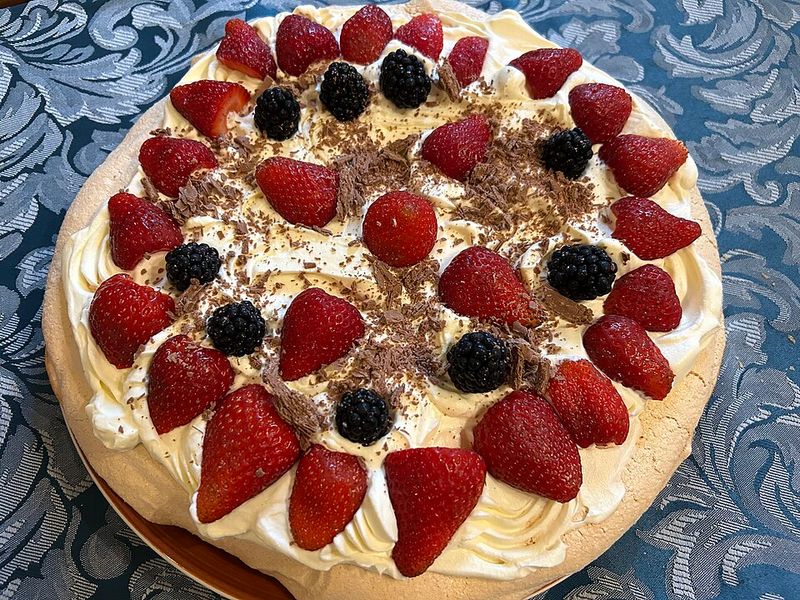
Few desserts cause as much friendly international drama as the pavlova, because both Australia and New Zealand fiercely claim it as their own invention. Regardless of who created it first, Australians have made it a centerpiece of festive celebrations, especially during Christmas and summer holidays.
Named after Russian ballerina Anna Pavlova, who toured both countries in the 1920s, it is as elegant as its namesake.
A perfect pavlova has a crisp, cloud-like meringue shell that shatters gently to reveal a soft, marshmallow interior underneath. Piled high with whipped cream and bright fresh fruit like passionfruit, strawberries, and kiwi, every slice is a showstopper.
Baking one requires patience and precision, but the reward is absolutely worth every careful minute spent in the kitchen.
8. Tim Tam
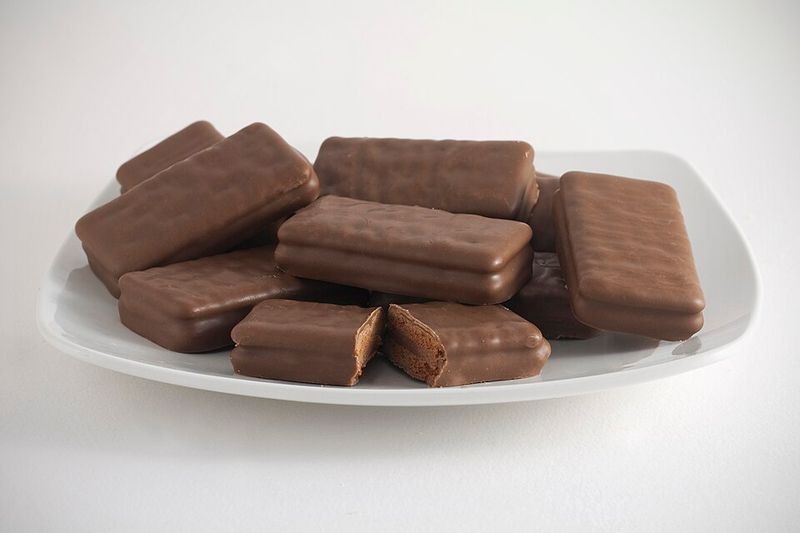
If chocolate biscuits had a hall of fame, the Tim Tam would have its own dedicated wing. Created by Arnott’s Biscuits in 1964, it consists of two malted chocolate biscuits sandwiching a smooth chocolate cream filling, all coated in a thin layer of chocolate.
Short description, extraordinary reality.
Australians have invented a legendary ritual called the Tim Tam Slam, where both ends of the biscuit are bitten off and hot chocolate is sipped through it like a straw. The biscuit then melts into a gooey, chocolatey mess in your mouth.
It sounds chaotic but tastes absolutely phenomenal. Tim Tams are exported worldwide and have developed devoted fan followings in countries including Japan and the United States.
9. Anzac Biscuit
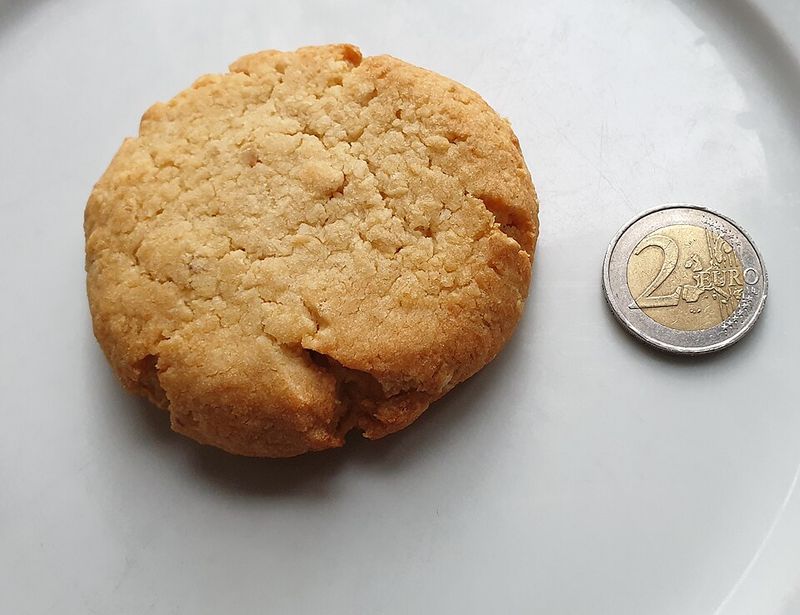
Every bite of an Anzac biscuit carries a little bit of history. During World War I, Australian and New Zealand women baked these chewy, golden cookies and sent them to soldiers serving overseas.
Made without eggs, since eggs were scarce, the recipe uses rolled oats, desiccated coconut, flour, butter, and golden syrup, creating a biscuit sturdy enough to survive long sea voyages.
The name Anzac stands for Australian and New Zealand Army Corps, and strict Australian laws actually regulate how the name can be used commercially out of respect for its wartime heritage. Chewy in the center, slightly crisp at the edges, and warmly caramelized throughout, an Anzac biscuit is equal parts delicious and deeply meaningful to Australian culture and identity.
10. Beetroot on Burgers
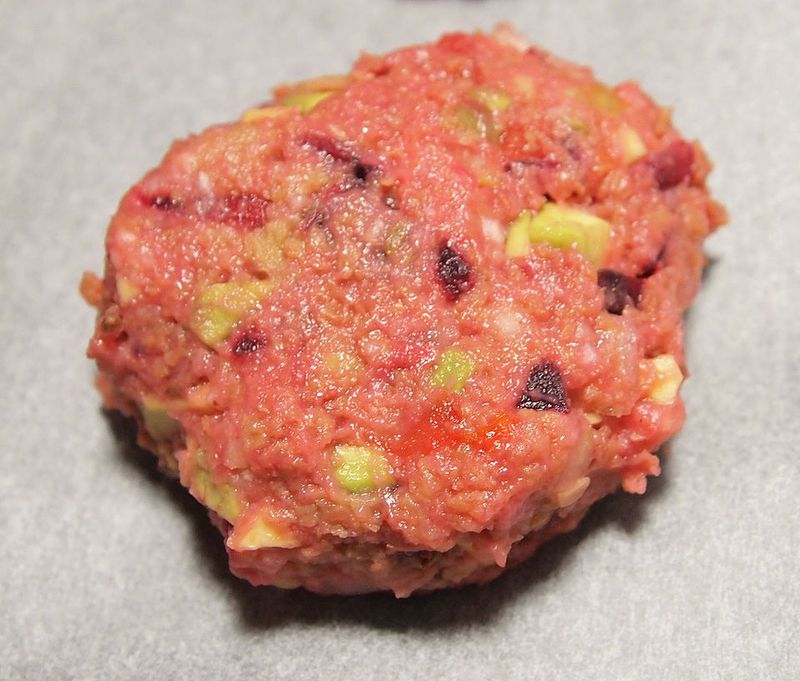
In most parts of the world, burger toppings stick to a fairly predictable lineup. Australia looked at all of that and decided to add a big, juicy slice of canned beetroot, and somehow it became completely non-negotiable on a proper Aussie burger.
Sweet, earthy, and slightly tangy, beetroot adds a flavor dimension that genuinely elevates the whole experience.
A classic Australian burger also tends to include a fried egg and a pineapple ring, making it a stacked, colorful, slightly chaotic masterpiece. The beetroot juice bleeds into everything, turning the bun a dramatic shade of purple.
First-timers usually look skeptical but almost always end up converted after one bite. It is the kind of topping that makes you question why you ever ate a burger without it.
11. Chicken Salt Chips
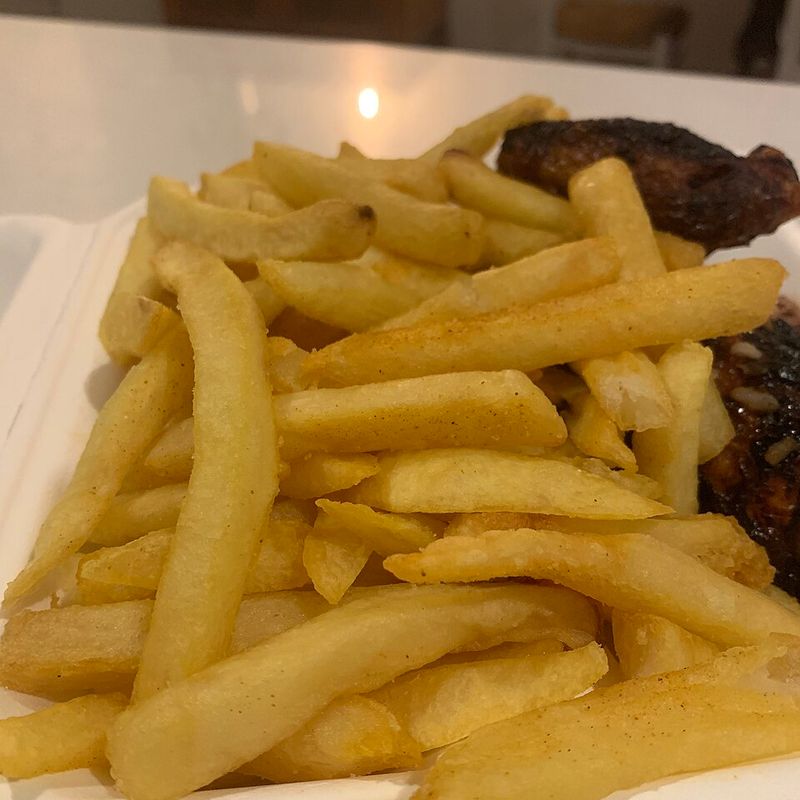
Ask any Australian what makes a bag of hot chips perfect and the answer will almost always involve chicken salt. Despite the name, chicken salt does not actually contain chicken in most versions.
It is a savory, slightly herby, golden-colored seasoning blend that was invented in South Australia and quickly spread to fish and chip shops across the entire country.
Sprinkled generously over fresh, hot, crispy chips straight out of the fryer, chicken salt creates a flavor explosion that is deeply addictive. It is salty, savory, slightly sweet, and completely unlike regular table salt.
Visitors often discover chicken salt for the first time and immediately start figuring out how to smuggle large quantities of it back home in their suitcases. It is that good.
12. Salt and Vinegar Chip Sandwich
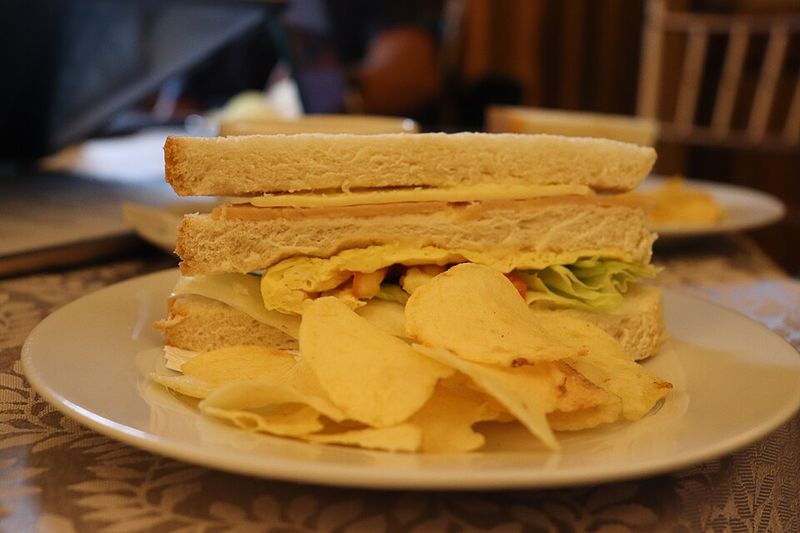
Sandwiches stuffed full of crisps are not exclusively Australian, but Australians have elevated the salt and vinegar chip sandwich into an art form that deserves serious respect. Two slices of soft white bread, a generous smear of butter, and a completely irresponsible amount of crunchy salt and vinegar chips crammed inside.
Press it together, hear the satisfying crunch, and take a bite.
The combination of soft bread and shatteringly crunchy chips creates a textural contrast so satisfying it almost defies logic. Add the sharp, tangy punch of vinegar-seasoned chips and the result is a snack that wakes up every single taste bud simultaneously.
School lunch boxes across Australia have featured this glorious creation for generations, and it remains one of those simple, weird, wonderful food joys that Australians defend passionately.
13. Crocodile Meat
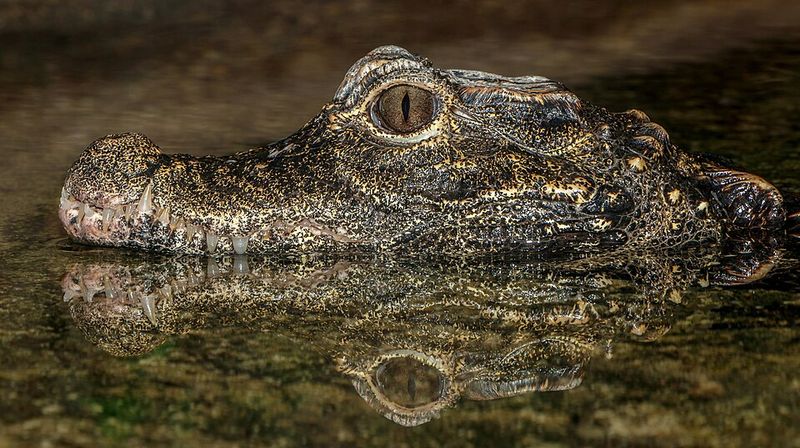
Crocodile meat is one of those foods where the sheer audacity of eating it is half the experience. Farmed legally in Australia’s Northern Territory and Queensland, saltwater crocodile meat has become a genuine specialty item appearing on restaurant menus and in specialty butcher shops across the country.
It is lean, high in protein, and low in fat, making it nutritionally impressive.
Flavor-wise, crocodile sits somewhere between chicken and fish, mild and slightly firm, absorbing marinades and spices beautifully. Served as skewers, steaks, or even in pies, it offers adventurous eaters a chance to try something genuinely extraordinary.
Crocodile farming in Australia is tightly regulated to ensure both animal welfare and wild population protection. Eating it responsibly supports conservation efforts, which makes every bite feel just a little bit heroic.