11 Well-Known Movies That Sparked Walkouts During Screenings
Not every movie night ends with popcorn and applause – sometimes it ends with someone speed-walking to the exit. A few films pushed shock, tension, or sheer discomfort so far that audiences decided fresh air was the better option.
Graphic moments, nerve-wracking scenes, and stories that hit a little too close to home have all sent viewers heading for the lobby.
The question is, would you have stayed… or made a run for it too?
Disclaimer: This article discusses audience reactions to films known for extreme or explicit content, but it avoids graphic detail. Reports of walkouts, boos, or medical assistance may vary by screening, venue, and contemporary coverage, and not every account can be independently confirmed across all sources.
1. Irréversible
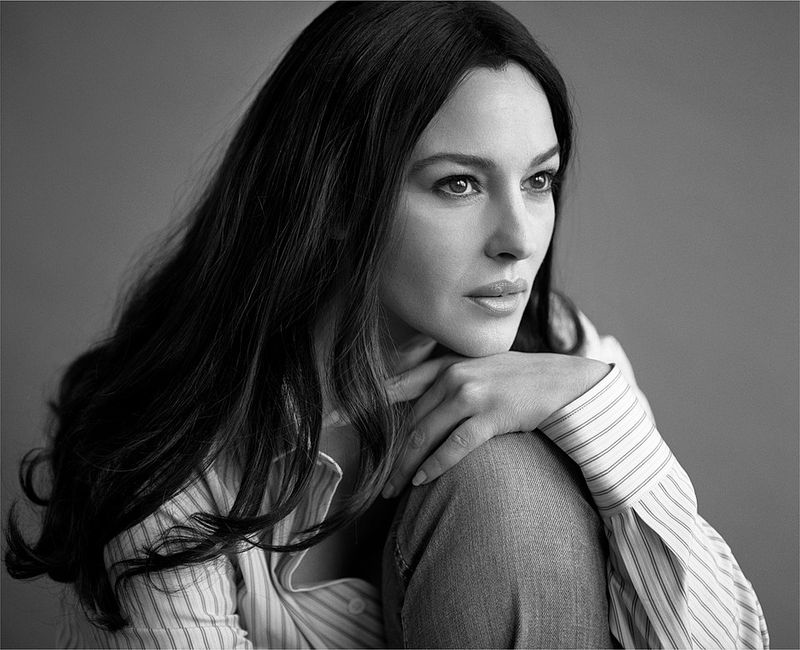
French provocateur Gaspar Noé delivered one of modern cinema’s most harrowing experiences with Irreversible.
Reports around its Cannes premiere described significant walkouts, and some outlets reported on-site medical assistance for a small number of attendees. One extended sequence and the film’s reverse-order structure left many audience members shaken and physically unsettled.
Deliberate use of low frequency sound design heightened feelings of nausea and dread throughout key scenes. Disorienting camerawork that spins, tilts, and drifts through nightmarish moments makes the film feel almost impossible to watch without discomfort.
2. The House That Jack Built

Lars von Trier returned to Cannes in 2018 with another shocker.
As the protagonist’s on-screen violence escalated over a twelve-year period, large-scale walkouts started early. Critics called it grotesque, while defenders praised its artistic commentary on violence.
The film follows a serial killer who views his crimes as art, pushing audiences through scenes involving bad scenes. Even seasoned festival-goers found themselves heading for the exits during particularly brutal sequences.
3. Antichrist
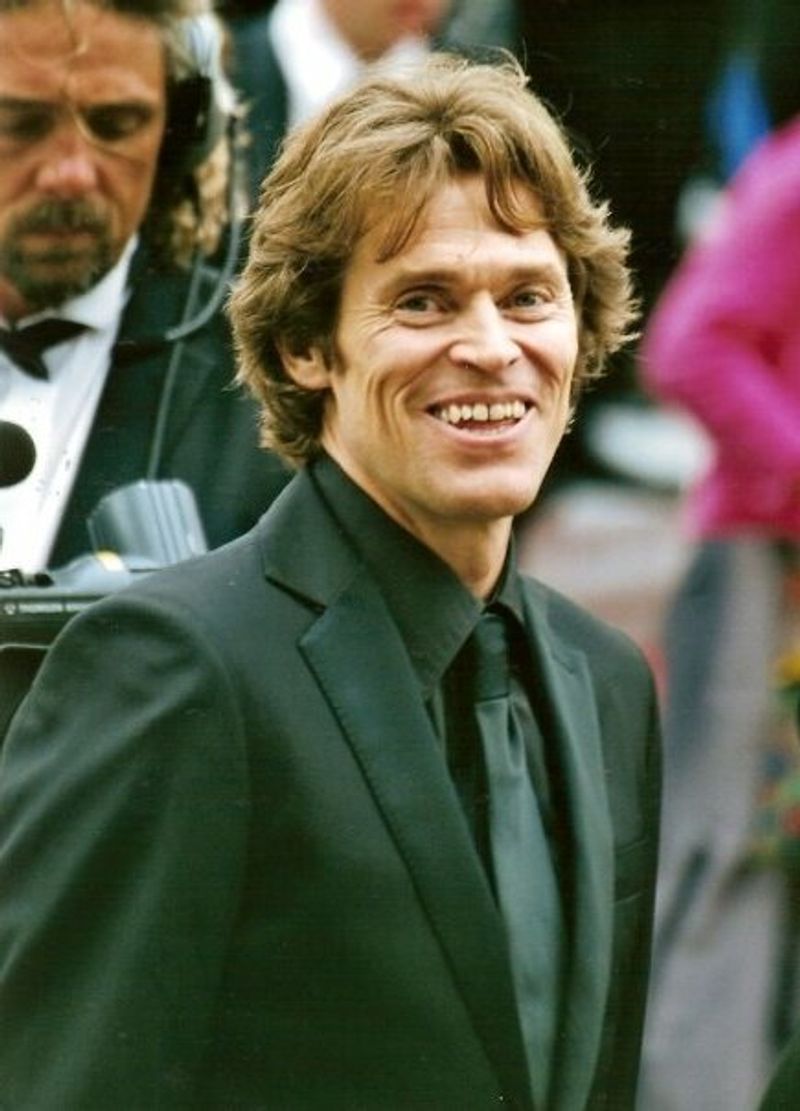
How does a filmmaker end up with a reputation for emptying theaters before the credits roll?
Controversial Danish director Lars von Trier cemented that image with his 2009 psychological horror film Antichrist. At Cannes, the film drew strong reactions, including boos and early exits reported in coverage at the time.
Themes of grief and depression unfold through increasingly disturbing imagery that refuses to offer comfort or relief.
Von Trier’s own struggles with severe depression during production seem etched into every frame, creating an experience many viewers found impossible to shake.
4. The Neon Demon

Nicolas Winding Refn painted Los Angeles fashion world in the darkest colors imaginable.
Viewers fled theaters during scenes featuring extreme content that felt gratuitous even by festival standards.
The film follows a young model consumed by the beauty-obsessed industry, literally. Refn’s gorgeous cinematography contrasts violently with disturbing content that left audiences shocked and disgusted.
Many called it style over substance, but nobody disputed its power to make people uncomfortable.
5. Only God Forgives
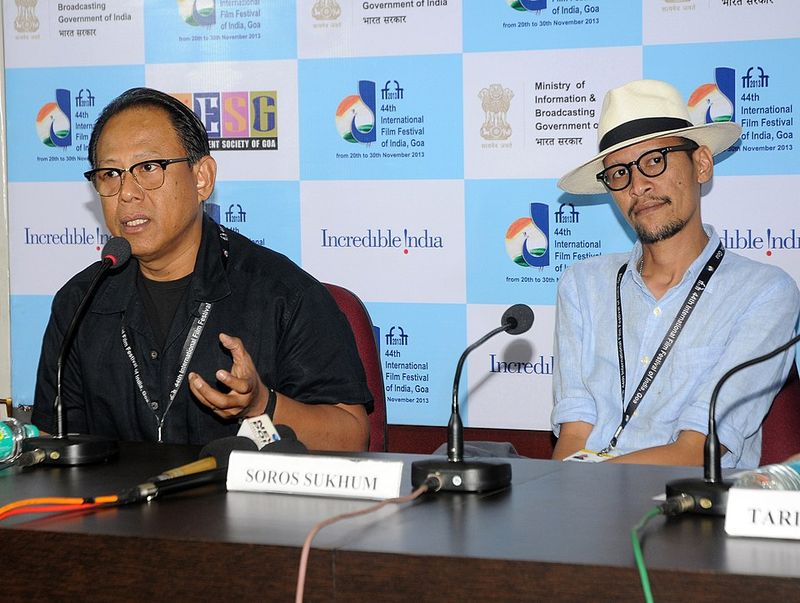
Collaboration between Ryan Gosling and Nicolas Winding Refn returned with a polarizing Bangkok set thriller in Only God Forgives.
At Cannes, the film was loudly booed, with reactions sharply divided. Nearly wordless performance from Gosling, paired with stark revenge violence, proved overwhelming for many audience members.
Critical response split dramatically, with some praising its hypnotic style while others labeled it nearly unwatchable. Unsettling touches like a karaoke singing villain and graphic torture sequences built a suffocating mood that drove plenty of viewers out of the theater.
6. Enter The Void
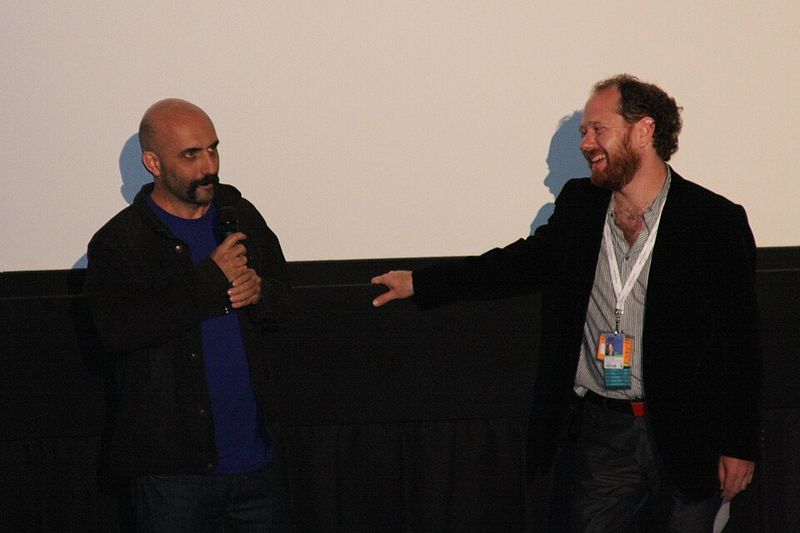
Gaspar Noé strikes again with this psychedelic journey through Tokyo’s underbelly.
The film’s relentless first-person camera work and strobing lights triggered walkouts within the opening minutes. Viewers complained of motion sickness and headaches from the disorienting visual style that never lets up.
Following a character’s perspective in an afterlife-style narrative, the movie includes graphic sex scenes and a disturbing abortion sequence. At 161 minutes, it tests endurance like few films dare, leaving theaters half-empty before the credits roll.
7. Raw
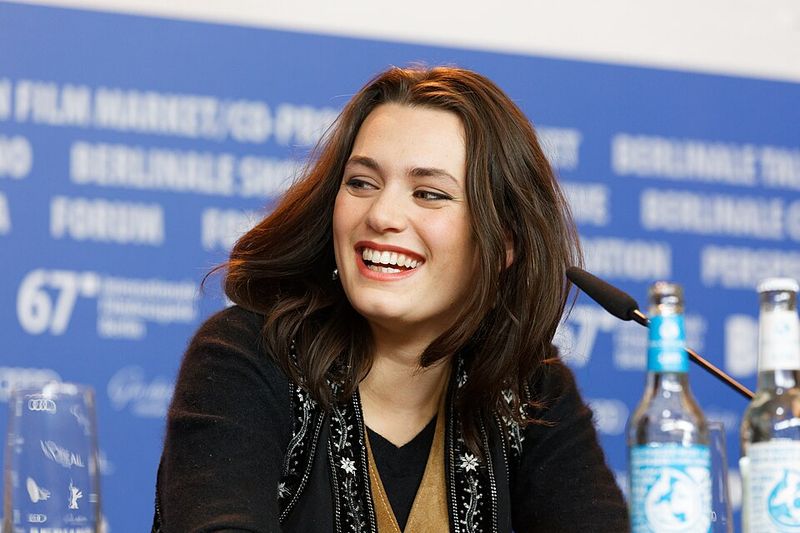
Debut feature from Julia Ducournau left a lasting mark during its premiere at the Toronto International Film Festival.
During a TIFF screening, multiple outlets reported that medical staff were called after some attendees felt unwell. Story in Raw centers on a vegetarian veterinary student whose initiation ritual awakens an unsettling craving for a taboo craving.
Playful dark humor gradually gives way to deeply disturbing territory that caught many viewers off guard. Critical praise for its coming of age and feminist themes did little to prevent walkouts during some of the film’s most infamous scenes.
8. Crash

David Cronenberg explored humanity’s strangest fetishes in this 1996 controversy magnet.
Many viewers found the film’s explicit depictions of people and its purposefully controversial premise – which links intimacy and crashes – to be too strange and unsettling.
Cannes audiences walked out in droves, though the film still won a special jury prize for originality.
Critics called it everything from brilliant to pornographic as characters pursue increasingly dangerous collisions for sexual gratification. The uncomfortable premise alone was enough to clear theaters before things got really weird.
9. The Brown Bunny
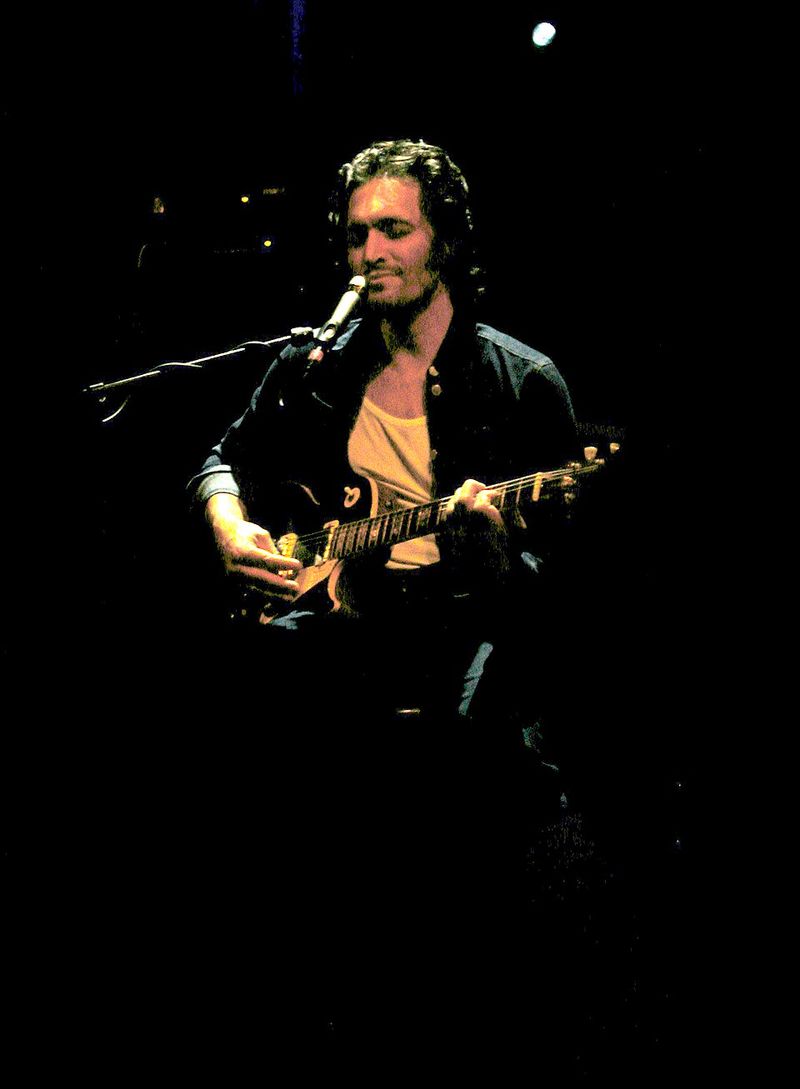
Controversy swirled around Vincent Gallo when his road movie The Brown Bunny premiered at Cannes in 2003.
Extremely slow pacing and an explicit scene near the end prompted many audience members to leave before the credits rolled.
Famous clash erupted when critic Roger Ebert labeled it one of the worst films in Cannes history, triggering a very public feud with Gallo. A re-edited cut was later released, and the Cannes version became part of the film’s long-running controversy.
Walkouts actually began much earlier, with viewers losing patience during the long, meditative driving sequences well before the controversial finale.
10. Blue Is The Warmest Colour
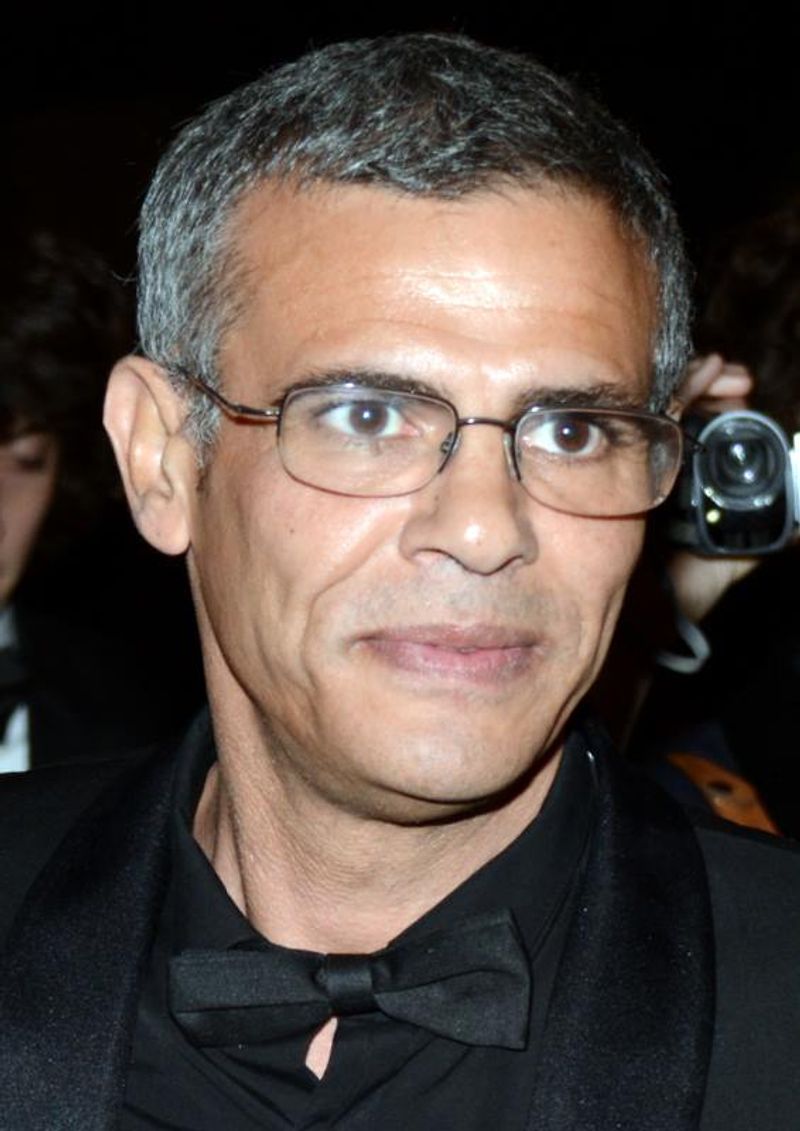
Abdellatif Kechiche’s three-hour romance won the Palme d’Or despite causing walkouts.
The film’s extended explicit scenes drew debate and reportedly prompted some walkouts.
Critics debated whether the scenes were artistically necessary or male-gaze exploitation. The two lead actresses later criticized the difficult filming conditions and how the intimate scenes were shot.
While many praised the emotional depth, others couldn’t sit through the unrelenting intensity of the physical sequences.
11. Titane
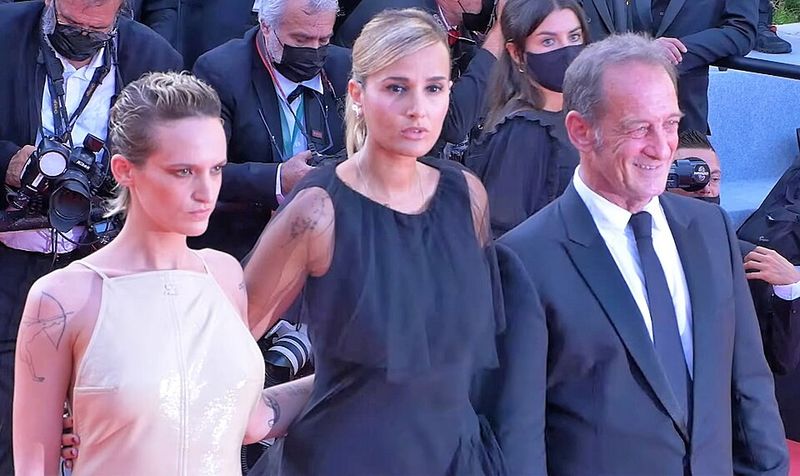
French filmmaker Julia Ducournau returned to Cannes with the audacious body horror feature Titane. Audience members reportedly walked out during scenes of extreme violence and the protagonist’s unsettling intimacy with automobiles.
Graphic violence and body-horror imagery, and surreal pregnancy imagery pushed the film into territory many viewers found overwhelming.
Despite the strong reactions, the movie won the prestigious Palme d’Or, making Ducournau only the second female director to win the Palme d’Or.
Relentless dedication to its strange, uncompromising vision became both its greatest strength and the reason so many could not make it to the end.