10 Well-Known Musicians Who Learned Largely By Ear
Turns out you don’t need to read a single note to write a stadium anthem. Some of the biggest legends of rock, pop, and soul created their masterpieces entirely by feel and a whole lot of nerve.
Music class who? These artists proved raw talent and a good ear beat sheet music every time.
1. Paul McCartney
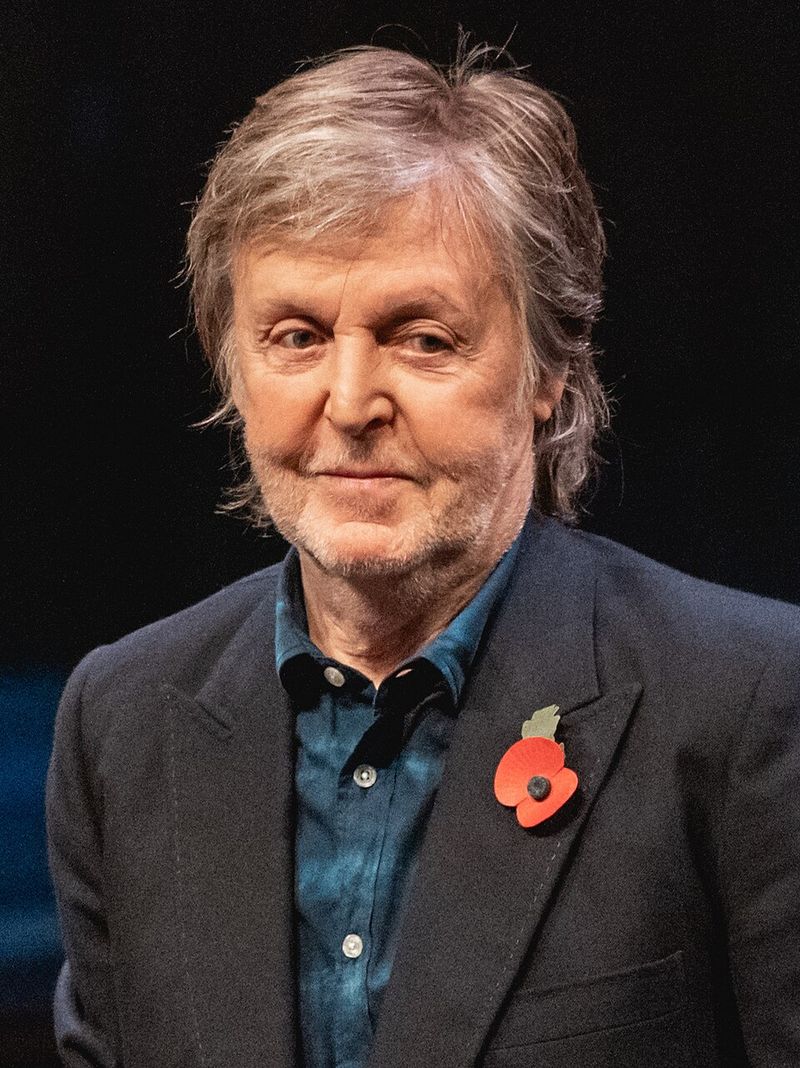
No sheet music, no notation, just melodies forming and sticking long enough to become history. Paul McCartney has long said that he never learned to read or write music notation in the conventional way.
Songs such as “Let It Be” and “Hey Jude” grew out of the ear-led writing process he has often described.
He once called it “a happy accident” that he learned by ear. Bass lines building in his head often sounded closer to a full orchestra than a single instrument.
2. Jimi Hendrix
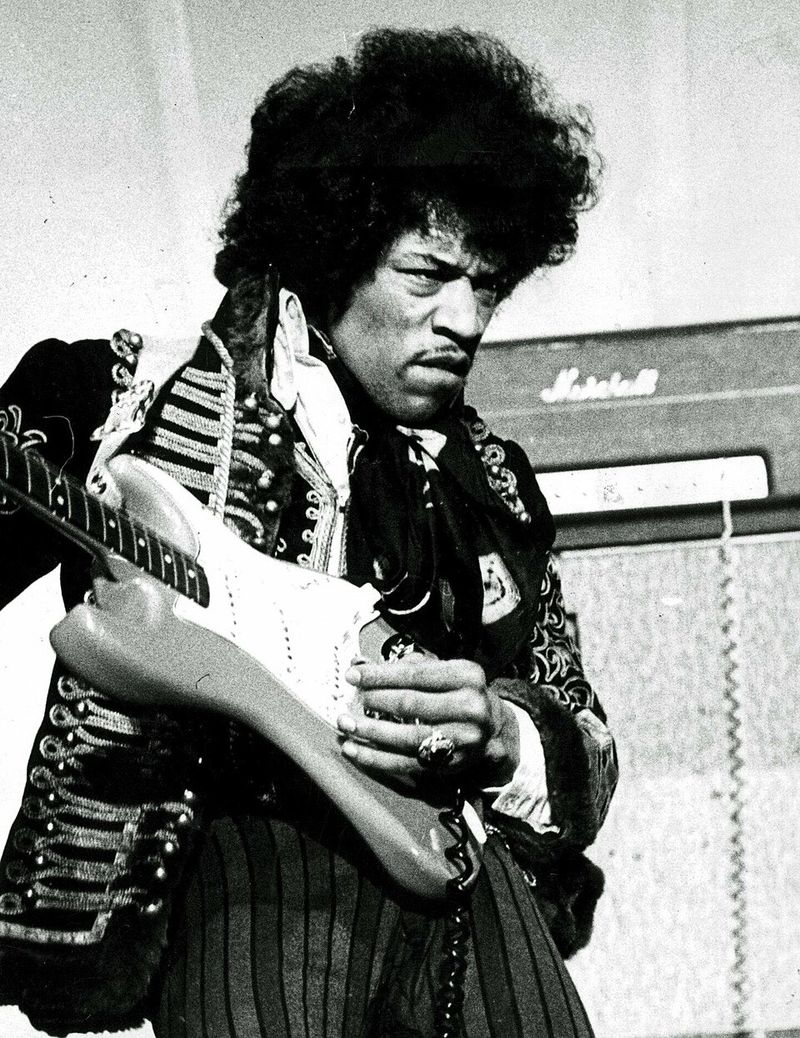
Electric guitar language changed dramatically as new sounds emerged from instinct rather than formal training, reshaped by Jimi Hendrix.
Largely self-taught, Hendrix developed his style through listening, experimentation, and constant playing.
Unconventional fingerings uncovered tones many trained musicians struggled to map onto paper. Written notation would only have slowed momentum, leaving pure ear, raw fire, and a legend built on sound alone.
3. Bob Dylan
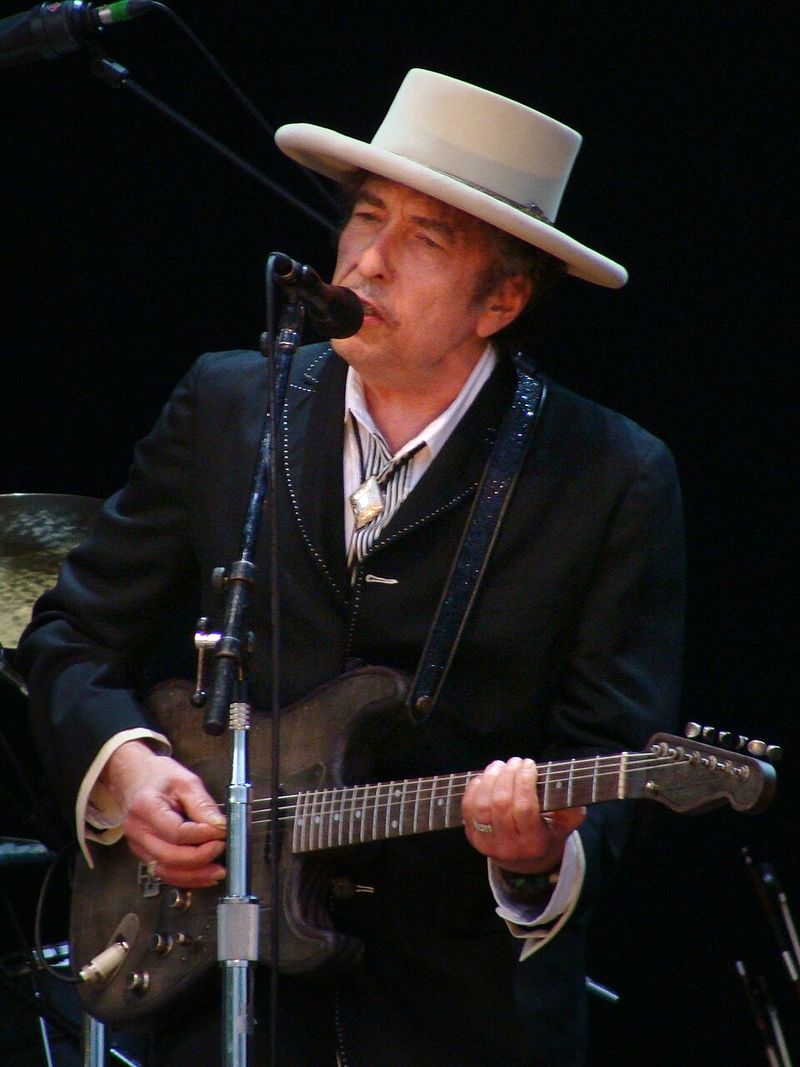
Bob Dylan’s songwriting reputation was built far more on words, melody, and instinct than on formal musical language.
Listening closely to folk and blues records became the real education, shaping a poetic universe built from self-taught chords.
Words and melody emerged together, guided by instinct rather than ledger lines on a page. Recognition later reached literary heights with the Nobel Prize in Literature, underscoring how central his words were to his legacy.
4. Eric Clapton
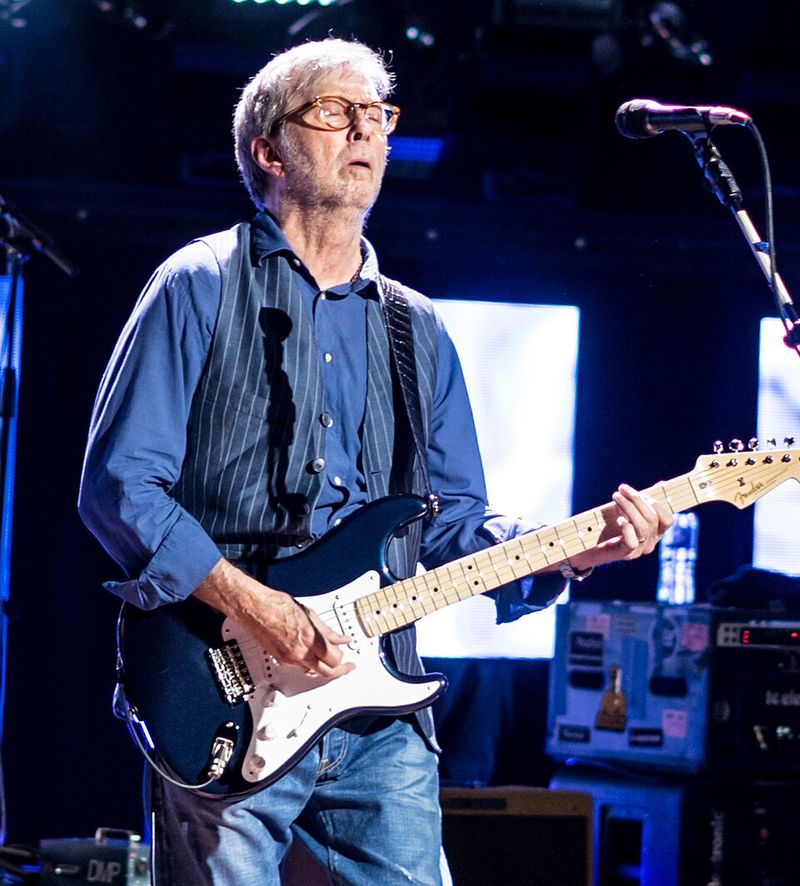
Years of ear-trained practice earned the nickname “Slowhand,” shaped far from any classroom drills.
Eric Clapton built much of his style by listening closely to blues records and copying what he heard. Ear training and repetition played a major role in the way he developed as a guitarist.
Sometimes the blues just tells you where to go, and the smartest move is to follow without asking for directions.
5. Elvis Presley
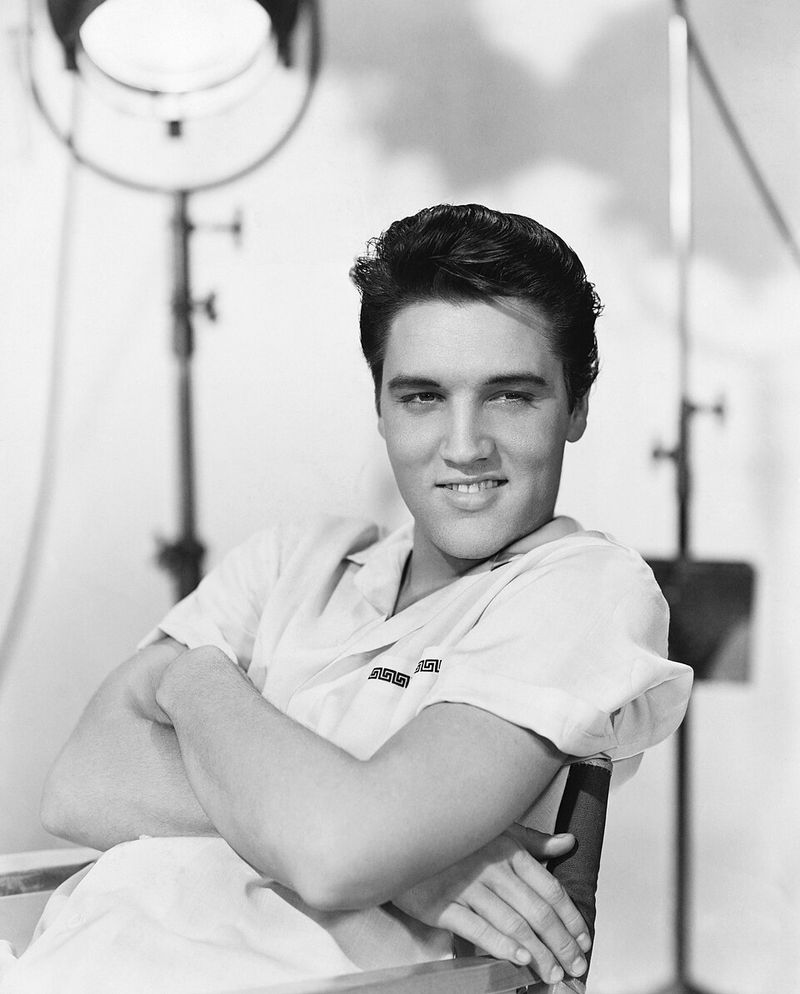
Sound of gospel, country, and rhythm and blues soaked into a young listener in Memphis long before fame reached Elvis Presley.
Formal training was not central to Elvis Presley’s early development, which drew heavily from listening and imitation.
Late-night radio supplied the lessons, with favorite voices copied by feel rather than written notation. His musical identity was shaped more by the sounds around him than by classroom-style instruction.
6. Eddie Van Halen
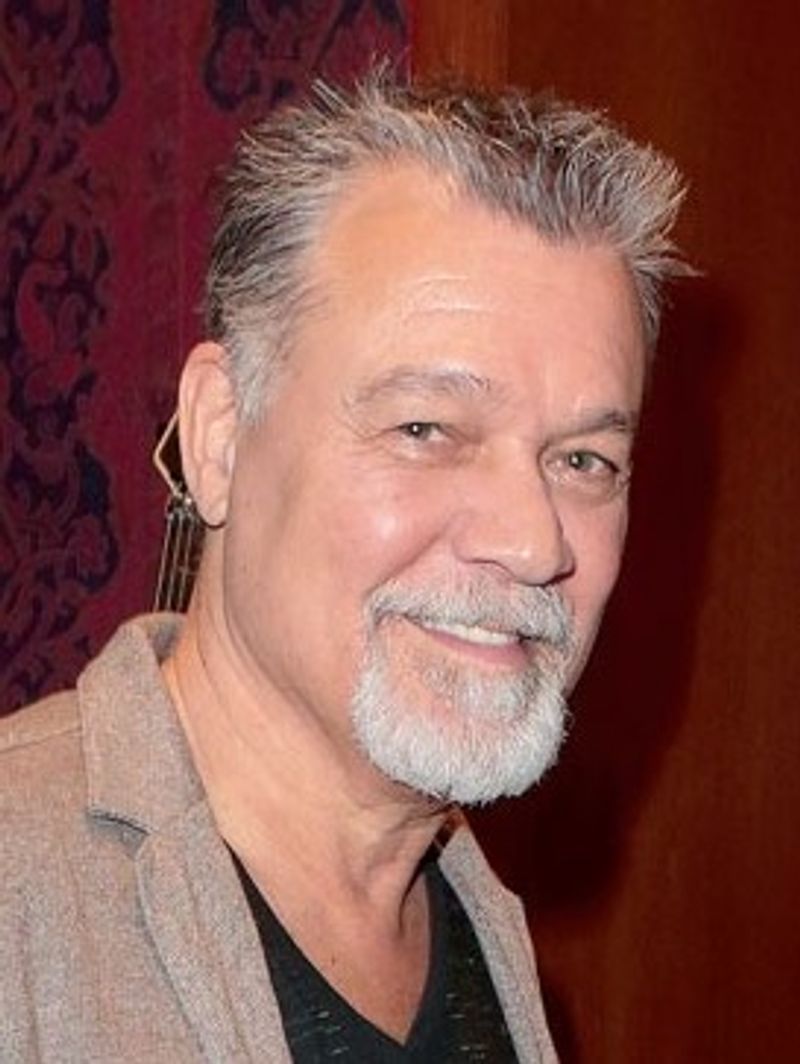
Eddie Van Halen invented a whole new way to play guitar, and he never needed a single page of notation to do it.
Self-taught from childhood, Eddie experimented alone in his bedroom for hours, inventing the two-handed tapping technique that made jaws drop worldwide.
Sheet music could not have predicted what his hands were about to create. The bedroom experiments of a restless kid in Pasadena changed rock guitar forever.
7. Dave Grohl
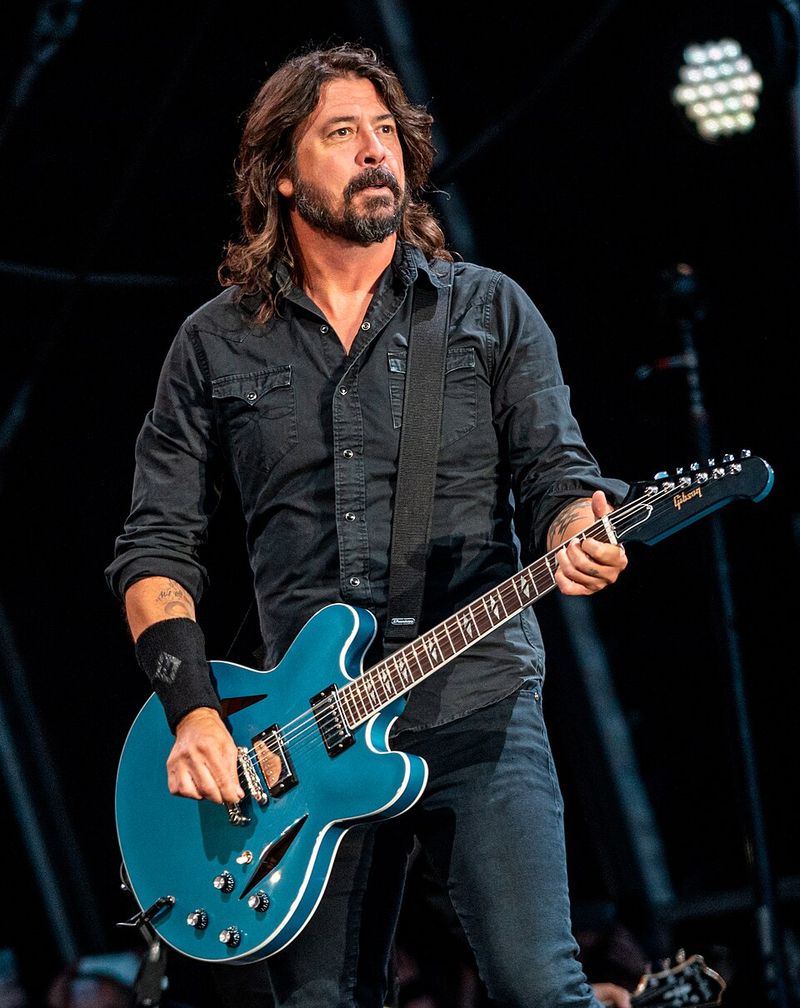
Practice at home did much of the early work, with drums learned by hammering along to records instead of following lessons or notation.
Relentless rhythm came first, as Dave Grohl taught himself by chasing every beat until it stuck.
After Nirvana, a guitar entered the picture, and the first Foo Fighters album was recorded entirely alone with every instrument played from memory. Reading sheet music was never central to his process, which relied far more on repetition, memory, and feel.
8. Aretha Franklin
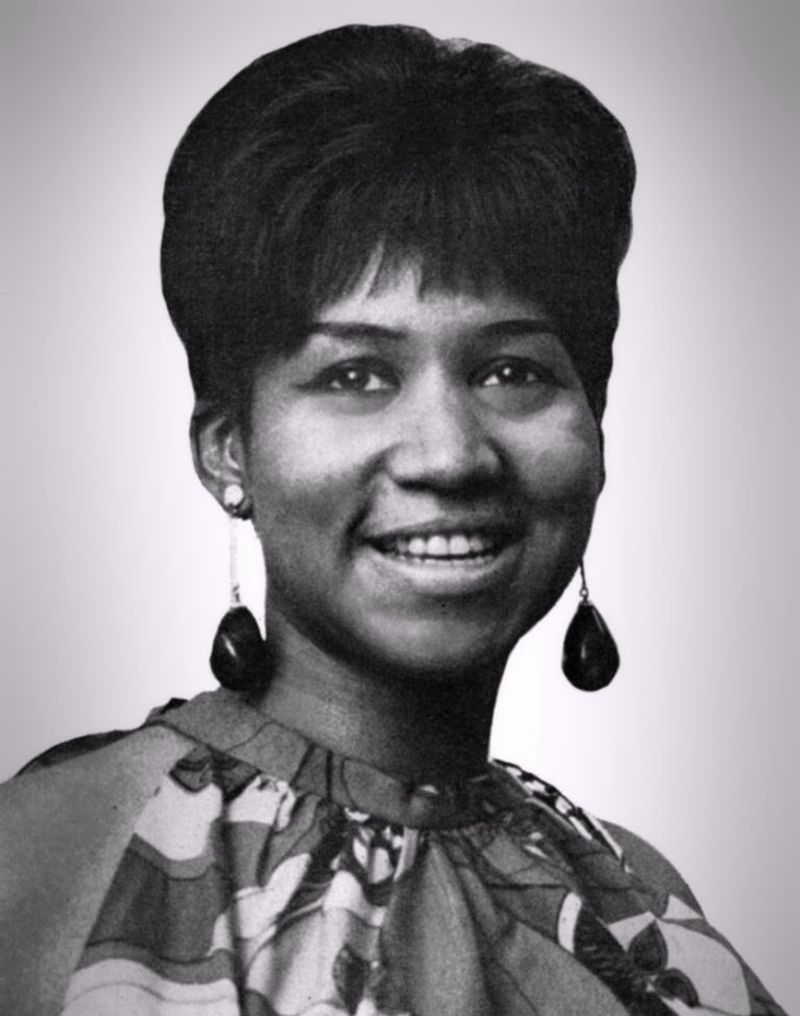
Aretha Franklin grew up singing in church, where the music lived in the room, not on a page.
Although Franklin could play piano beautifully, she learned gospel chords by ear as a child, absorbing the sound and structure of church music from an early age. Her vocal runs were instinctive, not written down anywhere.
R-E-S-P-E-C-T was spelled out in soul, not in staff notation. The Queen needed no permission slip from music theory.
9. Hans Zimmer

Film scores known for sweeping emotional weight often come from an unconventional path, shaped by a largely self-taught approach taken by Hans Zimmer. Technology, trusted collaborators, and a powerful inner ear helped build vast soundscapes for films such as Inception and The Lion King.
That path feels even more unusual given how often Zimmer has been described as working outside conventional notation training.
Stories like his show how many different routes can lead to major musical work.
10. Prince
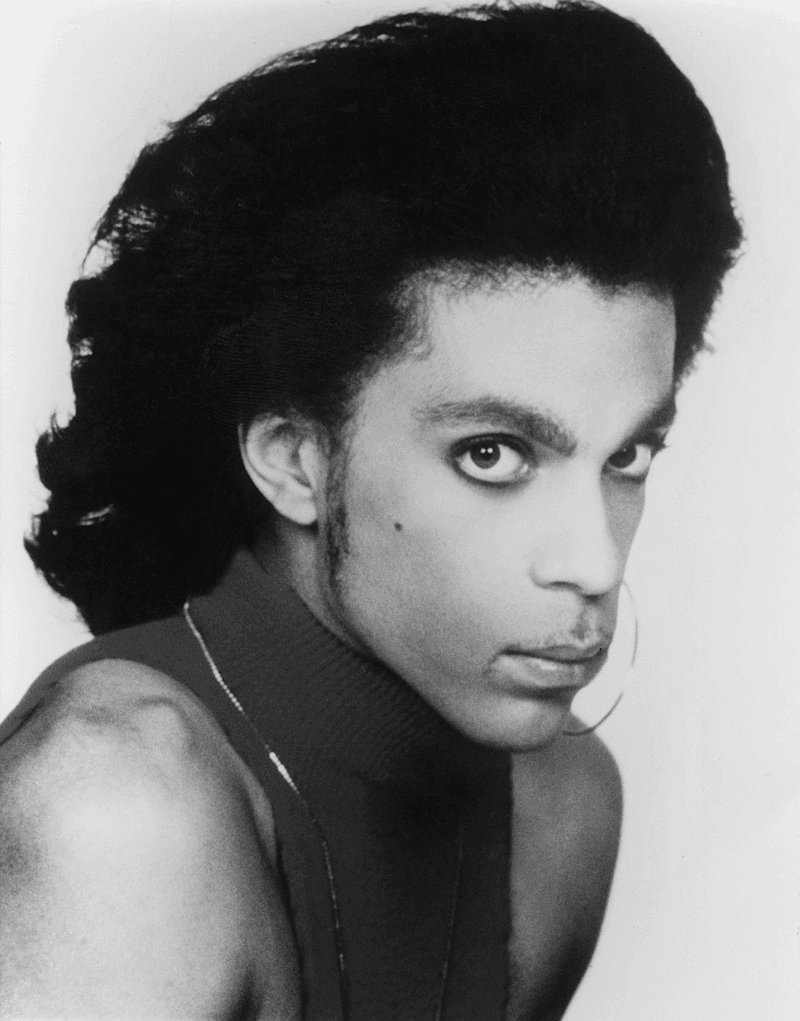
No classroom formula built Prince. Sound came first, instinct followed, and entire worlds of funk, pop, rock, and soul somehow kept pouring out of one person at full speed.
Largely self-taught, Prince built his music through relentless experimentation, a sharp ear, and the kind of control that let him write, arrange, produce, and play across multiple instruments. Studio sessions often moved at the pace of inspiration rather than anything that looked academic.
Songs, grooves, and textures came together by feel, which makes his catalog even more staggering in retrospect. Formal notation was never the headline. Vision was.