16 Well-Regarded Movies With Unexpected Remake Origins
Many beloved films have hidden pasts that surprise even the most dedicated movie fans.
What seems like an original masterpiece might actually be a reimagining of an earlier story told decades before.
These remakes often surpass their predecessors, earning critical acclaim and becoming cultural touchstones in their own right.
Note: This entertainment feature summarizes widely documented information as of January 2026; availability, credits, and commonly repeated behind-the-scenes details can vary by source and may change over time.
1. Ben-Hur (1959)
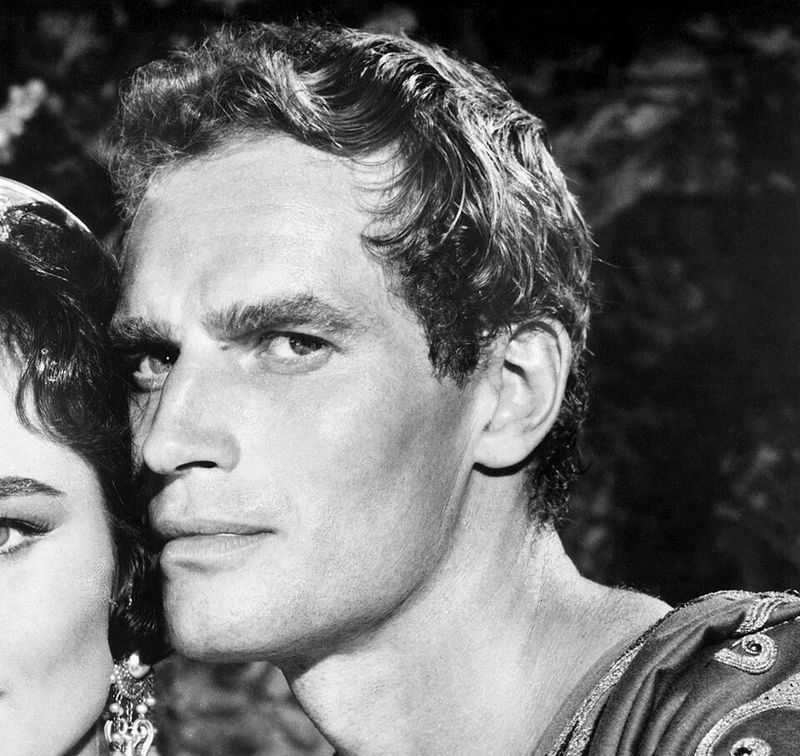
Cinematic history immortalized a chariot race, yet few realize its spectacular lineage traces back to 1925.
The 1959 epic is a remake of the 1925 silent film Ben-Hur: A Tale of the Christ, which was a massive production for its era.
William Wyler’s Technicolor remake went on to win 11 Academy Awards.
Perhaps watching the thrilling arena sequence on a lazy Sunday afternoon reveals a remarkable hidden history.
2. The Ten Commandments (1956)
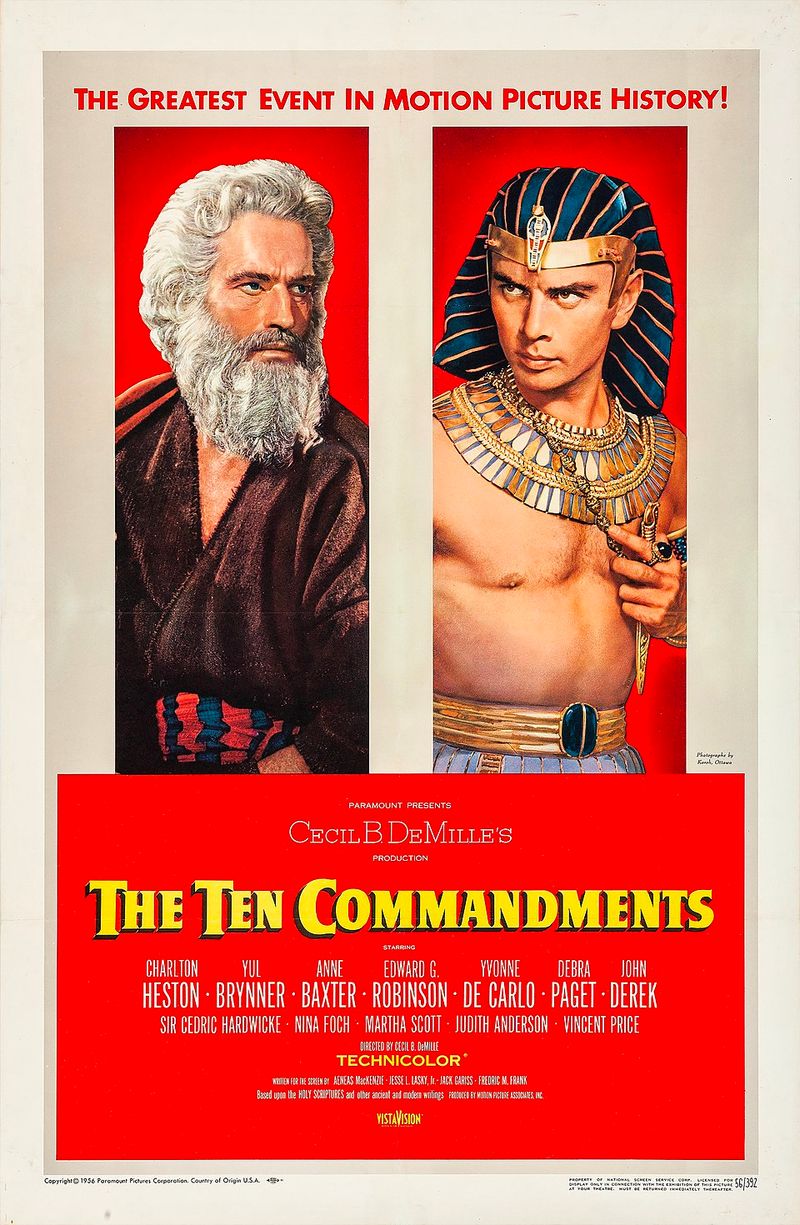
Cecil B. DeMille remade the prologue of his own 1923 silent film in the 1956 version.
This decision allowed audiences to experience Moses’ journey with vibrant color, thunderous sound, and revolutionary special effects.
The parting of the Red Sea became a visual marvel that defined biblical epics for generations.
Imagine creating something so powerful twice in one lifetime, each time pushing cinematic boundaries further than before.
3. The Maltese Falcon (1941)
The story had already been filmed in 1931, and a looser 1936 version arrived as Satan Met a Lady.
Hollywood actually tried telling this story three times within a decade, including a 1936 version called Satan Met a Lady.
John Huston’s 1941 version became the definitive screen take and helped define film noir on screen.
Persistence sometimes pays off spectacularly when the right director meets the perfect cast at exactly the right moment.
4. The Man Who Knew Too Much (1956)
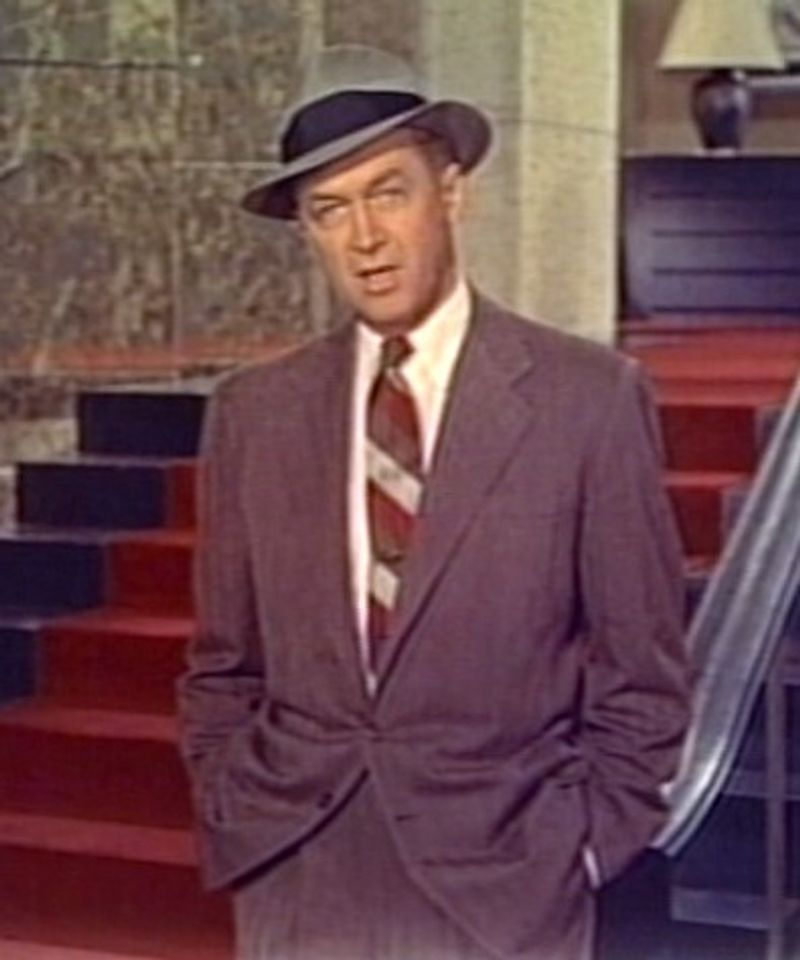
Alfred Hitchcock remade his own 1934 British thriller with bigger stars and a larger budget.
James Stewart and Doris Day brought Hollywood glamour to this tale of kidnapping and international intrigue.
The famous Albert Hall sequence gained even more tension in the color remake, showcasing Hitchcock’s evolving mastery.
Rarely does a director improve upon their own work so dramatically, proving that great stories deserve multiple interpretations.
5. His Girl Friday (1940)
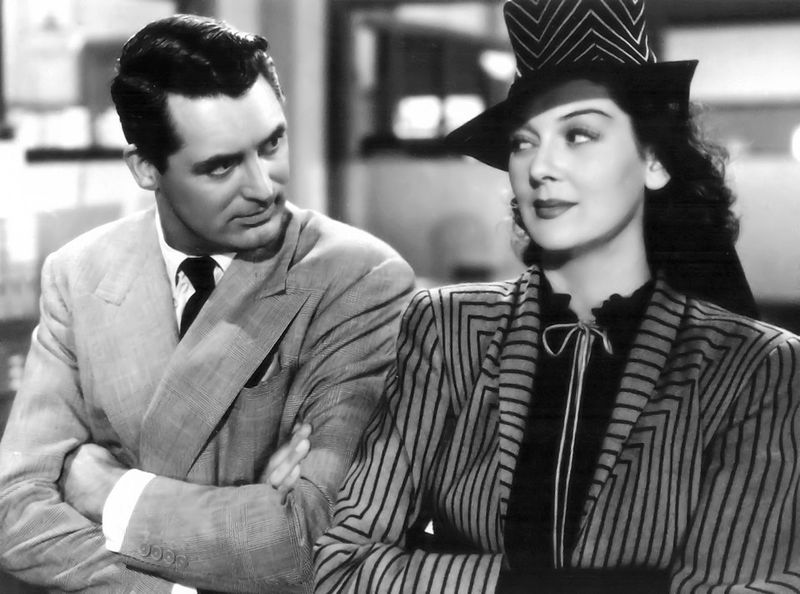
Bold direction transformed The Front Page into His Girl Friday, including a major gender swap that reshaped the story’s dynamic.
Changing one reporter character from male to female shifted the entire dynamic brilliantly.
Cary Grant and Rosalind Russell delivered rapid-fire dialogue at breakneck speed, creating chemistry that crackles across decades.
Clever gender swaps prove that fresh perspective can revolutionize familiar material into something entirely new and unforgettable.
6. The Thief Of Bagdad (1940)
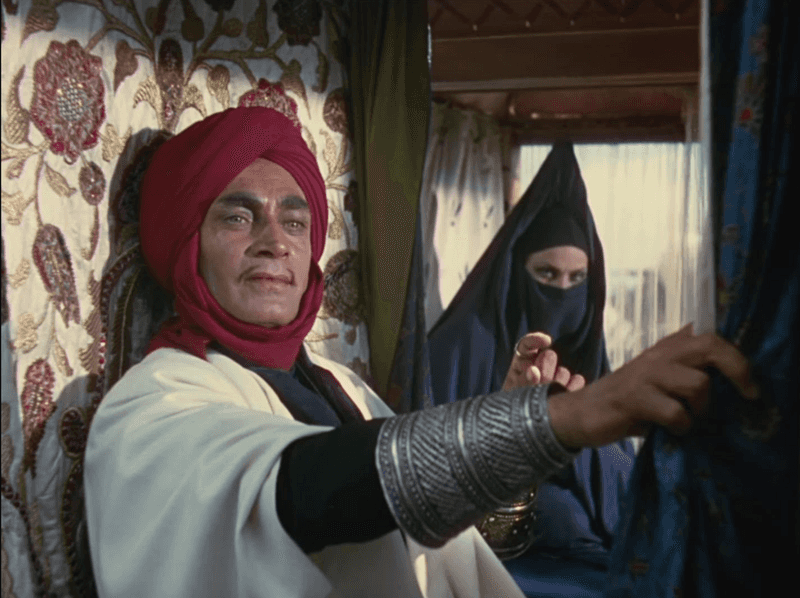
Douglas Fairbanks’ swashbuckling 1924 silent adventure received a stunning Technicolor makeover sixteen years later.
The remake featured groundbreaking special effects including a giant genie, flying carpets, and magical transformations.
Vibrant colors brought Arabian Nights fantasies to vivid life in ways the silent era could never achieve.
Perhaps you’ve imagined soaring over Baghdad on a magic carpet during quiet moments, thanks to this visual wonder.
7. The Mark Of Zorro (1940)

Sophisticated sound and charm updated the masked hero originally portrayed by Douglas Fairbanks in 1920.
The addition of dialogue and music helped make the 1940 version feel richer than the 1920 silent original.
Elegant swordplay and a charming dual identity set the template for countless superhero stories that followed.
Every time someone dons a mask to fight injustice, they owe something to a dashing Spanish California nobleman.
8. A Star Is Born (1954)

Judy Garland’s heartbreaking performance in this musical drama built upon the 1937 original starring Janet Gaynor.
Director George Cukor added musical numbers that deepened the emotional impact of Hollywood’s dark side.
The story of rising and falling fame resonated even more powerfully with songs that expressed unspoken pain.
This tale has been remade multiple times since, proving that show business tragedy never loses its devastating relevance.
9. Imitation Of Life (1959)
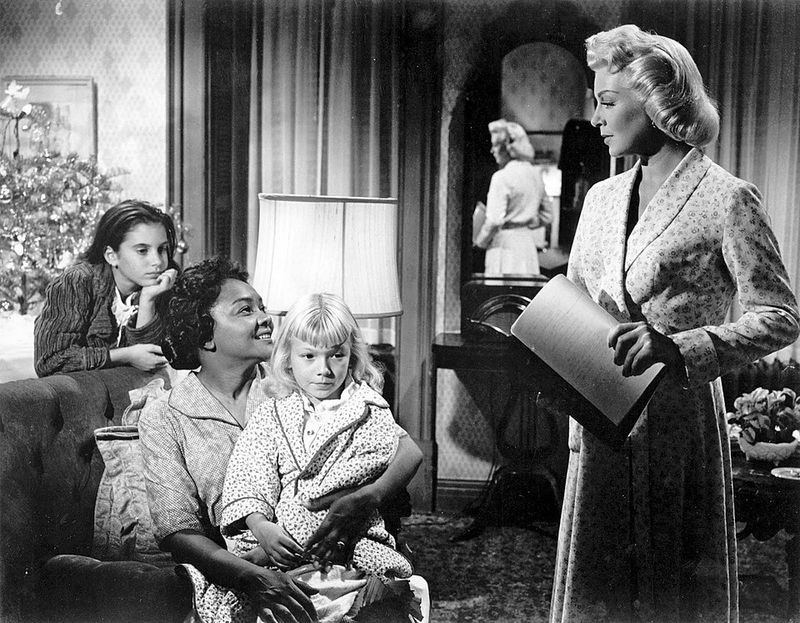
Sirk’s melodrama explored racial identity and mother-daughter relationships with far more boldness than the 1934 version.
Lana Turner starred in an updated take that tackled social issues Hollywood typically avoided during that era.
Technicolor brilliance in the remake contrasted sharply with painful themes of identity and belonging at its core.
Watching this film on a rainy evening still provokes conversations about family, race, and sacrifice that remain relevant today.
10. Gaslight (1944)
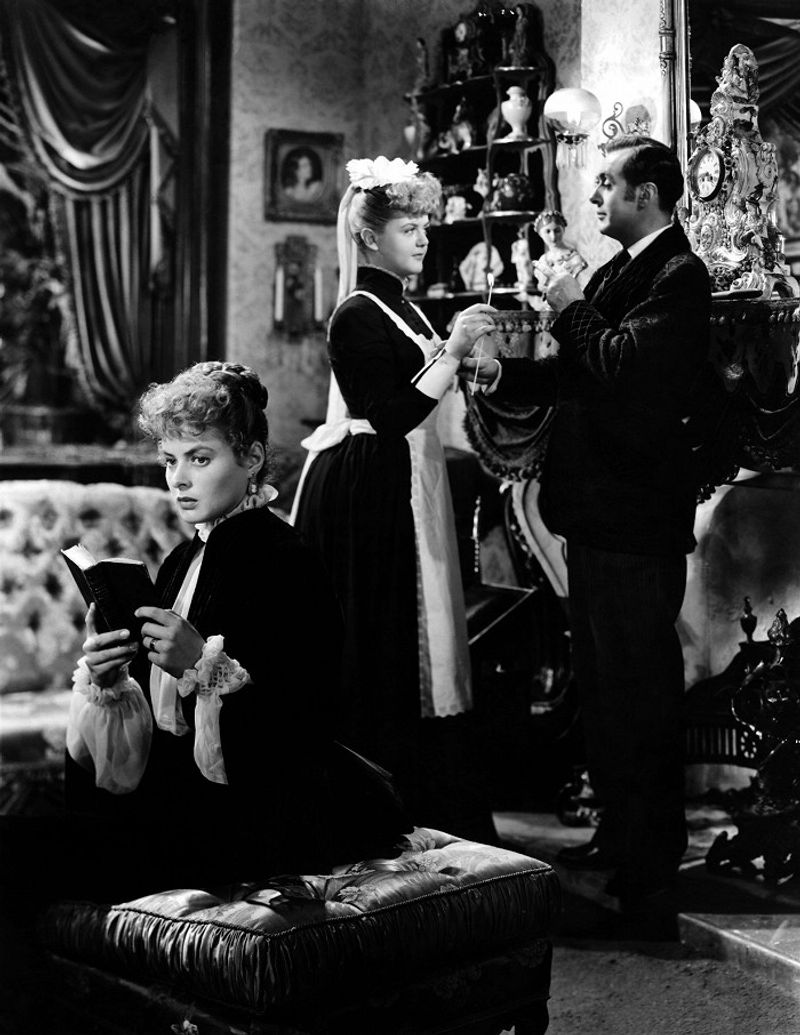
Ingrid Bergman’s Oscar-winning performance in this psychological thriller originated from a 1940 British film.
The Hollywood version amplified the suspense and gave audiences Charles Boyer’s chilling portrayal of manipulation.
This story became so influential that psychological abuse itself became known as gaslighting in everyday language.
Few remakes have such cultural impact that they literally add new terms to our vocabulary and change how we understand relationships.
11. The Jazz Singer (1952)
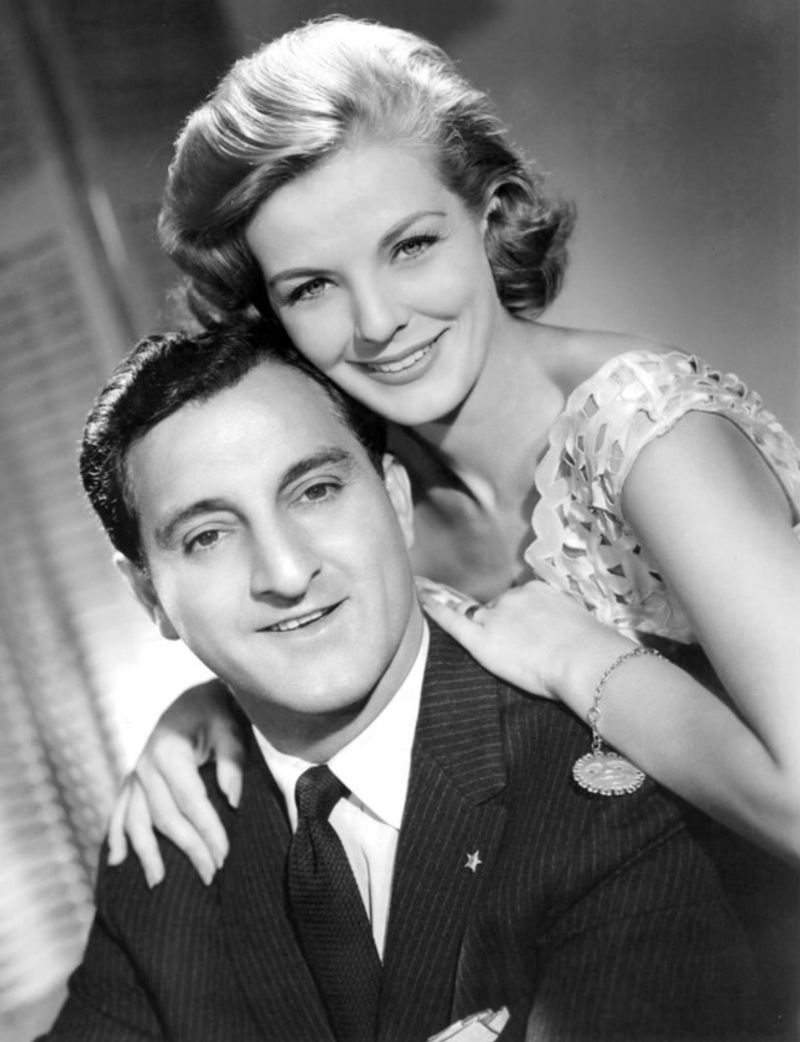
Danny Thomas starred in this Technicolor remake of the landmark 1927 film.
The 1927 film marked a major shift for sound cinema, while the 1952 remake reframed the story for mid-century audiences.
Tales of tradition versus ambition resonated differently in the 1950s, reflecting changing American values.
Stories sometimes need retelling not for technical reasons but because each generation finds new meaning in timeless conflicts.
12. The Letter (1940)
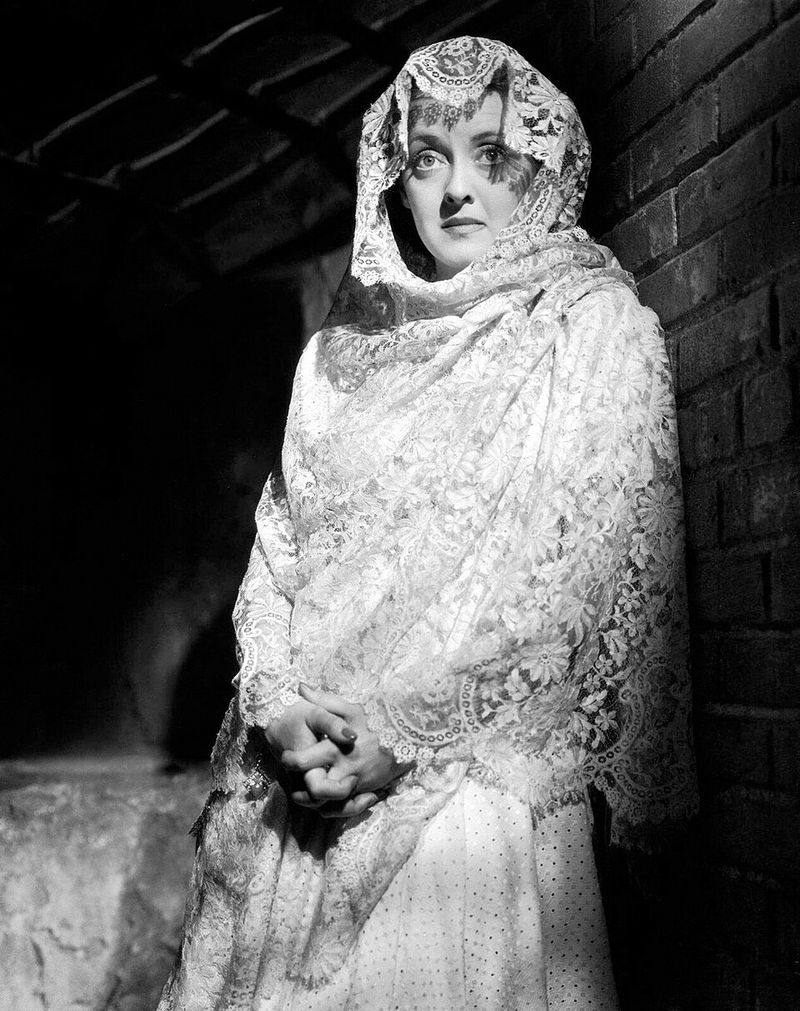
Chilling performances defined a legendary actress in an adaptation that wasn’t the first screen version.
The play had already been filmed in 1929, and Bette Davis brought unforgettable intensity to the 1940 version.
Portrayals of a woman hiding terrible secrets in colonial Malaysia remain mesmerizing and morally complex.
Humid summer nights make the film’s tropical setting and simmering tensions create an atmosphere that feels almost suffocating.
13. The Prisoner Of Zenda (1952)
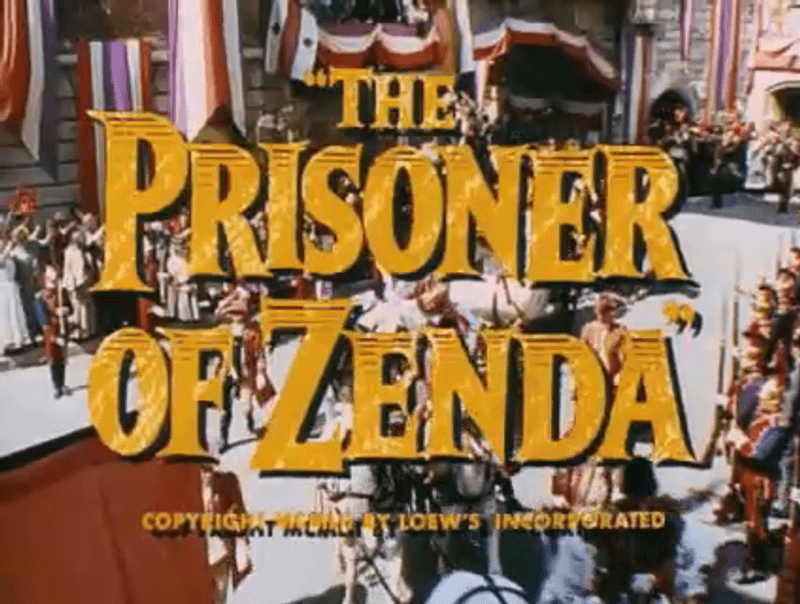
This adventure remake followed the 1937 version so closely it became a nearly shot-by-shot recreation.
Stewart Granger stepped into the dual role of lookalike cousins originally played by Ronald Colman.
The swashbuckling tale of royal intrigue and mistaken identity proved timeless enough to warrant careful duplication.
Sometimes filmmakers recognize perfection and wisely choose to honor rather than reinvent what already worked brilliantly before.
14. Dr. Jekyll And Mr. Hyde (1941)
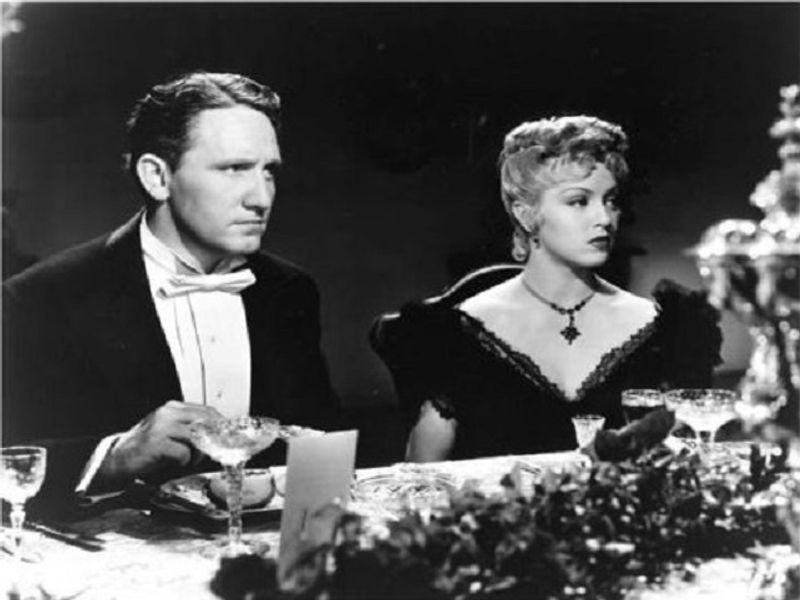
Tracy took on the famous dual role that Fredric March won an Oscar for in 1931.
Remakes relied less on dramatic makeup and more on subtle acting to convey the transformation.
Psychological approaches made the horror feel more internal and disturbing than previous monster-focused interpretations.
Every time we struggle with darker impulses, storytelling reminds us that good and evil coexist within everyone.
15. The Fly (1986)

A famous director transformed the 1958 B-movie creature feature into a genuinely tragic love story.
Goldblum’s performance as a scientist slowly losing his humanity elevated body horror into emotional devastation.
Original films focused on shock value, but the remake explored themes of disease, decay, and the fragility of identity.
Modern audiences discovered that science fiction works best when monsters represent deepest fears about losing ourselves completely.
16. Invasion Of The Body Snatchers (1978)
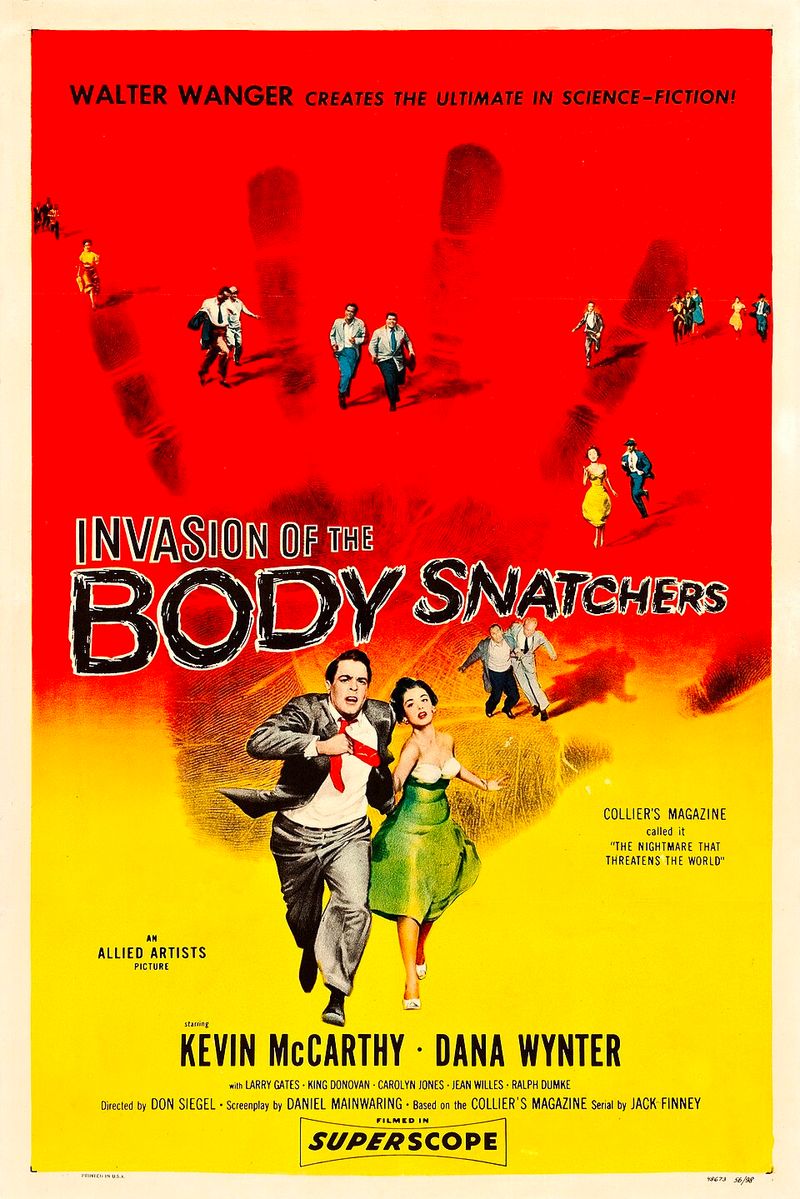
Philip Kaufman relocated the 1956 alien invasion story from small-town America to paranoid 1970s San Francisco.
Donald Sutherland and Brooke Adams faced emotionless duplicates replacing humans in a chilling urban nightmare.
The remake captured post-Watergate distrust perfectly, making conformity scarier than any monster could ever be.
That final haunting scream remains one of cinema’s most disturbing moments, guaranteed to haunt your thoughts long afterward.