17 Actors Who Were Major Heartthrobs For The Baby Boomer Generation
Baby Boomer pop culture had a particular kind of star power, the kind that turned movie premieres into events and made a TV appearance feel like a national appointment.
Before scrolling and streaming, heartthrob status traveled through magazine covers, talk shows, record shops, and the shared buzz of “did you see him last night?”
Charisma mattered as much as looks, because the era rewarded actors who could smolder in a close-up, flash a crooked grin, or carry a whole film on presence alone.
What’s striking is how many of these crushes still hold up. Style shifted, but confidence and screen magnetism don’t really age out.
1. Paul Newman
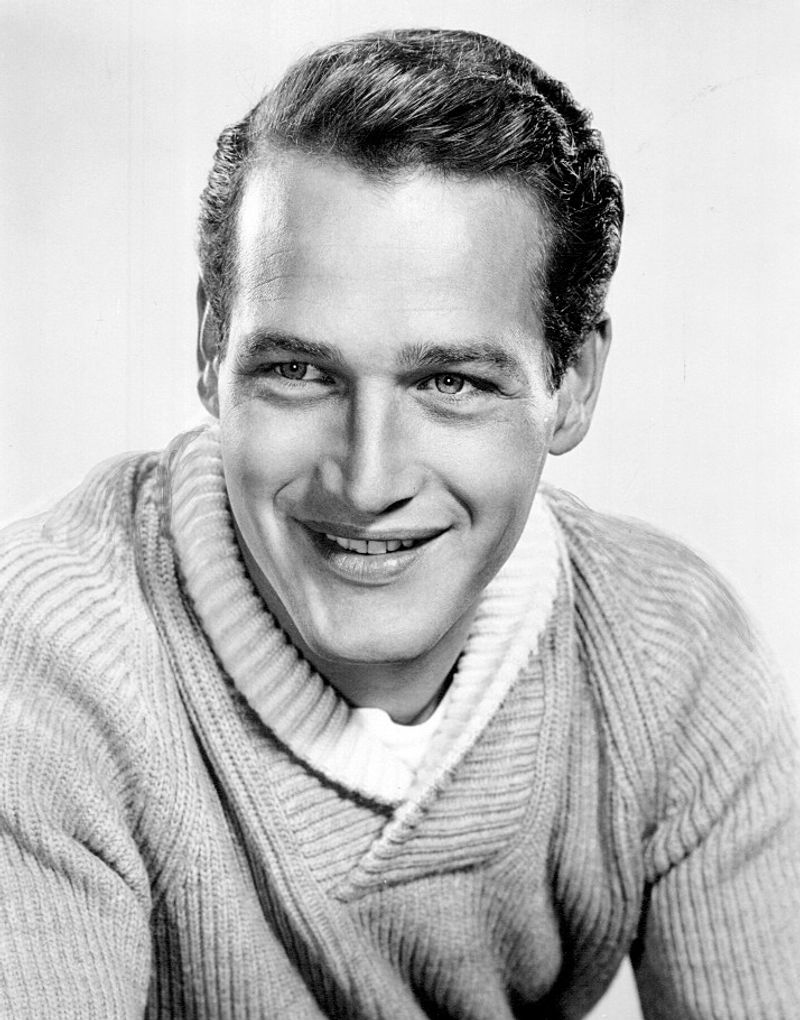
Those legendary blue eyes could stop traffic, and they definitely stopped hearts across America.
Newman made cool look effortless, whether he was playing pool sharks or outlaws, always with that trademark smirk that suggested he knew something you didn’t.
His partnership with Robert Redford in Butch Cassidy became the gold standard for on-screen chemistry.
Beyond the looks, though, Newman brought genuine talent and a down-to-earth quality that made him feel accessible despite his superstar status.
2. Robert Redford
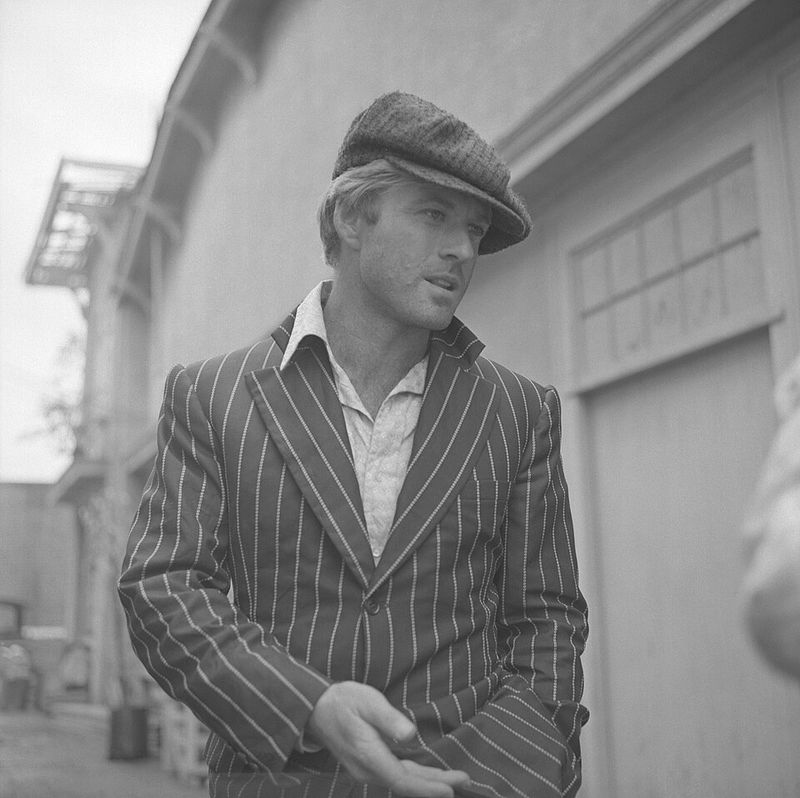
If someone asked you to draw the perfect leading man for the 1970s, you’d probably sketch Redford.
That golden hair, that easy confidence, that All-American appeal – he was basically walking sunshine wrapped in charisma.
From romantic dramas to political thrillers, he brought depth to every role without sacrificing that heartthrob status.
Women swooned, men wanted to be him, and directors lined up to cast him.
3. Steve McQueen
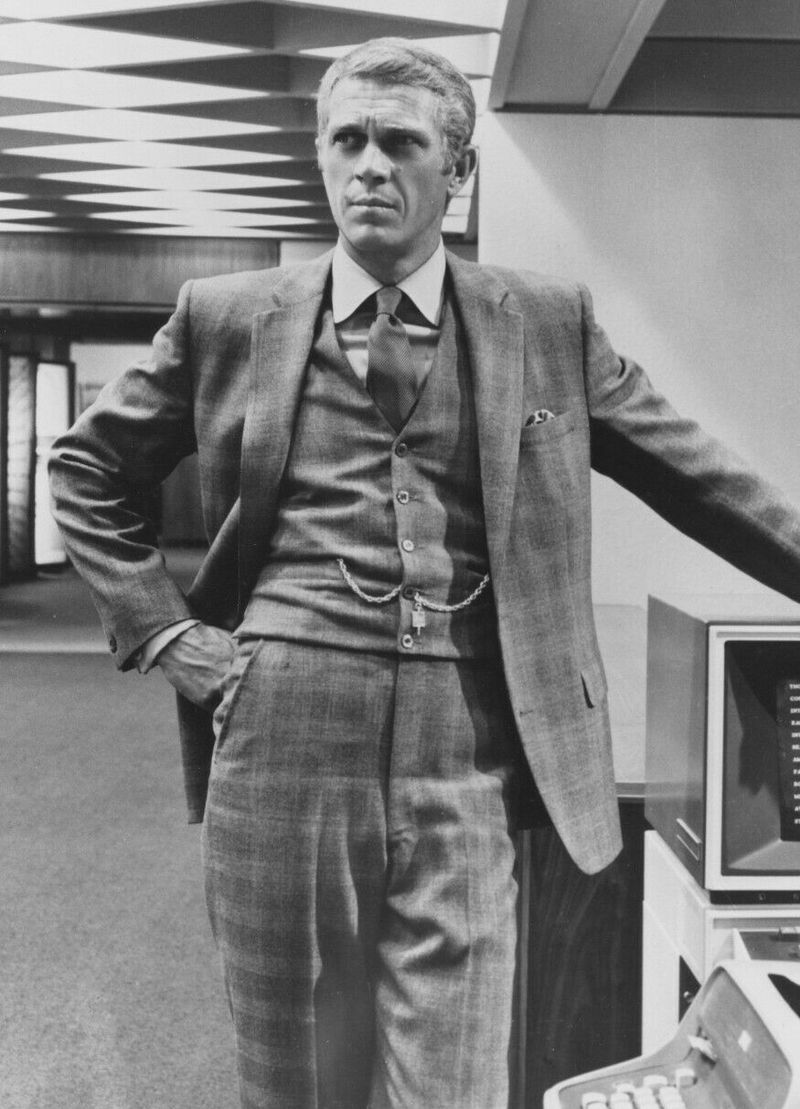
They called him the King of Cool, and honestly, no argument here.
McQueen didn’t need to try hard – the swagger just came naturally, whether he was racing cars or planning prison escapes on screen.
His rugged masculinity felt real, not manufactured, which made him stand out in an era of polished movie stars.
That famous motorcycle jump in The Great Escape? Pure McQueen magic that cemented his legend.
He made rebellion look irresistible, combining danger with undeniable charm in ways few actors could match.
4. Warren Beatty
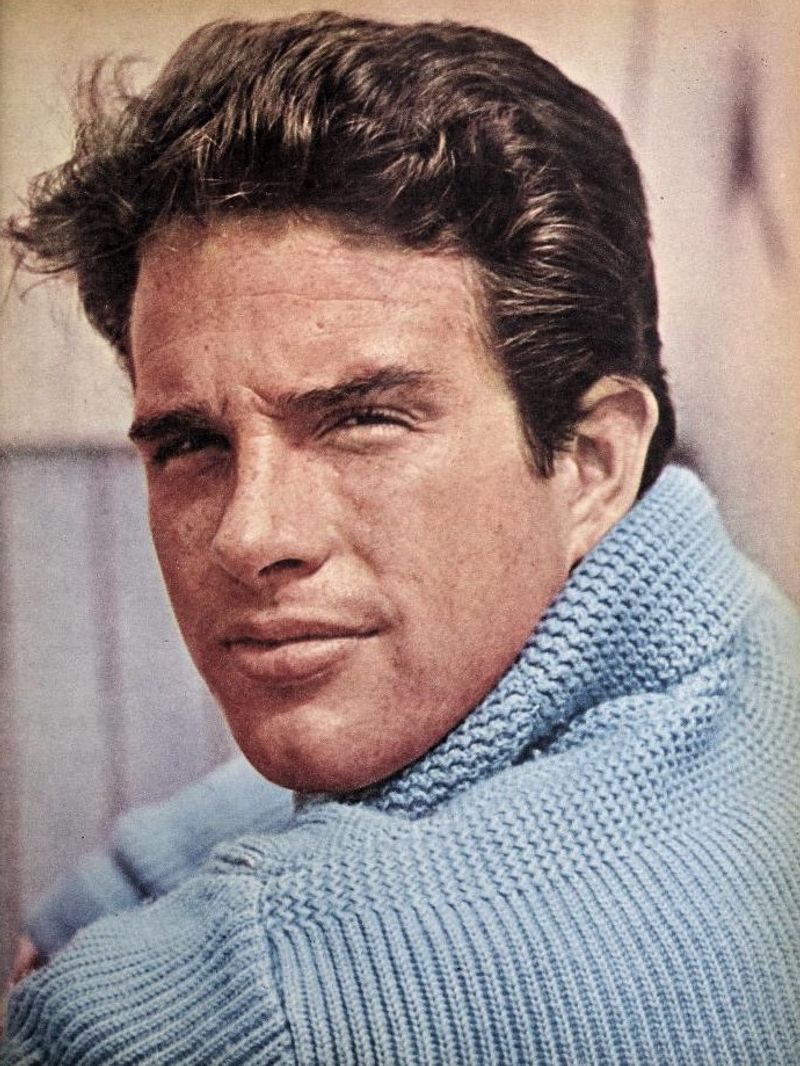
Imagine classic Hollywood polish with just enough bad-boy energy to keep things interesting – that was Beatty’s special formula.
His reputation as a ladies’ man wasn’t just gossip; it was basically a second career that rivaled his acting success.
Bonnie and Clyde transformed him from pretty face to serious talent, proving he could carry controversial material with style.
That combination of intelligence, looks, and undeniable charisma made him irresistible to audiences.
5. Burt Reynolds
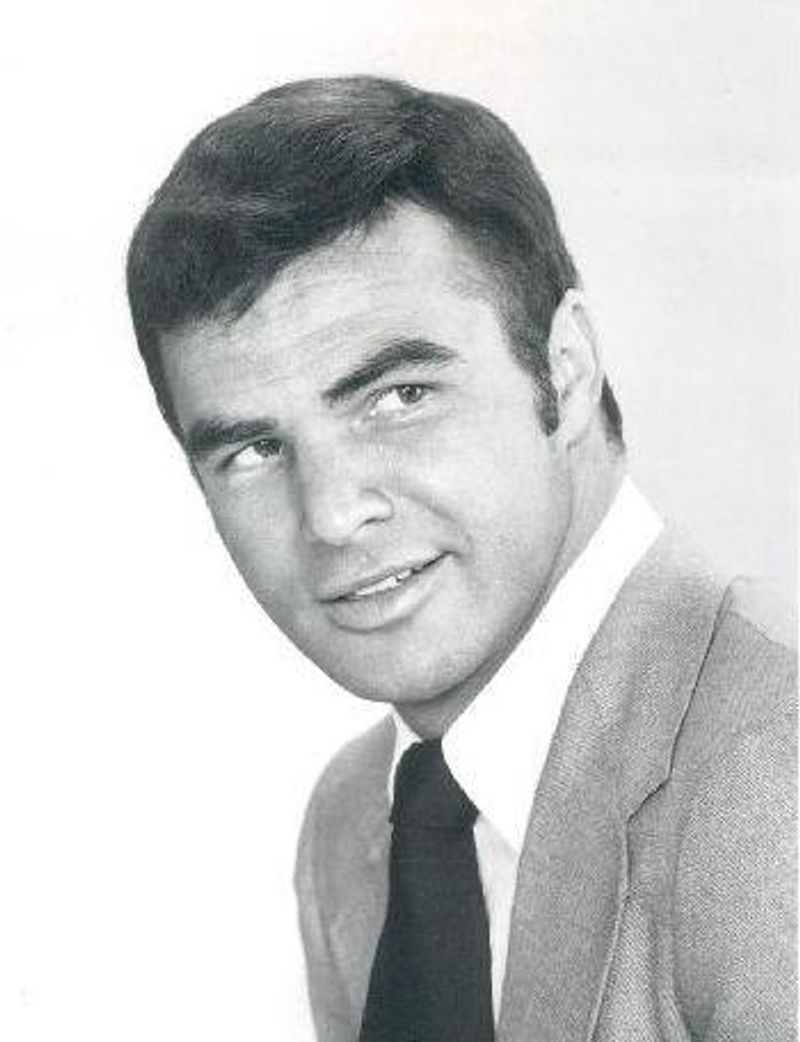
His playful confidence and self-deprecating humor made him feel like the fun friend who also happened to be devastatingly handsome.
Whether doing his own stunts or cracking jokes, he owned every scene with effortless charisma.
Smokey and the Bandit showcased his ability to blend action with comedy while maintaining serious heartthrob credentials.
Reynolds proved you didn’t need to take yourself too seriously to be taken seriously as a leading man.
6. Clint Eastwood
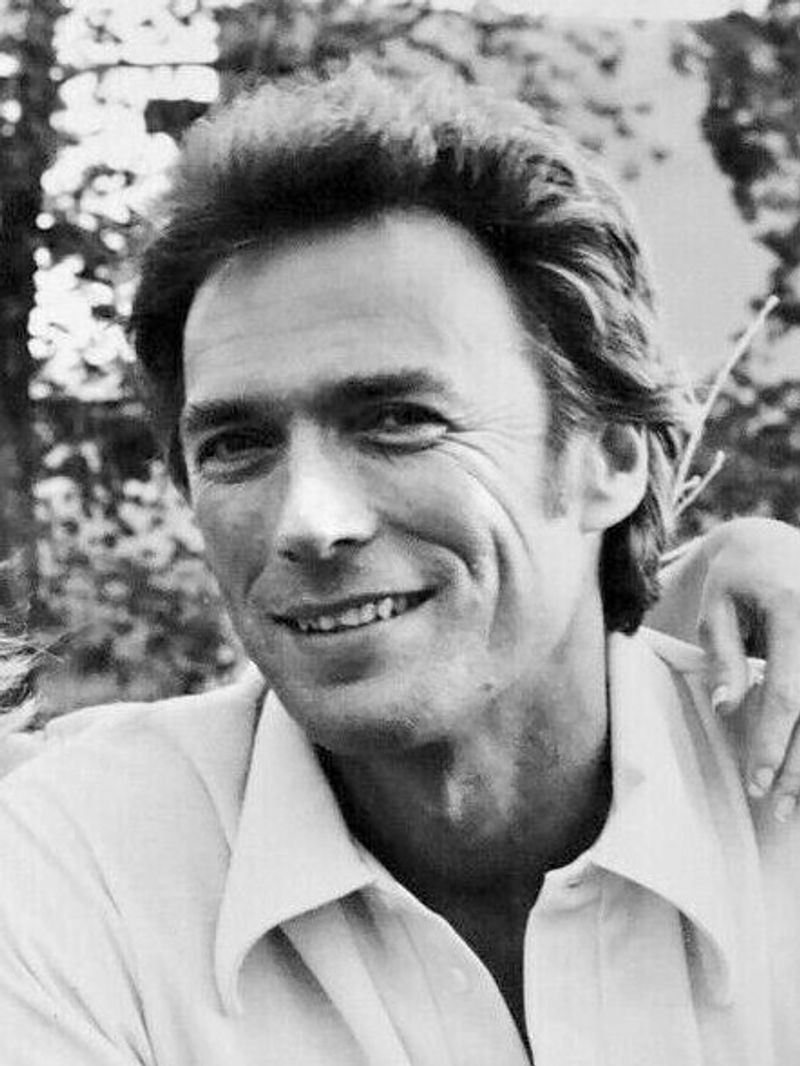
Few actors could say more with a squint than most could with a monologue.
Eastwood’s quiet intensity turned minimalism into an art form, creating characters who let their actions speak volumes.
His Western roles established him as the strong, silent type that made audiences lean in closer.
That trademark steely gaze could convey danger, humor, or romance depending on the moment.
Even when he wasn’t smiling, women found him irresistible – proof that mystery and restraint carry their own powerful appeal in the romance department.
7. Marlon Brando
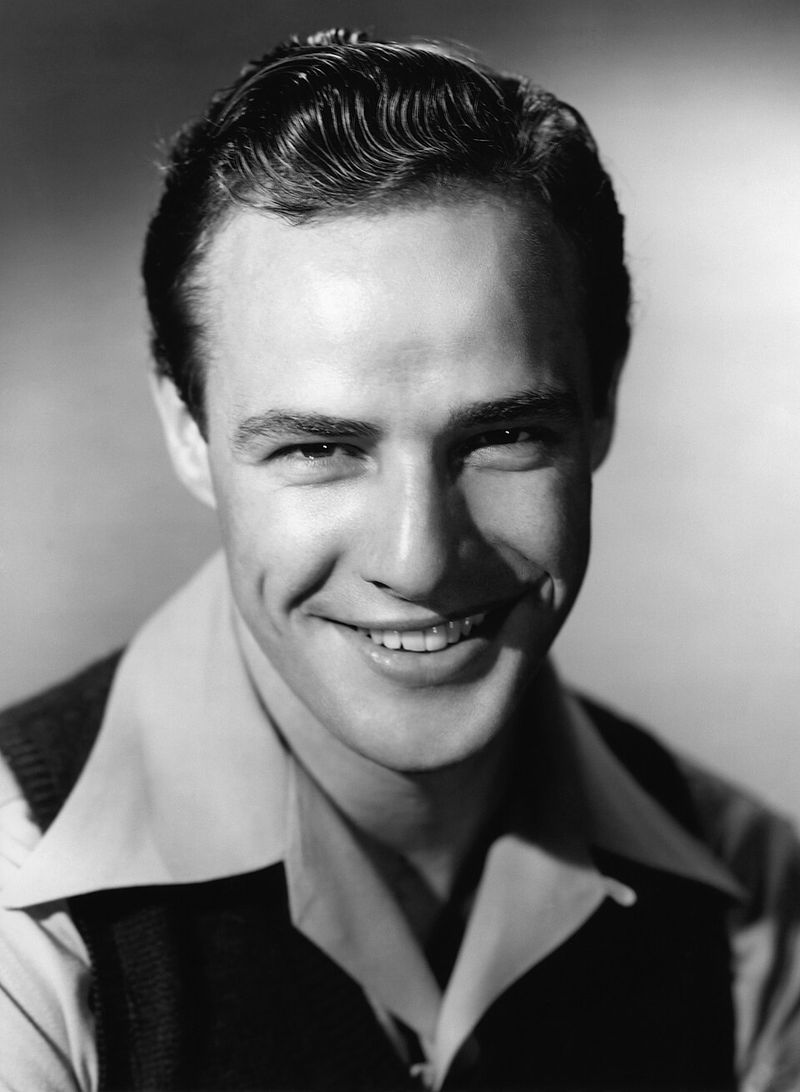
Before anyone else dared, Brando rewrote the rules on what masculinity could look like on screen.
His raw, emotional performances in A Streetcar Named Desire introduced audiences to a new kind of leading man – vulnerable, dangerous, and utterly magnetic.
That famous torn t-shirt look became iconic for good reason; it symbolized a break from buttoned-up Hollywood tradition.
His method acting brought unprecedented realism that made every scene feel electric.
8. James Dean
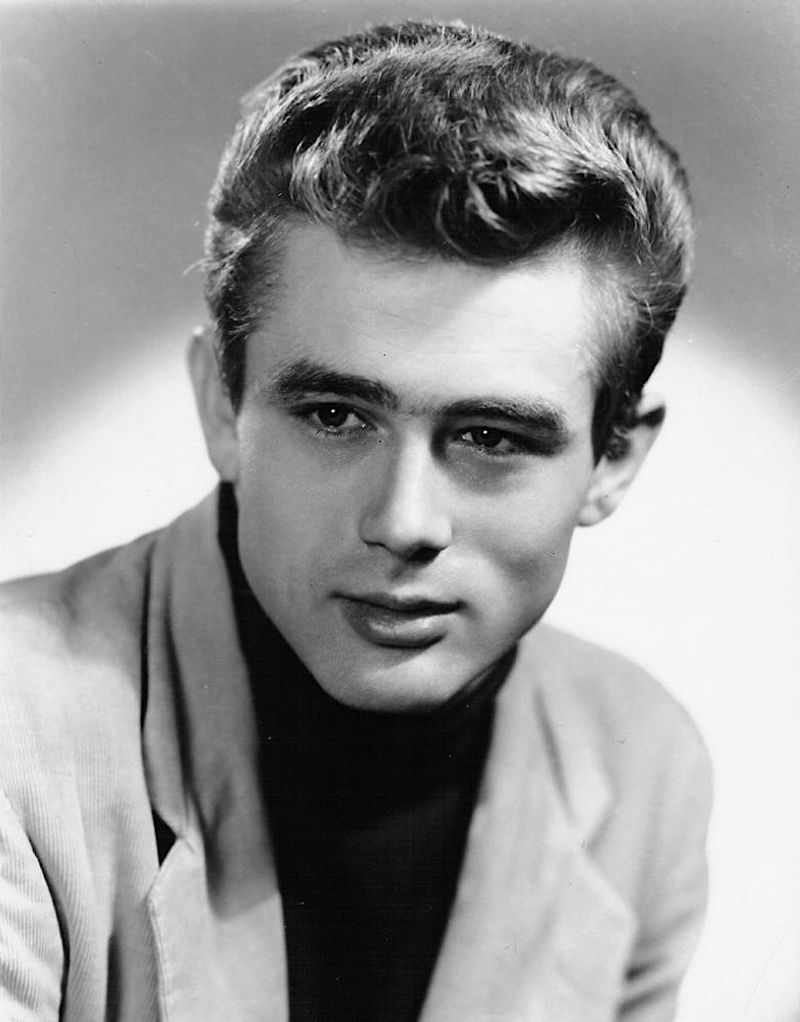
Only three major films, yet Dean became immortal – that’s the definition of making an impact.
His troubled, sensitive characters spoke directly to teenage hearts feeling misunderstood and restless in 1950s America.
Rebel Without a Cause turned him into the ultimate symbol of youthful angst and romantic tragedy.
That red jacket, that wounded vulnerability, that explosive emotion – everything about Dean felt authentically raw.
9. Elvis Presley
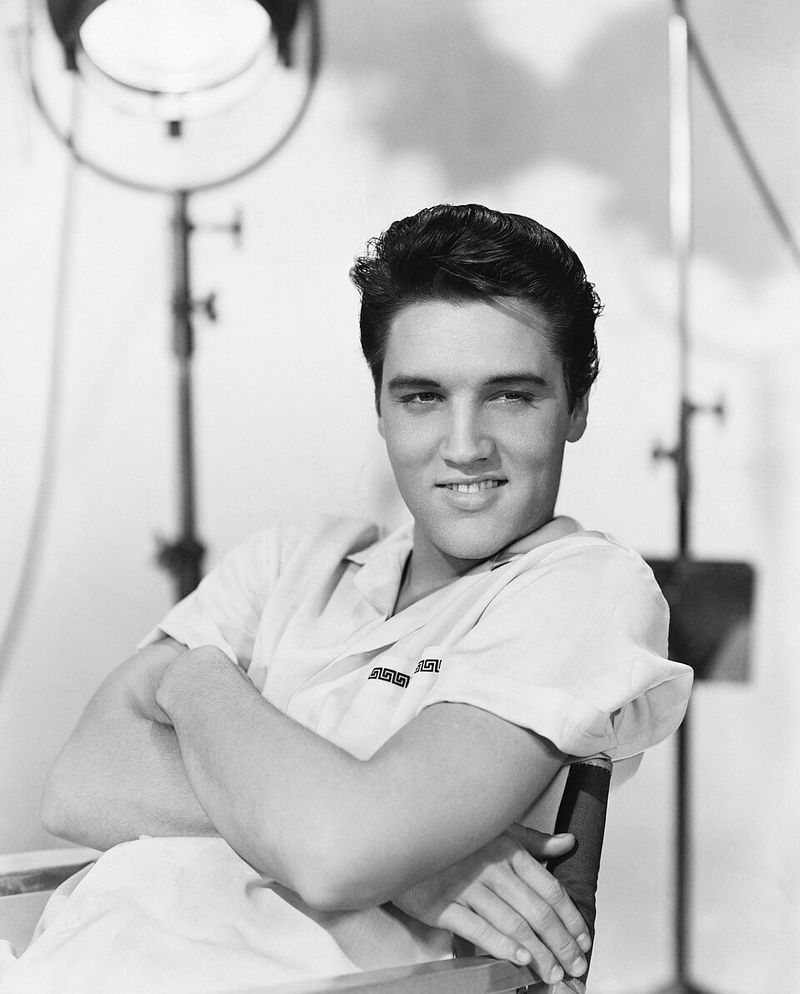
When the King of Rock and Roll hit movie screens, it was basically a double threat situation.
Those hip movements that scandalized parents made teenagers absolutely lose their minds – and their hearts.
Films like Jailhouse Rock and Blue Hawaii showcased not just his musical genius but serious screen charisma.
Elvis represented everything exciting and new about youth culture.
10. Sidney Poitier
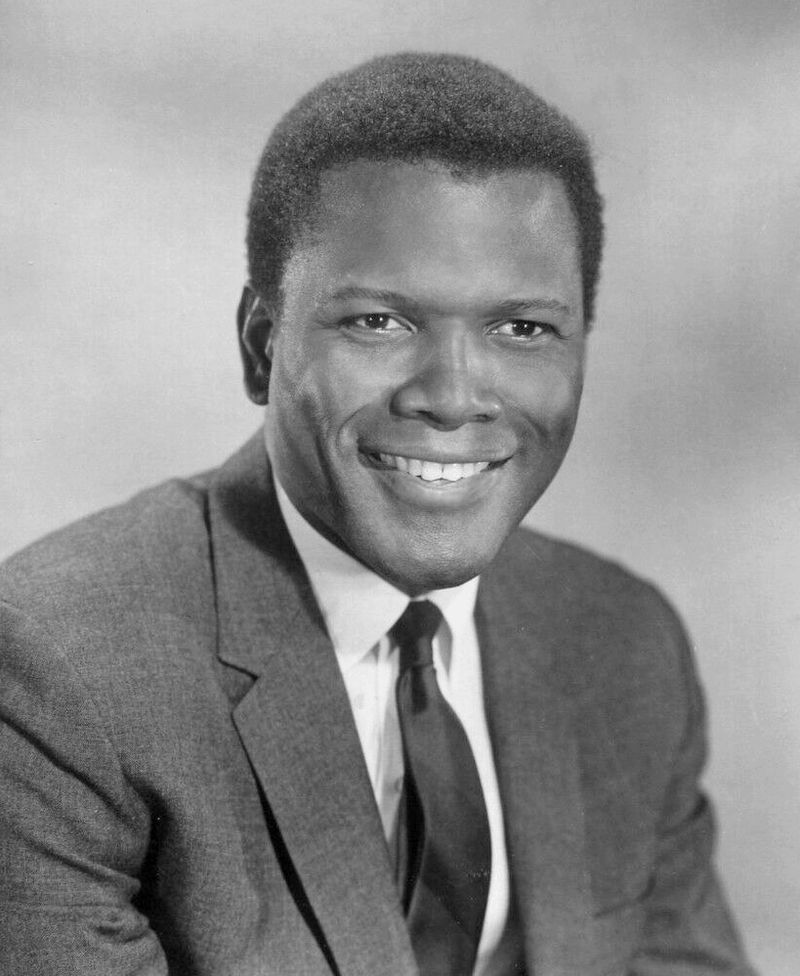
Breaking barriers while breaking hearts, Poitier brought elegance and intelligence to every role he touched.
His dignified presence commanded respect while his natural magnetism made him undeniably attractive to audiences of all backgrounds.
In films like Guess Who’s Coming to Dinner, he combined social relevance with undeniable leading-man appeal.
He proved talent and character could shine brighter than any stereotype, paving the way for generations to come.
11. Omar Sharif
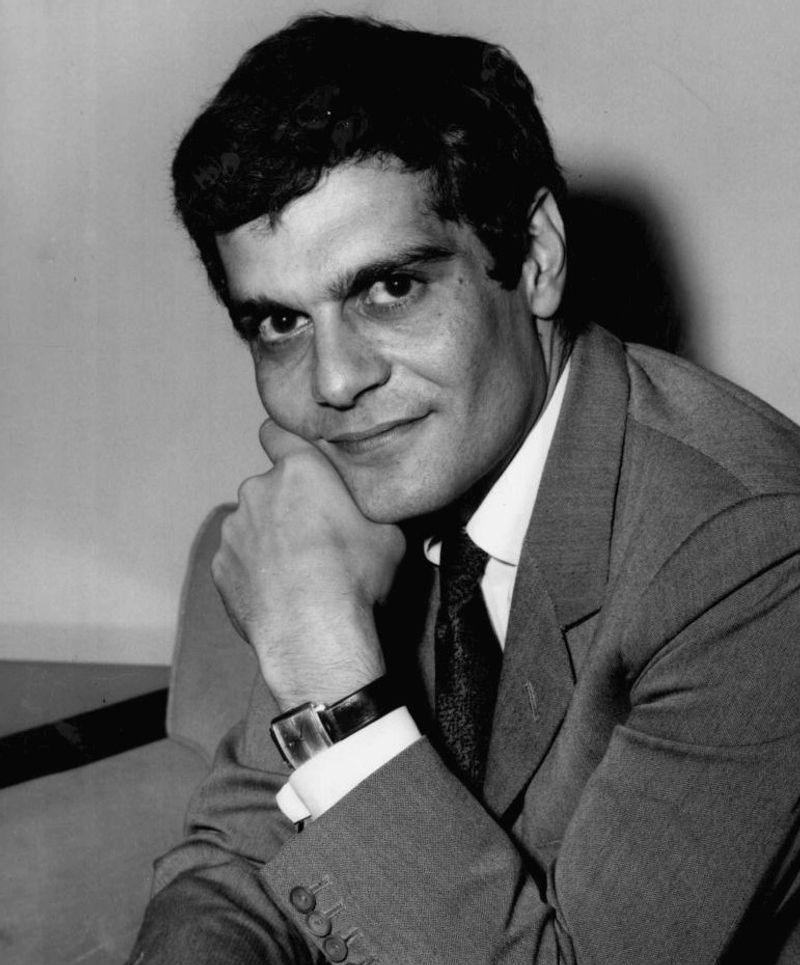
When Sharif rode across the desert in Lawrence of Arabia, audiences worldwide felt the heat – and we’re not talking about the sand.
His exotic appeal and romantic intensity made him Hollywood’s go-to leading man for sweeping epics.
Those dark, soulful eyes could convey passion, mystery, and heartbreak all at once.
Doctor Zhivago cemented his status as the ultimate romantic hero, capable of carrying love stories across continents.
His international charm transcended language barriers, making him a global heartthrob who represented romance on the grandest possible scale.
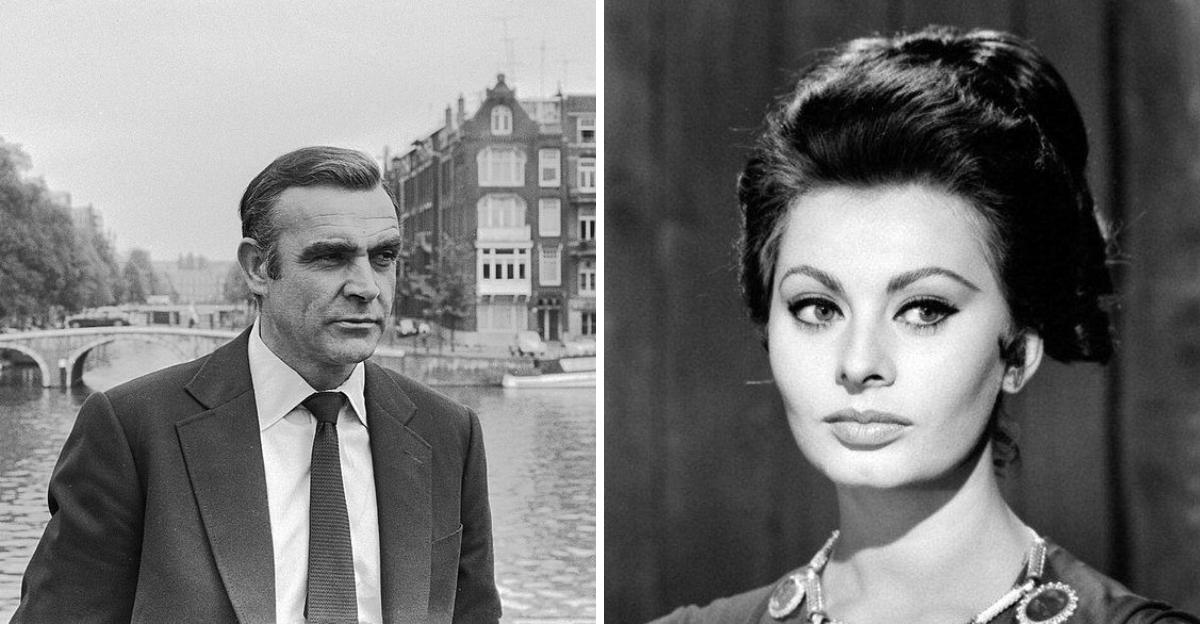
12. Sean Connery
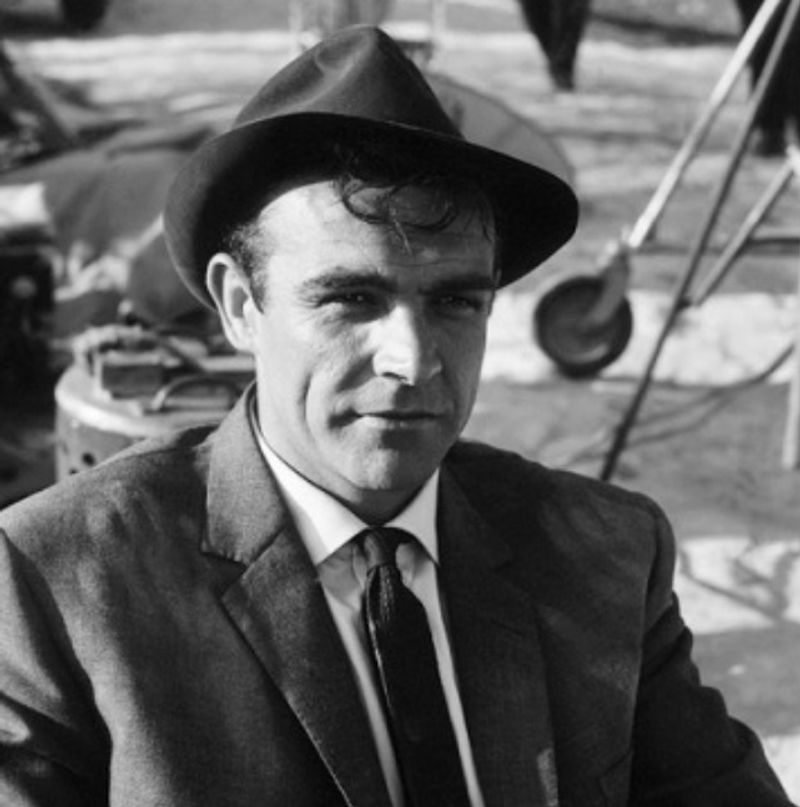
Nobody does it better? Well, Connery certainly set the bar impossibly high as the original Bond.
That Scottish accent paired with impeccable style created the template for sophisticated masculinity that endures today.
His portrayal balanced danger with charm, making espionage look like the world’s most attractive profession.
Whether in a tuxedo or tactical gear, he made every woman want to be a Bond girl.
13. Roger Moore
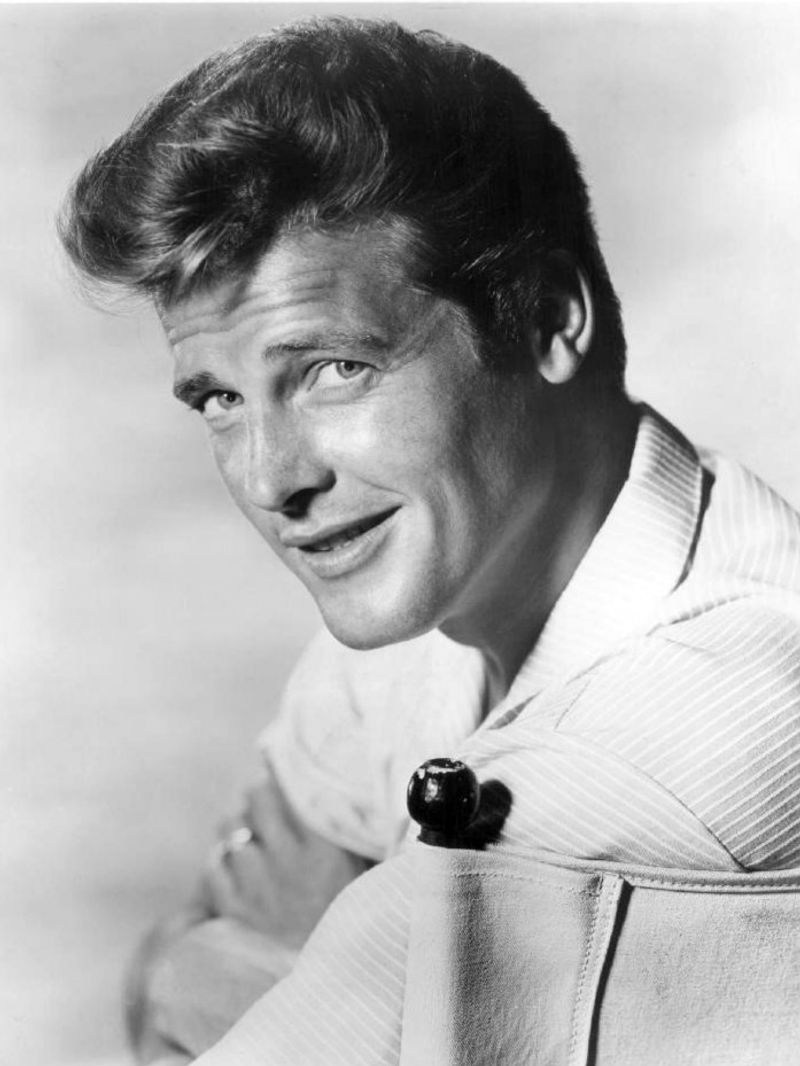
If Connery was Bond’s dangerous edge, Moore was its playful sophistication – equally irresistible but with more winks and raised eyebrows.
His lighter take on 007 brought humor without sacrificing the essential suave appeal that made hearts flutter.
That signature eyebrow arch became as iconic as any gadget, conveying mischief and charm simultaneously.
14. Anthony Perkins
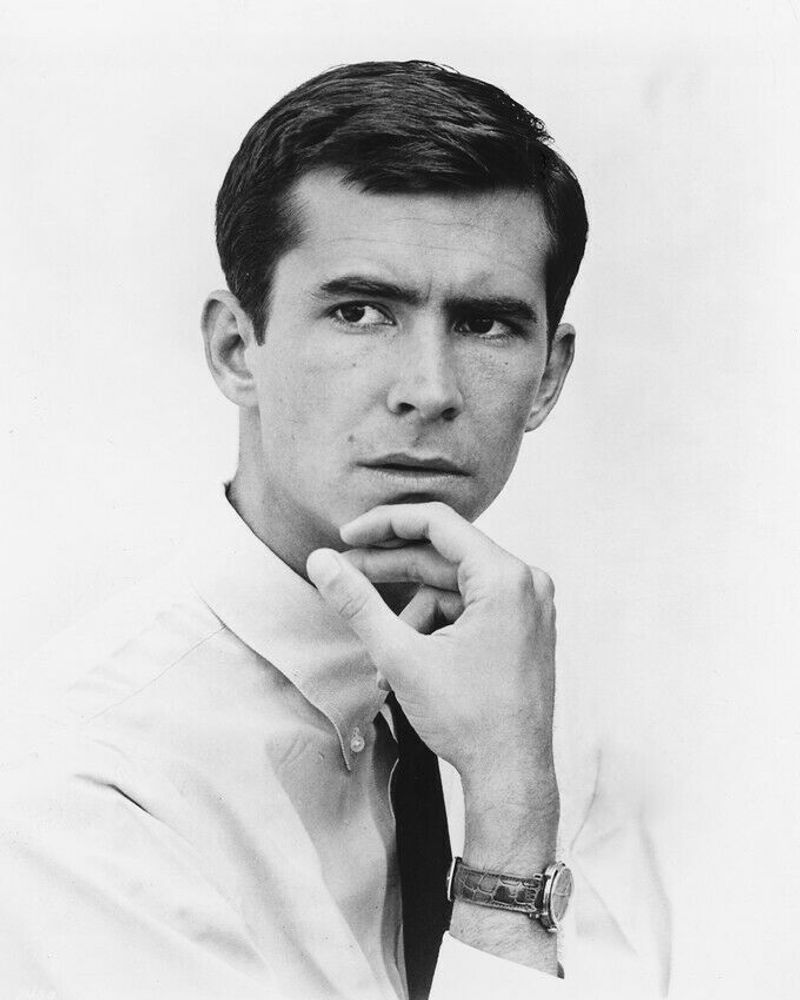
His tall, lanky frame and thoughtful demeanor created a different kind of leading man – intellectual, artistic, intensely memorable.
That boyish charm combined with obvious depth made him fascinating to watch in any role.
Films like Friendly Persuasion showcased his ability to convey complex emotions with subtle grace.
His intensity drew viewers in, creating an intimate connection that felt personal and deeply affecting in ways typical heartthrobs couldn’t match.
15. Alain Delon
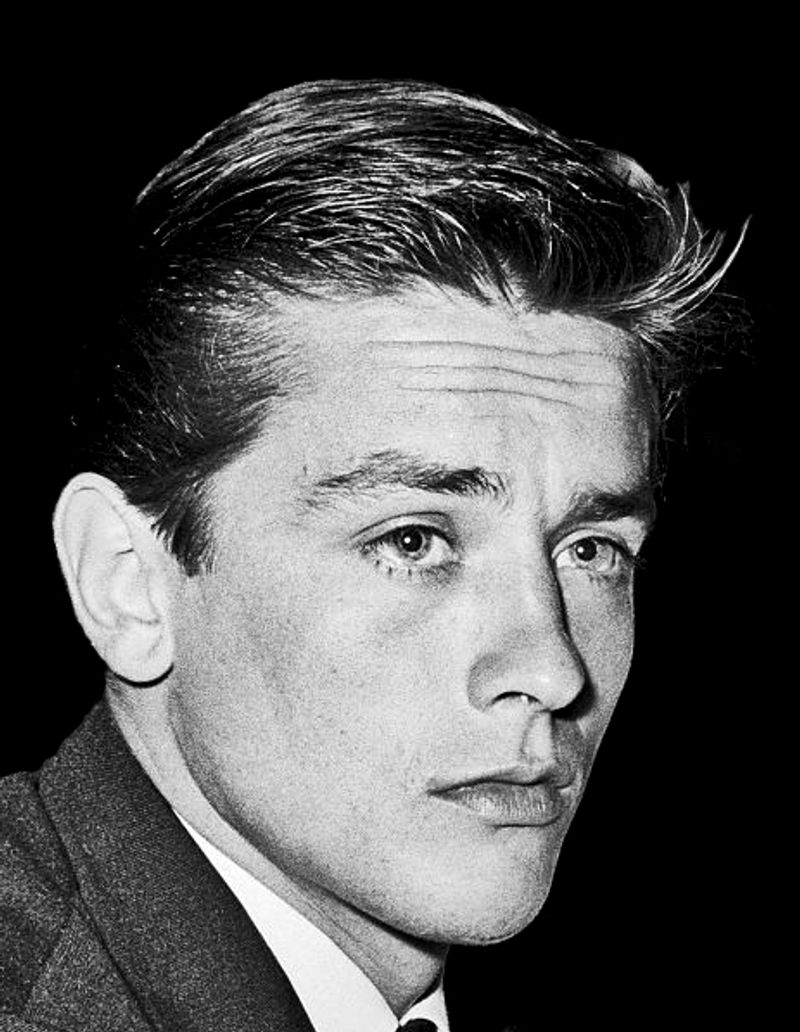
French cinema’s gift to heartthrob history, Delon possessed features so perfect they seemed almost sculpted.
Those piercing eyes and chiseled cheekbones made him look like he’d stepped out of a fashion magazine – except he could actually act.
Films like Purple Noon showcased both his stunning looks and genuine talent for complex characters.
His European sophistication felt exotic to American audiences, adding international flair to the heartthrob landscape.
16. Dustin Hoffman
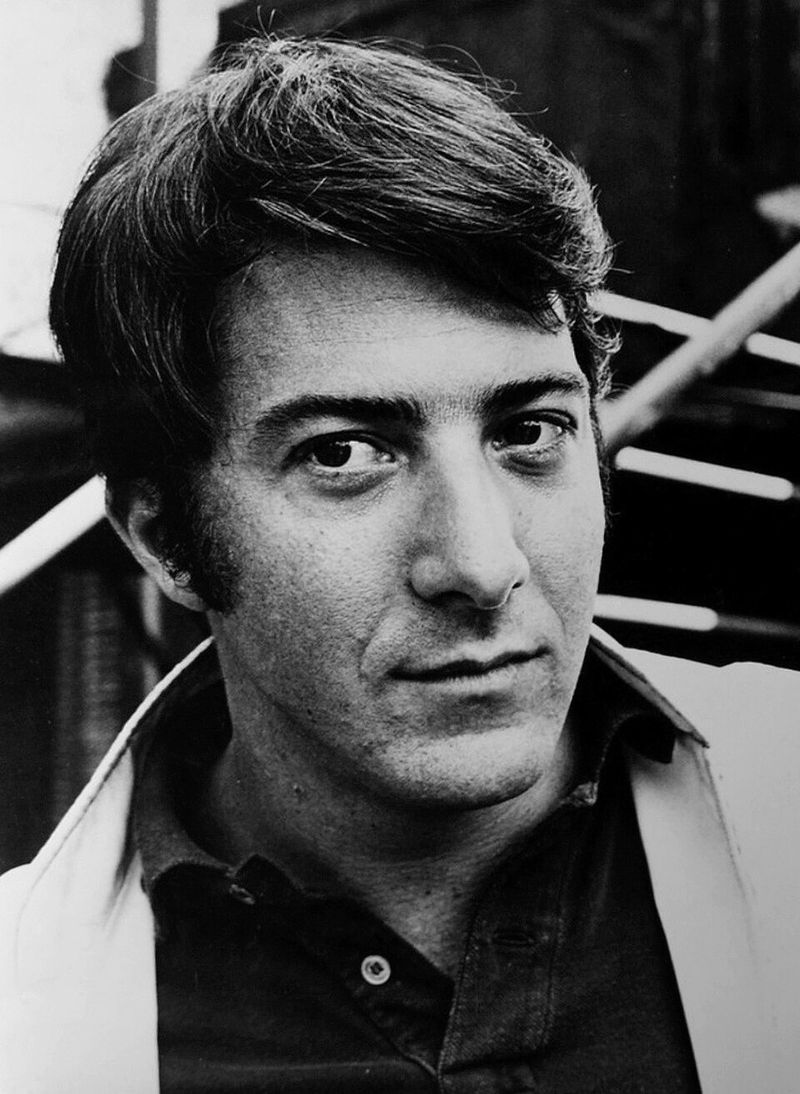
Hollywood said leading men needed to be tall, classically handsome, and traditionally masculine. Hoffman said, “Hold my diploma,” and revolutionized everything with The Graduate.
His unconventional looks and neurotic energy created a new kind of heartthrob – relatable and intensely human.
That famous ending scene, pressing against the glass, captured a generation’s anxiety and romantic yearning perfectly.
17. Ryan O’Neal
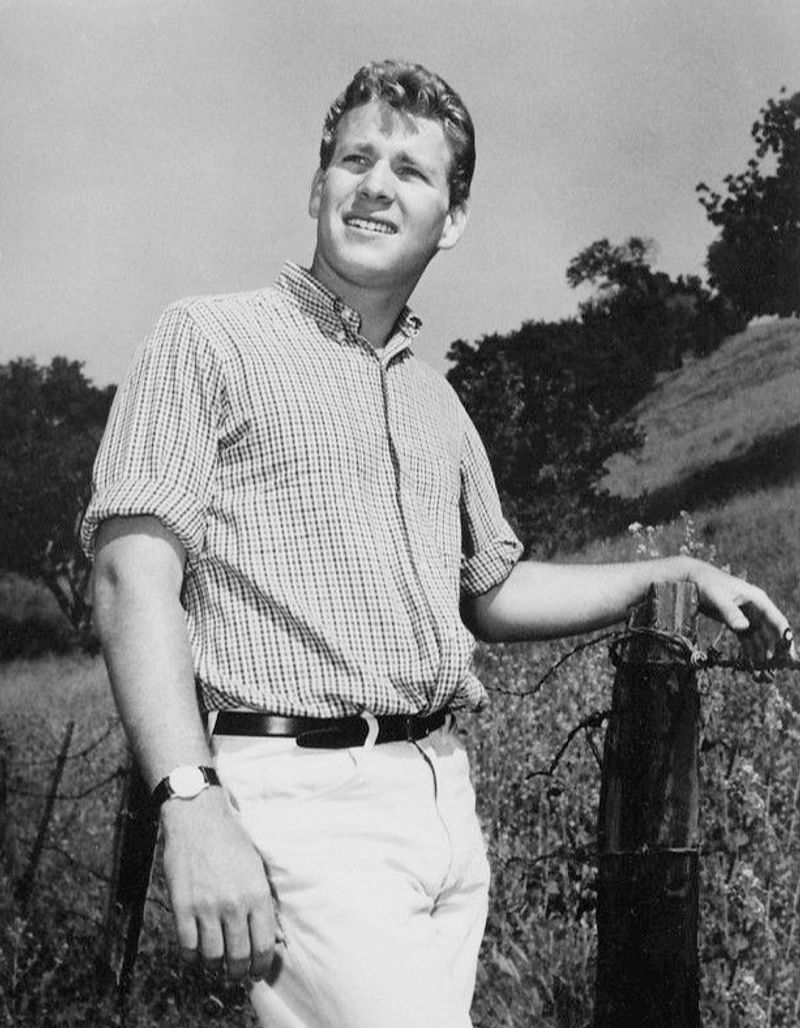
Love Story launched O’Neal into the stratosphere of romantic leading men.
His sensitive, almost fragile beauty brought a different energy to heartthrob status, emphasizing emotional vulnerability over machismo.
That blonde, clean-cut appeal felt safe and aspirational, like the boy next door who actually noticed you.
O’Neal represented the softer side of masculinity, showing that tenderness and emotional openness could be just as attractive as traditional toughness and swagger.