
10 Western Films Often Compared With Tombstone
One Western rides into town, tips its hat, and suddenly every other cowboy movie has something to prove.
Tombstone did exactly that with lightning-fast dialogue, legendary shootouts, and characters so memorable they practically carved their names into the saloon wall.
Fans drawn to that style often end up looking for other Westerns with a similar mix of tension, charisma, and frontier mythology.
1. My Darling Clementine (1946)
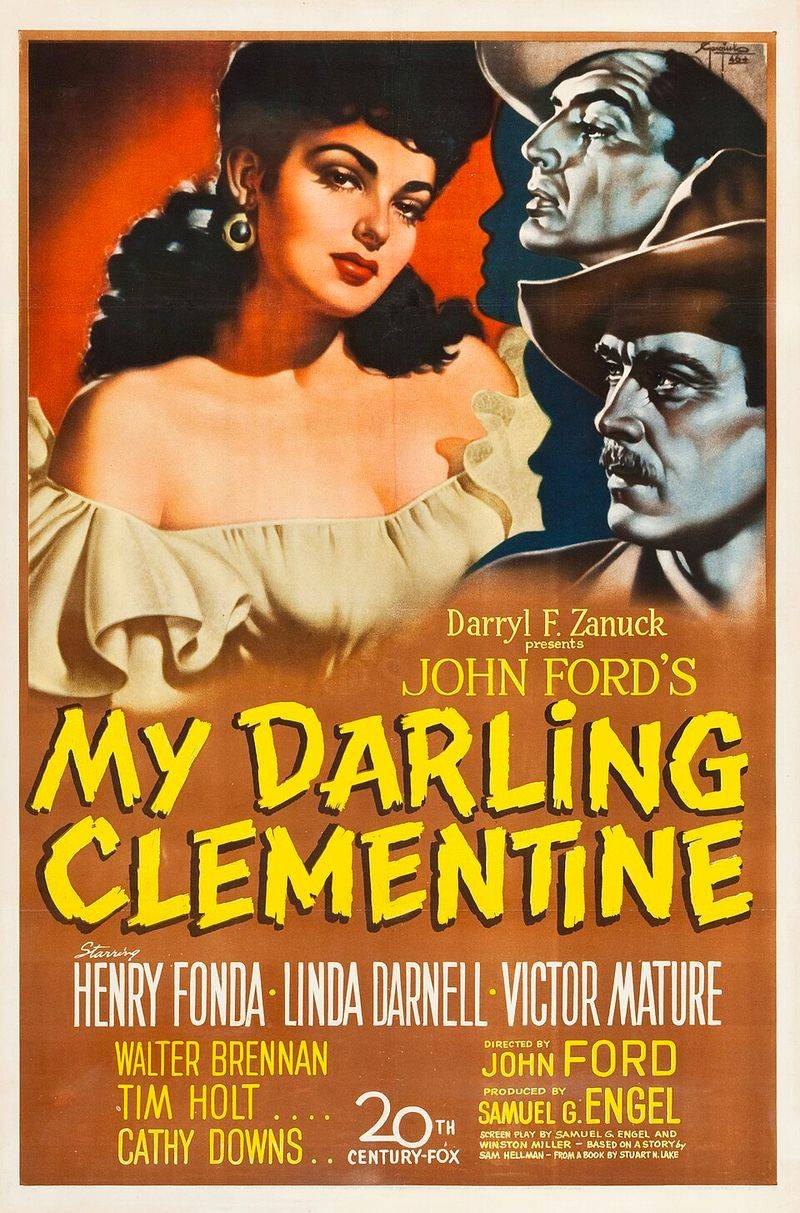
Poetic Western storytelling reaches a high point in John Ford’s interpretation of the O.K. Corral legend.
Quiet authority defines Henry Fonda’s portrayal of Wyatt Earp, giving each moment the calm weight of a carefully composed painting. Black-and-white cinematography alone makes the film worth experiencing.
Many later Wyatt Earp films, including Tombstone, clearly draw on the legend-building approach seen here. Devoted fans of Doc Holliday’s legend will recognize how deep those roots run.
2. Gunfight At The O.K. Corral (1957)
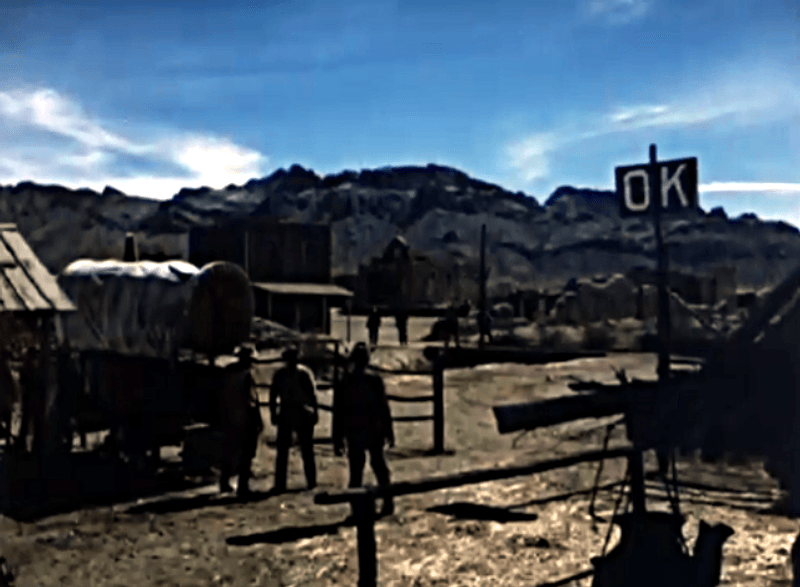
Star power alone makes Gunfight at the O.K. Corral impossible to ignore.
Pairing Burt Lancaster as Wyatt Earp with Kirk Douglas as Doc Holliday gives the story instant electricity.
Their screen chemistry gives the film much of its momentum.
Fans of Doc Holliday-centered retellings will recognize how strongly this earlier film shaped later screen versions of the legend. Influence from this earlier Western helped lay the groundwork that later films would refine and celebrate.
3. High Noon (1952)
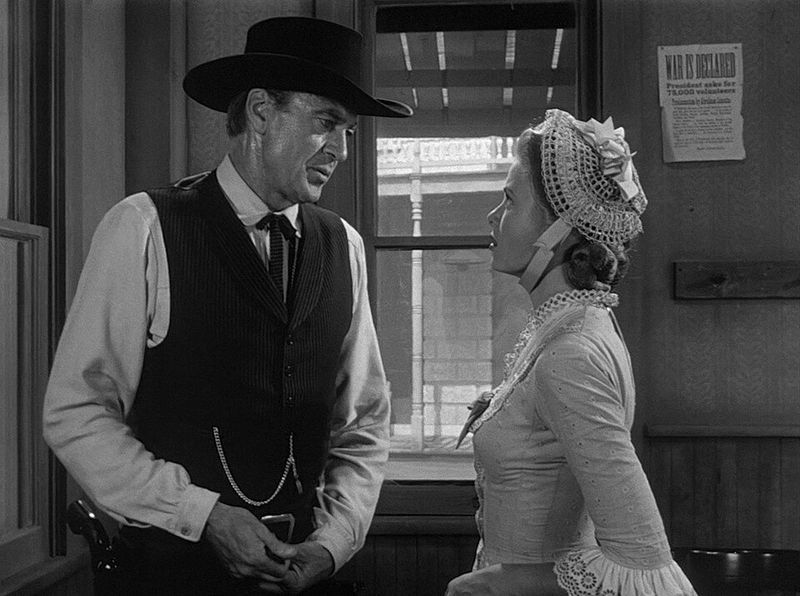
In High Noon, which is renowned for being shown in almost real time, a clock ticking toward a confrontation becomes a potent source of tension.
Gary Cooper’s lone marshal stands firm while everyone else finds somewhere else to be, which feels painfully relatable on a Monday morning.
The film’s tension is a masterclass in dread. Tombstone fans who love a hero holding the line will feel that same pulse running through every frame.
4. Shane (1953)
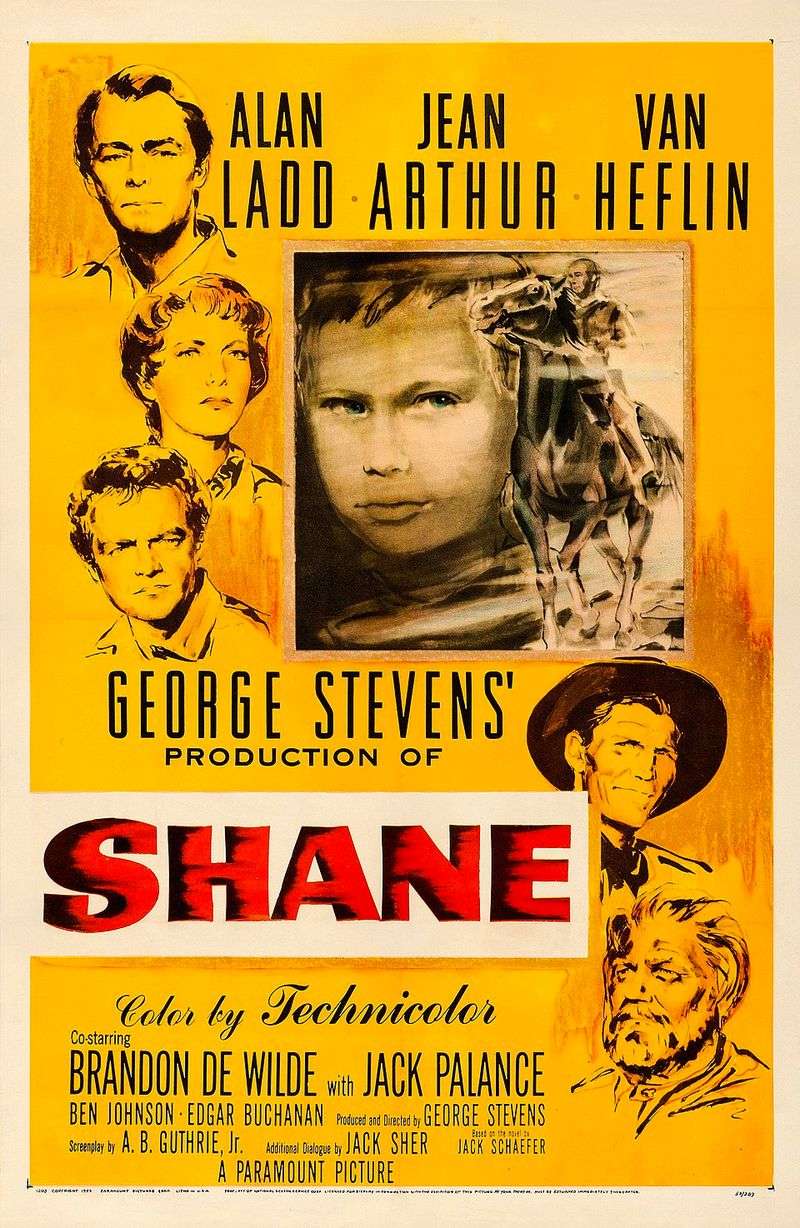
Western history holds few finales as powerful as the sound of a young boy calling across an open field.
Shane represents the quiet, mythic side of the genre, shaped by sacrifice and the heavy cost of living by the gun. Haunted grace defines Alan Ladd’s performance, leaving an echo that lingers well beyond the closing credits.
Bittersweet weight connects the story with films like Tombstone. Legends in both worlds always leave something behind.
5. Rio Bravo (1959)
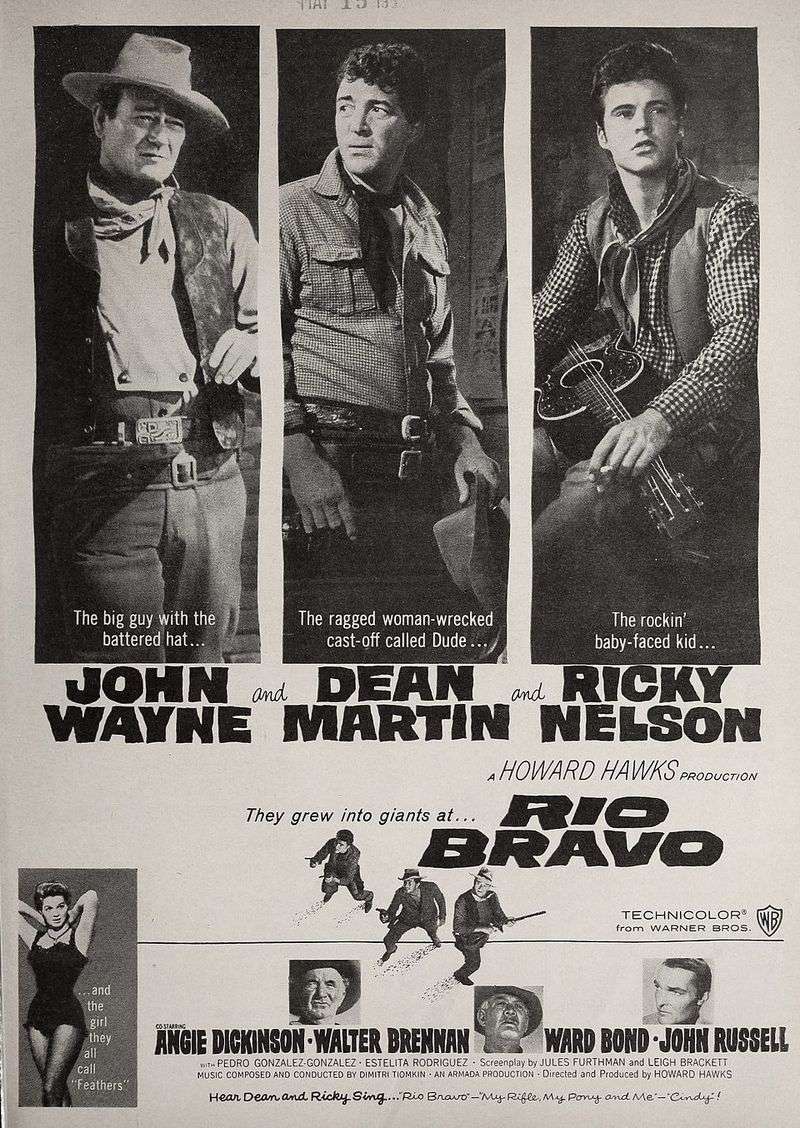
Unlikely warmth fills the dusty jailhouse in Rio Bravo. Shared screen time between John Wayne and Dean Martin turns a tense standoff into something surprisingly heartfelt.
Friendship and loyalty drive the story forward as much as the gunfights.
That band-of-brothers spirit echoes through later Westerns like Tombstone.
Frontier comfort arrives in nearly two and a half hours of relaxed storytelling, sharp dialogue, and memorable characters.
6. The Magnificent Seven (1960)
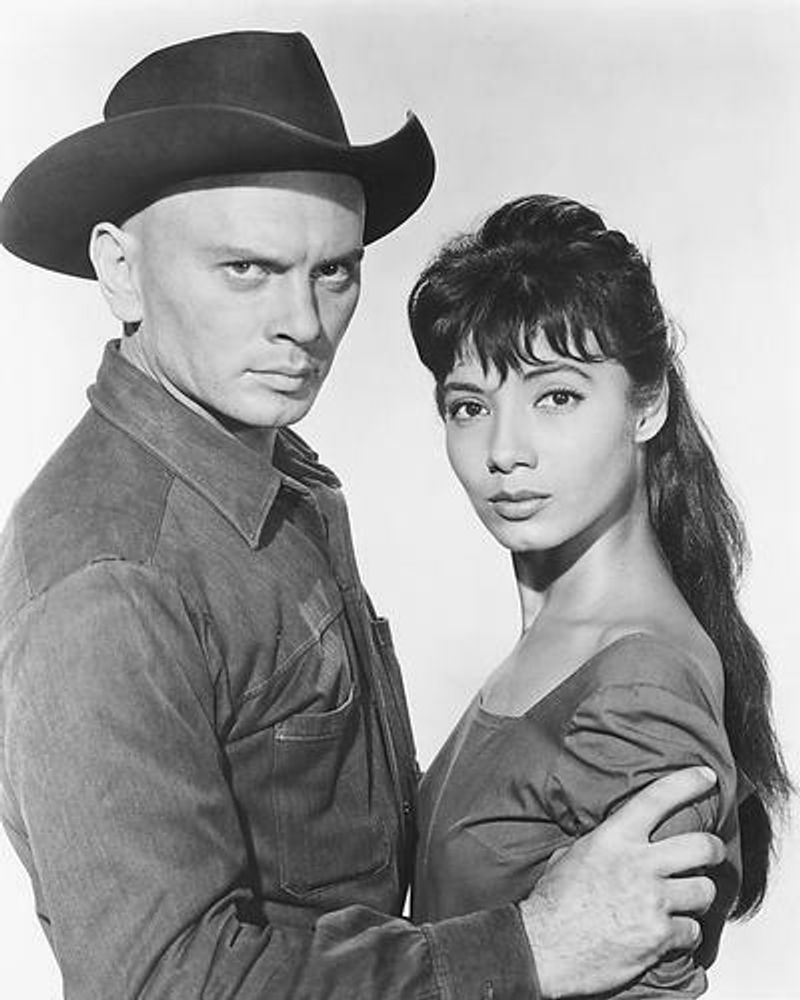
Seven gunslingers ride into a desperate village, and the result is one of the best-known ensemble Westerns of its era.
The whole cast, led by Yul Brynner, contributes significantly to the film’s allure.
Tombstone fans who love watching a crew of sharp-dressed outlaws work together will recognize the DNA immediately. The Magnificent Seven proves that sometimes the whole really is greater than the sum of its very cool parts.
7. 3:10 To Yuma (1957)
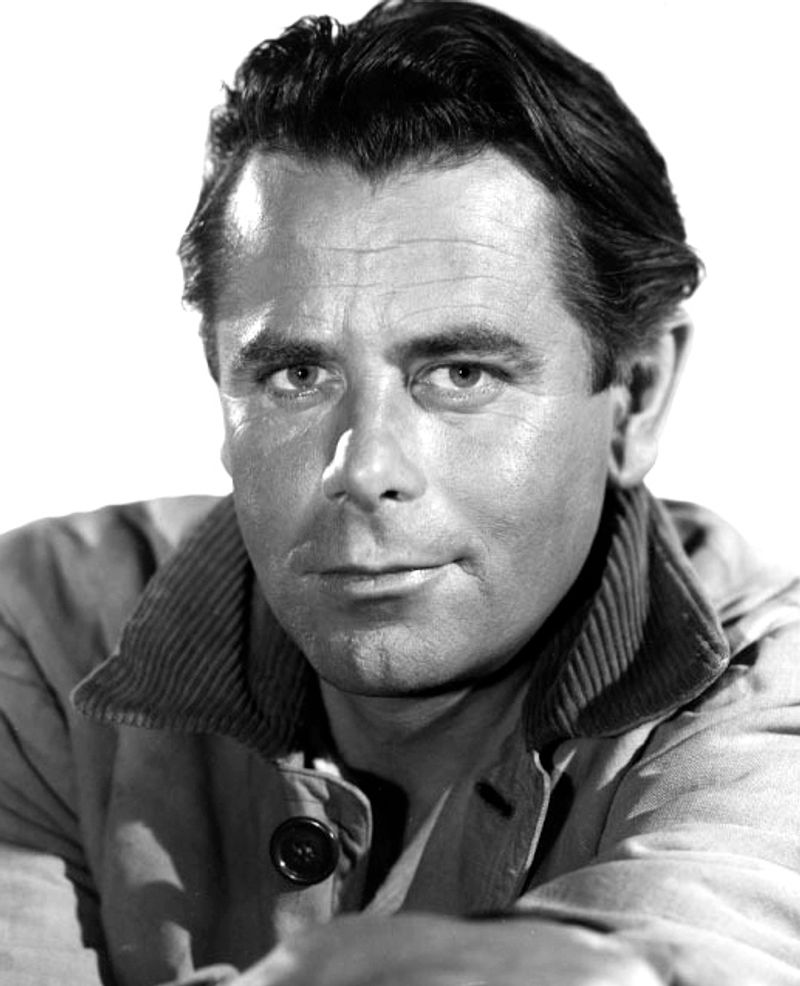
An outlaw whose self-assurance makes him difficult to ignore is given an effortless appeal by Glenn Ford, while Van Heflin stands opposite as the stubborn rancher determined to stop him.
Slow-burning tension between them rewards any viewer willing to stay patient.
Morality grows complicated once money runs short and the supposed villain turns out to be oddly likable. Rich character conflict gives the story plenty to chew on.
8. Winchester ’73 (1950)
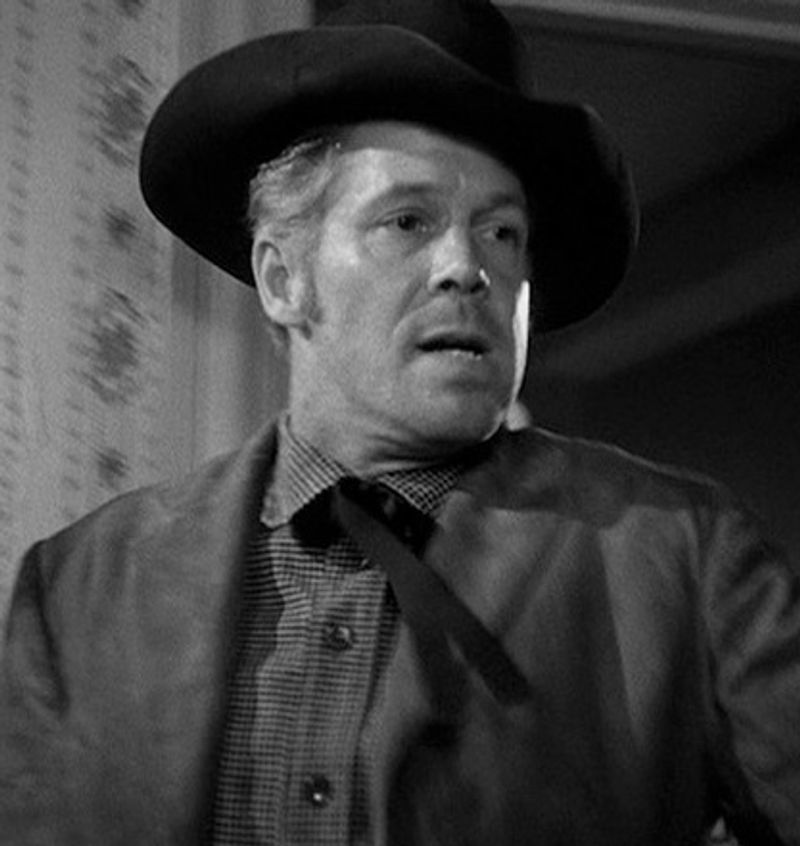
One rifle travels through a dozen different hands, and each new owner reveals another layer of the frontier’s shifting moral landscape.
James Stewart plays against type, and that choice gives the film a darker edge than many Westerns of its era.
Winchester ’73 treats its famous rifle almost like a character with its own unfolding story, a clever idea that carries the narrative forward. Its blend of action and character-driven storytelling makes the comparison easy to understand.
9. The Searchers (1956)
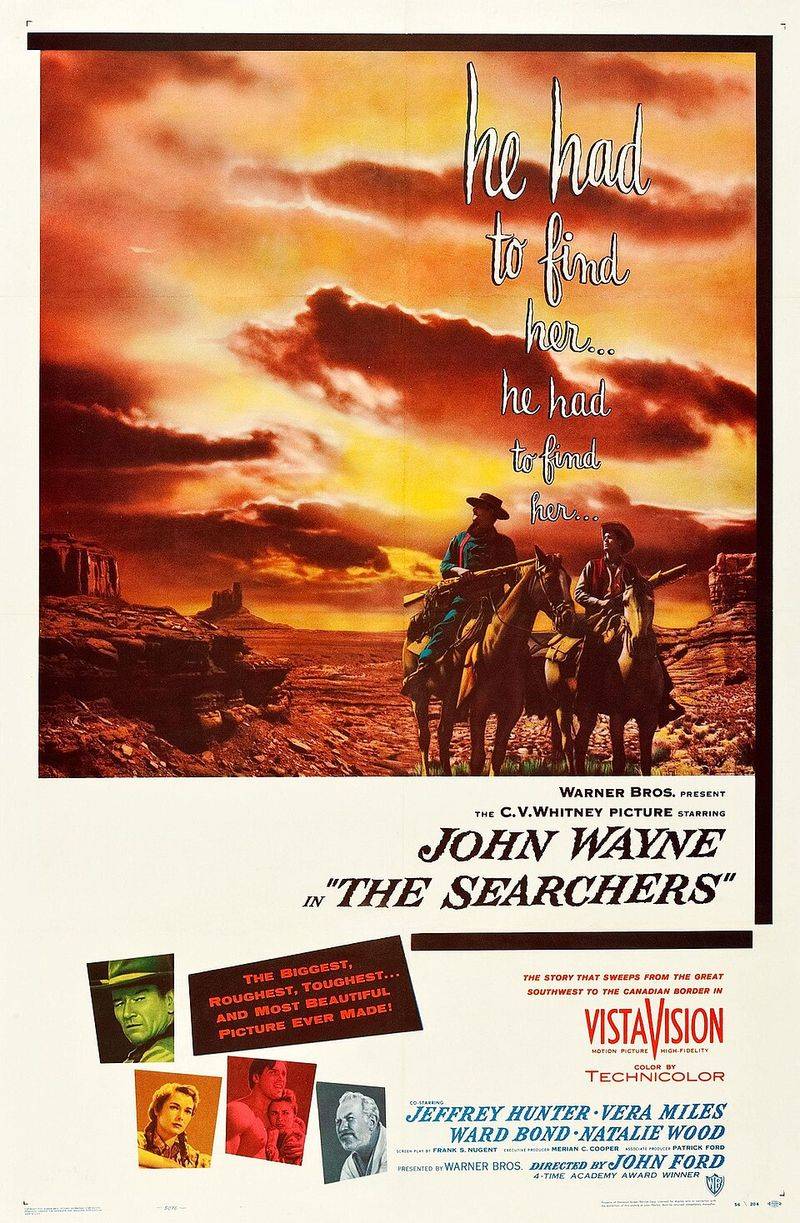
Many people consider The Searchers to be one of the most significant products of the collaboration between John Ford and John Wayne.
Wayne’s Ethan Edwards stands among the most complicated figures ever placed at the center of a Western.
Love drives his journey, but darker impulses linger just beneath the surface. Few frontier stories take character psychology as seriously as this one does.
Filmmakers have studied the closing doorway shot for decades.
Anyone who enjoys the moral weight and character drama found in Tombstone will likely find the experience both rewarding and quietly haunting.
10. The Man Who Shot Liberty Valance (1962)
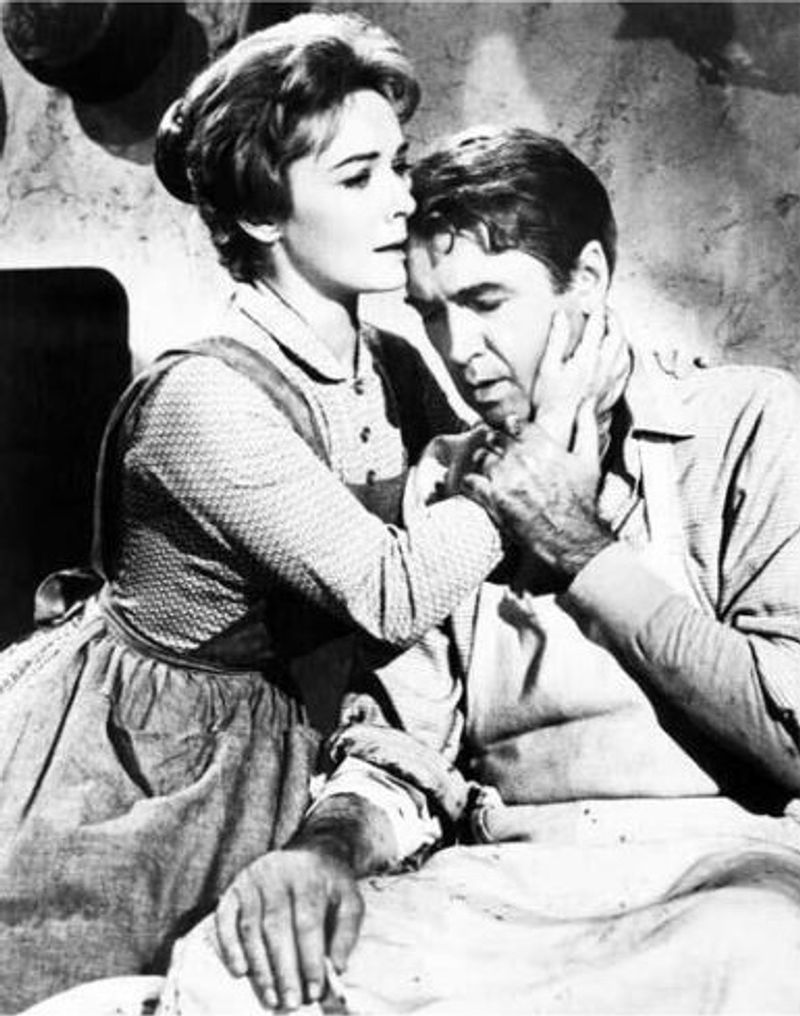
“When the legend becomes fact, print the legend” sums up the movie’s ongoing fascination with myth, memory, and public narrative.
Two opposing perspectives of the American West are represented by James Stewart and John Wayne, and each is given significant weight in the movie.
Tombstone understands that same tension between myth and truth.
Disclaimer: This article is a subjective editorial roundup based on genre similarities, storytelling themes, and the lasting cultural reputation of these films.
.jpg)


.jpg)

.jpg)


