17 Whitney Houston Songs No Playlist Feels Complete Without
Few voices know how to stop everything mid-moment quite like Whitney Houston’s.
Power shows up, emotion follows right behind, and suddenly one song turns into a full experience whether anyone planned for it or not.
Notes soar, feelings land, and those tracks keep finding their way back into playlists that refuse to let them go.
1. I Will Always Love You

Originally written by Dolly Parton, Whitney Houston turned it into something so massive it practically rewrote the rulebook on power ballads. That final note alone can silence a room full of chatty relatives at Thanksgiving.
Every playlist needs at least one track that makes people stop and stare at the ceiling. Here sits that song.
2. I Wanna Dance With Somebody (Who Loves Me)
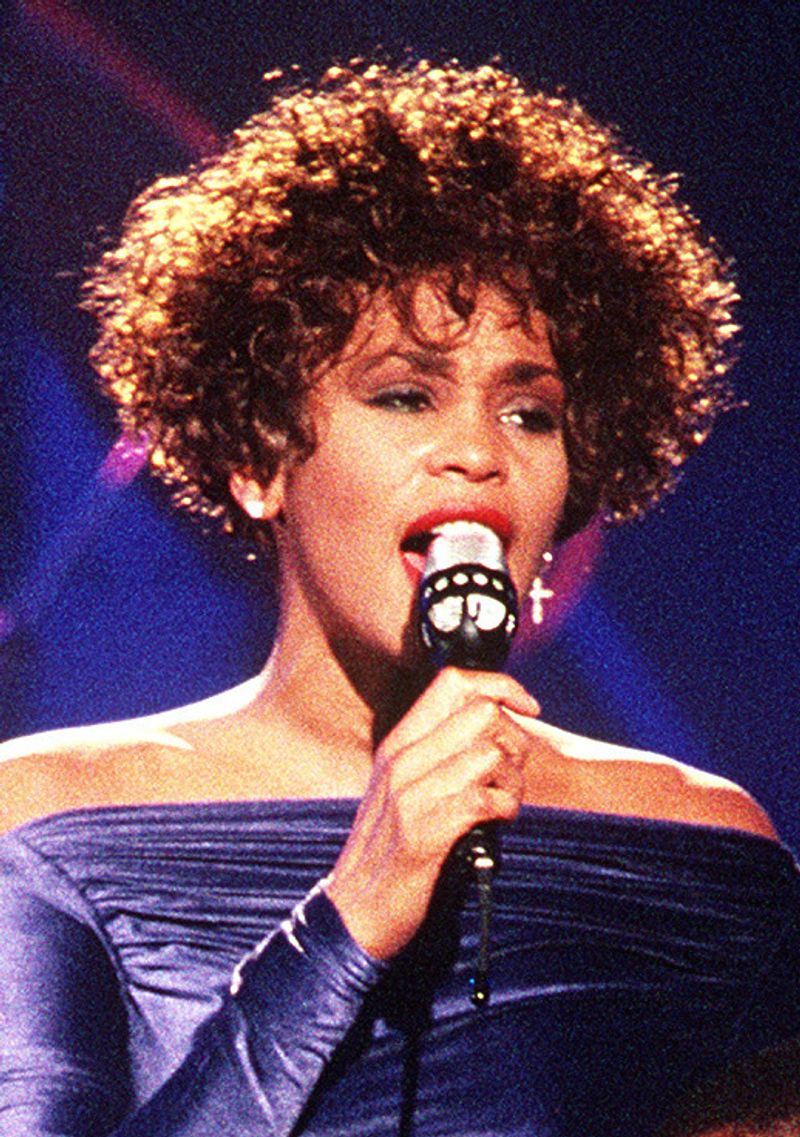
Friday afternoon energy hits differently, and this track feels like its official anthem.
Hitting radio stations in 1987, the song burst out like a confetti cannon at a party nobody saw coming. Irresistible synth hooks grab hold and make sitting still feel nearly impossible.
Pop perfection rarely comes across with such ease, which is exactly why skipping it never feels like an option.
3. How Will I Know
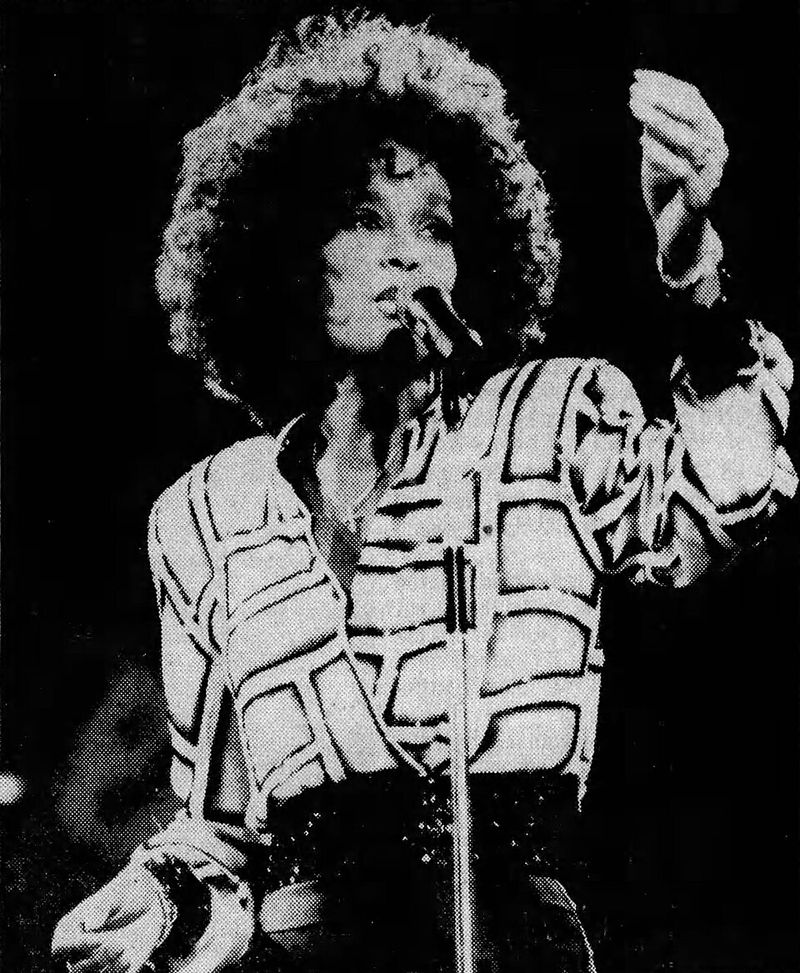
Anxious excitement runs through this song, bottling up the kind of hopeful uncertainty that still feels familiar decades later.
Bubbly production paired with Whitney’s bright vocal delivery makes the track feel like pure sunshine pressed into three minutes. Some songs age gracefully, and this one seems to get younger every year.
4. Saving All My Love For You
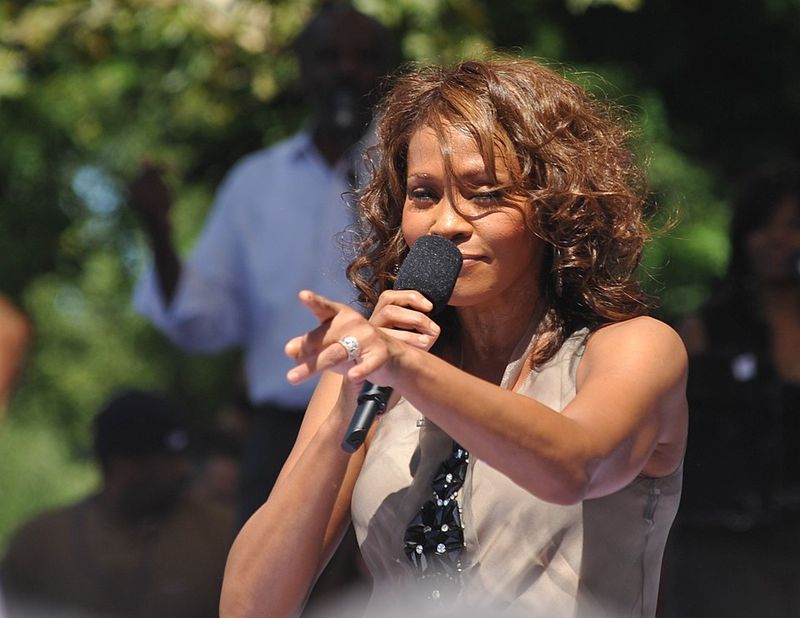
Soft lighting, a quiet room, and a low speaker playing this track create a mood that feels instantly complete. Whitney earned her first Grammy with this song, and the decision felt inevitable.
Vocal control on display throughout comes across more like a masterclass than a standard performance.
Smooth, aching tone carries through every note, giving the track a timeless place on any slow-night playlist.
5. Greatest Love Of All

Some songs feel like a pep talk from someone who genuinely means every word.
Originally written for the 1977 Muhammad Ali film The Greatest, Whitney turned it into a soaring personal declaration that landed squarely in the hearts of anyone who ever doubted themselves on a rough Monday morning. The melody builds slowly, like confidence does.
A classroom, a locker room, or a car ride alone, this track fits every moment that needs a quiet lift.
6. One Moment In Time

Written for the 1988 Seoul Olympics, this song was designed to feel enormous, and it absolutely delivers.
There is a specific kind of chills that only arrives when a big voice meets a big moment, and Whitney nailed that combination with every single breath here. Calendar reminder glare before a big exam, job interview, or game day?
Put this on immediately. Goosebumps are basically guaranteed.
7. I’m Every Woman

Originally recorded by Chaka Khan in 1978, the baton passed and Whitney took off at full speed.
Her version for The Bodyguard soundtrack added a modern groove that made everything feel newly alive, like finding a vintage jacket that fits perfectly.
Across tile floors, socks slide while a hairbrush becomes a microphone at 7 a.m., exactly the kind of ritual the song seems built for. Bold, joyful, and unapologetically fun, the track earns its place every single time.
8. I Have Nothing
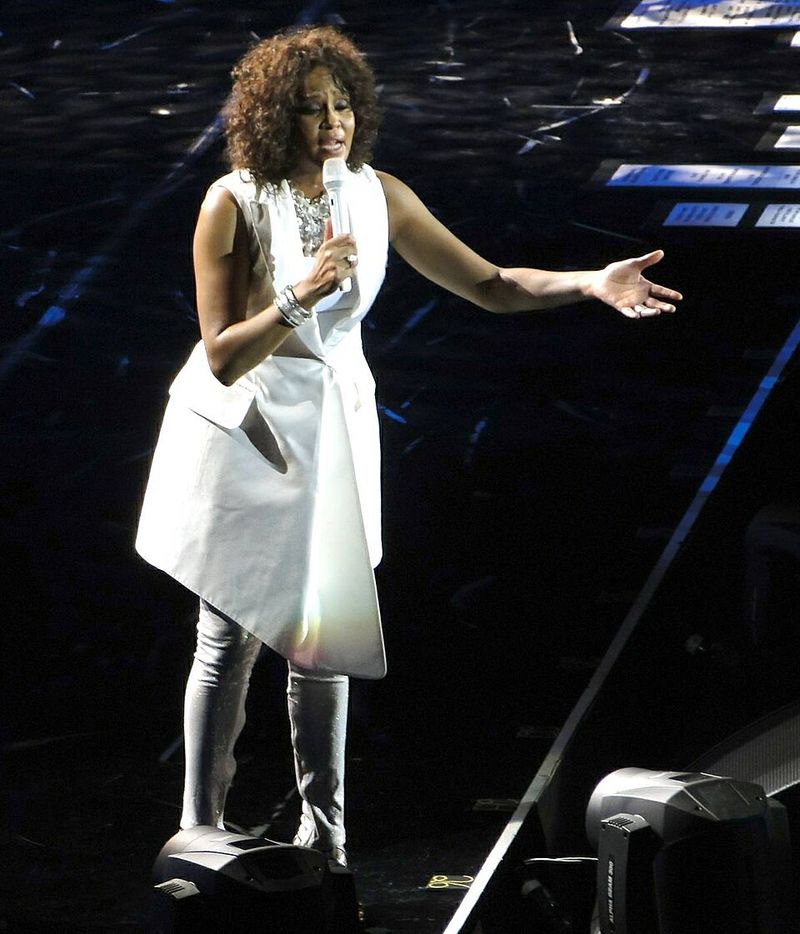
Very few songs ask for your whole heart as directly as this one.
Featured on The Bodyguard soundtrack, the track builds with a slow-burning intensity that pulls attention away from everything else. That final chorus lands like a wave, with emotional pull lingering long after the last note fades.
Raw emotion and vulnerability define the experience, securing a lasting place in any serious collection.
9. Run To You
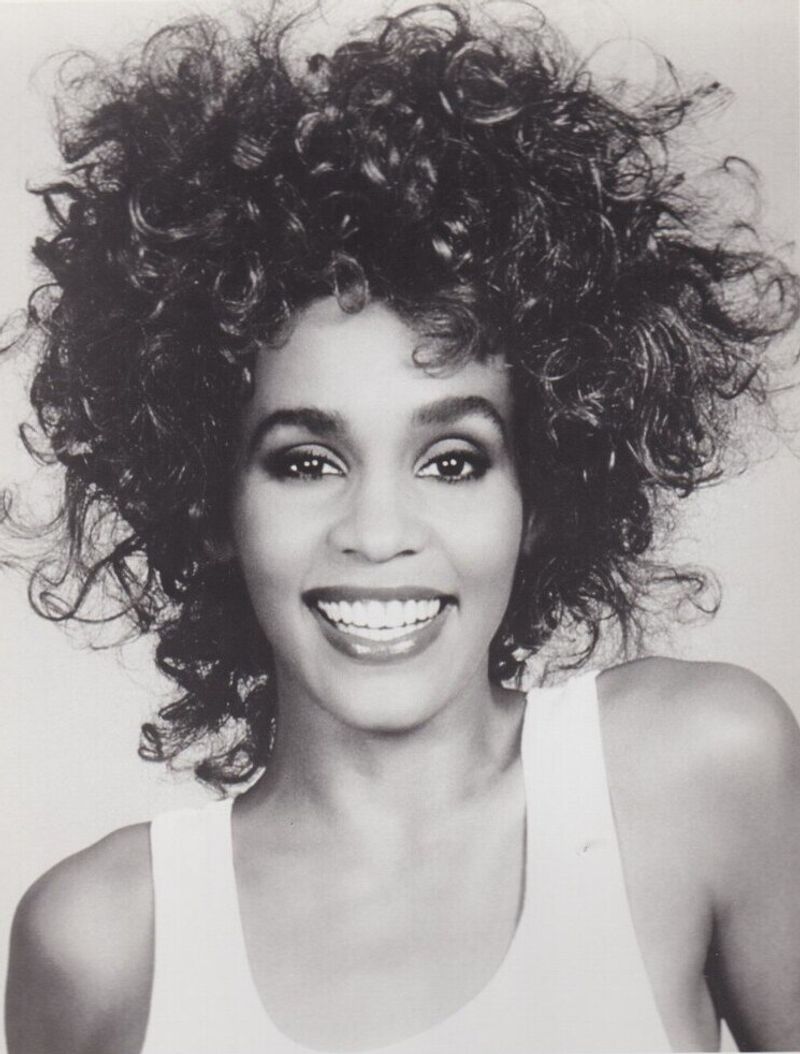
Between bigger hits on The Bodyguard soundtrack, this ballad quietly takes over. Bittersweet ache runs through the song, echoing the feeling of rereading old messages at midnight despite better judgment.
Whitney’s restraint stands out just as much as her powerhouse moments elsewhere, showing how holding back can land even harder.
Underrated status feels undeniable, which is exactly why it belongs here.
10. So Emotional

Phone-buzz excitement when someone you like finally texts back has been captured in this song since 1987.
Upbeat energy, playful tone, and genuine warmth place it right between a dance track and a love song without fully settling into either.
Whitney’s delivery moves with a bounce that feels like pure joy in the recording booth. Infectious from the very first beat, skipping never feels like an option.
11. Didn’t We Almost Have It All
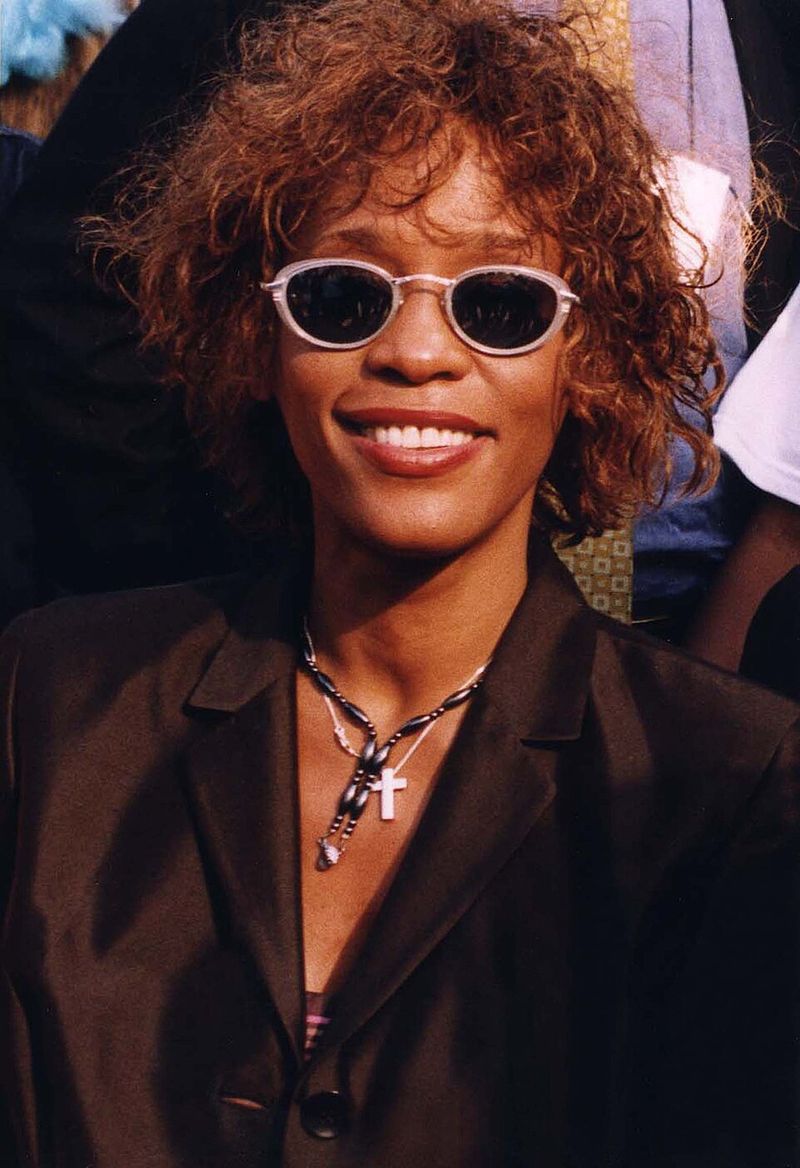
Two people, a memory, and the specific sting of something that was almost perfect but not quite.
Released in 1987 and landing at number one, this track captures that particular brand of bittersweet nostalgia better than almost anything else in pop music history. The bridge alone could make even the most stoic person reach quietly for a tissue during an otherwise ordinary Tuesday commute.
Emotional honesty like this never goes out of style.
12. Where Do Broken Hearts Go
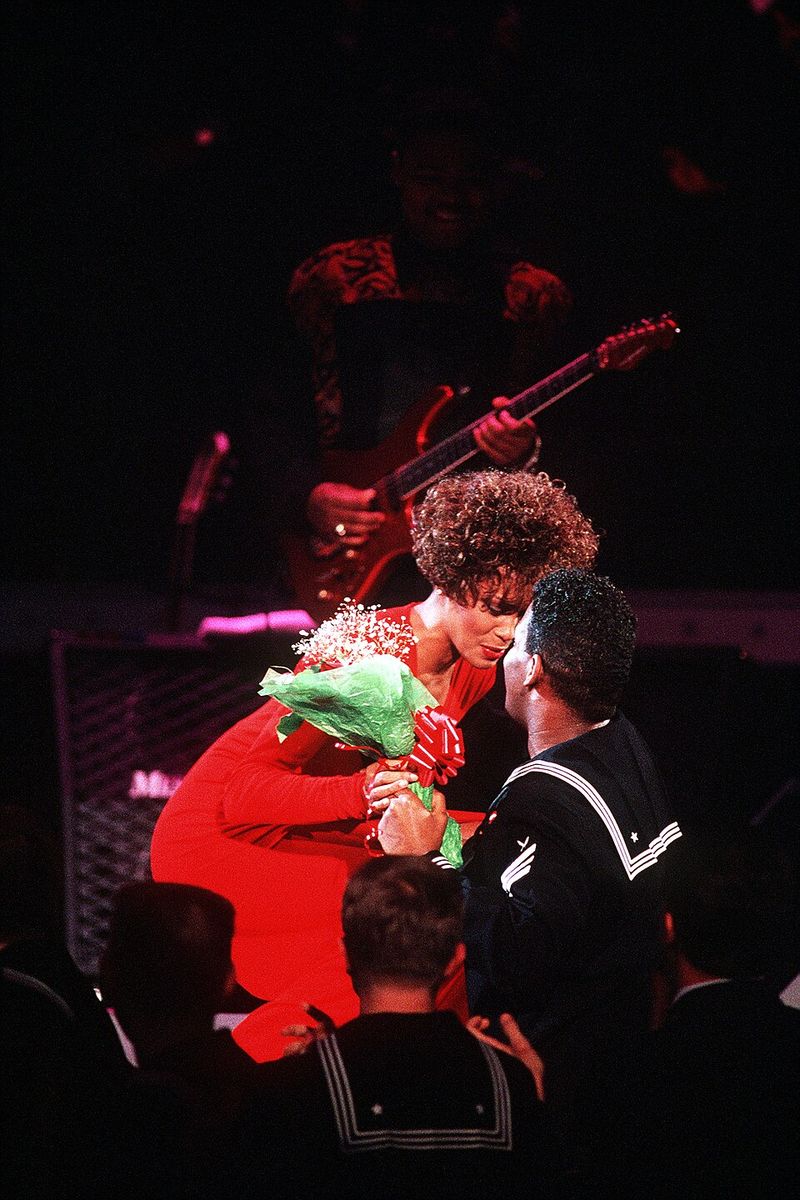
Some songs land on the exact question that has been lingering all week without a clear way to say it.
Back in 1988, the track became Whitney’s seventh consecutive number one single, setting a record that sounds closer to a sports highlight than a chart stat.
Melody settles in like a familiar sweater pulled out on the first cold morning of autumn. Comfort and heartbreak stay perfectly blended.
13. I’m Your Baby Tonight
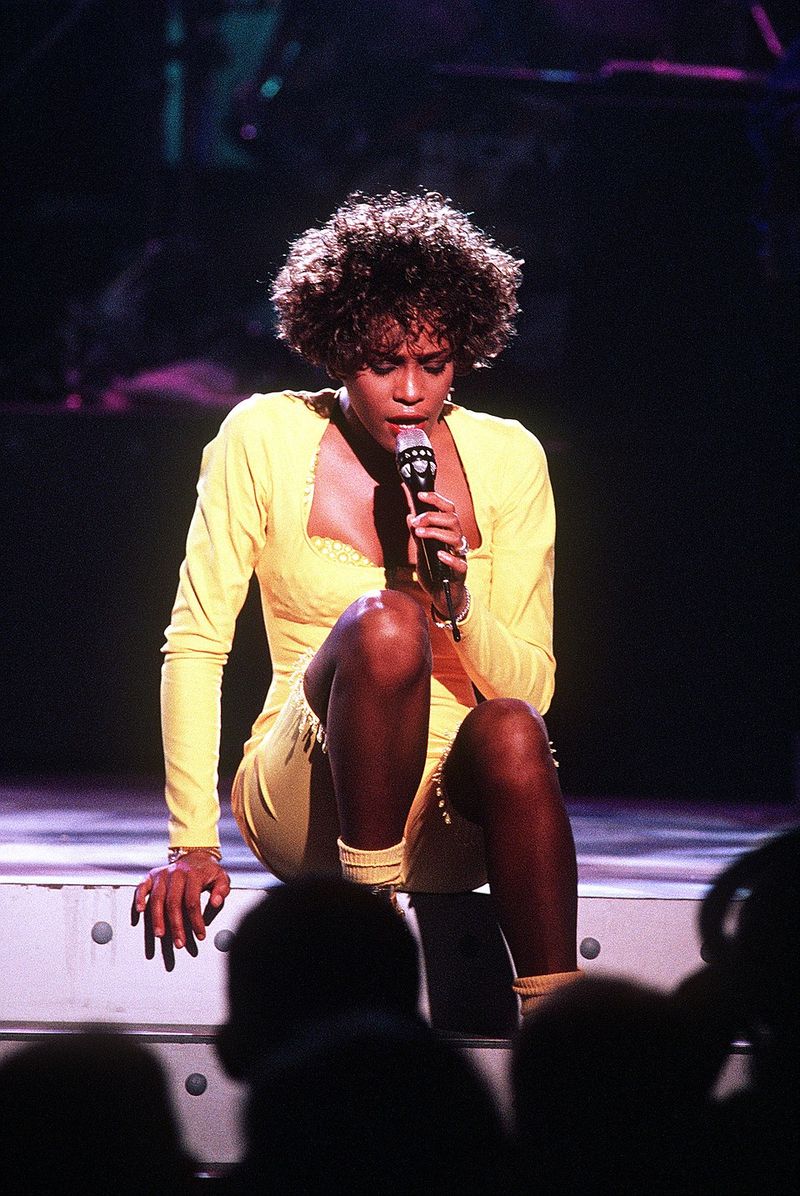
After years of smooth ballads, this track arrived in 1990 like Whitney kicking the door open and announcing a change of plans.
Produced by LA Reid and Babyface, it leaned hard into new jack swing with a groove that made even reluctant dancers reconsider their life choices mid-song. Bag by the door, keys in hand, this one turns any ordinary errand run into a full music video moment.
Undeniably catchy from start to finish.
14. All The Man That I Need
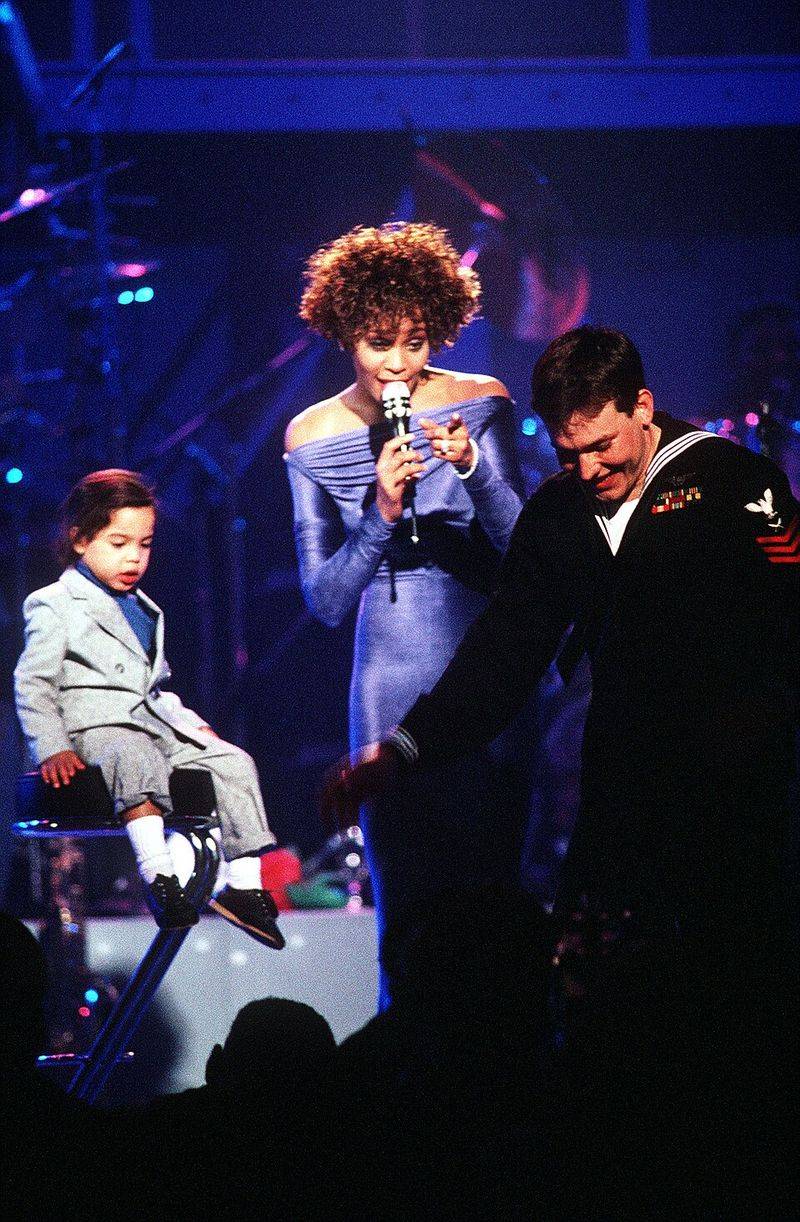
First recorded by Linda Clifford in 1982 and later covered by Sister Sledge, Whitney’s version arrived in 1990 and quickly became the one most listeners remembered.
Warm tone, generous spirit, and quiet gratitude shape a song that feels like writing someone’s name in steam on a bathroom mirror after a really good day. Chart success followed with a number one peak, holding strong as if the ranking had settled exactly where it belonged.
Pure devotion comes through with an effortless touch.
15. Exhale (Shoop Shoop)
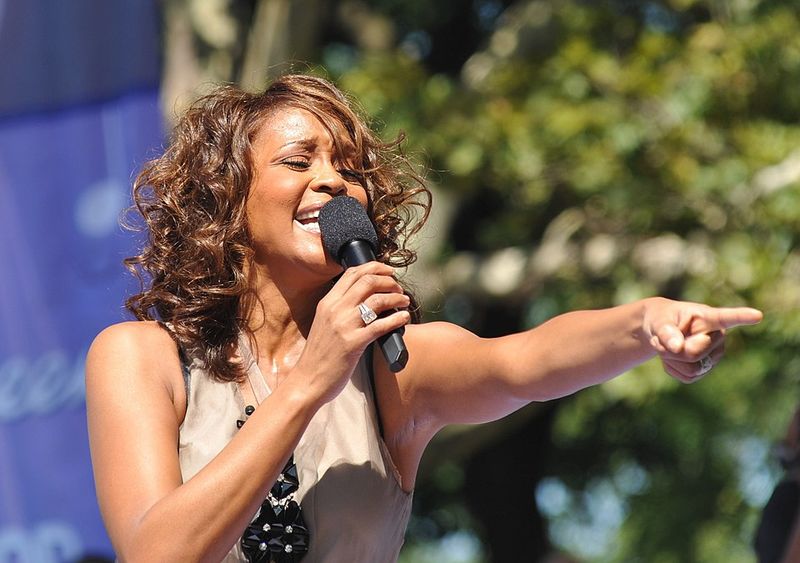
Appearing on the Waiting to Exhale soundtrack, the song moves like a deep breath after a long, complicated week. Whitney co-wrote it, adding an extra layer of personal weight to lyrics that already feel lived-in and honest.
Production stays intentionally minimal, letting a great voice and a simple melody carry the entire moment.
Quiet power gives it a different impact every time it plays.
16. It’s Not Right But It’s Okay

Ice-cold revenge energy defines the track, delivered with precision and style. Arriving in 1999, the Grammy-winning hit gave Whitney a sharper edge, unfolding like a perfectly controlled moment of defiance.
Disco-influenced groove beneath the intensity keeps it just as danceable as it is perfect for a dramatic solo singalong during traffic.
Fierce spirit, sense of release, and total necessity come through in every second.
17. My Love Is Your Love
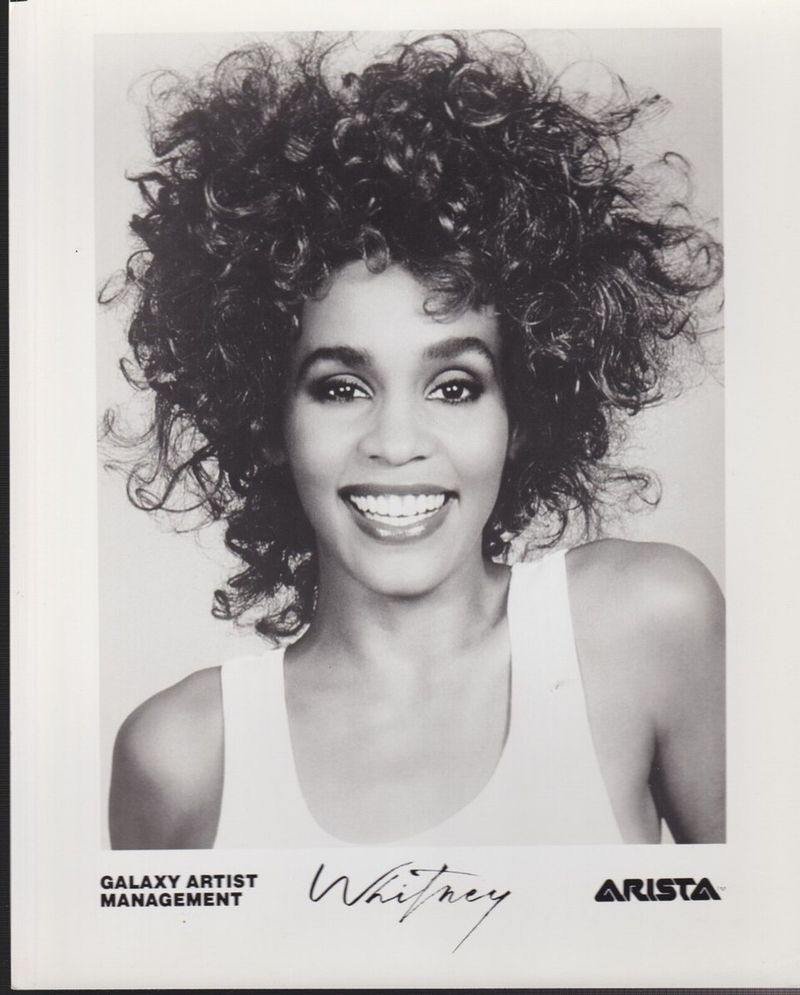
Co-written with Wyclef Jean, this title track from her 1998 comeback album felt like a genuine rebirth.
Playful, warm, and rooted in real love, the song strips everything back to what actually matters, which turns out to be exactly the kind of reminder a busy Tuesday morning sometimes desperately needs. The chorus lands with the easy confidence of someone who has nothing left to prove and everything left to celebrate.
A perfect closer for any Whitney playlist.
Important: This article is a curated editorial selection based on Whitney Houston’s recorded catalog, chart history, soundtrack appearances, and widely documented release information.
Rankings and playlist value are naturally subjective, while factual references such as release years, songwriting credits, soundtrack ties, and chart milestones are based on publicly available music-history sources.