Why Irish Butter Is So Rich And Yellow And When It’s Worth Paying More
Moo there, humans. Yes, it’s me – a very sophisticated, grass-educated cow here to explain the difference on Irish butter.
You see that deep golden block on the shelf and think, “Why does this butter look like it drank a pot of sunshine instead of that pale, boring stuff?” Well, let me tell you, it’s all in the diet, my friends. Lush green grass, rolling hills, and occasional polite gossip with my pasture pals – that is what makes the magic happen.
So next time you see that price tag, remember: you’re not just buying butter. You’re buying the opinion of a well-informed cow. Moo-ve over, ordinary spreads.
1. Grass-Fed Cows Give Irish Butter Its Golden Color
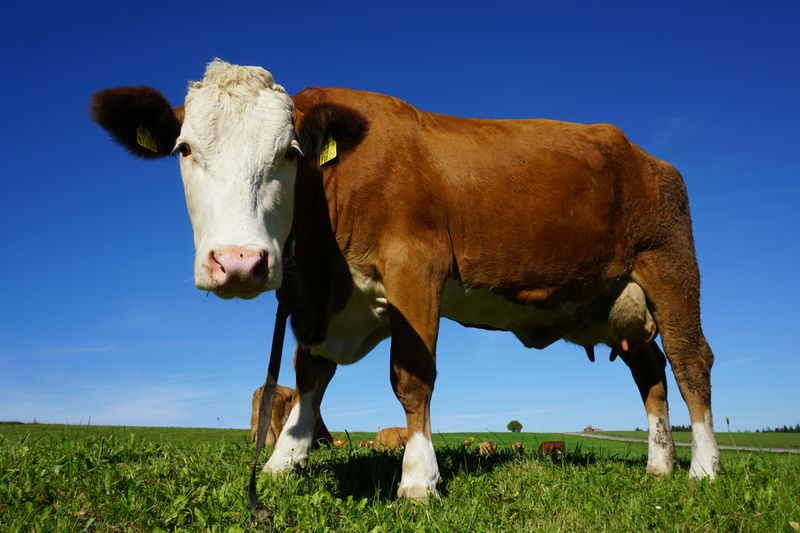
Natural color gives Irish butter its warm golden glow rather than any marketing trick.
Pasture-fed dairy cows spend much of the year eating fresh grass rich in Beta-carotene, the same pigment responsible for the orange color of carrots. Beta-carotene from grass moves into the milk fat, helping give the butter a deeper yellow tone.
Lighter butter usually reflects less grazing time and more grain in the diet, while richer yellow shades often signal cows that spent longer on pasture.
2. Ireland’s Climate Keeps Cows Grazing Longer

Constant rain and mild temperatures turn Ireland into one of the best grass-growing environments in the world. Lush pastures matter far more than most people realize when dairy quality enters the conversation.
Elsewhere, colder or drier climates often force farmers to keep cows indoors for long stretches.
In Ireland, dairy cows typically spend about 240 days a year on pasture.
Bord Bia’s grass-fed standard includes outdoor grazing requirements tied to the national average grazing days. Extra pasture time means more beta-carotene in the milk, which quietly explains the flavor difference.
3. Higher Butterfat Is What Makes It Taste Richer
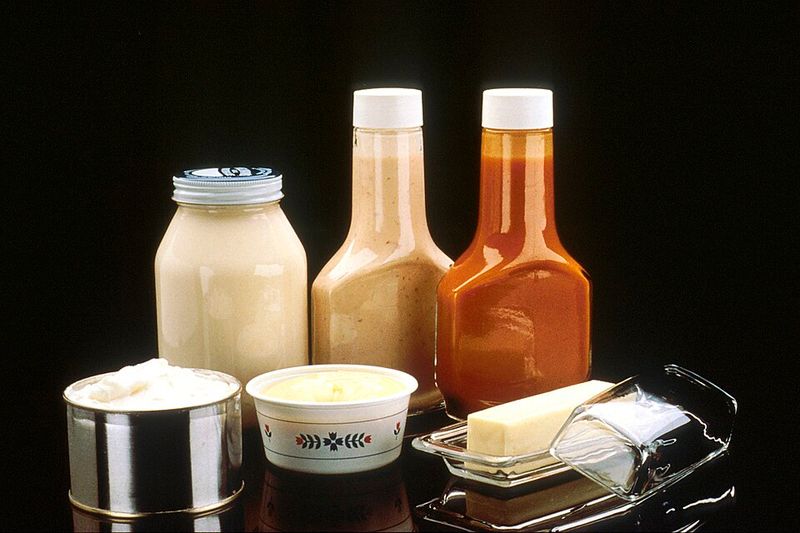
Most U.S. butter is at least 80 percent butterfat, while Irish butter is commonly sold at at least 82 percent butterfat.
That small difference is actually huge on your taste buds. The extra fat coats your mouth differently, making every bite feel softer and more satisfying, whether it is melting on a warm slice of toast or sizzling quietly in a pan.
Think of it as the difference between a good cup of tea and a great one.
4. Production Style Adds A Deeper Flavor
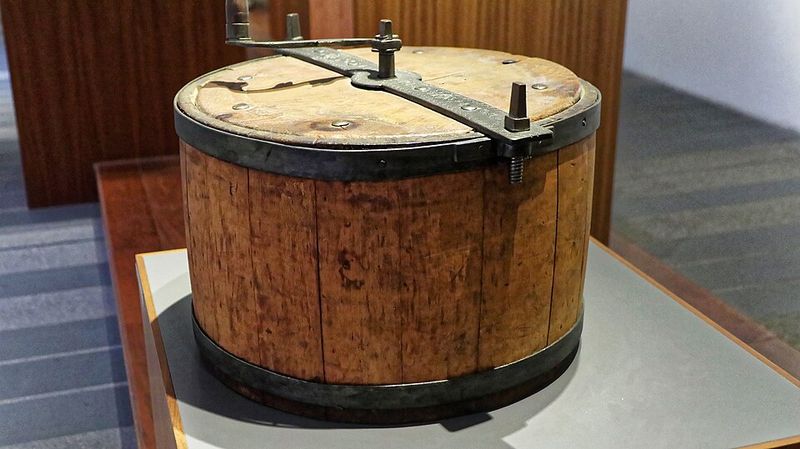
Pasture grazing explains part of the flavor, yet it does not fully account for the layered taste found in many Irish butters. Some premium butters use cultured cream for a tangier flavor, but not all Irish butter is made that way.
When a cultured method is used, it can add a tangier flavor than standard sweet-cream butter.
Result feels similar to the contrast between plain yogurt and one with a brighter, tangier edge. Weekend pancakes rarely taste quite the same after discovering butter made that way.
5. When Butter Is The Star, Pay The Premium
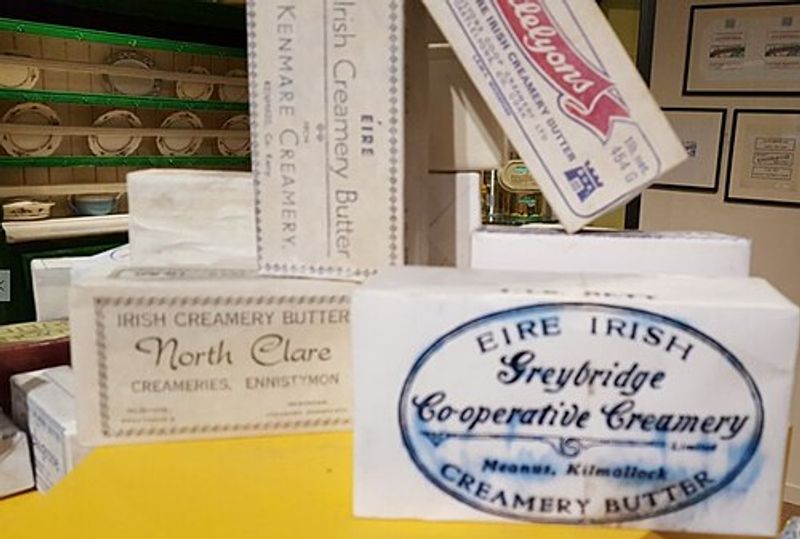
Warm bread, baked potatoes, and other simple dishes are where premium butter is easiest to notice.
Simple dishes reveal its value most clearly once butter becomes the star of the plate.
Steaming baked potatoes, oven-roasted vegetables, and delicate shortbread all give that richness room to shine. Grassy flavor steps forward when nothing else competes for attention.
Moments like those show exactly where the golden butter stands out most.
6. Skip The Upgrade When Butter Gets Lost In The Dish

Boldly spiced curries and slow-simmered stews packed with competing flavors can easily overpower premium butter.
In heavily seasoned or long-cooked dishes, the flavor difference is often much less noticeable.
Saving the best butter for simpler dishes lets its flavor actually stand out. Both your wallet and your toast tend to benefit from that decision.
Note: This article explains common reasons Irish butter is often richer in color and flavor, using publicly available information about grass-fed dairy, pasture-based farming, and butterfat content.
Taste and value judgments are editorial and may vary depending on the brand, recipe, and personal preference.