15 Winter Destinations Many Travelers Avoid
Winter travel can look like a snow globe in photos, then deliver long lines, icy sidewalks, and noticeably higher prices in busy areas. Some destinations sparkle in photos but feel like a cold, crowded endurance test in real life.
Skipping these winter picks can be a practical move when crowds, closures, or weather risks outweigh the payoff.
Note: Travel guidance, seasonal service patterns, and publicly reported weather and tourism impacts are reflected here based on information available at the time of writing.
1. Antarctica
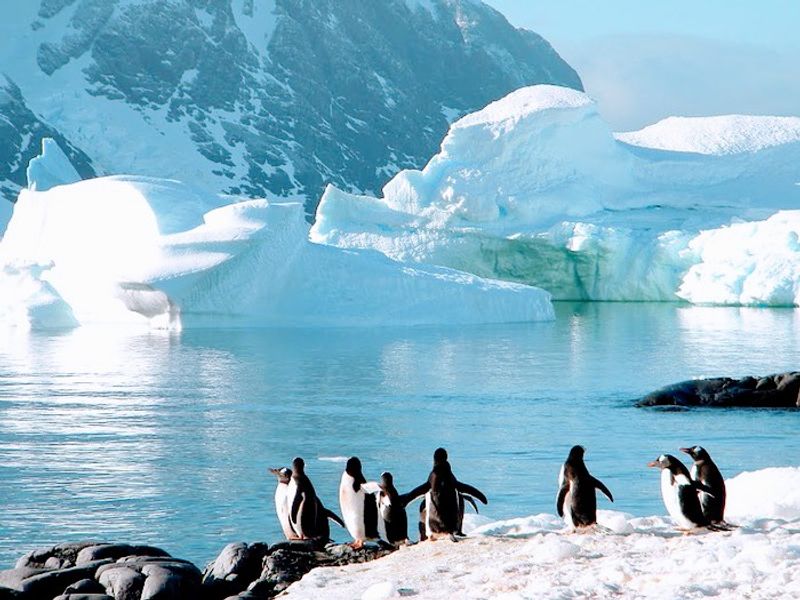
Cruise ships slice through icy water as penguins scatter in every direction.
Each Antarctica visitor season brings tens of thousands of travelers to a fragile environment, with landings concentrated in a few areas.
Breeding colonies face disruption, pristine waters risk fuel contamination, and delicate moss beds suffer damage that can take decades to heal. Bucket list selfies may carry a hidden cost far greater than expected.
Many experts recommend waiting for stronger protections or skipping the voyage entirely and supporting research stations from afar instead.
2. Aspen
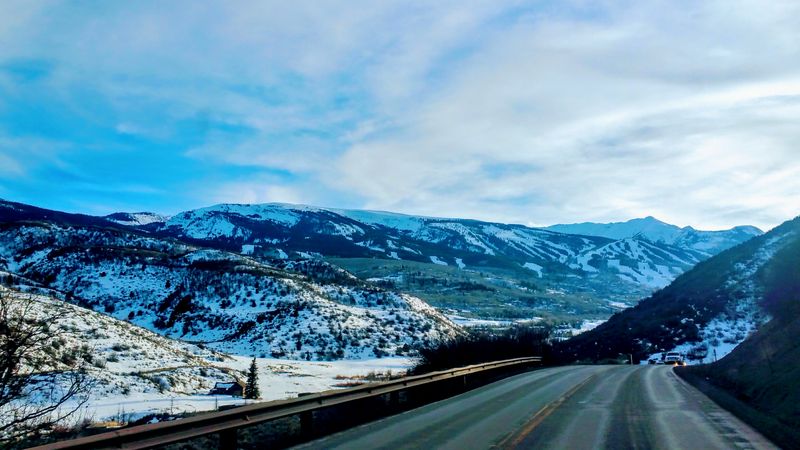
Lift tickets can run into the hundreds of dollars per day, especially without advance purchase. Hotel rooms run double that before extras even enter the picture.
Aspen’s reputation as a celebrity playground leaves many ordinary families feeling stressed instead of restored, with packed slopes, costly parking, and restaurant reservations locked weeks in advance.
Some coverage of modern ski pricing notes how premium resorts can feel overpriced during peak periods.
Choosing a destination that genuinely welcomes middle class visitors often makes far better use of a travel budget.
3. Whistler
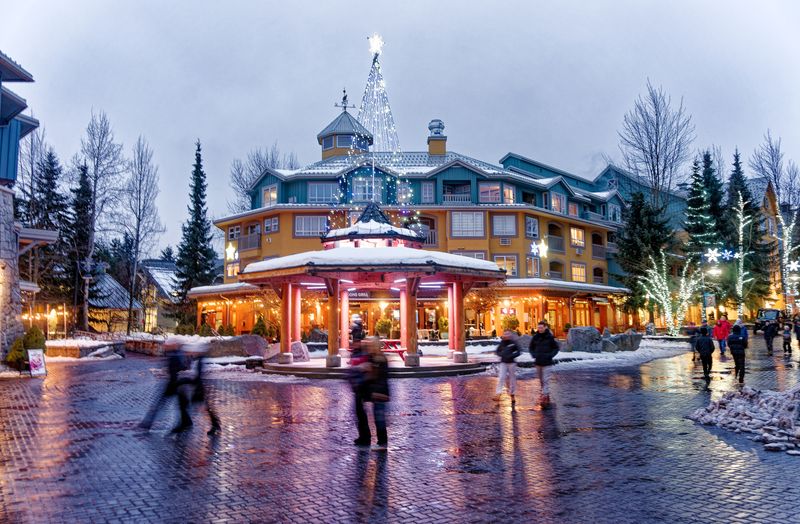
You spend more time standing in line than actually skiing. The lift queue snakes so far back you can’t see the front.
Whistler’s popularity turned it into a winter amusement park where patience matters more than skill.
On peak holiday days, lift lines can get long enough that waiting becomes part of the day. Unless you enjoy people-watching in the cold, smaller resorts offer better snow and fewer elbows.
4. Reykjavík
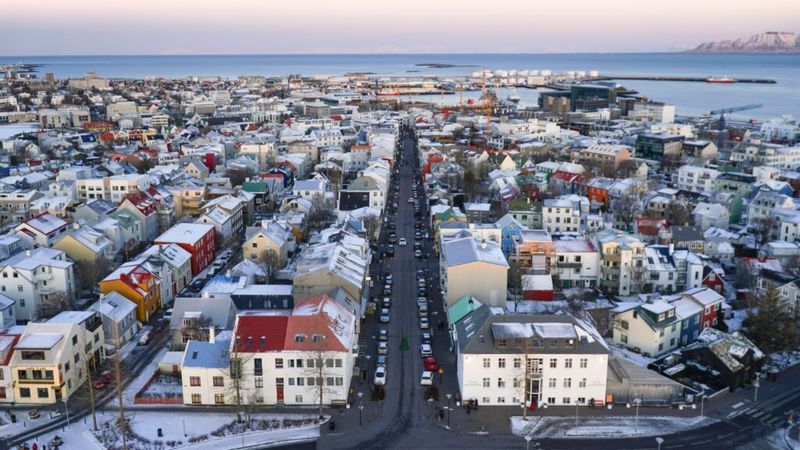
Near late December, daylight can be limited, with sunrise in the late morning and sunset in the mid-afternoon.
Wintertime in Reykjavík comes with premium prices for activities squeezed into barely four hours of weak daylight.
Tour costs often double summer rates, restaurant bills skew tourist high, and Northern Lights viewing is never guaranteed, and cloud cover can derail plans.
Many travelers expecting magic end up facing expensive darkness instead. Long summer days and lower prices highlight why winter can feel like paying more while getting far less in return.
5. Puerto Rico
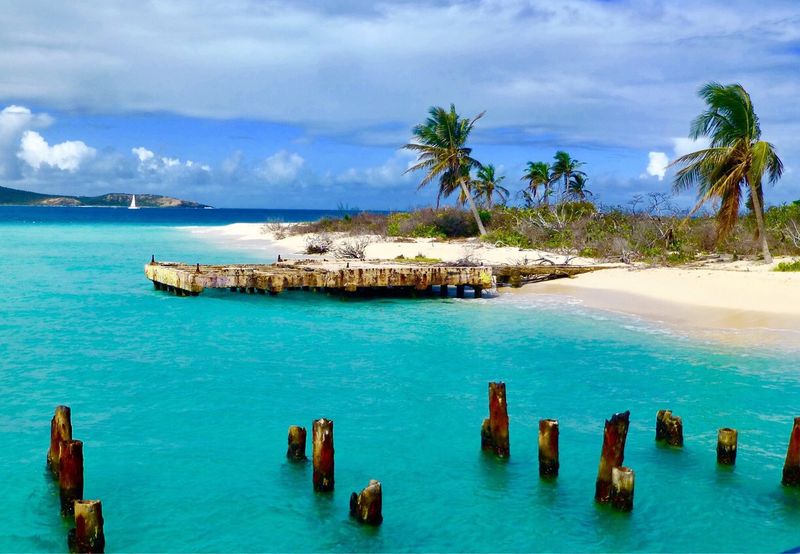
Every northerner with vacation days heads to Puerto Rico when snow starts falling.
Peak winter season turns this island paradise into a reservation nightmare where hotels book out months ahead and beaches disappear under wall-to-wall towels. Rental cars vanish, restaurant waits stretch to two hours, and rates often climb in peak winter season, especially around mid-December through early January.
You flew south to relax but ended up fighting crowds everywhere you turn. Visit during shoulder season instead and actually find a quiet spot on the sand.
6. Orlando Theme Parks
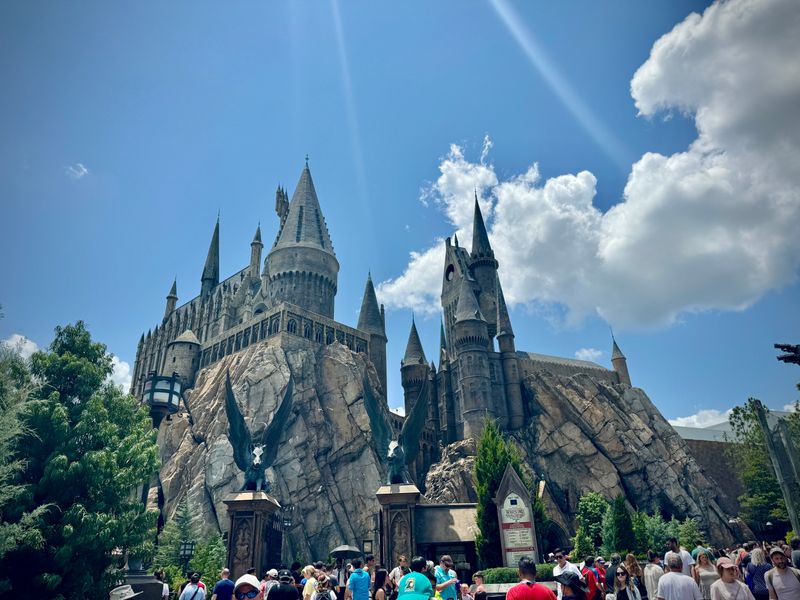
Holiday crowds turn theme parks into endurance tests rather than escapes.
Holiday weeks can bring extremely long waits, sometimes pushing into multi-hour territory for popular attractions. Winter break sends schools across America pouring into Florida at once, driving ticket prices toward mortgage levels and stretching lines to marriage testing lengths.
Seasoned park veterans argue summer heat beats winter crowds any day of the year.
December only makes sense for travelers who enjoy watching other people’s vacations unravel in real time.
7. Greek Islands
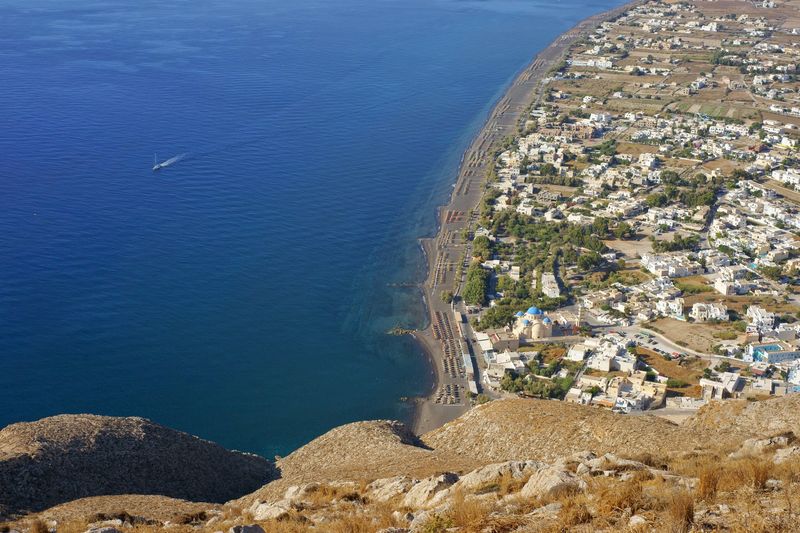
Ferry schedules and local services often scale back sharply in winter, and some routes run far less frequently. Many seasonal hotels and restaurants close for the off-season, while a smaller year-round layer remains.
During colder months, Mykonos and Santorini slip into ghost town mode as restaurants close, attractions shut down, and even resident cats seem to vanish for warmer islands.
Ignoring warnings often leads travelers to picture perfect villages left completely empty, offering nowhere to eat and nothing to do beyond regretting the booking. Summer remains the right time, when island life returns and destinations actually function as intended.
8. Amalfi Coast
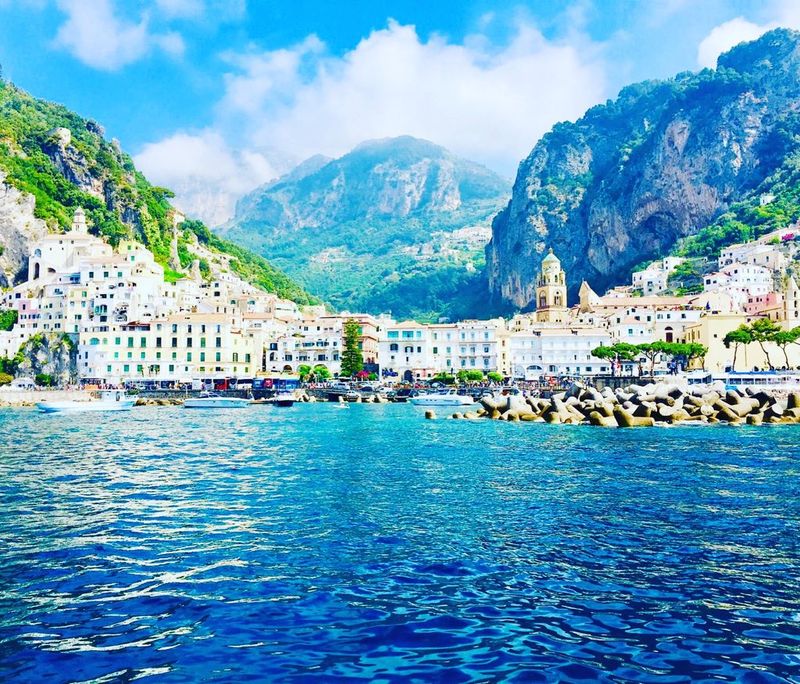
Rain drums steadily against shuttered hotel windows along the coast. Winter on the Amalfi Coast brings cold, wet weather as towns slip into hibernation until spring arrives.
Storms turn famous coastal drives risky, ferries stop running altogether, and most businesses close rather than cater to a handful of confused visitors. Summer sunshine fills Instagram feeds, yet winter delivers gray skies and locked doors instead.
Visiting between May and September lets the coast live up to its reputation rather than feeling like a beautiful ghost town.
9. Glacier National Park
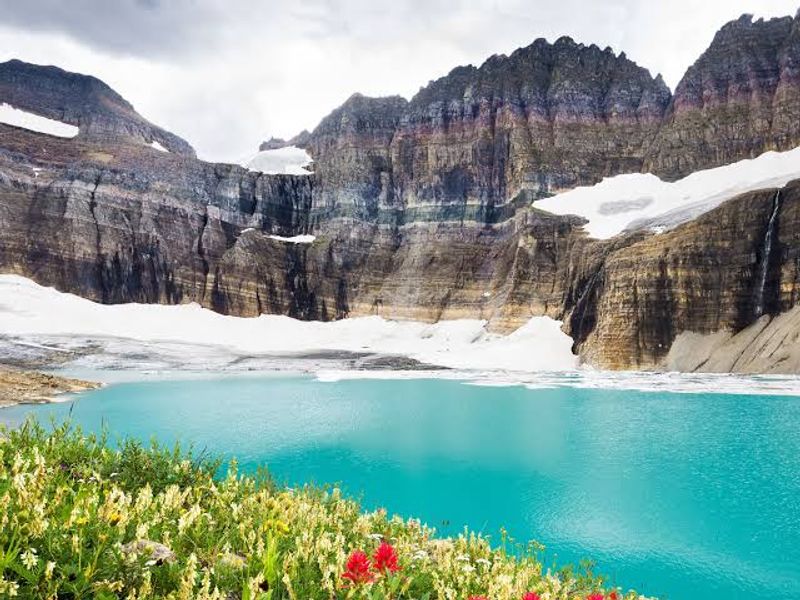
The famous Going-to-the-Sun Road sits buried under snow.
Winter brings widespread road and service closures in Glacier, and the Going-to-the-Sun Road is typically closed to vehicles. Services shut down, roads become impassable, and rescue operations turn complicated when something goes wrong in subzero temperatures.
Even summer struggles with overtourism, making winter’s limited access feel more frustrating than exclusive.
Montana offers better winter destinations where you can actually reach the scenery without risking frostbite or needing avalanche gear just to see a frozen waterfall.
10. Santa Claus Village
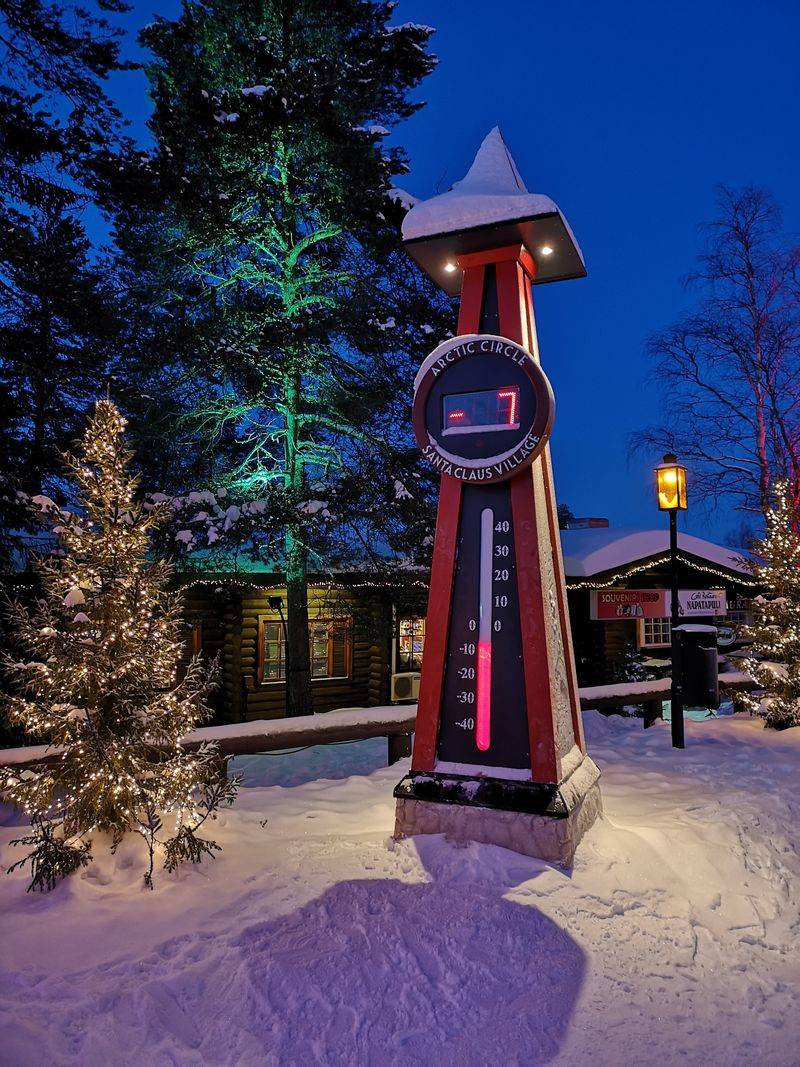
Local reporting has linked peak-season tourism growth and short-term rentals to tighter housing availability and rising costs in Rovaniemi. In Rovaniemi, runaway popularity around Santa Claus Village pushed winter tourism pressure beyond sustainable limits, forcing families out of their own town.
Infrastructure strains under visitor numbers never meant to be supported, and magic starts to feel manufactured when lines stretch hundreds deep just to meet Santa.
Authenticity fades fast when crowds overwhelm daily life and turn a community into a seasonal attraction. Finland still offers genuine winter experiences without fueling overtourism or pouring money into heavily commercialized Christmas spectacles.
11. Northern Japan Ski Towns
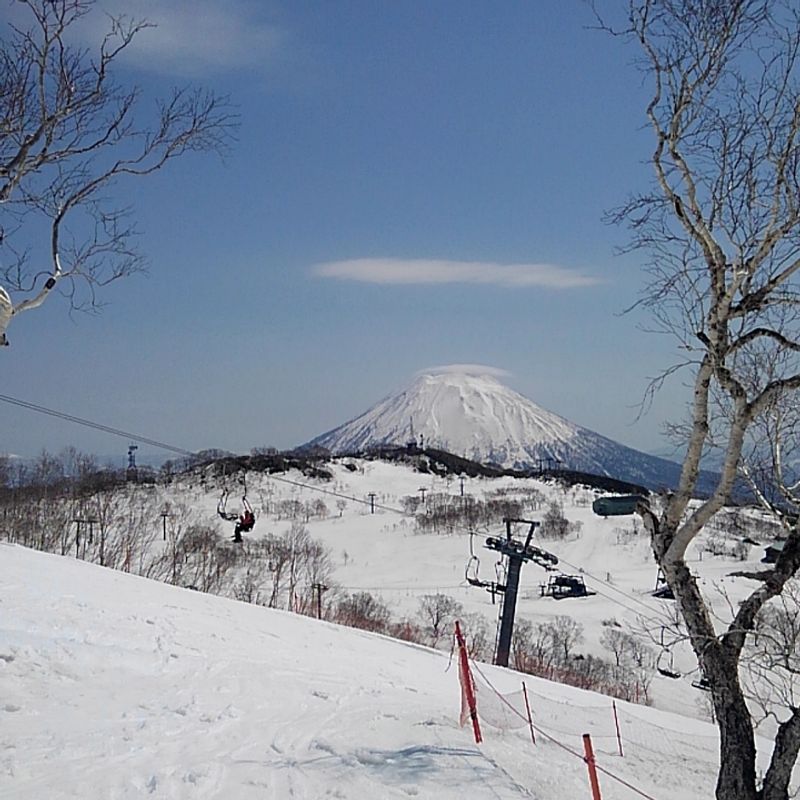
Record snowfalls sound perfect until they trap you indoors.
During the 2025 to 2026 snow season, record snowfall and disruptions have triggered safety advisories in parts of Japan, including popular ski regions.
Too much snow turns ski resorts into hazard zones where the powder everyone traveled to experience becomes the reason they can’t leave their hotels. Authorities urged visitors to reconsider winter travel after rescue operations stretched thin across multiple incidents.
Japan offers incredible skiing, but Mother Nature doesn’t always cooperate with vacation schedules or safety expectations.
12. UK And Ireland Mountain Passes
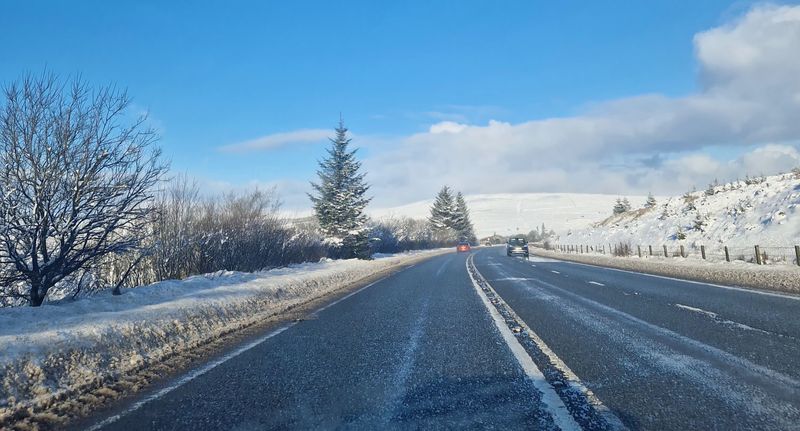
Severe weather warnings can bring major travel disruption, and official guidance during high-risk events can include advice to avoid travel.
Locals understand how quickly these roads turn deadly in winter, while visitors trust Instagram photos and assume everything will be fine. Red warning signs deserve respect, making spring a far safer time for highland adventures.
13. Yukon Interior
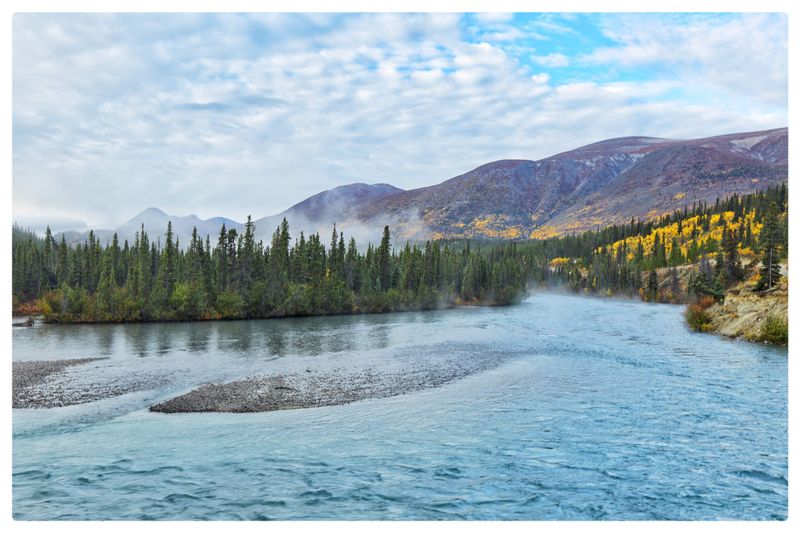
Minus forty degrees shows up on the thermometer without mercy. In Yukon’s remote interior, temperatures plunge low and the frostbite can develop within minutes on exposed skin during extreme cold, especially with wind chill.
Deep winter travel demands survival skills most tourists lack, along with specialized equipment that can cost more than the trip itself.
One wrong turn or mechanical failure quickly turns life threatening when help sits hours away and rescue teams cannot fly in blizzard conditions.
Adventure tourism loses its shine when frostbite becomes a real risk, leaving this destination better suited to experienced northern travelers than visitors chasing Instagram content.
14. Greek Mainland Beaches
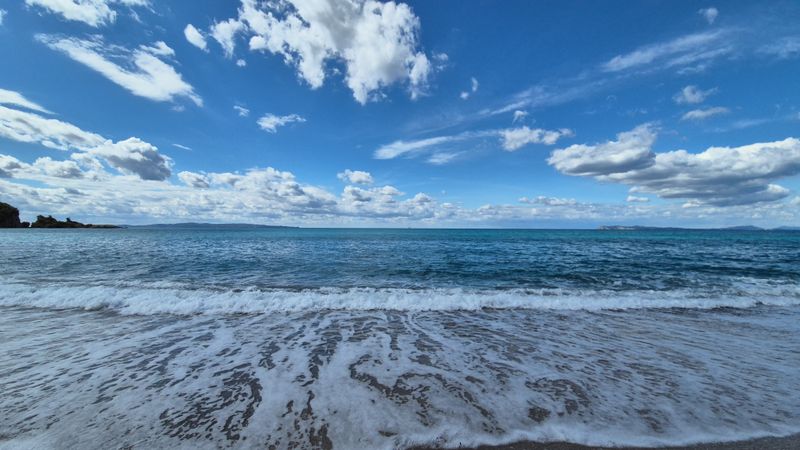
Waves crash against empty beaches as winter strips Greek mainland coastal towns of energy and activity.
During colder months, facilities close, seas turn rough, and transportation drops to skeleton schedules that leave little room for flexibility. Solitude seekers may appreciate the quiet, yet most travelers arrive expecting basic services and find fewer open businesses, shorter schedules, and limited transport options compared with warm-season travel.
Coastal magic truly returns in warmer seasons, when swimming feels inviting and restaurants reopen instead of hibernating until Easter.
15. Small Mediterranean Beach Towns
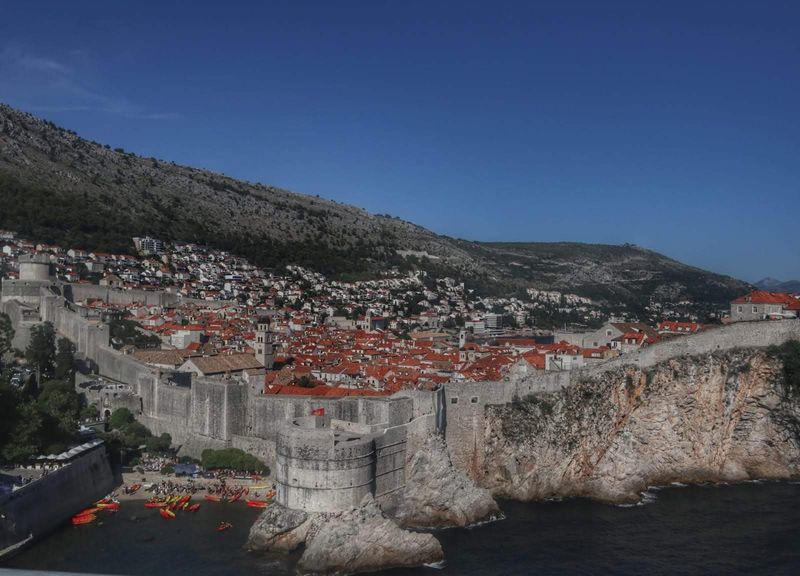
Restaurant chairs sit stacked and chained as winter settles in.
In many seasonal beach towns around the Mediterranean, winter can mean reduced hours and widespread closures outside major city centers.
Summer income keeps these places alive, so winter brings hibernation that looks charming in photos but feels frustrating when hunger hits and everything stays closed. Mediterranean beaches truly shine between May and September, making warmer months the time when towns open up and locals actually welcome visitors.